
Resources
MAEZ Chain of Responsibility resources
Source-backed advisory resources focused on Chain of Responsibility training, Chain of Responsibilities, chartered risk, HVNL, WHS, and CoRGuard implementation.

MAEZ guide
Chain of Responsibility Training: NHVAS Readiness, SMS Evidence, and HVNL Duty Compliance for Australian Operators
Chain of Responsibility training equips every party in the heavy vehicle supply chain with the knowledge to meet HVNL duties, maintain NHVAS accreditation, and produce Safety Management System evidence. Here is what Australian operators, managers, and duty holders need to know and do next.
Read resource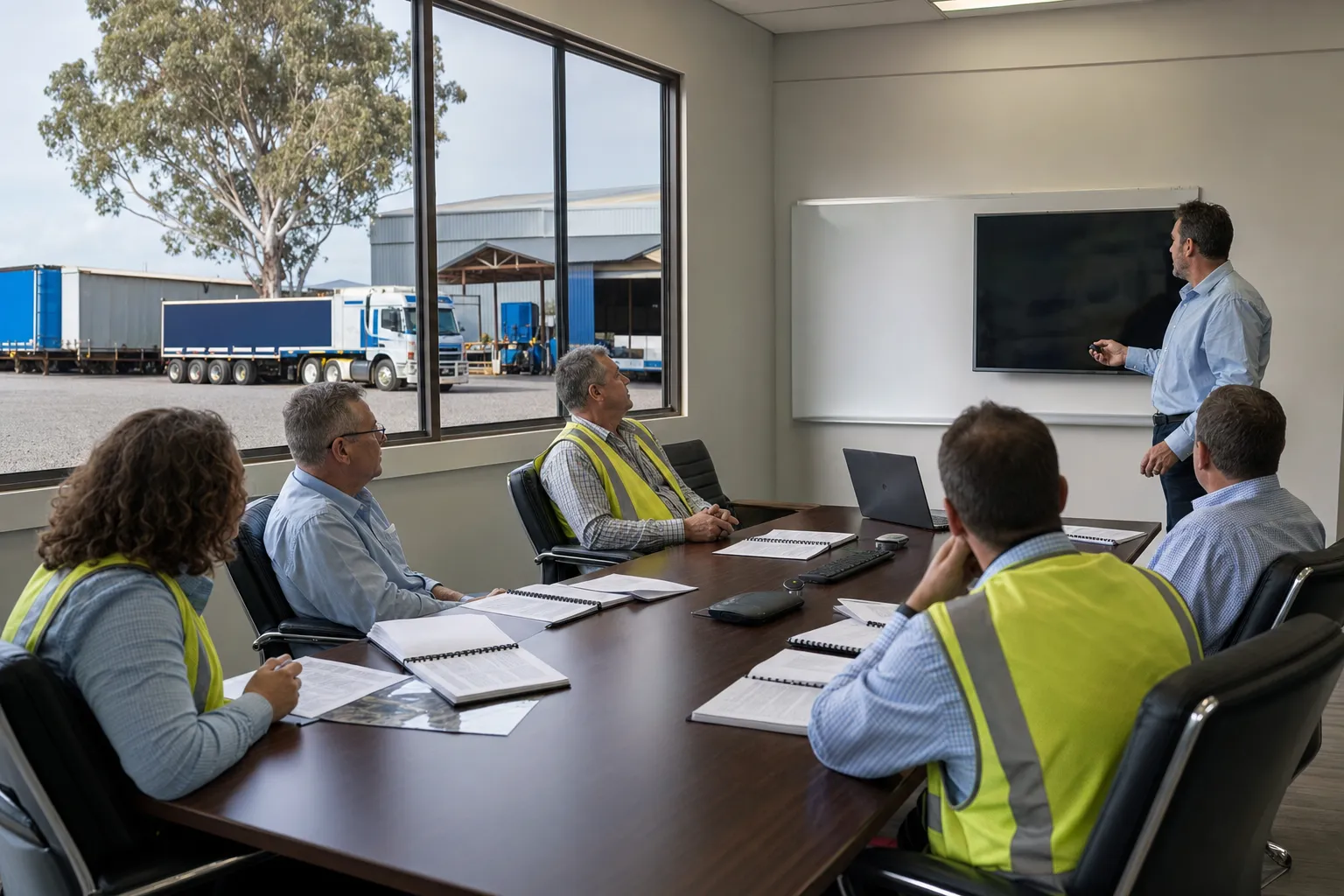
MAEZ guide
Chain of Responsibility Training for Executives and Managers: NHVAS, SMS, and HVNL Duty Readiness
Chain of Responsibility training for Australian executives and managers builds the knowledge, evidence, and Safety Management System discipline needed to meet HVNL duties and protect NHVAS accreditation. MAEZ helps operators stop losing sleep over fines, accreditation risk, and scattered evidence.
Read resource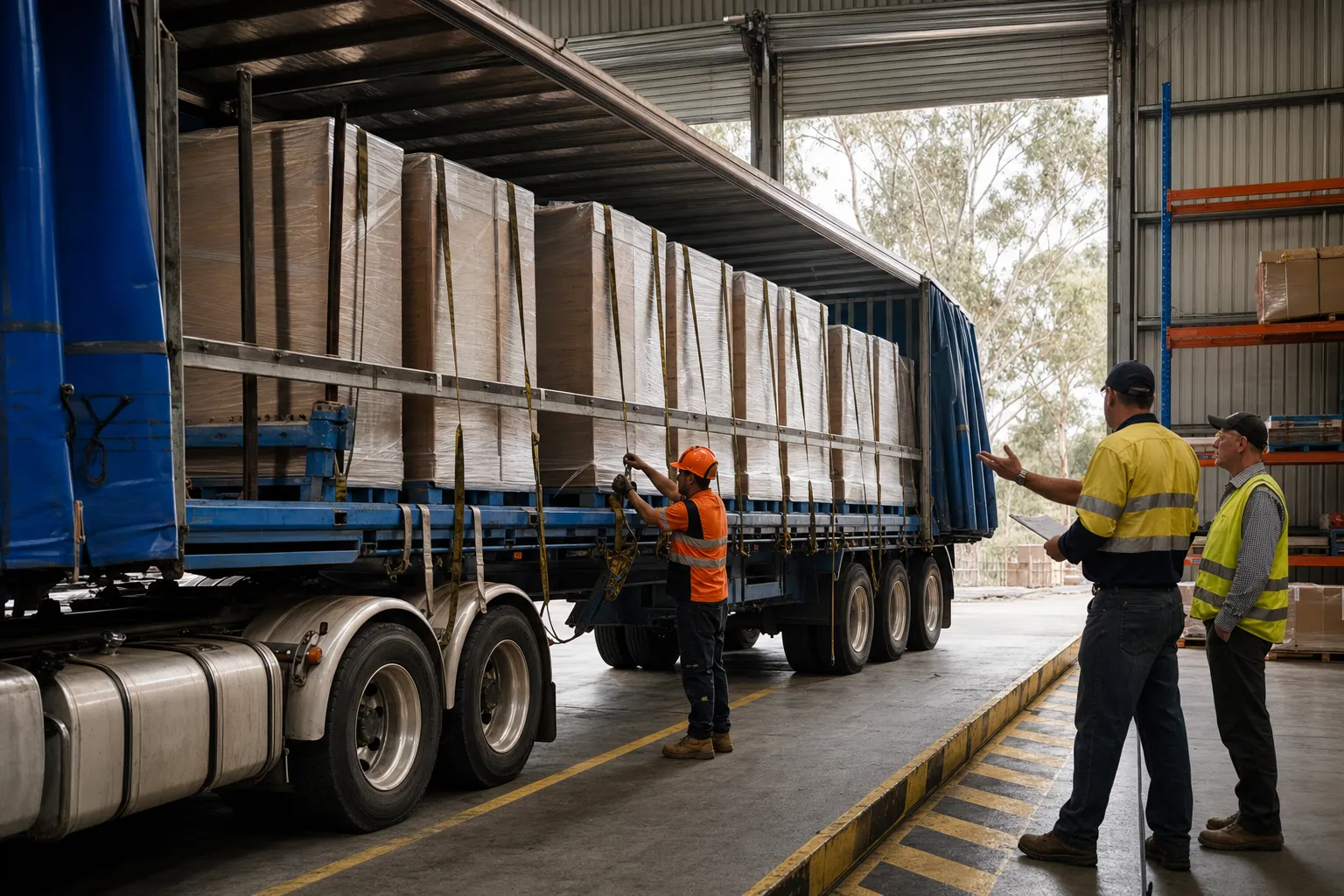
MAEZ guide
Chain of Responsibility Duty Holders: Consignors, Consignees, Loaders, Unloaders and Every Party in Between
Every party in the heavy vehicle transport supply chain — from consignor to consignee — carries legal duties under the HVNL. This guide breaks down who each duty holder is, what they must do, and how to build evidence that withstands regulator scrutiny.
Read resource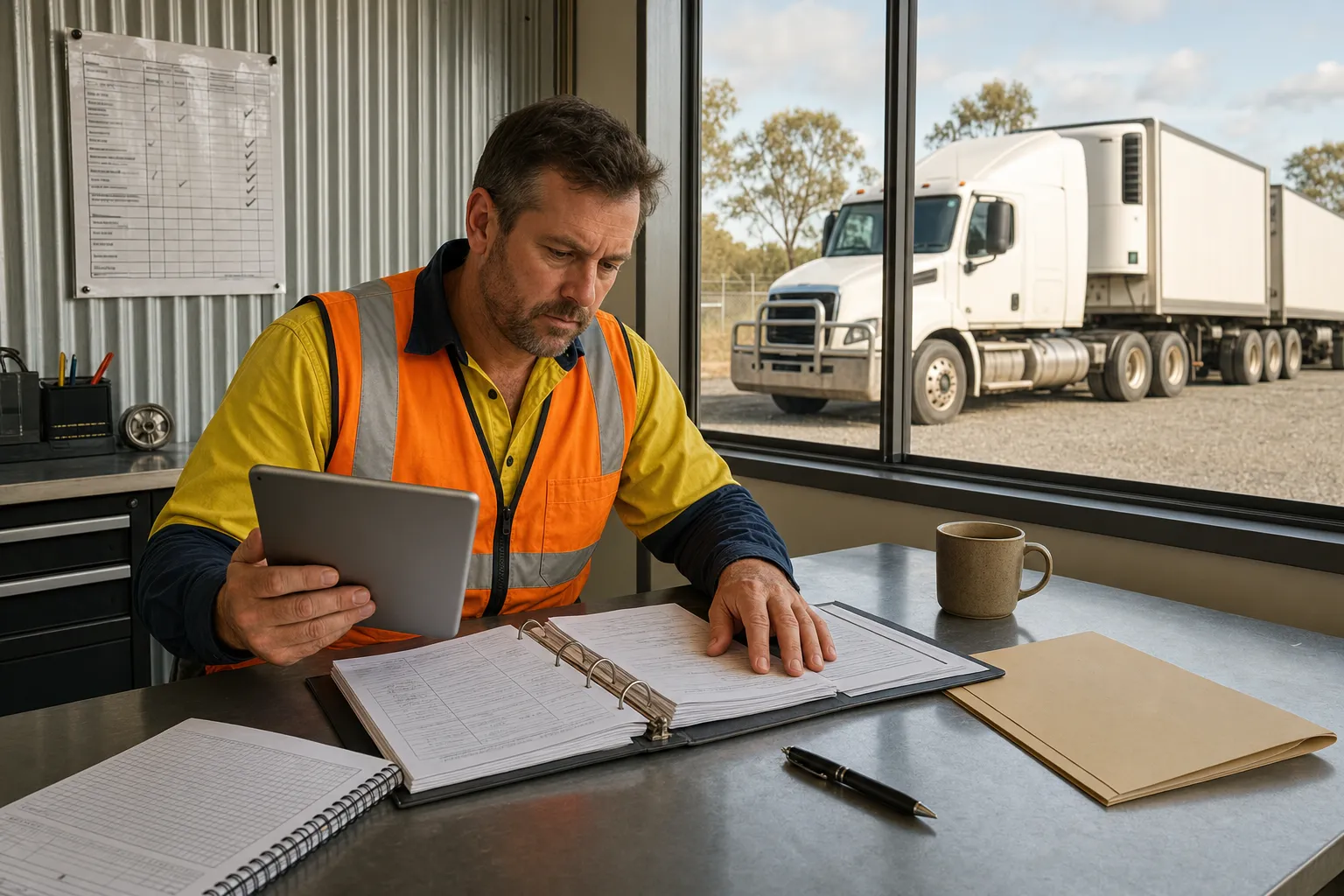
MAEZ guide
How MAEZ Helps Owner-Operators Protect NHVAS Accreditation and Avoid Compliance Fines
MAEZ helps Australian transport operators stop losing sleep over fines, accreditation risk, and scattered evidence by combining practical Chain of Responsibility training, NHVAS readiness advisory, and CoRGuard's Safety Management System workflows.
Read resource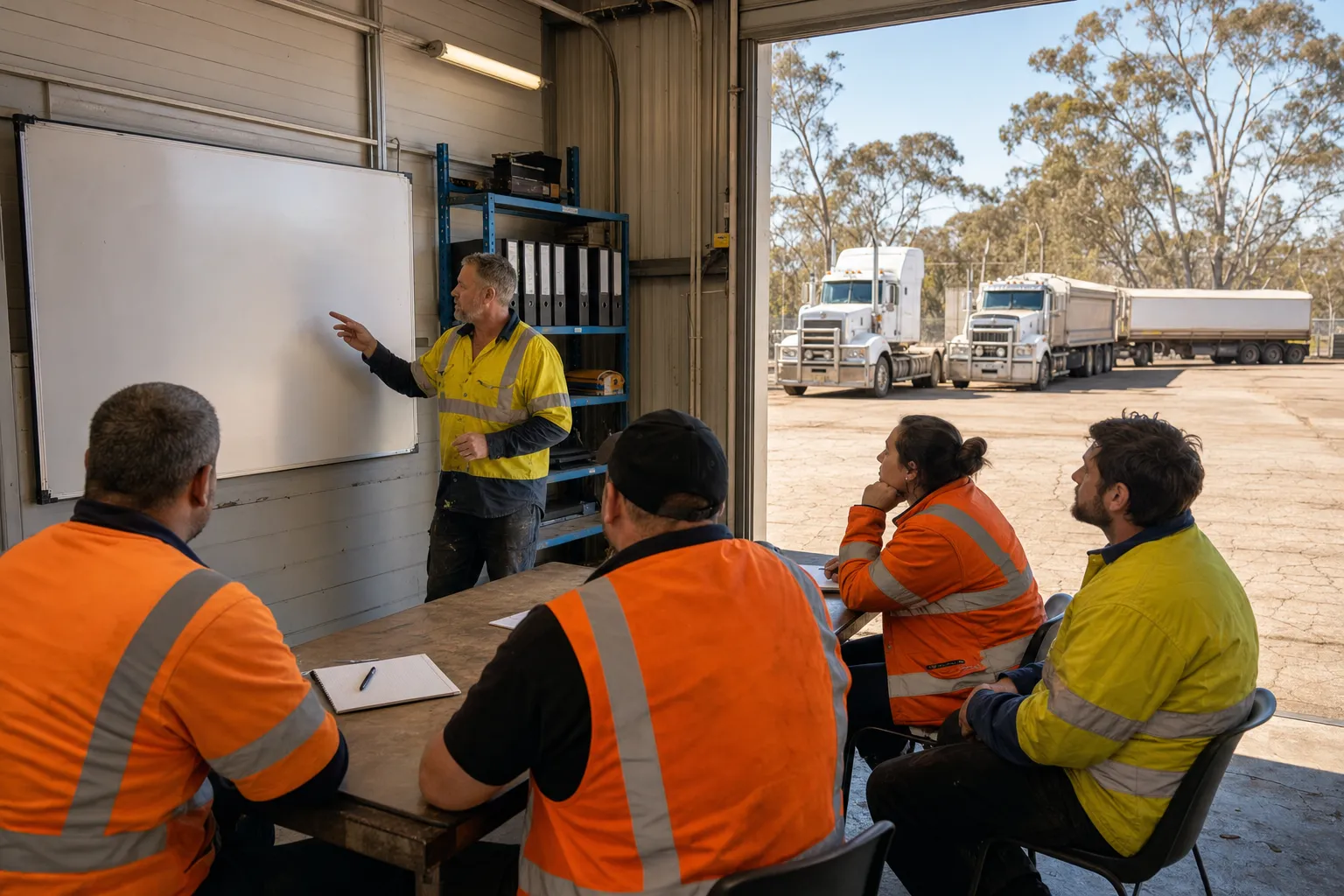
MAEZ guide
HVNL 2026 Changes and Chain of Responsibility Training Readiness: A Practical Guide for Australian Operators
From 1 August 2026, the amended Heavy Vehicle National Law mandates Safety Management Systems, introduces fit-to-drive duties, and restructures NHVAS accreditation. Here is what every CoR duty holder needs to do now to be ready.
Read resource
MAEZ guide
Chartered Risk Review for Chain of Responsibility Gaps: A Practical Guide for Australian Operators
A chartered risk review identifies and closes Chain of Responsibility gaps in your transport business, ensuring HVNL compliance, NHVAS accreditation readiness, and practical evidence for safety management.
Read resource
MAEZ guide
HVNL 2026 Changes and Chain of Responsibility Training Readiness: A Practical Guide for Australian Operators
From 1 August 2026, the amended Heavy Vehicle National Law introduces mandatory Safety Management Systems, strengthened CoR duties, and sharper executive liability. Here is what operators, managers, and duty holders must do now to be ready.
Read resource
MAEZ guide
Chain of Responsibility Training for Executives and Managers: A Practical Guide for Australian Transport Operators
Chain of Responsibility training equips executives and managers with the knowledge to discharge their personal HVNL duties, reduce exposure to Category 1 and 2 offences, and build a defensible Safety Management System that holds up under NHVR scrutiny.
Read resource
MAEZ guide
Chain of Responsibilities: What Australian HVNL Duty Holders Need to Understand
The Chain of Responsibility under the HVNL places shared safety duties on every party who influences a transport task. This guide explains who holds a duty, what the law requires, and how to build defensible evidence.
Read resource
MAEZ guide
Using a Chartered Risk Lens to Close Chain of Responsibility Gaps in Australian Transport
A chartered risk approach to Chain of Responsibility identifies the safety, legal, and operational gaps that lead to HVNL enforcement action, audit failure, and accreditation loss — then closes them with evidence-backed controls before the regulator does.
Read resource