
MAEZ insight
Chain of Responsibility (CoR) in Victoria | HVNL Changes Explained
The October 2018 HVNL reforms reshaped Chain of Responsibility obligations in Victoria. Learn about the six key changes, penalties, executive liability, and where to get practical help.
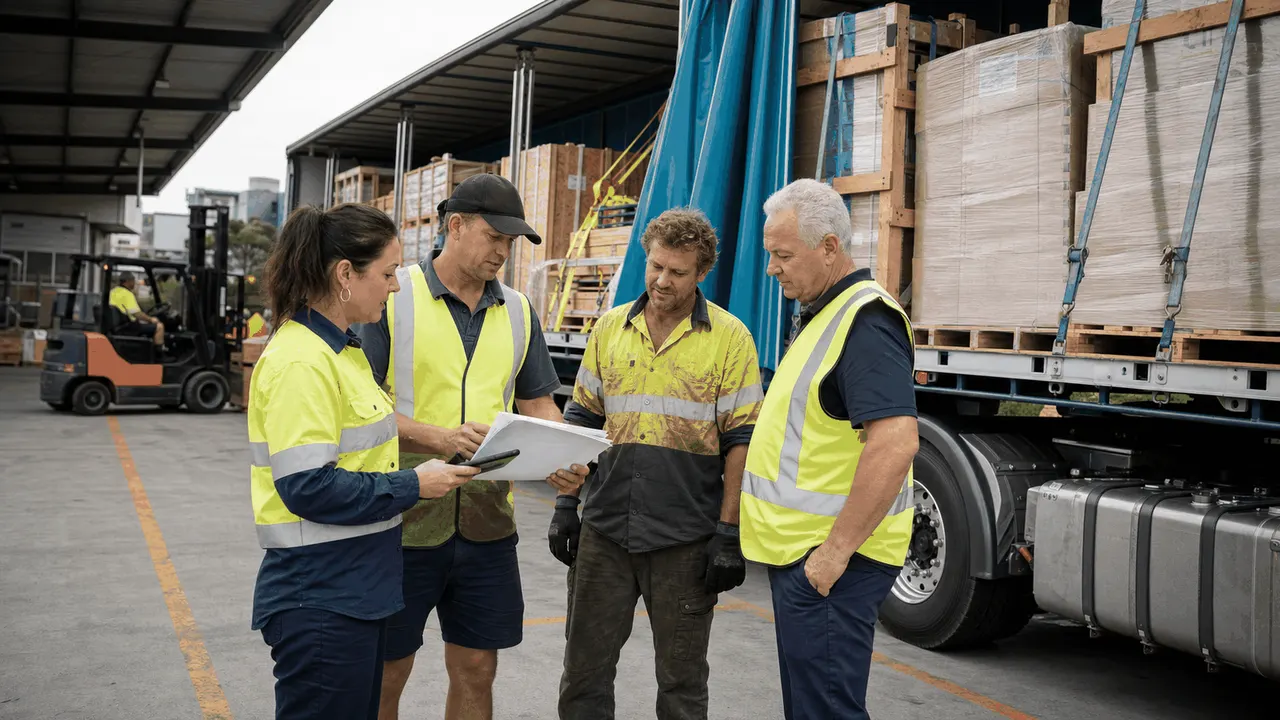
Unloading decisions can affect safety, scheduling, and responsibility.
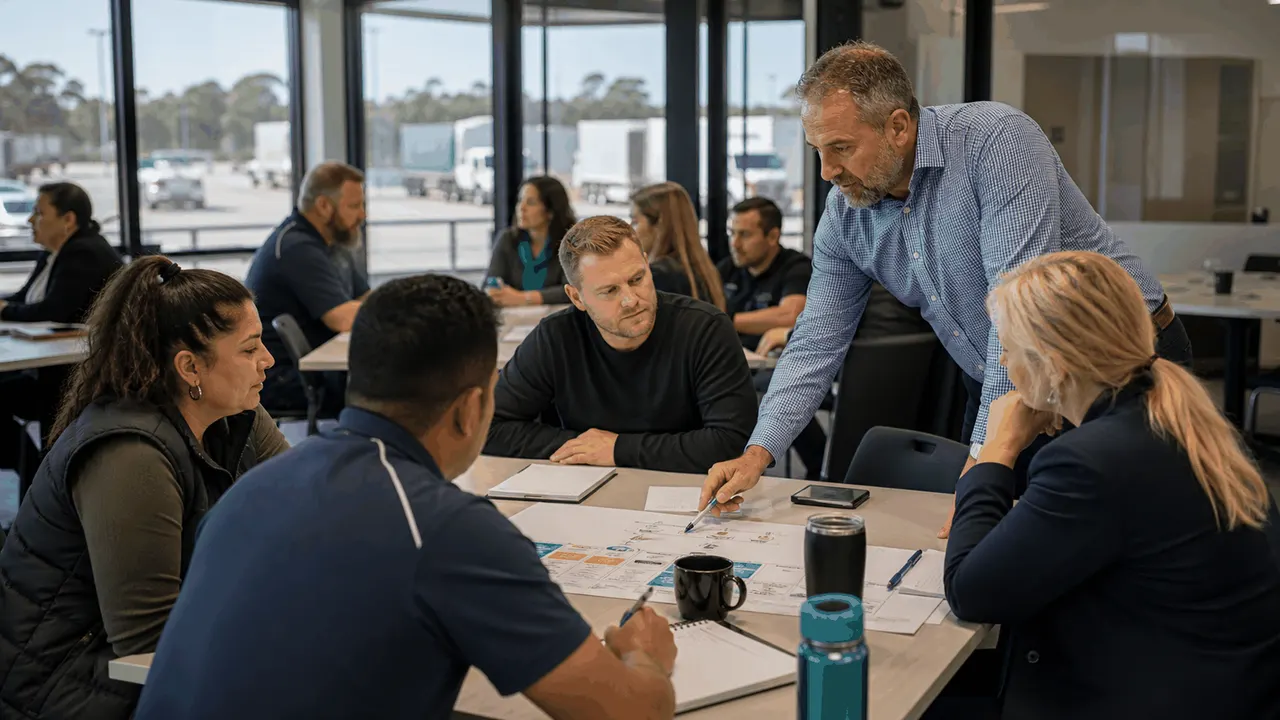
Managers need a clear view of gaps before audit or enforcement pressure arrives.

Contractor controls should be verified before the work starts.
Receiving windows, site rules, and unloading delays can all shape the transport task.
Consignors
Freight terms, delivery windows, and KPIs must not push drivers into speed, fatigue, or mass breaches.
Consignees
Receiving rules, site access, and unloading delays are CoR controls that need to be set and evidenced.
Loaders
Mass, dimension, and load restraint decisions need documented checks, not assumptions.
Managers
Executives and managers need due-diligence evidence that the Safety Management System is actually working.
What changed for Chain of Responsibility in Victoria?
Six categories of reform under the October 2018 HVNL amendments

Chain of Responsibility in Victoria was reshaped by the October 2018 Heavy Vehicle National Law reforms, which introduced a proactive primary duty of care, personal executive liability, WHS-aligned penalty tiers, and shared responsibility for vehicle standards across every party in the supply chain. Prosecution can now occur without an incident occurring.
These were the first major changes to the HVNL since its 2014 adoption. They apply in Victoria and all other participating jurisdictions, and they fall into six broad categories:
- Duty of care — a shift from incident-based prosecution to a proactive safety duty.
- Executive liability — executives can be personally prosecuted for failures of due diligence.
- Increased penalties — three tiers of breaches modelled on WHS laws, with significantly higher fines.
- Alignment with WHS management systems — opportunities to integrate CoR and WHS systems.
- Vehicle standards — all parties share responsibility for roadworthiness and maintenance.
- Industry codes — registered codes must be more compliance-focused and can play an evidentiary role.
For broader context on how CoR works across all states, see About Chain of Responsibility.
Duty of care: a proactive safety obligation
Prosecution can now occur without an incident
The most fundamental change is a move from incident-based prosecution for CoR breaches to a requirement that all parties in the chain must, so far as is reasonably practicable, ensure the safety of their transport activities. This means prosecution for breaches of duty of care under the HVNL can take place regardless of whether an incident has occurred.
The obligation is proactive — it is about what you did to manage risk, not what went wrong.
Under the HVNL, the safety of transport activities relating to a heavy vehicle is the shared responsibility of each party in the chain, and a duty may not be transferred to another person. A party's responsibility extends to the extent they have the capacity to influence and control the matter — or would have had that capacity but for an agreement or arrangement purporting to limit or remove it.
For a deeper look at how shared duty works across the supply chain, read Chain of Responsibilities: What Australian HVNL Duty Holders Need to Understand.
Executive liability and increased penalties
Personal exposure modelled on WHS due diligence duties
Executives of parties within the chain can be prosecuted if their organisation — or an individual within it — fails to exercise appropriate due diligence. This mirrors the executive due diligence duties found in Work Health and Safety legislation.
The HVNL changes also introduced three categories of breaches, with maximum penalties ranging significantly:
- Category 3 — up to $50,000 for an individual and $500,000 for a corporation.
- Category 2 — up to $150,000 for an individual and $1,500,000 for a corporation.
- Category 1 — up to $300,000 and/or five years' jail for an individual, and $3,000,000 for a corporation.
These penalty levels bring CoR enforcement in line with WHS consequences, making executive awareness and Chain of Responsibility training for executives and managers essential rather than optional.
Alignment with WHS management systems
Integrating CoR and WHS can reduce cost and administrative burden
Because the HVNL responsibilities and penalties for duty of care breaches have been modelled on WHS law, many Chain of Responsibility and WHS management systems can be aligned or integrated. For transport businesses running both systems separately, this presents an opportunity to streamline.
However, there are important differences. CoR obligations under the HVNL are not limited to a specific site or group of employees — they extend to the supply chain party and the supply chain itself.
Why a simple document merge is rarely enough
This broader reach means a simple merge of documents is rarely sufficient; the integration needs to reflect how the transport task actually works. If you need a structured review of your current position, CoR consulting can help identify where the gaps are.
Vehicle standards and industry codes
Two further changes that extend chain-wide responsibility
Vehicle standards
All parties in the chain are now responsible for adhering to standards related to roadworthiness, construction, and design for the vehicles within their supply chain. This includes maintaining a maintenance regime for all heavy vehicles, undertaken by a qualified mechanic and aligned with the manufacturer's service intervals and maintenance processes.
Industry codes
Industry codes must now be more compliance-focused to be accepted for registration by the NHVR. Registered codes can play an evidentiary role in court proceedings when determining whether duty of care has been complied with. While compliance with a code is not a standalone defence, it can be used to test reasonable practicability in circumstances relevant to the code.
For operators preparing for upcoming regulatory changes, the HVNL 2026 changes and CoR training readiness guide outlines what to expect next.
Where to find HVNL guidance and support in Victoria
VicRoads resources and how MAEZ can help
While Chain of Responsibility in Victoria is now the regulatory responsibility of the NHVR, VicRoads has produced a series of maps to help drivers comply with HVNL requirements. These maps outline curfews, height clearances, and required permits, helping drivers determine which roads they are permitted to use based on the time of day, vehicle mass, and dimensions.
VicRoads has also made map data available so companies can add it to their GPS systems or interrogate routes further. Drivers should note that this information covers freeways, highways, and main roads only — local councils must be consulted for information on local roads.
How MAEZ can help
MAEZ helps Australian transport businesses turn CoR, HVNL, WHS, and NHVAS obligations into practical training, advisory, audit, and implementation pathways. If you need help applying these changes to your operation, contact MAEZ for a practical review of your controls, evidence, training, and SMS gaps. You can also explore Chain of Responsibility training options for your team.
How MAEZ works
Find the gaps. Fix the system. Prove the controls.
MAEZ helps transport operators deal with the compliance risk they already know is there. We help get the Safety Management System in order, protect NHVAS accreditation, reduce fine exposure, and connect training, evidence, and CoRGuard workflows where software is needed.
Find
Identify what is exposed before an auditor or regulator does.
Fix
Build the SMS controls around how the transport business actually runs.
Prove
Use CoRGuard where records, reminders, diaries, audits, and evidence need structure.
From advice to evidence
From MAEZ advice to a working Safety Management System
Advisory work should leave a practical implementation trail. These examples show how CoRGuard supports records, fatigue and driver diary checks, maintenance, audits, document control, inductions, corrective actions, and evidence review after MAEZ identifies the gaps.
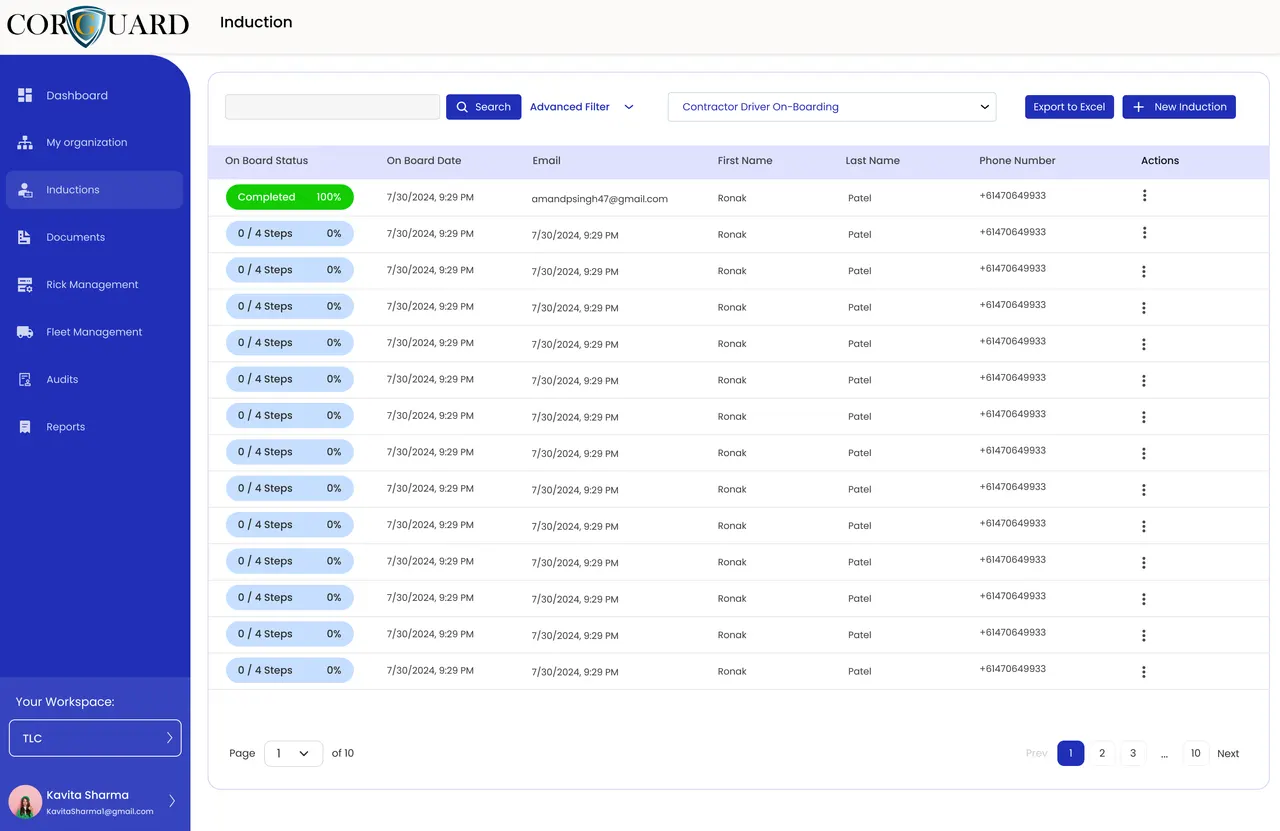
Training records
Connect training completion from cortraining.com.au to evidence and follow-up.
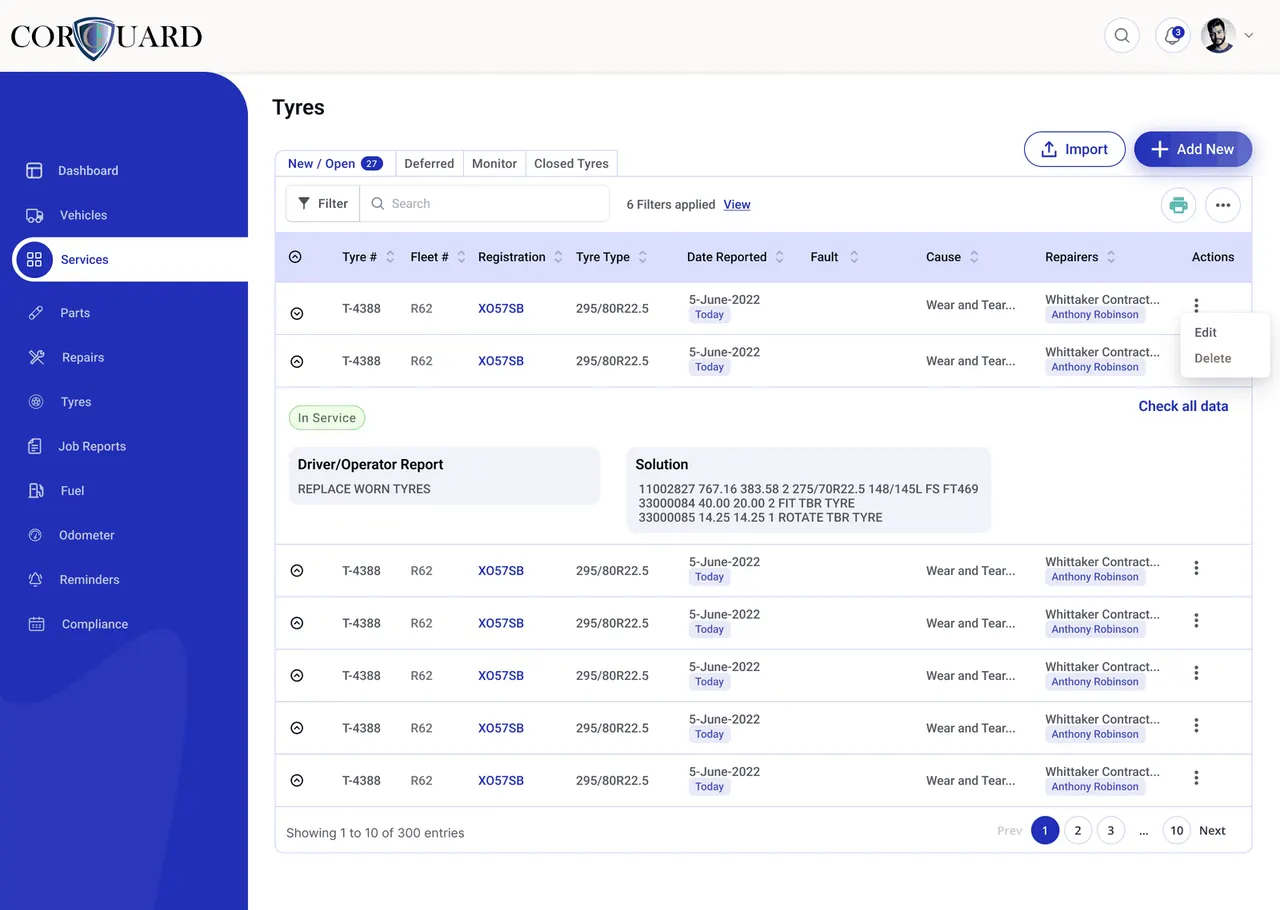
Driver diary checks
Connect fatigue and driver diary review back to manager visibility.
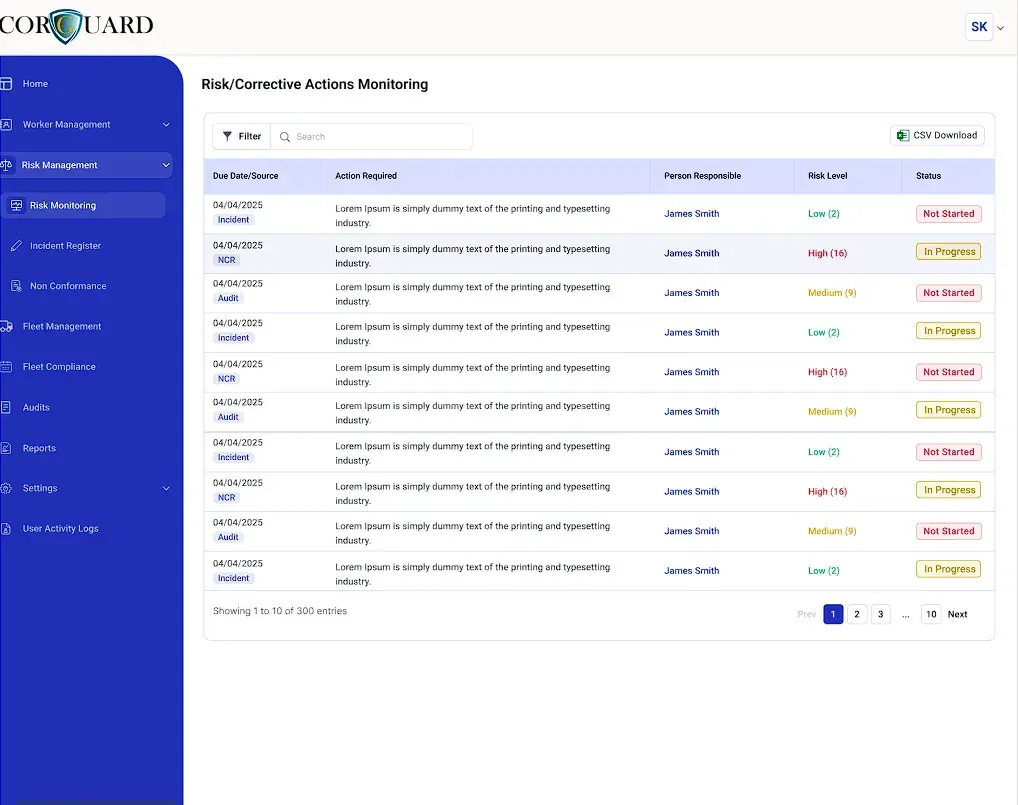
Corrective actions
Turn audit findings, hazards and incidents into tracked actions.
Keep exploring
Related Chain of Responsibility reading
MAEZ insight
Why Chain of Responsibility Matters to Your Business
Understanding and implementing an effective Chain of Responsibility (CoR) strategy is not only a matter of legislative compliance under the Heavy Vehicle National Law (HVNL), it is also crucial to the running of a successful business in the supply chain sector.
MAEZ insight
How Do Heavy Vehicle Operators Get Accreditation For Their Safety & Compliance?
The National Heavy Vehicle Accreditation Scheme (NHVAS), that is controlled by state and territory road transport agencies, was first introduced in 1999 as an alternative compliance scheme. In 2014, the NHVR took over the state based systems and now administer all aspects of the NHVAS.
MAEZ insight
Investigations Continue with NSW Truck Accident
This story as sad as it is, happens to all too often. This gentleman had a mum and dad, may have had kids of his own potentially. We all need to take stock of what we do in transport. We all need to think about others in our work places and check in on them to ensure they are ok.
MAEZ insight
Electronic Work Diary
Heavy vehicle drivers must record their working hours, rest hours, and transportation data to synchronise and make work data trackable under Chain of Responsibility law.
MAEZ insight
Fatigue Management – Are You Breaking The Law?
The behaviour that transport providers are challenged most by, is the lack of understanding these entities, both consignor and consignee, have on the transport aspect of the supply chain, more o on the fatigue management of drivers in the transport task.
MAEZ insight
Managing Risk or Assessing Risk, Do You Know The Difference?
When it comes to risk assessment, there are six elements.Identify the element upon which risk exists. What could cause you problems?
Frequently asked questions
Questions people ask about this topic
What is the Chain of Responsibility primary duty of care in Victoria?
Under the October 2018 HVNL reforms, every party in the chain must, so far as is reasonably practicable, ensure the safety of their transport activities. Prosecution for a breach can occur even if no incident has happened, because the duty is proactive rather than incident-based.
Can executives be personally prosecuted under Chain of Responsibility in Victoria?
Yes. Executives of parties within the chain can be personally prosecuted if their organisation or an individual within it fails to exercise appropriate due diligence, mirroring Work Health and Safety executive due diligence duties.
What are the maximum penalties for Chain of Responsibility breaches under the HVNL?
Penalties are tiered across three categories: Category 3 carries up to $50,000 for an individual and $500,000 for a corporation; Category 2 up to $150,000 and $1,500,000; and Category 1 up to $300,000 and/or five years' jail for an individual and $3,000,000 for a corporation.
Can CoR and WHS management systems be integrated in Victoria?
Yes, because HVNL duty-of-care obligations and penalties are modelled on WHS law, many systems can be aligned. However, CoR duties extend across the entire supply chain rather than a single site, so integration must reflect how the transport task actually works — a simple document merge is rarely sufficient.
Does compliance with a registered industry code defend a party against CoR charges?
Compliance with a registered industry code is not a standalone defence, but a registered code can play an evidentiary role in court proceedings when determining whether a duty of care has been complied with or when testing reasonable practicability.