
MAEZ insight
NHVAS Accreditation for Heavy Vehicle Operators: Safety & Compliance Guide
A practical guide to NHVAS accreditation modules, eligibility, audit requirements, and how Chain of Responsibility training connects your transport business to HVNL compliance.
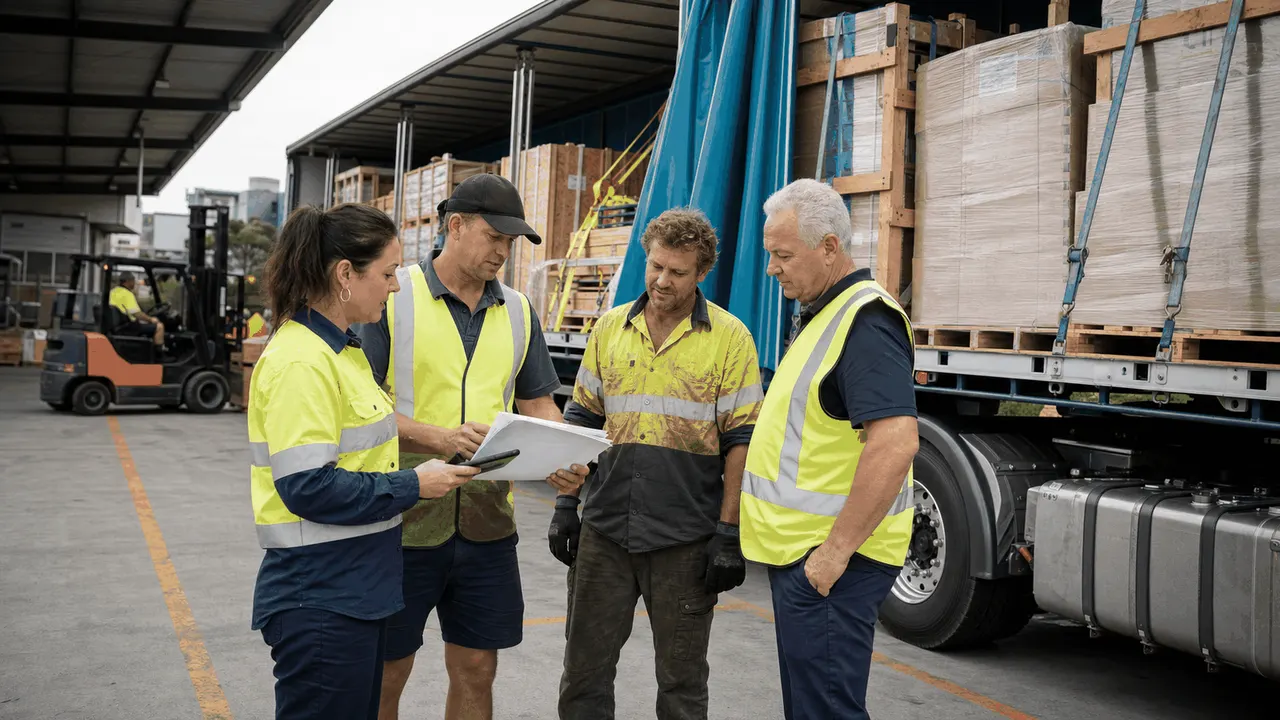
Loading controls need evidence, not assumptions.
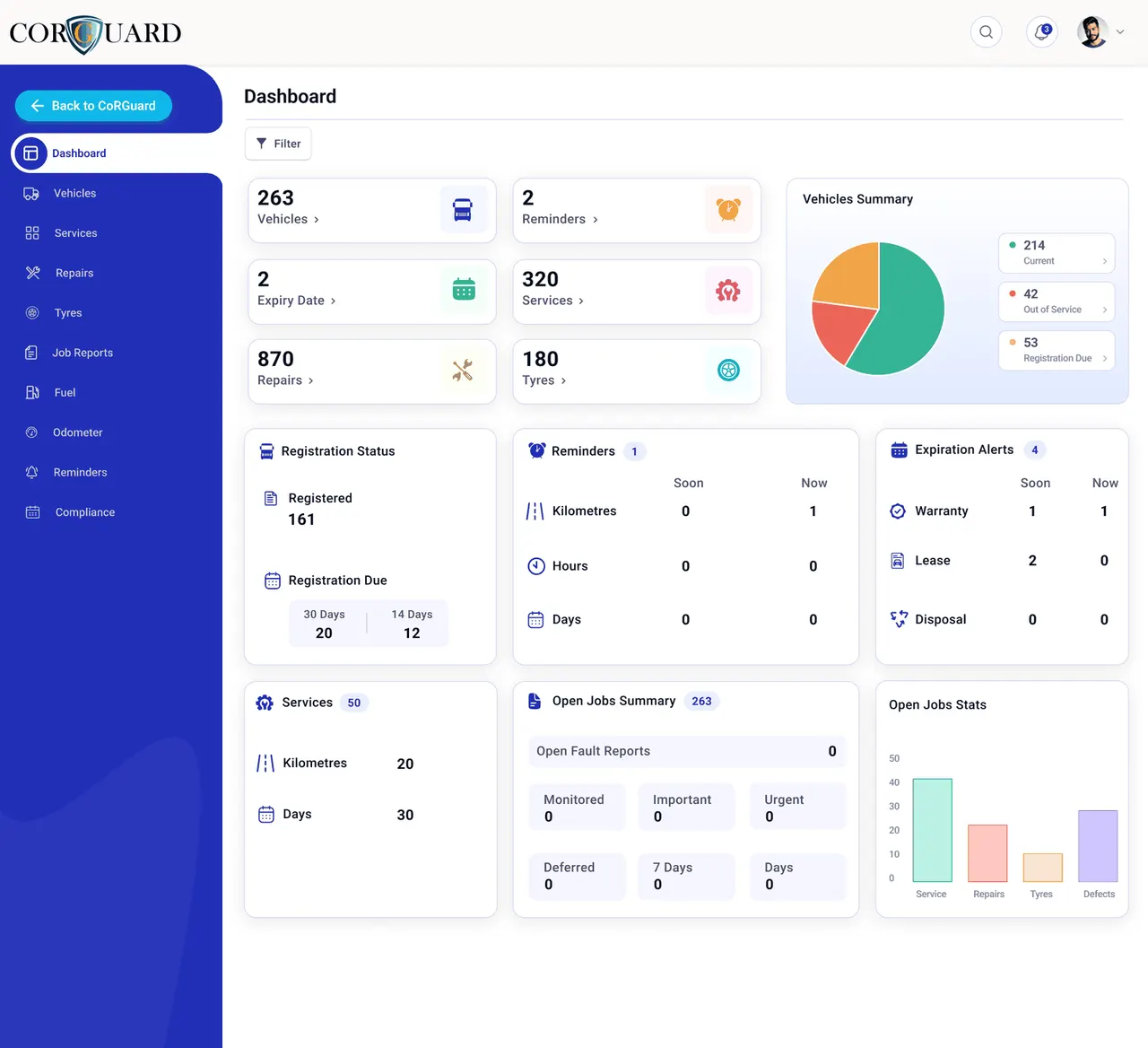
Daily fleet activity has to connect back to duties, controls, and review.

Due diligence means knowing whether the safety system is actually working.

Proof that freight promises do not create unsafe transport pressure.
Consignors
Freight terms, delivery windows, and KPIs must not push drivers into speed, fatigue, or mass breaches.
Consignees
Receiving rules, site access, and unloading delays are CoR controls that need to be set and evidenced.
Loaders
Mass, dimension, and load restraint decisions need documented checks, not assumptions.
Managers
Executives and managers need due-diligence evidence that the Safety Management System is actually working.
What is NHVAS accreditation?
The National Heavy Vehicle Accreditation Scheme explained

NHVAS accreditation is the National Heavy Vehicle Accreditation Scheme administered by the National Heavy Vehicle Regulator (NHVR). It lets heavy vehicle operators prove through audited management systems that their vehicles and drivers meet national standards, giving accredited operators access to flexible operating conditions under the Heavy Vehicle National Law (HVNL).
The NHVAS was introduced in 1999 as an alternative compliance scheme, originally controlled by state and territory road transport agencies. In 2014, the NHVR took over the state-based systems and now administers all aspects of the scheme nationally.
Through audit of their management systems, heavy vehicle operators demonstrate that their vehicles and drivers comply with NHVAS standards. The NHVR oversees all heavy vehicles nationally and provides accreditation for safety and compliance under the scheme.
Which NHVAS modules can operators choose?
Three core accreditation pathways
Operators of heavy vehicles can seek accreditation under the following NHVAS modules:
- Mass Management — Operators who meet additional criteria may be able to operate at a slightly higher mass capacity.
- Fatigue Management (Basic or Advanced) — Certification allows more flexible work and rest hours, provided driver fatigue is effectively controlled.
- Maintenance Management — Operators must maintain their vehicles and adhere to all applicable standards. Some states require annual inspections as part of registration but may exempt adequately maintained vehicles.
Each module has its own standards and business rules that operators must meet and demonstrate through documented systems. The module or combination of modules an operator chooses depends on the nature of their transport task and the flexible conditions they need access to.
What are the eligibility and audit requirements?
Getting accredited step by step
The NHVAS is open to any operator committed to abiding by the NHVAS Standards and Business Rules. Once an internal compliance management system has been created, an entry audit is conducted by an NHVR-authorised auditor to ensure the accreditation requirements have been met. Fees are payable to the NHVR to attain accreditation.
To obtain NHVR accreditation you must:
- Create and maintain a compliant quality management system that meets all applicable accreditation standards.
- Demonstrate that employees follow the quality management system's criteria through documentation of the procedures followed.
- Produce compliance evidence and documents as required at the time of an audit.
The independent audit is conducted by NHVAS-authorised auditors. For heavy vehicle accreditation, a Chain of Responsibility safety system is essential — it connects your operational workflows to the duties and evidence an auditor will look for.
Why is a Chain of Responsibility safety system essential?
Connecting NHVAS to your CoR obligations
Chain of Responsibility (CoR) is a concept in the HVNL that refers to all transport-related activities, ensuring safety at every stage. It is based on the idea that everyone in an organisation has a responsibility for the health and safety of others on public roads.
Individuals who are parties to a CoR can be held liable if their actions or inactions cause an accident. Under the HVNL, the principle of shared responsibility applies — each party in the transport chain must take reasonable steps to ensure safety.
For a detailed explanation, Chain of Responsibility training covers the legal framework and how it relates to personal responsibility for different roles within an organisation. Understanding who qualifies as a duty holder is the first step to building a defensible safety system.
What should CoR training cover?
Building awareness across your team
A Chain of Responsibility training program helps individuals understand the basic concepts of the CoR legislation in the HVNL. Effective training should include information on the following:
- Improving on-road safety.
- Learning how individual choices can reduce damage to infrastructure.
- Improving business efficiency and compliance.
Employees can also complete training online so they know how to comply with the laws under the HVNL. For more detail on what executives and managers should know, see the practical guide to CoR training for executives and managers.
MAEZ provides the advisory and risk pathway, while Chain of Responsibility training is delivered through a dedicated CoR training course platform. This separation ensures the training content stays current and role-specific.
How does MAEZ help operators put this together?
From advisory to evidence to working systems
MAEZ helps Australian businesses turn Chain of Responsibility, HVNL, WHS, transport safety, and chartered risk obligations into practical training, advisory, audit, and implementation pathways.
We help transport operators deal with the compliance risk they already know is there — getting the Safety Management System in order, protecting NHVAS accreditation, reducing fine exposure, and connecting training, evidence, and workflows.
If you want a practical review of the controls, evidence, training, and SMS gaps that matter most, contact MAEZ for advisory support tailored to your operation. You can also explore CoR consulting for a practical risk review, or browse MAEZ Insights for related reading on transport compliance topics.
How MAEZ works
Find the gaps. Fix the system. Prove the controls.
MAEZ helps transport operators deal with the compliance risk they already know is there. We help get the Safety Management System in order, protect NHVAS accreditation, reduce fine exposure, and connect training, evidence, and CoRGuard workflows where software is needed.
Find
Identify what is exposed before an auditor or regulator does.
Fix
Build the SMS controls around how the transport business actually runs.
Prove
Use CoRGuard where records, reminders, diaries, audits, and evidence need structure.
From advice to evidence
From MAEZ advice to a working Safety Management System
Advisory work should leave a practical implementation trail. These examples show how CoRGuard supports records, fatigue and driver diary checks, maintenance, audits, document control, inductions, corrective actions, and evidence review after MAEZ identifies the gaps.
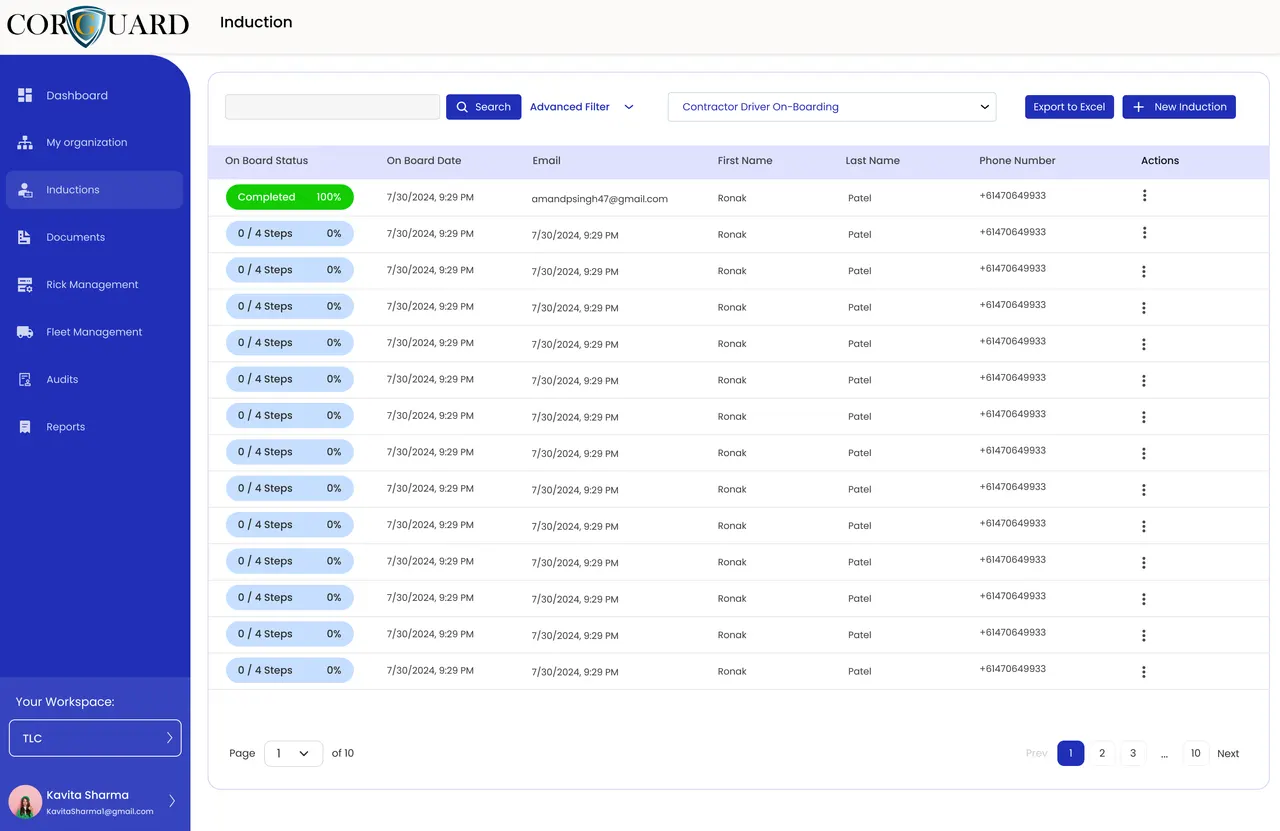
Training records
Connect training completion from cortraining.com.au to evidence and follow-up.
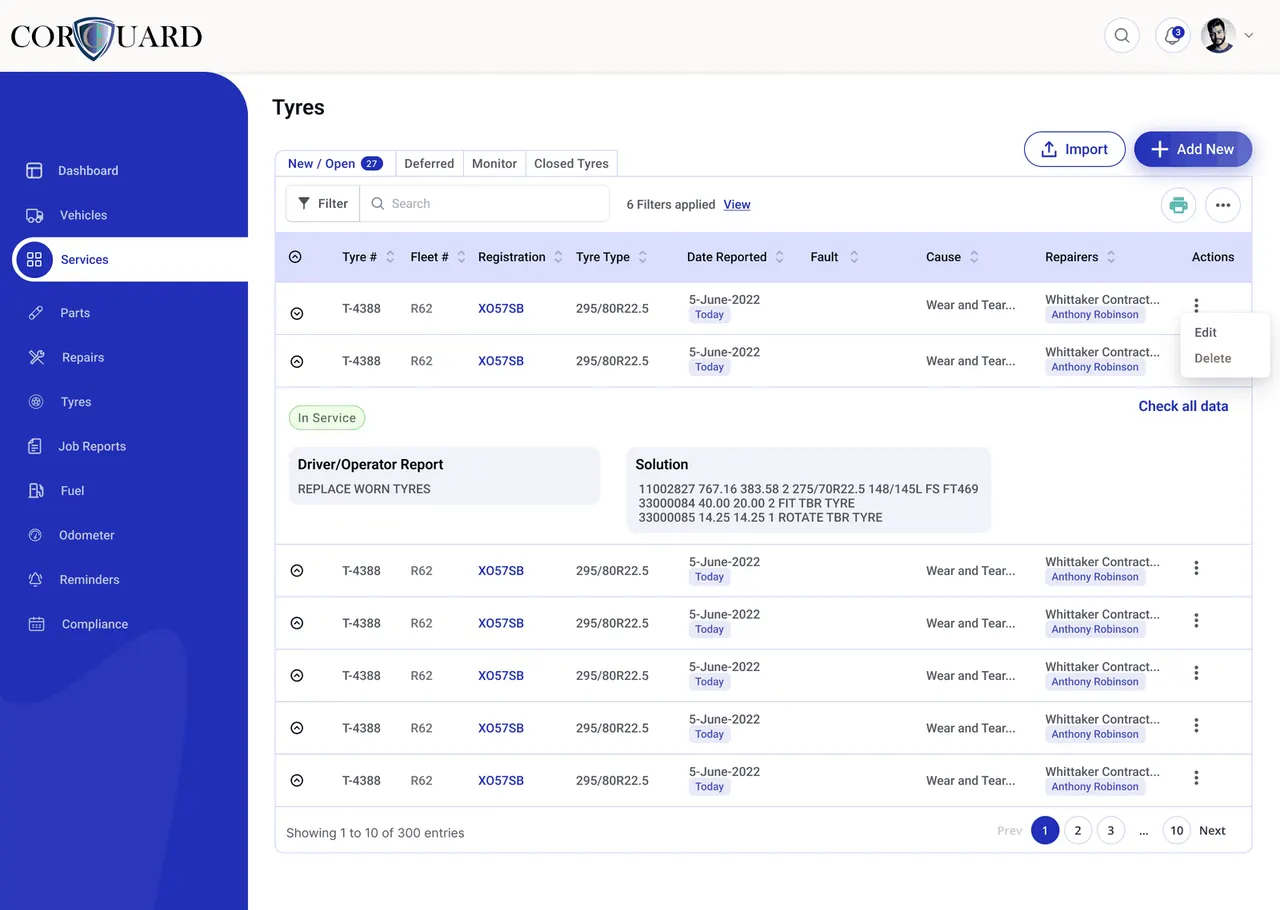
Driver diary checks
Connect fatigue and driver diary review back to manager visibility.
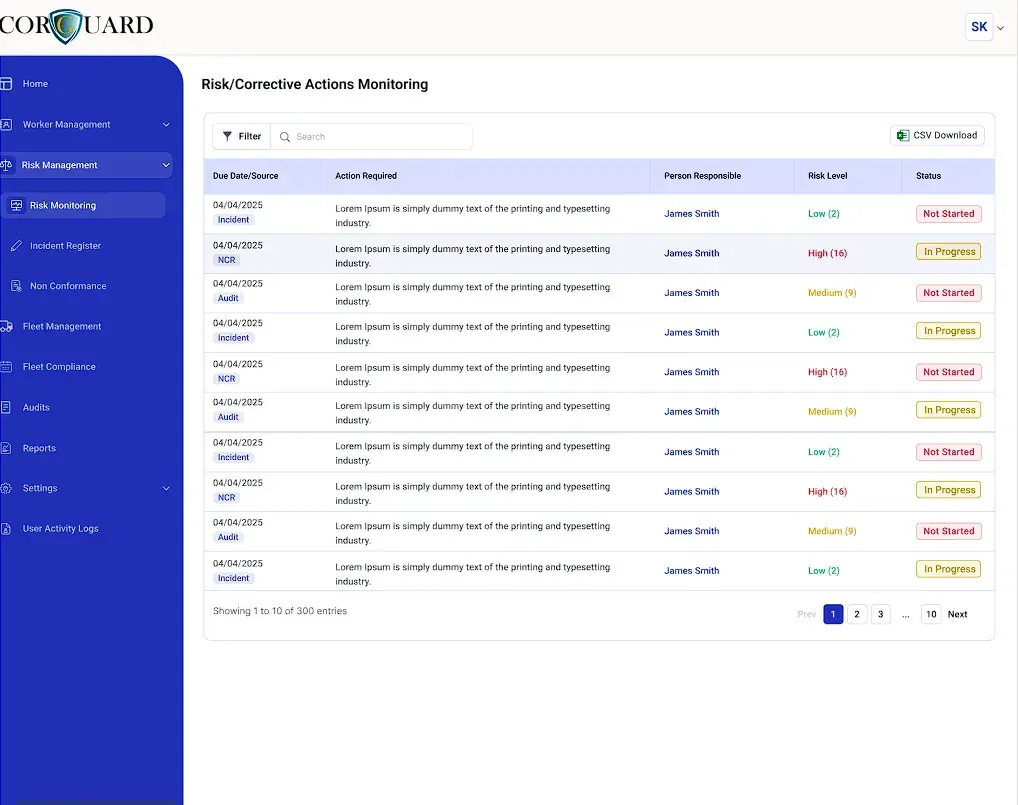
Corrective actions
Turn audit findings, hazards and incidents into tracked actions.
Keep exploring
Related Chain of Responsibility reading
MAEZ insight
Investigations Continue with NSW Truck Accident
This story as sad as it is, happens to all too often. This gentleman had a mum and dad, may have had kids of his own potentially. We all need to take stock of what we do in transport. We all need to think about others in our work places and check in on them to ensure they are ok.
MAEZ insight
Electronic Work Diary
Heavy vehicle drivers must record their working hours, rest hours, and transportation data to synchronise and make work data trackable under Chain of Responsibility law.
MAEZ insight
Fatigue Management – Are You Breaking The Law?
The behaviour that transport providers are challenged most by, is the lack of understanding these entities, both consignor and consignee, have on the transport aspect of the supply chain, more o on the fatigue management of drivers in the transport task.
MAEZ insight
Managing Risk or Assessing Risk, Do You Know The Difference?
When it comes to risk assessment, there are six elements.Identify the element upon which risk exists. What could cause you problems?
MAEZ insight
What Is A Duty Holder Under the Heavy Vehicle National Law?
The Heavy Vehicle National Law (HVNL) is pivotal for ensuring the safety and compliance of heavy vehicle operations in Australia. Central to this framework is the Chain of Responsibility (CoR), which distributes accountability across various parties in the transport supply chain.
MAEZ insight
Checking Registration Currency
Complying with CoR not only safeguards from legal penalties but also fosters a culture of safety, pre-emptively addressing risks that could lead to severe road incidents. Anticipating potential risks and developing contingency plans is crucial.
Frequently asked questions
Questions people ask about this topic
What NHVAS modules are available to heavy vehicle operators?
Operators can seek accreditation under three NHVAS modules: Mass Management (for higher mass capacity), Fatigue Management Basic or Advanced (for flexible work and rest hours), and Maintenance Management (for vehicle standards compliance and potential inspection exemptions).
What does the NHVAS entry audit involve?
An NHVR-authorised auditor reviews your quality management system, confirms employees follow documented procedures, and checks that compliance evidence is available. Fees are payable to the NHVR, and the audit ensures you meet all applicable accreditation standards before accreditation is granted.
Why is Chain of Responsibility training important for NHVAS accreditation?
A Chain of Responsibility safety system is essential for NHVAS accreditation because it connects your operational workflows to the shared-responsibility duties under the HVNL. Training ensures everyone in the transport chain understands their personal liability and the steps they must take to ensure road safety.
Where is Chain of Responsibility training delivered?
MAEZ provides the advisory and risk pathway, while Chain of Responsibility training is delivered through a dedicated online training platform at cortraining.com.au. This keeps the training content current and role-specific for operators, executives, managers, and other duty holders.
How does MAEZ support NHVAS accreditation beyond training?
MAEZ helps transport operators identify CoR, HVNL, WHS, and Safety Management System gaps, then turns those gaps into practical controls and evidence. This includes advisory support, audit preparation, and connecting training records, corrective actions, and compliance workflows into a working SMS.