
MAEZ insight
Effective Strategies for Implementing COR Training
Practical strategies for implementing COR training — from FAC-COR certification levels and training course requirements to experience documentation, prerequisites, and step-by-step implementation guidance.

Managers need a clear view of gaps before audit or enforcement pressure arrives.

Contractor controls should be verified before the work starts.

Receiving windows, site rules, and unloading delays can all shape the transport task.
Unloading decisions can affect safety, scheduling, and responsibility.
Consignors
Freight terms, delivery windows, and KPIs must not push drivers into speed, fatigue, or mass breaches.
Consignees
Receiving rules, site access, and unloading delays are CoR controls that need to be set and evidenced.
Loaders
Mass, dimension, and load restraint decisions need documented checks, not assumptions.
Managers
Executives and managers need due-diligence evidence that the Safety Management System is actually working.
What makes COR training implementation effective?
Effective COR training implementation requires three essential components: structured certification pathways through FAC-COR levels, documented experience requirements, and mandated training hours aligned with Federal Acquisition Institute standards. Strategic alignment connects regulatory requirements with operational realities, ensuring COR personnel can navigate contract complexities while maintaining appropriate boundaries of authority.
The COR is a critical position in federal contract management, functioning as the technical liaison between your agency and contractors throughout the acquisition lifecycle. This role carries substantial responsibility — understanding implementation strategies transforms compliance obligations into operational capability.
What separates effective implementation from procedural completion is strategic alignment. Your training approach must connect regulatory requirements with operational realities, ensuring COR personnel can navigate contract complexities while maintaining appropriate boundaries of authority.
This guide walks through the complete implementation process — certification structures, training requirements by level, application procedures, and maintenance obligations. These strategies apply whether you're establishing new COR capabilities or strengthening existing programs within your acquisition organisation. For broader training and compliance insights, explore additional resources from the MAEZ team.
Understanding the FAC-COR program framework
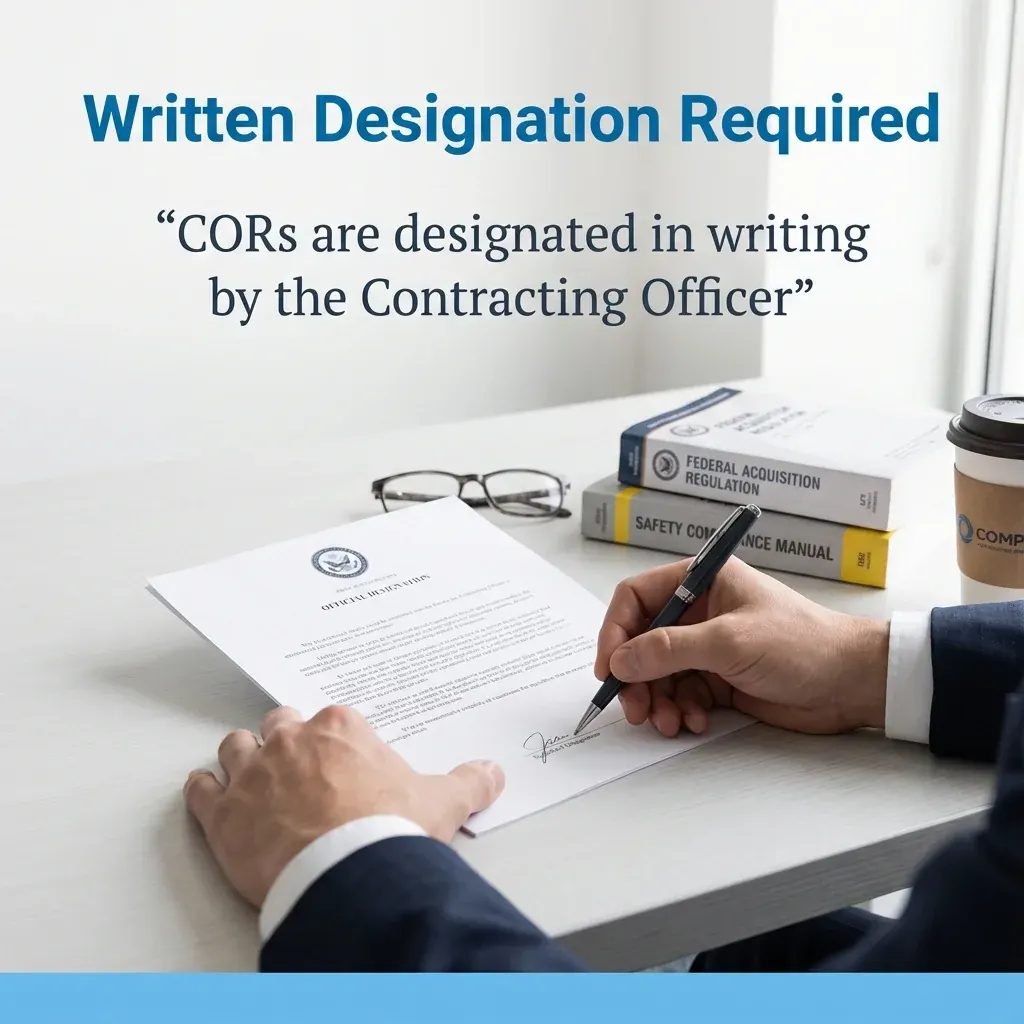
The Federal Acquisition Certification for Contracting Officer's Representatives (FAC-COR) program establishes the qualification standard for federal employees performing contract oversight responsibilities. This certification framework ensures personnel possess appropriate knowledge and skills before assuming COR duties.
The program operates under federal acquisition regulations requiring formal designation. CORs are designated in writing by the Contracting Officer, establishing specific authority boundaries and performance monitoring responsibilities. This written designation specifies the scope of authority, clarifies limitations, and documents accountability requirements.
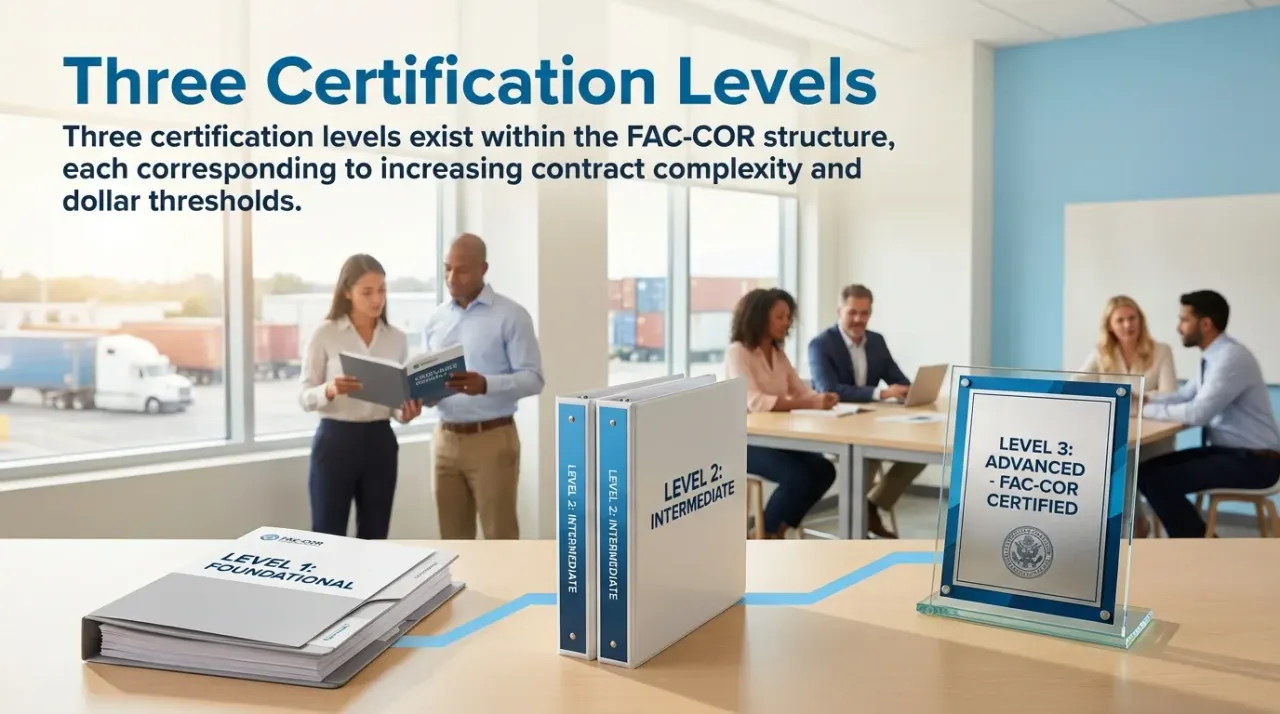
Three certification levels
- Level I addresses simplified acquisitions
- Level II covers more complex procurement actions
- Level III encompasses the most sophisticated contract administration requirements
Each level corresponds to increasing contract complexity, dollar thresholds, and required expertise. The certification framework integrates several components: training requirements for foundational knowledge, experience requirements for practical application, and continuous learning points to maintain currency throughout a COR's career.
Federal agencies implement FAC-COR requirements through designated Agency Acquisition Career Managers. These officials oversee certification applications, verify compliance with training and experience requirements, and maintain records within the Federal Acquisition Institute Career Source of Data (CSOD) system.
FAC-COR certification levels and requirements
Each certification level establishes specific thresholds for training hours and experience duration. These requirements scale systematically, reflecting increasing responsibility and contract complexity at each tier.
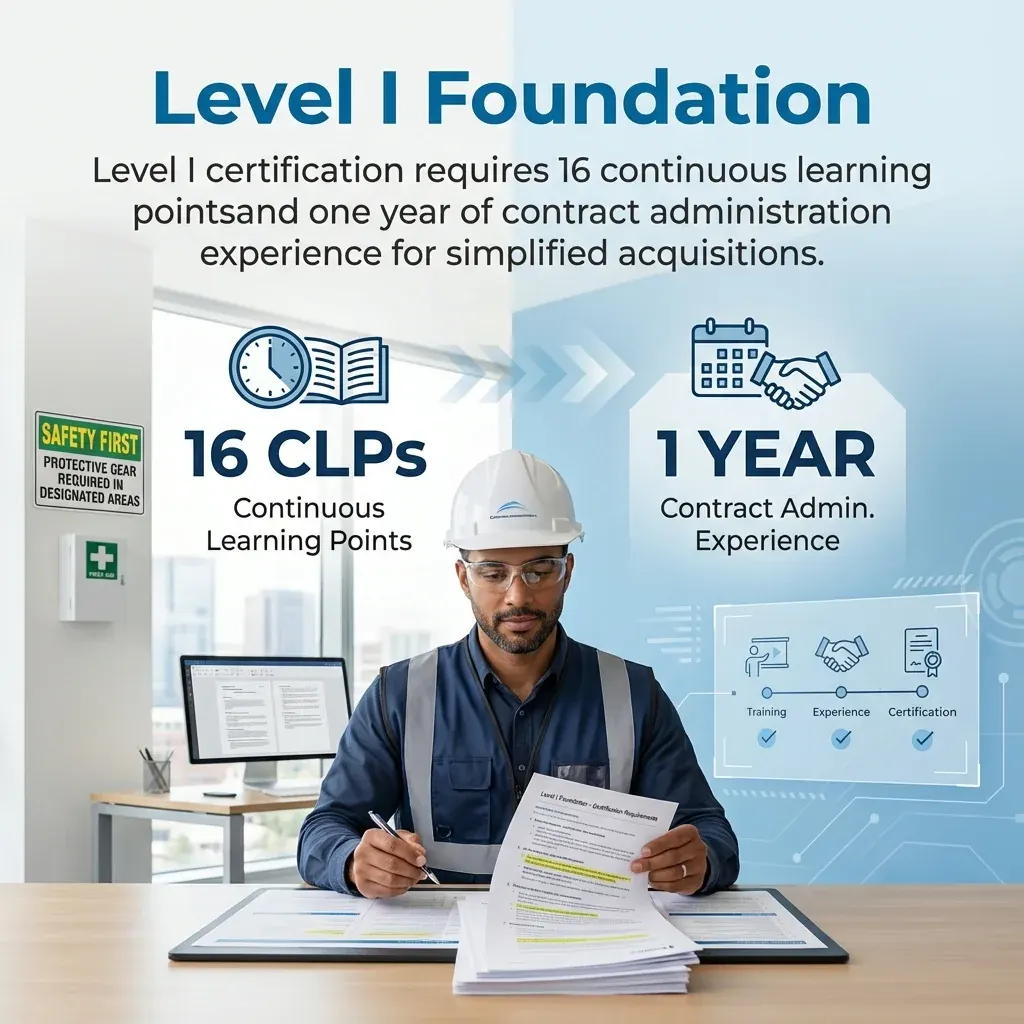
Level I
Level I certification supports personnel managing simplified acquisition contracts. The training requirement totals 16 continuous learning points (CLPs), equivalent to 16 hours of acquisition-focused education. Experience requirements demand one year of contract administration or procurement-related work. This entry level prepares personnel for straightforward contract oversight responsibilities.
Level II
Level II certification enables management of more complex procurement actions. Training requirements increase to 40 CLPs, combining foundational and intermediate coursework. Experience requirements expand to two years of relevant acquisition experience. This level accommodates contracts with greater technical complexity or higher dollar values.
Level III
Level III certification qualifies personnel for the most sophisticated contract administration responsibilities. Training requirements reach 60 CLPs, incorporating advanced acquisition topics and specialised contract management knowledge. Experience requirements demand four years of documented acquisition or procurement experience. This certification level supports major systems acquisitions and high-value contract portfolios.
Additional eligibility requirements
Additional eligibility requirements apply across all levels. CORs must be government employees, not contractor personnel, ensuring appropriate oversight independence. Permanent employees receive preference for COR designations, though term and temporary employees may qualify under specific circumstances. Understanding these progressive requirements helps you identify appropriate certification targets for personnel based on their current experience and anticipated contract administration responsibilities.
Training course requirements by level
Specific coursework fulfils CLP requirements at each certification level. The Federal Acquisition Institute maintains the official catalogue of approved courses through its training platform.
Level I coursework
Personnel must complete COR1000, the foundational COR course. This 16-hour program covers basic contract administration responsibilities, performance monitoring techniques, and documentation requirements. Additional acquisition fundamentals coursework may supplement this core requirement.
Level II coursework
Level II builds on Level I with intermediate coursework. Required courses include COR2000 and supplementary acquisition training addressing contract types, modification procedures, and invoice processing. The 40 CLP requirement incorporates both mandatory courses and elective training relevant to specific acquisition functions.
Level III coursework
Level III demands advanced acquisition education. Required courses include COR3000 and specialised training in areas such as cost analysis, contract closeout procedures, and complex acquisition strategies. The 60 CLP requirement ensures breadth across acquisition disciplines.
For organisations seeking practical guidance on structuring training implementation alongside broader compliance obligations, Chain of Responsibility training resources from MAEZ may offer useful parallel insights.
Experience documentation standards

Experience requirements demand documented evidence of acquisition-related responsibilities. Acceptable documentation includes position descriptions, performance evaluations, training certificates, and supervisor attestations.
Relevant experience encompasses various procurement-related functions. Direct contract administration experience provides the strongest foundation. Related experience might include procurement planning, requirements development, market research, or acquisition support roles.
Your Agency Acquisition Career Manager evaluates experience documentation during certification applications. Detailed descriptions of responsibilities, duration of experience, and specific acquisition functions performed strengthen applications. Generic claims without supporting evidence typically require additional documentation.
The structured pathway enables workforce planning that aligns certification levels with organisational acquisition needs. If you need support structuring your training implementation, contact MAEZ for practical guidance tailored to your organisation.
Prerequisites and implementation steps
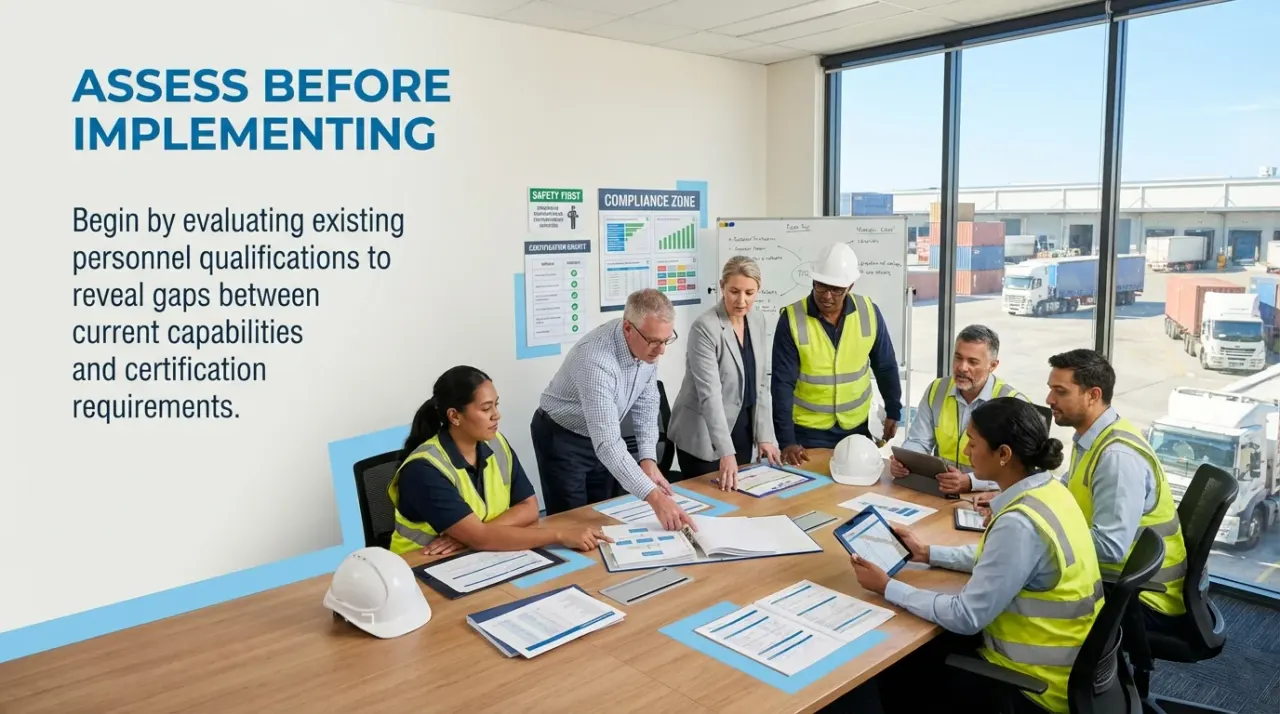
Successful implementation requires establishing foundational elements before launching training initiatives. These prerequisites create the infrastructure supporting effective COR development within your acquisition workforce.
Key prerequisites
- Identify a senior management champion — Executive sponsorship ensures adequate resources, policy support, and organisational commitment. This champion should understand acquisition workforce development importance and possess authority to establish COR program requirements.
- Designate an internal program administrator — This individual coordinates certification applications, tracks training completion, maintains records, and liaises with your Agency Acquisition Career Manager.
- Establish personnel eligibility criteria — Determine which positions require COR certification, identify appropriate certification levels for different contract types, and document selection criteria for COR candidates.
- Verify system access requirements — Personnel need accounts within the CSOD system for training registration and transcript management. Your agency's learning management system should integrate with federal acquisition training platforms.
- Develop internal policies supplementing federal requirements — Many agencies establish additional standards beyond minimum FAC-COR criteria, addressing workload limits, certification maintenance procedures, and quality assurance protocols.
- Allocate training resources appropriately — Budget considerations include course fees, travel costs for in-person training, and time allocation for training participation. Resource constraints often influence implementation timelines and certification priorities.
The implementation process follows a logical sequence from candidate identification through certification achievement. Each step builds systematically toward qualified personnel capable of performing contract oversight responsibilities. For deeper context on how training readiness intersects with regulatory change, see the HVNL 2026 training readiness guide.
How MAEZ works
Find the gaps. Fix the system. Prove the controls.
MAEZ helps transport operators deal with the compliance risk they already know is there. We help get the Safety Management System in order, protect NHVAS accreditation, reduce fine exposure, and connect training, evidence, and CoRGuard workflows where software is needed.
Find
Identify what is exposed before an auditor or regulator does.
Fix
Build the SMS controls around how the transport business actually runs.
Prove
Use CoRGuard where records, reminders, diaries, audits, and evidence need structure.
From advice to evidence
From MAEZ advice to a working Safety Management System
Advisory work should leave a practical implementation trail. These examples show how CoRGuard supports records, fatigue and driver diary checks, maintenance, audits, document control, inductions, corrective actions, and evidence review after MAEZ identifies the gaps.
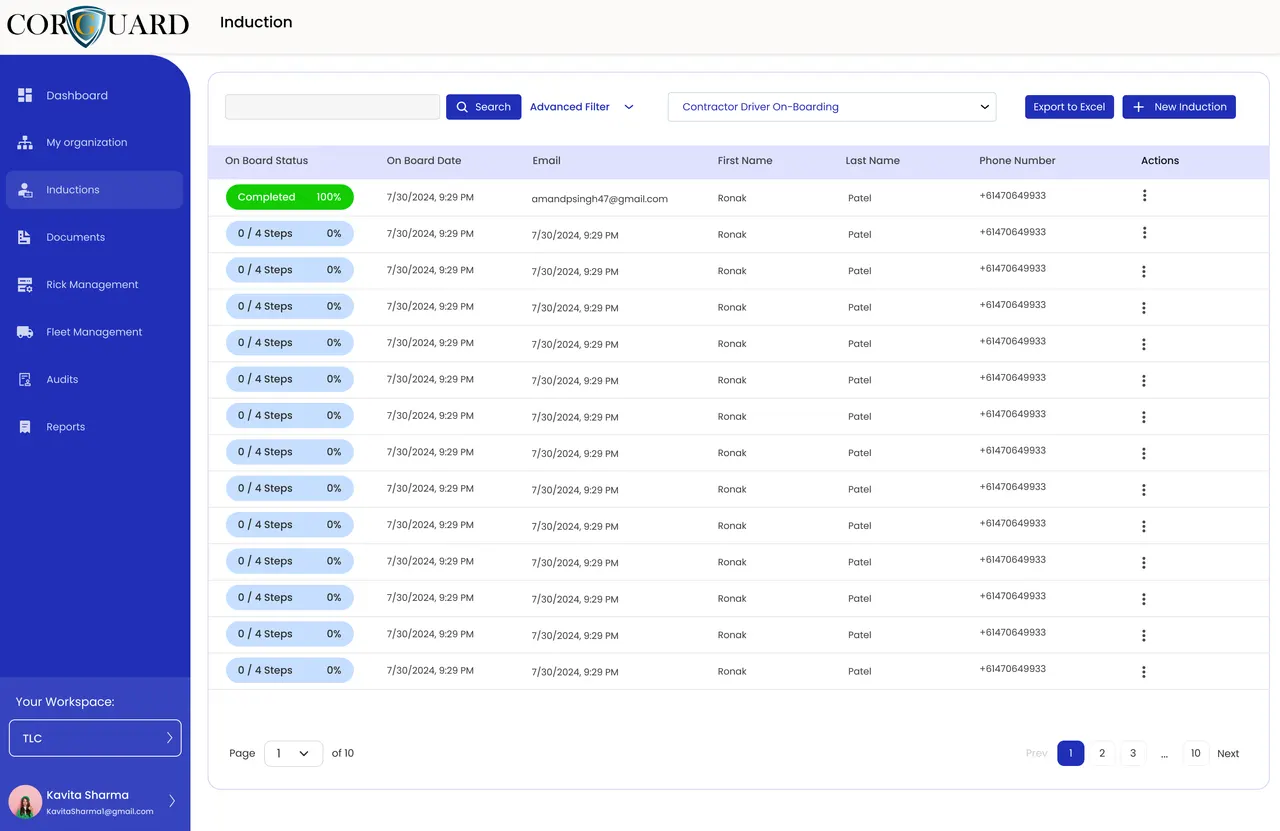
Training records
Connect training completion from cortraining.com.au to evidence and follow-up.
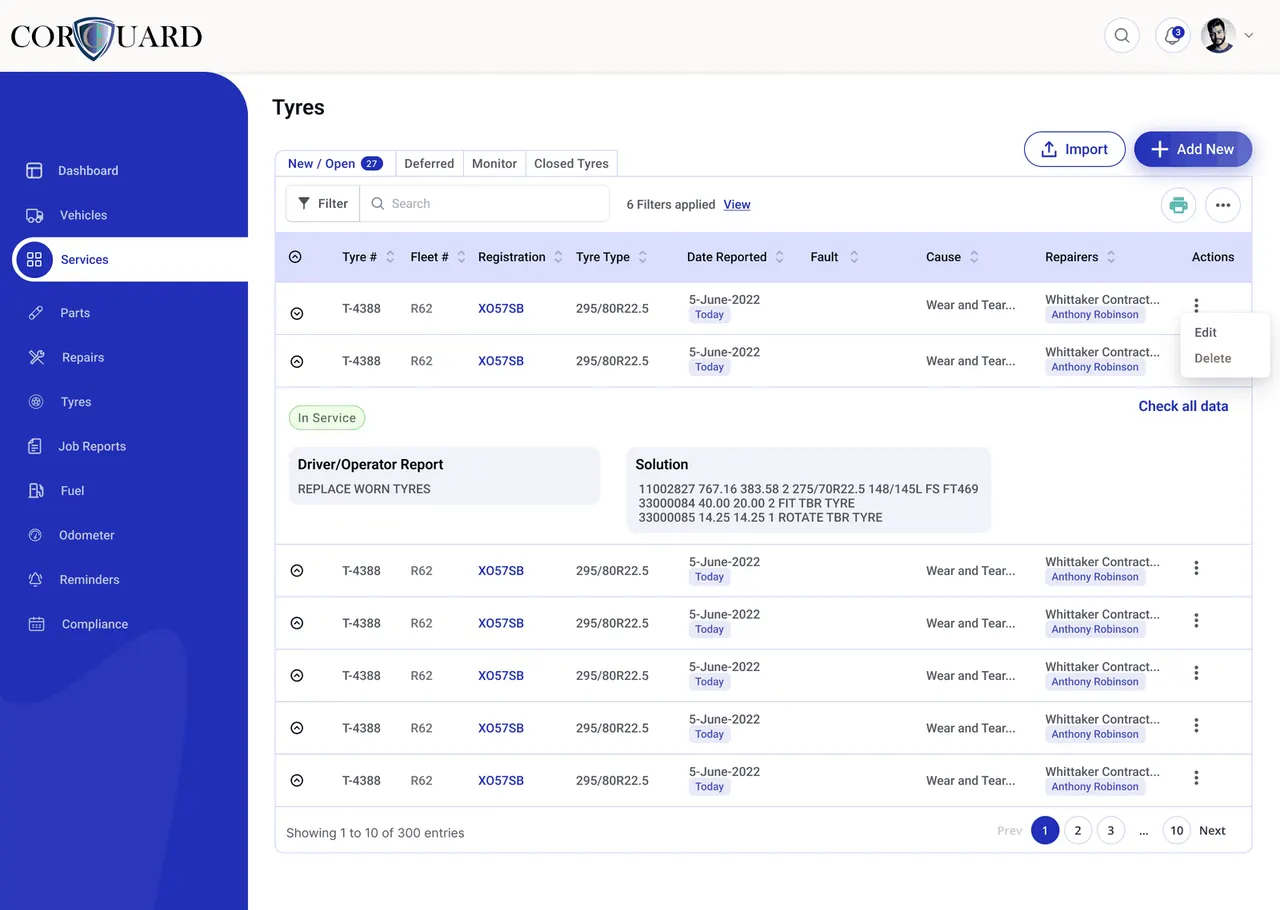
Driver diary checks
Connect fatigue and driver diary review back to manager visibility.
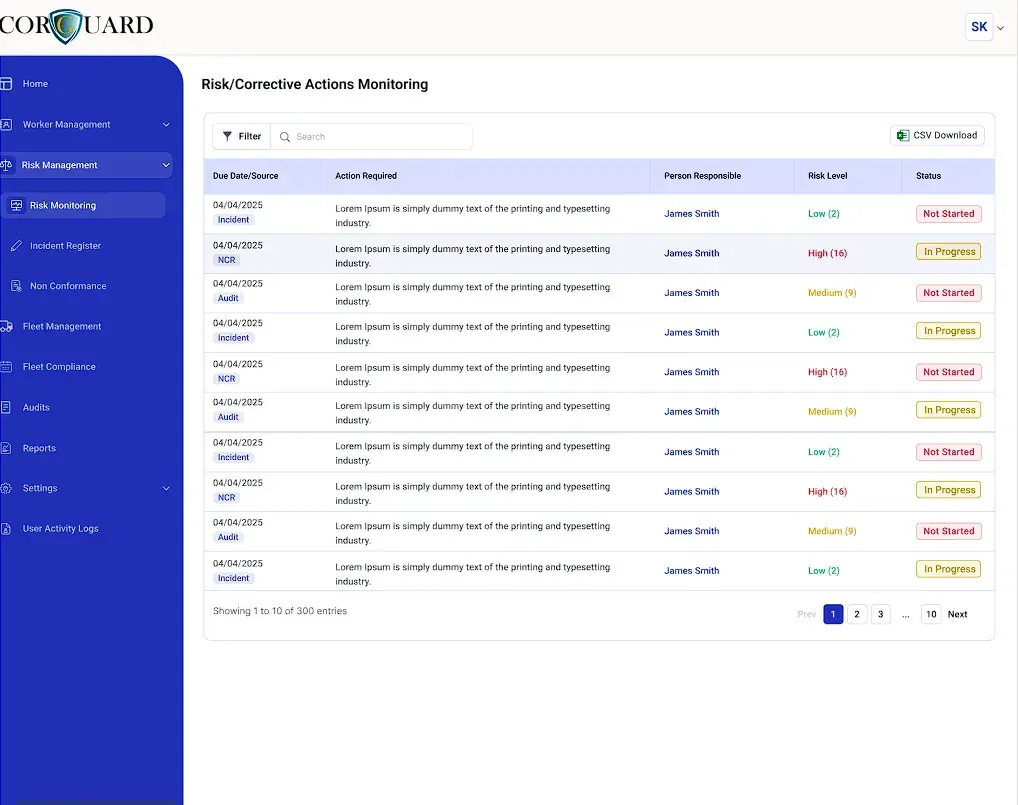
Corrective actions
Turn audit findings, hazards and incidents into tracked actions.
Keep exploring
Related Chain of Responsibility reading
MAEZ insight
Understanding CoR Compliance: A Beginner’s Guide
Learn the essentials of CoR compliance with our beginner’s guide. Discover how to protect your business and supply chain effectively.
MAEZ insight
Decoding CoR Compliance: Key Requirements Explained
Unlock the essentials of understanding CoR compliance requirements under Australia’s Heavy Vehicle National Law, crucial for transport safety.
MAEZ insight
Essential CoR Compliance Checklist for Transport Safety
Ensure transport safety with our essential CoR compliance checklist. Manage obligations effectively under the Heavy Vehicle National Law.
MAEZ insight
Mastering Chain of Responsibility: Top Best Practices
Discover top chain of responsibility best practices to streamline your processing pipelines. Learn how to manage handlers for effective design pattern use.
MAEZ insight
Understanding HVNL: A Guide for Transport Operators
Discover HVNL explained for transport operators to ensure compliance with Australia’s heavy vehicle regulations, including fatigue and safety standards.
MAEZ insight
Essential HVNL Compliance Checklist for Transport Operators
Ensure your transport operations meet NHVR standards with our essential HVNL compliance checklist. Streamline safety and regulatory compliance effortlessly.
Frequently asked questions
Questions people ask about this topic
What are the three FAC-COR certification levels and their training requirements?
Level I requires 16 continuous learning points (CLPs) and one year of experience for simplified acquisitions. Level II requires 40 CLPs and two years of experience for complex procurement actions. Level III requires 60 CLPs and four years of experience for the most sophisticated contract administration responsibilities.
Who can be designated as a Contracting Officer's Representative?
CORs must be government employees, not contractor personnel, to ensure appropriate oversight independence. Permanent employees receive preference for COR designations, though term and temporary employees may qualify under specific circumstances. The Contracting Officer must designate the COR in writing, specifying scope of authority and limitations.
What documentation is needed to prove COR experience requirements?
Acceptable documentation includes position descriptions, performance evaluations, training certificates, and supervisor attestations. Detailed descriptions of responsibilities, duration of experience, and specific acquisition functions performed strengthen applications. Generic claims without supporting evidence typically require additional documentation from the applicant.
What is the role of an Agency Acquisition Career Manager in COR training?
The Agency Acquisition Career Manager oversees certification applications, verifies compliance with training and experience requirements, and maintains records within the Federal Acquisition Institute Career Source of Data (CSOD) system. They are the key official responsible for implementing FAC-COR requirements within federal agencies.
What prerequisites should an organisation establish before implementing COR training?
Organisations should identify a senior management champion for executive sponsorship, designate an internal program administrator, establish personnel eligibility criteria, verify CSOD system access, develop internal policies supplementing federal requirements, and allocate training resources including budget for course fees, travel, and time for participation.