
MAEZ insight
Understanding CoR Compliance: A Beginner's Guide
Learn the essentials of Chain of Responsibility compliance under Australia's Heavy Vehicle National Law. Understand your duties, build a safety management system, and prepare for audits.
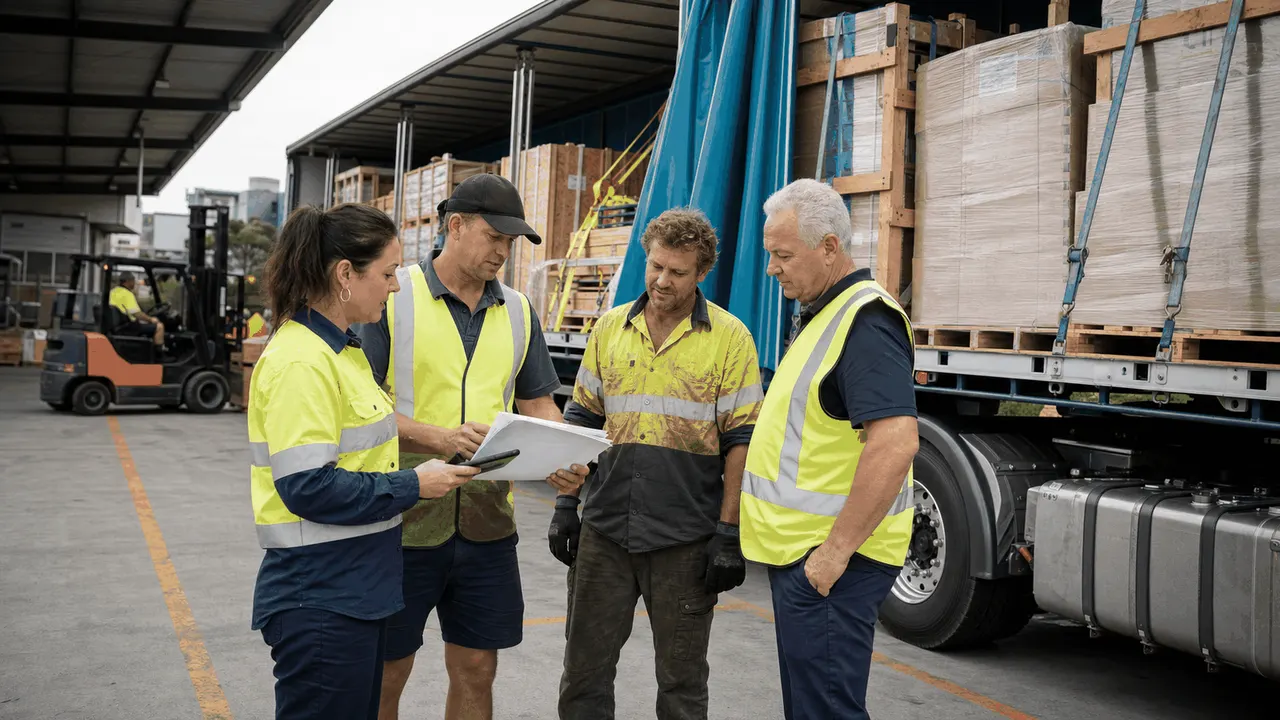
Loading controls need evidence, not assumptions.
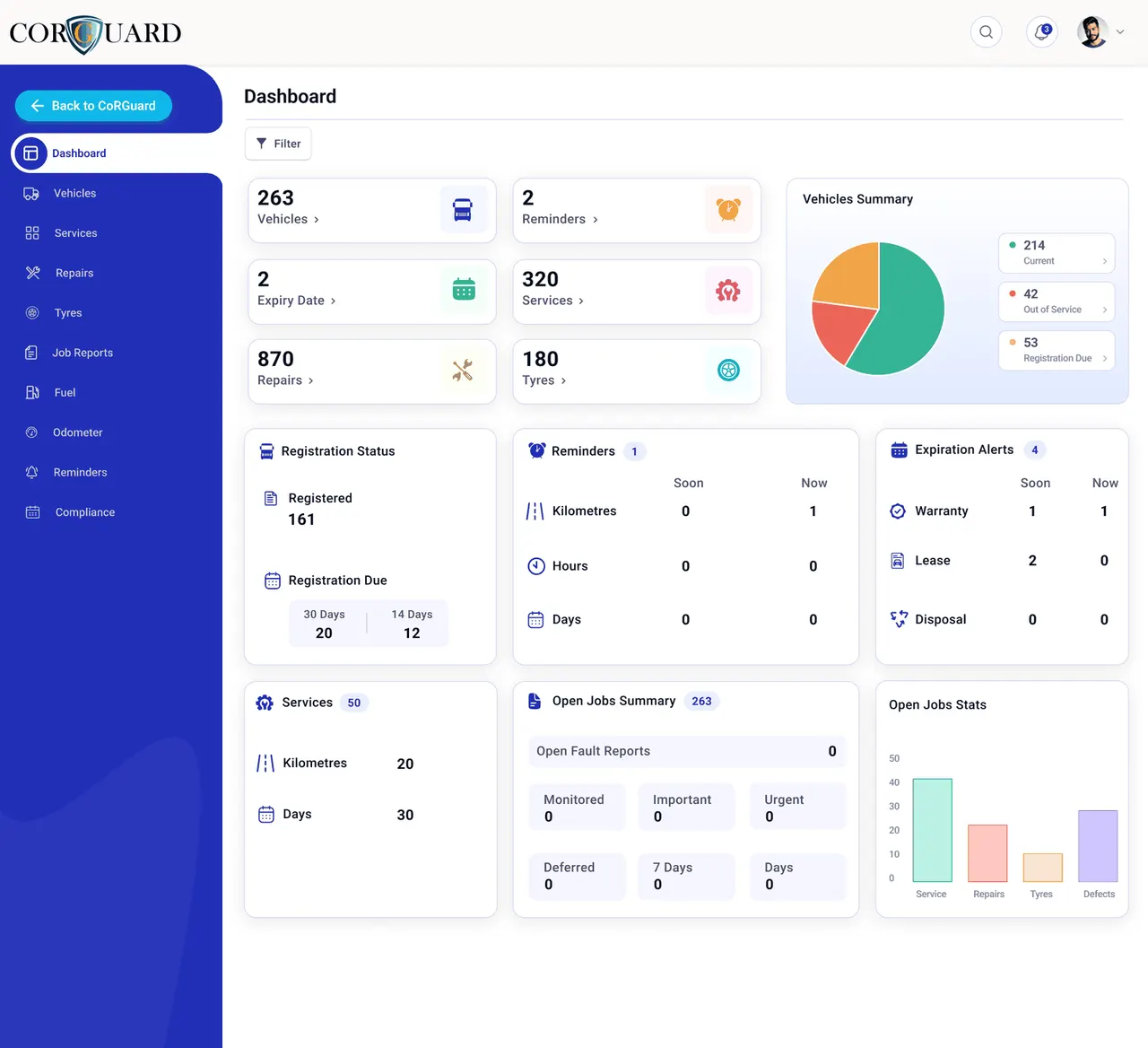
Daily fleet activity has to connect back to duties, controls, and review.

Due diligence means knowing whether the safety system is actually working.

Proof that freight promises do not create unsafe transport pressure.
Consignors
Freight terms, delivery windows, and KPIs must not push drivers into speed, fatigue, or mass breaches.
Consignees
Receiving rules, site access, and unloading delays are CoR controls that need to be set and evidenced.
Loaders
Mass, dimension, and load restraint decisions need documented checks, not assumptions.
Managers
Executives and managers need due-diligence evidence that the Safety Management System is actually working.
What is Chain of Responsibility compliance?
A shared-duty safety framework under the HVNL
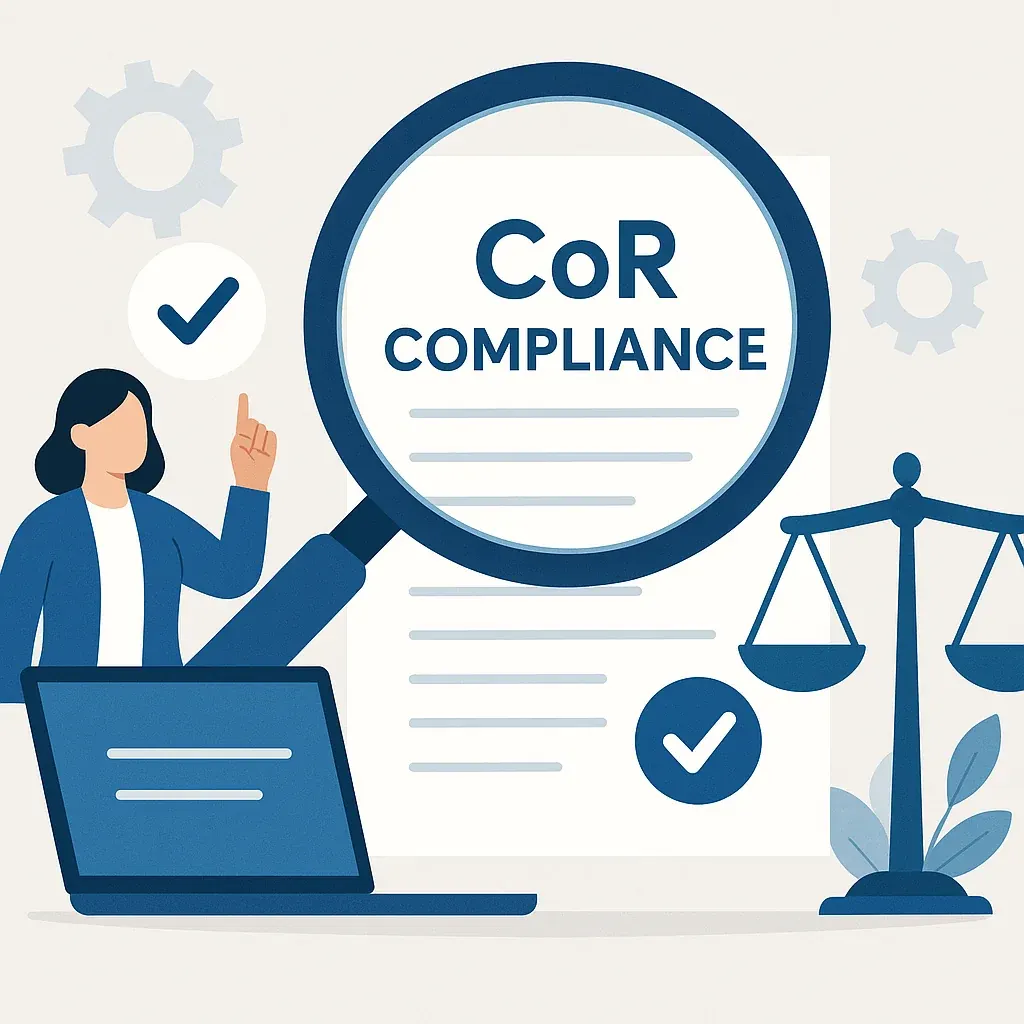
Chain of Responsibility (CoR) compliance means building safety systems that genuinely protect your business and everyone in your supply chain. Under Australia's Heavy Vehicle National Law (HVNL), every party that influences transport activities — consignors, consignees, loading managers, schedulers, and operators — shares legal responsibility for safety breaches. Compliance is not about box-ticking; it is about eliminating or minimising public risk through documented, verifiable controls.
The regulatory requirements are consistent across industries, even though their application varies. Whether you manage logistics for a major retailer or coordinate transport for a construction project, the same principles apply.
For a broader overview of how CoR works, see our guide to About Chain of Responsibility.
Why CoR matters for your transport business
Accountability now sits with every decision-maker
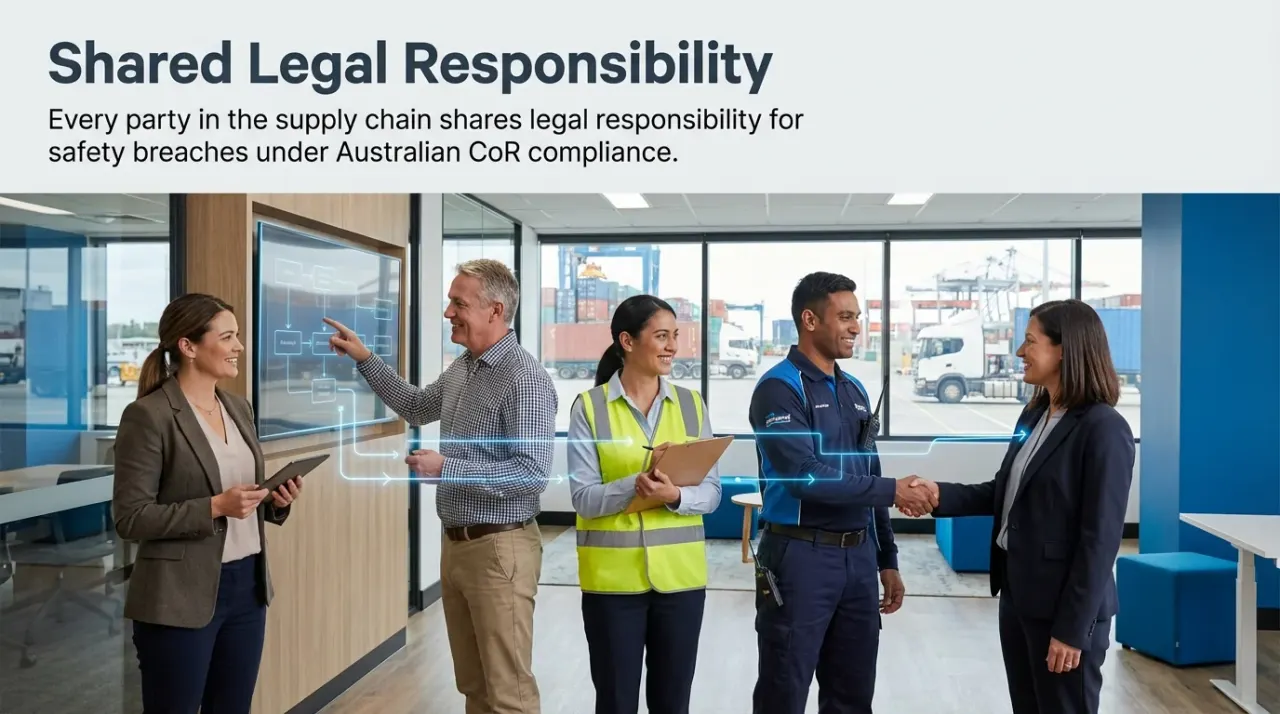
Traditional transport regulations only held drivers and operators accountable. This created systemic problems across the supply chain:
- Schedulers demanded impossible delivery times
- Loading managers overloaded vehicles
- Customers pressured operators to cut corners
The HVNL changed this framework fundamentally. Everyone who influences heavy vehicle operations now shares legal responsibility. Your business faces prosecution if your actions contribute to breaches — including mass, dimension, load restraint, speed, fatigue, and vehicle standards offences.
This shifts accountability directly to decision makers. You cannot delegate these responsibilities to a safety manager and consider the job done. For more on who holds duties, read our resource on what Australian HVNL duty holders need to understand.
The business case beyond avoiding penalties
Compliance as a competitive advantage
Companies with robust safety management systems report fewer incidents, lower insurance premiums, and stronger relationships with transport providers. Major project owners increasingly require CoR certification for contractor prequalification — without it, you are excluded from significant tender opportunities.
The competitive advantage becomes clear in procurement decisions. Certified businesses demonstrate systematic risk management and duty of care, qualities that matter to principals and prime contractors selecting transport partners.
Effective CoR compliance also reduces operational disruption. When your controls are embedded in daily workflows, breaches are caught early rather than discovered during a regulator investigation.
Your legal obligations under the HVNL
Primary duty, executive liability, and shared responsibility
The HVNL applies across Australia except Western Australia and the Northern Territory, which have separate but similar frameworks. Under the HVNL, you have primary duties to ensure the safety of your transport activities — whether you employ drivers directly or engage contractors.
Primary duty of care
Your primary duty requires eliminating or minimising public risks arising from your transport activities. This is a reasonably practicable standard, not absolute liability. You must:
- Consider available knowledge about hazards and risks
- Assess the likelihood and severity of potential harm
- Implement control measures proportionate to the risk
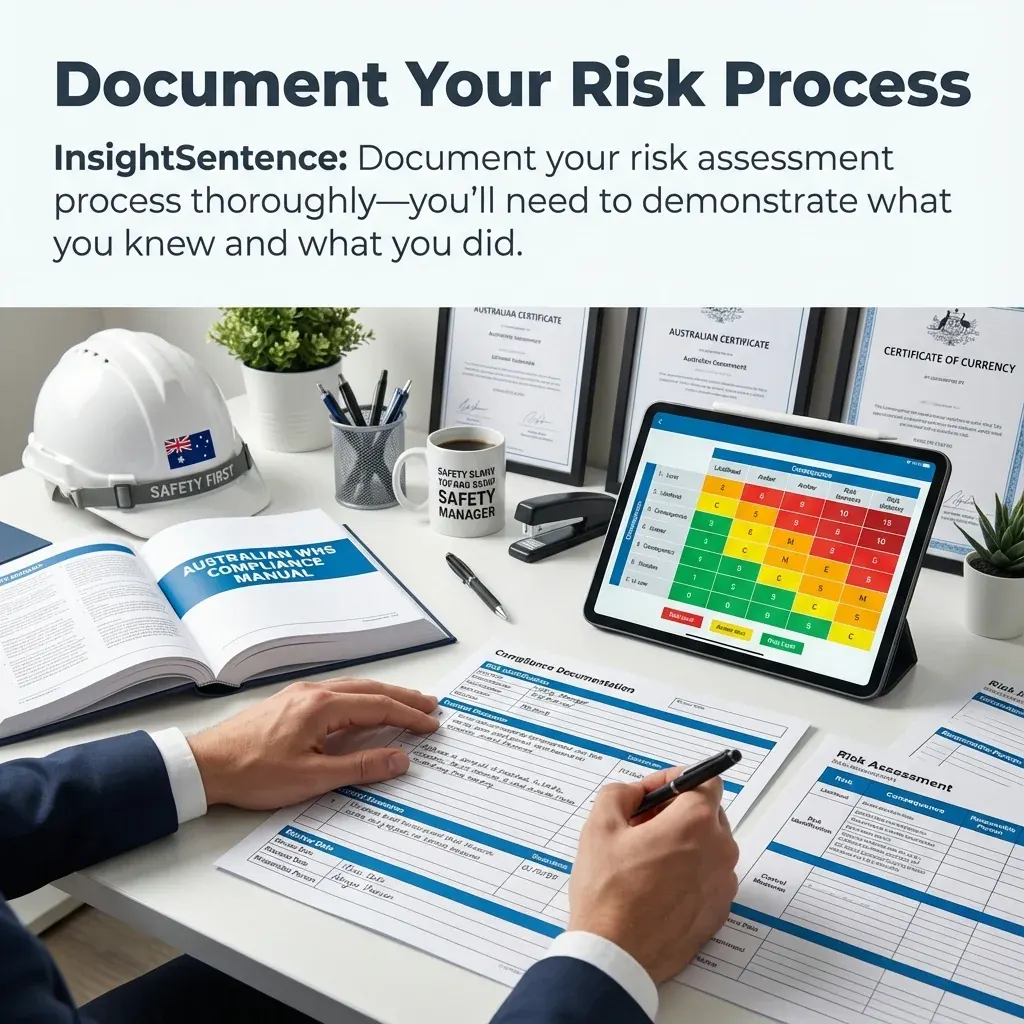
The law recognises cost can be a factor, but only after considering safety options. Document your risk assessment process thoroughly — in any legal proceedings, you will need to demonstrate what you knew and what you did about it.
Executive officer liability
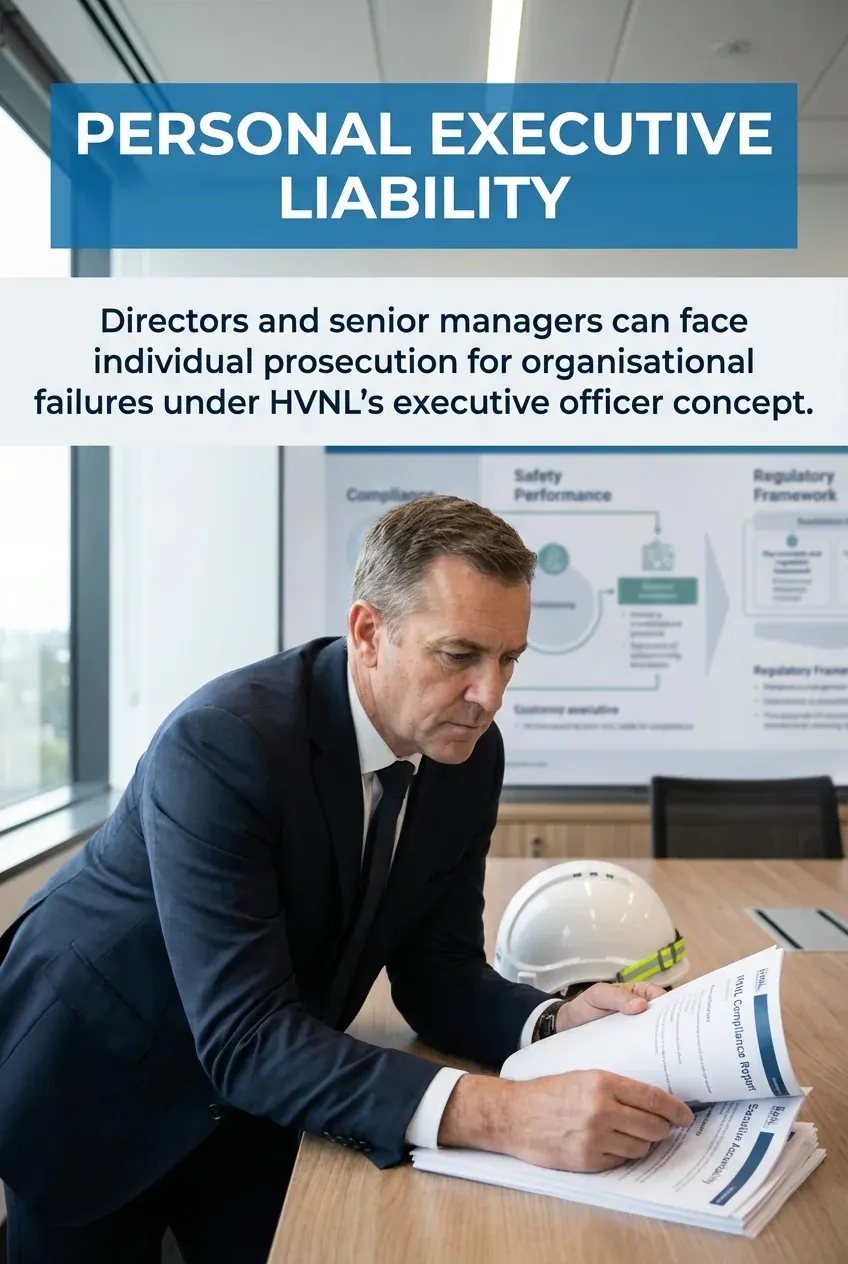
The HVNL creates personal liability for directors and senior managers, who can face individual prosecution for organisational failures. For practical guidance on executive responsibilities, see our resource on CoR training for executives and managers.
Shared responsibility across the supply chain
Multiple parties can be liable for the same breach. Each party is assessed against their specific influence and control. Your safety requirements must be clearly communicated and contractually enforceable with transport providers. Consider how your procurement processes, delivery schedules, and loading practices influence driver behaviour — those are your control points.
Building a safety management system that works
From documented policies to daily operational practice
Effective CoR compliance starts with a documented safety management system. This is not about creating policy manuals that sit on shelves — your system must integrate into daily operations so drivers, schedulers, and warehouse staff use these procedures every day.
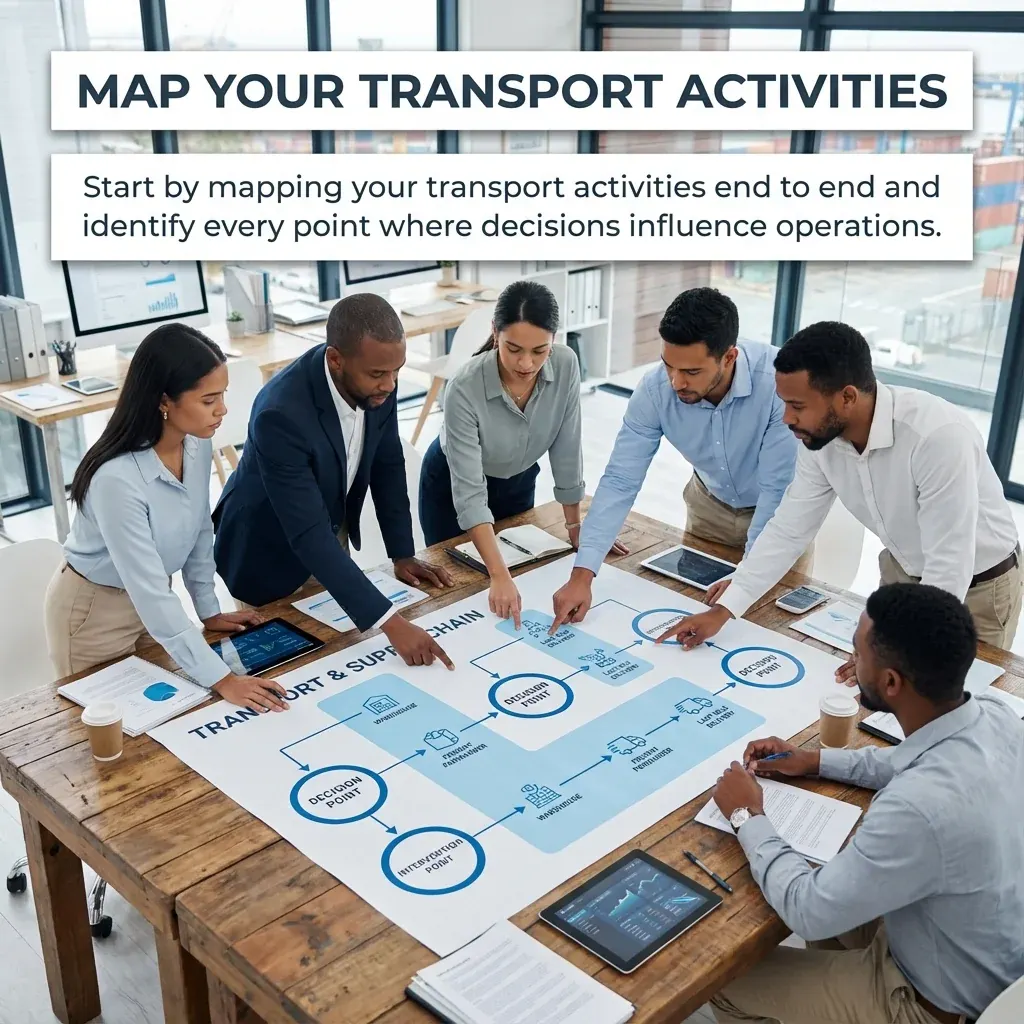
Start by mapping your transport activities end to end. Identify every point where decisions influence heavy vehicle operations. Where are scheduling decisions made? How are loads planned? Who communicates delivery requirements? These are your intervention points.
Core elements of your safety system
Your safety management system needs documented policies covering each breach category:
- Mass and loading
- Dimension
- Load restraint
- Speed and journey management
- Fatigue management
Each policy should specify responsibilities, procedures, and verification methods — who does what, when, and how do we check it happened. Include your contractor management processes: how you select transport providers, what safety requirements you communicate, and how you verify compliance.
Documentation and record keeping
Your documentation proves you have implemented your system. Records demonstrate that procedures happen consistently, not just when auditors visit. Maintain records of driver inductions, safety communications, incident investigations, and audit findings. Keep delivery schedules, load plans, and journey management logs.
These records support your due diligence defence if prosecution occurs — they show you took reasonable steps to prevent breaches. Implement a systematic record retention schedule, as different record types have different legal retention requirements.
Running effective internal audits
Verifying your system works in practice
Internal audits verify that your safety system works in practice. This goes beyond checking that documents exist — your auditors need to observe actual operations. Are schedulers using the journey management tools? Do warehouse staff follow loading procedures? Talk to frontline staff about what really happens.
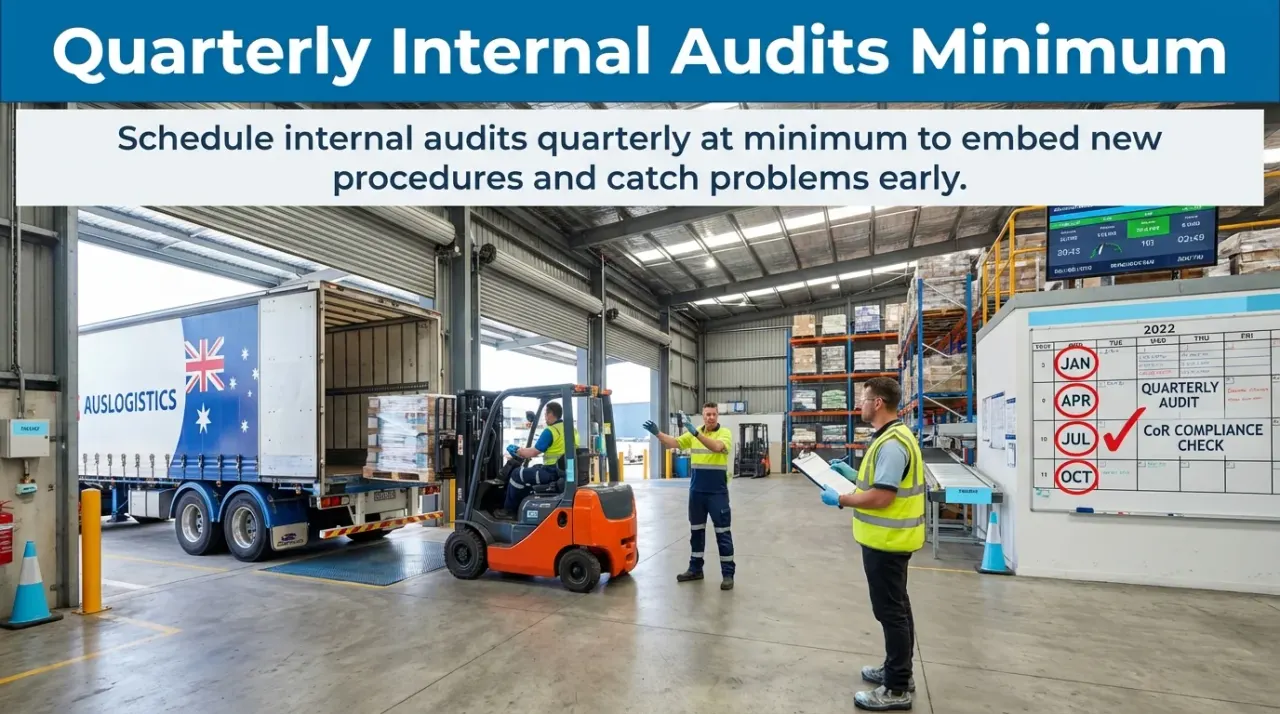
The gap between documented procedures and actual practice reveals your improvement priorities. Schedule internal audits quarterly at minimum. More frequent audits help embed new procedures and catch problems early.
Training your internal audit team
Effective internal auditors need training in audit methodology and your safety management system. They must assess compliance objectively — personal relationships and operational pressures should not influence audit findings. Include people from different operational areas: schedulers, warehouse supervisors, and transport coordinators bring different perspectives. Consider CoR training when developing your audit program.
Key audit focus areas
- Mass management — How are loads weighed and verified? Evidence: load plans, weighbridge records, vehicle specifications
- Fatigue management — How are work hours monitored? Evidence: journey logs, schedule records, fatigue declarations
- Load restraint — What standards guide restraint decisions? Evidence: loading procedures, restraint specifications, inspection records
- Journey management — How are route and timing decisions made? Evidence: delivery schedules, route plans, time allowances
Preparing for external CoR audits
Choosing a certifying partner and getting ready
External audits verify your system meets recognised standards. External auditors assess your documentation, observe your operations, and interview your staff. The audit process typically takes several days depending on your organisation's size and complexity.
Selecting your certifying partner
Choose a certifying partner with expertise in your industry sector. Construction operations differ significantly from retail distribution or manufacturing. Ask about their audit methodology and assessor qualifications. What training do their auditors complete? How do they handle complex operational scenarios?
Consider the ongoing relationship beyond initial certification — you will need regular recertification audits and potentially interim assessments. For practical support preparing for an external audit, consider CoR consulting or contact MAEZ to discuss your readiness.
How MAEZ works
Find the gaps. Fix the system. Prove the controls.
MAEZ helps transport operators deal with the compliance risk they already know is there. We help get the Safety Management System in order, protect NHVAS accreditation, reduce fine exposure, and connect training, evidence, and CoRGuard workflows where software is needed.
Find
Identify what is exposed before an auditor or regulator does.
Fix
Build the SMS controls around how the transport business actually runs.
Prove
Use CoRGuard where records, reminders, diaries, audits, and evidence need structure.
From advice to evidence
From MAEZ advice to a working Safety Management System
Advisory work should leave a practical implementation trail. These examples show how CoRGuard supports records, fatigue and driver diary checks, maintenance, audits, document control, inductions, corrective actions, and evidence review after MAEZ identifies the gaps.
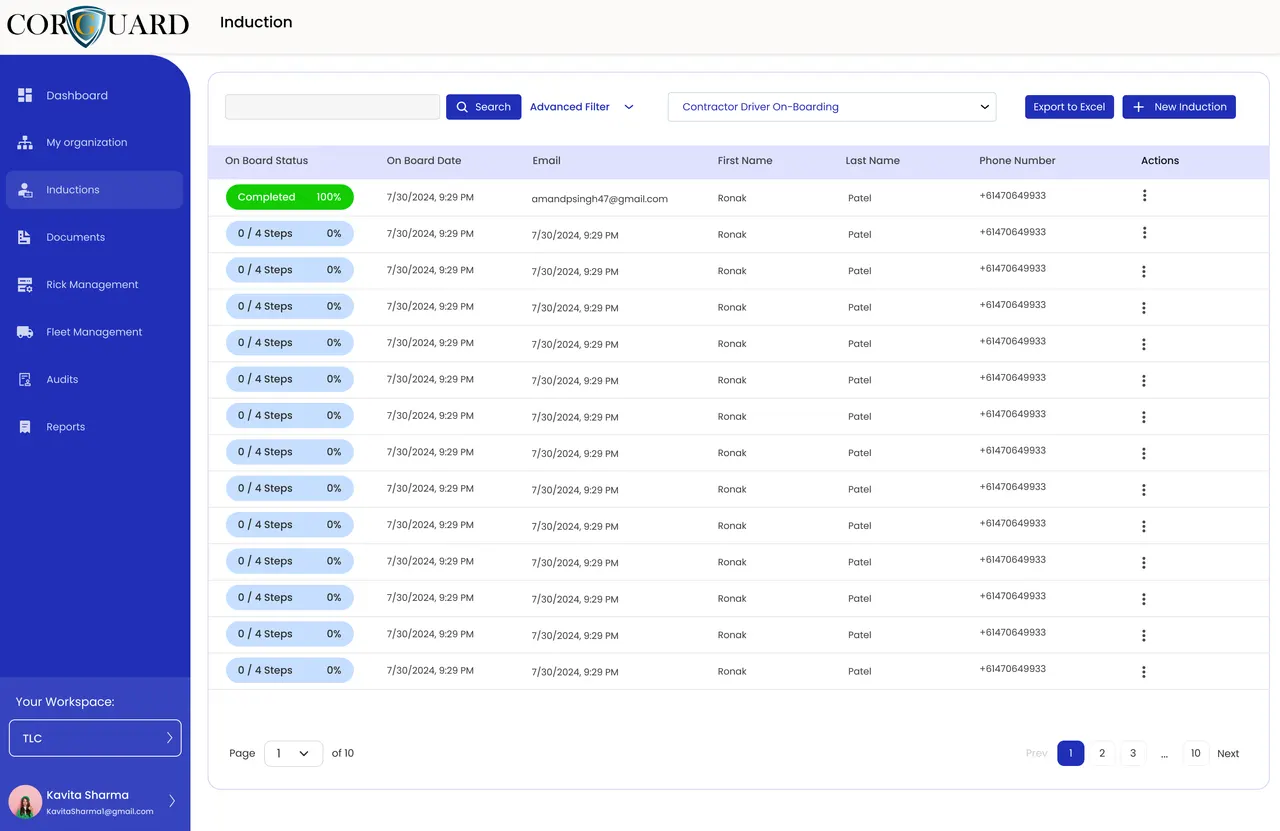
Training records
Connect training completion from cortraining.com.au to evidence and follow-up.
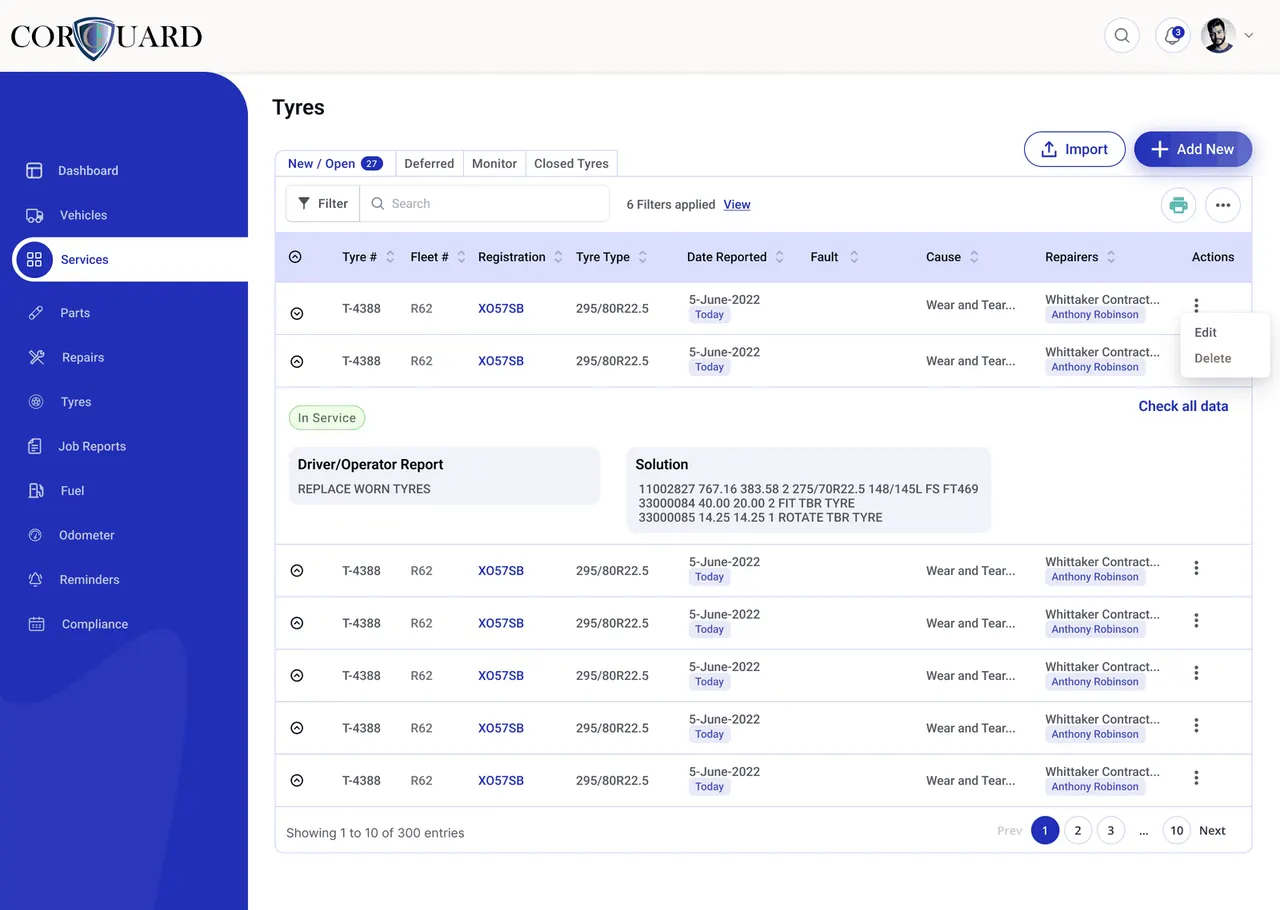
Driver diary checks
Connect fatigue and driver diary review back to manager visibility.
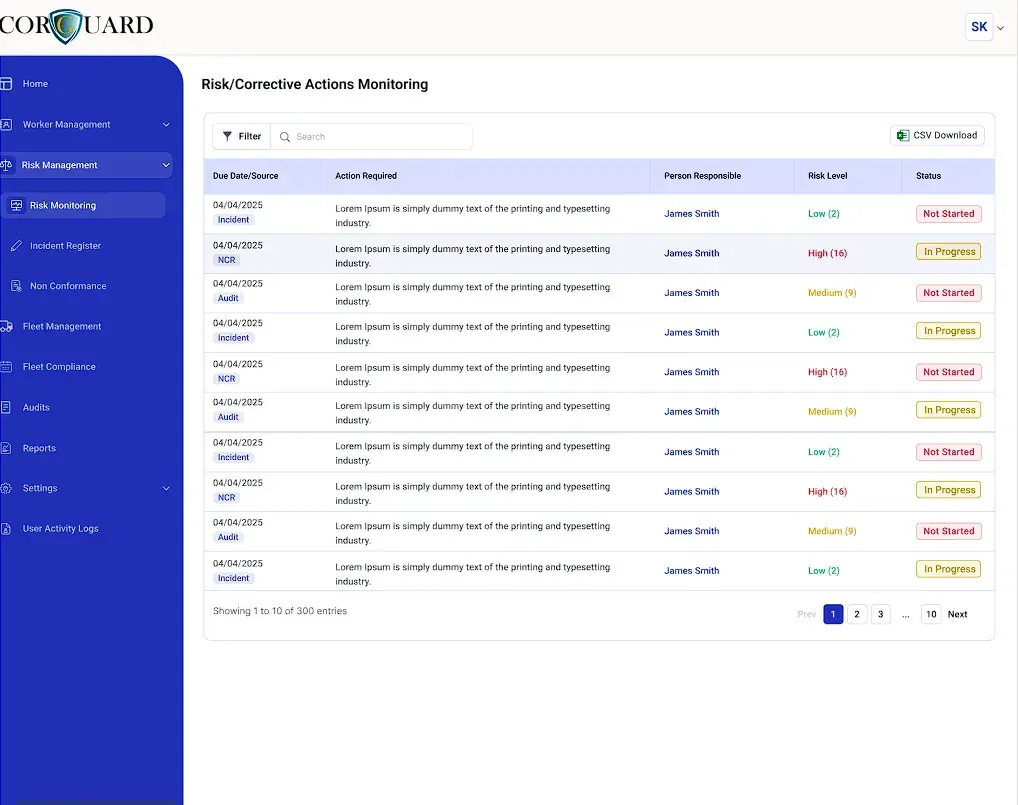
Corrective actions
Turn audit findings, hazards and incidents into tracked actions.
Keep exploring
Related Chain of Responsibility reading
MAEZ insight
Decoding CoR Compliance: Key Requirements Explained
Unlock the essentials of understanding CoR compliance requirements under Australia’s Heavy Vehicle National Law, crucial for transport safety.
MAEZ insight
Essential CoR Compliance Checklist for Transport Safety
Ensure transport safety with our essential CoR compliance checklist. Manage obligations effectively under the Heavy Vehicle National Law.
MAEZ insight
Mastering Chain of Responsibility: Top Best Practices
Discover top chain of responsibility best practices to streamline your processing pipelines. Learn how to manage handlers for effective design pattern use.
MAEZ insight
Understanding HVNL: A Guide for Transport Operators
Discover HVNL explained for transport operators to ensure compliance with Australia’s heavy vehicle regulations, including fatigue and safety standards.
MAEZ insight
Essential HVNL Compliance Checklist for Transport Operators
Ensure your transport operations meet NHVR standards with our essential HVNL compliance checklist. Streamline safety and regulatory compliance effortlessly.
MAEZ insight
Essential Tools for an Effective Safety Management System
Discover essential Safety Management System tools to enhance compliance, identify hazards, and build robust safety cultures in your organization.
Frequently asked questions
Questions people ask about this topic
Who holds Chain of Responsibility obligations under the HVNL?
Every party that influences transport activities holds CoR obligations — including consignors, consignees, loading managers, schedulers, and transport operators. If your decisions affect heavy vehicle operations, you share legal responsibility for safety breaches under the Heavy Vehicle National Law.
What is the primary duty of care under the HVNL?
The primary duty requires you to eliminate or minimise public risks arising from your transport activities so far as is reasonably practicable. This means assessing hazards, evaluating likelihood and severity of harm, and implementing proportionate control measures — not achieving absolute liability.
Can executives be personally prosecuted for CoR breaches?
Yes. The HVNL creates personal liability for directors and senior managers, who can face individual prosecution for organisational failures. You cannot delegate CoR responsibility to a safety manager and consider the obligation discharged.
What records should a transport business keep for CoR compliance?
Maintain records of driver inductions, safety communications, incident investigations, audit findings, delivery schedules, load plans, and journey management logs. These records support your due diligence defence by showing you took reasonable steps to prevent breaches.
How often should internal CoR audits be conducted?
Internal audits should be conducted at least quarterly, with more frequent audits recommended when embedding new procedures or addressing identified gaps. Audits should observe actual operations — not just check that documents exist — to identify where practice diverges from policy.