
MAEZ insight
Essential CoR Compliance Checklist for Transport Safety
Practical Chain of Responsibility compliance checklist for Australian transport operators. Manage fatigue, load restraint, mass, speed, maintenance, and driver qualification under the HVNL.

Contractor controls should be verified before the work starts.

Receiving windows, site rules, and unloading delays can all shape the transport task.
Unloading decisions can affect safety, scheduling, and responsibility.

Managers need a clear view of gaps before audit or enforcement pressure arrives.
Consignors
Freight terms, delivery windows, and KPIs must not push drivers into speed, fatigue, or mass breaches.
Consignees
Receiving rules, site access, and unloading delays are CoR controls that need to be set and evidenced.
Loaders
Mass, dimension, and load restraint decisions need documented checks, not assumptions.
Managers
Executives and managers need due-diligence evidence that the Safety Management System is actually working.
What Is a CoR Compliance Checklist for Transport?
A systematic tool for verifying every party in the supply chain meets their HVNL obligations
A CoR compliance checklist is an operational framework that verifies every party in your transport supply chain meets their Chain of Responsibility obligations under the Heavy Vehicle National Law. It covers six risk areas — fatigue, load restraint, mass, speed, maintenance, and driver qualification — embedding verification into daily workflows.
Rather than creating separate compliance activities, the checklist integrates regulatory requirements into the workflows your team already follows. It provides verification points for work diaries, pre-start inspections, load security, weighbridge documentation, and journey planning.
The six critical risk areas it addresses are:
- Fatigue management
- Load restraint
- Mass and dimension limits
- Speed compliance
- Vehicle maintenance
- Driver qualification
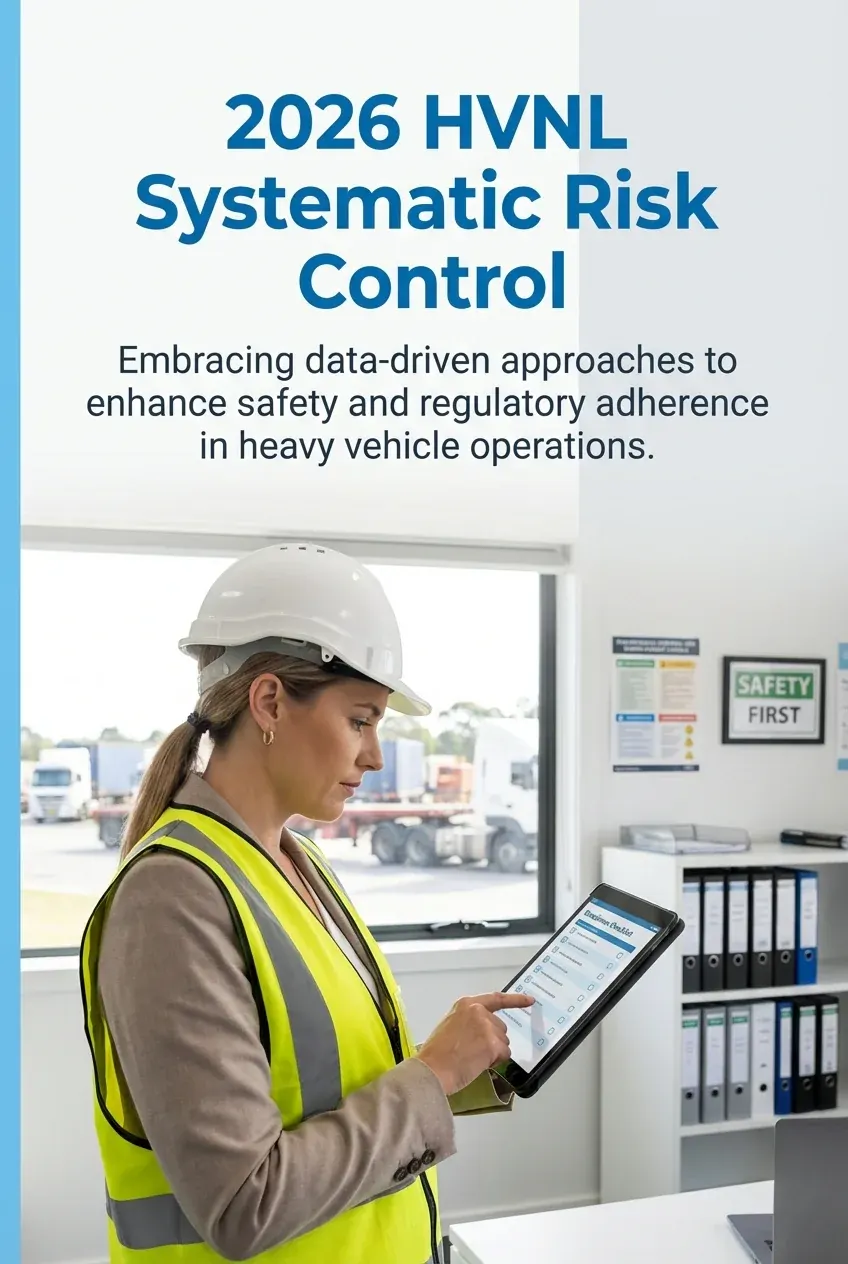
The 2026 HVNL amendments require all parties in the Chain of Responsibility to implement systematic approaches to identifying, assessing, and controlling transport safety risks with documented processes. Your checklist provides that systematic approach, creating clear accountability and demonstrating your commitment to reasonably practicable measures. For more on preparing for these changes, see the HVNL 2026 training readiness guide.
How Your Checklist Supports the Primary Duty
Documented verification becomes your evidence of reasonably practicable measures
The primary duty under Chain of Responsibility requires you to eliminate or minimise public risks from your transport activities. You must take reasonably practicable measures to ensure safety, and your checklist demonstrates what those measures look like in practice.
Each checklist item requires a clear verification method — visual inspection, document review, system check, or sign-off procedure. That verification creates your compliance evidence. It shows the steps you have taken to identify risks, the controls you have put in place, and the ongoing monitoring of those controls.
This documentation becomes critical if compliance questions arise. It provides objective evidence of your systematic approach to managing transport safety risks across your operation, rather than relying on verbal assurances or informal practices.
For broader context on how the duty framework operates, see About Chain of Responsibility.
Who Holds Responsibility in the Supply Chain?
The HVNL defines duty holders by their influence over transport safety, not just contractual relationships

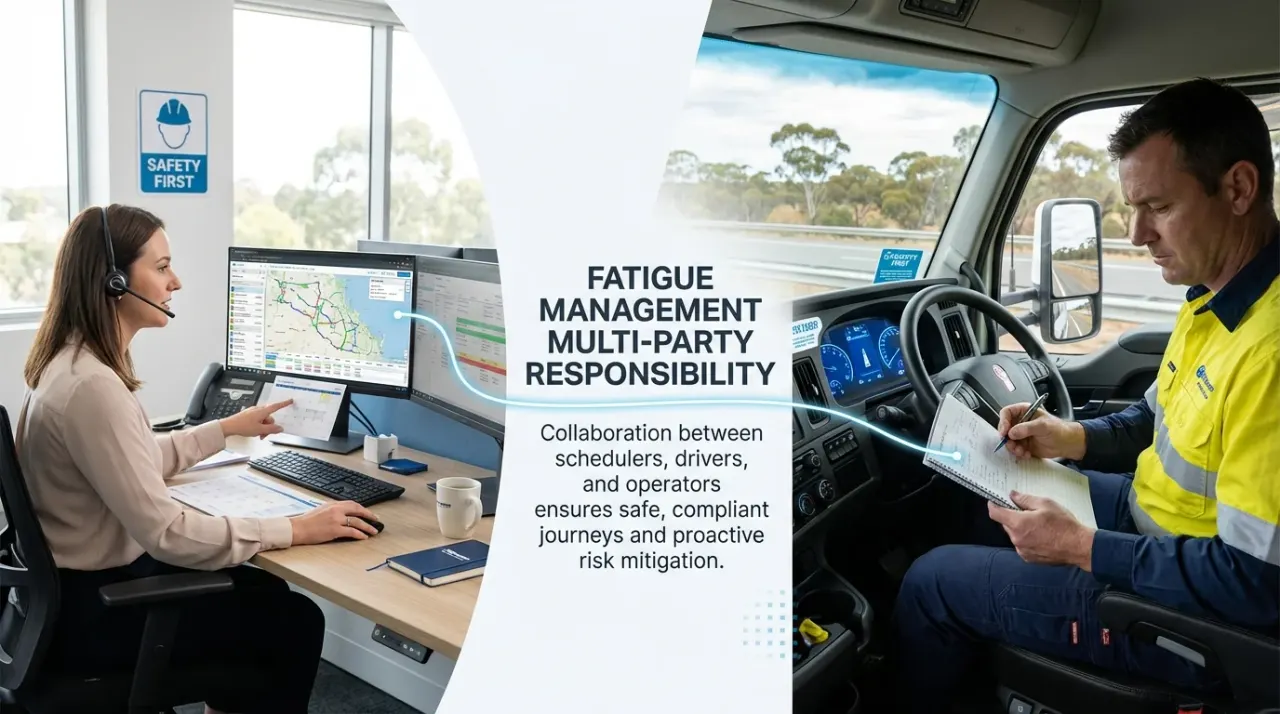
Each party in the Chain of Responsibility must exercise their primary duty within their area of control. A scheduler can't control load restraint directly, but they control journey planning that affects driver fatigue. A loader can't set speed limits, but they control how cargo is secured. The HVNL principle of shared responsibility means compliance is about building systems that protect people and businesses.
Executive Officers and Directors
Executives must ensure their organisation has appropriate systems and resources to comply with HVNL requirements. They can face personal liability for systemic compliance failures. Checklist items include:
- Annual review of transport safety policies and procedures
- Budget allocation for compliance resources and training
- Board reporting on CoR performance and incidents
- Due diligence verification of compliance systems
Operators and Fleet Managers
Operators hold responsibility for vehicle maintenance, driver qualification, and operational systems. They typically have the most direct control over day-to-day compliance activities, spanning all six CoR risk areas. Your operator checklist should verify vehicle service schedules, driver file documentation, and the implementation of fatigue management and load restraint procedures.
Schedulers and Journey Planners
Schedulers directly influence whether drivers can complete journeys safely within legal driving hours. Checklist items focus on realistic timeframes — travel time calculations that account for speed limits, mandatory rest breaks, and potential delays. Your checklist should confirm that delivery windows don't create pressure to exceed speed limits or skip required breaks.
Loaders, Packers, and Consignors
Loaders and packers control how cargo is secured and distributed within vehicles, directly affecting load restraint compliance and mass distribution. Consignors also carry CoR obligations when they arrange transport or specify loading requirements. Verification includes proper use of restraint equipment, correct load distribution across axles, and accurate documentation of cargo weight and securing methods.
The Six Primary CoR Risk Areas
What to verify in each area identified by the Heavy Vehicle National Law
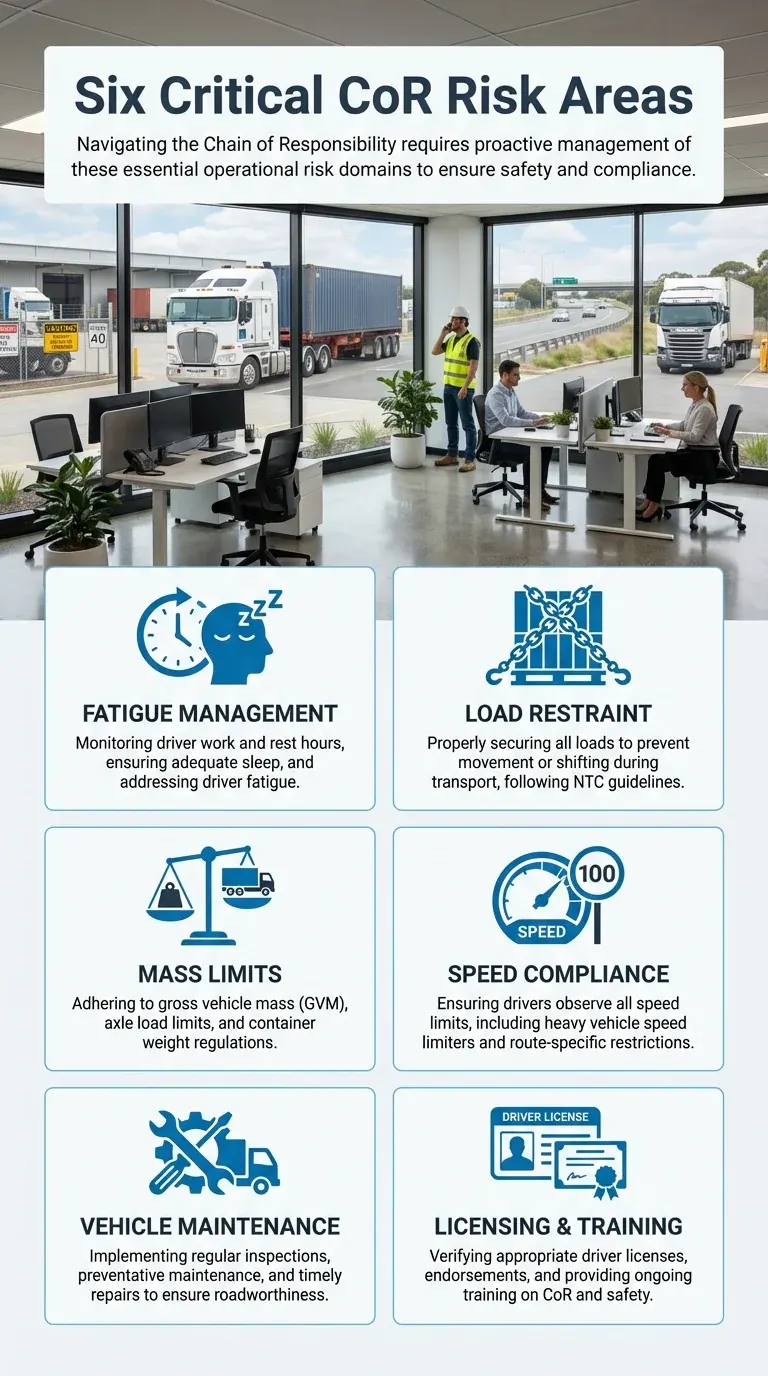
The HVNL structures Chain of Responsibility around six primary risk areas. Each demands a different verification approach, and your checklist should organise tasks accordingly so nothing gets overlooked.
Fatigue Management
- Primary concern: Driver alertness and work hours
- Verification points: Work diaries, rest breaks, driving hours, fitness declarations
Load Restraint
- Primary concern: Cargo security during transport
- Verification points: Restraint equipment, securing methods, load documentation
Mass and Dimension
- Primary concern: Vehicle weight and size limits
- Verification points: Weighbridge records, axle loads, permit compliance
Speed Compliance
- Primary concern: Safe and legal speeds
- Verification points: GPS data, journey times, speed limiter function
Vehicle Maintenance
- Primary concern: Roadworthiness and safety
- Verification points: Service records, pre-start inspections, defect management
Driver Qualification
- Primary concern: Licensing and competency
- Verification points: License verification, training records, medical certificates
The frequency of checks in each area depends on your risk assessment and operational patterns. For a structured review of where your operation stands, consider CoR consulting with MAEZ.
Integrating Compliance Into Daily Workflows
Verification works best when it is part of the job, not extra paperwork
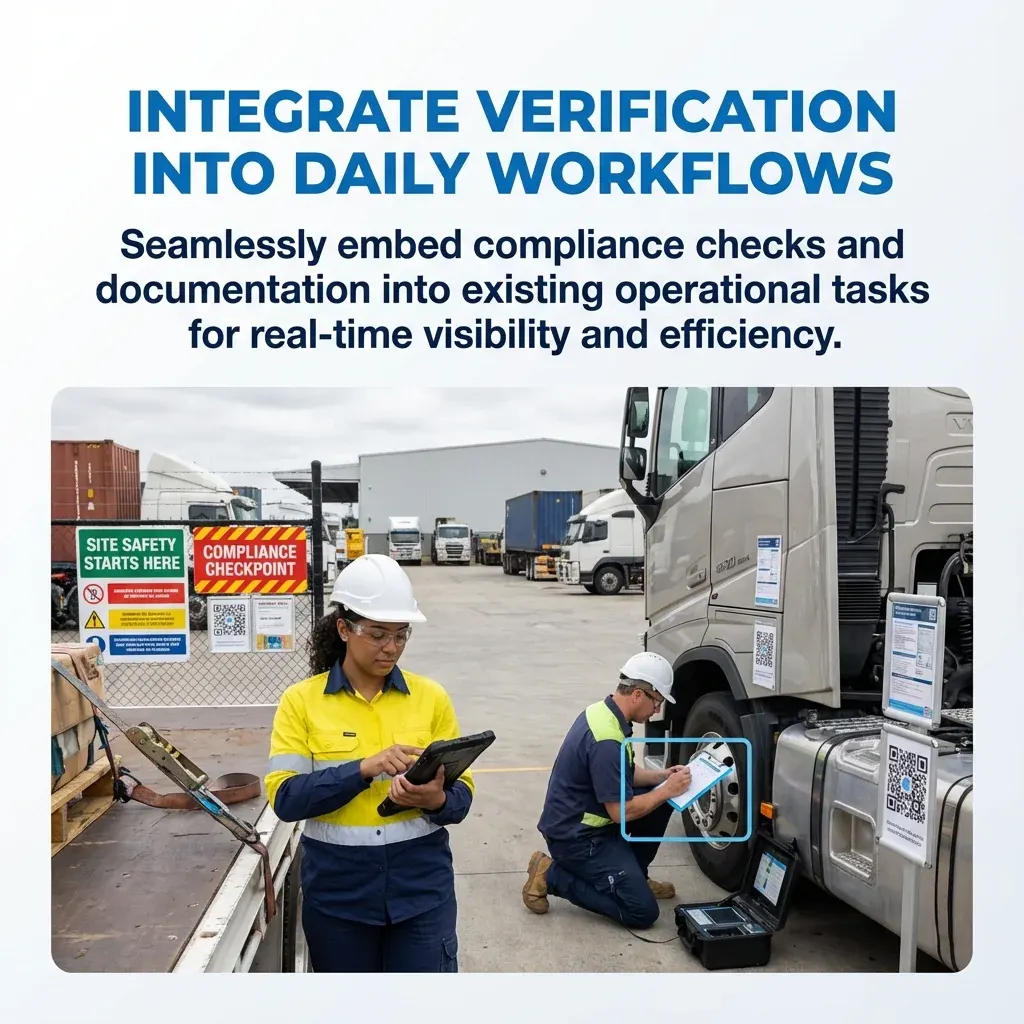
Effective CoR compliance integrates verification into existing workflows rather than treating it as a separate administrative task. Pre-start vehicle inspections happen before departure. Load restraint checks occur during loading operations, with immediate corrections if issues are identified.
This integration reduces compliance burden while improving effectiveness. It catches problems when they can be addressed most efficiently — before vehicles leave your premises.
Your checklist should specify where each verification occurs in your operational sequence. This clarity helps staff understand compliance as part of their regular duties, not additional paperwork bolted on after the fact.
The businesses that succeed treat compliance as operational strength, not administrative burden. If your team needs practical grounding in these concepts, explore CoR training options designed for Australian transport operators.
Fatigue Management Checklist Items
Driver fatigue contributes to serious incidents and receives significant regulatory focus
Your fatigue management checklist must verify that drivers can complete journeys within legal work and rest hours. It should confirm that scheduling practices don't create pressure to exceed driving limits or skip breaks.
Work Diary and Record Keeping
Work diaries provide your primary evidence of fatigue management compliance. Checklist items should verify:
- Work diaries are completed accurately and contemporaneously
- Rest breaks are recorded correctly
- Driving hours remain within legal limits
- Regular audits identify patterns such as consistently tight timeframes or frequent approaching of maximum work hours
Pre-Journey Fitness Declarations
Drivers must be fit for duty before starting journeys. Your checklist should verify that pre-start fitness declarations are completed and that mechanisms exist for drivers to report fatigue or fitness concerns without fear of reprisal.
For executive-level oversight of fatigue management systems, see the guide to CoR training for executives and managers. To discuss your specific fatigue management gaps, contact MAEZ.
How MAEZ works
Find the gaps. Fix the system. Prove the controls.
MAEZ helps transport operators deal with the compliance risk they already know is there. We help get the Safety Management System in order, protect NHVAS accreditation, reduce fine exposure, and connect training, evidence, and CoRGuard workflows where software is needed.
Find
Identify what is exposed before an auditor or regulator does.
Fix
Build the SMS controls around how the transport business actually runs.
Prove
Use CoRGuard where records, reminders, diaries, audits, and evidence need structure.
From advice to evidence
From MAEZ advice to a working Safety Management System
Advisory work should leave a practical implementation trail. These examples show how CoRGuard supports records, fatigue and driver diary checks, maintenance, audits, document control, inductions, corrective actions, and evidence review after MAEZ identifies the gaps.
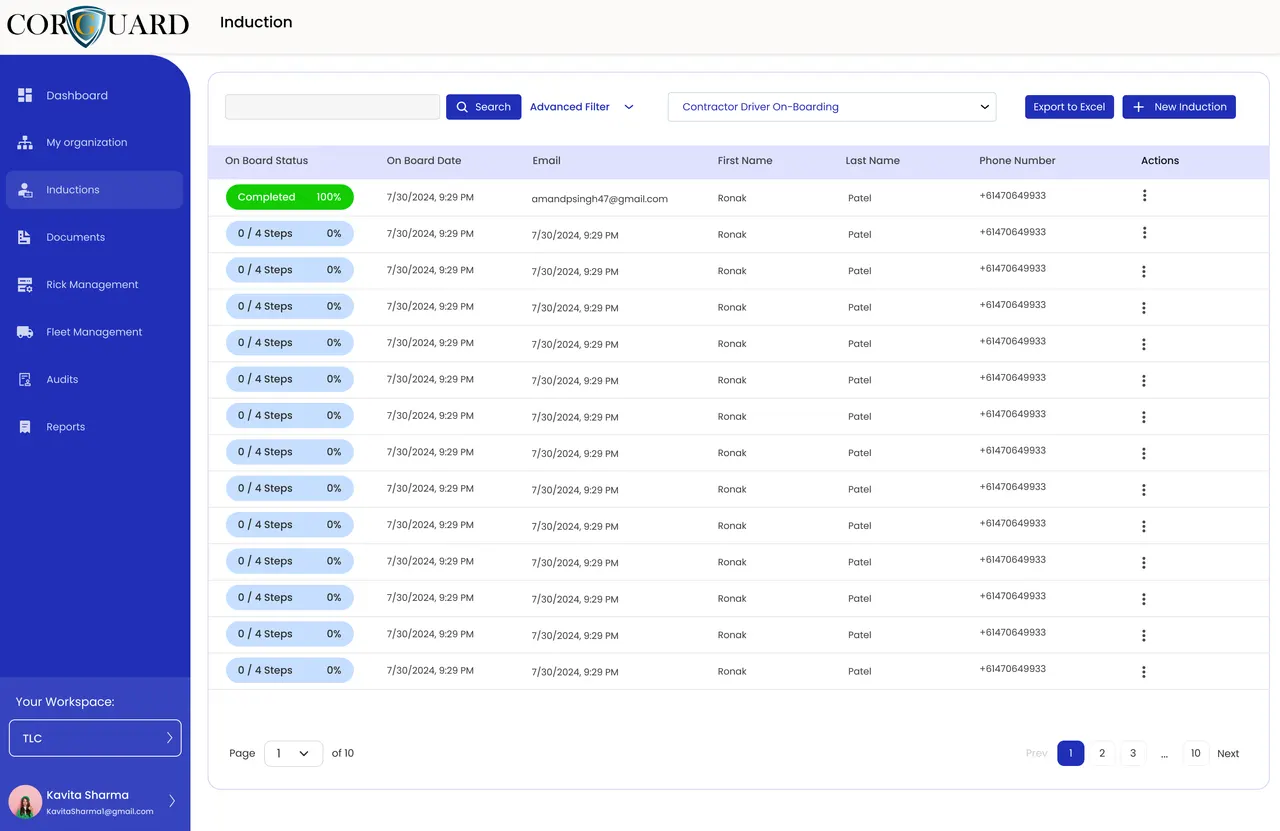
Training records
Connect training completion from cortraining.com.au to evidence and follow-up.
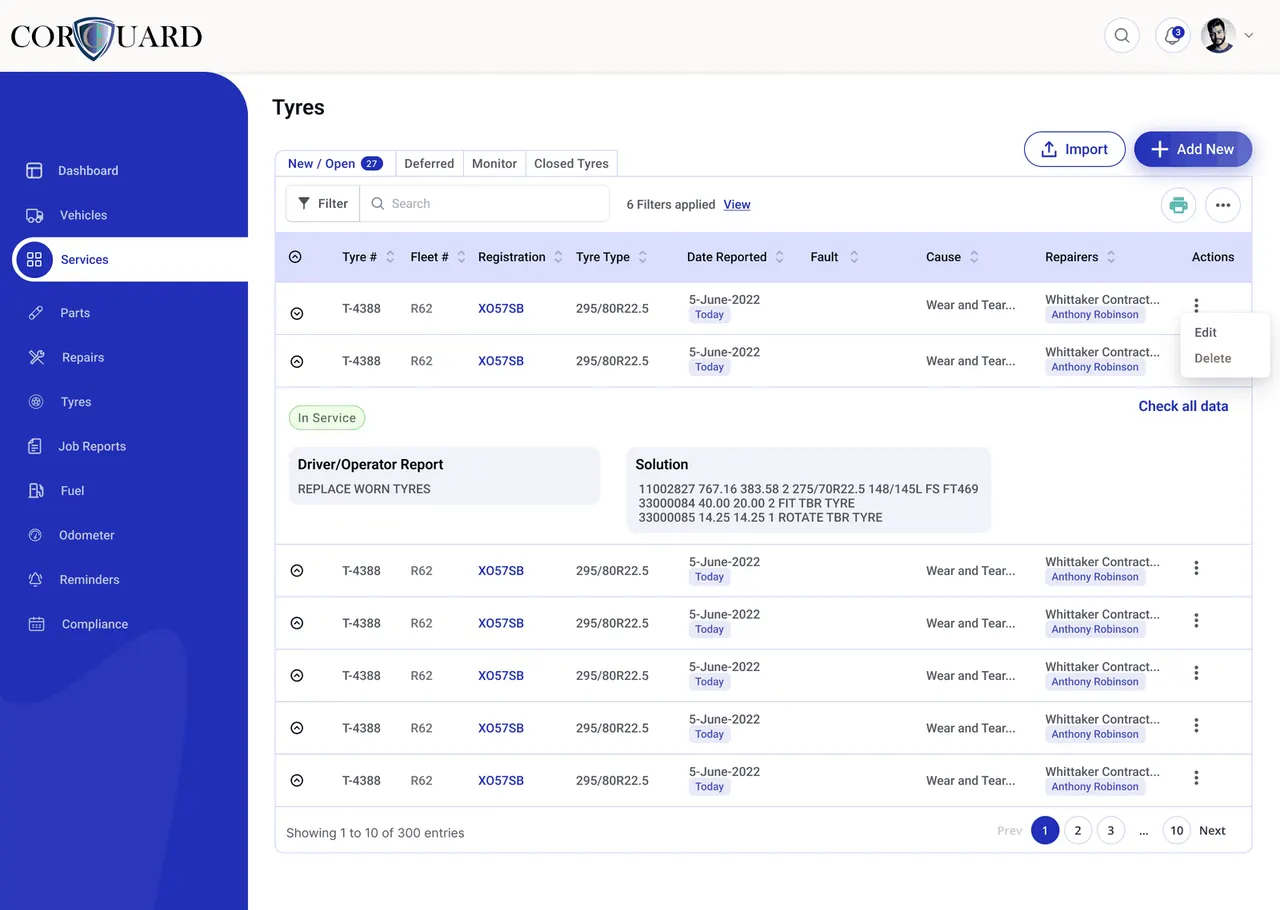
Driver diary checks
Connect fatigue and driver diary review back to manager visibility.
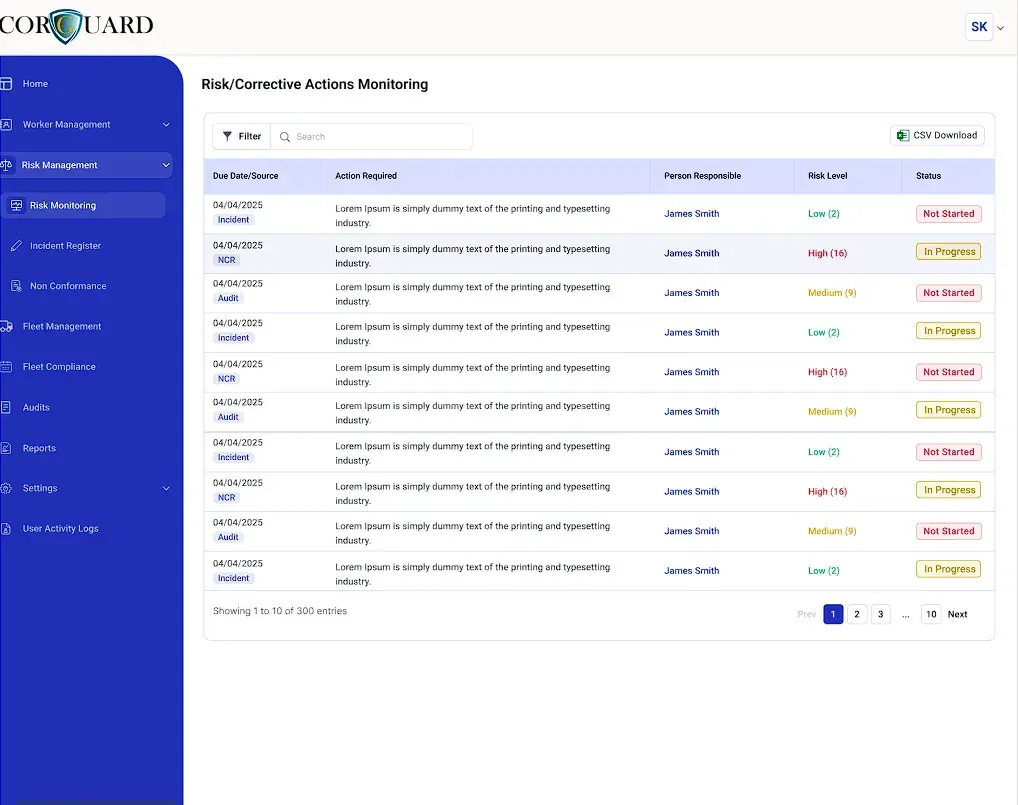
Corrective actions
Turn audit findings, hazards and incidents into tracked actions.
Keep exploring
Related Chain of Responsibility reading
MAEZ insight
Mastering Chain of Responsibility: Top Best Practices
Discover top chain of responsibility best practices to streamline your processing pipelines. Learn how to manage handlers for effective design pattern use.
MAEZ insight
Understanding HVNL: A Guide for Transport Operators
Discover HVNL explained for transport operators to ensure compliance with Australia’s heavy vehicle regulations, including fatigue and safety standards.
MAEZ insight
Essential HVNL Compliance Checklist for Transport Operators
Ensure your transport operations meet NHVR standards with our essential HVNL compliance checklist. Streamline safety and regulatory compliance effortlessly.
MAEZ insight
Essential Tools for an Effective Safety Management System
Discover essential Safety Management System tools to enhance compliance, identify hazards, and build robust safety cultures in your organization.
MAEZ insight
Effective Strategies for Mitigating Supply Chain Risks
Explore effective supply chain risk mitigation strategies to enhance resilience, efficiency, and reduce business disruptions with structured frameworks.
MAEZ insight
Understanding the Importance of ISO 45001 for Workplace Safety
Explore the importance of ISO 45001 in enhancing workplace safety by preventing injuries and promoting a proactive health management approach.
Frequently asked questions
Questions people ask about this topic
What is a CoR compliance checklist for transport?
A CoR compliance checklist is an operational framework that verifies every party in the transport supply chain meets their Chain of Responsibility obligations under the HVNL. It covers six risk areas — fatigue, load restraint, mass, speed, maintenance, and driver qualification — and embeds verification steps into existing daily workflows.
Who in the supply chain needs to use a CoR compliance checklist?
Every party with influence over transport safety needs a checklist, including executives, operators, fleet managers, schedulers, loaders, packers, and consignors. The HVNL defines duty holders by their influence over transport safety, not just contractual relationships, so each role verifies controls within their specific area of control.
How does a CoR checklist help prove reasonably practicable measures?
Each checklist item requires a clear verification method — visual inspection, document review, system check, or sign-off — which creates objective evidence of the steps you have taken to identify risks, implement controls, and monitor them over time. This documentation demonstrates a systematic approach rather than relying on verbal assurances or informal practices.
What are the six primary CoR risk areas under the HVNL?
The six primary CoR risk areas are fatigue management, load restraint, mass and dimension, speed compliance, vehicle maintenance, and driver qualification. Each area requires a different verification approach, from work diary checks to weighbridge records and pre-start inspections.
How do the 2026 HVNL amendments affect CoR compliance checklists?
The 2026 HVNL amendments require all parties in the Chain of Responsibility to implement systematic approaches to identifying, assessing, and controlling transport safety risks with documented processes. A CoR compliance checklist provides that systematic approach, creating clear accountability and demonstrating commitment to reasonably practicable measures.