
MAEZ insight
Decoding CoR Compliance: Key Requirements Explained
A practical guide to Chain of Responsibility compliance under Australia's HVNL—covering primary duty, fatigue, mass and loading, vehicle standards, training, contractors, and executive due diligence.
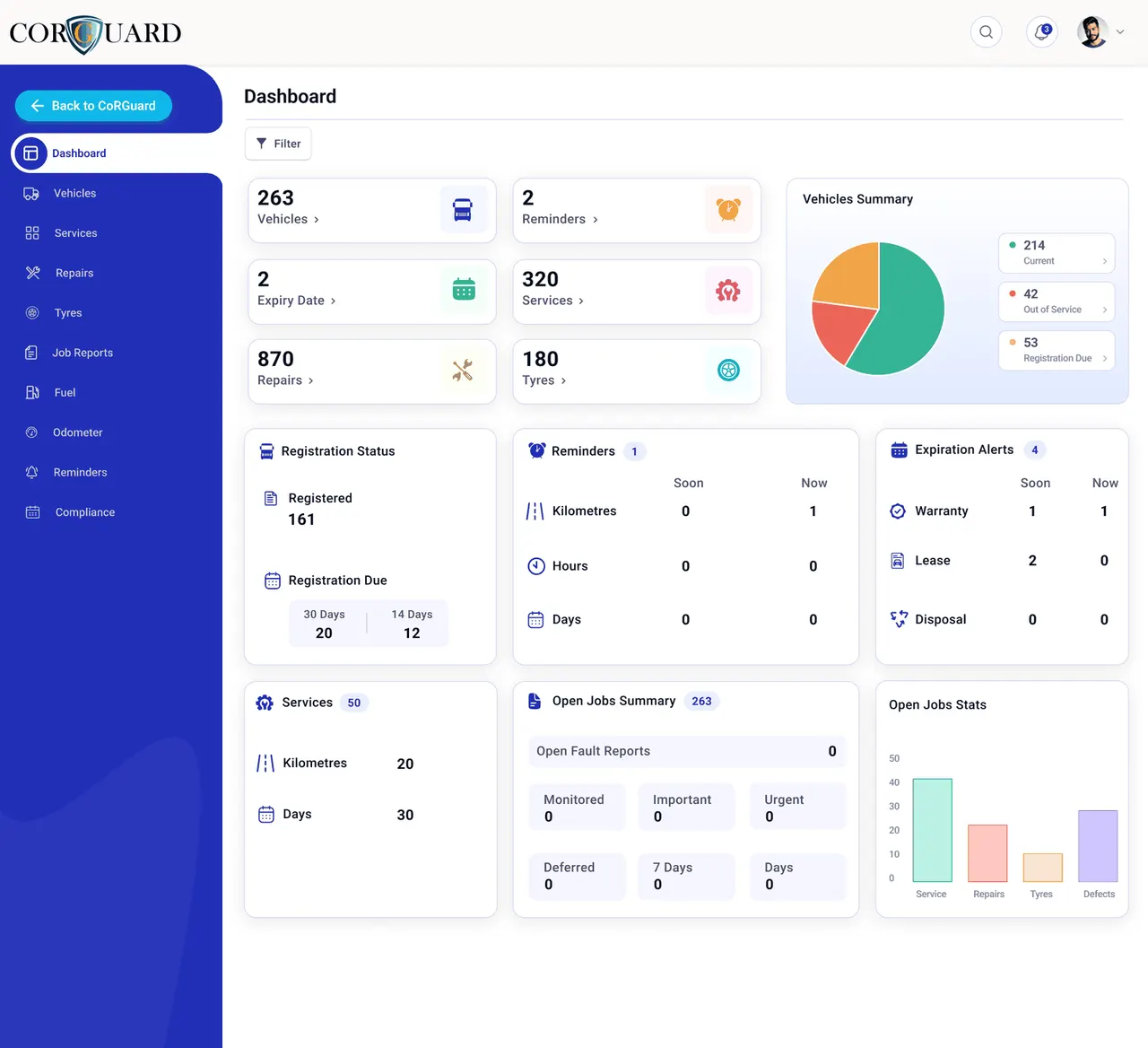
Daily fleet activity has to connect back to duties, controls, and review.

Due diligence means knowing whether the safety system is actually working.

Proof that freight promises do not create unsafe transport pressure.

Loading controls need evidence, not assumptions.
Consignors
Freight terms, delivery windows, and KPIs must not push drivers into speed, fatigue, or mass breaches.
Consignees
Receiving rules, site access, and unloading delays are CoR controls that need to be set and evidenced.
Loaders
Mass, dimension, and load restraint decisions need documented checks, not assumptions.
Managers
Executives and managers need due-diligence evidence that the Safety Management System is actually working.
What Chain of Responsibility compliance really means
Shared safety duty across every party in the supply chain
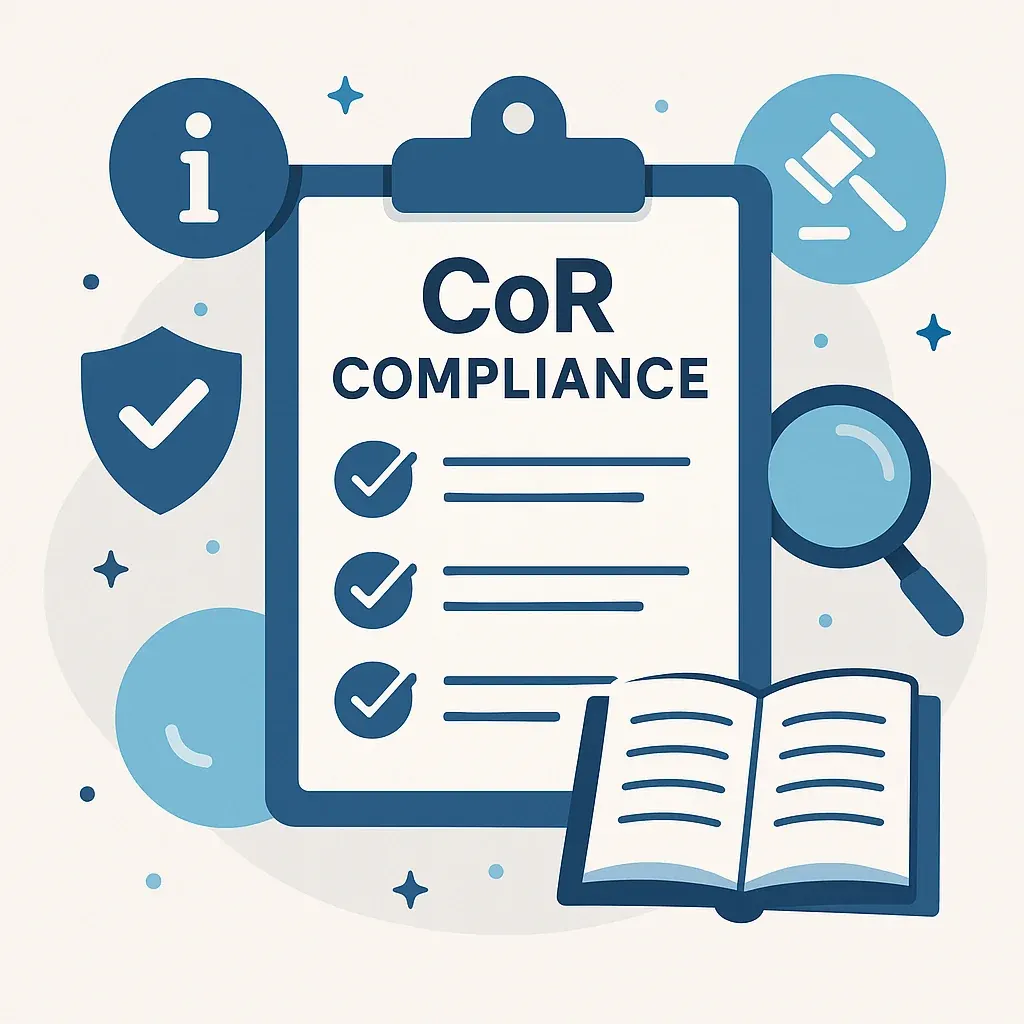
Chain of Responsibility (CoR) compliance means every party who influences heavy vehicle transport safety—consignors, consignees, schedulers, loaders, prime contractors, and executives—must take reasonable steps to ensure transport activities are safe. Under the HVNL, each party holds a primary duty to eliminate or minimise risks so far as is reasonably practicable, with obligations scaled to their role and influence.
Traditional transport regulation focused exclusively on drivers and vehicle operators. CoR legislation extends safety obligations across the entire supply chain, creating shared responsibility for safety outcomes. This expansion matters because safety failures rarely originate with drivers alone.
Unrealistic delivery schedules create fatigue risks. Poor loading practices cause vehicle instability. Inadequate maintenance budgets lead to roadworthiness issues. The Heavy Vehicle National Law (HVNL) recognises these connections and assigns duties accordingly.
The qualifier "so far as is reasonably practicable" is critical: it means balancing risk against the effort, time, and cost of controls. Small operators face different practical constraints than national corporations, and the law accounts for that. Understanding your specific obligations requires examining your role in transport activities.
A scheduler who sets delivery timeframes carries different responsibilities than a loader securing freight. Both face legal obligations, but the practical requirements differ significantly. For a broader grounding, see About Chain of Responsibility.
Who actually falls under CoR
The legislation captures anyone who influences transport safety decisions
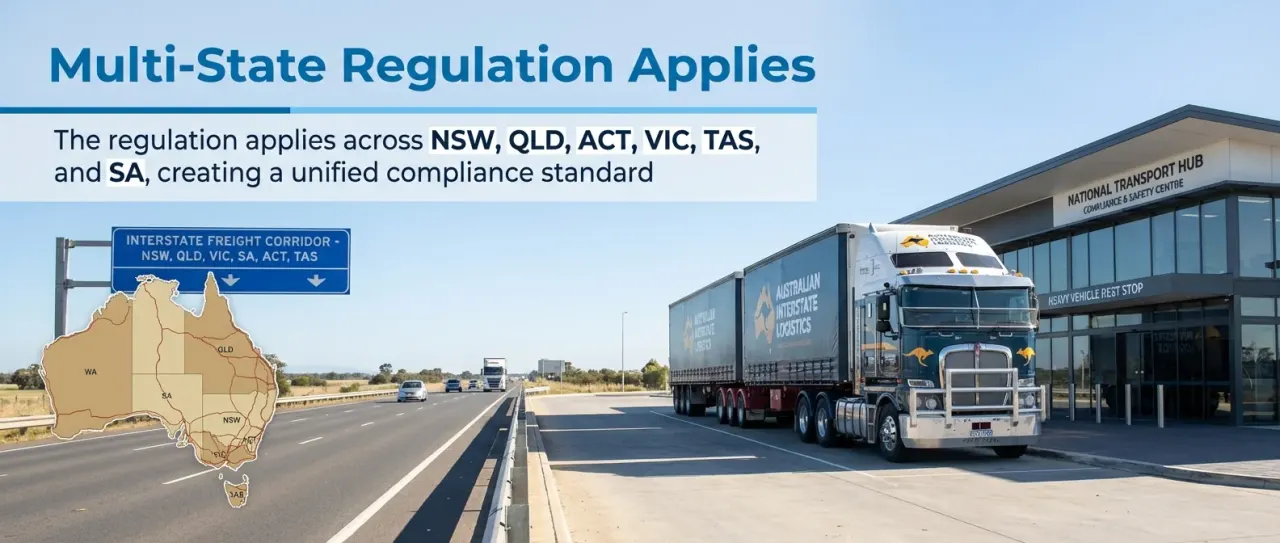
CoR legislation captures anyone who influences transport safety decisions—well beyond obvious transport roles. The framework extends to parties both inside and outside your direct employment.
Parties within the chain
- Consignors who send goods carry obligations for load security and mass limits.
- Consignees receiving freight must provide safe unloading facilities and reasonable timeframes.
- Packers need proper training in load restraint principles.
- Loading managers require systems for weight verification.
- Schedulers who set delivery timeframes must account for fatigue and speed limits.
- Executive officers hold particular responsibility for due diligence and system oversight.
Parties outside direct employment
Third-party contractors, labour hire companies, and freight brokers all fall within the CoR framework when they influence transport safety. You cannot contract out of these obligations by delegating work to external parties.
Core safety obligations under the HVNL
Specific requirements across the main risk areas
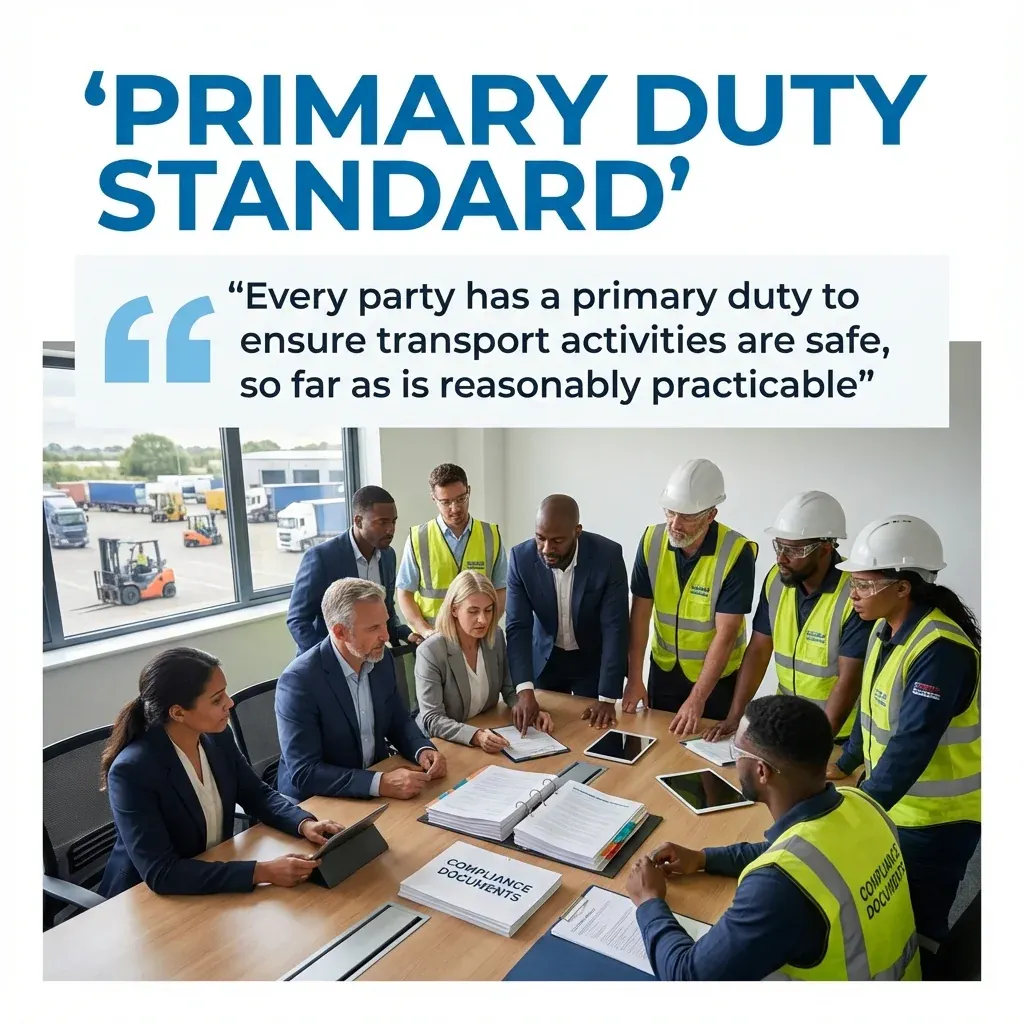
The HVNL establishes specific safety requirements across key risk areas. Each obligation targets a common source of heavy vehicle incidents, and a single delivery can involve schedulers, drivers, loaders, and managers—each carrying distinct but overlapping duties.
Speed and fatigue requirements
Driver fatigue represents a leading cause of heavy vehicle incidents. The HVNL sets strict work and rest hour requirements, limiting driving time and mandating rest breaks. Schedulers must create delivery timeframes that allow legal compliance; setting schedules that force drivers to speed or exceed work hours creates direct CoR liability, even when you never explicitly instruct drivers to breach regulations.
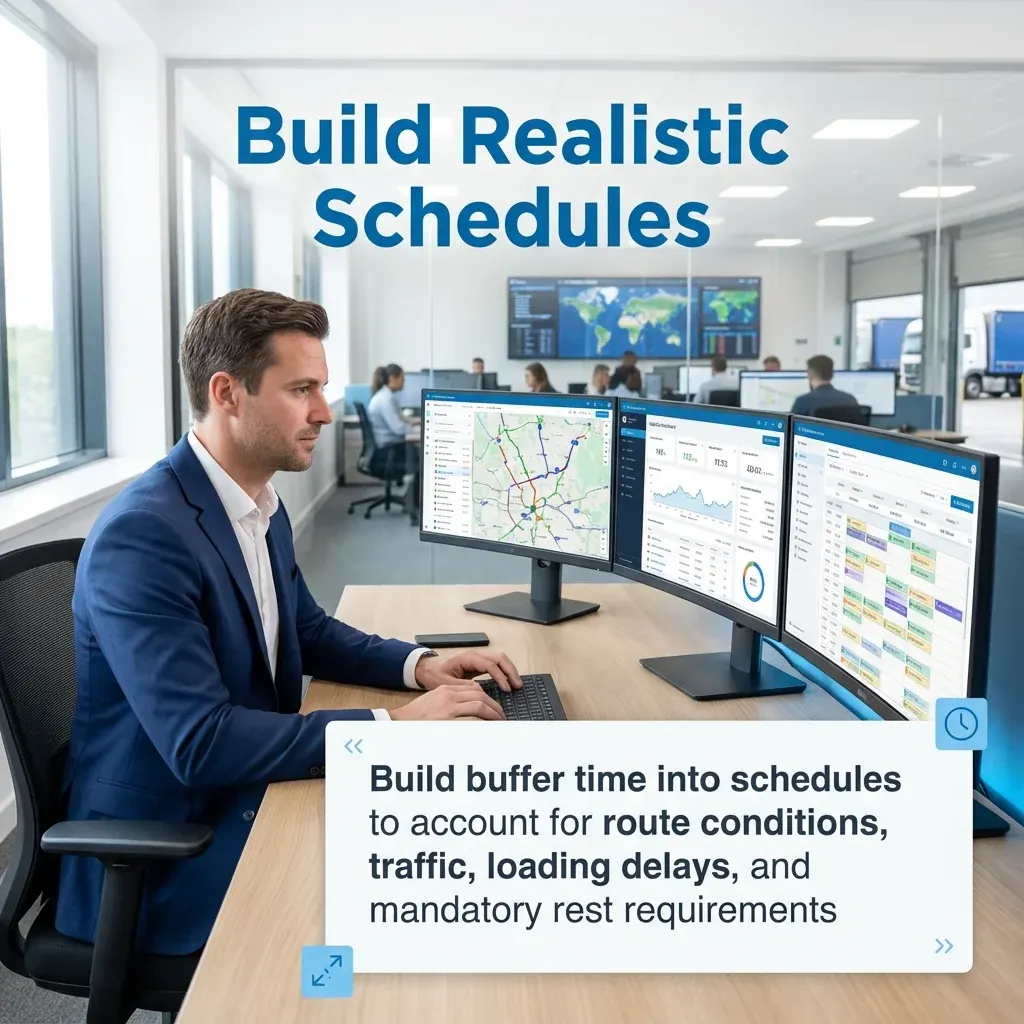
Electronic Work Diaries track compliance in real time, recording driving hours, rest breaks, and work patterns. Your systems need to account for realistic travel times—understanding route conditions, traffic patterns, loading delays, and mandatory rest requirements. Building buffer time into schedules demonstrates due diligence.
Mass, dimension and loading standards
Overloading creates severe safety risks through reduced braking capacity and vehicle instability. The HVNL sets strict mass limits for different vehicle configurations. Consignors must provide accurate weights, and loaders need systems for weight verification before dispatch—this might involve weighbridges, on-board mass monitoring, or certified weight declarations from suppliers.
Load restraint must prevent load shift, which causes vehicle rollover and loss of control. The Load Restraint Guide provides technical standards for different freight types. Documentation proves compliance: weight dockets, loading diagrams, and restraint specifications create an evidence trail.
Vehicle standards and maintenance
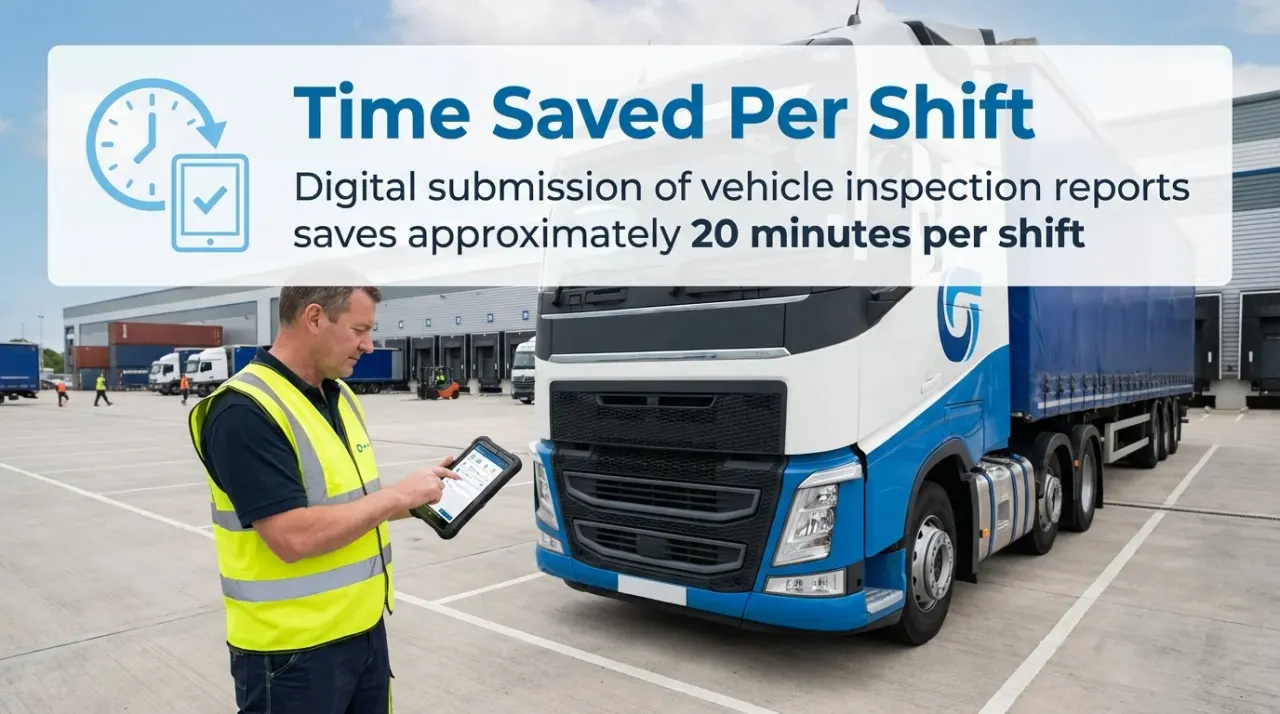
Vehicle roadworthiness directly impacts safety outcomes. The HVNL requires vehicles to meet construction standards and remain properly maintained throughout their service life. Drivers must conduct pre-start checks using standardised inspection forms covering brakes, steering, lights, and tyres.
Maintenance schedules must follow manufacturer specifications, and service records prove you maintained vehicles according to required intervals. Defect reporting systems allow drivers to notify management immediately when issues arise, and vehicles with safety defects must be taken out of service until repairs are completed.
Building practical compliance systems
Systems that function under operational pressure, not just on paper
Theory means nothing without implementation. Effective CoR compliance requires systems that function under operational pressure, not just on paper. Start by mapping your actual transport activities. Identify every point where your business influences heavy vehicle operations—procurement decisions, delivery scheduling, loading processes, and contractor management.
For each activity, document the specific controls you have implemented. What processes ensure schedulers create realistic timeframes? How do loaders verify weights? What systems track maintenance compliance?
Documentation that actually works
Compliance documentation serves two purposes: it guides your team through correct procedures, and it demonstrates due diligence during audits. Policies should be clear and specific—vague statements about commitment to safety provide no practical guidance. Instead, document exact procedures: who checks weights, how they verify them, and what happens when limits are exceeded.
Work instructions need operational detail. A loading procedure should specify equipment requirements, restraint methods for different freight types, weight verification steps, and sign-off requirements. Records prove implementation: weight dockets, inspection reports, training records, and maintenance logs create evidence that your systems operate as documented. Missing documentation suggests systems exist on paper only.
For a structured review of where your systems stand, explore CoR consulting.
Training requirements across roles
Every person influencing transport safety needs appropriate training
Every person influencing transport safety needs appropriate training—well beyond driver education. Different roles require different competencies, and training must be matched to the specific decisions each person makes.
Role-specific training needs
- Schedulers require training on work and rest hour requirements, including how delivery timeframes impact driver fatigue risks. Training should cover how to calculate realistic travel times accounting for traffic, loading delays, and mandatory breaks.
- Loading staff need load restraint training covering the basic physics of load movement, restraint equipment selection, proper securing techniques, and weight distribution principles. Practical assessment ensures they can apply knowledge correctly.
- Executives require due diligence training. Directors and senior managers must understand their personal obligations, what compliance systems should achieve, and how to verify effective implementation.
Training records must document competency verification. Attendance alone does not prove understanding. Assessment results, practical demonstrations, and refresher training schedules create more robust evidence.
For structured learning options, see Chain of Responsibility training for Australian operators or the practical CoR course.
Managing contractor compliance
You retain CoR obligations for activities performed on your behalf
Third-party contractors create significant compliance challenges. You cannot directly control their operations, yet you retain CoR obligations for transport activities they perform on your behalf. Contractor management systems need to verify compliance before engagement and monitor performance throughout the relationship.
Pre-qualification
Pre-qualification processes should assess contractor safety systems. Request copies of their CoR policies, training records, maintenance schedules, and audit reports. Verify their insurance covers CoR liability before any work begins.
Contract terms
Contracts must include specific safety requirements. Do not rely on general clauses about regulatory compliance. Specify expectations for vehicle maintenance, driver training, fatigue management, and incident reporting.
Ongoing monitoring
Ongoing monitoring proves you have not simply delegated responsibility. Regular performance reviews should examine safety metrics, incident rates, and audit findings. Poor performance requires corrective action or contract termination.
For more on how contractor obligations fit the broader framework, see what Australian HVNL duty holders need to understand.
Executive due diligence obligations
Directors and senior managers carry personal liability under CoR
Executive officers carry personal liability under CoR legislation. Directors and senior managers must exercise due diligence to ensure their organisation complies with HVNL requirements. This obligation does not require daily operational involvement. Instead, executives must demonstrate they took reasonable steps to ensure adequate systems exist and function effectively.
What due diligence actually requires
- Acquire and maintain knowledge of CoR obligations relevant to your business.
- Ensure adequate systems exist for managing transport safety risks.
- Verify implementation—not just that policies are written, but that they are followed.
- Monitor effectiveness through audits, reviews, and incident analysis.
- Respond to information about hazards and risks, taking corrective action when systems fail.
Executives who treat CoR as an operational issue delegated to the safety team expose themselves personally. Due diligence means actively verifying that the safety management system works—not assuming it does.
For a practical perspective on closing gaps, see using a chartered risk lens to close Chain of Responsibility gaps. For training targeted at this group, see Chain of Responsibility training for executives and managers.
How MAEZ works
Find the gaps. Fix the system. Prove the controls.
MAEZ helps transport operators deal with the compliance risk they already know is there. We help get the Safety Management System in order, protect NHVAS accreditation, reduce fine exposure, and connect training, evidence, and CoRGuard workflows where software is needed.
Find
Identify what is exposed before an auditor or regulator does.
Fix
Build the SMS controls around how the transport business actually runs.
Prove
Use CoRGuard where records, reminders, diaries, audits, and evidence need structure.
From advice to evidence
From MAEZ advice to a working Safety Management System
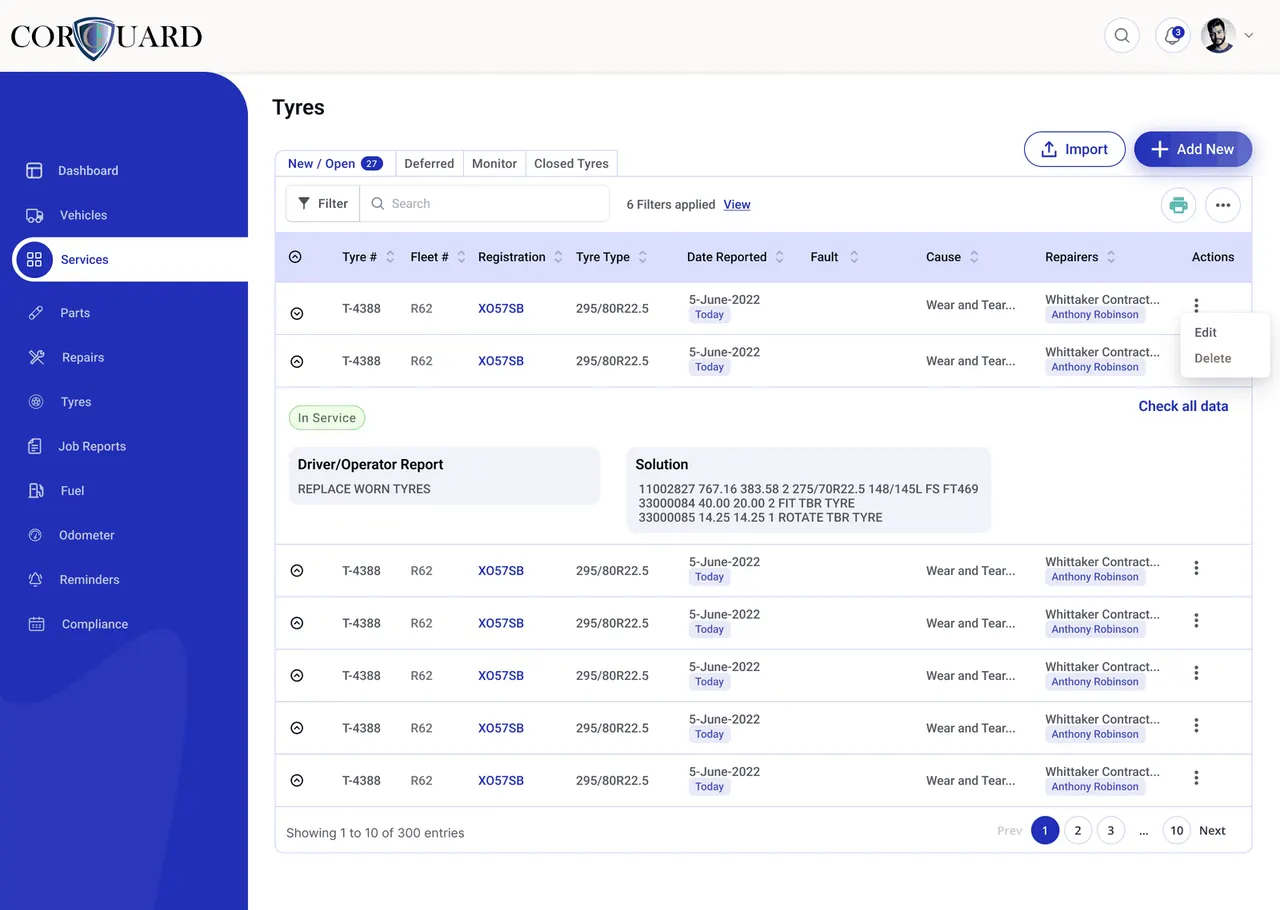
Advisory work should leave a practical implementation trail. These examples show how CoRGuard supports records, fatigue and driver diary checks, maintenance, audits, document control, inductions, corrective actions, and evidence review after MAEZ identifies the gaps.
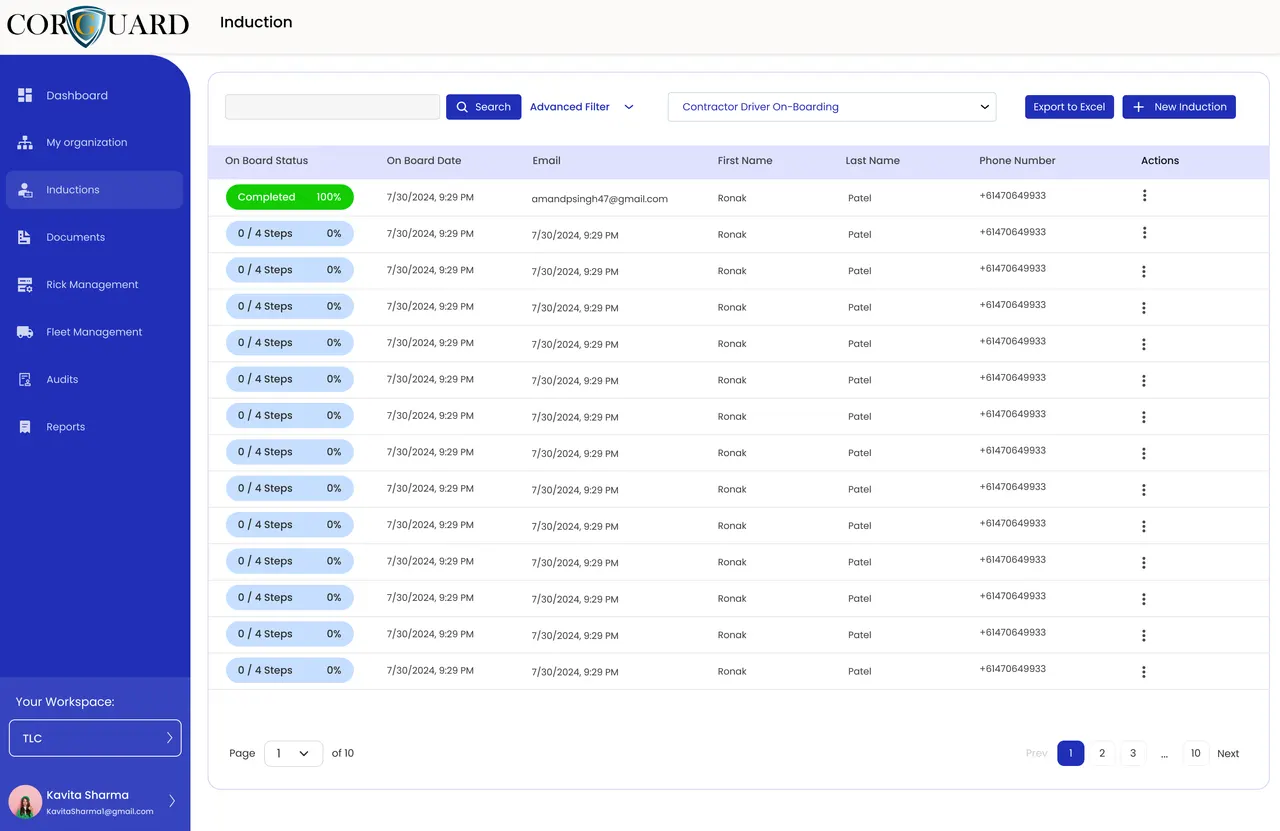
Training records
Connect training completion from cortraining.com.au to evidence and follow-up.
Driver diary checks
Connect fatigue and driver diary review back to manager visibility.
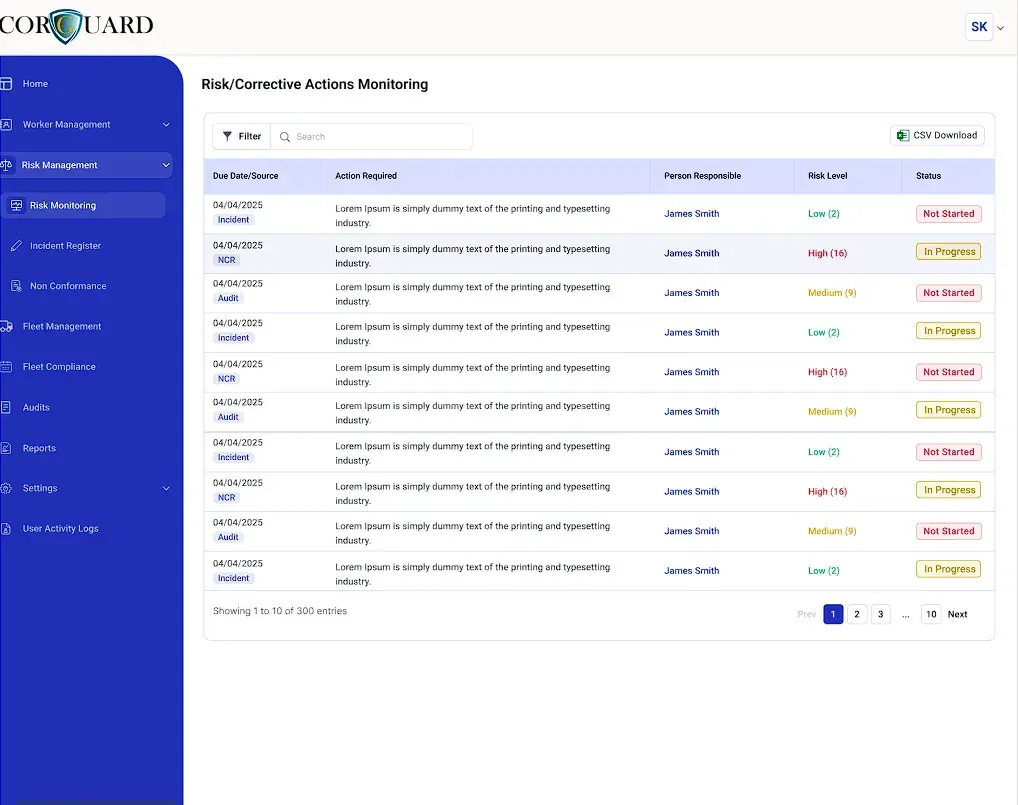
Corrective actions
Turn audit findings, hazards and incidents into tracked actions.
Keep exploring
Related Chain of Responsibility reading
MAEZ insight
Essential CoR Compliance Checklist for Transport Safety
Ensure transport safety with our essential CoR compliance checklist. Manage obligations effectively under the Heavy Vehicle National Law.
MAEZ insight
Mastering Chain of Responsibility: Top Best Practices
Discover top chain of responsibility best practices to streamline your processing pipelines. Learn how to manage handlers for effective design pattern use.
MAEZ insight
Understanding HVNL: A Guide for Transport Operators
Discover HVNL explained for transport operators to ensure compliance with Australia’s heavy vehicle regulations, including fatigue and safety standards.
MAEZ insight
Essential HVNL Compliance Checklist for Transport Operators
Ensure your transport operations meet NHVR standards with our essential HVNL compliance checklist. Streamline safety and regulatory compliance effortlessly.
MAEZ insight
Essential Tools for an Effective Safety Management System
Discover essential Safety Management System tools to enhance compliance, identify hazards, and build robust safety cultures in your organization.
MAEZ insight
Effective Strategies for Mitigating Supply Chain Risks
Explore effective supply chain risk mitigation strategies to enhance resilience, efficiency, and reduce business disruptions with structured frameworks.
Frequently asked questions
Questions people ask about this topic
What is the primary duty under the Chain of Responsibility?
Every party in the supply chain who influences transport safety holds a primary duty under the HVNL to ensure transport activities are safe, so far as is reasonably practicable. This means balancing risk against the effort, time, and cost of controls, with obligations scaled to each party's role and influence.
Who is captured under Chain of Responsibility legislation?
CoR captures anyone who influences transport safety decisions, including consignors, consignees, packers, loading managers, schedulers, prime contractors, executive officers, and third parties such as contractors, labour hire companies, and freight brokers.
Do executives have personal liability under Chain of Responsibility?
Yes. Directors and senior managers carry personal liability and must exercise due diligence—acquiring knowledge of CoR obligations, ensuring adequate systems exist, verifying implementation, monitoring effectiveness, and responding to hazards. Delegating CoR to the safety team without active oversight exposes executives personally.
Can you contract out of Chain of Responsibility obligations when using third-party contractors?
No. You retain CoR obligations for transport activities performed on your behalf by third-party contractors. You must verify compliance before engagement through pre-qualification, include specific safety requirements in contracts, and monitor contractor performance throughout the relationship.
What records should a transport operator keep to demonstrate CoR compliance?
Operators should maintain weight dockets, loading diagrams, restraint specifications, vehicle inspection reports, training records with competency verification, maintenance logs, and work diary data. Missing documentation suggests compliance systems exist on paper only and undermines due diligence evidence during audits.