
MAEZ insight
The NHVR – Totally Irresponsible | MAEZ Transport Compliance Insight
MAEZ examines the NHVR's position that businesses shouldn't ask transport providers for compliance information, why it undermines Chain of Responsibility duties, and what owner-operators and executives should do instead.
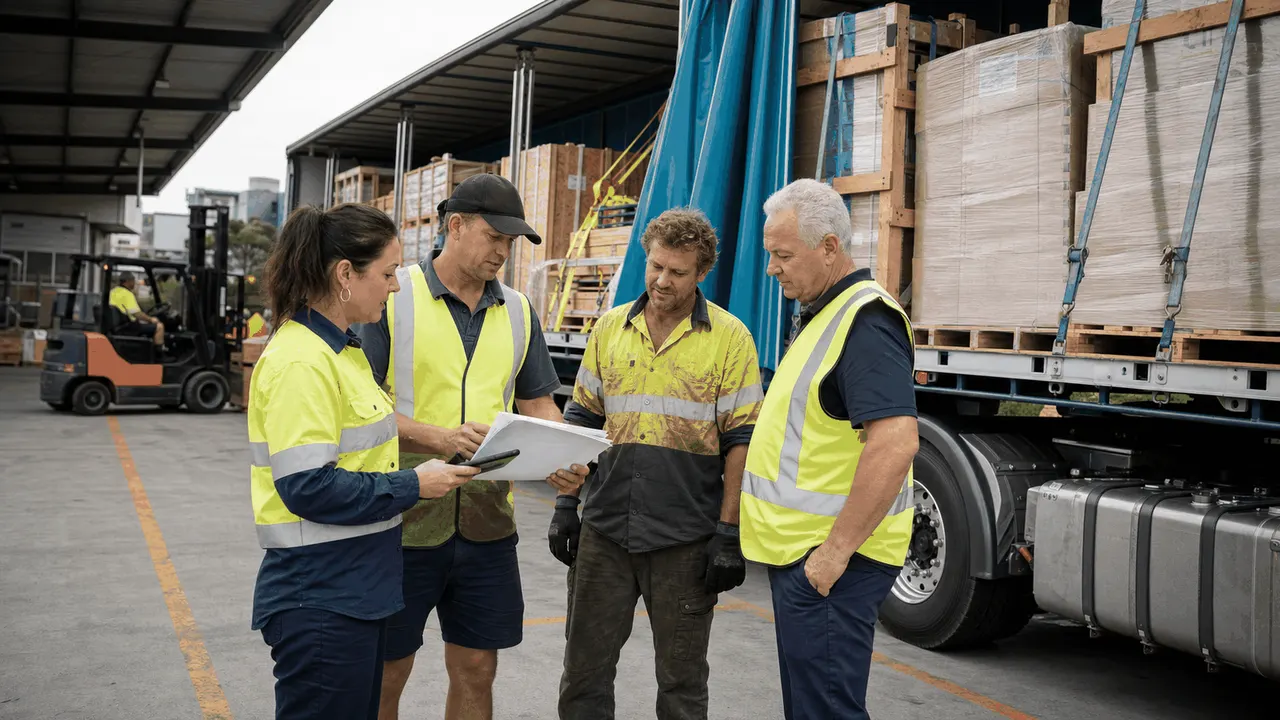
Loading controls need evidence, not assumptions.
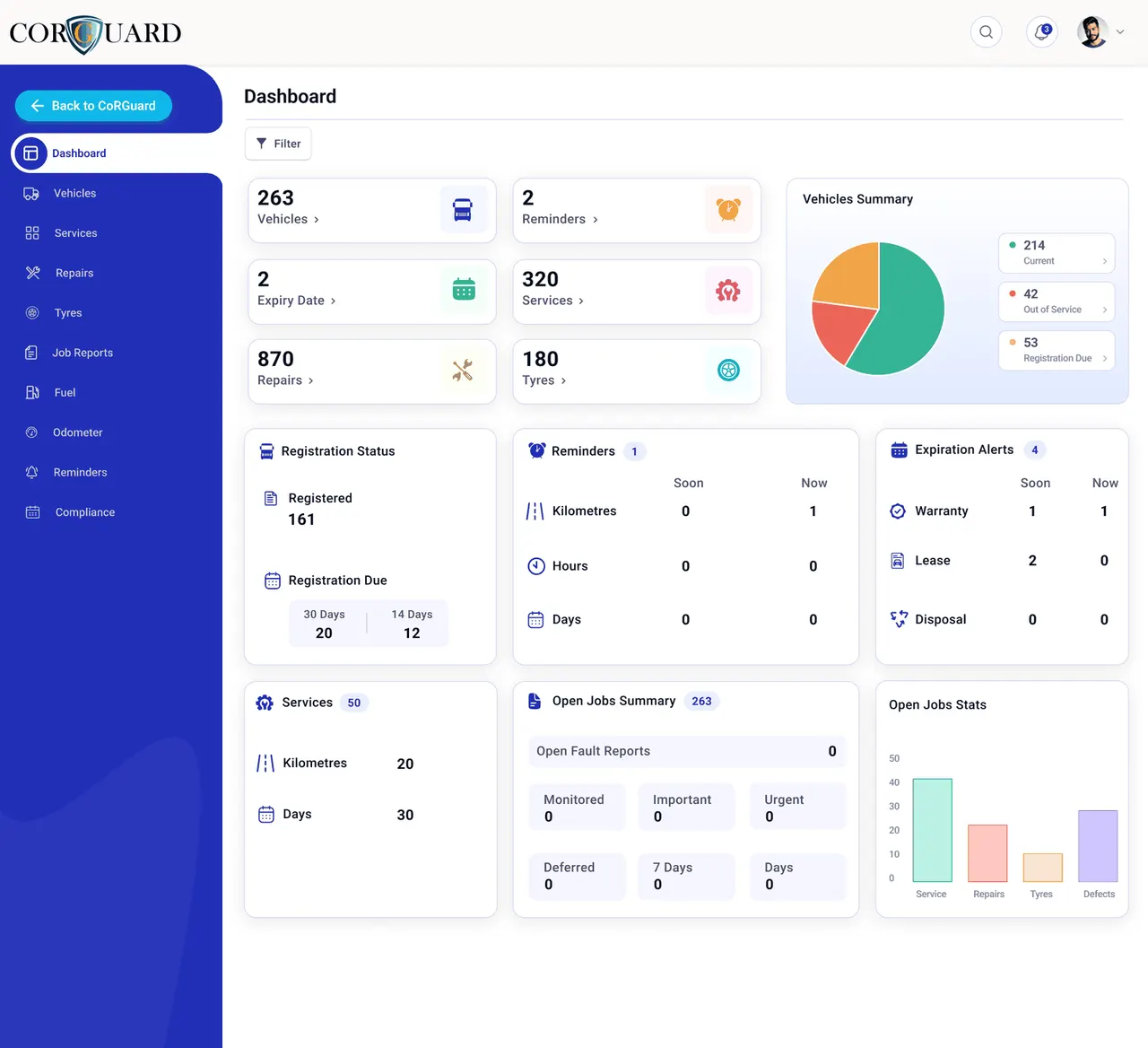
Daily fleet activity has to connect back to duties, controls, and review.

Due diligence means knowing whether the safety system is actually working.

Proof that freight promises do not create unsafe transport pressure.
Consignors
Freight terms, delivery windows, and KPIs must not push drivers into speed, fatigue, or mass breaches.
Consignees
Receiving rules, site access, and unloading delays are CoR controls that need to be set and evidenced.
Loaders
Mass, dimension, and load restraint decisions need documented checks, not assumptions.
Managers
Executives and managers need due-diligence evidence that the Safety Management System is actually working.
Why this NHVR message is damaging
A regulator telling businesses not to question provider safety systems contradicts its founding purpose.
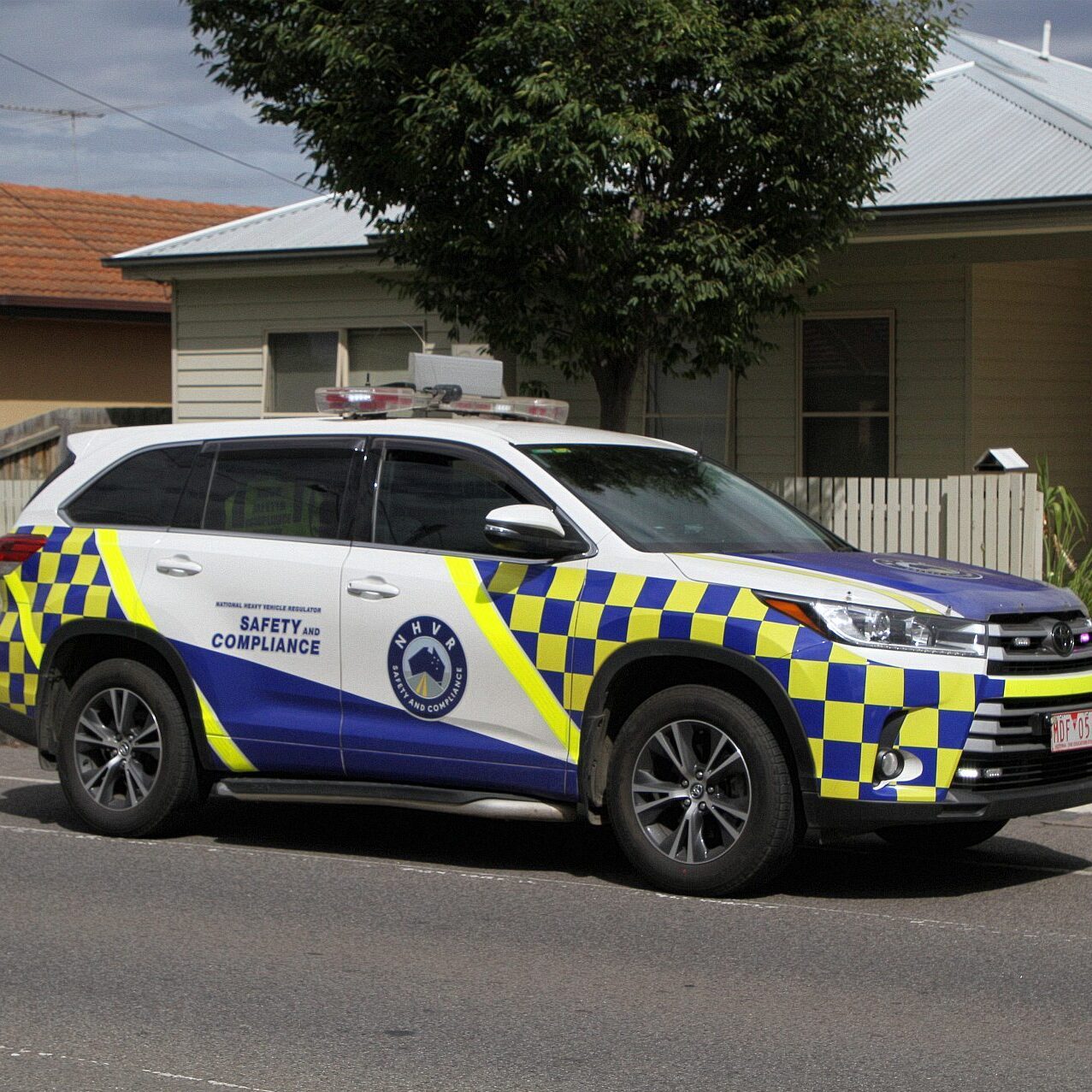
An article published by the NHVR, attributed to Geoff Casey, advised businesses not to ask their transport providers for compliance information because the law doesn't demand it. In our view, this is one of the most damaging messages to come from a body established specifically to improve safety culture in one of Australia's most dangerous industries.
The NHVR was created by COAG (the Council of Australian Governments) to promote safety in the transport task, clean up the industry, and create a level playing field — protecting both the general public and the national road infrastructure we all use.
When the regulator publicly tells the broader transport community not to scrutinise their providers' safety systems, it undermines the very executives and operators who are investing in compliance and trying to do the right thing. To understand the obligations this message cuts across, see our Chain of Responsibilities guide for Australian HVNL duty holders.
The reality for owner-operators
Thin margins and fierce competition push some operators to skip safety spending.
Two things define the owner-operator's world: small (if any) margins and an extremely competitive marketplace. Most operators in the industry don't work with contracts. It's easy to say they should, but the reality is that the next competitor is happy to work without one — and will often deliver the same product or service cheaper.
The owner-operator buys the same truck and trailer at roughly the same cost, pays the same finance rates, and buys the same fuel. So how do they do it cheaper? They skip spending on safety.
That is exactly why the NHVR was established — to stop that race to the bottom. A message telling businesses not to question provider safety systems gives non-compliant operators cover to keep cutting corners.
What the HVNL actually requires of executives
The law does demand due diligence — asking about your providers' safety systems is part of that.
The Heavy Vehicle National Law requires executives to ensure that:
- Front-line staff are ensuring Chain of Responsibility compliance
- Middle management is enforcing Chain of Responsibility compliance
- Agreements do not contain prohibitive requests that undermine safety
If you don't ask your contractors about their safety systems, how can you ensure these obligations as an executive? How do you demonstrate due diligence? You can't.
The NSW government's WestConnex tender is a practical counter-example. It included 36 pages of Chain of Responsibility requirements that incumbents had to comply with, and WestConnex continues to hire auditors to audit transport companies working on the project. Government bodies and large businesses do this to avoid prosecution — and because compliant operators are a genuine value proposition. Larger businesses will not tolerate contractors who aren't compliant.
For a structured approach to these obligations, see our Chain of Responsibility consulting page and our executive and manager CoR training guide.
Real consequences of compliance failures
Prosecutions and fines show why due diligence over contractors is not optional.
The consequences of failing to ensure due diligence are real and significant:
- A Northern Territory business was fined $154,000 after a driver reversed down a dark alley and killed a man sleeping in rubbish the truck ran over. The driver had not been inducted or trained to check for a clear path before reversing.
- Woolworths, which engaged the transport company involved, was facing a potential $1.5 million fine for not ensuring due diligence over the same issue.
Case law like this could assist a prosecution against a business for failing to ensure due diligence. But the NHVR's public comments telling businesses not to ask about their providers' safety systems could muddy the waters. Who does business believe — the case law and the legislation, or the regulator telling them not to bother asking?
Where the NHVR falls short
Slow enforcement and mixed messaging leave compliant operators exposed.
More than six months after the HVNL legislative changes took effect, people across associations and organisations have expressed bewilderment at both the NHVR's comments and the lack of visible prosecutions. Public concern about heavy vehicle incidents has grown, particularly around heightened accident levels during Easter and throughout the year.
The NHVR is absorbing large sums of taxpayer funds, yet no visible dent in safety culture seems to be reaching the operators who deal with death and serious injury daily. Meanwhile, transport operators investing in safety remain at loggerheads with those who aren't — and who are getting away with it in broad daylight.
When compliant operators dare to question why non-compliant competitors aren't held to account, the regulator's response has been to tell them not to ask in the first place. If you want to make an impact, we suggest contacting your local member to have this matter heard.
How MAEZ helps operators respond
Practical training, advisory, and evidence pathways for HVNL and CoR readiness.
MAEZ helps Australian businesses turn Chain of Responsibility, HVNL, WHS, transport safety, and chartered risk obligations into practical training, advisory, audit, and implementation pathways. We help transport operators deal with the compliance risk they already know is there — getting the Safety Management System in order, protecting NHVAS accreditation, and reducing fine exposure.
Find
Identify what is exposed before an auditor or regulator does.
Fix
Build SMS controls around how the transport business actually runs.
Prove
Use structured evidence workflows where records, reminders, diaries, audits, and corrective actions need support.
To get started, explore our Chain of Responsibility training or contact MAEZ for a practical review of the controls, evidence, and SMS gaps that matter most.
How MAEZ works
Find the gaps. Fix the system. Prove the controls.
MAEZ helps transport operators deal with the compliance risk they already know is there. We help get the Safety Management System in order, protect NHVAS accreditation, reduce fine exposure, and connect training, evidence, and CoRGuard workflows where software is needed.
Find
Identify what is exposed before an auditor or regulator does.
Fix
Build the SMS controls around how the transport business actually runs.
Prove
Use CoRGuard where records, reminders, diaries, audits, and evidence need structure.
From advice to evidence
From MAEZ advice to a working Safety Management System
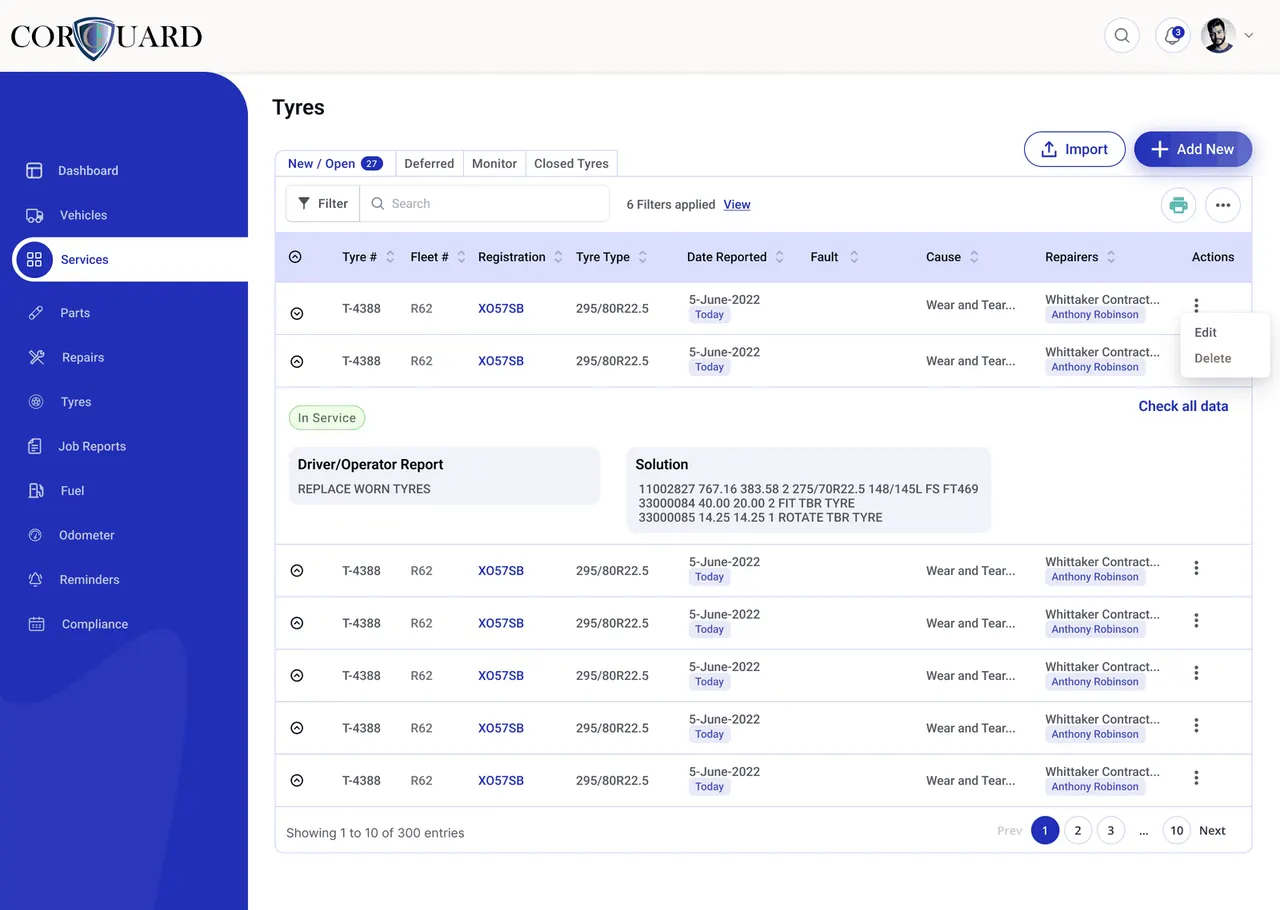
Advisory work should leave a practical implementation trail. These examples show how CoRGuard supports records, fatigue and driver diary checks, maintenance, audits, document control, inductions, corrective actions, and evidence review after MAEZ identifies the gaps.
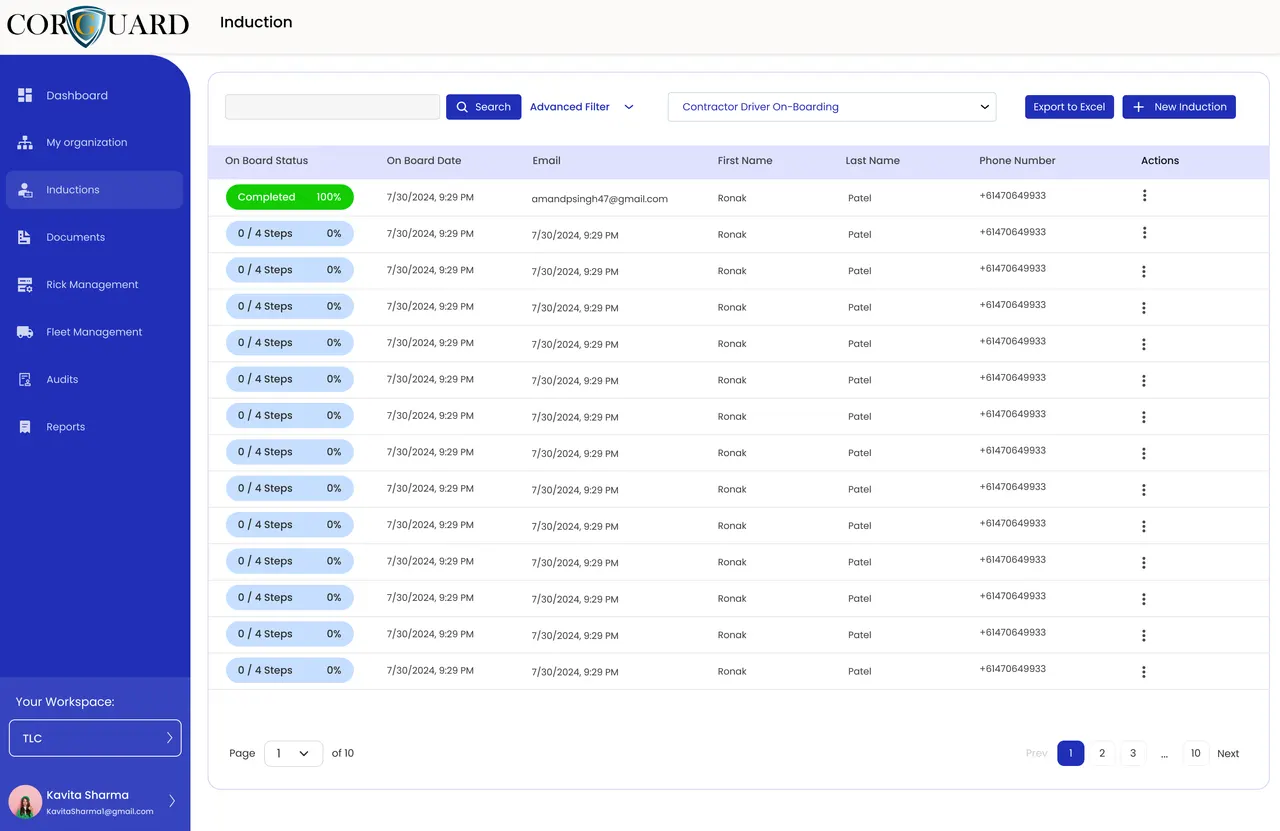
Training records
Connect training completion from cortraining.com.au to evidence and follow-up.
Driver diary checks
Connect fatigue and driver diary review back to manager visibility.
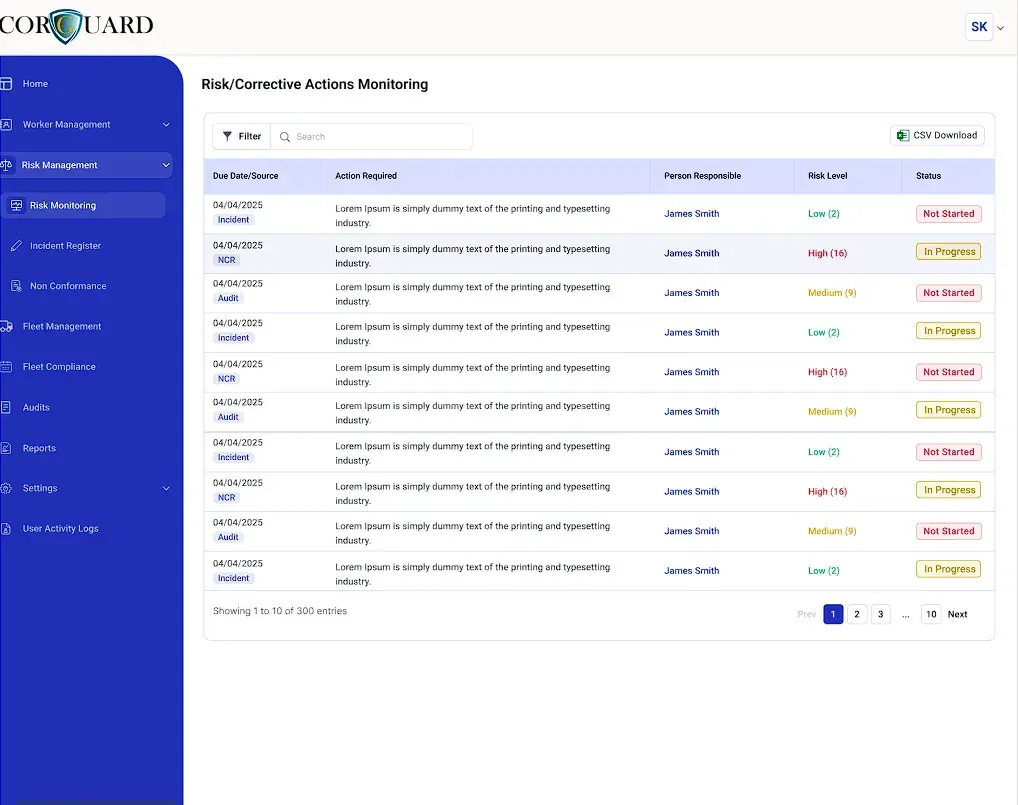
Corrective actions
Turn audit findings, hazards and incidents into tracked actions.
Keep exploring
Related Chain of Responsibility reading
MAEZ insight
Overloaded & Unrestrained
The owner and driver still have a duty of care. They must still ensure that their duty does not impact the lives of the employees, or the public. Even though they are not liable under the Heavy Vehicle National Law.
MAEZ insight
Chain of Responsibility (or CoR) NSW
All listed parties in a road transport task within a supply chain, have specific obligations under the Heavy Vehicle National Law (or HVNL) …
MAEZ insight
Safety Notice Boards
When taking a look at another business during an audit, I’m looking for hundreds of different things, but one which usually takes people by surprise is whether or not I can find a safety notice board.
MAEZ insight
Logistics Management
Logistic management companies have spent and will spend multiple millions of dollars on the safety of their fleet and drivers. Of course, it’s great for business, it reduces risk for their own investments and ongoing financial targets.
MAEZ insight
Alert – Securing Trucks In A Dangerous World
ALERT: STOLEN HEAVY VEHICLE Companies are being reminded to take the theft of company vehicles seriously as a PCBU may have responsibility, for any damage caused.
MAEZ insight
HVNL Prosecution
Magistrate Mark Semmens is scathing in his findings against Bitumax, a Boral company which trades as Boral Asphalt; for a mass offence. The magistrate went on further to state that “I do not think this is a ‘basic’ case.
Frequently asked questions
Questions people ask about this topic
What is the NHVR's position that MAEZ criticises?
An NHVR article attributed to Geoff Casey advised businesses not to ask their transport providers for compliance information, claiming the law doesn't demand it. MAEZ argues this undermines Chain of Responsibility duties and gives non-compliant operators cover to keep cutting corners on safety.
Why is asking transport providers about their safety systems part of executive due diligence?
The HVNL requires executives to ensure front-line staff and middle management are enforcing Chain of Responsibility compliance and that agreements don't undermine safety. If executives don't ask contractors about their safety systems, they cannot demonstrate that these due diligence obligations are being met.
What example does MAEZ give of a real compliance failure consequence?
A Northern Territory business was fined $154,000 after an uninducted driver reversed down a dark alley and killed a man. Woolworths, which engaged the transport company, faced a potential $1.5 million fine for not ensuring due diligence over the same issue.
How do larger businesses handle contractor compliance in practice?
The NSW government's WestConnex tender included 36 pages of Chain of Responsibility requirements and continues to hire auditors to audit transport companies. Larger businesses will not tolerate non-compliant contractors because compliant operators are a genuine value proposition and help avoid prosecution.
What should a compliant operator do if concerned about the NHVR's messaging?
MAEZ suggests contacting your local member to have the matter heard, and investing in practical Chain of Responsibility training, advisory, and evidence pathways to ensure your own Safety Management System and due diligence obligations are met regardless of the regulator's stance.