
MAEZ insight
Securing Trucks in a Dangerous World: Heavy Vehicle Theft Alert
A stolen heavy vehicle case in NSW highlights why PCBUs must secure trucks and keys at all times. Learn how Chain of Responsibility audits address vehicle security risks.
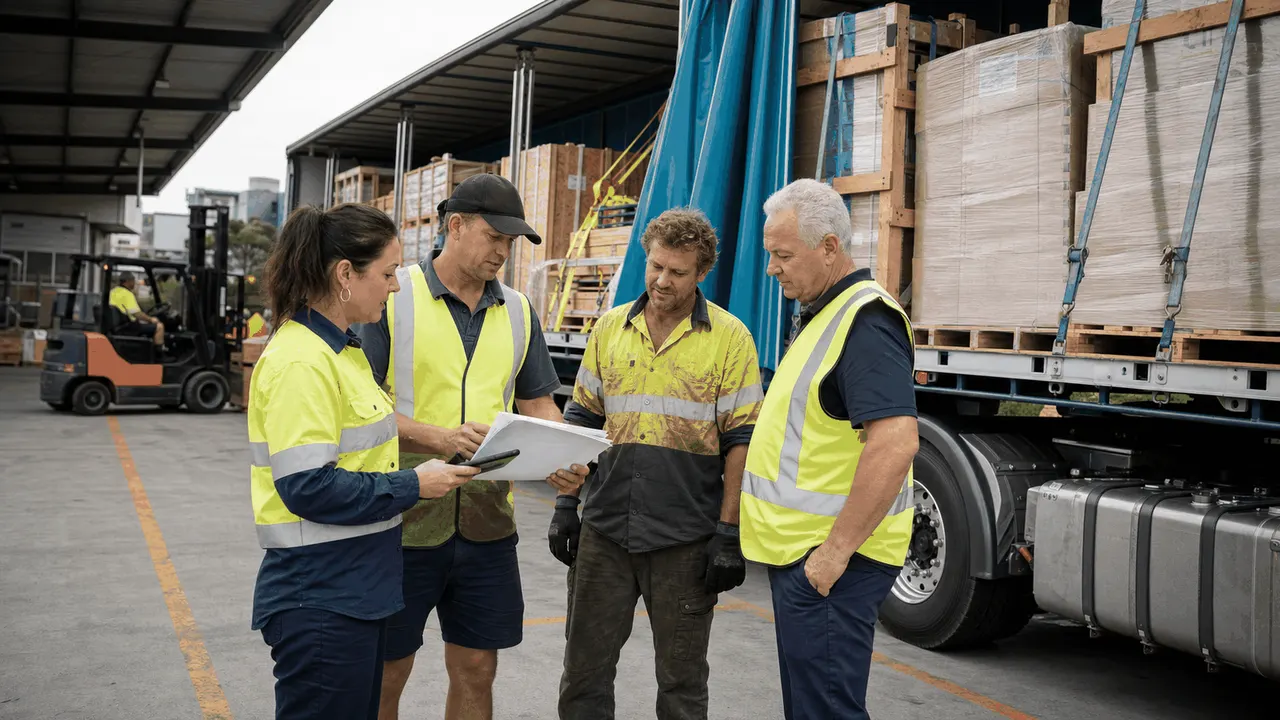
Loading controls need evidence, not assumptions.
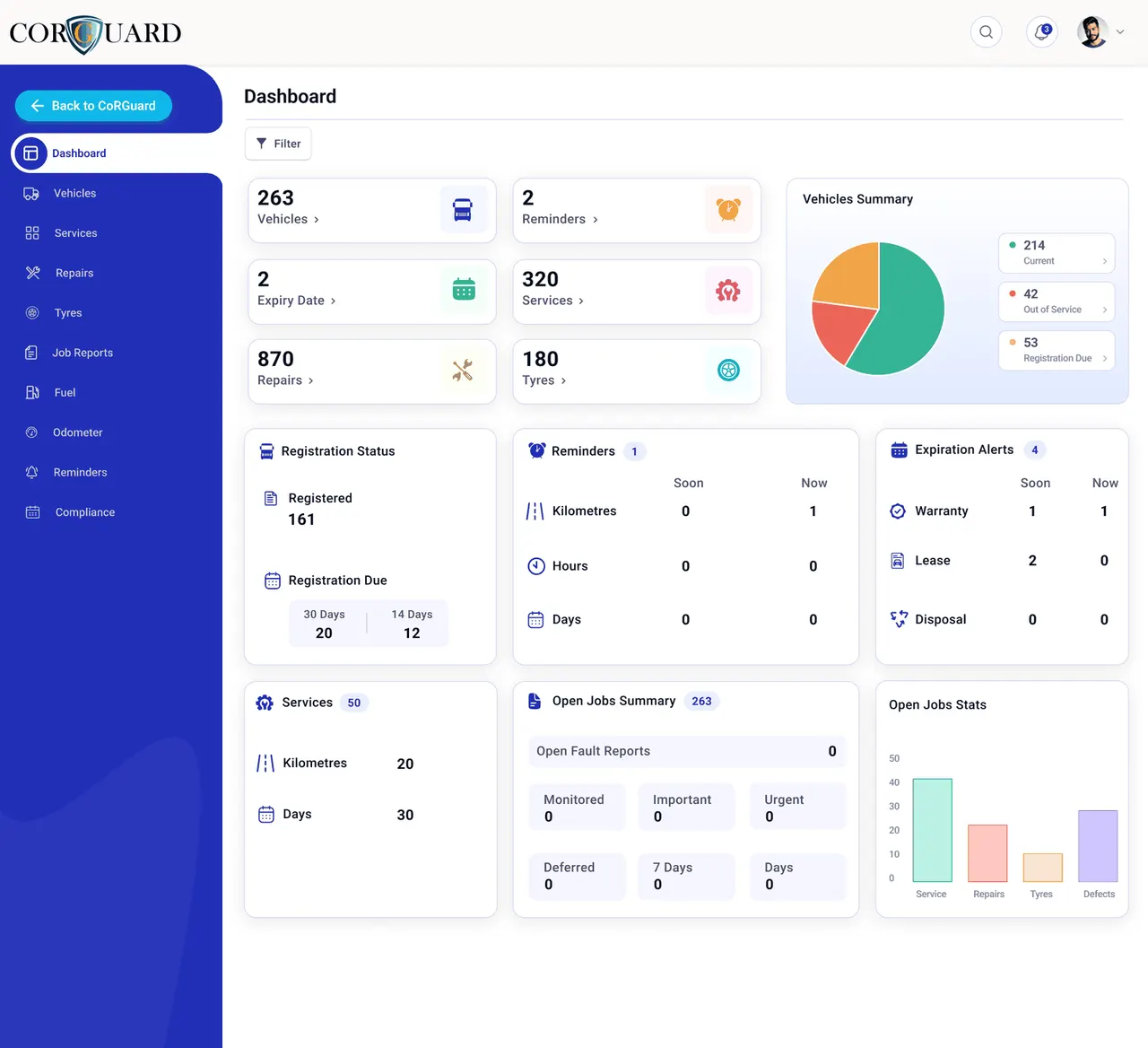
Daily fleet activity has to connect back to duties, controls, and review.

Due diligence means knowing whether the safety system is actually working.

Proof that freight promises do not create unsafe transport pressure.
Consignors
Freight terms, delivery windows, and KPIs must not push drivers into speed, fatigue, or mass breaches.
Consignees
Receiving rules, site access, and unloading delays are CoR controls that need to be set and evidenced.
Loaders
Mass, dimension, and load restraint decisions need documented checks, not assumptions.
Managers
Executives and managers need due-diligence evidence that the Safety Management System is actually working.
Why Heavy Vehicle Security Is a PCBU Duty
A NSW theft case shows what happens when vehicle security controls are absent
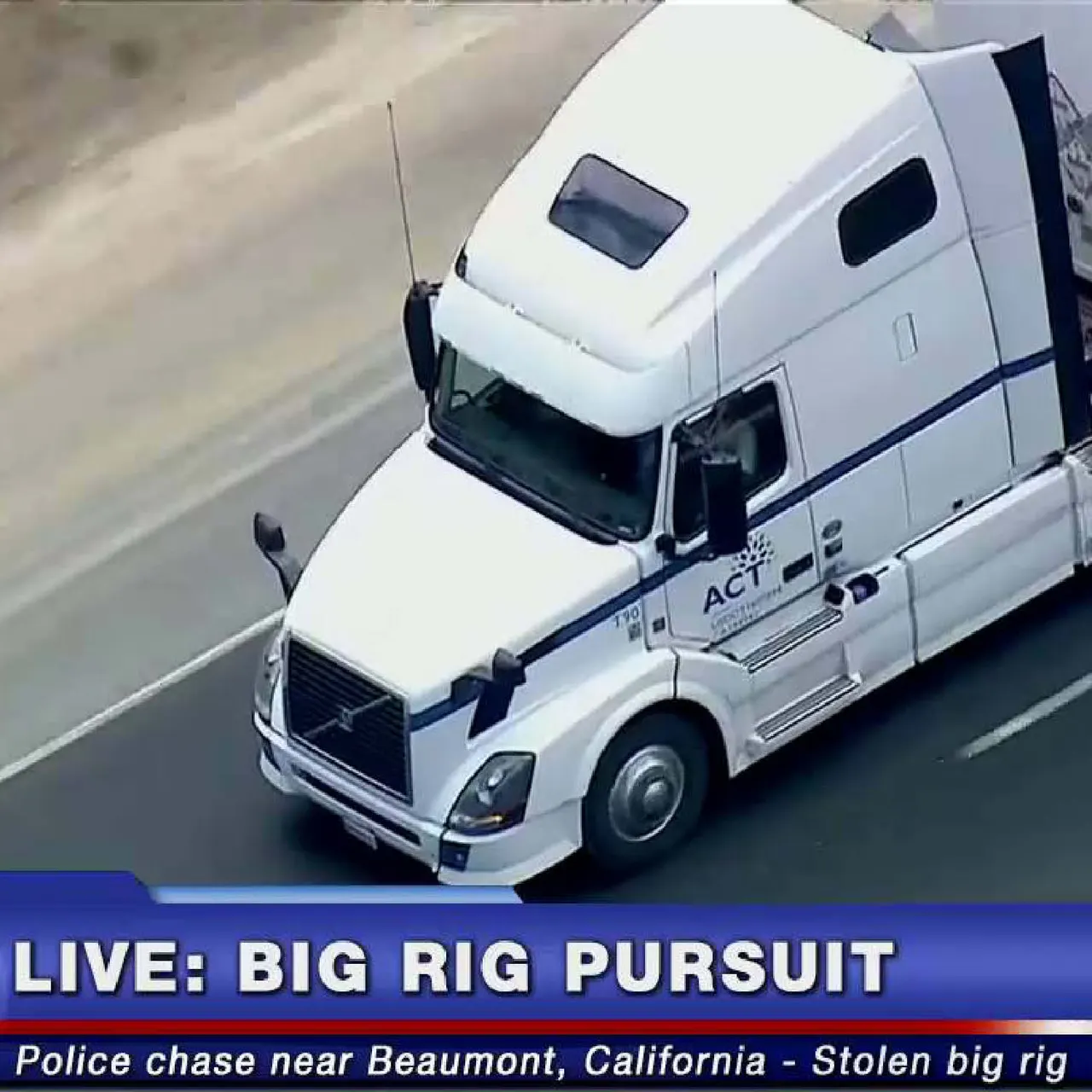
Heavy vehicle theft exposes a PCBU (Person Conducting a Business or Undertaking) to significant litigation risk because the duty of care extends to preventing the vehicle from being used to injure members of the public. A stolen heavy vehicle can be used in opportunistic crime, serious offences, or even terror attacks. Securing the vehicle and its keys at all times is a prime duty, and Chain of Responsibility audits now check whether that duty is backed by practical, evidenced controls — not assumptions.
A recent NSW case illustrates the stakes: two teenagers allegedly stole a medium-sized heavy vehicle, used a stolen credit card at multiple service stations, drove 170 kilometres, and committed a break-and-enter offence. While no one was injured, the potential for severe harm — and the resulting litigation exposure for the PCBU — was serious.
For context on how vehicle security sits within the broader duty-holder framework, see About Chain of Responsibility.
What Happened During the Alleged Crime Spree?
Two teenagers faced court after an opportunistic series of offences
Two teenagers — aged 16 and 14 — faced the Children's Court after allegedly stealing a medium-sized heavy vehicle. The alleged offending appears opportunistic in nature, beginning with a stolen credit card and attending multiple service stations to make purchases of up to $300.
During the alleged offences, up to $5,000 worth of items were stolen from a home, including phones, laptops, and jewellery. Police attended a short time later and located the stolen items, including the key to the stolen truck, in the teenagers' possession.
Both were arrested and conveyed to Bay and Basin Police Station. Both were refused bail.
The incident highlights how quickly an unsecured heavy vehicle can be weaponised for opportunistic crime — and why vehicle key management is not just an operational convenience but a safety control.
What Does This Mean for Transport Operators?
PCBU duty of care extends to vehicle security
There have been multiple events globally where heavy vehicles have been stolen and used in terror attacks and other serious offences. A PCBU has a duty of care to ensure that, by virtue of conducting business, the associated risks do not injure people — including members of the general public.
In this NSW case, the heavy vehicle was not used to purposefully injure people, and the teenagers were unharmed during their alleged crime spree. However, if severe injury or death had occurred — whether to the offenders or the public — the litigation risk to the PCBU would have been significant.
Key takeaways for duty holders
- It is the responsibility of any PCBU to ensure a reasonable method exists to prevent the risk of injury or death.
- Securing the vehicle and its keys at all times is a prime duty under that obligation.
- Vehicle security is not just about asset protection — it is a safety control that falls within the scope of Chain of Responsibility and WHS duties.
- Operators, executives, and managers should be able to produce evidence that security controls are documented, communicated, and followed.
For a broader view of duty-holder obligations across the supply chain, see Chain of Responsibilities: What Australian HVNL Duty Holders Need to Understand.
How MAEZ Audits Address Vehicle Security
Identifying whether controls are actually in place
One of the critical elements within MAEZ Chain of Responsibility consulting and site audits is identifying whether the duty holder has sufficient control over the security of a heavy vehicle — managed directly. This ensures that the risk of a heavy vehicle being used for crimes of opportunity, or in a terror situation, is mitigated through practical, evidenced controls rather than assumptions.
Key questions auditors look for
- Is there a documented process for securing vehicles when unattended?
- Are keys stored in a controlled location with access logs?
- Are drivers trained on vehicle security expectations?
- Can the business produce evidence that these controls are followed?
If the answer to any of these questions is "no" or "we assume so," the business has a gap that an auditor or regulator could expose. The goal is to move from assumption to evidence — so that vehicle key management is not just a policy on paper but a provable control.
To arrange a practical review of your controls, evidence, and SMS gaps, contact MAEZ.
Connecting This to Your Compliance Pathway
Training, advisory, and evidence working together
MAEZ helps Australian businesses turn Chain of Responsibility, HVNL, WHS, transport safety, and chartered risk obligations into practical training, advisory, audit, and implementation pathways. Vehicle security is one part of that broader picture — but it is a part that is easy to overlook until an incident occurs.
For operators preparing for upcoming regulatory changes, the HVNL 2026 Chain of Responsibility training readiness guide outlines what needs to be in place before the reforms take effect.
Where structured records, reminders, driver diary checks, audits, and corrective actions are needed, evidence workflows help connect advisory work to day-to-day operations — so that security controls like vehicle key management are not just documented, but provable.
Practical next steps
- Review whether your vehicle security controls are documented and communicated to drivers.
- Check whether key storage has access controls and logs.
- Ensure Chain of Responsibility training covers vehicle security expectations.
- Arrange an audit or desktop review to identify gaps before a regulator does.
For further reading on using a chartered risk lens to close CoR gaps, see Using a Chartered Risk Lens to Close Chain of Responsibility Gaps in Australian Transport.
How MAEZ works
Find the gaps. Fix the system. Prove the controls.
MAEZ helps transport operators deal with the compliance risk they already know is there. We help get the Safety Management System in order, protect NHVAS accreditation, reduce fine exposure, and connect training, evidence, and CoRGuard workflows where software is needed.
Find
Identify what is exposed before an auditor or regulator does.
Fix
Build the SMS controls around how the transport business actually runs.
Prove
Use CoRGuard where records, reminders, diaries, audits, and evidence need structure.
From advice to evidence
From MAEZ advice to a working Safety Management System
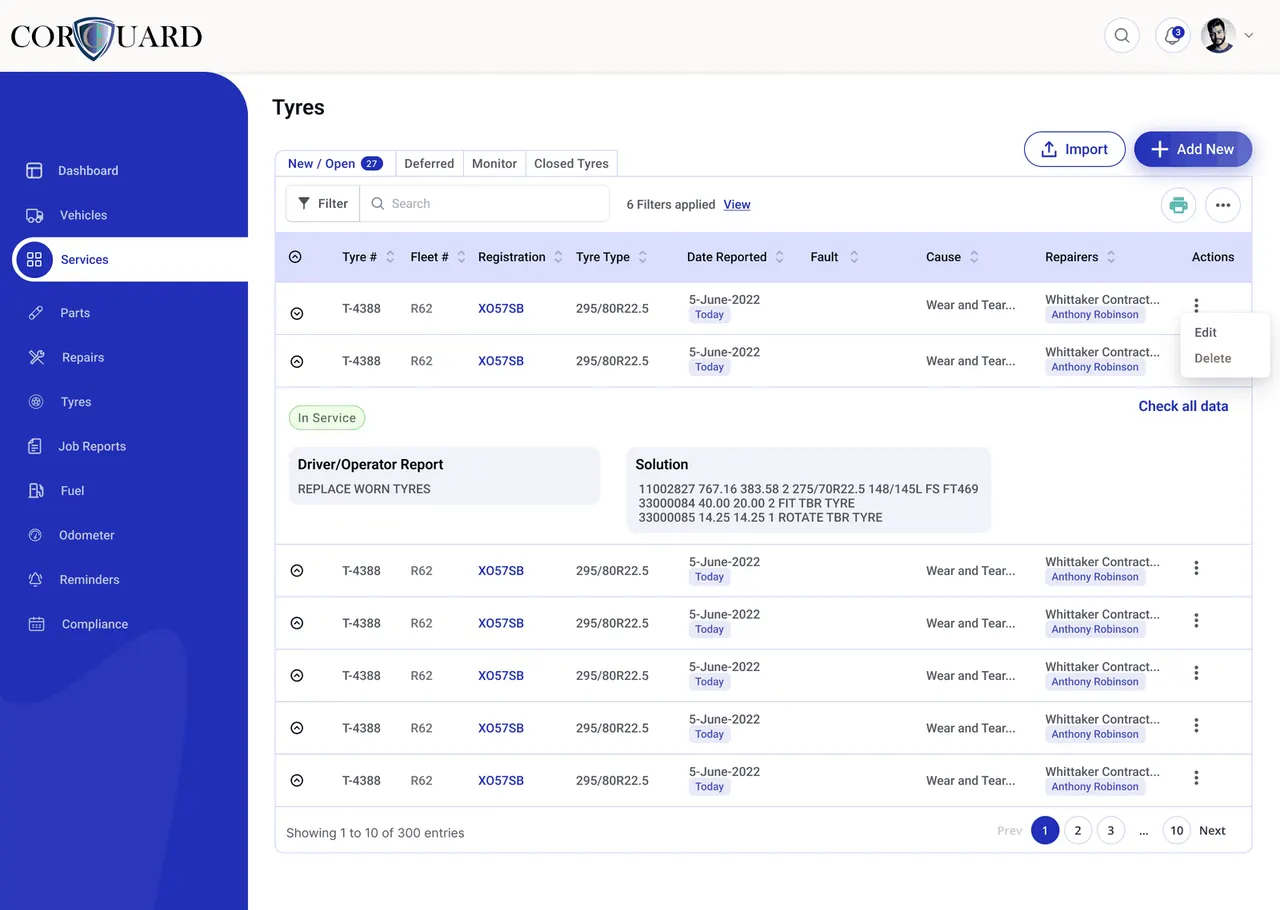
Advisory work should leave a practical implementation trail. These examples show how CoRGuard supports records, fatigue and driver diary checks, maintenance, audits, document control, inductions, corrective actions, and evidence review after MAEZ identifies the gaps.
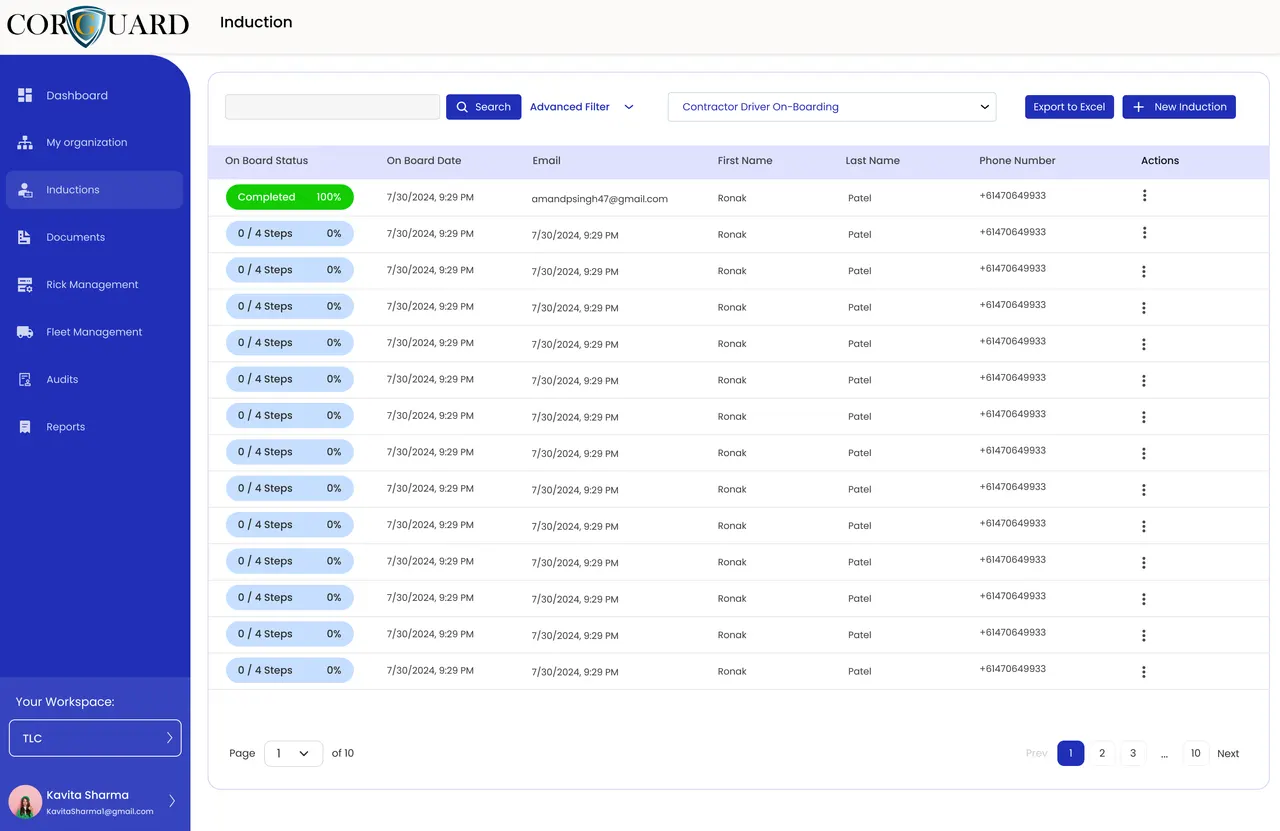
Training records
Connect training completion from cortraining.com.au to evidence and follow-up.
Driver diary checks
Connect fatigue and driver diary review back to manager visibility.
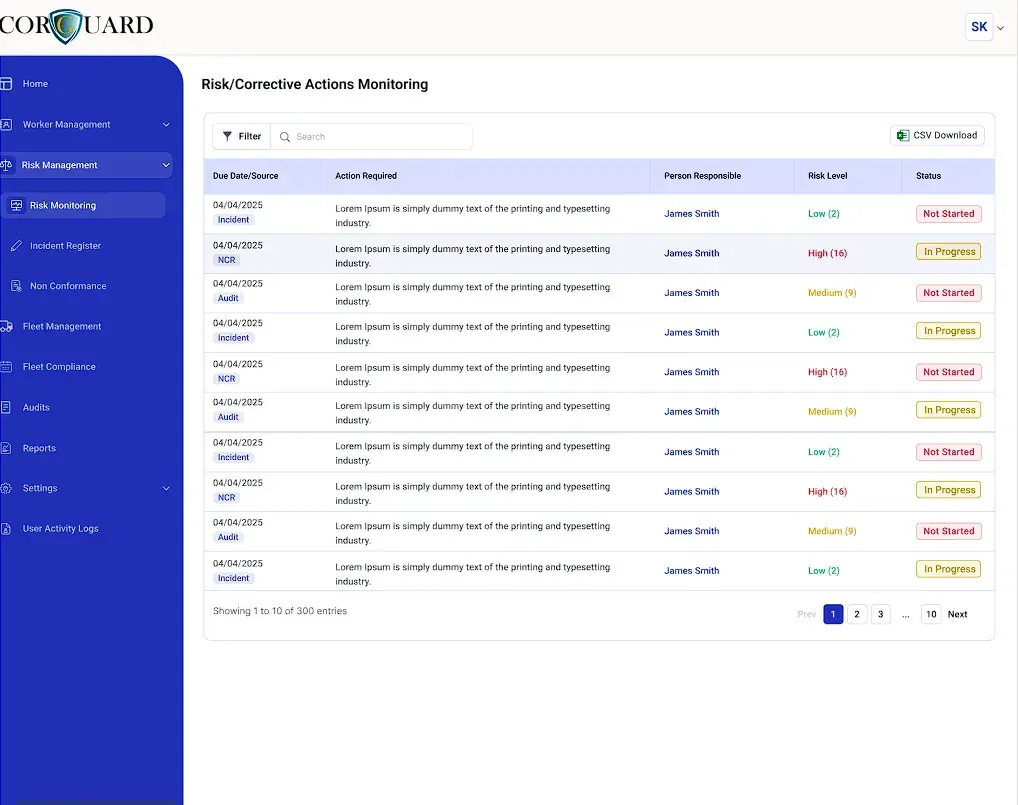
Corrective actions
Turn audit findings, hazards and incidents into tracked actions.
Keep exploring
Related Chain of Responsibility reading
MAEZ insight
HVNL Prosecution
Magistrate Mark Semmens is scathing in his findings against Bitumax, a Boral company which trades as Boral Asphalt; for a mass offence. The magistrate went on further to state that “I do not think this is a ‘basic’ case.
MAEZ insight
On Guard Safety Practises
Sometimes as a consultant, you know when your time is being wasted. One of those times was early 2018 for me when I sat in front of a prospective supplier.
MAEZ insight
Laing O’Rourke Australia | NHVR Issues Enforceable Undertaking
Companies are being reminded to take the Mass and on-road safety responsibilities of all heavy vehicles (GVM or GCM > 4.5T)seriously as outlined here in this Alert. No one wants a fine on their watch and every great leader in business is on the lookout for risks as well as revenue.
MAEZ insight
CoR Comply
CoR Compliance To comply with CoR seems to be something within industry of a mix of opinions. The legislation allows for just one and by reading more, you too can get an insight into what it means to comply through your companies policies or business rules.
MAEZ insight
$60,000 Fatigue Breach
DEPARTMENT OF TRANSPORT AND MAIN ROADS(Complainant) v Anonymous Transport Co. If the person in control of a heavy vehicle commits an extended liability offence, each influencing person is also taken to have committed the offence.
MAEZ insight
How to Implement Chain of Responsibility
A visiting truck sales person injured, resulted in Holcim (Australia) Pty Ltd agreeing to an enforceable undertaking, having a total expenditure of $1,294,100.
Frequently asked questions
Questions people ask about this topic
Why is heavy vehicle theft a Chain of Responsibility issue for transport operators?
A PCBU has a duty of care to prevent risks associated with conducting business from injuring people, including the public. If a stolen heavy vehicle is used to cause harm, the PCBU may face significant litigation risk — making vehicle and key security a prime duty under Chain of Responsibility and WHS obligations.
What evidence should a transport business have for vehicle security controls?
A business should be able to produce a documented process for securing unattended vehicles, evidence that keys are stored in a controlled location with access logs, records of driver training on vehicle security expectations, and proof that these controls are actually followed in day-to-day operations.
How do MAEZ audits check vehicle security?
MAEZ Chain of Responsibility site audits and transport vendor desktop audits identify whether the duty holder has sufficient, evidenced control over heavy vehicle security — checking for documented processes, controlled key storage, driver training, and provable compliance rather than assumptions.
What happened in the NSW heavy vehicle theft case referenced by MAEZ?
Two teenagers aged 16 and 14 allegedly stole a medium-sized heavy vehicle, used a stolen credit card at several service stations, drove 170 kilometres to Erowal Bay, and committed a break-and-enter offence stealing up to $5,000 worth of items. Both were arrested, refused bail, and faced the Children's Court.
Does Chain of Responsibility training cover vehicle security?
Yes — MAEZ Chain of Responsibility training addresses vehicle security expectations as part of the broader duty-holder framework, ensuring drivers and managers understand their role in securing vehicles and keys to mitigate theft and misuse risks.