
MAEZ insight
Safety Notice Boards: What Auditors Look For
A practical guide to safety notice boards for Australian transport operators — what to include, how to keep policies current, and why auditors check them during a Chain of Responsibility review.
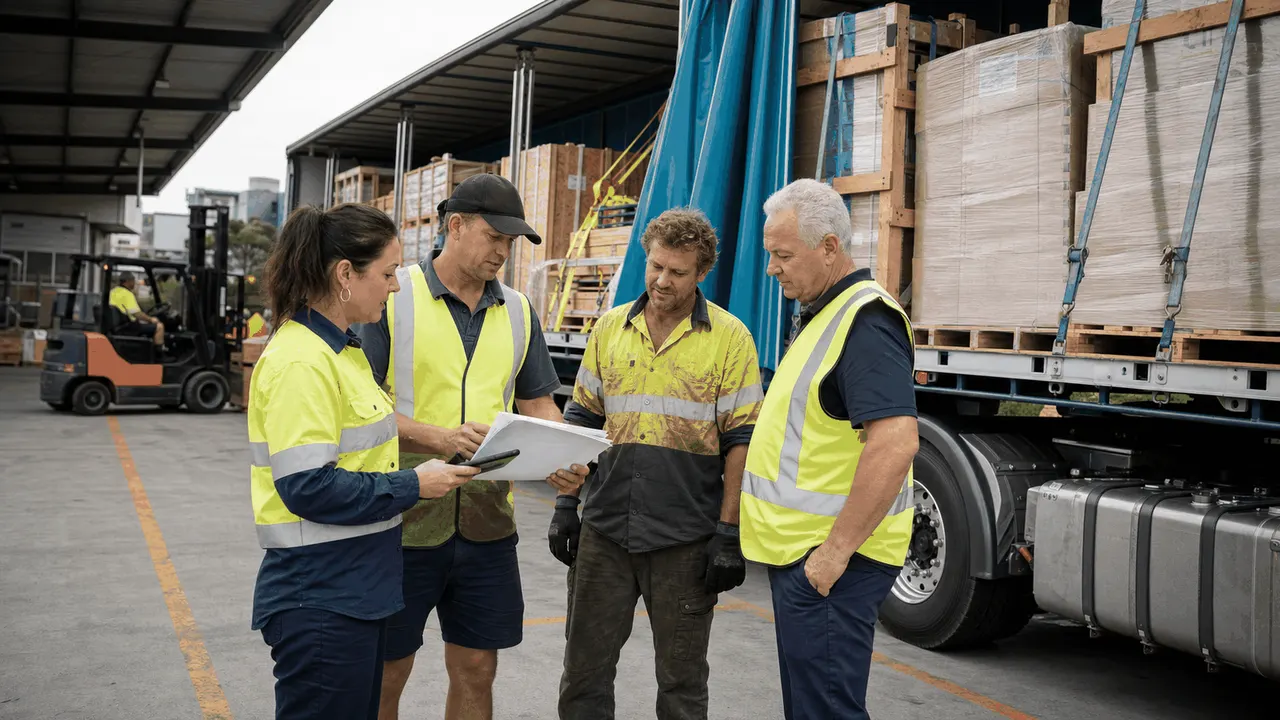
Unloading decisions can affect safety, scheduling, and responsibility.

Managers need a clear view of gaps before audit or enforcement pressure arrives.

Contractor controls should be verified before the work starts.
Receiving windows, site rules, and unloading delays can all shape the transport task.
Consignors
Freight terms, delivery windows, and KPIs must not push drivers into speed, fatigue, or mass breaches.
Consignees
Receiving rules, site access, and unloading delays are CoR controls that need to be set and evidenced.
Loaders
Mass, dimension, and load restraint decisions need documented checks, not assumptions.
Managers
Executives and managers need due-diligence evidence that the Safety Management System is actually working.
What is a safety notice board and why do auditors check it?
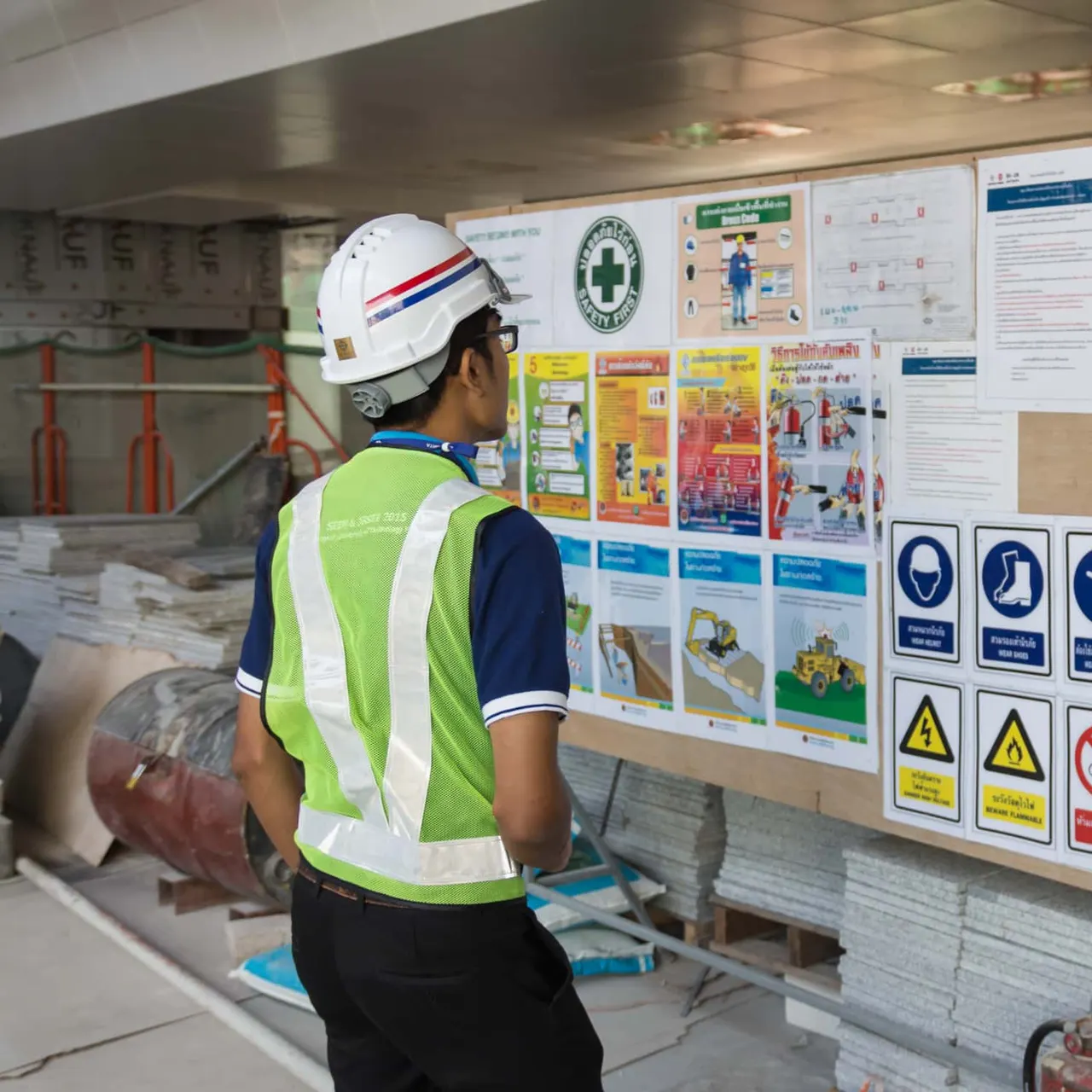
A safety notice board is a visible, centrally located display of a transport business's current safety policies, Chain of Responsibility commitments, site information, and key personnel contacts. Auditors check it because a well-maintained board is one of the clearest indicators that a business actively communicates and manages its safety obligations to workers, contractors, and visiting drivers.
When a board is missing, empty, or visibly out of date, an auditor will dig deeper — and the gaps they find may extend well beyond the board itself. A current, well-organised notice board signals that the business treats safety and CoR as ongoing, lived obligations rather than set-and-forget paperwork.
For practical support identifying these kinds of gaps before an audit or enforcement action, see CoR consulting from MAEZ.
What should be on your safety notice board?
Two policies every board needs
MAEZ advises clients to ensure their notice boards include, at a minimum:
- A safety policy — signed, dated, and visible.
- A Chain of Responsibility (CoR) policy — reflecting the business's commitment to managing CoR risk across the transport task.
Both must be in date. It sounds obvious, but with the volume of information a business manages internally, it is very common to find expired review dates on policies pinned to a wall.
Keeping policies current
If a policy has been reviewed and remains relevant, you only need to update the review date on the document. The key is that the date shown is current and the policy still reflects how the business operates.
An expired date on a wall-mounted policy tells an auditor that no one is actively responsible for reviewing it — which raises questions about what else might be slipping through the cracks in the business's Safety Management System.
Include a site map for drivers and visitors
Make facilities easy to find
A site map on the notice board helps drivers — especially those visiting for the first time — orient themselves quickly and safely. The map should clearly mark the location of:
- Toilets
- Fresh, cool drinking water
- Tea and coffee facilities
- A safe place to heat food
- A clean, cool, ventilated area to sit and rest, including the option of a power nap if needed
Clear communication of these facilities supports fatigue management and demonstrates that the business takes driver welfare seriously — an important factor under both Chain of Responsibility and WHS obligations.
A site map also reduces confusion and unnecessary movement around a yard or depot, which itself lowers risk for visiting drivers who may be unfamiliar with traffic routes, pedestrian zones, or hazards specific to the site.
Photos of key safety and CoR personnel
Help visitors find the right people quickly
Include pictures and brief descriptions of the people responsible for:
- First aid on site
- Safety management
- Chain of Responsibility on site
- Fire warden duties
A photo helps visiting drivers and contractors identify the right person to speak with, especially if they are unfamiliar with the site. It also reinforces that the business has named, accountable individuals for each safety role — something auditors and regulators look for as evidence of a functioning Safety Management System.
Without named personnel, accountability becomes diffuse. An auditor wants to see that if something goes wrong on site, everyone knows who to contact and that person has been formally assigned the responsibility.
Add relevant safety and transport information
Keep the board current with industry alerts
Consider including information about safety issues or other factors currently affecting road transport in Australia — and more specifically in the state or states where your business operates. This could include:
- Industry alerts
- Regulatory updates
- Seasonal risks relevant to heavy vehicle operations
Keeping this material current shows that the business is actively monitoring its operating environment rather than treating the notice board as a set-and-forget obligation.
Connect the board to training
For ongoing awareness and practical CoR training that supports what appears on your board, MAEZ can help connect the advisory pathway to the training your people need. A notice board works best when the information on it reinforces what drivers, contractors, and staff have already been trained on.
How MAEZ helps with notice boards and SMS evidence
From advice to a working Safety Management System
A safety notice board is one small but visible part of a broader Safety Management System. MAEZ helps Australian transport businesses turn Chain of Responsibility, HVNL, WHS, transport safety, and chartered risk obligations into practical training, advisory, audit, and implementation pathways.
Where structured records, reminders, audits, document control, inductions, and corrective actions are needed, the evidence workflow is supported by CoRGuard.
If you want a practical review of the controls, evidence, and SMS gaps that matter most — including what should and should not be on your notice board — contact MAEZ to get started.
How MAEZ works
Find the gaps. Fix the system. Prove the controls.
MAEZ helps transport operators deal with the compliance risk they already know is there. We help get the Safety Management System in order, protect NHVAS accreditation, reduce fine exposure, and connect training, evidence, and CoRGuard workflows where software is needed.
Find
Identify what is exposed before an auditor or regulator does.
Fix
Build the SMS controls around how the transport business actually runs.
Prove
Use CoRGuard where records, reminders, diaries, audits, and evidence need structure.
From advice to evidence
From MAEZ advice to a working Safety Management System
Advisory work should leave a practical implementation trail. These examples show how CoRGuard supports records, fatigue and driver diary checks, maintenance, audits, document control, inductions, corrective actions, and evidence review after MAEZ identifies the gaps.
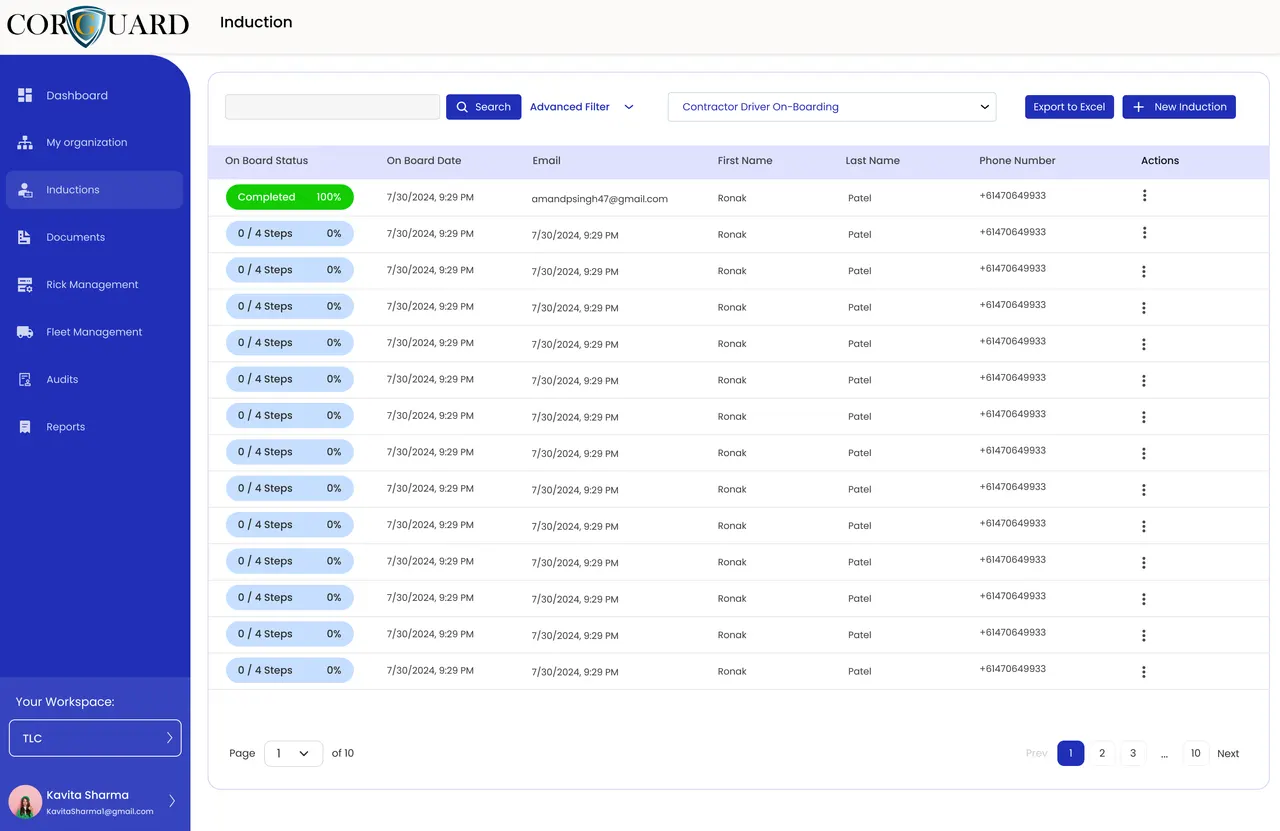
Training records
Connect training completion from cortraining.com.au to evidence and follow-up.
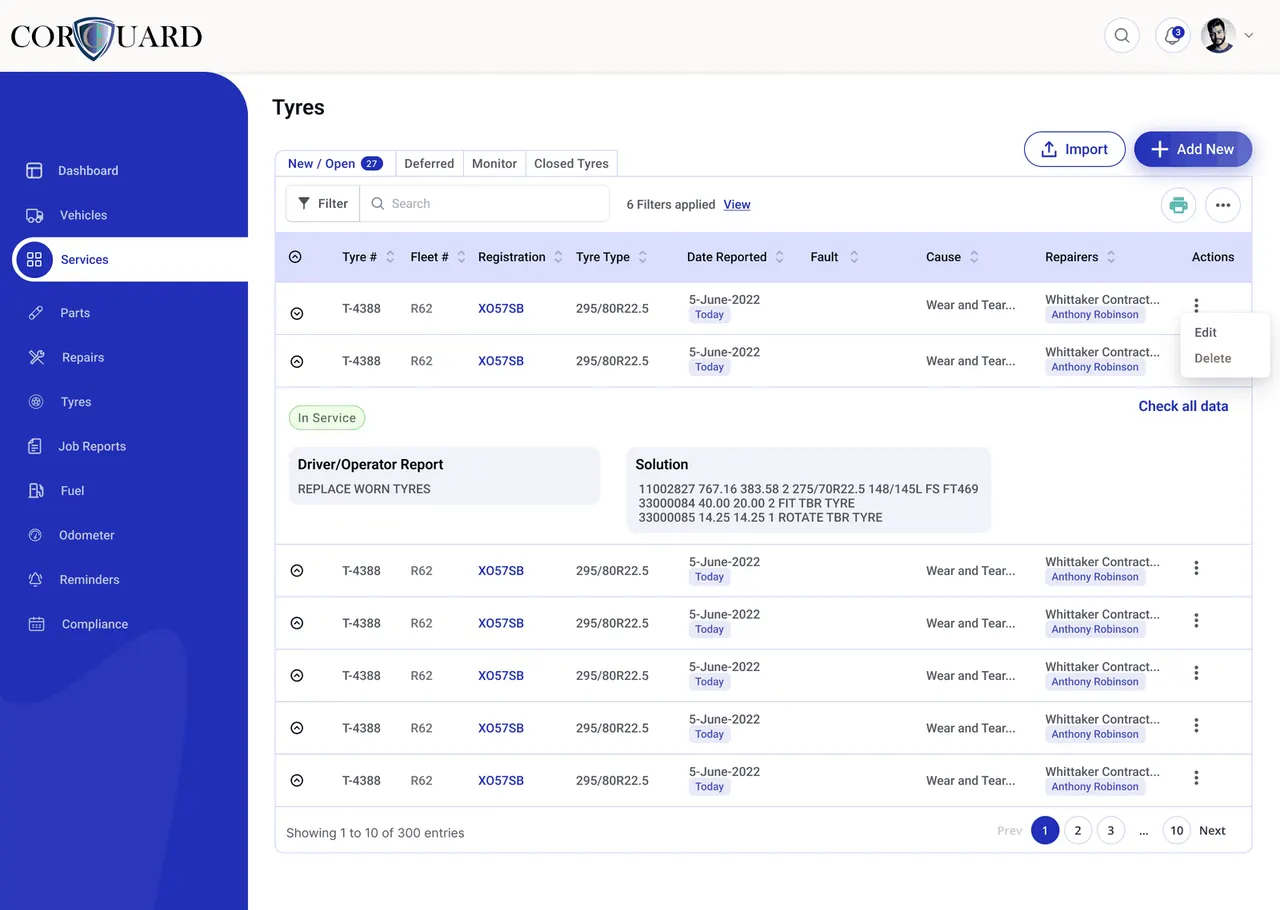
Driver diary checks
Connect fatigue and driver diary review back to manager visibility.
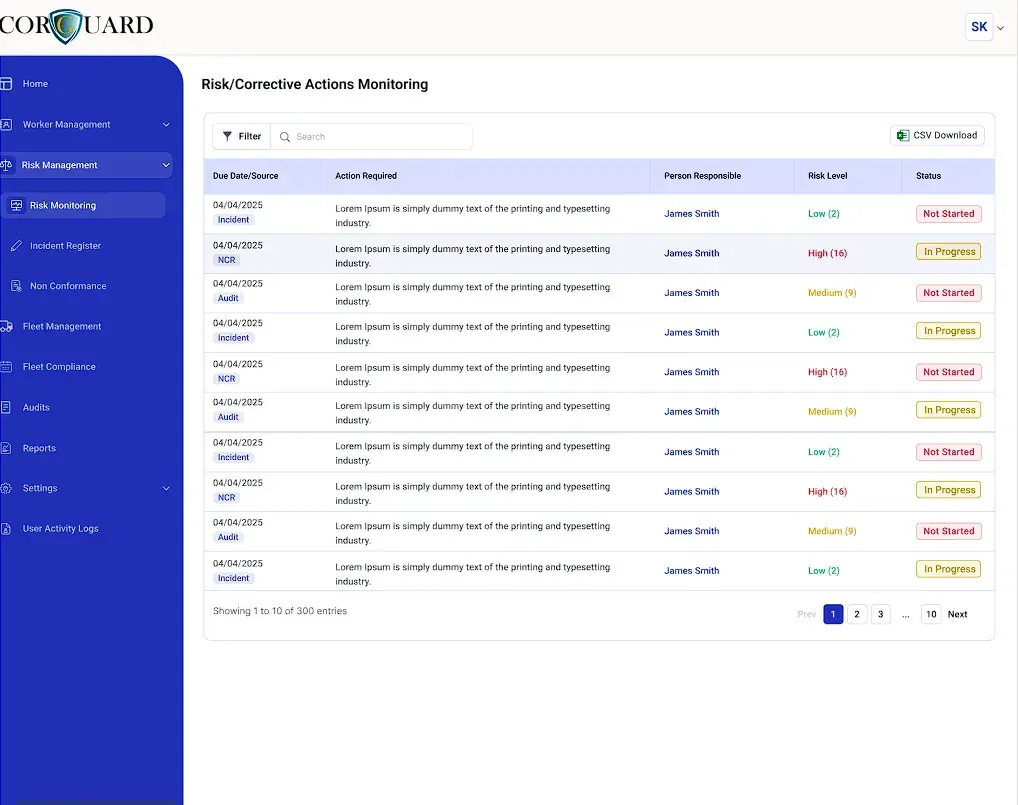
Corrective actions
Turn audit findings, hazards and incidents into tracked actions.
Keep exploring
Related Chain of Responsibility reading
MAEZ insight
Logistics Management
Logistic management companies have spent and will spend multiple millions of dollars on the safety of their fleet and drivers. Of course, it’s great for business, it reduces risk for their own investments and ongoing financial targets.
MAEZ insight
Alert – Securing Trucks In A Dangerous World
ALERT: STOLEN HEAVY VEHICLE Companies are being reminded to take the theft of company vehicles seriously as a PCBU may have responsibility, for any damage caused.
MAEZ insight
HVNL Prosecution
Magistrate Mark Semmens is scathing in his findings against Bitumax, a Boral company which trades as Boral Asphalt; for a mass offence. The magistrate went on further to state that “I do not think this is a ‘basic’ case.
MAEZ insight
On Guard Safety Practises
Sometimes as a consultant, you know when your time is being wasted. One of those times was early 2018 for me when I sat in front of a prospective supplier.
MAEZ insight
Laing O’Rourke Australia | NHVR Issues Enforceable Undertaking
Companies are being reminded to take the Mass and on-road safety responsibilities of all heavy vehicles (GVM or GCM > 4.5T)seriously as outlined here in this Alert. No one wants a fine on their watch and every great leader in business is on the lookout for risks as well as revenue.
MAEZ insight
CoR Comply
CoR Compliance To comply with CoR seems to be something within industry of a mix of opinions. The legislation allows for just one and by reading more, you too can get an insight into what it means to comply through your companies policies or business rules.
Frequently asked questions
Questions people ask about this topic
Why do auditors check safety notice boards during a Chain of Responsibility review?
Auditors check safety notice boards because a current, well-maintained board is one of the clearest indicators that a business actively communicates safety and Chain of Responsibility expectations to workers, contractors, and drivers. If the board is missing, empty, or out of date, auditors will dig deeper into the business's broader Safety Management System.
What policies must be displayed on a transport safety notice board?
At a minimum, a transport safety notice board should display a signed, dated safety policy and a Chain of Responsibility policy that reflects the business's commitment to managing CoR risk. Both policies must show a current review date and still reflect how the business actually operates.
What site information should a safety notice board include for visiting drivers?
A safety notice board should include a site map clearly marking toilets, drinking water, tea and coffee facilities, a place to heat food, and a clean, ventilated rest area. This supports fatigue management and driver welfare, which are relevant under both Chain of Responsibility and WHS obligations.
Should a safety notice board include photos of safety personnel?
Yes. Including photos and brief descriptions of the people responsible for first aid, safety management, Chain of Responsibility, and fire warden duties helps visiting drivers and contractors find the right person quickly. It also demonstrates to auditors that the business has named, accountable individuals for each safety role.
How often should the information on a safety notice board be updated?
The information on a safety notice board should be reviewed regularly and kept current. Policies must show a current review date, and industry alerts, regulatory updates, or seasonal risks should be refreshed as the operating environment changes. Treating the board as set-and-forget signals to auditors that safety management is not actively maintained.