
MAEZ insight
Effective Strategies for Mitigating Supply Chain Risks
Practical supply chain risk mitigation strategies for Australian transport operators: structured assessment frameworks, supplier due diligence, and CoR-aligned controls.

Loading controls need evidence, not assumptions.
Daily fleet activity has to connect back to duties, controls, and review.

Due diligence means knowing whether the safety system is actually working.

Proof that freight promises do not create unsafe transport pressure.
Consignors
Freight terms, delivery windows, and KPIs must not push drivers into speed, fatigue, or mass breaches.
Consignees
Receiving rules, site access, and unloading delays are CoR controls that need to be set and evidenced.
Loaders
Mass, dimension, and load restraint decisions need documented checks, not assumptions.
Managers
Executives and managers need due-diligence evidence that the Safety Management System is actually working.
What are effective strategies for mitigating supply chain risks?
Turning reactive crisis management into proactive resilience

Effective supply chain risk mitigation requires structured frameworks that identify vulnerabilities, assess supplier reliability, and address operational threats before they escalate into business disruptions. The most effective strategies combine structured risk assessment with technology-enabled visibility, diversified supplier networks, and collaborative planning that shares forecasts and compliance requirements across the supply chain.
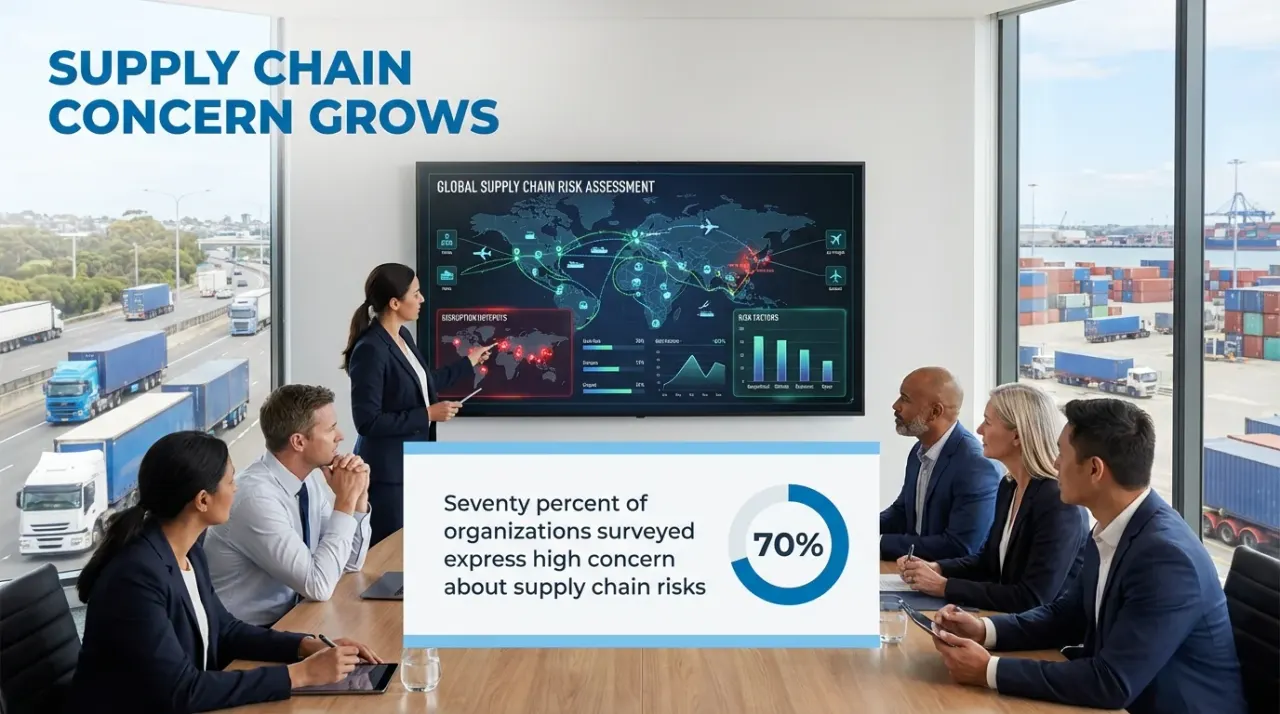
Research indicates that a significant majority of organisations express high concern about supply chain risks, reflecting challenges that span supplier failures, transportation disruptions, geopolitical instability, and cybersecurity threats. Organisations that implement robust mitigation strategies achieve operational benefits beyond risk reduction, including enhanced efficiency, reduced insurance costs, and strengthened business relationships.
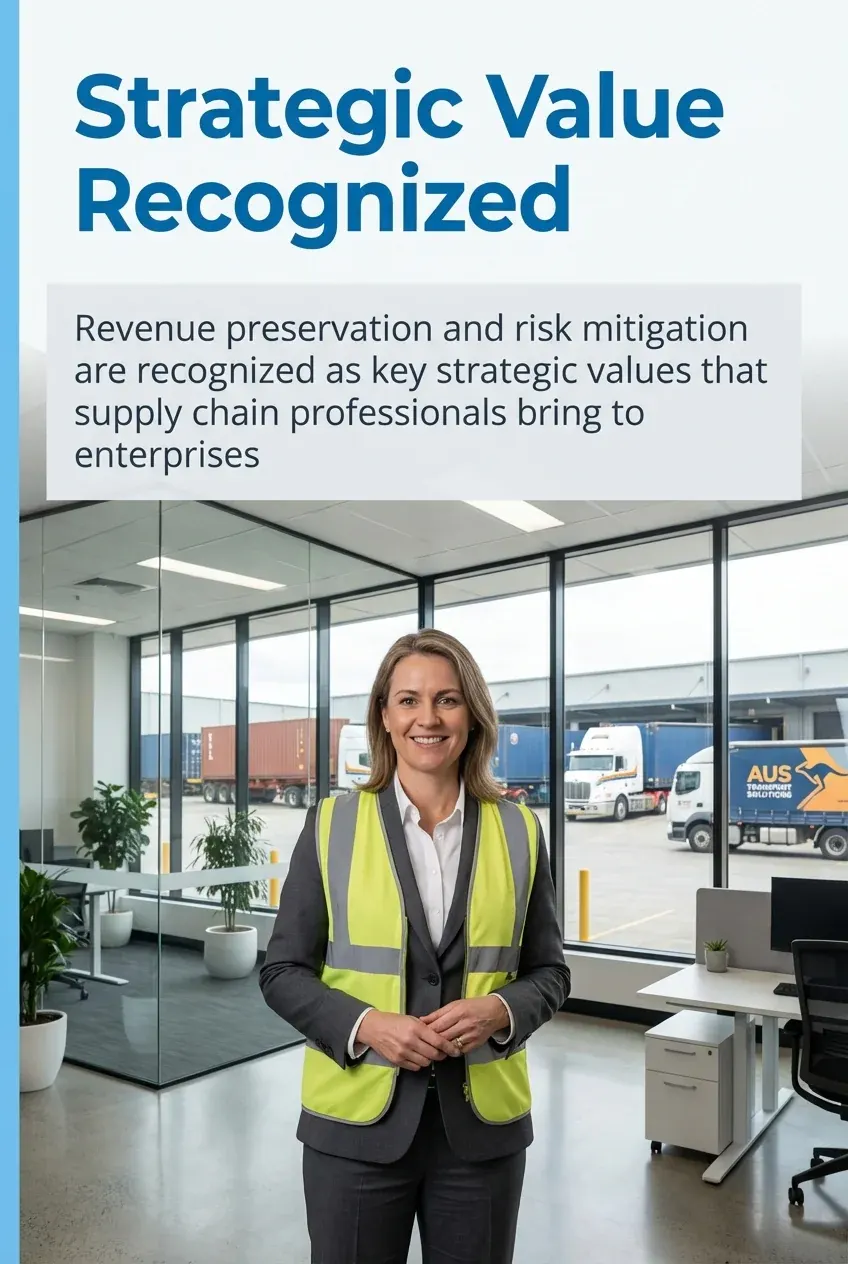
For Australian transport operators, this resilience is tightly connected to Chain of Responsibility obligations — every party in the chain shares responsibility for safety. Unmanaged supply chain risks increase insurance premiums, reduce credit ratings, and create regulatory compliance exposures. Risk management is no longer just an operational function; it is a strategic priority.
What are the core components of a risk management framework?
Four interconnected elements that protect operational continuity
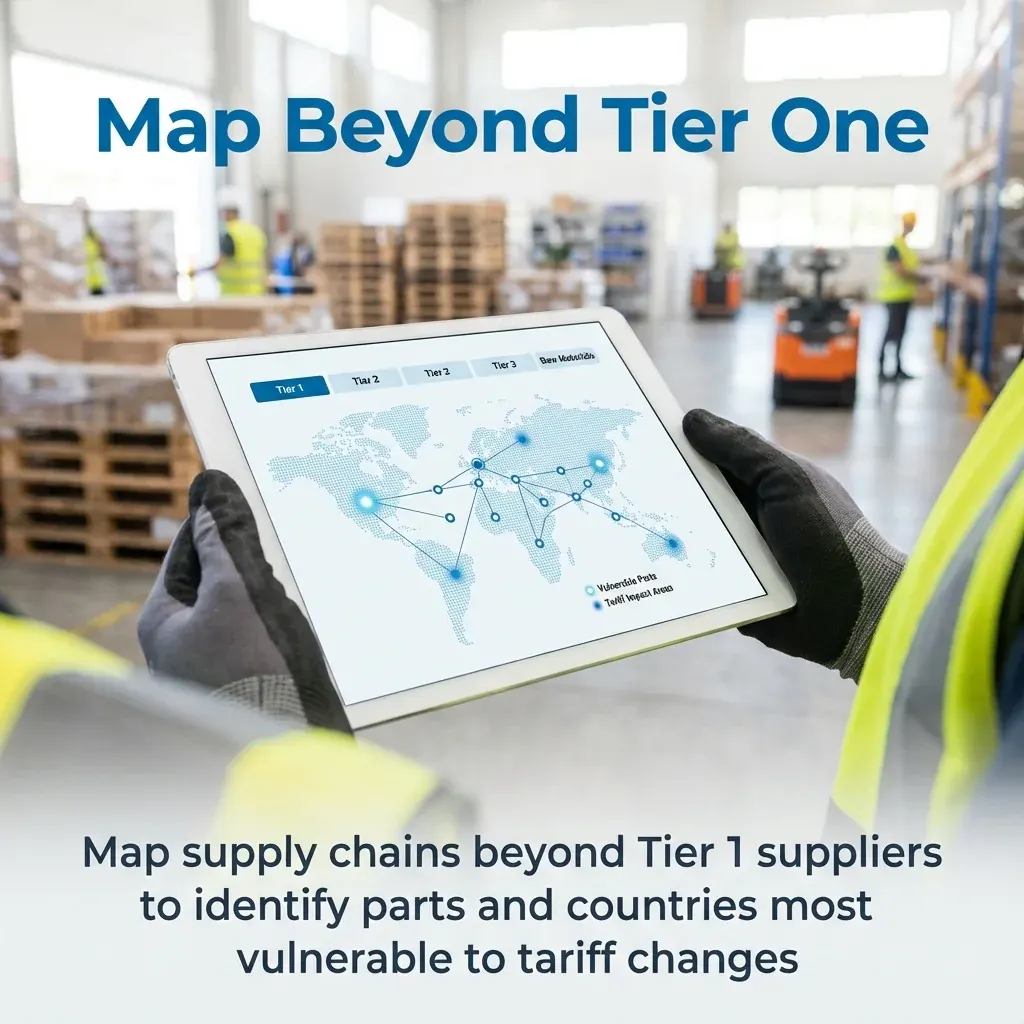
Supply chain risk management (SCRM) is a systematic approach to identifying, assessing, and addressing vulnerabilities across your supply network. It extends beyond Tier 1 supplier relationships to include sub-tier suppliers, transportation networks, and geopolitical factors that influence material availability and delivery reliability.
Effective SCRM frameworks include several interconnected elements:
- Risk identification — Map your supply chain to understand dependencies, single points of failure, and geographic concentrations. Mapping beyond Tier 1 suppliers helps expose tariff hotspots and vulnerable regions.
- Risk assessment — Evaluate the probability and potential impact of identified threats by analysing supplier financial stability, production capacity, quality systems, and business continuity plans.
- Risk mitigation — Implement specific strategies to reduce vulnerability or impact, ranging from supplier diversification to inventory buffering to contractual risk-sharing arrangements.
- Risk monitoring — Track emerging threats and validate that mitigation strategies remain effective as conditions change, enabling adaptation before disruptions materialise.
For transport operators, these elements align directly with the HVNL principle of shared responsibility: the safety of transport activities is the shared responsibility of each party in the chain, and each party must discharge its duty to the extent it has capacity to influence and control the matter. Understanding your Chain of Responsibilities is essential to making this framework work.
What are the common categories of supply chain risk?
Different risk types require different mitigation approaches
Supply chain risks fall into distinct categories that require different mitigation strategies. Understanding these categories helps organisations allocate resources effectively.
Supplier-related risks
Supplier risks originate from the financial stability, operational capability, or performance reliability of organisations providing materials, components, or services. Financial instability threatens supplier continuity, while capacity constraints create delivery delays when demand exceeds supplier production capability. Quality failures introduce defective materials requiring rework, and geographic concentration amplifies risk when multiple suppliers operate in the same region vulnerable to natural disasters or political instability.
Operational and logistical risks
These risks emerge from internal processes, systems, and decisions that affect supply chain performance. Inventory management decisions balance holding costs against stockout risks, while transportation risks include carrier reliability, route availability, and infrastructure adequacy. Production planning errors create shortages or excess inventory when forecasts prove inaccurate; collaborative planning with customers and suppliers improves accuracy.
External and environmental risks
External risks originate outside organisational control but significantly impact supply chain operations. Natural disasters disrupt production facilities, transportation infrastructure, and supplier operations. Geopolitical tensions create trade barriers, tariff changes, and cross-border movement restrictions. Cybersecurity threats target supply chain vulnerabilities, and regulatory changes introduce compliance requirements affecting supplier selection, material specifications, or reporting obligations.
How do you build a structured risk assessment?
The foundation for effective, targeted mitigation
Systematic risk assessment provides the foundation for effective mitigation. Without structured assessment, organisations react to visible threats while missing less obvious but equally dangerous vulnerabilities.
Implementing risk identification processes
Risk identification begins with supply chain mapping that documents all suppliers, sub-tier relationships, geographic locations, and material flows. This visibility reveals dependencies and concentration risks. Establish cross-functional processes involving procurement, operations, quality, and logistics teams — different functions bring unique perspectives on potential vulnerabilities.
Evaluating risk probability and impact
Once identified, risks require evaluation to prioritise mitigation efforts effectively. Assess probability by analysing historical patterns, supplier performance data, and external threat intelligence. Evaluate impact by modelling disruption scenarios and calculating potential revenue loss, customer relationship damage, regulatory penalties, and recovery costs. Create risk matrices plotting probability against impact to identify high-priority risks requiring immediate mitigation.
Conducting supplier due diligence
Supplier assessment is a critical component of risk identification and evaluation. For transport operators, this extends to verifying that supply chain partners meet their Chain of Responsibility obligations. Financial due diligence examines creditworthiness and cash flow stability, while operational assessments evaluate production capacity and workforce stability. Under the HVNL, executives of legal entities must exercise due diligence to ensure the entity complies with its safety duty — this obligation extends to understanding whether supplier and partner controls are actually working. A practical CoR risk review can help identify these gaps.
What proven mitigation strategies work for Australian transport operators?
Multiple complementary approaches for different vulnerability types
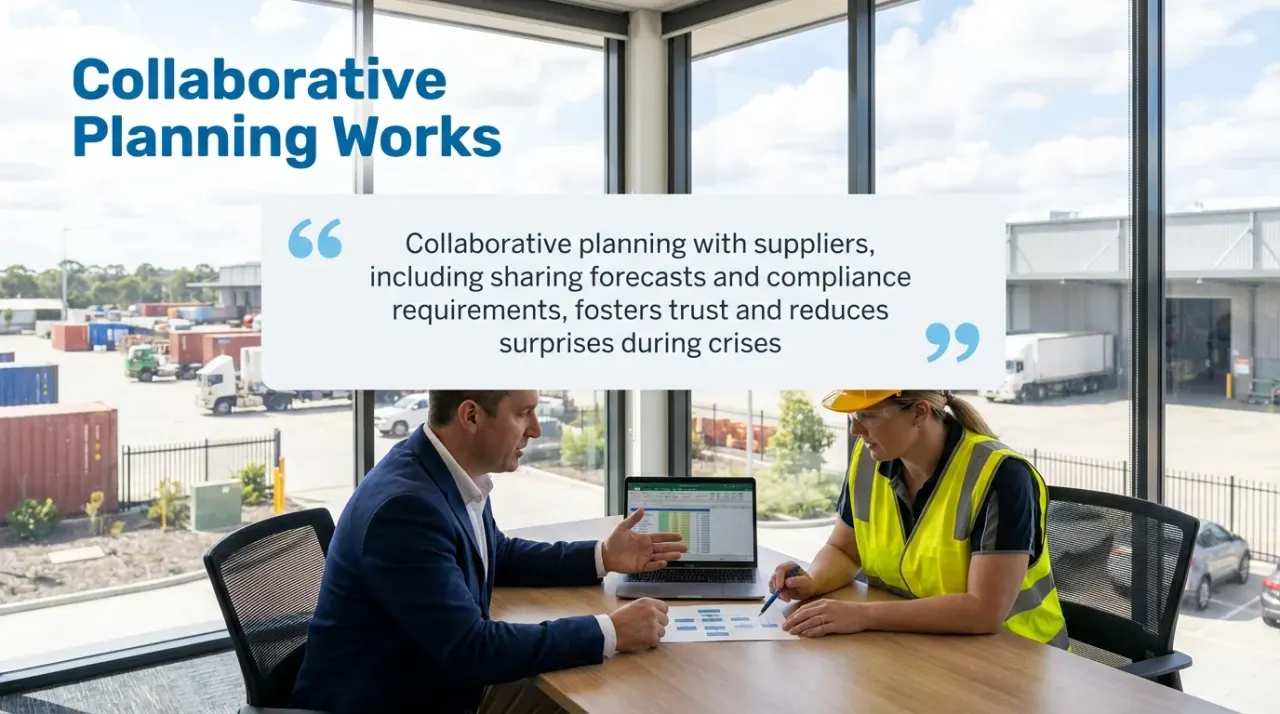
Effective risk mitigation requires multiple complementary strategies that address different vulnerability types. Organisations implementing comprehensive programmes combine several of the following approaches:
- Supplier diversification — Reduce dependence on single suppliers or regions by developing alternative sources and qualifying backup providers.
- Inventory buffering — Hold strategic safety stock for critical components to absorb supply disruptions, balanced against carrying costs.
- Contractual risk-sharing — Structure agreements that allocate risk appropriately between parties, including clear performance expectations and remedies.
- Technology-enabled visibility — Use tracking, monitoring, and data-sharing tools to gain real-time insight into supplier performance and shipment status.
- Collaborative planning — Share forecasts, demand signals, and compliance requirements with suppliers and logistics partners to reduce planning errors.
- Regulatory monitoring — Track regulatory developments to enable proactive compliance rather than reactive scrambling.
For Australian transport operators, many of these strategies align directly with the controls expected under a Safety Management System. A structured gap review using a chartered risk lens can help identify where your current controls fall short and what evidence you need to demonstrate compliance. MAEZ provides practical CoR training and consulting to help operators build the frameworks, documentation, and evidence that supply chain risk management demands.
How MAEZ works
Find the gaps. Fix the system. Prove the controls.
MAEZ helps transport operators deal with the compliance risk they already know is there. We help get the Safety Management System in order, protect NHVAS accreditation, reduce fine exposure, and connect training, evidence, and CoRGuard workflows where software is needed.
Find
Identify what is exposed before an auditor or regulator does.
Fix
Build the SMS controls around how the transport business actually runs.
Prove
Use CoRGuard where records, reminders, diaries, audits, and evidence need structure.
From advice to evidence
From MAEZ advice to a working Safety Management System
Advisory work should leave a practical implementation trail. These examples show how CoRGuard supports records, fatigue and driver diary checks, maintenance, audits, document control, inductions, corrective actions, and evidence review after MAEZ identifies the gaps.
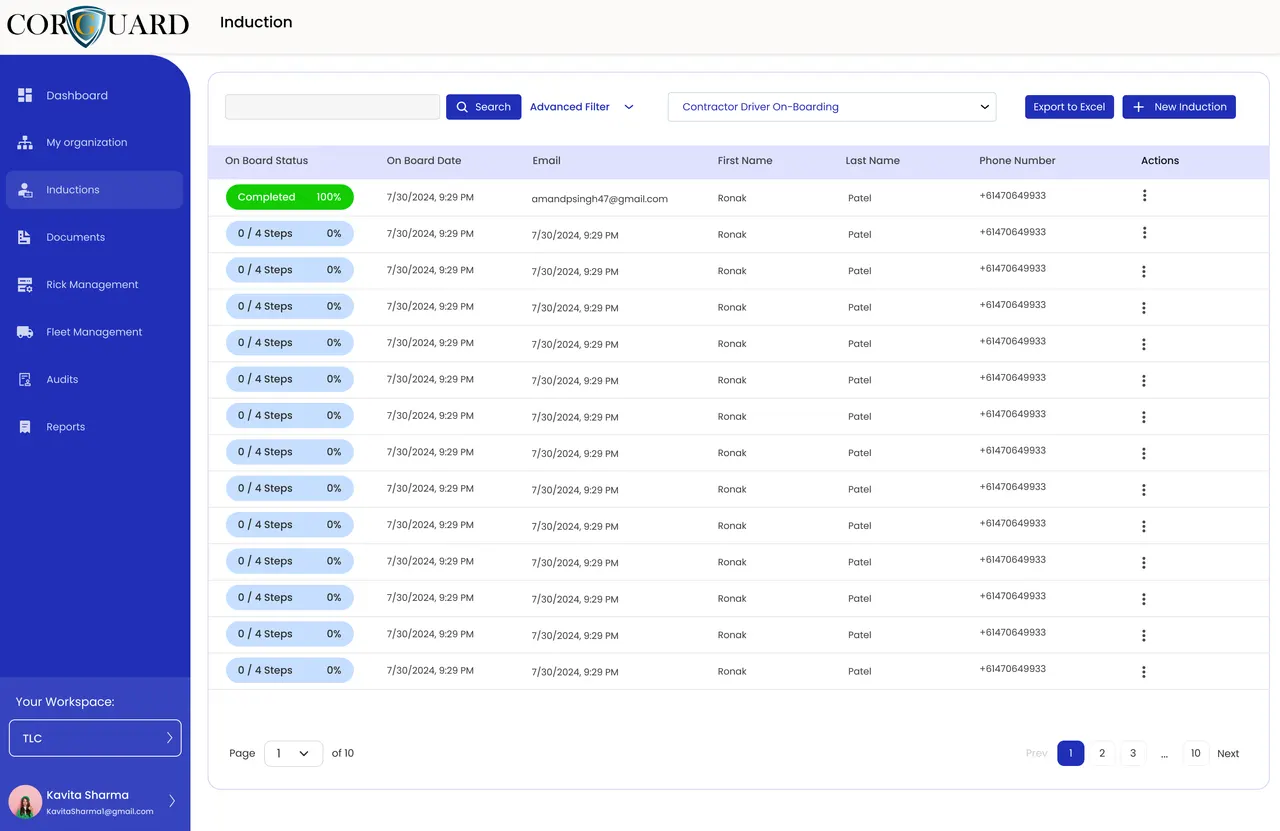
Training records
Connect training completion from cortraining.com.au to evidence and follow-up.
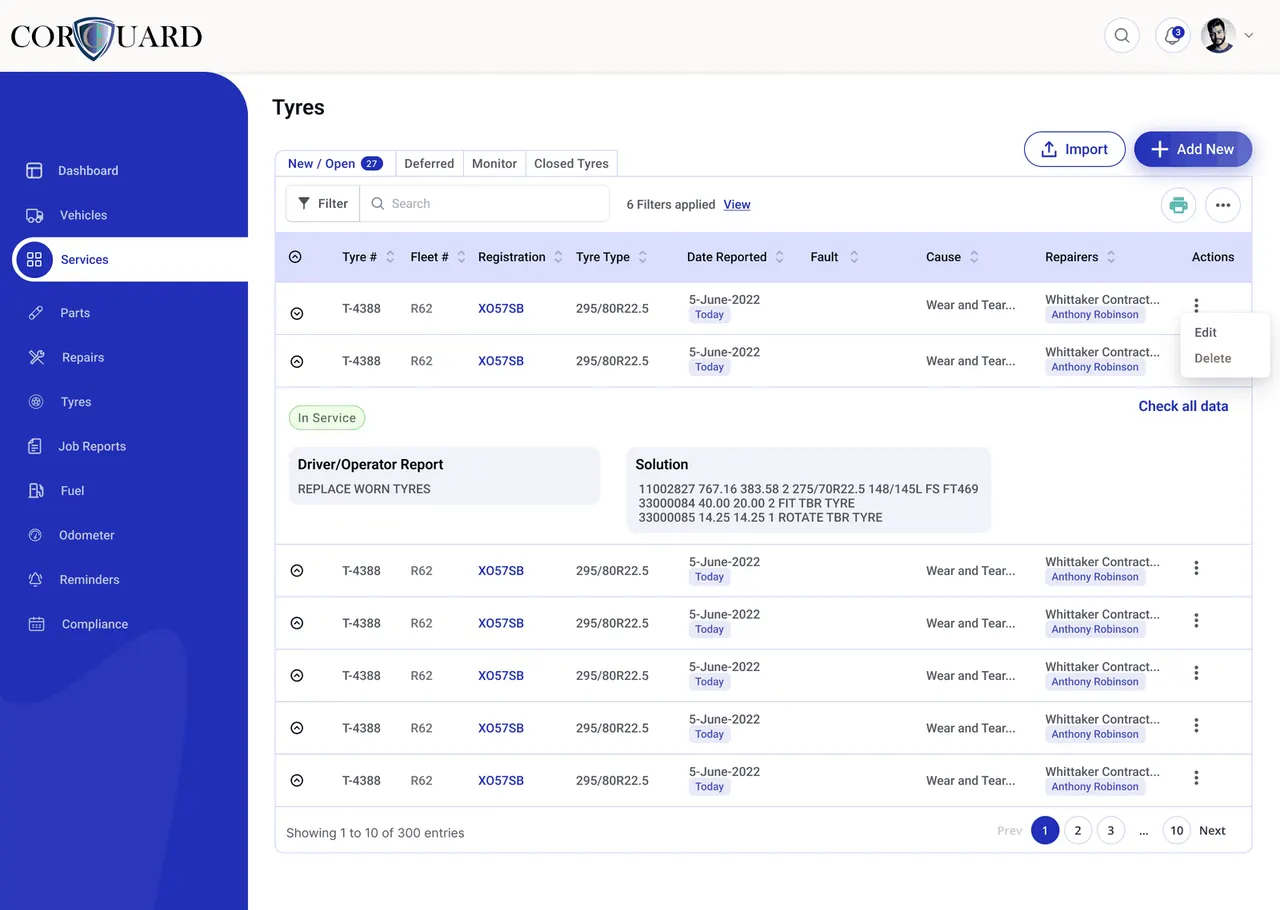
Driver diary checks
Connect fatigue and driver diary review back to manager visibility.
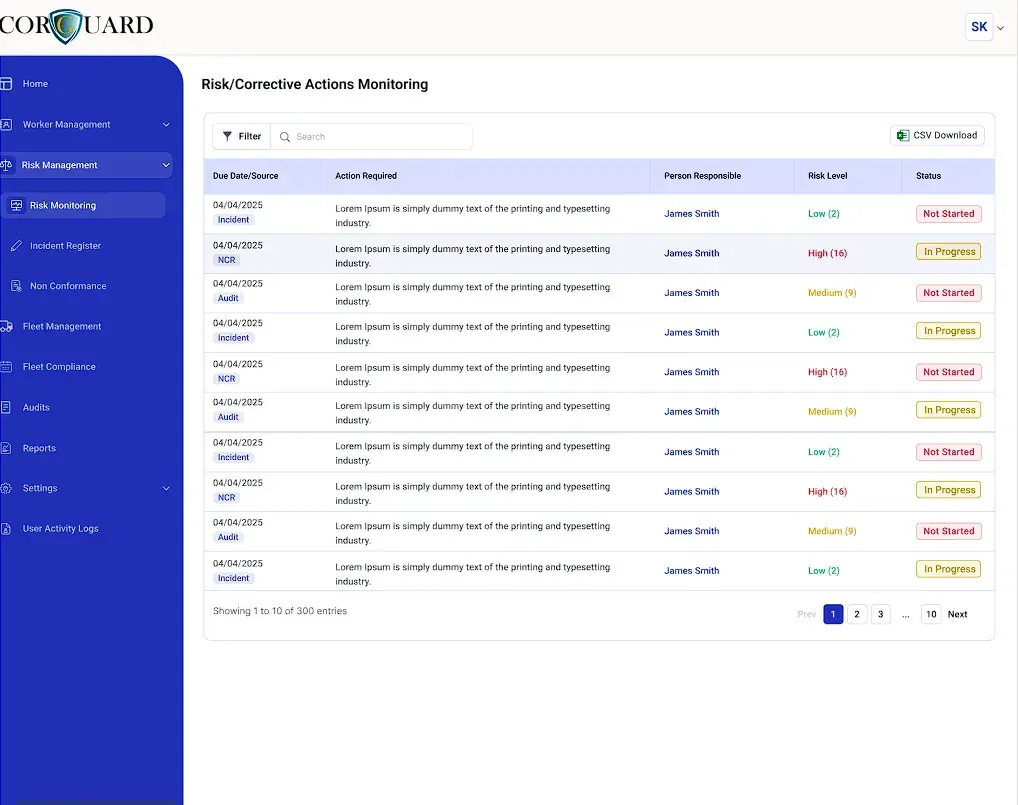
Corrective actions
Turn audit findings, hazards and incidents into tracked actions.
Keep exploring
Related Chain of Responsibility reading
MAEZ insight
Understanding the Importance of ISO 45001 for Workplace Safety
Explore the importance of ISO 45001 in enhancing workplace safety by preventing injuries and promoting a proactive health management approach.
MAEZ insight
Effective Strategies for Managing Supply Chain Risks
Learn how to manage supply chain risks effectively with structured strategies. Discover vulnerabilities and safeguard operations from disruptions.
MAEZ insight
Effective Risk Mitigation Strategies for Supply Chains
Discover effective risk mitigation strategies in supply chain to manage disruptions, enhance resilience, and ensure operational continuity.
MAEZ insight
Effective Strategies to Mitigate Supplier Risk
Learn how to mitigate supplier risk with effective strategies. Protect your supply chain from disruptions and ensure operational continuity today.
MAEZ insight
Understanding the Key Benefits of ISO 45001 Management Systems
Discover the key benefits of ISO 45001 management systems, including reduced incidents and enhanced compliance. Boost safety and efficiency today!
MAEZ insight
Unlocking the Benefits of ISO 45001 for Workplace Safety
Discover the benefits of 45001 for workplace safety. ISO 45001 offers a proactive risk management framework to reduce injuries and build safety cultures.
Frequently asked questions
Questions people ask about this topic
Why does supply chain risk mitigation matter for Chain of Responsibility compliance?
Unmanaged supply chain risks create regulatory compliance exposures and increase insurance premiums. For Australian transport operators, supply chain resilience is tightly connected to Chain of Responsibility obligations, as every party in the chain shares responsibility for safety.
What are the four core components of a supply chain risk management framework?
The four interconnected elements are risk identification, risk assessment, risk mitigation, and risk monitoring. These elements align directly with the HVNL principle of shared responsibility, where each party must discharge its duty to the extent it has capacity to influence and control the matter.
How does executive due diligence apply to supply chain risk?
Under the HVNL, executives of legal entities must exercise due diligence to ensure the entity complies with its safety duty. This obligation extends to understanding whether supplier and partner controls are actually working, making supplier due diligence a critical component of risk assessment.
What mitigation strategies align with a transport Safety Management System?
Strategies such as supplier diversification, technology-enabled visibility, collaborative planning, and regulatory monitoring align directly with the controls expected under a Safety Management System. A structured gap review can identify where current controls fall short.