
MAEZ insight
Understanding Supply Chain Risk Management Software
A practical guide to supply chain risk management software: core features, key risk categories, and how SCRM platforms help Australian transport operators build visibility and compliance evidence.

Proof that freight promises do not create unsafe transport pressure.

Loading controls need evidence, not assumptions.
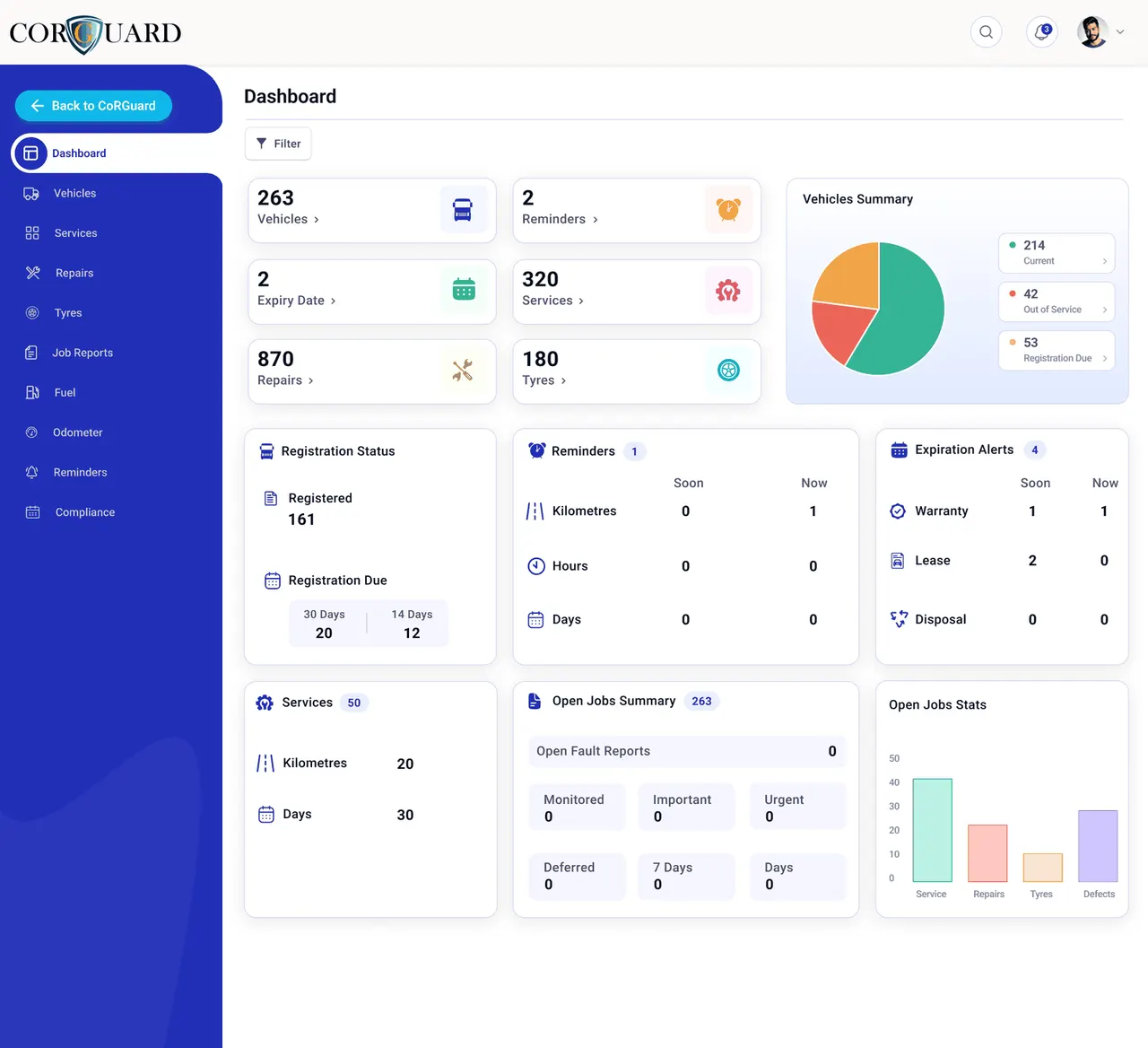
Daily fleet activity has to connect back to duties, controls, and review.

Due diligence means knowing whether the safety system is actually working.
Consignors
Freight terms, delivery windows, and KPIs must not push drivers into speed, fatigue, or mass breaches.
Consignees
Receiving rules, site access, and unloading delays are CoR controls that need to be set and evidenced.
Loaders
Mass, dimension, and load restraint decisions need documented checks, not assumptions.
Managers
Executives and managers need due-diligence evidence that the Safety Management System is actually working.
What supply chain risk management software actually does
Visibility, monitoring, and automated risk assessment across supplier tiers
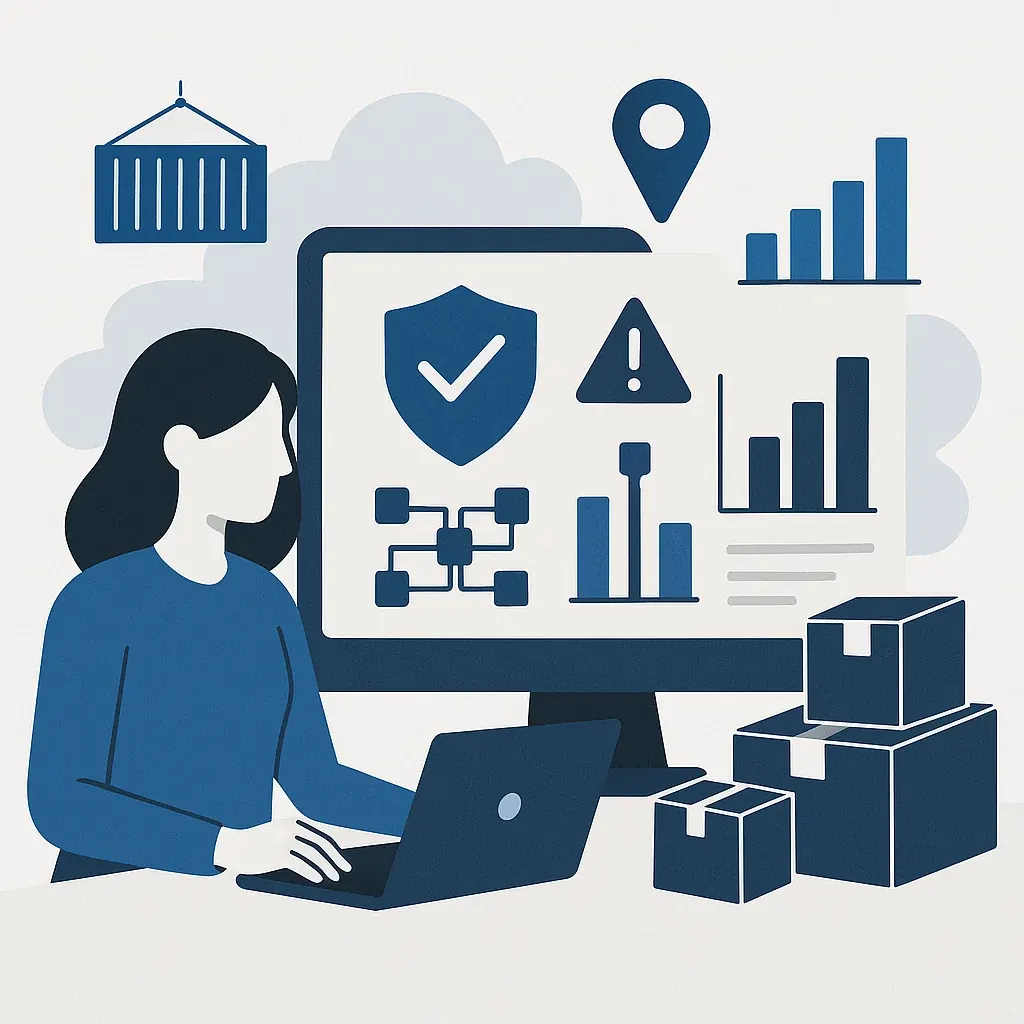
Supply chain risk management (SCRM) software identifies, assesses, and mitigates threats throughout your supplier network. It creates visibility across multiple tiers of suppliers that traditional systems miss, mapping relationships between your direct suppliers and their suppliers — and it helps Australian transport operators build evidence that those risks are being actively managed, not assumed.
Multi-tier visibility reveals hidden dependencies and concentration risks, such as components that rely on single sources or vulnerable geographic regions. A component manufacturer's raw material supplier may face financial difficulties; while your first-tier supplier appears healthy, their operations depend on this struggling nth-tier provider. SCRM software extends visibility downward through these tiers, revealing the complete network.
Real-time monitoring forms the operational core of these systems. Platforms track supplier financial health, cybersecurity incidents, regulatory compliance status, and operational disruptions. Automated alerts notify relevant teams when risk thresholds are exceeded.
Risk assessment methodologies vary by platform, but most systems assign risk scores based on factors including supplier location, financial stability, past performance, and external threat intelligence. These scores help prioritise where to focus mitigation efforts.
For Australian transport operators, the same principle applies to Chain of Responsibility obligations: you need evidence that risks across your supply chain are being actively managed across every tier, not just assumed at the first layer.
Core functionality that drives value
From supplier onboarding to continuous monitoring and scenario planning
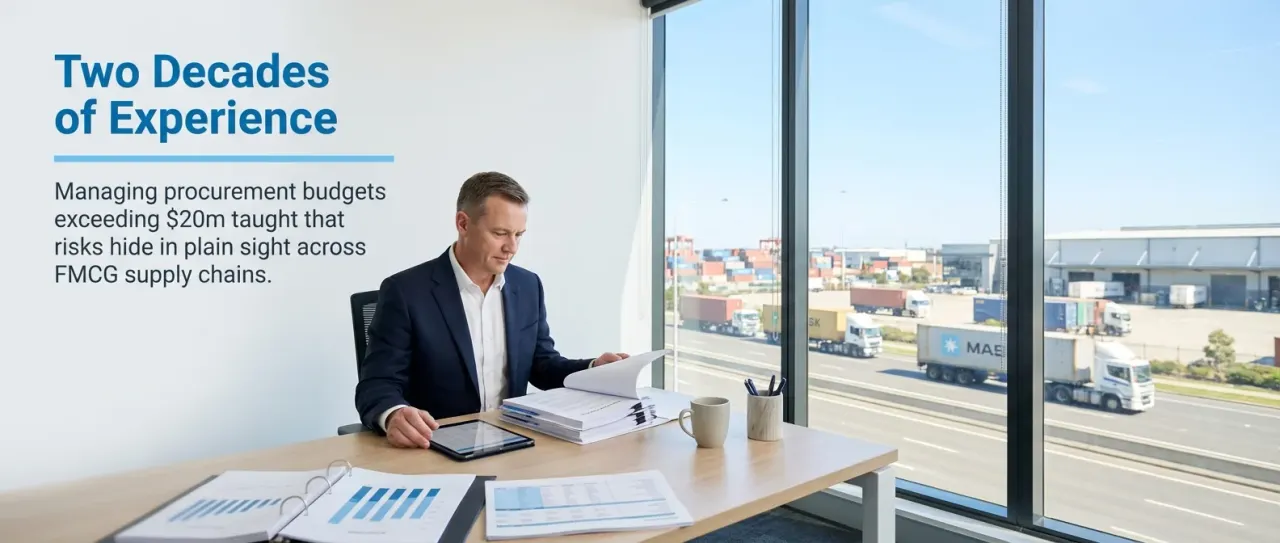
Supplier onboarding and due diligence capabilities streamline how new vendors enter your network. Automated questionnaires collect compliance documentation, financial statements, and security certifications. The system flags gaps before contracts are signed.
Continuous monitoring replaces periodic audits with ongoing surveillance. Systems track news feeds, regulatory databases, and financial markets for signals that affect your suppliers. Scenario planning tools model potential disruptions so you can test how various events impact operations.
Key questions these tools help answer include:
- Which suppliers serve as single points of failure?
- How quickly can alternative sources be activated?
- What happens if a key supplier faces a cyberattack or financial collapse?
The demand for SCRM software is driven by the need for real-time risk visibility, scenario modelling, and automation. Platforms that combine these capabilities help organisations shift from reactive crisis management to proactive risk mitigation.
How SCRM platforms are built and deployed
Cloud architecture, AI-driven threat detection, and analytics dashboards
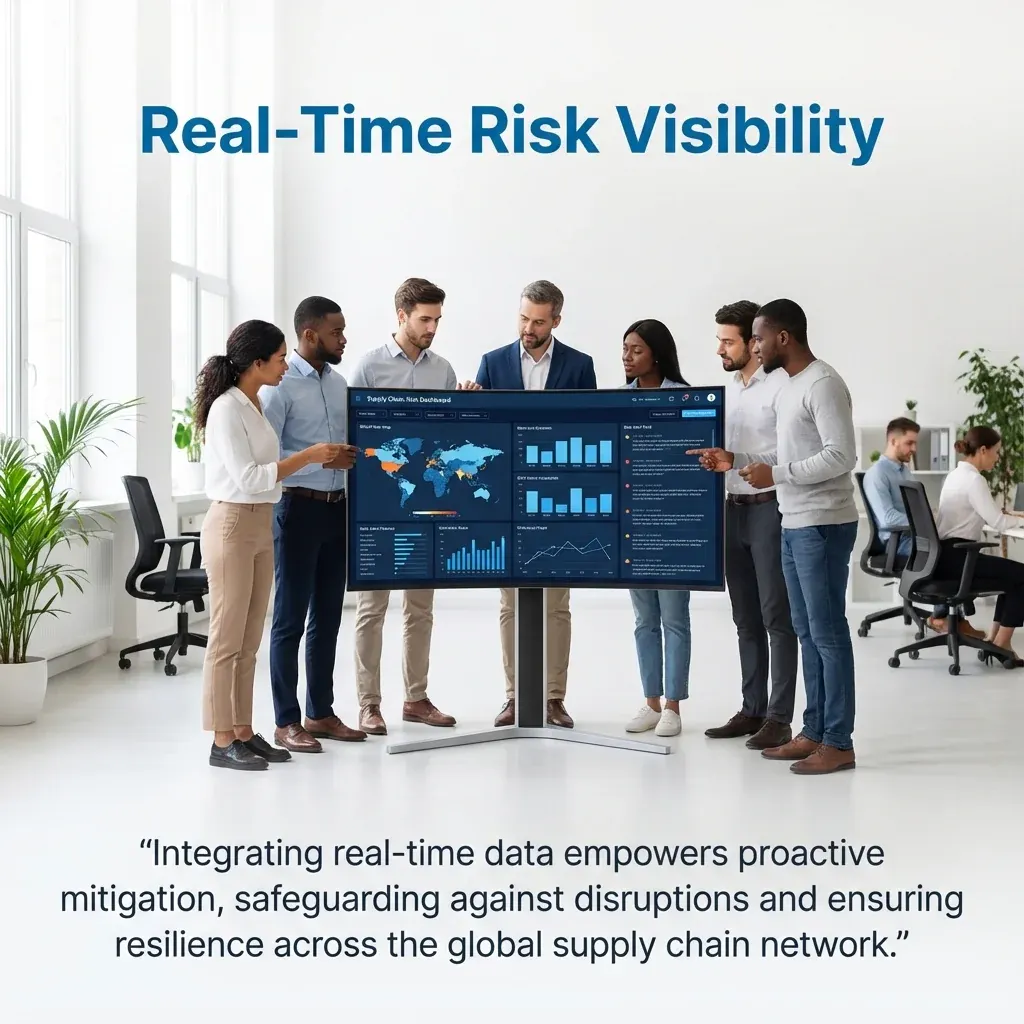
Cloud-based deployment models dominate current SCRM offerings. These platforms provide accessibility across locations without significant IT infrastructure investment, and updates or security patches deploy automatically.
AI and machine learning capabilities enhance threat detection. Algorithms identify patterns humans miss and predict emerging risks based on historical data. Some platforms offer automated scenario planning and real-time data integration for supply chain risk management.
Data analytics dashboards present complex information clearly:
- Visualisations show risk concentrations and compliance status across supplier portfolios
- Trend analysis highlights emerging issues before they escalate
- Executives access summary views while specialists drill into detailed data
This layered reporting structure supports the kind of due diligence evidence that executives and managers need to demonstrate their safety and compliance systems are actually working.
Why supply chain visibility matters more than ever
Blind spots beyond your direct suppliers carry real financial and regulatory costs
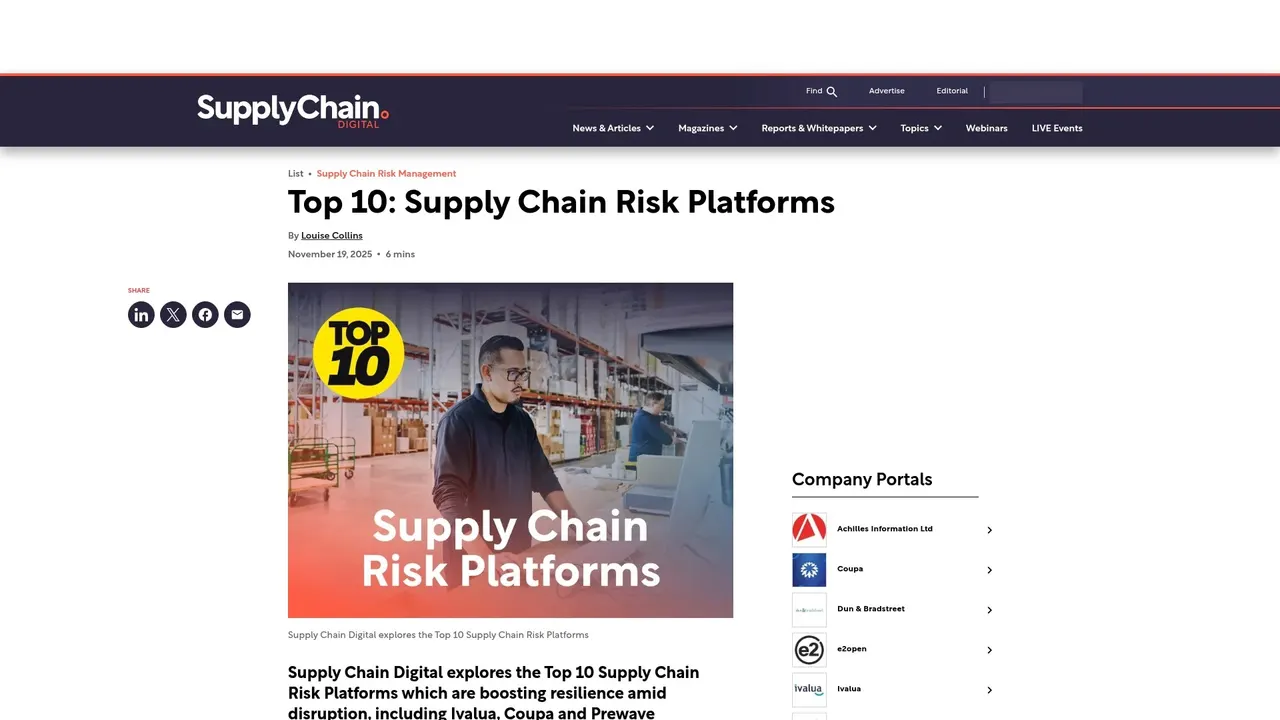
Supply chains now span continents and involve hundreds of indirect suppliers. Traditional visibility stops at your direct suppliers, creating blind spots where significant risks accumulate.
The cost of limited visibility is substantial. Stock prices can drop when customers learn about delivery delays. Insurance premiums increase following incidents. Customer relationships suffer permanent damage. Regulatory penalties compound these costs — organisations remain responsible for their suppliers' compliance failures.
Under the Heavy Vehicle National Law, courts must consider specific matters when imposing sanctions for noncompliance with mass, dimension, or loading requirements. The HVNL categorises breaches as minor, substantial, or severe risk, with escalating penalties at each level. Organisations with better visibility and monitoring are better positioned to demonstrate they took reasonable steps.
Organisations with superior supply chain visibility respond faster to emerging threats. They identify issues days or weeks before competitors recognise problems, enabling proactive mitigation rather than reactive crisis management. Major buyers increasingly require suppliers to document their supply chain resilience, and advanced risk management software helps meet these requirements.
Key risk categories that demand active monitoring
Cybersecurity, geopolitical, financial, operational, and ESG risks
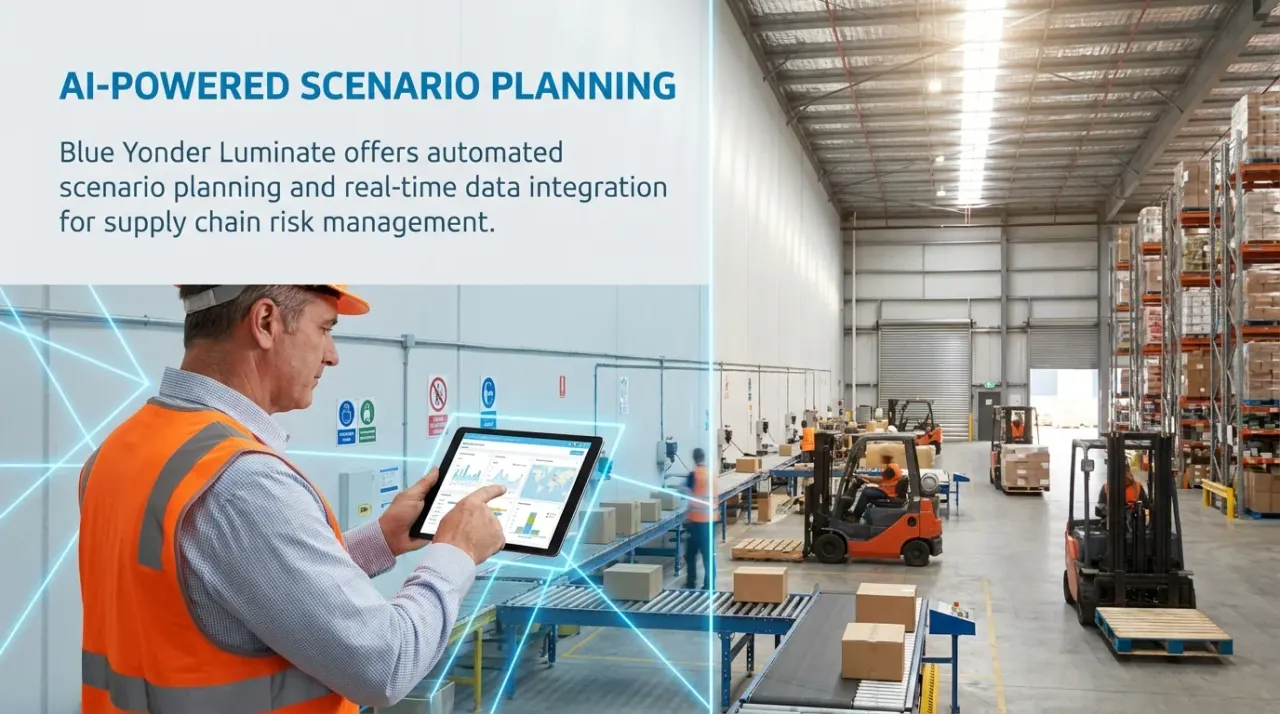
Supply chain risks divide into categories that require different monitoring approaches and mitigation strategies. Effective software addresses multiple risk types through integrated assessment frameworks.
Cybersecurity and data protection
Cybersecurity threats targeting suppliers create vulnerabilities throughout your network. A breach at a third-party vendor exposes your data; ransomware affecting a supplier disrupts your operations. SCRM platforms monitor supplier security postures, track certifications, conduct vulnerability assessments, and flag incidents. Data protection compliance requires ongoing verification against regulatory frameworks.
Geopolitical and regulatory
Geopolitical instability affects supply chains through sanctions, trade restrictions, and political unrest. Regulatory changes impact compliance requirements across jurisdictions. Modern platforms track regulatory databases and government announcements, with automated alerts when changes affect your supplier locations or product categories.
Financial and operational
Supplier financial instability creates supply disruption risks. Financial monitoring tracks credit ratings, payment histories, and financial statement indicators, flagging deteriorating health before suppliers fail. Operational risks include capacity constraints, quality issues, and delivery performance — historical data combined with current monitoring reveals patterns.
ESG and sustainability
Environmental, social, and governance risks affect brand reputation and regulatory compliance. ESG monitoring modules assess supplier performance against sustainability criteria, including carbon emissions, waste management, labour practices, and ethical sourcing.
For transport operators, these categories intersect with Chain of Responsibility training and the broader duty to manage fatigue, speed, mass, dimension, and loading risks.
Essential features to look for in SCRM platforms
What separates comprehensive platforms from basic monitoring tools
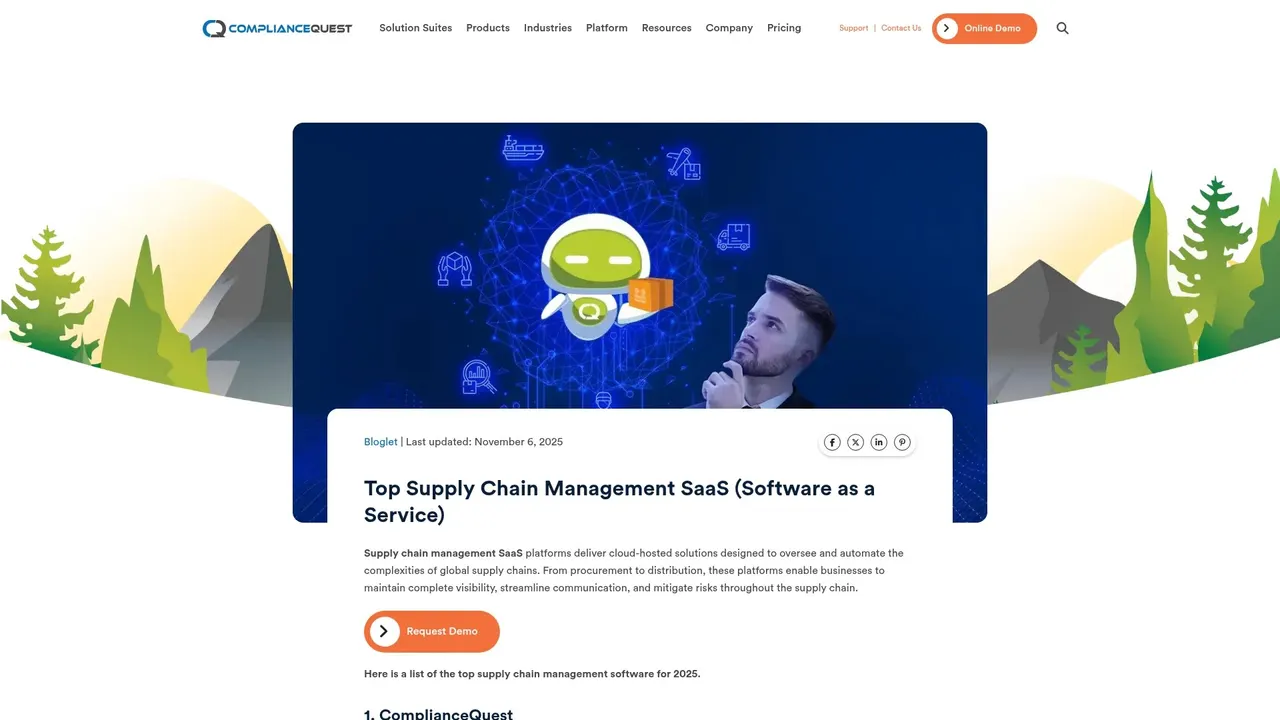
Selecting supply chain risk management software requires understanding which capabilities deliver operational value. Essential features separate comprehensive platforms from basic monitoring tools.
- Multi-tier supplier mapping — visualise relationships across your entire supply network. Direct suppliers connect to their suppliers, revealing the complete chain of dependencies. This mapping is the foundation for all downstream risk assessment.
- Continuous monitoring and alerts — real-time monitoring replaces periodic audits with ongoing surveillance. Automated alerts notify teams when risk thresholds are exceeded, whether from financial deterioration, security incidents, or regulatory changes.
- Risk scoring and prioritisation — risk scores based on multiple factors help organisations focus limited resources on the most critical threats rather than spreading effort across every supplier equally.
- Integration with existing systems — data should flow between your SCRM platform and procurement, ERP, and supply chain management tools. Integration eliminates manual data entry and ensures consistent information across your organisation.
- Scenario planning and analytics — the ability to model potential disruptions and visualise risk concentrations supports both operational resilience and the evidence requirements of a robust Safety Management System.
For Australian operators preparing for HVNL 2026 changes, having documented risk assessment processes is increasingly important. If you need help connecting supply chain risk visibility to your transport compliance obligations, contact MAEZ for practical advisory support.
How MAEZ works
Find the gaps. Fix the system. Prove the controls.
MAEZ helps transport operators deal with the compliance risk they already know is there. We help get the Safety Management System in order, protect NHVAS accreditation, reduce fine exposure, and connect training, evidence, and CoRGuard workflows where software is needed.
Find
Identify what is exposed before an auditor or regulator does.
Fix
Build the SMS controls around how the transport business actually runs.
Prove
Use CoRGuard where records, reminders, diaries, audits, and evidence need structure.
From advice to evidence
From MAEZ advice to a working Safety Management System
Advisory work should leave a practical implementation trail. These examples show how CoRGuard supports records, fatigue and driver diary checks, maintenance, audits, document control, inductions, corrective actions, and evidence review after MAEZ identifies the gaps.
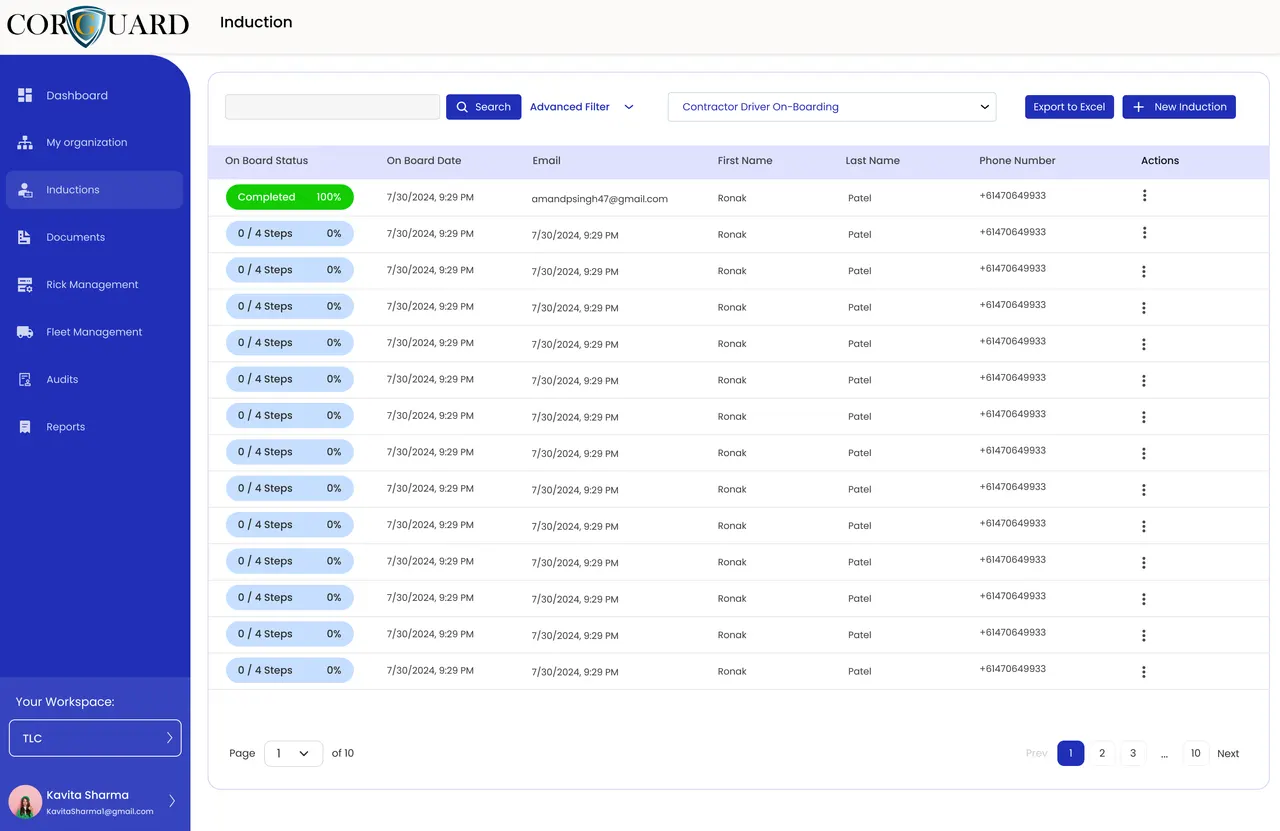
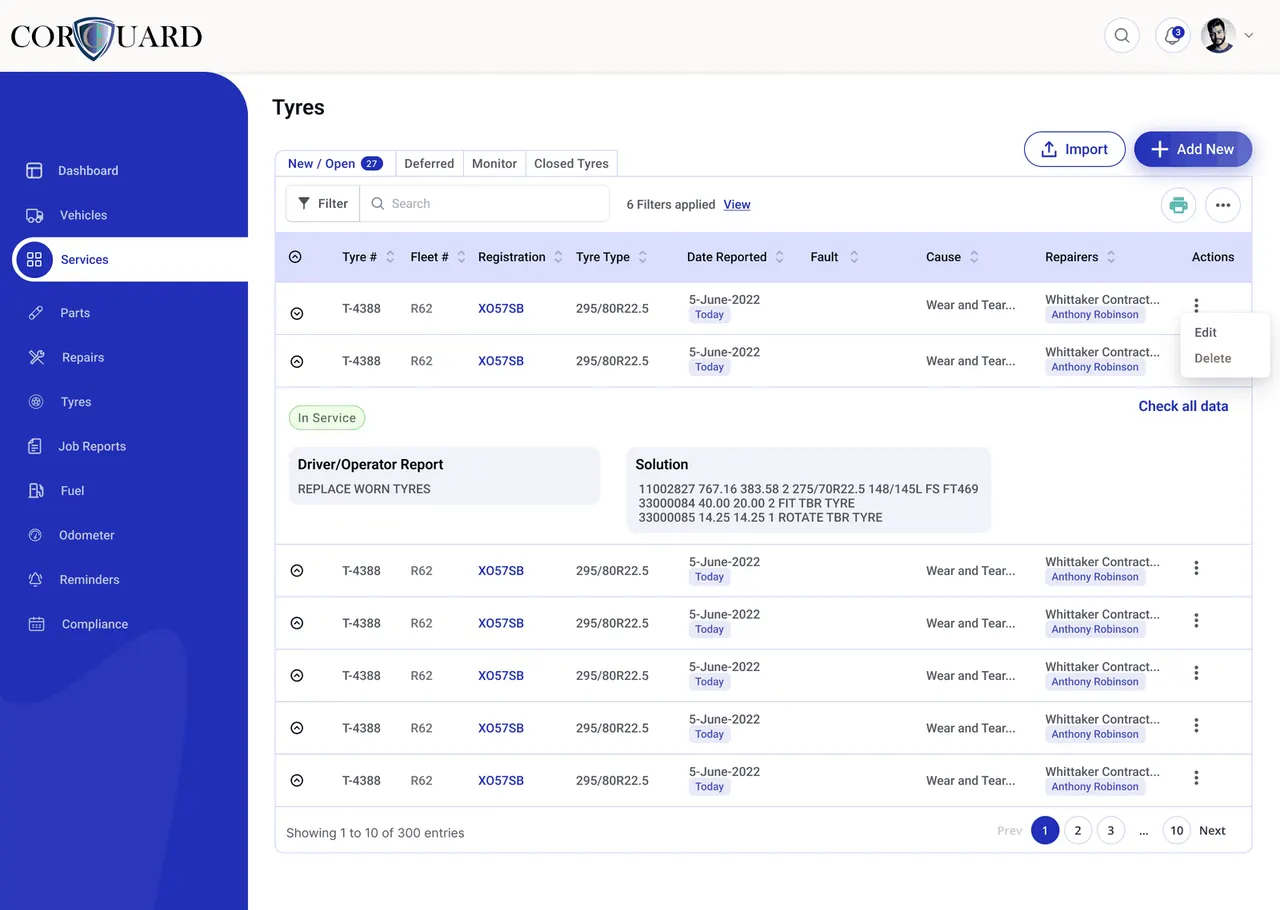
Training records
Connect training completion from cortraining.com.au to evidence and follow-up.
Driver diary checks
Connect fatigue and driver diary review back to manager visibility.
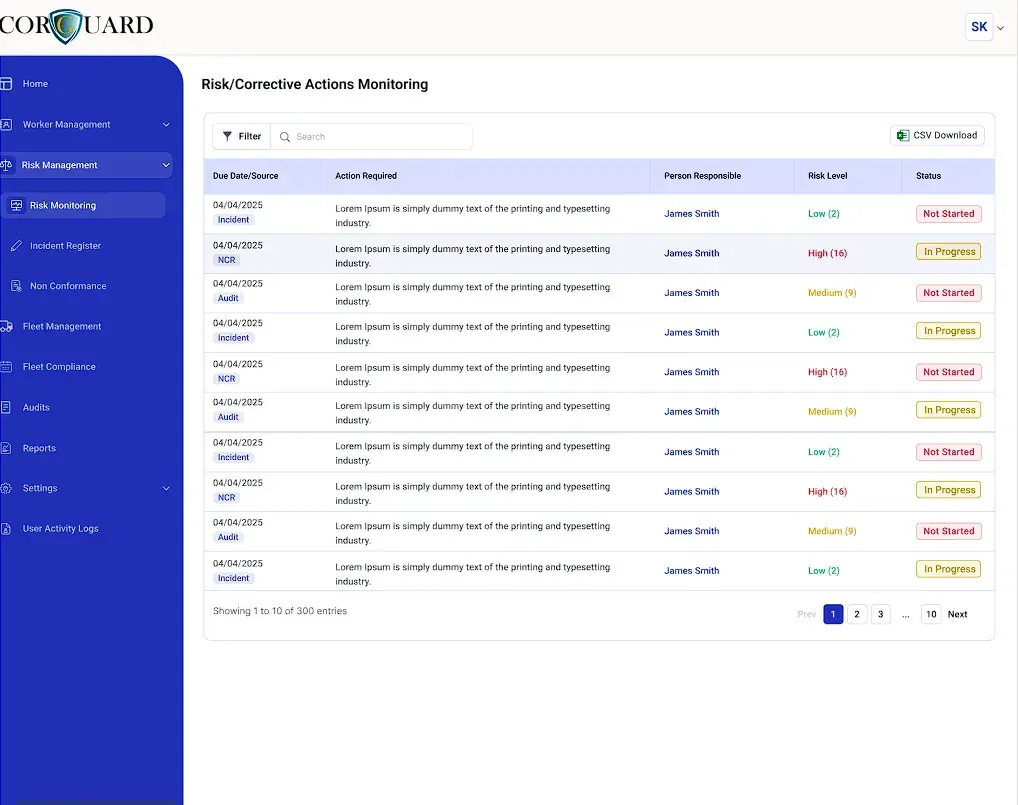
Corrective actions
Turn audit findings, hazards and incidents into tracked actions.
Keep exploring
Related Chain of Responsibility reading
MAEZ insight
Understanding AMCAS and How MAEZ Uses the RCIP Master Code for Robust Transport Compliance
Introduction In the ever-evolving Australian transport sector, compliance with safety regulations is paramount.
MAEZ insight
Why an SMS Matters in the Heavy Vehicle Industry
The Heavy Vehicle National Law (HVNL) is pivotal for ensuring the safety and compliance of heavy vehicle operations in Australia. Central to this framework is the Chain of Responsibility (CoR), which distributes accountability across various parties in the transport supply chain.
MAEZ insight
Your Duty Of Care
A three-year-old boy, who was under the duty of care of Goodstart Early Learning, was found dead inside a minibus that was parked outside the Hambledon State School in the southern Cairns suburb of Edmonton on Tuesday 25th Feb 2020.
MAEZ insight
What Is Corporate Derivative Liability?
CASE STUDY: SAPOL vs The Trustee for FURLER FAMILY TRUST. Companies are being reminded to take speed restrictions seriously after a corporate derivative liability prosecution.
MAEZ insight
Chain of Responsibility Policy
Laws structure our everyday lives and tell us what we can or cannot do in certain circumstances; they are there to protect us from each other and to maintain a peaceful place to live, or at least as friendly as possible. Take the legislation that governs the speed we can use when travelling on our roads.
MAEZ insight
Chain of Responsibility (or CoR) in Victoria
October 2018 saw the first major changes to the Heavy Vehicle National Law (HVNL) since its 2014 adoption, which affect changes to Chain of Responsibility (or CoR) in Victoria.
Frequently asked questions
Questions people ask about this topic
What is supply chain risk management software?
Supply chain risk management (SCRM) software identifies, assesses, and mitigates threats throughout your supplier network. It creates visibility across multiple supplier tiers, monitors risks in real time, and assigns risk scores to help organisations focus mitigation efforts where they matter most.
How does SCRM software help with Chain of Responsibility compliance?
SCRM software helps Australian transport operators build evidence that risks across their supply chain are being actively managed rather than assumed. It supports documented risk assessment, continuous monitoring, and layered reporting that executives and managers need to demonstrate their safety and compliance systems are working.
What are the key risk categories SCRM platforms monitor?
SCRM platforms typically monitor cybersecurity and data protection, geopolitical and regulatory risks, financial and operational risks, and ESG and sustainability risks. Each category requires different monitoring approaches and mitigation strategies within an integrated assessment framework.
Why does multi-tier supplier visibility matter for transport operators?
Traditional visibility stops at direct suppliers, creating blind spots where risks accumulate in nth-tier suppliers. SCRM software extends visibility through the full network, helping operators identify dependencies and take reasonable steps before disruption or compliance failure occurs.
What features should you look for in supply chain risk management software?
Essential features include multi-tier supplier mapping, continuous monitoring with automated alerts, risk scoring and prioritisation, integration with existing procurement and ERP systems, and scenario planning with analytics dashboards. These capabilities separate comprehensive platforms from basic monitoring tools.