
MAEZ insight
Your Duty of Care: Lessons from the Goodstart Early Learning Case
A real-world case study on duty-of-care failure where a child was left on a minibus despite rigorous policies. What it means for transport operators, executives, and Chain of Responsibility compliance.
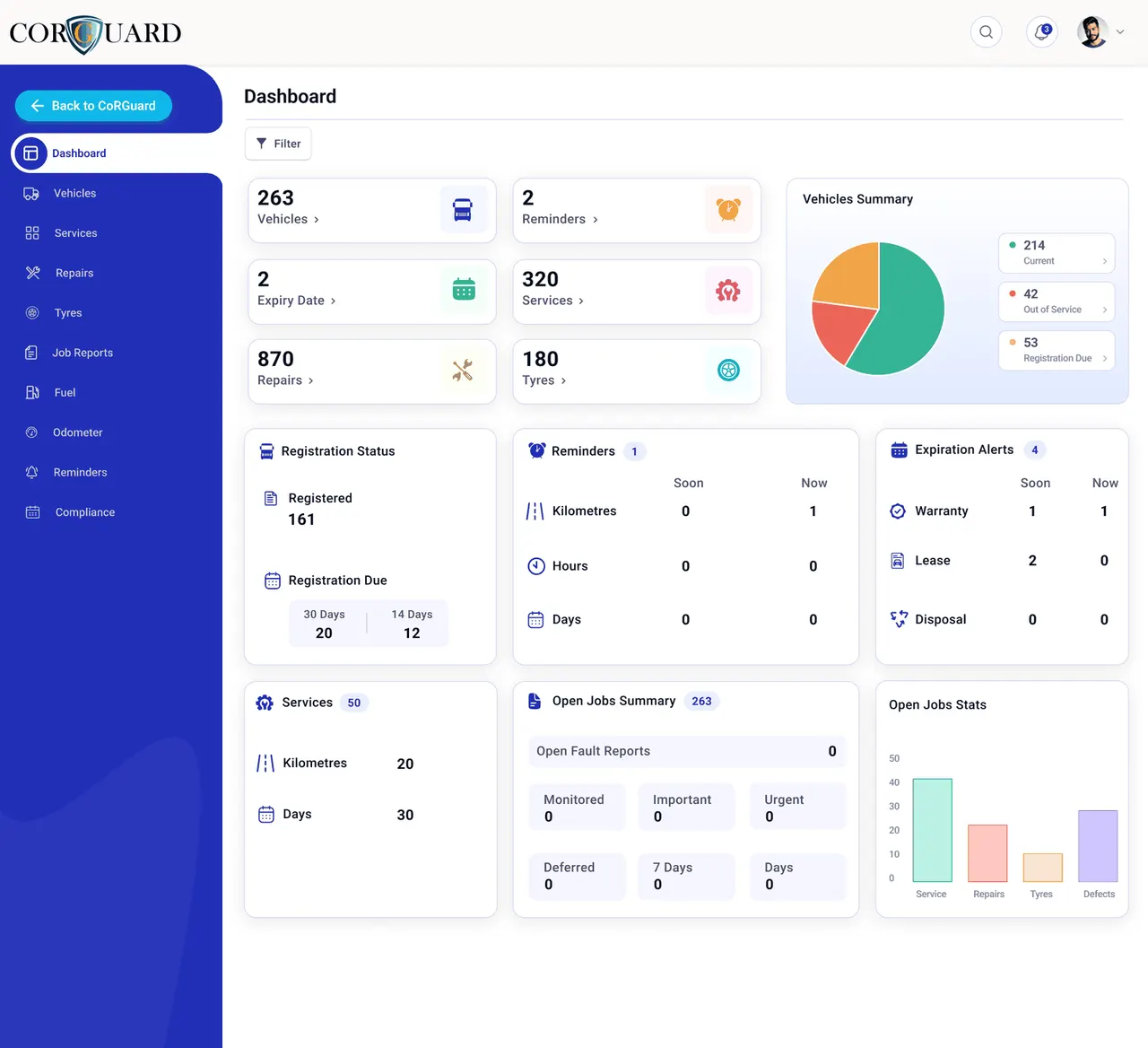
Daily fleet activity has to connect back to duties, controls, and review.

Due diligence means knowing whether the safety system is actually working.

Proof that freight promises do not create unsafe transport pressure.
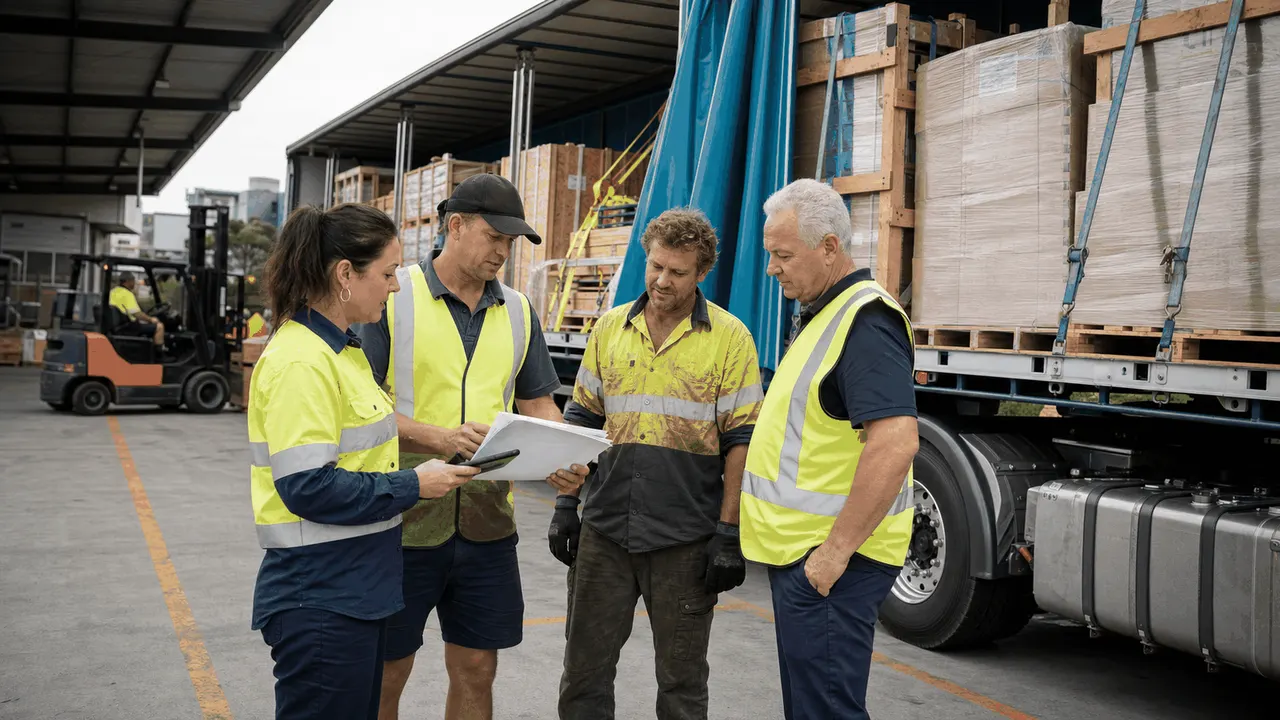
Loading controls need evidence, not assumptions.
Consignors
Freight terms, delivery windows, and KPIs must not push drivers into speed, fatigue, or mass breaches.
Consignees
Receiving rules, site access, and unloading delays are CoR controls that need to be set and evidenced.
Loaders
Mass, dimension, and load restraint decisions need documented checks, not assumptions.
Managers
Executives and managers need due-diligence evidence that the Safety Management System is actually working.
What is duty of care and why does the Goodstart case matter for transport?
A real-world failure that exposes the gap between policy and practice

Duty of care means every party in a transport supply chain — operators, executives, consignors, loaders, schedulers, and managers — must take all reasonably practicable steps to ensure safety. The Goodstart Early Learning case shows that rigorous policies and training alone do not prevent harm; controls must be operational, verifiable, audited, and supported by evidence that they actually work.
Under the Heavy Vehicle National Law (HVNL), a primary duty of care applies across the supply chain, built on a principle of shared responsibility. The Goodstart case is not a transport case, but the lessons transfer directly: when written policy is not matched by daily operational controls and proof, people can be harmed and organisations face severe consequences.
For transport operators and executives, the core question is whether you honestly understand the gaps in your entire supply chain — before a regulator, auditor, or incident exposes them for you.
What happened in the Goodstart Early Learning case?
On Tuesday 25 February 2020, a three-year-old boy who was under the duty of care of Goodstart Early Learning was found unresponsive inside a minibus parked outside Hambledon State School in the southern Cairns suburb of Edmonton.
The child had been picked up that morning by a company employee and centre manager, accompanied by a casual employee. After collecting the child, the pair returned to the Goodstart Early Learning centre but allegedly forgot to remove the child from the rear of the bus.
The minibus was then driven across town for meetings until approximately 3:16 pm that afternoon, when the boy was found.
No reasonable person sets out to cause harm. Yet the failure of the people charged with a child's duty of care was catastrophic, and the consequences for the individuals and the organisation were immediate and severe.
What changed after the incident?
New controls introduced — but policies had already existed
Following the incident, the driver and supervising passenger were both charged with Manslaughter. The CEO of Goodstart Early Learning, Julia Davidson, publicly apologised to the victim's family and committed to strengthening the organisation's child-safety processes.
New controls were introduced across all Goodstart Early Learning centres:
- A manual sweep of the entire bus is required after every trip.
- A photograph of the inside of the bus must be taken and uploaded to the organisation's Health and Safety team as an audit record.
- A supervisor, known as a 'checker', must sit at the rear of the bus at all times to ensure children in view are safe.
These are practical, evidence-based measures. But the troubling reality is that rigorous policies and procedures around bus transport were already in place at the time of the incident. They did not prevent it from happening.
Why did existing policies fail to prevent harm?
The gap between written policy and operational control
Court proceedings noted that there were rigorous policies and procedures around bus transport at the time. Training had also been undertaken by the manager in charge and minibus driver. So the question is not whether rules existed — it is whether the rules were sufficient and whether they were actually followed.
The incident suggests the risk assessment in place may not have required a person to:
- Sit at the rear of the vehicle to monitor passengers in care.
- Take photographic evidence as an audit measure of every minibus trip.
- Sweep the vehicle on return to ensure no one was left behind.
Or it may mean that the training, periodic assessments, and audits of those processes were inadequate.
The language used afterwards — words like 'bewildering' and 'strengthening' — reflects a recognition that gaps existed, a life was lost, and new tasks were introduced to ensure this does not happen again. But the fact remains: the safety system in place did not work.
What does this mean for transport operators and executives?
Duty of care in the supply chain context
Under the HVNL, every party in the chain holds a duty to ensure safety so far as is reasonably practicable. The HVNL establishes a principle of shared responsibility and a primary duty of care that applies across the supply chain.
Waiting to see what happens with a pending prosecution, or shifting responsibility onto others in your organisation, can prove detrimental if an incident occurs and someone loses their life.
Key questions for supply-chain professionals
- Do you honestly understand the gaps in your entire supply chain?
- If not, what is it worth to find out before a regulator or auditor does?
- Are your controls operational and verifiable, or just documented?
Significant incidents raise community awareness, attract regulatory and police involvement, and can result in criminal charges — all of which can have a lasting impact on a business's ability to trade.
For a deeper understanding of how shared responsibility works in practice, see About Chain of Responsibility and Chain of Responsibilities: What Australian HVNL Duty Holders Need to Understand.
What is corporate derivative liability and executive duty?
Corporate derivative liability arises where an executive knew, or ought reasonably to have known, of the conduct constituting an offence — or that there was a substantial risk that the offence would be committed.
The HVNL places a specific duty on executives of legal entities to exercise due diligence to ensure the business complies with its safety obligations. This means knowing whether the safety system is actually working, not just whether one exists on paper.
For operators and executives in transport, this case is a reminder that policies and training alone are not a defence. The controls must be operational, verifiable, and audited — and the evidence must exist to prove it.
Learn more about executive obligations in Chain of Responsibility Training for Executives and Managers: A Practical Guide for Australian Transport Operators.
How does MAEZ help close duty-of-care gaps?
Find the gaps. Fix the system. Prove the controls.
MAEZ helps Australian transport businesses and owner-operators identify and remove risks before they are exposed by regulators, auditors, or incidents. We turn Chain of Responsibility, HVNL, WHS, transport safety, and chartered risk obligations into practical training, advisory, audit, and implementation pathways.
Three steps
- Find — Identify what is exposed before an auditor or regulator does. CoR consulting delivers a practical risk review of your controls, evidence, and SMS.
- Fix — Build Safety Management System controls around how the transport business actually runs.
- Prove — Use structured evidence — training records, driver diary checks, maintenance logs, audits, corrective actions — to demonstrate that controls are working.
Chain of Responsibility training helps managers, executives, drivers, and consignors understand their specific duties. Where software is the right next step, CoRGuard supports the evidence workflow — records, reminders, diaries, audits, and document control.
If you want a practical review of the controls, evidence, training, and SMS gaps that matter most to your business, contact MAEZ.
How MAEZ works
Find the gaps. Fix the system. Prove the controls.
MAEZ helps transport operators deal with the compliance risk they already know is there. We help get the Safety Management System in order, protect NHVAS accreditation, reduce fine exposure, and connect training, evidence, and CoRGuard workflows where software is needed.
Find
Identify what is exposed before an auditor or regulator does.
Fix
Build the SMS controls around how the transport business actually runs.
Prove
Use CoRGuard where records, reminders, diaries, audits, and evidence need structure.
From advice to evidence
From MAEZ advice to a working Safety Management System
Advisory work should leave a practical implementation trail. These examples show how CoRGuard supports records, fatigue and driver diary checks, maintenance, audits, document control, inductions, corrective actions, and evidence review after MAEZ identifies the gaps.
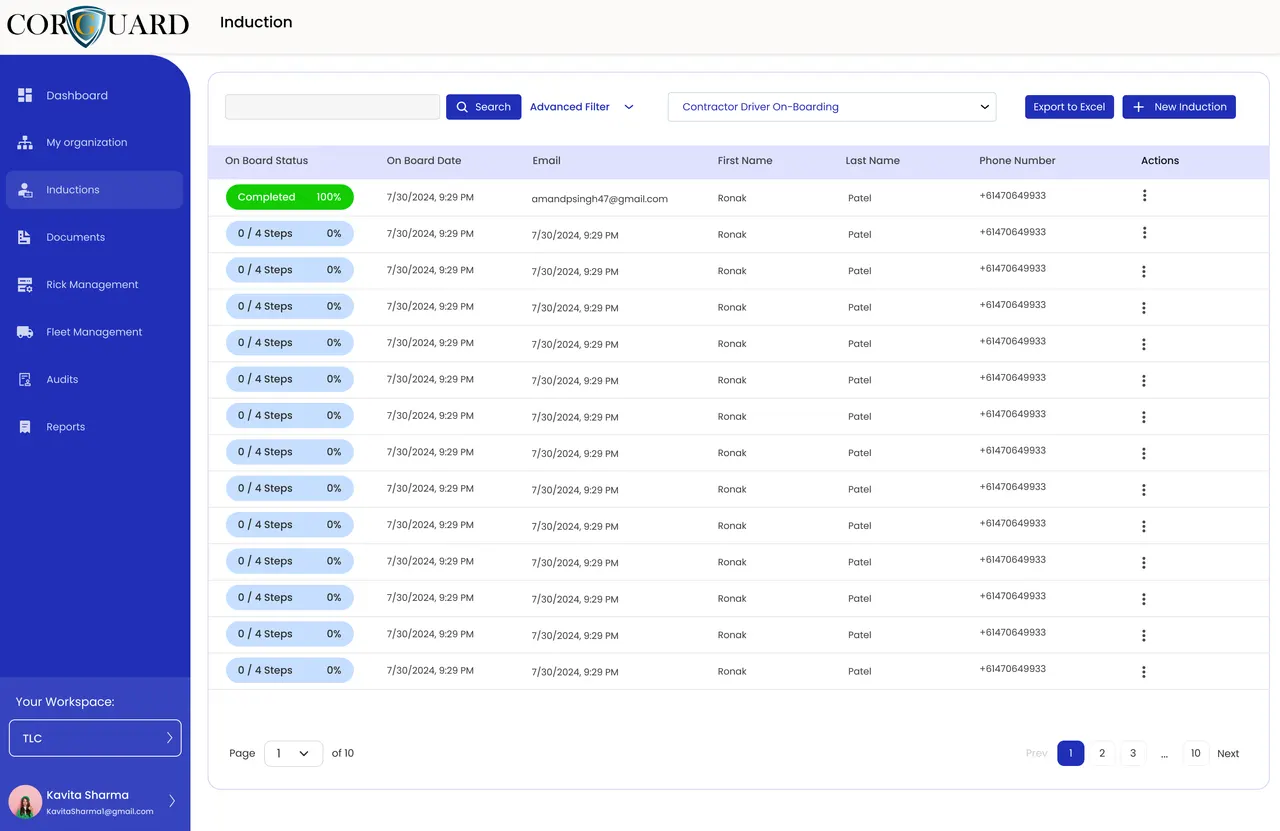
Training records
Connect training completion from cortraining.com.au to evidence and follow-up.
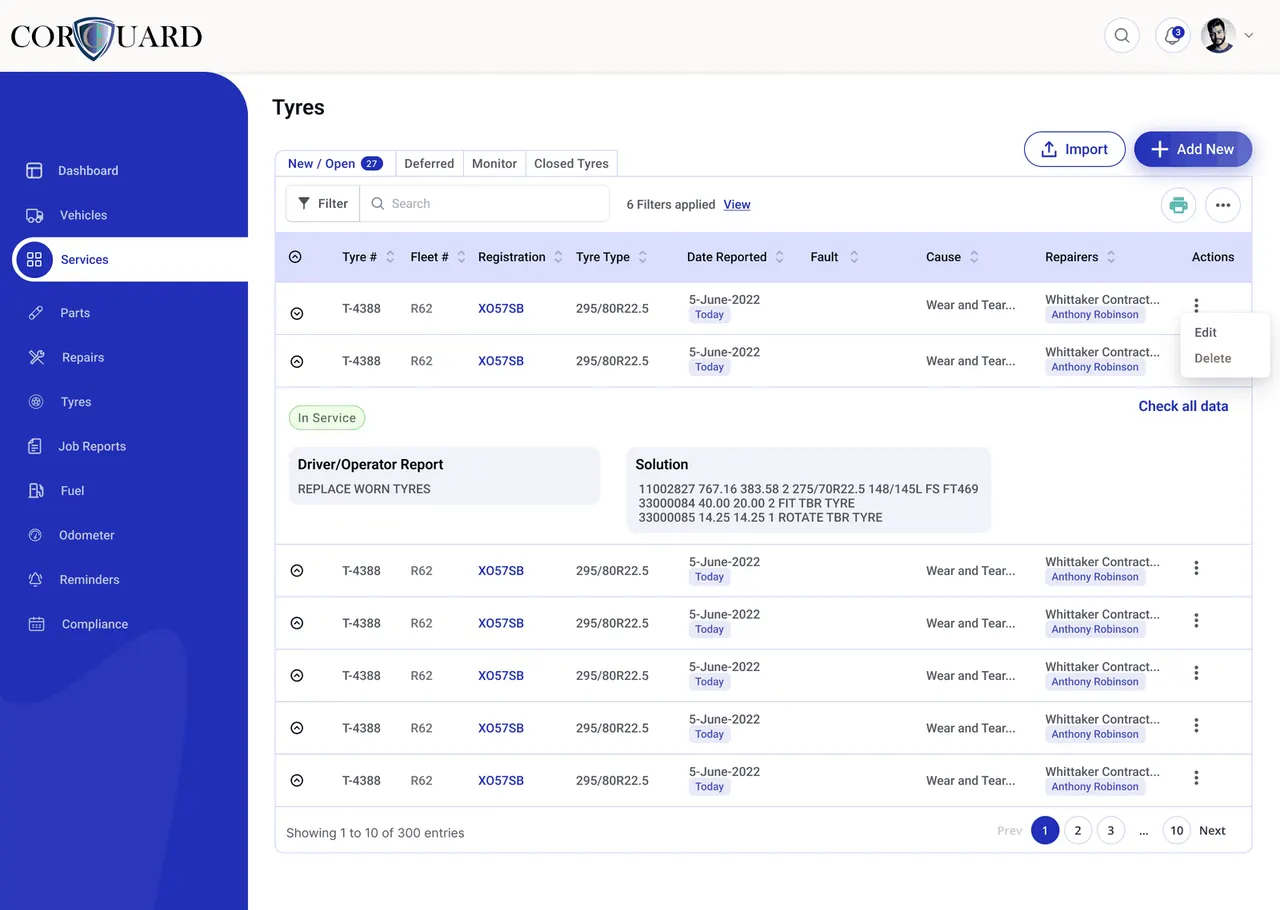
Driver diary checks
Connect fatigue and driver diary review back to manager visibility.
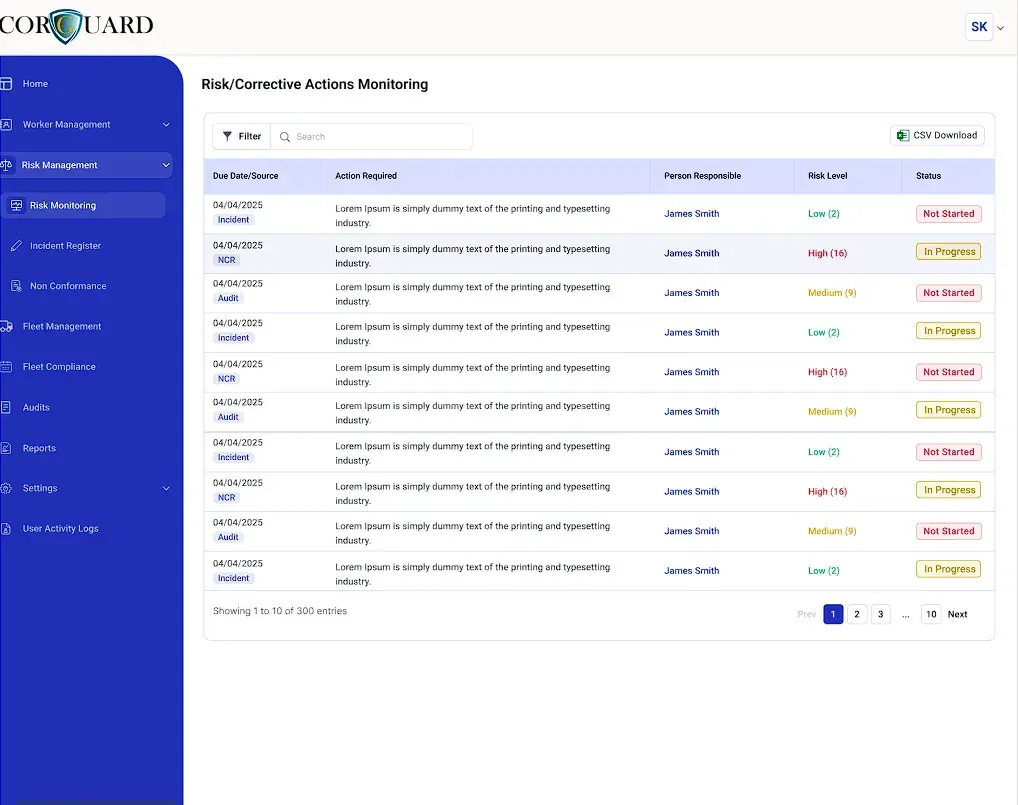
Corrective actions
Turn audit findings, hazards and incidents into tracked actions.
Keep exploring
Related Chain of Responsibility reading
MAEZ insight
What Is Corporate Derivative Liability?
CASE STUDY: SAPOL vs The Trustee for FURLER FAMILY TRUST. Companies are being reminded to take speed restrictions seriously after a corporate derivative liability prosecution.
MAEZ insight
Chain of Responsibility Policy
Laws structure our everyday lives and tell us what we can or cannot do in certain circumstances; they are there to protect us from each other and to maintain a peaceful place to live, or at least as friendly as possible. Take the legislation that governs the speed we can use when travelling on our roads.
MAEZ insight
Chain of Responsibility (or CoR) in Victoria
October 2018 saw the first major changes to the Heavy Vehicle National Law (HVNL) since its 2014 adoption, which affect changes to Chain of Responsibility (or CoR) in Victoria.
MAEZ insight
Why Chain of Responsibility Matters to Your Business
Understanding and implementing an effective Chain of Responsibility (CoR) strategy is not only a matter of legislative compliance under the Heavy Vehicle National Law (HVNL), it is also crucial to the running of a successful business in the supply chain sector.
MAEZ insight
How Do Heavy Vehicle Operators Get Accreditation For Their Safety & Compliance?
The National Heavy Vehicle Accreditation Scheme (NHVAS), that is controlled by state and territory road transport agencies, was first introduced in 1999 as an alternative compliance scheme. In 2014, the NHVR took over the state based systems and now administer all aspects of the NHVAS.
MAEZ insight
Investigations Continue with NSW Truck Accident
This story as sad as it is, happens to all too often. This gentleman had a mum and dad, may have had kids of his own potentially. We all need to take stock of what we do in transport. We all need to think about others in our work places and check in on them to ensure they are ok.
Frequently asked questions
Questions people ask about this topic
What is the main lesson from the Goodstart Early Learning case for transport operators?
Rigorous policies and training alone do not prevent harm. The Goodstart case shows that duty-of-care controls must be operational, verifiable, and audited — with evidence that they are actually working — not just documented on paper.
What is corporate derivative liability under the HVNL?
Corporate derivative liability arises where an executive knew, or ought reasonably to have known, of conduct constituting an offence or that there was a substantial risk an offence would be committed. The HVNL places a specific due-diligence duty on executives to ensure the business complies with its safety obligations.
Who should read this page about duty of care?
This page is useful for owner-operators, transport managers, executives, consignors, consignees, loaders, schedulers, contractors, and anyone who influences a heavy vehicle transport task.
What does MAEZ help transport businesses fix?
MAEZ helps Australian transport businesses identify and close Chain of Responsibility, HVNL, WHS, NHVAS, training, audit, document-control, and Safety Management System gaps before they are exposed by regulators, auditors, or incidents.
Why did existing policies fail to prevent the Goodstart incident?
Court proceedings noted that rigorous policies and training were already in place. The failure suggests the risk assessment may not have required practical controls like a rear-seat checker, photographic evidence of vehicle sweeps, or adequate auditing of whether documented processes were actually followed.