
MAEZ insight
Trucks Crash Too: Why Fitness-to-Drive Forms Won't Protect You
A signed fitness-to-drive form is not enough to protect your business from Chain of Responsibility prosecution. Learn why and what the HVNL requires after a heavy vehicle crash.
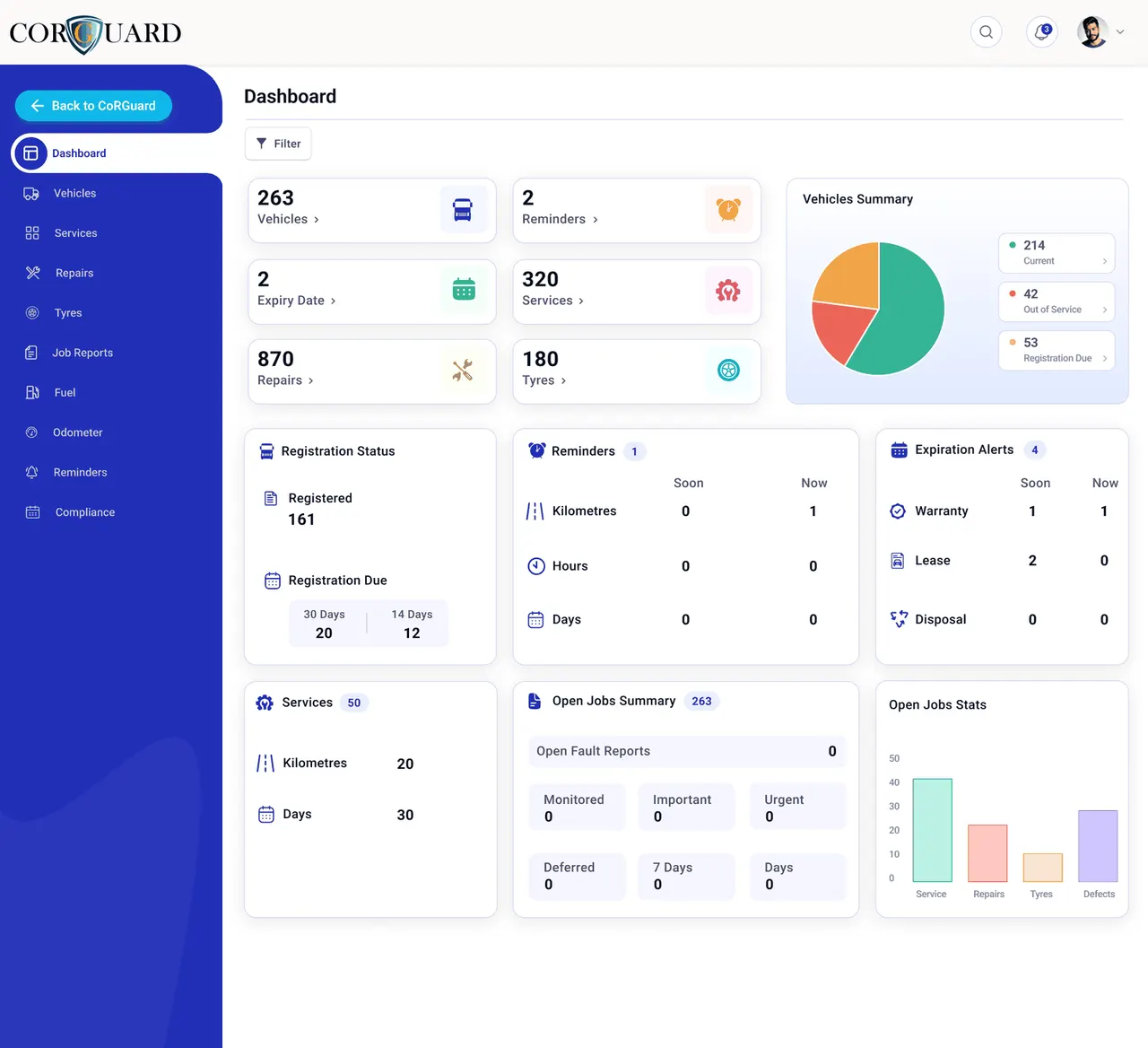
Daily fleet activity has to connect back to duties, controls, and review.

Due diligence means knowing whether the safety system is actually working.

Proof that freight promises do not create unsafe transport pressure.
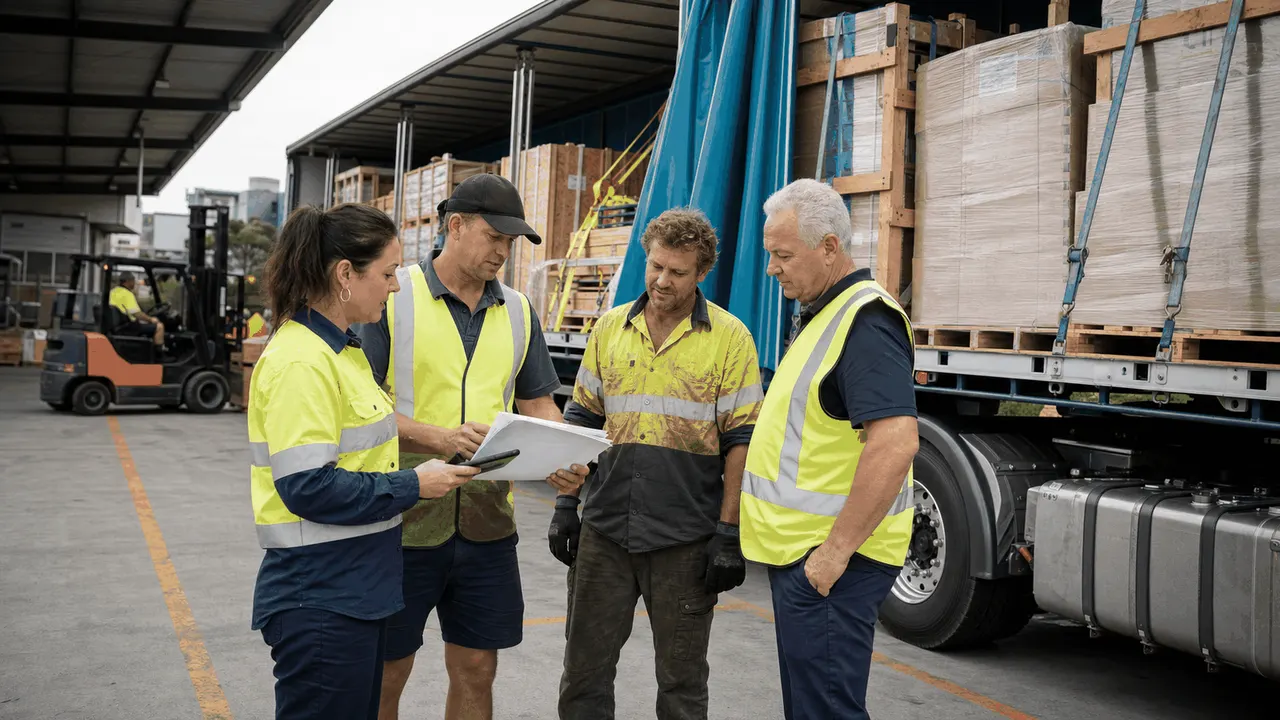
Loading controls need evidence, not assumptions.
Consignors
Freight terms, delivery windows, and KPIs must not push drivers into speed, fatigue, or mass breaches.
Consignees
Receiving rules, site access, and unloading delays are CoR controls that need to be set and evidenced.
Loaders
Mass, dimension, and load restraint decisions need documented checks, not assumptions.
Managers
Executives and managers need due-diligence evidence that the Safety Management System is actually working.
Why fitness-to-drive forms won't protect your transport business
A declaration is not a control
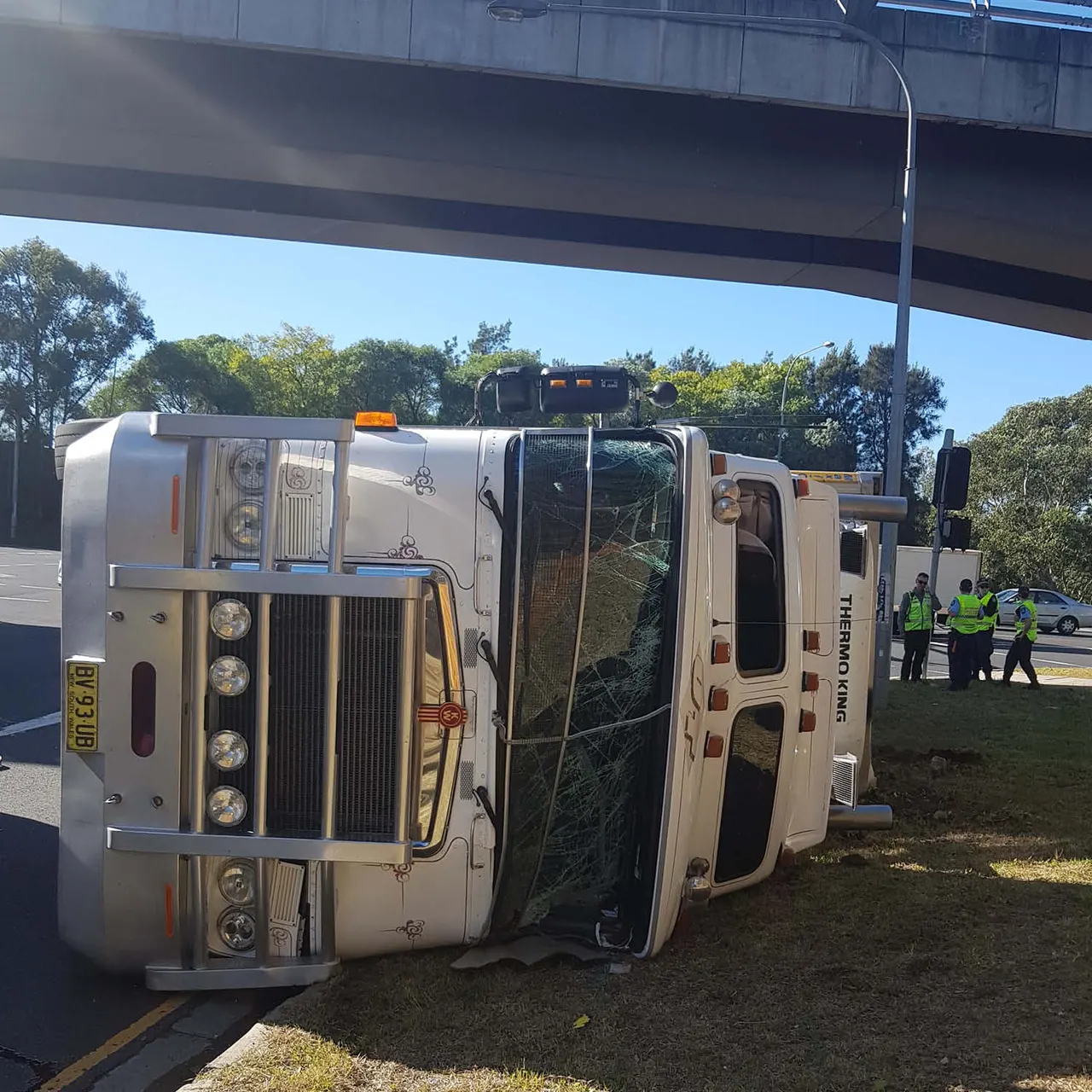
A signed fitness-to-drive form records a driver's claim that they are fit to drive — it does not verify it. Under the Heavy Vehicle National Law, every party in the Chain of Responsibility must take all reasonably practicable steps to ensure safety. A form alone does not discharge that duty and may even demonstrate awareness of a risk without any real control over it.
If a crash occurs and drugs or alcohol are found in the driver's system, the investigation does not stop with the driver. The employer, the loader, and their employers may all be investigated for criminal offences, including allowing an unfit person to drive a heavy vehicle.
The HVNL defines a heavy vehicle as one with a Gross Vehicle Mass of 4.5 tonnes or more, whether or not it is laden. The same zero-tolerance drug and alcohol standard that applies to provisional (P plate) drivers applies to every heavy vehicle driver. For more on how duties extend across the supply chain, see About Chain of Responsibility.
Three deaths in three days: the reality of heavy vehicle crashes
Early in a new financial year, three people had already died in heavy vehicle related crashes within three days. Others were taken to hospital with injuries. One incident stood out: a truck driver refused an oral fluid sample at the scene of a crash and will now face court as a result.
Every accident is a tragedy. People are affected, injured, or worse. But everyone in the supply chain may share responsibility for any of those trucks involved in these crashes.
There is nothing like the present to ensure an accident doesn't happen on your watch, without warning. Accidents are unexpected, and they can haunt you for the rest of your life. The question is whether your safety system is actually working before that moment arrives.
What the law requires of heavy vehicle drivers after a crash
Legislation requires that any driver of a heavy vehicle must not drive under the influence of drugs or alcohol. That means an alcohol reading of zero — the same standard expected of a provisional driver.
After an incident occurs, the driver must submit a fluid sample to test for drugs and/or alcohol. Refusing that sample is itself an offence.
If drugs or alcohol are found in the driver's system, the investigation does not stop with the driver. The driver's employer, and potentially the person who loaded the vehicle and their employer, may also be investigated for criminal offences. Those offences may include allowing a person affected by drugs and/or alcohol to drive a heavy vehicle.
Under the HVNL, when a court decides whether a driver of a fatigue-regulated heavy vehicle was fatigued, it may consider what is commonly understood as being fatigued, the causes and signs of fatigue, any relevant body of fatigue knowledge, and any other prescribed matter. A driver is impaired by fatigue if their ability to drive safely is affected.
Why a signed fitness-to-drive form is not enough
A declaration does not verify fitness — it records a claim
Many operators say to themselves, "We're fine, we have our drivers sign a fitness-to-drive form." This is not good enough, and it will not save you from a potential prosecution.
Whoever came up with the fitness-to-drive declaration had great intentions, but a form cannot stop someone from declaring they are okay when they are not. It does not verify fitness; it records a claim of fitness.
If you find yourself sitting in front of a prosecuting barrister asking, "How do you ensure that someone who was unfit to drive was fit to fill in a fitness-to-drive declaration?" — then you have not yet thought through your ability to ensure a duty of care for the people who work for you, or those who carry your goods.
The deeper risk
There is a school of thought that relying on a declaration form could actually land you in deeper water, because it may demonstrate awareness of the risk without demonstrating any real control over it. A regulator may ask: you knew the risk existed, you had the driver sign a form, but what did you actually do to manage it?
Everyone in the chain is liable — even if you don't pay the driver
Everyone in the chain is liable, even if you do not pay the driver's wages directly. It is not acceptable to move your obligations on through a declaration form for someone else to fill in, nor to contract your responsibility out to another entity.
The duty stays with you. This is the core of Chain of Responsibility under the HVNL: each party in the supply chain must take all reasonably practicable steps to ensure safety. A piece of paper signed by a driver does not discharge that duty.
If you influence a transport task — as a consignor, consignee, loader, scheduler, manager, or contractor — the obligation to ensure the driver is fit to drive sits with you too. Practical Chain of Responsibility consulting can help you identify what that obligation means for your specific role.
How MAEZ helps you turn obligations into practical controls
MAEZ helps Australian transport and supply-chain businesses turn Chain of Responsibility, HVNL, WHS, transport safety, and chartered risk obligations into practical training, advisory, audit, and implementation pathways.
We help you identify the gaps before an auditor or regulator does, build Safety Management System controls around how your transport business actually runs, and prove those controls with structured evidence.
Training
Chain of Responsibility training is delivered through our dedicated training platform, giving operators, managers, and executives a practical understanding of duties and controls.
Software where needed
Where software is the right next step, CoRGuard supports the evidence workflow — records, reminders, diaries, audits, maintenance, inductions, corrective actions, and evidence reporting.
If you want a practical review of the controls, evidence, training, and SMS gaps that matter most to your operation, contact MAEZ today.
How MAEZ works
Find the gaps. Fix the system. Prove the controls.
MAEZ helps transport operators deal with the compliance risk they already know is there. We help get the Safety Management System in order, protect NHVAS accreditation, reduce fine exposure, and connect training, evidence, and CoRGuard workflows where software is needed.
Find
Identify what is exposed before an auditor or regulator does.
Fix
Build the SMS controls around how the transport business actually runs.
Prove
Use CoRGuard where records, reminders, diaries, audits, and evidence need structure.
From advice to evidence
From MAEZ advice to a working Safety Management System
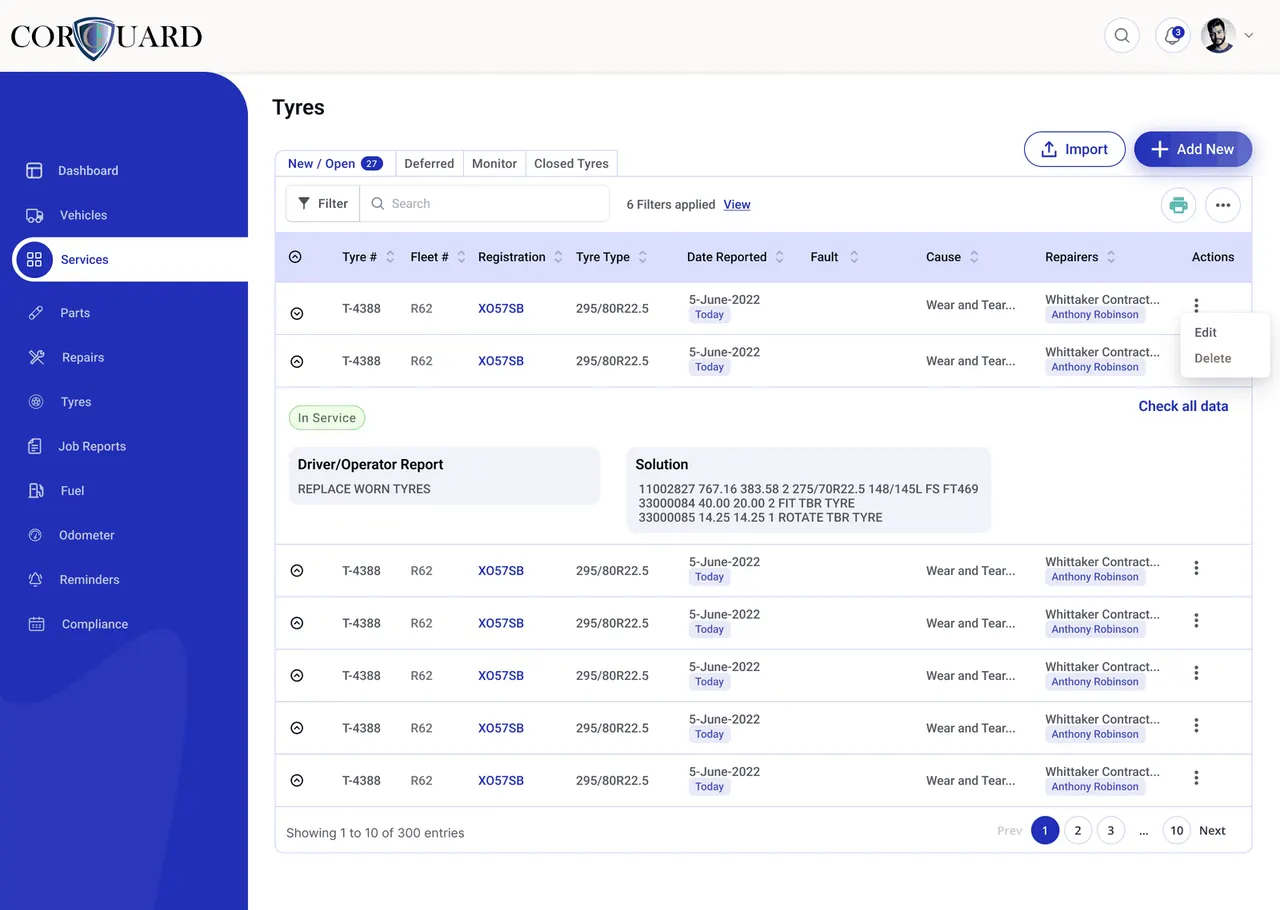
Advisory work should leave a practical implementation trail. These examples show how CoRGuard supports records, fatigue and driver diary checks, maintenance, audits, document control, inductions, corrective actions, and evidence review after MAEZ identifies the gaps.
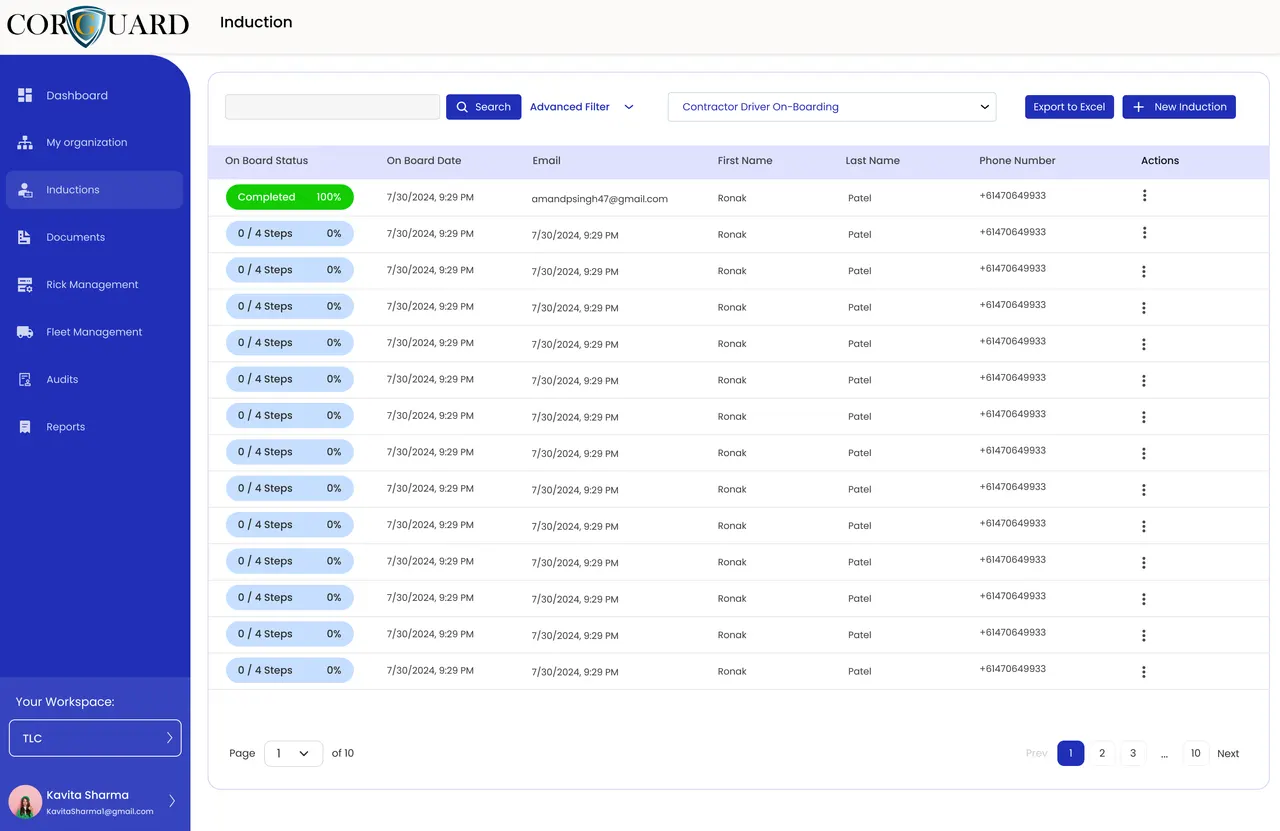
Training records
Connect training completion from cortraining.com.au to evidence and follow-up.
Driver diary checks
Connect fatigue and driver diary review back to manager visibility.
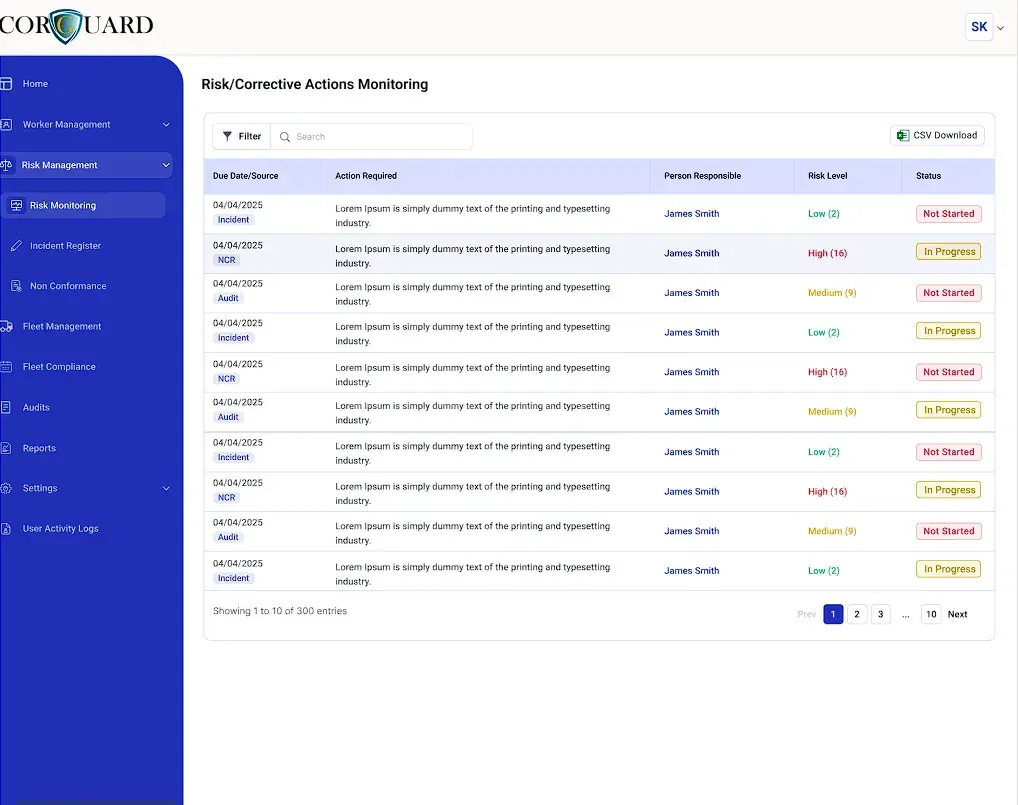
Corrective actions
Turn audit findings, hazards and incidents into tracked actions.
Keep exploring
Related Chain of Responsibility reading
MAEZ insight
Spend Less on Fuel
Motormouth, the brand that has always tried to help us spend less on fuel has delivered a cool new app for everyone to use. The best part is though, you can choose whatever fuel you want, including Diesel.
MAEZ insight
The Root Cause & How To Get There
You had an incident and many things may have happened, but you need to work through each one in a RCA (root cause analysis) one by one.
MAEZ insight
Is CoR a pain for you? Here’s 5 quick tips to help you in your business today
Chain of Responsibility is fast becoming the next ‘Work Place Health and Safety’. It’s daunting, new and no-one seems to know what to do.
MAEZ insight
Chain of Responsibility (or CoR) Training
Chain of Responsibility under the HVNL places a primary duty on anyone involved in a transport activity — training helps every duty holder understand and manage that risk.
MAEZ insight
Passing Emergency Vehicles – What Do you Need To Do?
It is now an enforceable requirement to slow down when passing an emergency on the road side. It may even be required to move into another lane, depending on where you are driving.
MAEZ insight
Basic Fatigue Management (or BFM) Accreditation
Advanced Fatigue Management (or AFM) differs to Basic Fatigue Management (or BFM) in that it requires much more policy framework, as well as procedures within the organisation.
Frequently asked questions
Questions people ask about this topic
Does a signed fitness-to-drive form protect my business from Chain of Responsibility prosecution?
No. A fitness-to-drive form records a driver's claim of fitness — it does not verify it. Under the HVNL, every party in the chain must take all reasonably practicable steps to ensure safety, and a signed declaration alone does not discharge that duty.
What happens if a heavy vehicle driver refuses a drug or alcohol test after a crash?
Refusing an oral fluid sample after an incident is itself an offence, and the driver will face court. The investigation may also extend to the driver's employer, the loader, and their employers for offences such as allowing an unfit person to drive a heavy vehicle.
Am I liable under Chain of Responsibility if I don't directly employ the driver?
Yes. Everyone who influences a transport task — consignors, consignees, loaders, schedulers, managers, and contractors — shares the duty to ensure the driver is fit to drive. You cannot contract out of or delegate this responsibility through a declaration form.
What is the alcohol limit for heavy vehicle drivers in Australia?
Heavy vehicle drivers must maintain a zero alcohol reading — the same standard that applies to provisional (P plate) drivers. A heavy vehicle is defined as one with a Gross Vehicle Mass of 4.5 tonnes or more.
How does MAEZ help transport businesses manage fitness-to-drive and CoR obligations?
MAEZ identifies gaps in your Chain of Responsibility and Safety Management System before a regulator does, builds practical controls around how your business actually runs, and provides structured evidence through training, advisory, audit, and CoRGuard software where needed.