
MAEZ insight
Chain of Responsibility (CoR) Training for Australian Transport Operators
Practical Chain of Responsibility training for Australian transport businesses. Understand HVNL duties, identify risks, build an active safety system, and prepare for audits.
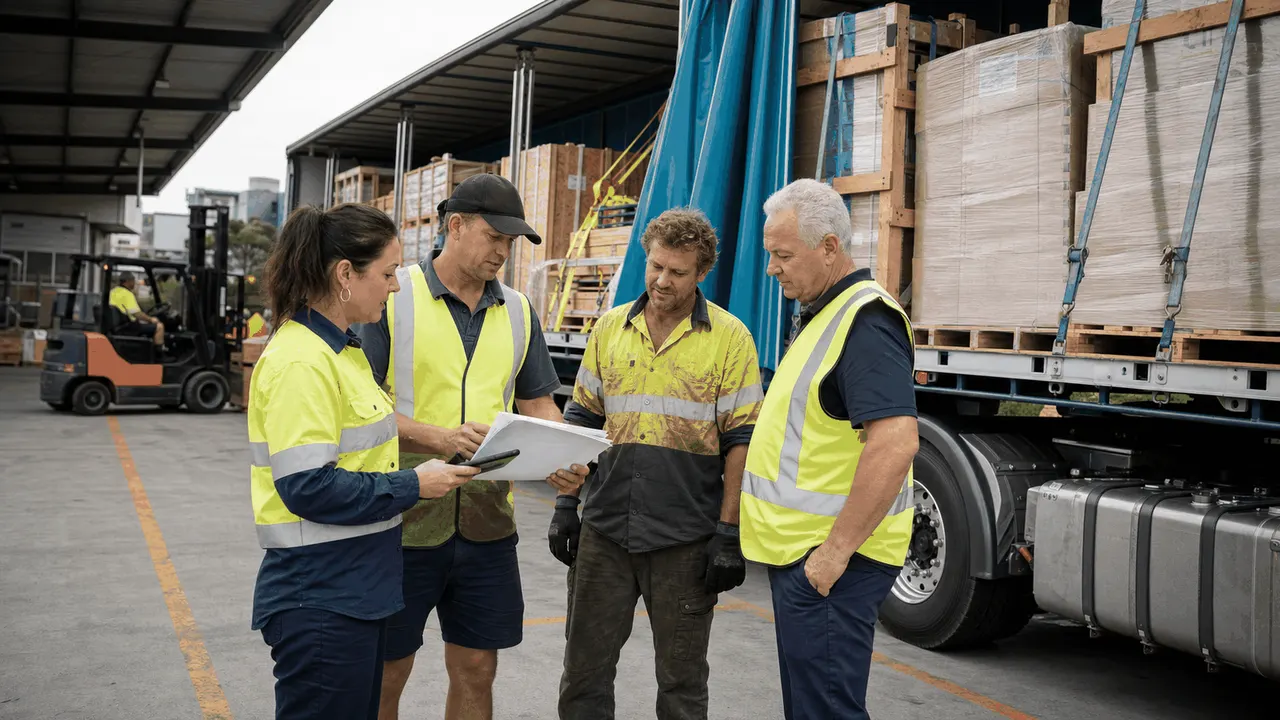
Loading controls need evidence, not assumptions.
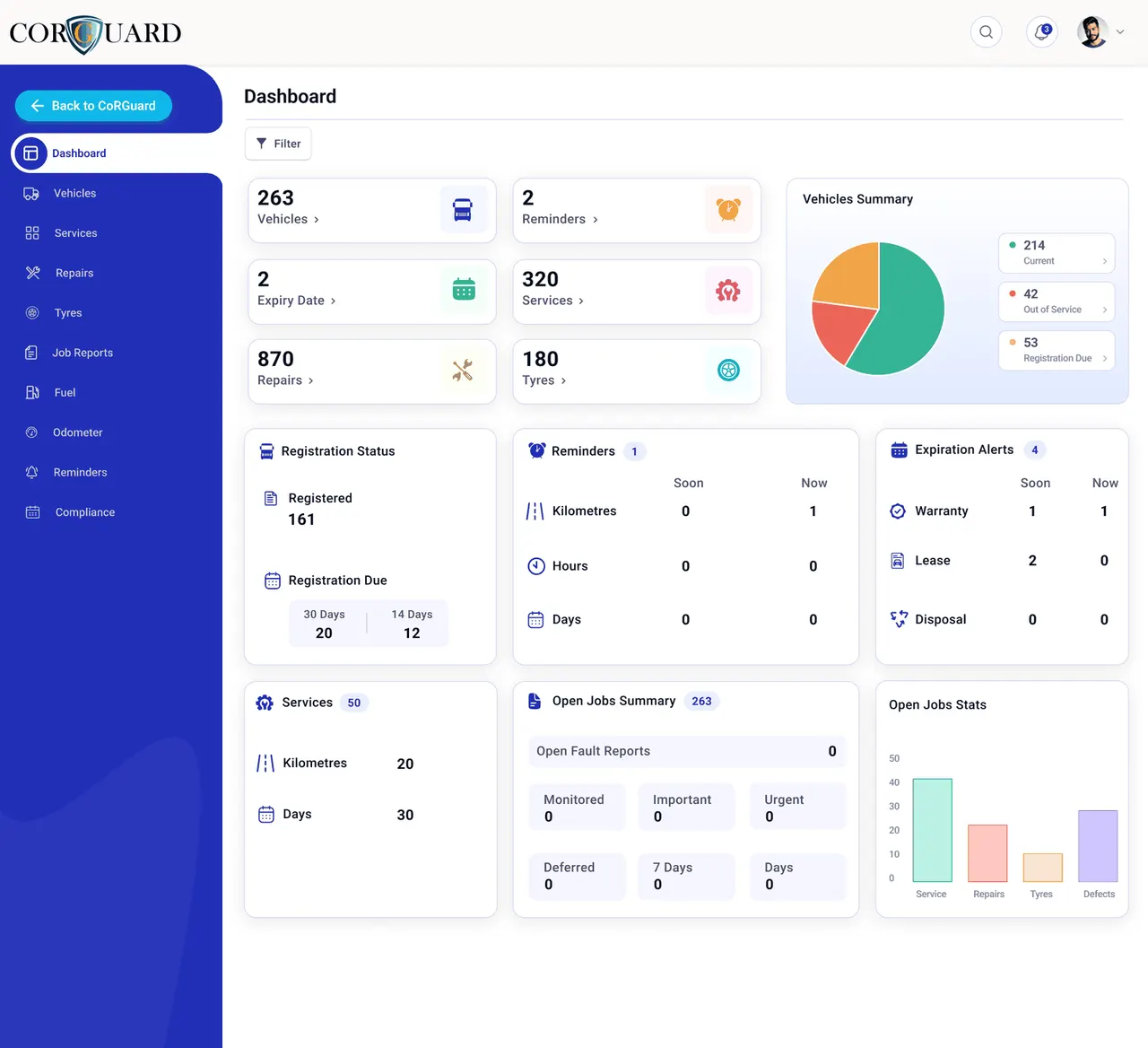
Daily fleet activity has to connect back to duties, controls, and review.

Due diligence means knowing whether the safety system is actually working.

Proof that freight promises do not create unsafe transport pressure.
Consignors
Freight terms, delivery windows, and KPIs must not push drivers into speed, fatigue, or mass breaches.
Consignees
Receiving rules, site access, and unloading delays are CoR controls that need to be set and evidenced.
Loaders
Mass, dimension, and load restraint decisions need documented checks, not assumptions.
Managers
Executives and managers need due-diligence evidence that the Safety Management System is actually working.
What is Chain of Responsibility training for Australian transport operators?
Practical CoR training for everyone who influences a heavy vehicle transport task

Chain of Responsibility (CoR) training equips everyone who influences a heavy vehicle transport task — drivers, operators, consignors, loaders, schedulers, and executives — with practical knowledge of their legal duties under the Heavy Vehicle National Law (HVNL). It helps staff identify risks early, feed them into a Safety Management System, and prepare the business for regulatory audits.
CoR training is not a box-ticking exercise. It is the first step in building genuine compliance readiness, because people cannot manage risks they do not recognise. Training connects day-to-day decisions — loading, scheduling, dispatching — back to the legal obligations each party carries.
This page is useful for owner-operators, transport managers, executives, consignors, consignees, loaders, schedulers, contractors, and anyone who influences a heavy vehicle transport task. For a structured training pathway, see the Chain of Responsibility Course designed for Australian transport operators.
What does the HVNL expect from your transport activities?
The primary duty explained in plain terms
Under the HVNL, every party in the chain of responsibility for a heavy vehicle must ensure, so far as is reasonably practicable, the safety of their transport activities relating to that vehicle. The law sets out a clear principle of shared responsibility — safety is not just the driver's problem or the operator's problem. It belongs to everyone who influences the transport task.
The HVNL states that each party must, so far as is reasonably practicable:
- Eliminate public risks, and where that is not practicable, minimise them.
- Ensure the party's conduct does not directly or indirectly cause or encourage the driver to contravene the law, exceed a speed limit, or encourage another person to contravene the law.
In practical terms, the legislation expects anyone involved in transport to actively reduce risks — risks to people in the transport task and to the general public. You can read more about the framework in About Chain of Responsibility.
Who is a party in the chain of responsibility?
Roles and legal liability under the HVNL
The HVNL lists specific roles that are considered a 'party' in the chain of responsibility for a heavy vehicle. If a person's duties match one of these roles — even if their job title does not reflect the legislation — they may carry legal liability under the Act.
The roles listed in the HVNL include:
- An employer of the driver (if the driver is employed) or a prime contractor (if the driver is self-employed).
- An operator of the vehicle.
- A scheduler of the vehicle.
- A consignor of any goods in the vehicle.
- A consignee of any goods in the vehicle.
- A packer of any goods in the vehicle.
- A loading manager for any goods in the vehicle.
- A loader of any goods in the vehicle.
- An un-loader of any goods in the vehicle.
This means responsibility extends well beyond the driver and the transport company. Consignors, consignees, loaders, and schedulers all share the duty to ensure safety, so far as is reasonably practicable. For a deeper look at what each duty holder needs to understand, see Chain of Responsibilities: What Australian HVNL Duty Holders Need to Understand.
Why is CoR training the first step for your business?
Front-line awareness reduces risk before it becomes a breach
The first step in meeting your HVNL obligations is to ensure Chain of Responsibility training for all front-line staff — anyone who deals with the loading or scheduling of heavy vehicles. Training gives your people practical knowledge of their role, the responsibilities that come with it, and a working understanding of risk in the transport task.
Without that awareness, staff cannot reliably identify problems early enough to help you manage your safety system. If your staff cannot recognise a risk in their day-to-day work, they cannot feed that information back into your Safety Management System. That leaves your business exposed.
Identifying risk is central to CoR compliance. Training builds the capability to spot issues — overloaded vehicles, unrealistic schedules, unsafe loading practices — before they become breaches or incidents. For a structured pathway, see the Chain of Responsibility Course designed for Australian transport operators.
How do you build an active CoR safety system?
Policies on a wall are not a safety system
An active safety system is critical for managing transport risk. Without one, a business is left with policies on walls and a folder labelled 'Procedures' that nobody uses. A true active safety system has an ongoing working group that discusses safety risks and actively seeks out new risks to manage — preferably using lead indicators rather than waiting for a hazard to be reported after the fact.
Lead vs lag indicators
- Lead indicators help you identify risks before they cause harm. For example, tracking driver fines or poor behaviour patterns can reveal problems early.
- Lag indicators — such as a reported hazard or injury — arrive too late. They tell you something has already gone wrong.
Once hazards are identified and logged in your safety risk matrix, you can develop procedures or toolbox talks to steer staff and contractors away from known risks. This continuous loop of identification, discussion, and control is what makes a safety system active rather than passive.
For deeper guidance on how a chartered risk approach can close CoR gaps, see Using a Chartered Risk Lens to Close Chain of Responsibility Gaps.
Why does a quality CoR audit matter?
Free templates rarely find the gaps that count
Periodically, it is wise to obtain a business audit of your safety system. While free Chain of Responsibility audit templates circulate online, a CoR audit is vast and identifies risks that are difficult to source without practical transport experience. A free template may give you a checklist, but it will not necessarily surface the gaps that leave your business exposed to regulatory action.
A quality, in-depth audit — like the work MAEZ conducts over roughly three days — draws on years of practical transport operations experience. It identifies gaps in your transport task, assesses your safety system, and provides follow-up advice to help close the risks it finds.
When you combine a thorough audit with an active safety system and trained front-line staff, you are on a solid path toward CoR readiness. To explore this further, see Chain of Responsibility Consulting.
How does MAEZ help with CoR training and readiness?
Training, advisory, audit, and implementation in one pathway
MAEZ helps Australian transport businesses turn Chain of Responsibility, HVNL, WHS, and chartered risk obligations into practical training, advisory, audit, and implementation pathways. The approach connects three things: trained front-line staff who can identify risk, an active safety system that captures and manages that risk, and audit follow-up that closes the gaps an external review finds.
For operators preparing for upcoming regulatory changes, the HVNL 2026 training readiness guide and the executives and managers CoR training guide offer practical next steps. MAEZ provides the advisory and risk pathway, while training is delivered through CoR training.
Where software is the right next step, CoRGuard supports the evidence workflow — records, reminders, audits, and document control. To get a practical review of the controls, evidence, training, and SMS gaps that matter most to your business, contact MAEZ. You can also explore more on the MAEZ blog.
How MAEZ works
Find the gaps. Fix the system. Prove the controls.
MAEZ helps transport operators deal with the compliance risk they already know is there. We help get the Safety Management System in order, protect NHVAS accreditation, reduce fine exposure, and connect training, evidence, and CoRGuard workflows where software is needed.
Find
Identify what is exposed before an auditor or regulator does.
Fix
Build the SMS controls around how the transport business actually runs.
Prove
Use CoRGuard where records, reminders, diaries, audits, and evidence need structure.
From advice to evidence
From MAEZ advice to a working Safety Management System
Advisory work should leave a practical implementation trail. These examples show how CoRGuard supports records, fatigue and driver diary checks, maintenance, audits, document control, inductions, corrective actions, and evidence review after MAEZ identifies the gaps.
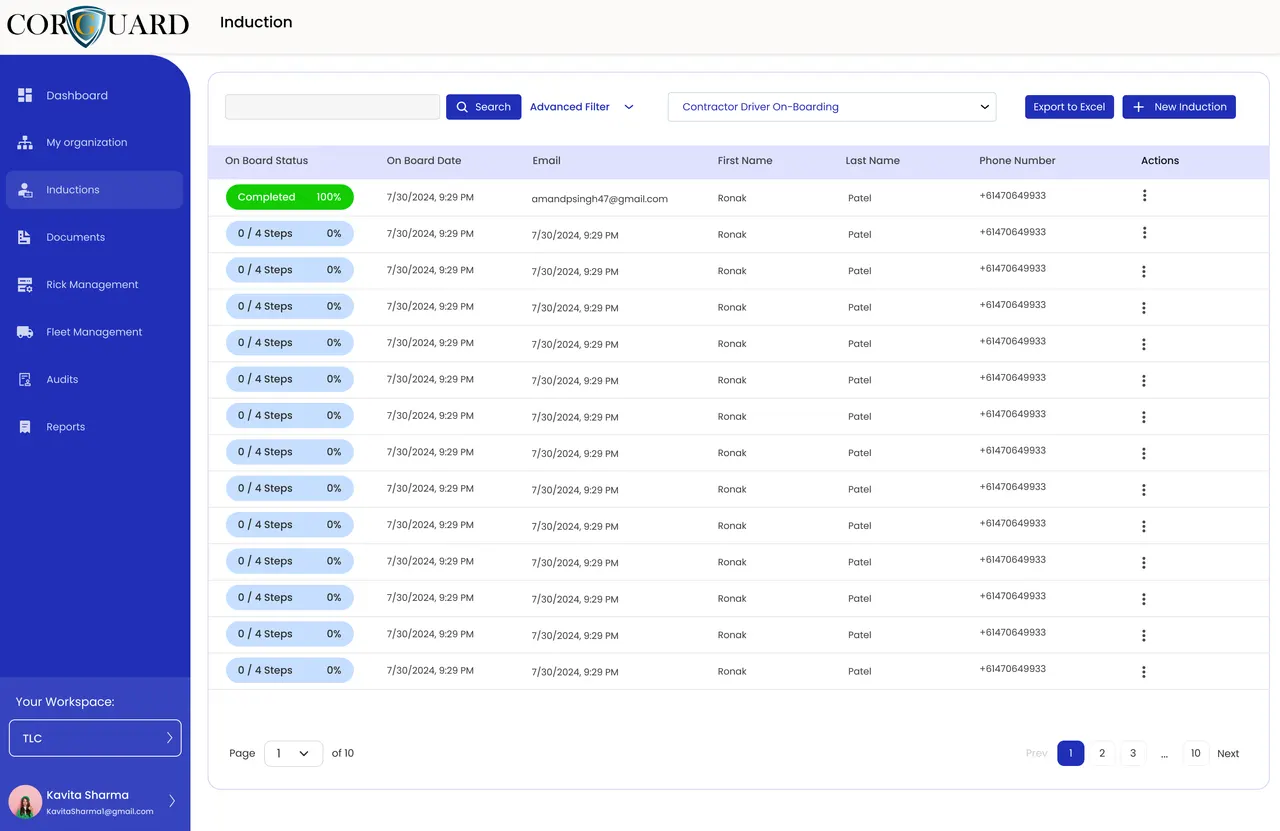
Training records
Connect training completion from cortraining.com.au to evidence and follow-up.
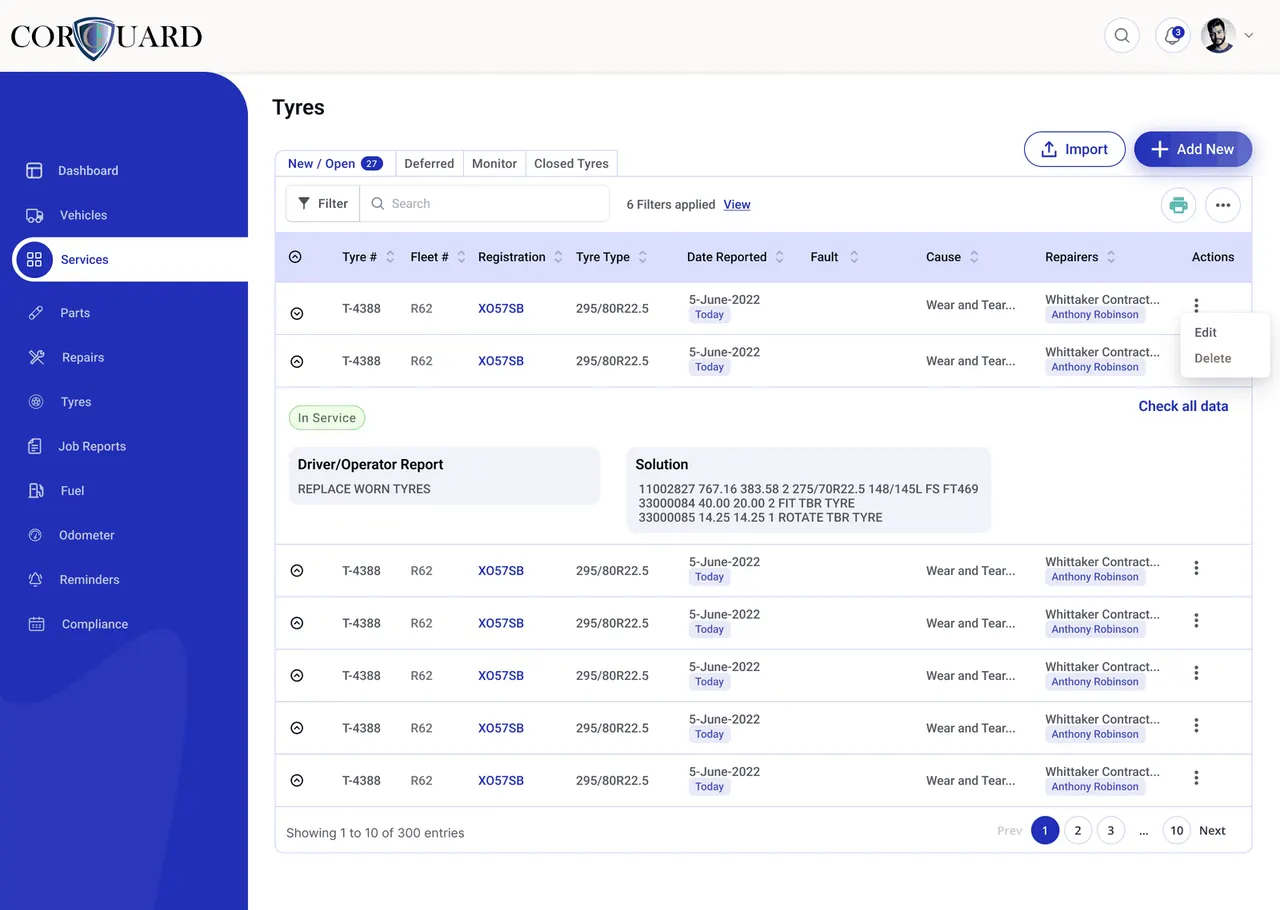
Driver diary checks
Connect fatigue and driver diary review back to manager visibility.
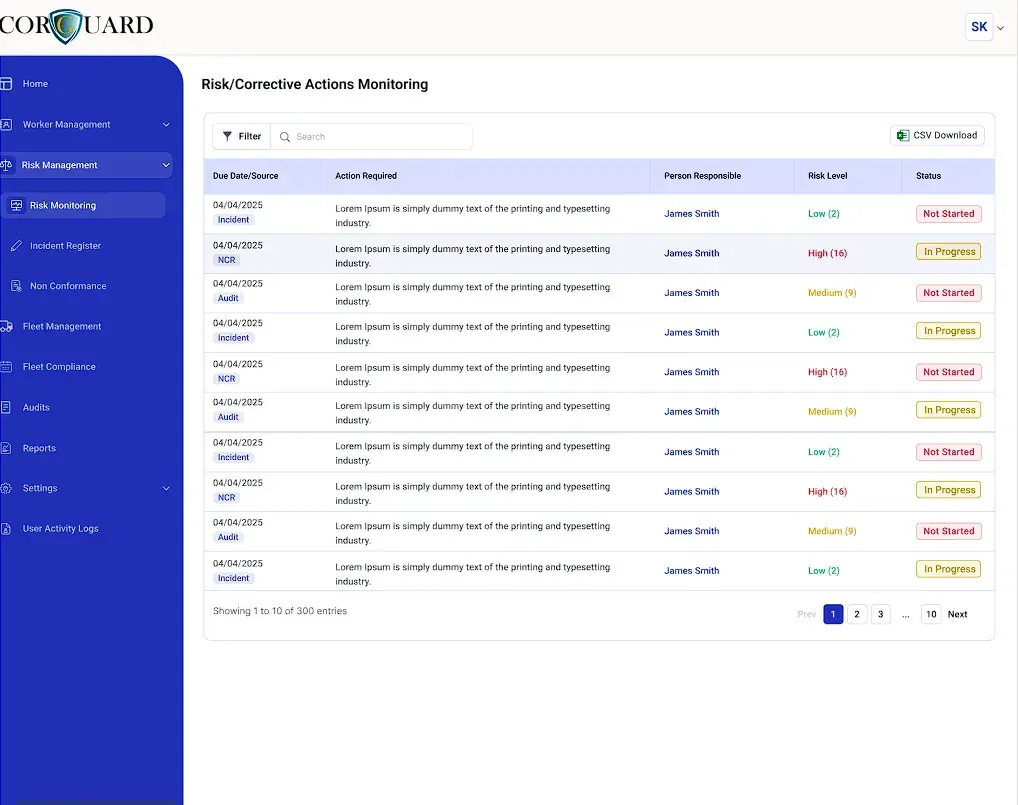
Corrective actions
Turn audit findings, hazards and incidents into tracked actions.
Keep exploring
Related Chain of Responsibility reading
MAEZ insight
Passing Emergency Vehicles – What Do you Need To Do?
It is now an enforceable requirement to slow down when passing an emergency on the road side. It may even be required to move into another lane, depending on where you are driving.
MAEZ insight
Basic Fatigue Management (or BFM) Accreditation
Advanced Fatigue Management (or AFM) differs to Basic Fatigue Management (or BFM) in that it requires much more policy framework, as well as procedures within the organisation.
MAEZ insight
What is CoR? | CoR = Chain Of Responsibility
CoR simply means, Chain of Responsibility. It is the acronym for chain of responsibility which is basically a phrase which industry has adopted in exchange for the National Heavy Vehicle National Law, which is also known as the HVNL.
MAEZ insight
Managing Your CoR Safety System?
Week after week in every state, we all hear and see news of trucks rolling over, truck drivers using drugs, trucks on fire and causing death and destruction.
MAEZ insight
The NHVR – Totally Irresponsible
In my view this is one of the most damaging articles to ever come from a governing body, that was put together to enhance a safety culture, amongst one of the most dangerous industries now in Australia.
MAEZ insight
Overloaded & Unrestrained
The owner and driver still have a duty of care. They must still ensure that their duty does not impact the lives of the employees, or the public. Even though they are not liable under the Heavy Vehicle National Law.
Frequently asked questions
Questions people ask about this topic
What is the purpose of Chain of Responsibility training for Australian transport operators?
Chain of Responsibility training gives transport businesses practical knowledge of HVNL duties, helps staff identify risks in day-to-day work, builds an active Safety Management System, and prepares the business for regulatory audits.
Who needs Chain of Responsibility training in a transport business?
Anyone who influences a heavy vehicle transport task should receive CoR training — including drivers, operators, schedulers, consignors, consignees, loaders, un-loaders, packers, loading managers, executives, and contractors.
What does the HVNL primary duty require of each party in the chain of responsibility?
Under the HVNL, each party must ensure, so far as is reasonably practicable, the safety of their transport activities. This includes eliminating or minimising public risks and ensuring their conduct does not cause or encourage a driver to contravene the law.
What is the difference between an active safety system and policies on a wall?
An active safety system has an ongoing working group that uses lead indicators to identify risks before harm occurs, logs them in a risk matrix, and develops controls. Policies on a wall are passive documents that nobody uses to manage real transport risk.
Does MAEZ deliver Chain of Responsibility training directly?
MAEZ provides the advisory and risk pathway, while Chain of Responsibility training is delivered through a dedicated training platform. Where software is needed, CoRGuard supports the Safety Management System evidence workflow with records, reminders, audits, and document control.