
MAEZ insight
Chain of Responsibility: 5 Quick Tips for Your Transport Business
Practical tips to help Australian transport businesses get started with Chain of Responsibility compliance—communication, internal champions, WHS integration, audits, and safety strategy.

Proof that freight promises do not create unsafe transport pressure.

Loading controls need evidence, not assumptions.
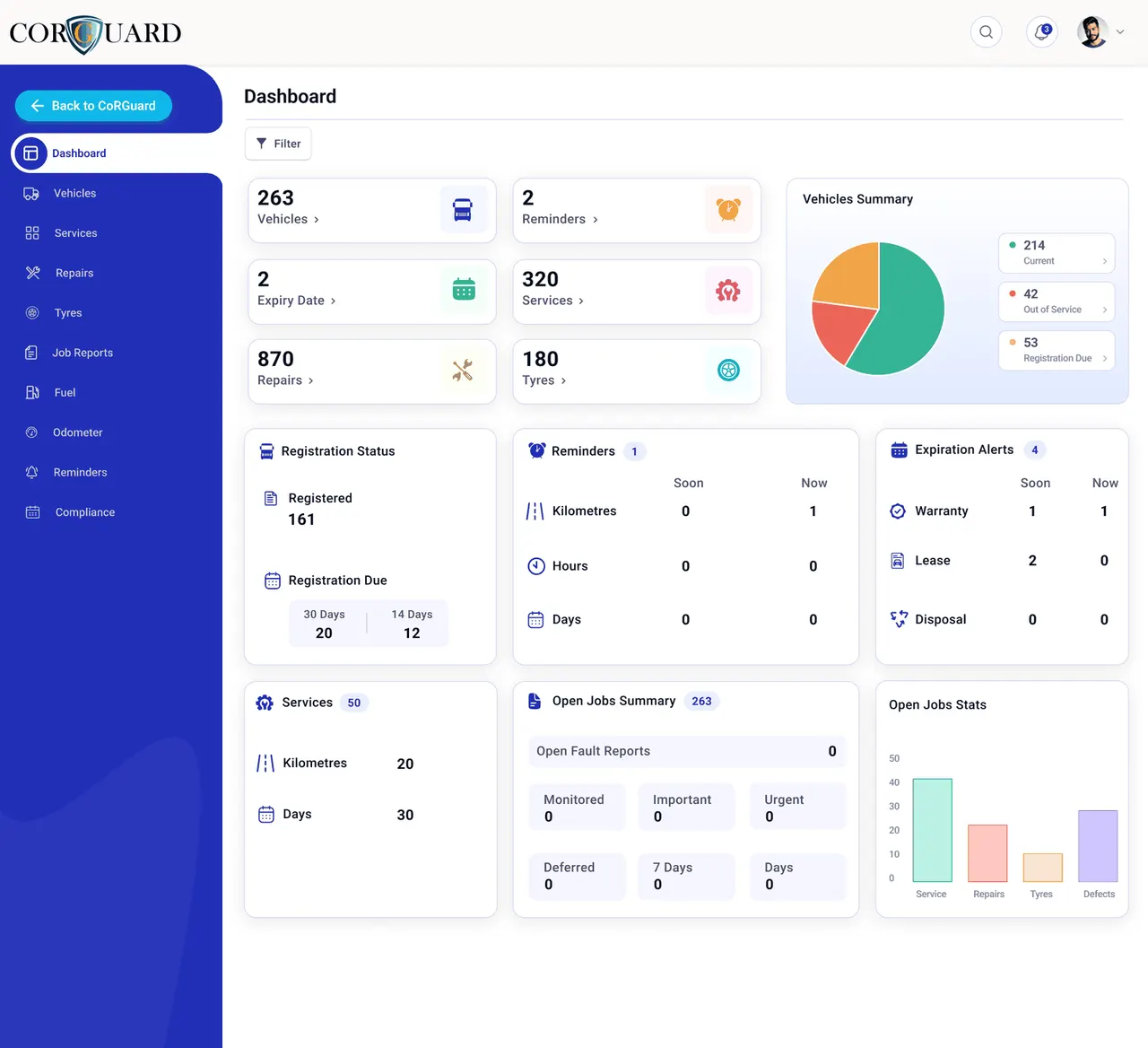
Daily fleet activity has to connect back to duties, controls, and review.

Due diligence means knowing whether the safety system is actually working.
Consignors
Freight terms, delivery windows, and KPIs must not push drivers into speed, fatigue, or mass breaches.
Consignees
Receiving rules, site access, and unloading delays are CoR controls that need to be set and evidenced.
Loaders
Mass, dimension, and load restraint decisions need documented checks, not assumptions.
Managers
Executives and managers need due-diligence evidence that the Safety Management System is actually working.
Why does Chain of Responsibility feel so daunting?
You're not the only one asking this question

Chain of Responsibility can feel overwhelming, but you can start making real progress today by opening communication across your supply chain, finding an internal CoR champion, integrating CoR into existing WHS processes, auditing your current position, and putting CoR into your business strategy and budget.
Under the Heavy Vehicle National Law (HVNL), every party in the supply chain shares responsibility for ensuring heavy vehicle safety. That broad reach is part of what makes CoR feel daunting — but it also means there are practical, manageable things you can do right now.
CoR is fast becoming the next 'Work Health and Safety'. For many businesses it feels new and unclear, and no one seems to know exactly what to do. If that sounds like your situation, you're not alone. Learn more at About Chain of Responsibility.
The good news is that a few simple steps can point you in the right direction — and none of them require you to have everything figured out before you start.
Tip 1: Open up communication across your supply chain
Invite drivers, vendors, and partners into the CoR conversation
One of the most common things people say when a CoR issue surfaces is: 'we just didn't know.' It's hard to manage risks you can't see, and the best way to surface those risks is open communication.
Invite people within your supply chain into your business to talk about CoR — whether they work for you directly or not. That includes drivers, vendors, loaders, consignors, and consignees.
What good communication looks like
- Regular conversations with drivers about fatigue, loads, and scheduling pressure
- Vendor discussions about delivery timeframes and whether they create unsafe transport expectations
- Sharing what you learn so that everyone in the chain understands their role
Open communication bridges the gap between relationships and helps you spot problems before they become breaches.
Tip 2: Find a CoR champion inside your business
You likely already have the skills you need
There are people in your business right now with skills and past experiences you may not know about. Someone who has worked around trucks, held a safety role, or dealt with procurement may be well placed to champion CoR internally.
Ask that person to take on CoR as a focus area. They can absorb a huge amount of responsibility and keep the topic moving forward.
Keep it practical
- Give your champion time and support to learn the CoR obligations
- Check in regularly on where things stand
- Remember that two sets of eyes are better than one — share the load
If you need external support, Chain of Responsibility Consulting can help your champion understand the risks that matter most.
Tip 3: Integrate CoR with your existing WHS processes
Mix something unknown with something familiar
Twenty years ago, Work Health and Safety (WHS) was new and unfamiliar to most businesses. Today, WHS is a well-established part of how every operation runs. You can use that familiarity to your advantage.
Rather than treating CoR as a separate, intimidating system, fold it into your existing WHS meetings and safety processes. Ask your champion to bring transport-related risks onto the WHS agenda.
Simple starting points
- Invite vendors to a WHS meeting and discuss transport safety expectations
- Add CoR as a standing agenda item in safety meetings
- Start addressing transport-specific risks alongside your existing safety topics
This approach helps CoR feel less like an add-on and more like a natural extension of what you already do.
Tip 4: Audit yourself to find out where you stand
An audit or gap analysis is your roadmap
If you're wondering where to start, an audit is one of the simplest ways to get a clear picture of your current CoR status. A gap analysis shows you what you're doing well and where the holes are — effectively a roadmap for what to fix next.
You don't have to be across everything yourself. There are experts who can help your business understand where to go next, even if you operate remotely.
What an audit gives you
- A snapshot of your current CoR position
- A clear list of gaps ranked by priority
- A practical plan for what to address first
For tailored support, contact MAEZ to arrange a review suited to your operation.
Tip 5: Put CoR into your business strategy and budget
Don't sit idle — plan and resource it now
Not everyone in your business will feel they need to know about CoR, but the reality is that everyone in the supply chain shares the obligation. As of 1 July 2018, businesses within any supply chain are just as responsible as the next party for compliance with the HVNL.
Sitting idle is the worst thing you can do. Get people into a training session or masterclass so they understand their obligations. Put CoR on people's agendas and start planning.
Practical actions
- Allocate budget for an audit, training, or a short CoR briefing for leaders
- Put CoR into the business strategy so it has visibility at the top
- Use teamwork to share the responsibility across roles and departments
Explore Chain of Responsibility Training options to get your team started.
Where to from here?
Strategise, communicate, invite, share, and delegate
Communication is the key to success with CoR. Make it a talking point in your business and start with your existing safety meetings — they already exist and are the natural home for this conversation.
Get people on board, including your vendors, and show that CoR is serious. The HVNL means business when it comes to improving safety on our roads. It's straightforward: strategise, communicate, invite, share, and delegate.
If you need help with audits, training designed for your business, or one-to-one advice, contact MAEZ today. You can also explore more MAEZ Insights for ongoing practical guidance.
How MAEZ works
Find the gaps. Fix the system. Prove the controls.
MAEZ helps transport operators deal with the compliance risk they already know is there. We help get the Safety Management System in order, protect NHVAS accreditation, reduce fine exposure, and connect training, evidence, and CoRGuard workflows where software is needed.
Find
Identify what is exposed before an auditor or regulator does.
Fix
Build the SMS controls around how the transport business actually runs.
Prove
Use CoRGuard where records, reminders, diaries, audits, and evidence need structure.
From advice to evidence
From MAEZ advice to a working Safety Management System
Advisory work should leave a practical implementation trail. These examples show how CoRGuard supports records, fatigue and driver diary checks, maintenance, audits, document control, inductions, corrective actions, and evidence review after MAEZ identifies the gaps.
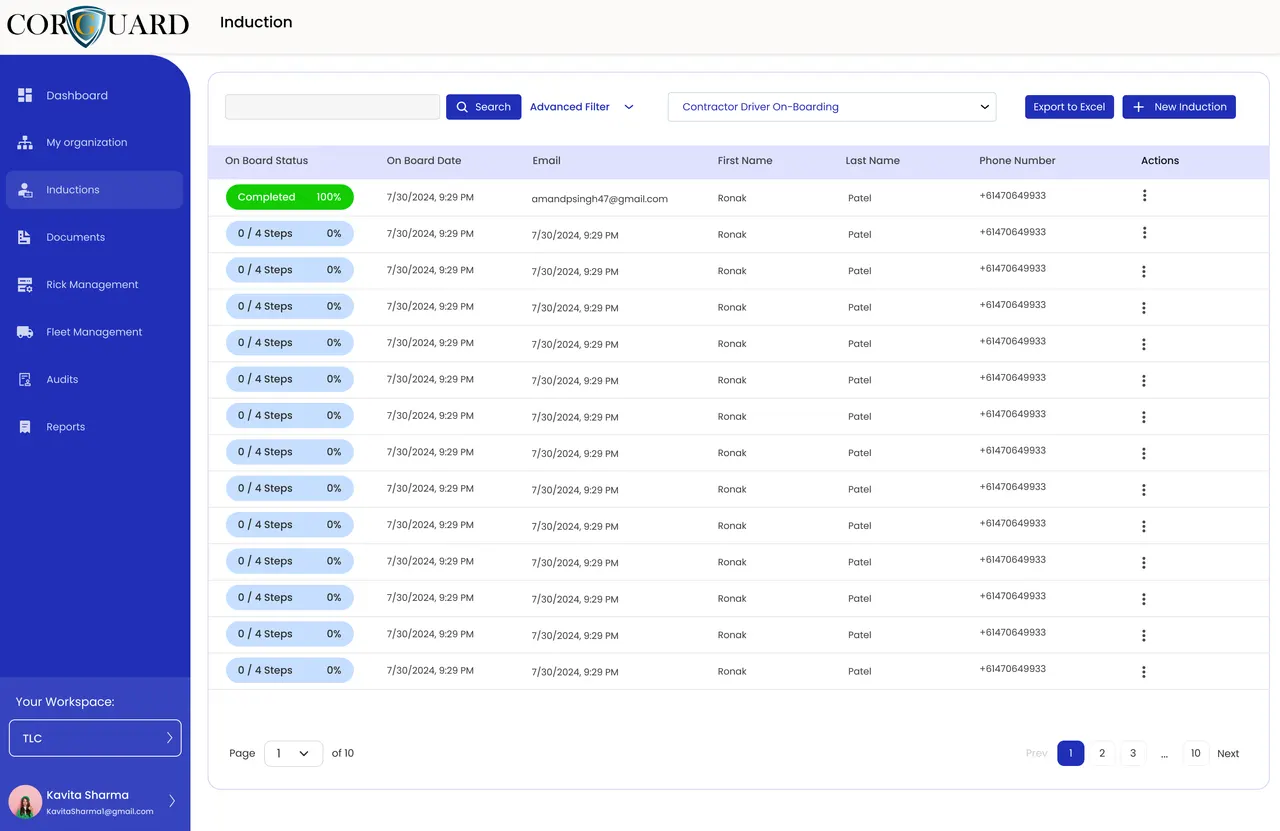
Training records
Connect training completion from cortraining.com.au to evidence and follow-up.
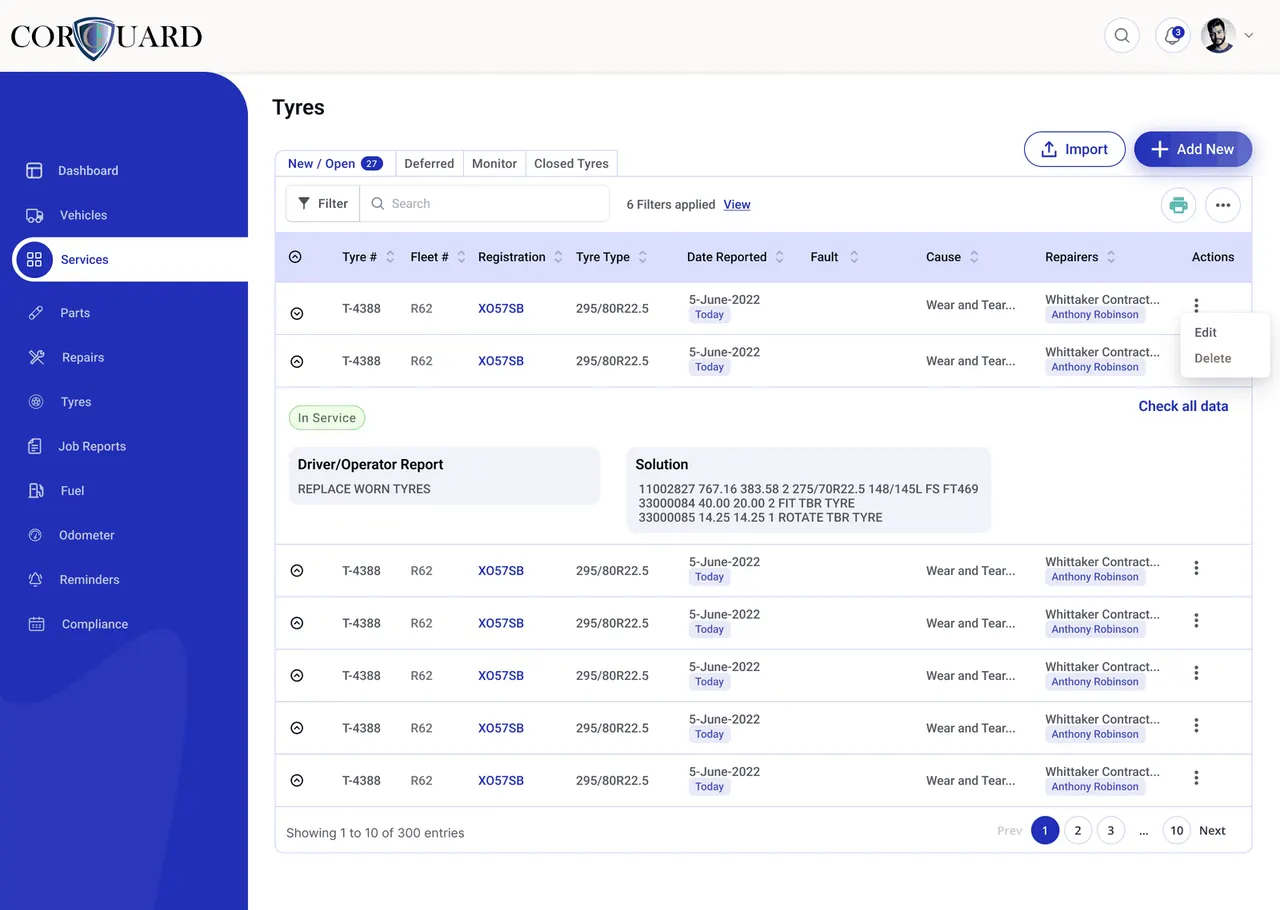
Driver diary checks
Connect fatigue and driver diary review back to manager visibility.
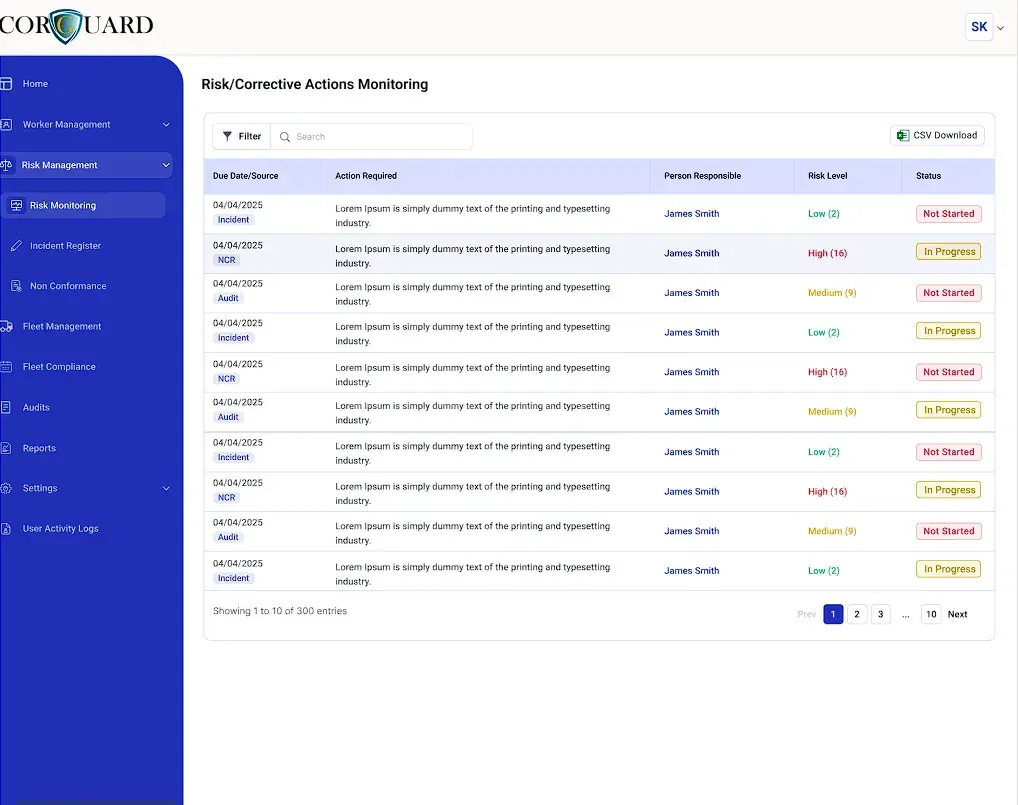
Corrective actions
Turn audit findings, hazards and incidents into tracked actions.
Keep exploring
Related Chain of Responsibility reading
MAEZ insight
Chain of Responsibility (or CoR) Training
Chain of Responsibility under the HVNL places a primary duty on anyone involved in a transport activity — training helps every duty holder understand and manage that risk.
MAEZ insight
Passing Emergency Vehicles – What Do you Need To Do?
It is now an enforceable requirement to slow down when passing an emergency on the road side. It may even be required to move into another lane, depending on where you are driving.
MAEZ insight
Basic Fatigue Management (or BFM) Accreditation
Advanced Fatigue Management (or AFM) differs to Basic Fatigue Management (or BFM) in that it requires much more policy framework, as well as procedures within the organisation.
MAEZ insight
What is CoR? | CoR = Chain Of Responsibility
CoR simply means, Chain of Responsibility. It is the acronym for chain of responsibility which is basically a phrase which industry has adopted in exchange for the National Heavy Vehicle National Law, which is also known as the HVNL.
MAEZ insight
Managing Your CoR Safety System?
Week after week in every state, we all hear and see news of trucks rolling over, truck drivers using drugs, trucks on fire and causing death and destruction.
MAEZ insight
The NHVR – Totally Irresponsible
In my view this is one of the most damaging articles to ever come from a governing body, that was put together to enhance a safety culture, amongst one of the most dangerous industries now in Australia.
Frequently asked questions
Questions people ask about this topic
What is the purpose of these five Chain of Responsibility tips?
These tips give Australian transport businesses a practical starting point for CoR compliance by focusing on communication, finding an internal champion, integrating CoR with existing WHS processes, auditing current gaps, and resourcing CoR through business strategy and budget.
Who should read this page?
This page is useful for owner-operators, transport managers, executives, consignors, consignees, loaders, schedulers, contractors, and anyone who influences a heavy vehicle transport task.
Why does Chain of Responsibility feel so overwhelming for many businesses?
Under the HVNL, every party in the supply chain shares responsibility for heavy vehicle safety, which creates broad obligations that feel new and unclear to many businesses — similar to how Work Health and Safety felt twenty years ago before it became routine.
How can I integrate CoR into what my business already does?
Start by adding CoR as a standing agenda item in your existing WHS safety meetings, invite vendors to discuss transport safety expectations, and ask an internal champion to bring transport-specific risks onto the WHS agenda.
What does an audit or gap analysis give me for CoR compliance?
An audit gives you a snapshot of your current CoR position, a clear list of gaps ranked by priority, and a practical plan for what to address first — serving as a roadmap for your next steps.