
MAEZ insight
Effective Strategies for Managing Global Supply Chain Risks
Discover effective global supply chain risk management strategies to mitigate operational challenges, manage compliance, and enhance supply chain resilience for Australian transport operators.

Managers need a clear view of gaps before audit or enforcement pressure arrives.

Contractor controls should be verified before the work starts.

Receiving windows, site rules, and unloading delays can all shape the transport task.
Unloading decisions can affect safety, scheduling, and responsibility.
Consignors
Freight terms, delivery windows, and KPIs must not push drivers into speed, fatigue, or mass breaches.
Consignees
Receiving rules, site access, and unloading delays are CoR controls that need to be set and evidenced.
Loaders
Mass, dimension, and load restraint decisions need documented checks, not assumptions.
Managers
Executives and managers need due-diligence evidence that the Safety Management System is actually working.
What is supply chain risk management?
A systematic approach to identifying and mitigating operational threats

Effective strategies for managing global supply chain risks involve systematically identifying, assessing, mitigating, and monitoring threats across your entire supply network. These include mapping supplier dependencies, diversifying sourcing, implementing inventory buffers, strengthening cybersecurity, and maintaining compliance with regulatory obligations such as the Heavy Vehicle National Law's Chain of Responsibility provisions.
Supply chain risk management (SCRM) is the systematic identification, assessment, and mitigation of threats that could disrupt your operations. These risks span supplier reliability, transportation vulnerabilities, geopolitical instability, natural disasters, and cybersecurity threats.
The process involves mapping your entire supply network. This includes tracking where materials originate, which suppliers provide critical components, and how goods move through transportation networks. Risk management strategies then layer protective measures across these touchpoints.
This systematic approach differs fundamentally from crisis response. Rather than reacting after problems emerge, you anticipate potential failure points and implement safeguards — such as alternative suppliers, inventory buffers, and contingency protocols — before disruptions materialise.
Why supply chain resilience matters
Protecting business continuity and meeting regulatory obligations
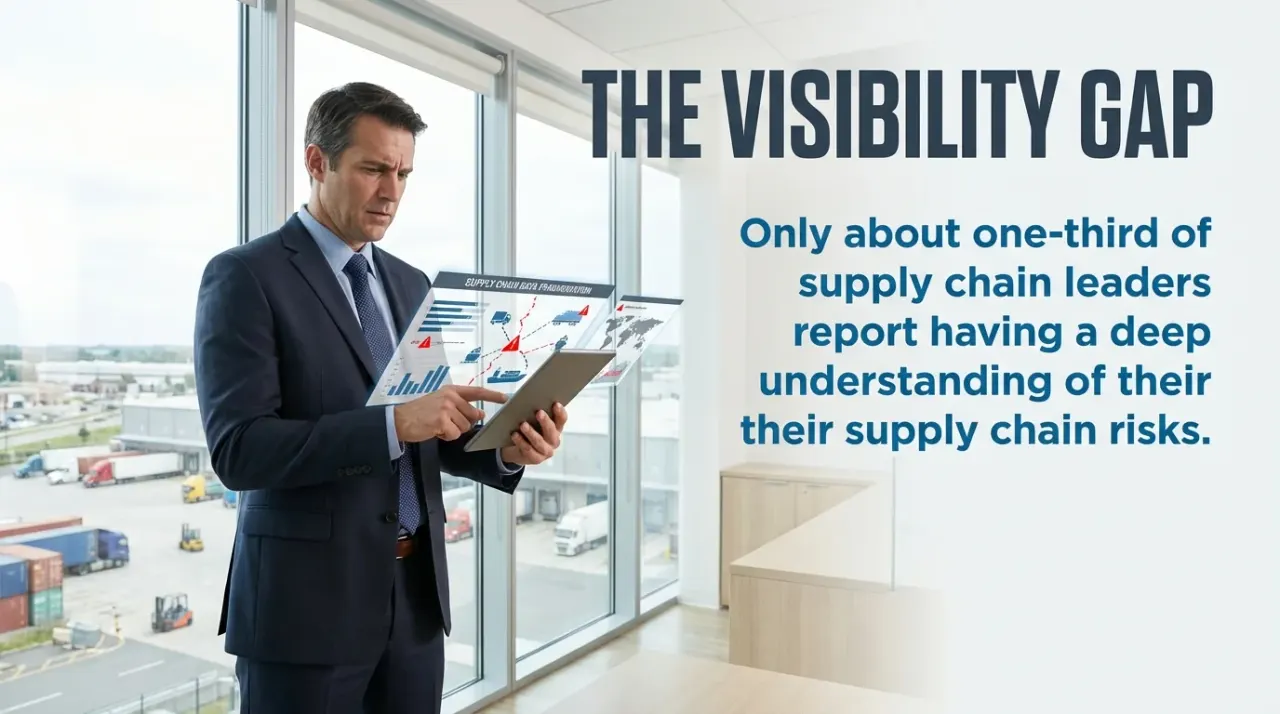
Global supply chains extend across borders, currencies, and regulatory environments. This complexity multiplies risk exposure significantly compared to domestic operations. A supplier disruption in one country can halt production thousands of kilometres away, while transportation delays at ports cascade through logistics networks.
Business continuity and competitive advantage
Strong supply chain risk management directly protects business continuity. When disruptions occur, you maintain operations while competitors scramble to source alternatives. This resilience translates to customer trust, as clients rely on consistent delivery schedules. Financial performance also benefits by reducing the direct costs of expedited shipping, production delays, and lost revenue.
Regulatory compliance
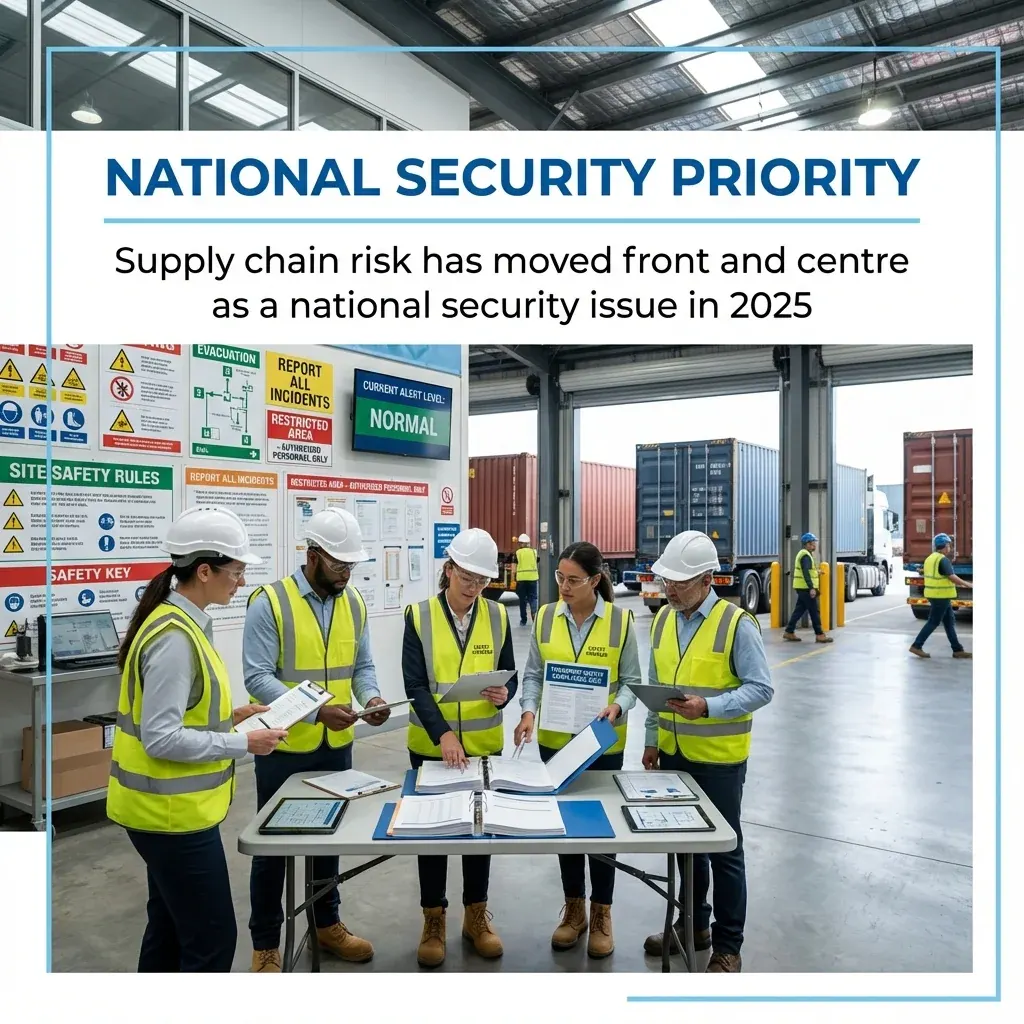
Supply chain risk has moved front and centre as a national security issue in 2025. Governments increasingly mandate transparency around sourcing, particularly for critical materials and technologies.
In the Australian transport sector, regulatory compliance means understanding your obligations under the Heavy Vehicle National Law (HVNL). Under the HVNL, the safety of transport activities is the shared responsibility of each party in the chain of responsibility, and a duty cannot be transferred to another person. Executives must exercise due diligence to ensure their legal entity complies with these safety duties.
For a deeper look at these duties, see our guide on Chain of Responsibilities: What Australian HVNL Duty Holders Need to Understand.
Core components of effective risk management
Four connected activities that build operational resilience
Supply chain risk management strategies operate through four connected activities. Each builds on the previous stage to create operational resilience.
- Risk identification: Maps potential threats across your supply network. You document supplier dependencies, transportation routes, and operational bottlenecks that could trigger disruptions.
- Risk assessment: Evaluates likelihood and impact. Not every identified risk warrants the same response, so you prioritise based on probability and potential business consequences.
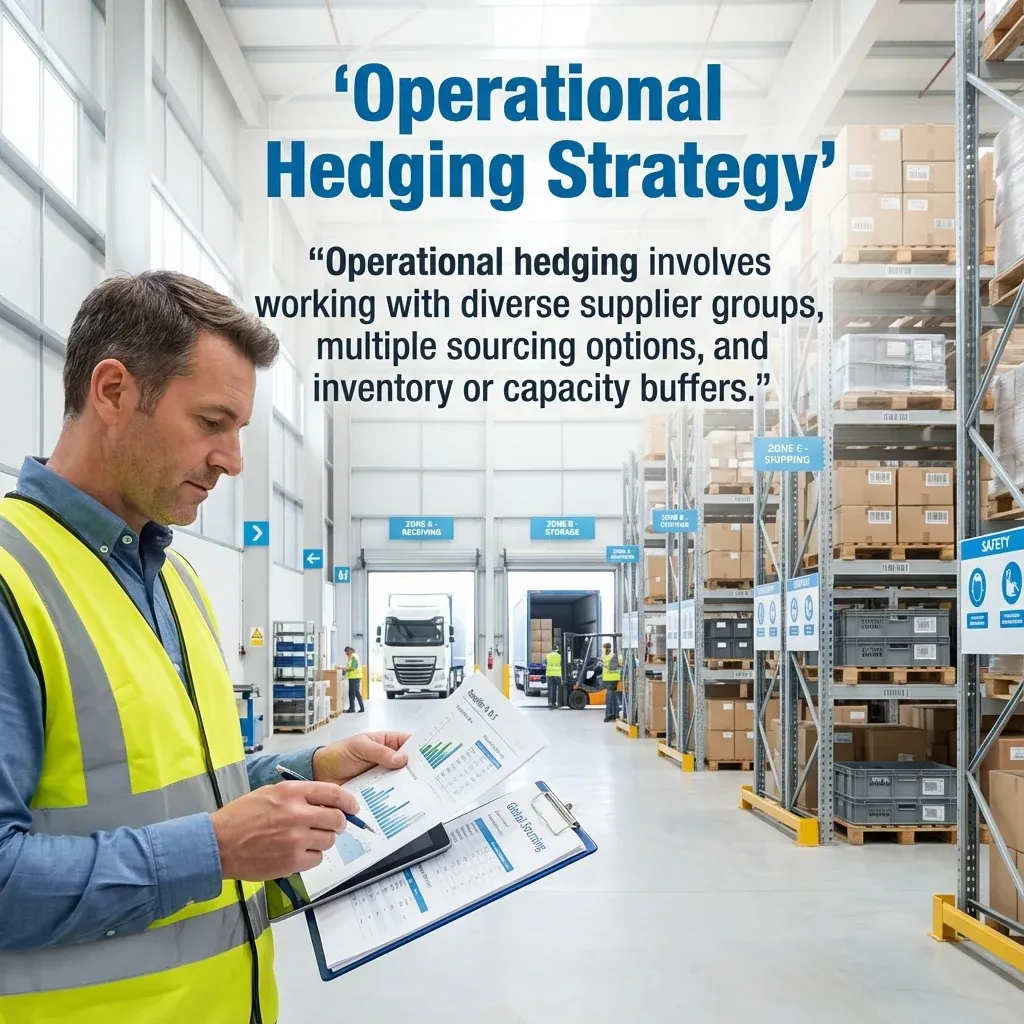
- Risk mitigation: Implements protective measures. These range from diversification of suppliers to inventory buffers, technology integration, and contractual safeguards.
- Continuous monitoring: Tracks emerging threats. Markets shift, suppliers face financial pressure, and geopolitical conditions evolve. Regular assessment ensures your strategies remain current.
These activities form a continuous cycle rather than a one-off project. As conditions change, the identification stage restarts, feeding new risks into the assessment and mitigation pipeline.
What are the main types of supply chain risks?
Understanding risk categories to build targeted protection strategies
Supply chain risks emerge from multiple sources, each requiring distinct mitigation approaches. Understanding these categories helps you build targeted protection strategies.
Supplier risk
Supplier risk stems from your vendors' operational stability, financial health, and compliance standards. Geographic concentration amplifies this risk: when multiple suppliers operate in the same region, a single event can eliminate several sourcing options simultaneously. Financial instability in suppliers creates subtle but significant threats, as a vendor struggling with cash flow may cut corners on quality or delay deliveries.
Geopolitical and climate risks
Geopolitical risks include trade policies, tariffs, sanctions, and political instability that disrupt cross-border supply chains. Natural disasters and climate risks disrupt transportation networks, damage facilities, and force temporary supplier closures. Climate change intensifies these risks, with extreme weather events occurring with greater frequency and severity in regions historically stable for operations.
Cybersecurity threats
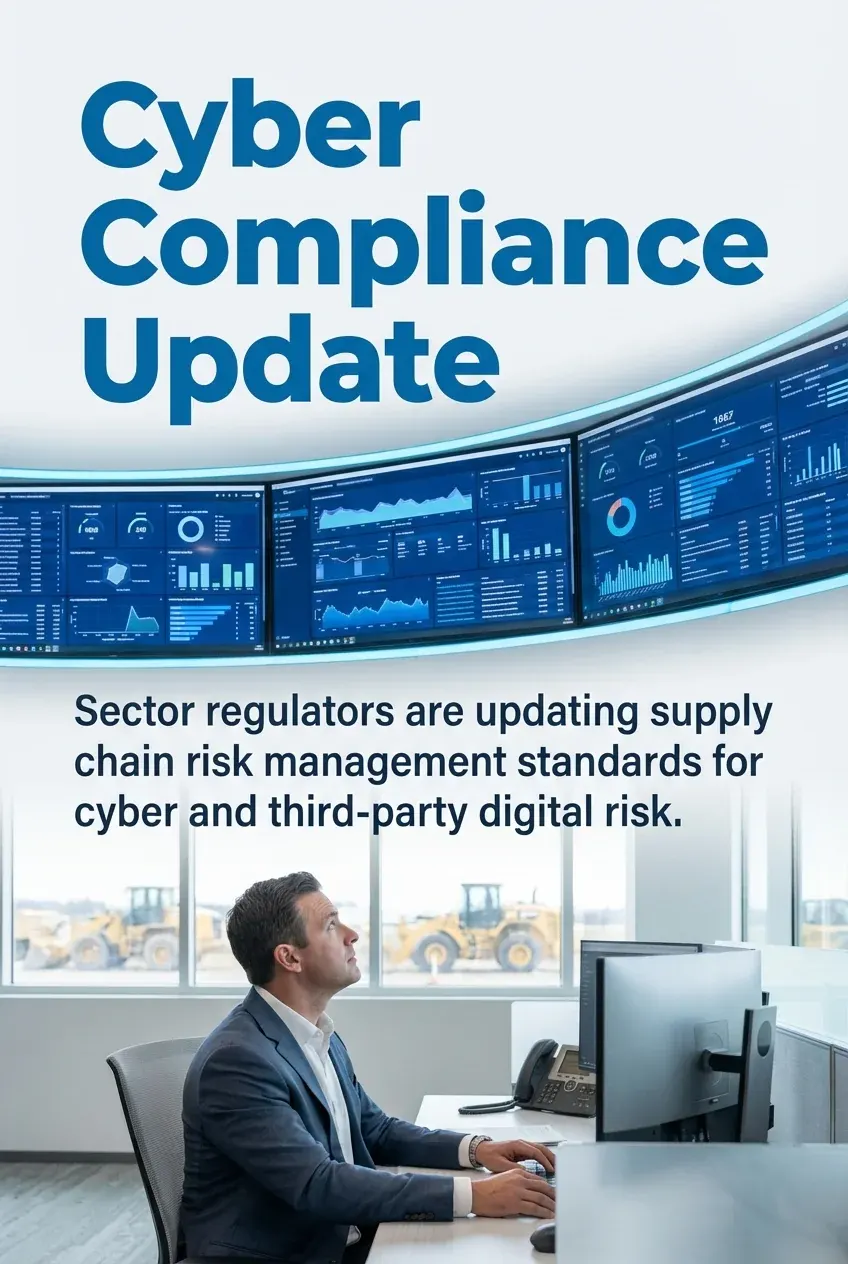
Cybersecurity threats target the digital infrastructure that coordinates modern supply chains. Regulators are tightening standards for cyber and third-party digital risk across critical supply chains. Ransomware attacks can paralyse logistics systems, and data breaches expose proprietary designs and pricing structures.
Transportation and logistics disruptions
Transportation disruptions stem from infrastructure failures, capacity constraints, and regulatory changes. New safety requirements, environmental standards, and cross-border documentation rules add complexity. For transport operators in Australia, managing these disruptions means staying Chain of Responsibility compliant and ensuring all parties meet their safety duties.
Managing common disruptions and compounding risks
How isolated incidents amplify into systemic challenges

Real-world challenges rarely arrive as isolated incidents. Supplier failures typically combine financial stress with operational issues. A vendor experiencing cash flow problems may delay payments to their own suppliers, creating cascade effects through the network.
Port congestion demonstrates how localised issues amplify systemically. When major shipping hubs experience delays, containers accumulate, ships wait for berth space, and logistics schedules collapse across multiple routes.
Compounding risk factors
The most severe disruptions occur when multiple risk factors converge. Supply chain resilience, tariffs, geopolitics, and digital transformation represent interconnected themes shaping investment decisions for manufacturers in 2025.
Organisations with limited supply chain visibility struggle to identify these compound risks before they trigger operational impacts. Mapping dependencies across your supply network reveals these potential convergence points.
The risk assessment process: Identify, assess, mitigate, monitor
A structured progression for practical risk mitigation
Structured risk assessment follows a systematic progression. Each stage builds the foundation for effective mitigation strategies.
Identify
Risk identification requires mapping your complete supply network to document every supplier, their geographic locations, and the specific materials or services they provide. Identify single points of failure where no alternative exists. These represent your highest vulnerability zones requiring immediate attention.
Assess
Evaluate each identified risk for likelihood and business impact. Prioritise risks that could halt operations, breach regulatory obligations, or damage customer relationships. Consider how risks interact — a supplier failure during peak season carries different consequences than the same failure during a quiet period.
Mitigate
Implement protective measures proportionate to each risk's priority. Supplier diversification, contractual safeguards, inventory buffers, and technology integration all play a role. For Australian transport operators, mitigation also means building a Safety Management System that addresses Chain of Responsibility obligations and keeps evidence of controls.
Monitor
To ensure your transport operations are prepared, MAEZ offers practical CoR consulting to help you identify and close compliance gaps using a chartered risk lens. Regular reviews keep your strategies current as markets shift and regulatory expectations evolve. Contact MAEZ for a practical review of the controls, evidence, training, and SMS gaps that matter most.
How MAEZ works
Find the gaps. Fix the system. Prove the controls.
MAEZ helps transport operators deal with the compliance risk they already know is there. We help get the Safety Management System in order, protect NHVAS accreditation, reduce fine exposure, and connect training, evidence, and CoRGuard workflows where software is needed.
Find
Identify what is exposed before an auditor or regulator does.
Fix
Build the SMS controls around how the transport business actually runs.
Prove
Use CoRGuard where records, reminders, diaries, audits, and evidence need structure.
From advice to evidence
From MAEZ advice to a working Safety Management System
Advisory work should leave a practical implementation trail. These examples show how CoRGuard supports records, fatigue and driver diary checks, maintenance, audits, document control, inductions, corrective actions, and evidence review after MAEZ identifies the gaps.
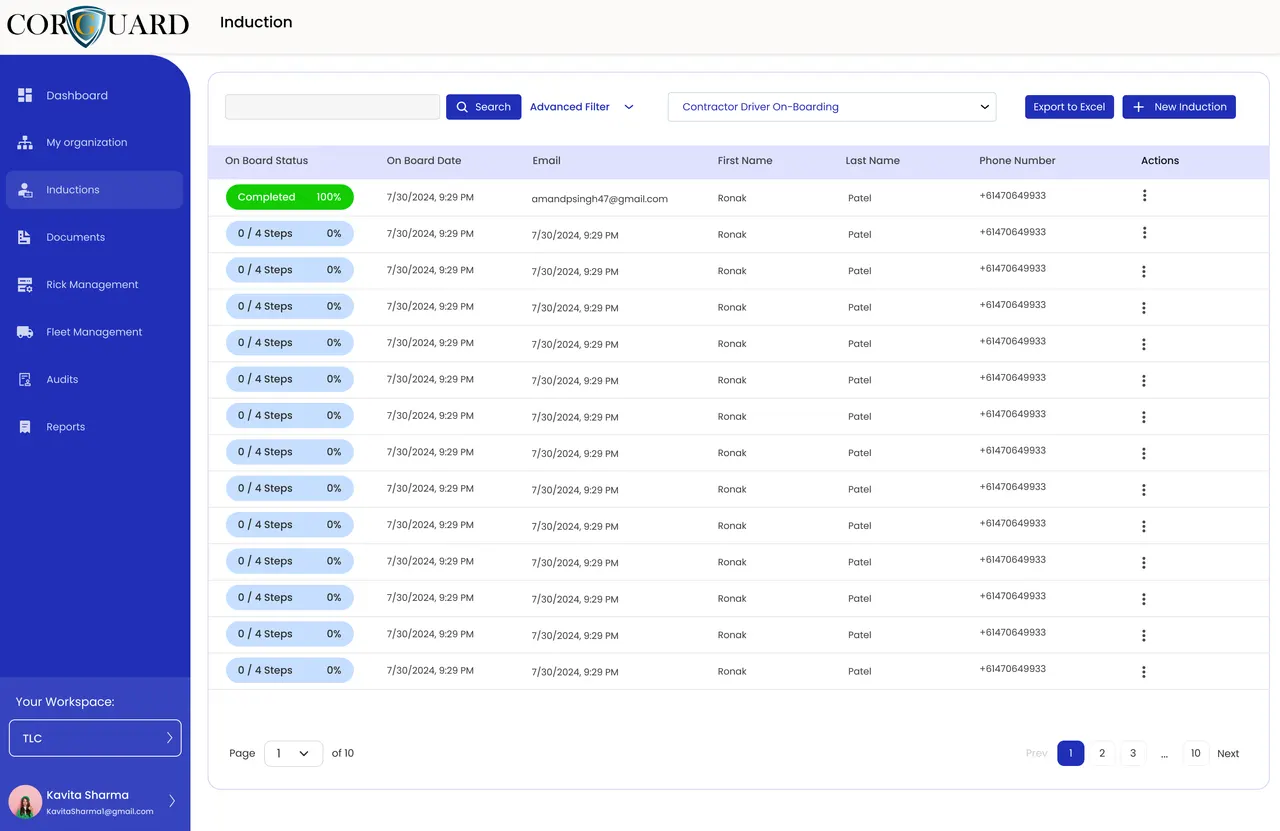
Training records
Connect training completion from cortraining.com.au to evidence and follow-up.
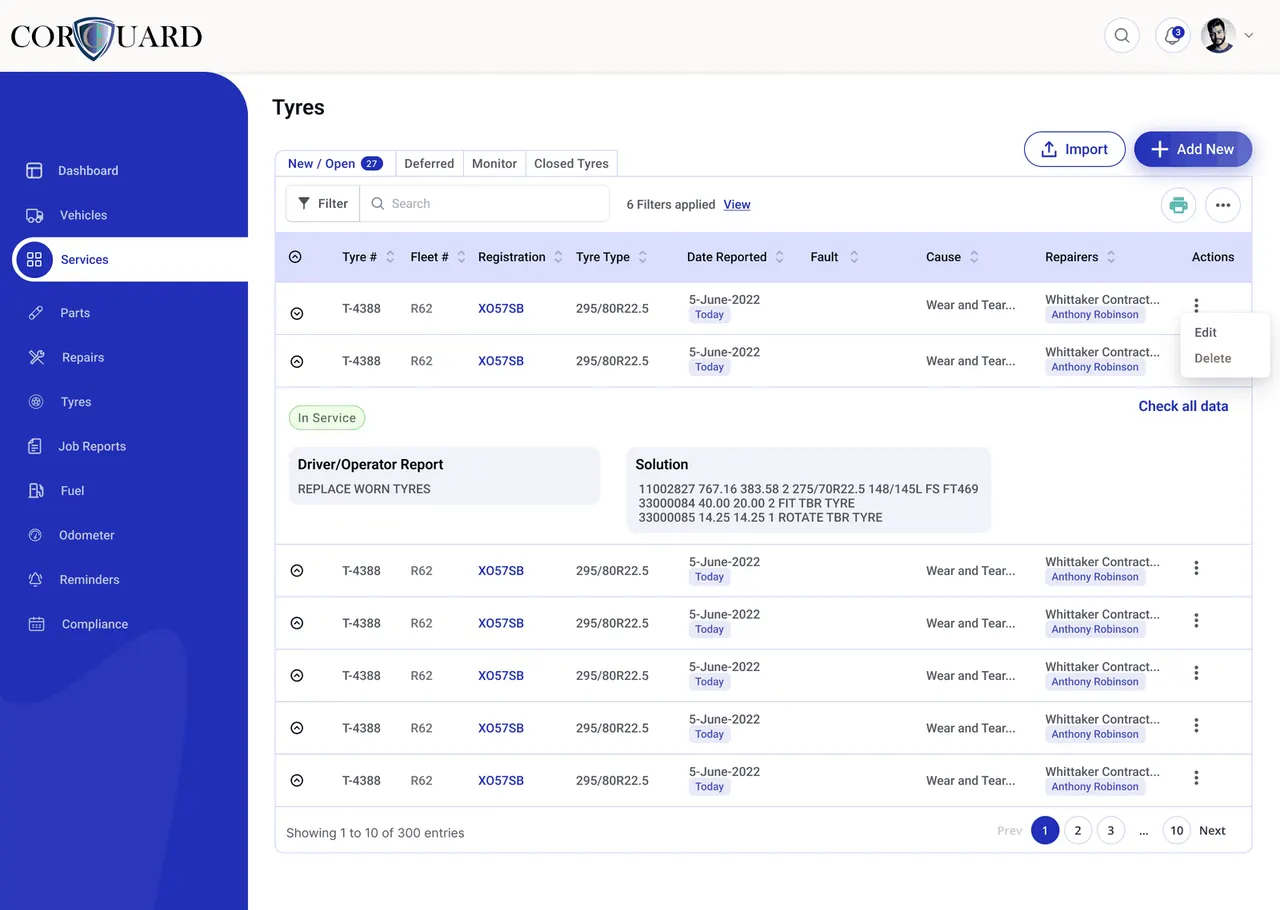
Driver diary checks
Connect fatigue and driver diary review back to manager visibility.
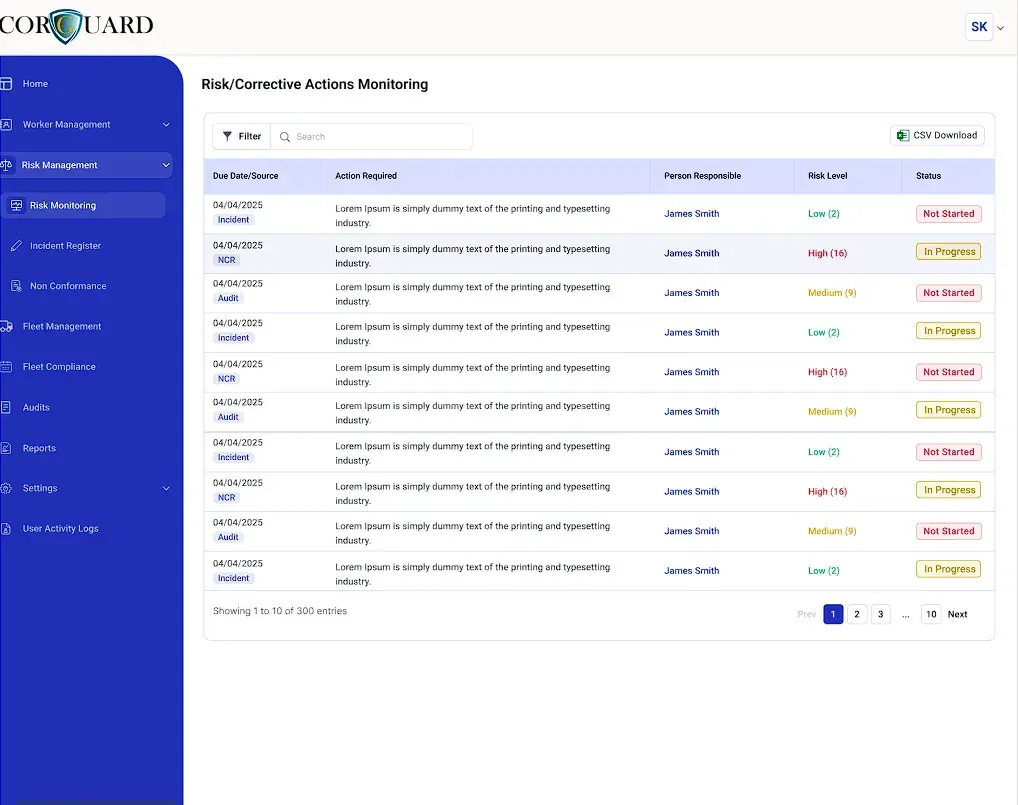
Corrective actions
Turn audit findings, hazards and incidents into tracked actions.
Keep exploring
Related Chain of Responsibility reading
MAEZ insight
Essential Chain of Responsibility Compliance Tips Explained
Discover essential chain of responsibility compliance tips to ensure safety and meet HVNL obligations. Stay informed and compliant with our expert advice.
MAEZ insight
Exploring Effective Safety Management System Examples
Discover effective Safety Management System examples to enhance workplace safety through structured frameworks and core components.
MAEZ insight
Understanding Key Components of a Safety Management System
Discover the crucial components of a safety management system, including Safety Policy and Risk Management, to enhance organizational safety outcomes.
MAEZ insight
Ensuring a Strong Chain of Responsibility: Key Steps
Learn how to ensure chain of responsibility with key steps for building reliable systems. Discover effective request distribution across handlers.
MAEZ insight
Ensuring CoR Compliance: A Comprehensive Guide
Discover how to ensure CoR compliance with our comprehensive guide, focusing on systematic safety management and regulatory adherence.
MAEZ insight
Understanding Safety Management System Software Essentials
Explore how Safety Management System software transforms incident prevention and compliance, offering essential tools for effective safety management.
Frequently asked questions
Questions people ask about this topic
What is supply chain risk management (SCRM)?
Supply chain risk management is the systematic identification, assessment, and mitigation of threats that could disrupt your operations, spanning supplier reliability, transportation vulnerabilities, geopolitical instability, natural disasters, and cybersecurity threats.
How does the Heavy Vehicle National Law affect supply chain risk for Australian operators?
Under the HVNL, the safety of transport activities is the shared responsibility of each party in the chain of responsibility, and executives must exercise due diligence to ensure their legal entity complies with these safety duties. A duty under the law cannot be transferred to another person.
What are the four core components of effective supply chain risk management?
The four core components are risk identification (mapping threats across your supply network), risk assessment (evaluating likelihood and impact), risk mitigation (implementing protective measures), and continuous monitoring (tracking emerging threats to keep strategies current).
How do compounding risks affect supply chain resilience?
Compounding risks occur when multiple risk factors converge, such as supplier financial stress combining with geopolitical instability or transportation delays. These convergence points create the most severe disruptions and require dependency mapping across your supply network to identify before they trigger operational impacts.
Who should read about global supply chain risk management strategies?
This page is useful for owner-operators, transport managers, executives, consignors, consignees, loaders, schedulers, contractors, and anyone who influences transport activities or has Chain of Responsibility obligations under the HVNL.