
MAEZ insight
Exploring Effective Safety Management System Examples
Discover effective Safety Management System (SMS) examples and core components — policy, risk management, assurance, and promotion — to strengthen transport safety and CoR compliance.

Due diligence means knowing whether the safety system is actually working.

Proof that freight promises do not create unsafe transport pressure.

Loading controls need evidence, not assumptions.
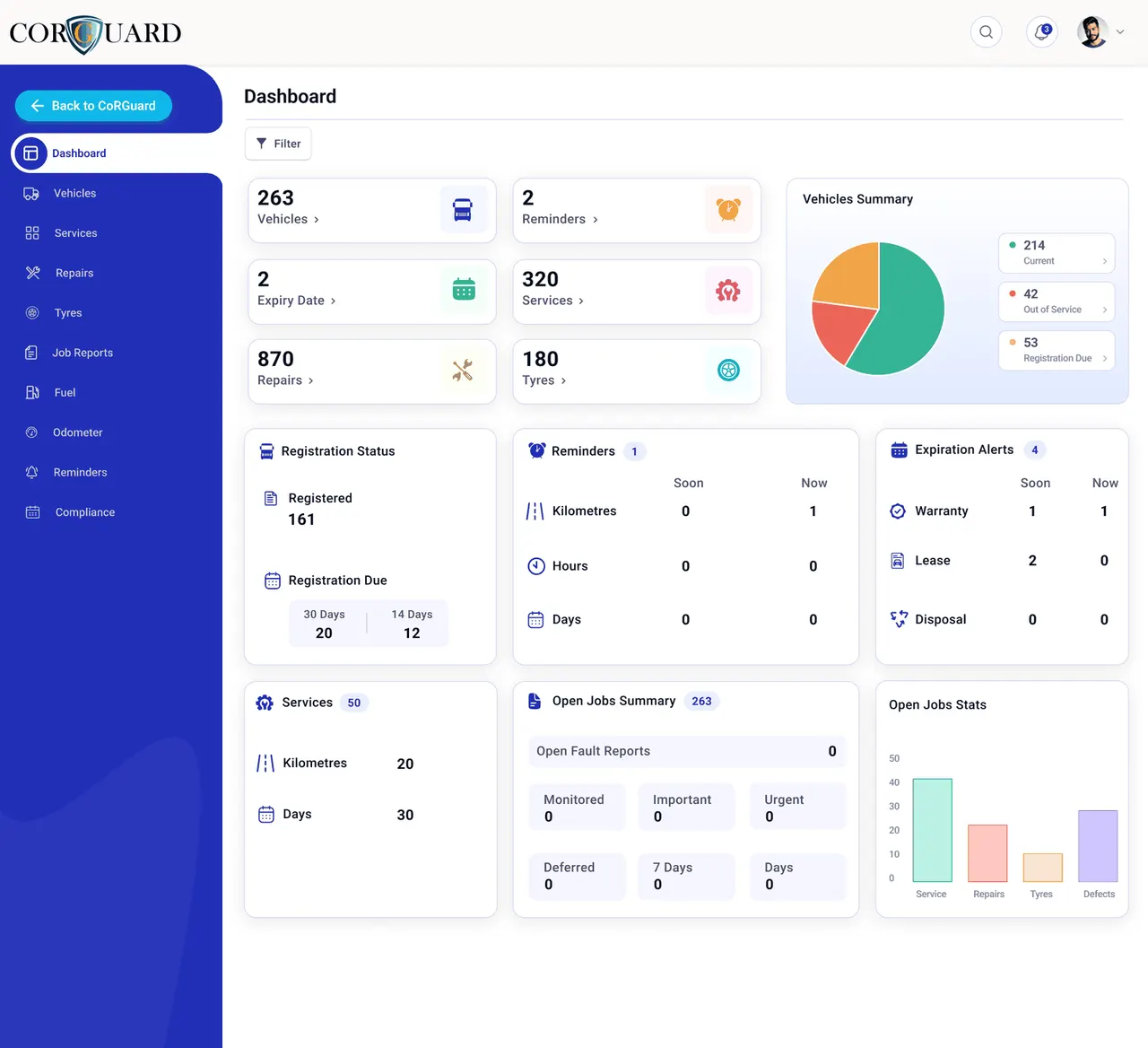
Daily fleet activity has to connect back to duties, controls, and review.
Consignors
Freight terms, delivery windows, and KPIs must not push drivers into speed, fatigue, or mass breaches.
Consignees
Receiving rules, site access, and unloading delays are CoR controls that need to be set and evidenced.
Loaders
Mass, dimension, and load restraint decisions need documented checks, not assumptions.
Managers
Executives and managers need due-diligence evidence that the Safety Management System is actually working.
What is a Safety Management System?
A structured framework for managing safety risks
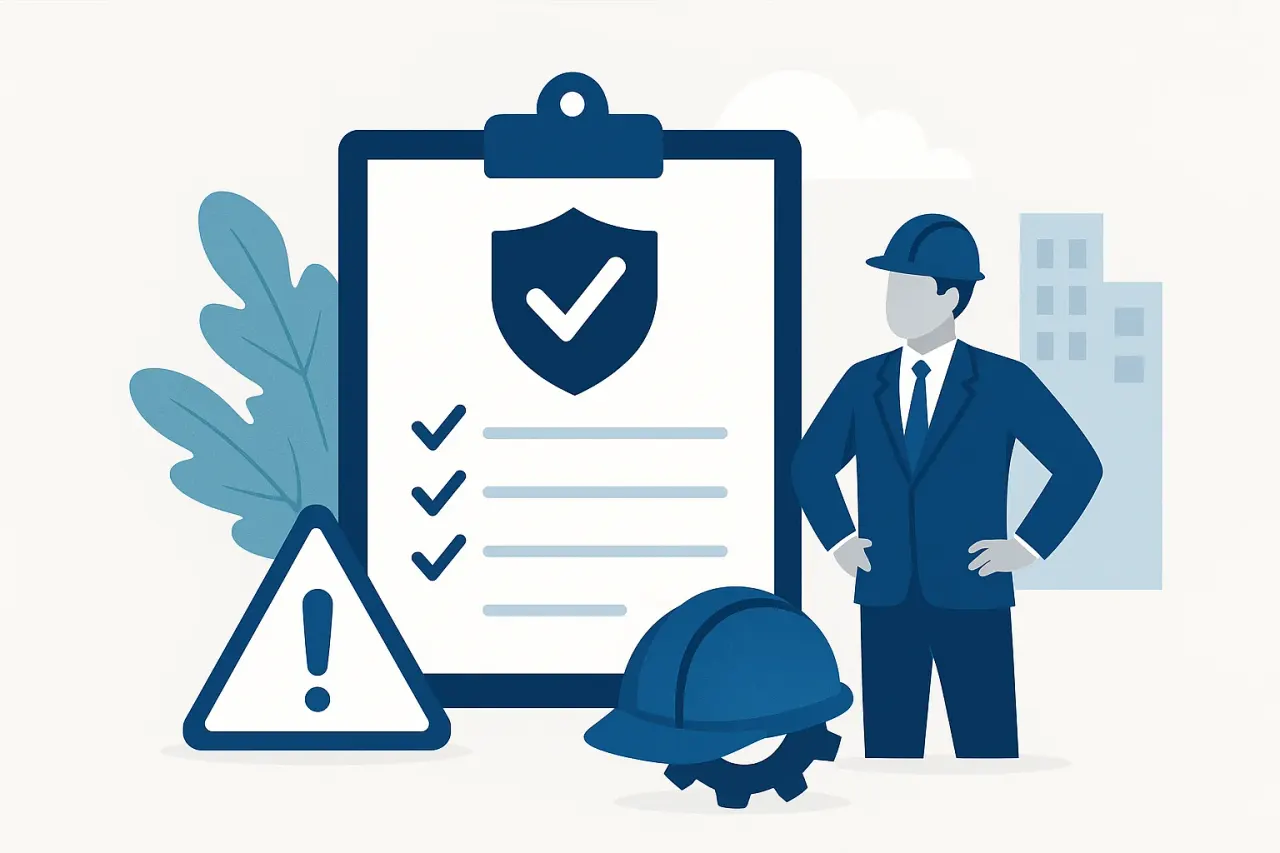
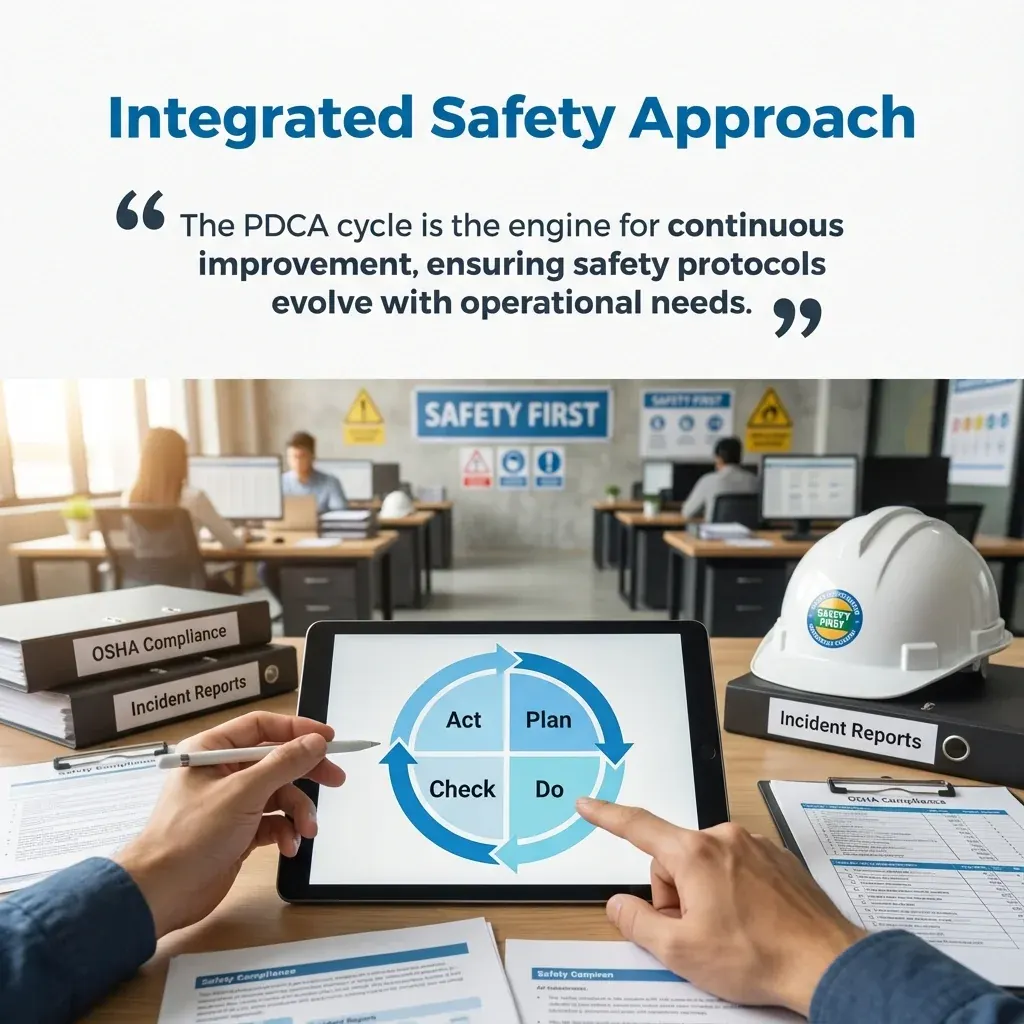
An effective Safety Management System (SMS) is a documented, systematic framework that integrates safety into every business process and decision rather than treating it as a reactive compliance task. It uses a risk-based Plan-Do-Act-Check cycle — establishing policies, implementing controls, monitoring performance, and reviewing results — so organisations can identify hazards, manage risks, and produce evidence of due diligence.
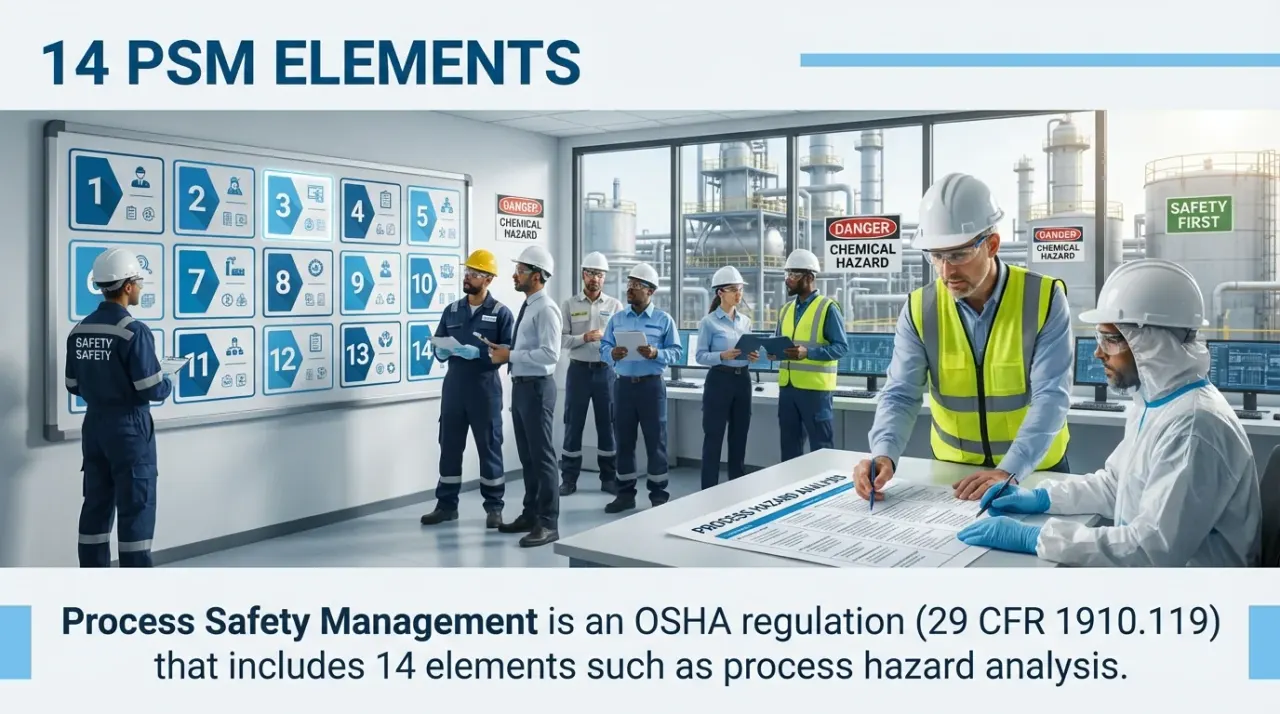
Written procedures ensure consistency across shifts and locations while providing vital records for regulatory compliance. Different industries operate under varying frameworks — aviation follows ICAO standards, chemical facilities comply with Process Safety Management regulations, and construction faces standards addressing changing site conditions. Despite these differences, all mature frameworks converge on similar principles: hazard identification, risk assessment, control implementation, performance monitoring, and management review.
For Australian transport operators, an SMS connects daily fleet activity back to Chain of Responsibility duties, NHVAS requirements, and WHS obligations — creating a practical evidence trail rather than a paper exercise.
What makes an SMS effective?
Core characteristics of successful systems
Effective SMS implementations share several defining characteristics, regardless of industry or organisation size. These elements separate mature safety systems from static, paper-based compliance exercises.
Leadership commitment
Leadership appears in every successful system, demonstrated through dedicated resource allocation and active participation in safety decisions. Without visible executive engagement, safety policies lose authority.
Worker participation
Frontline employees often identify hazards management cannot see from their vantage point. Systems that encourage reporting and incorporate worker feedback consistently outperform top-down approaches.
Data-driven decision making
Mature systems track leading indicators — such as near-miss reports and audit findings — alongside lagging indicators like injury rates to measure performance accurately and predict future risks.
Continuous improvement
Regular reviews identify gaps, changing conditions, and emerging risks requiring updated controls, ensuring the system evolves alongside the business.
The four pillars of an effective SMS
Integrated components that support safety performance
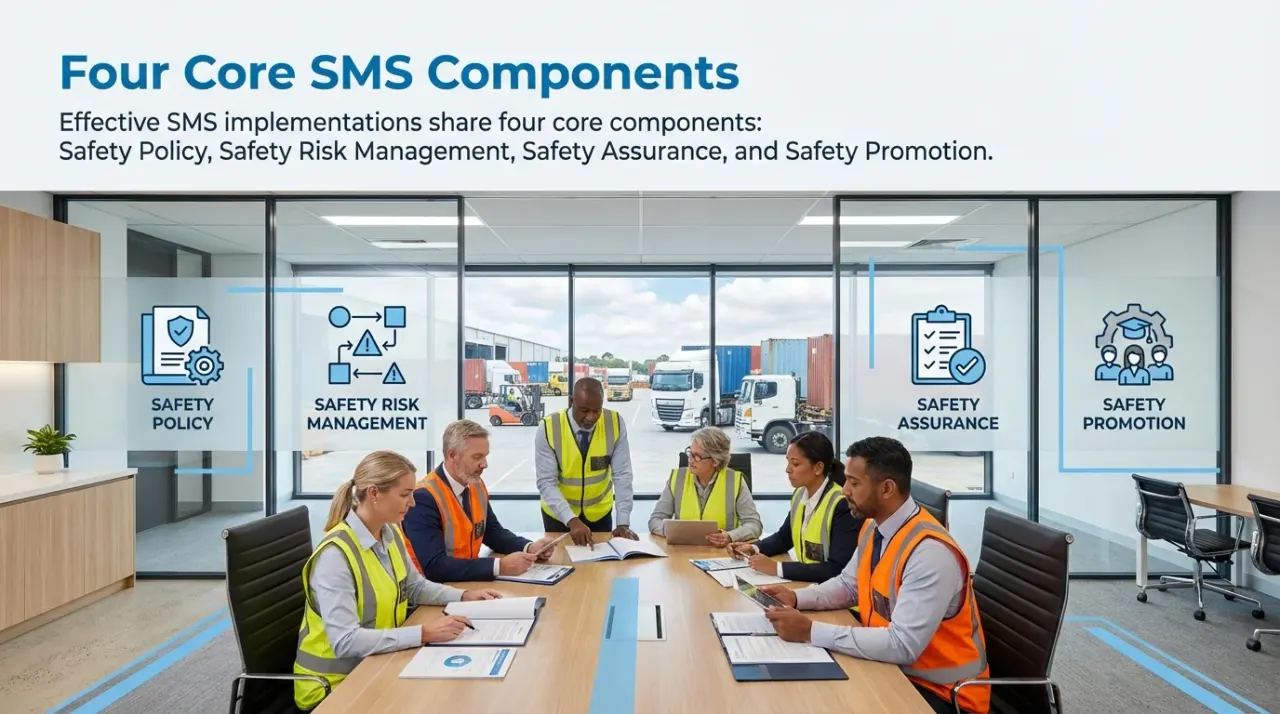
Effective SMS frameworks rest on four interconnected components. These elements function as an integrated system rather than isolated activities — weakness in any single pillar undermines overall safety performance.
Safety Policy and Objectives
Safety policy establishes the organisation's commitment to safety and sets the overall direction. Effective policies move beyond generic commitments to include specific, measurable objectives — for example, reducing recordable injuries by a set percentage over a defined timeframe. The policy defines accountability at all organisational levels and aligns safety objectives with overall business goals.
Safety Risk Management Processes
Safety Risk Management (SRM) forms the analytical core of the system. It involves systematic hazard identification, risk assessment, and control implementation. Control selection follows the hierarchy of controls principle:
- Elimination and substitution (most effective)
- Engineering controls
- Administrative controls
- Personal protective equipment (least effective)
Safety Assurance Mechanisms
Safety Assurance (SA) verifies that implemented controls work as intended and that the SMS achieves its objectives. This pillar includes audits, inspections, and performance monitoring. Compliance audits check whether procedures are followed, while effectiveness audits assess whether procedures actually reduce risks. Management review meetings analyse this data to make system adjustments.
Safety Promotion and Culture Building
Safety Promotion creates the human element connecting all other components. This pillar encompasses training, communication, and culture development. Non-punitive reporting systems are essential — when workers fear punishment for reporting near-misses, organisations lose valuable information about emerging risks.
How aviation applies SMS principles
The ICAO framework as a proven example
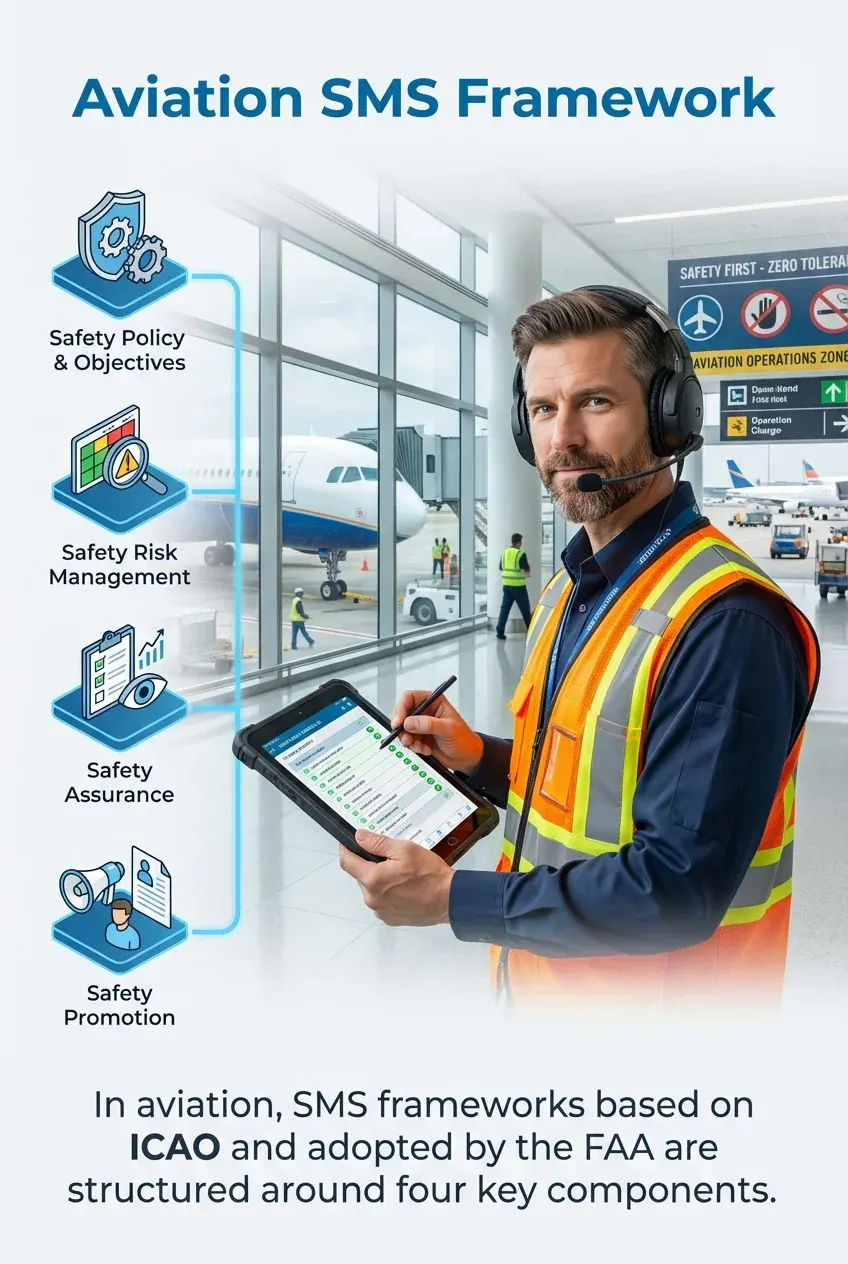
Aviation pioneered formal SMS adoption, driven by the International Civil Aviation Organization's (ICAO) standards. Aviation SMS frameworks are structured around the same four key components: Safety Policy, Safety Risk Management, Safety Assurance, and Safety Promotion. The aviation model influenced SMS development across other sectors due to its maturity and proven effectiveness.
ICAO Annex 19 establishes international standards for SMS in aviation, applying to airlines, airports, air traffic services, and maintenance organisations. State authorities like the FAA, EASA, and CASA develop regulations implementing these standards, specifying documentation requirements, implementation timelines, and oversight processes.
Airline SMS implementation
Airlines implement SMS across all operational departments, including flight operations, maintenance, ground handling, and dispatch. Key features include:
- Confidential reporting systems for flight crews
- Safety databases for identifying trends and emerging risks
- Regular safety audits examining compliance and operational effectiveness
- Corrective actions tracked through to completion
- Crew resource management training and safety bulletins
This proactive approach allows airlines to manage dynamic risks in constantly changing operational conditions.
Applying SMS principles in Australian transport
From aviation maturity to practical CoR readiness
Australian transport operators can adopt the same four-pillar structure to strengthen their own Chain of Responsibility controls and safety management practices. The principles translate directly: safety policy aligns with executive due diligence under the HVNL, risk management maps to hazard identification and control implementation, safety assurance connects to audits and NHVAS reviews, and safety promotion links to CoR training and culture development.
The key difference is operational — transport businesses need controls built around how the fleet actually runs: driver fatigue management, loading and unloading procedures, maintenance scheduling, and document control. An SMS that reflects real daily activity produces evidence an auditor or regulator can follow.
Where structured records, reminders, audits, maintenance, driver diary checks, inductions, corrective actions, and evidence reporting are needed, MAEZ advisory work identifies the gaps and the implementation pathway. The result is a system that connects training, evidence, and operational workflows into a defensible safety framework.
If you need a practical review of the controls, evidence, training, and SMS gaps that matter most, contact MAEZ to get started.
How MAEZ works
Find the gaps. Fix the system. Prove the controls.
MAEZ helps transport operators deal with the compliance risk they already know is there. We help get the Safety Management System in order, protect NHVAS accreditation, reduce fine exposure, and connect training, evidence, and CoRGuard workflows where software is needed.
Find
Identify what is exposed before an auditor or regulator does.
Fix
Build the SMS controls around how the transport business actually runs.
Prove
Use CoRGuard where records, reminders, diaries, audits, and evidence need structure.
From advice to evidence
From MAEZ advice to a working Safety Management System
Advisory work should leave a practical implementation trail. These examples show how CoRGuard supports records, fatigue and driver diary checks, maintenance, audits, document control, inductions, corrective actions, and evidence review after MAEZ identifies the gaps.
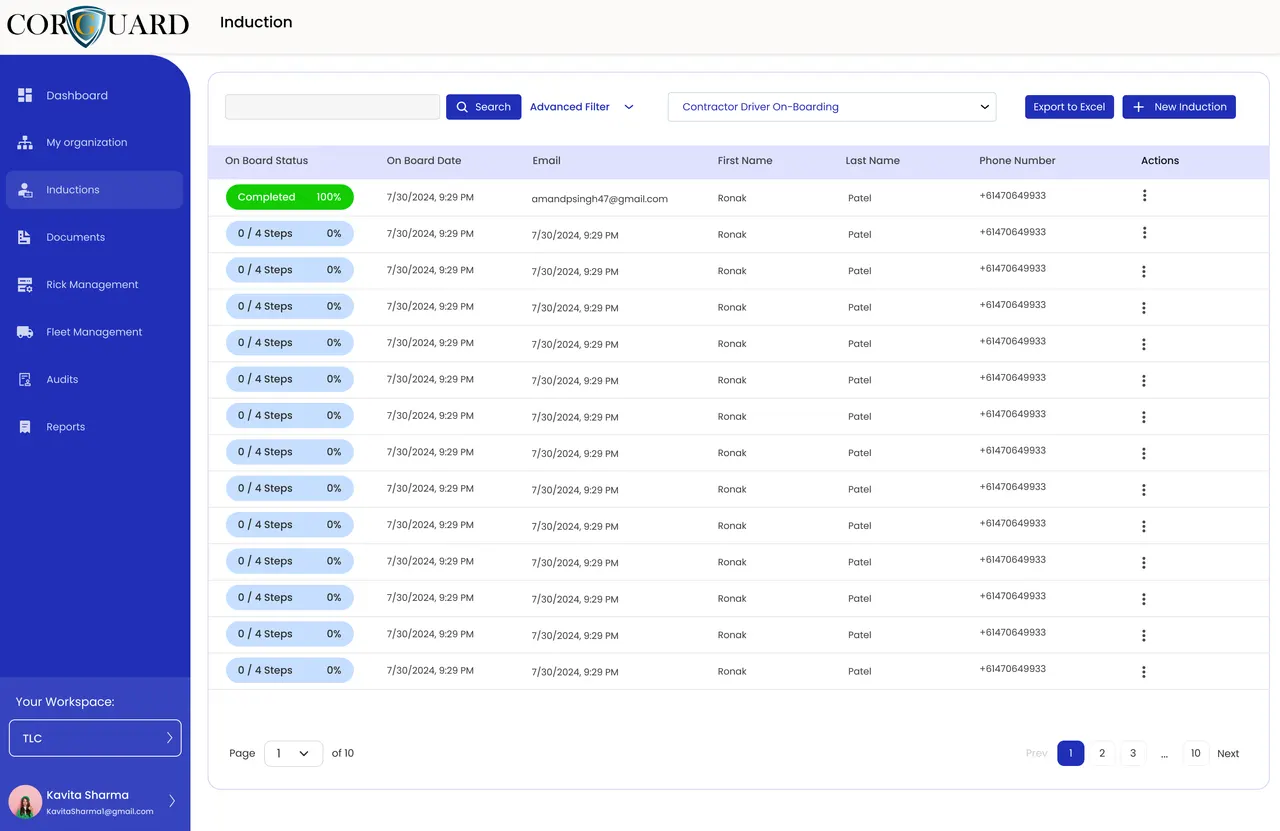
Training records
Connect training completion from cortraining.com.au to evidence and follow-up.
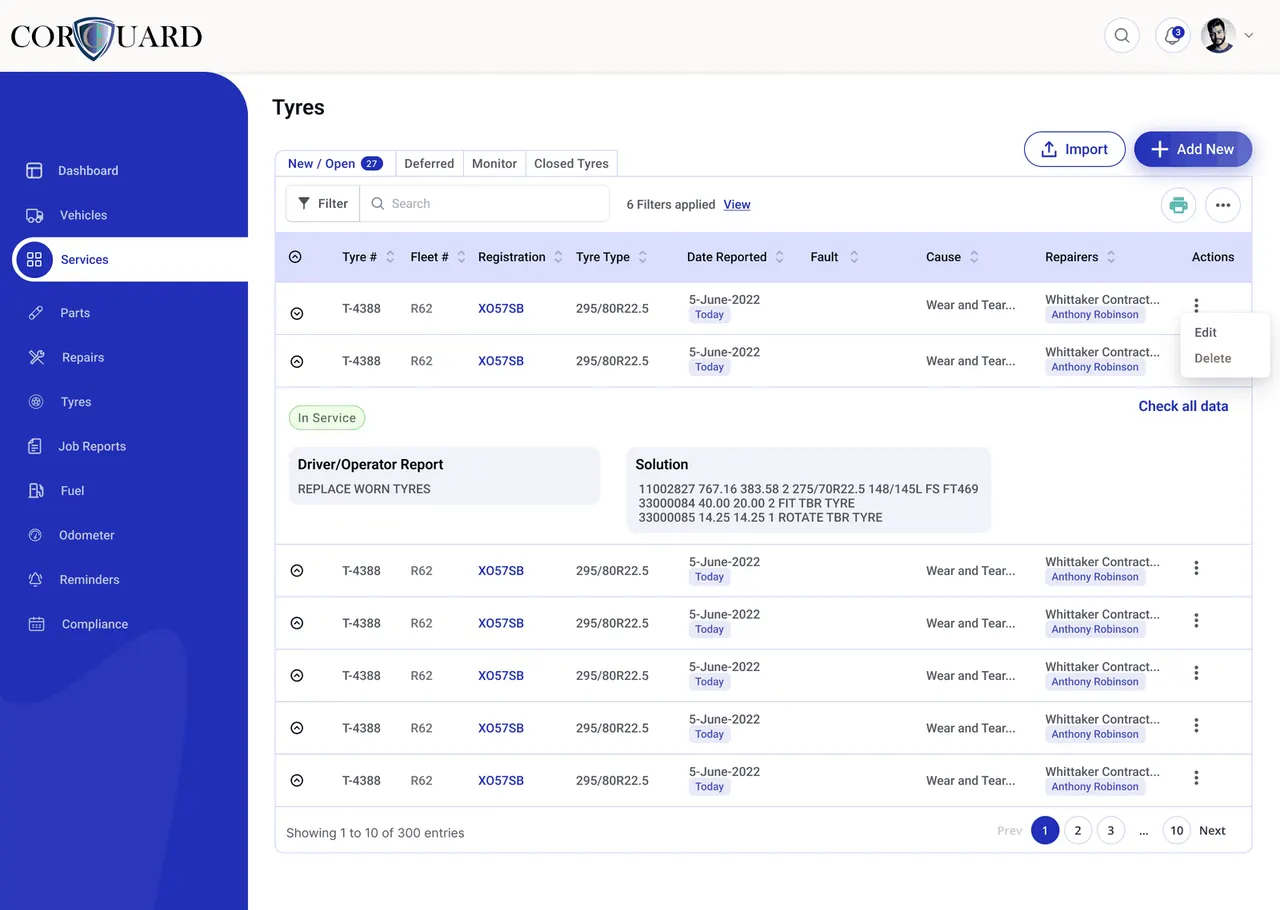
Driver diary checks
Connect fatigue and driver diary review back to manager visibility.
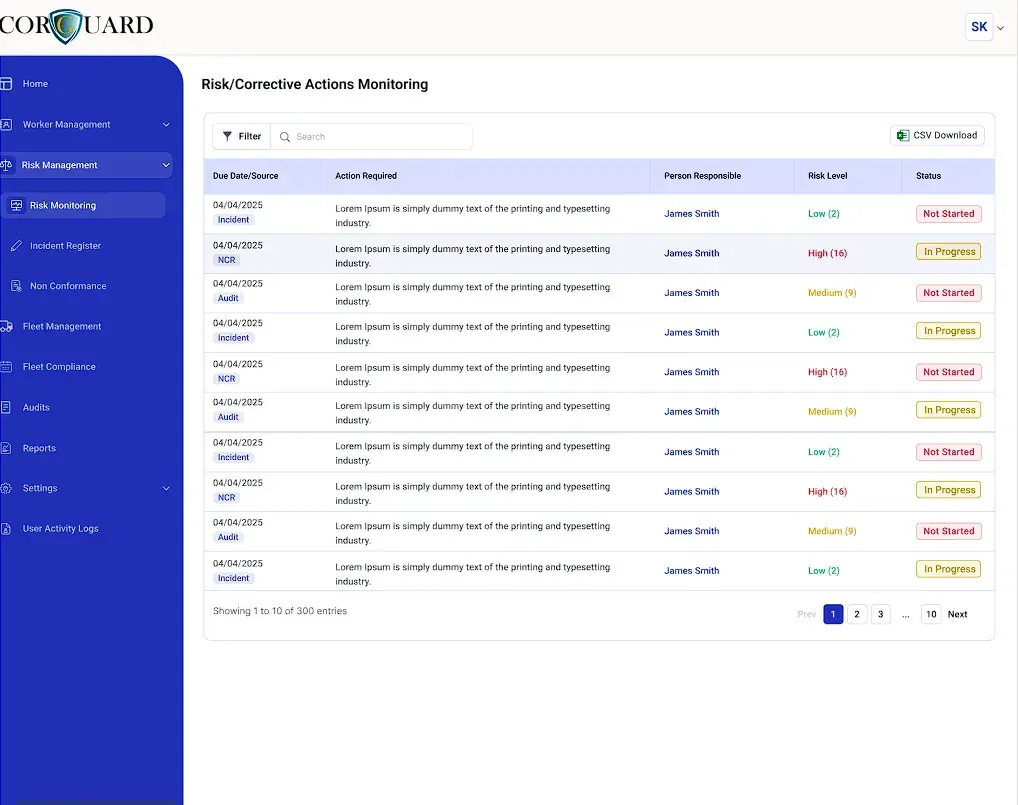
Corrective actions
Turn audit findings, hazards and incidents into tracked actions.
Keep exploring
Related Chain of Responsibility reading
MAEZ insight
Understanding Key Components of a Safety Management System
Discover the crucial components of a safety management system, including Safety Policy and Risk Management, to enhance organizational safety outcomes.
MAEZ insight
Ensuring a Strong Chain of Responsibility: Key Steps
Learn how to ensure chain of responsibility with key steps for building reliable systems. Discover effective request distribution across handlers.
MAEZ insight
Ensuring CoR Compliance: A Comprehensive Guide
Discover how to ensure CoR compliance with our comprehensive guide, focusing on systematic safety management and regulatory adherence.
MAEZ insight
Understanding Safety Management System Software Essentials
Explore how Safety Management System software transforms incident prevention and compliance, offering essential tools for effective safety management.
MAEZ insight
Exploring Key Transport Safety Protocols for Safer Travel
Understand transport safety protocols for safer travel across roads, airways, and waterways. Learn how regulatory and operational standards protect us.
MAEZ insight
Understanding Common Transport Safety Challenges
Explore common transport safety challenges impacting the industry. Learn how to mitigate risks and enhance safety in your supply chain.
Frequently asked questions
Questions people ask about this topic
What is a Safety Management System (SMS)?
A Safety Management System is a documented, systematic framework that integrates safety into every business process using a risk-based Plan-Do-Check-Act cycle — establishing policies, implementing controls, monitoring performance, and reviewing results to manage hazards and produce evidence of due diligence.
What are the four pillars of an effective SMS?
The four pillars are Safety Policy and Objectives, Safety Risk Management processes, Safety Assurance mechanisms, and Safety Promotion and culture building. Each pillar is interconnected — weakness in any one undermines overall safety performance.
How does an SMS apply to Australian transport operators?
An SMS connects daily fleet activity to Chain of Responsibility duties, NHVAS requirements, and WHS obligations by embedding controls for fatigue management, loading procedures, maintenance scheduling, and document control — producing an evidence trail an auditor or regulator can follow.
Who should read this page about SMS examples?
This page is useful for owner-operators, transport managers, executives, consignors, consignees, loaders, schedulers, contractors, and anyone who influences a heavy vehicle transport task and needs to understand how Safety Management Systems work in practice.
What makes an SMS effective rather than just paper compliance?
An effective SMS requires leadership commitment, active worker participation, data-driven decision making using both leading and lagging indicators, and continuous improvement through regular reviews — separating mature safety systems from static, paper-based exercises.