
MAEZ insight
Understanding Key Components of a Safety Management System
Learn the four pillars of a Safety Management System — Safety Policy, Risk Management, Assurance, and Promotion — and how they apply to Australian transport compliance and NHVAS readiness.
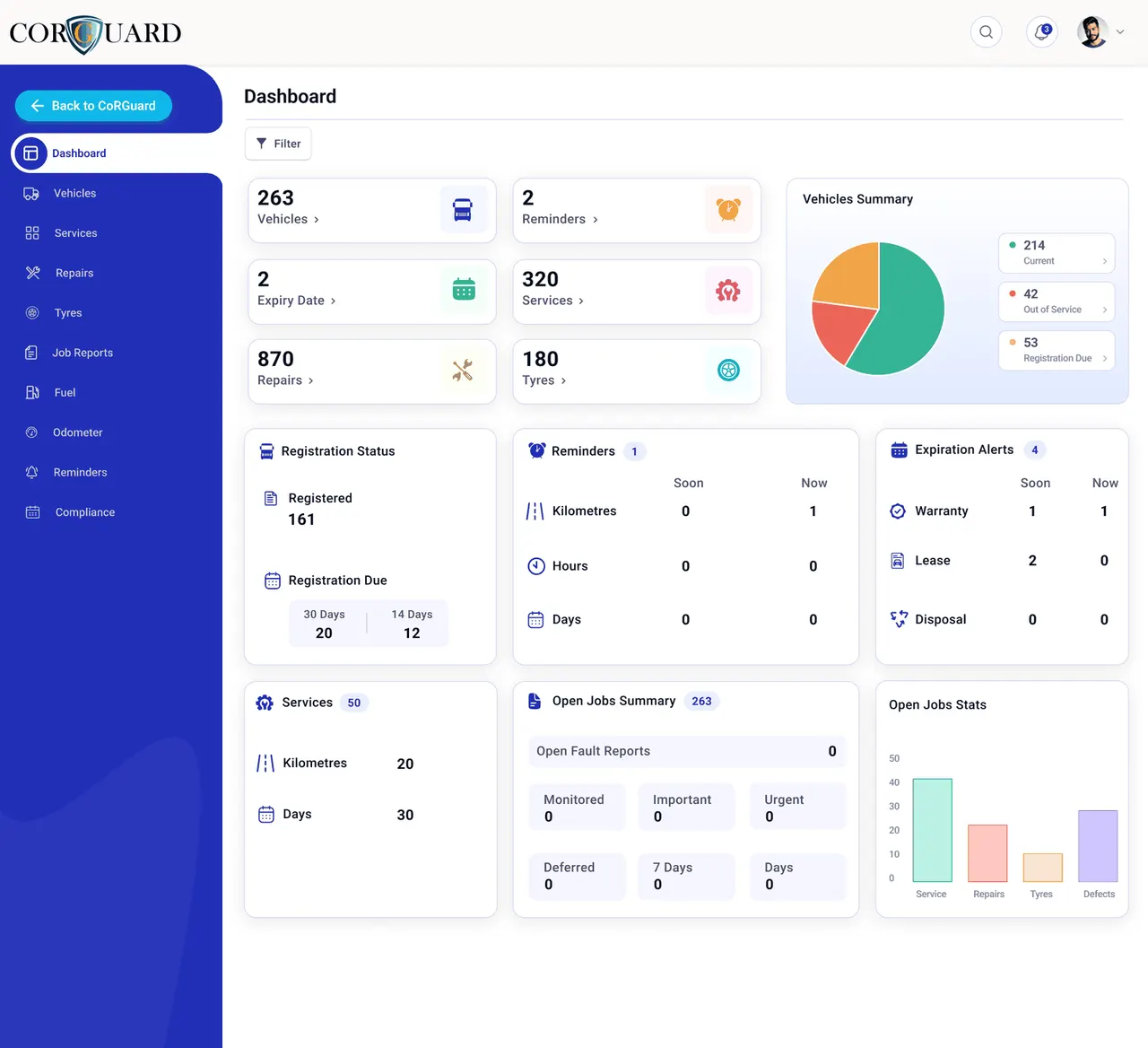
Daily fleet activity has to connect back to duties, controls, and review.

Due diligence means knowing whether the safety system is actually working.

Proof that freight promises do not create unsafe transport pressure.
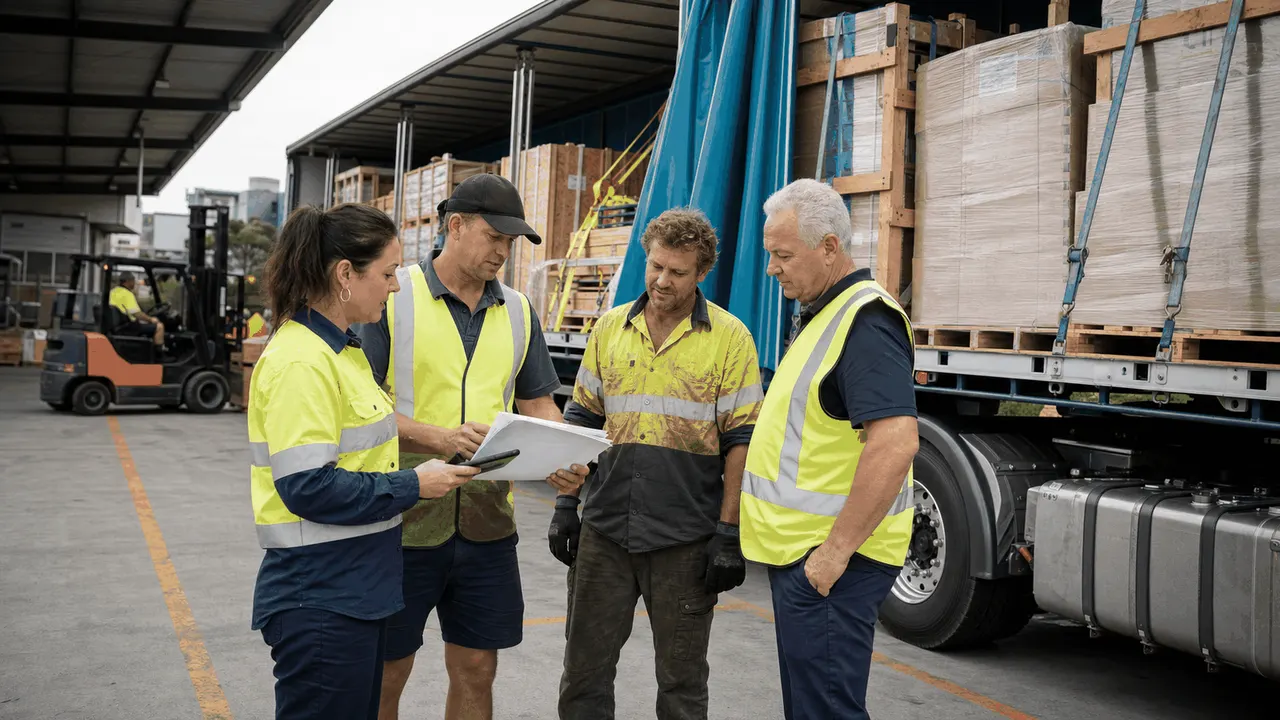
Loading controls need evidence, not assumptions.
Consignors
Freight terms, delivery windows, and KPIs must not push drivers into speed, fatigue, or mass breaches.
Consignees
Receiving rules, site access, and unloading delays are CoR controls that need to be set and evidenced.
Loaders
Mass, dimension, and load restraint decisions need documented checks, not assumptions.
Managers
Executives and managers need due-diligence evidence that the Safety Management System is actually working.
What is a Safety Management System?
A structured approach to integrating safety into daily operations.
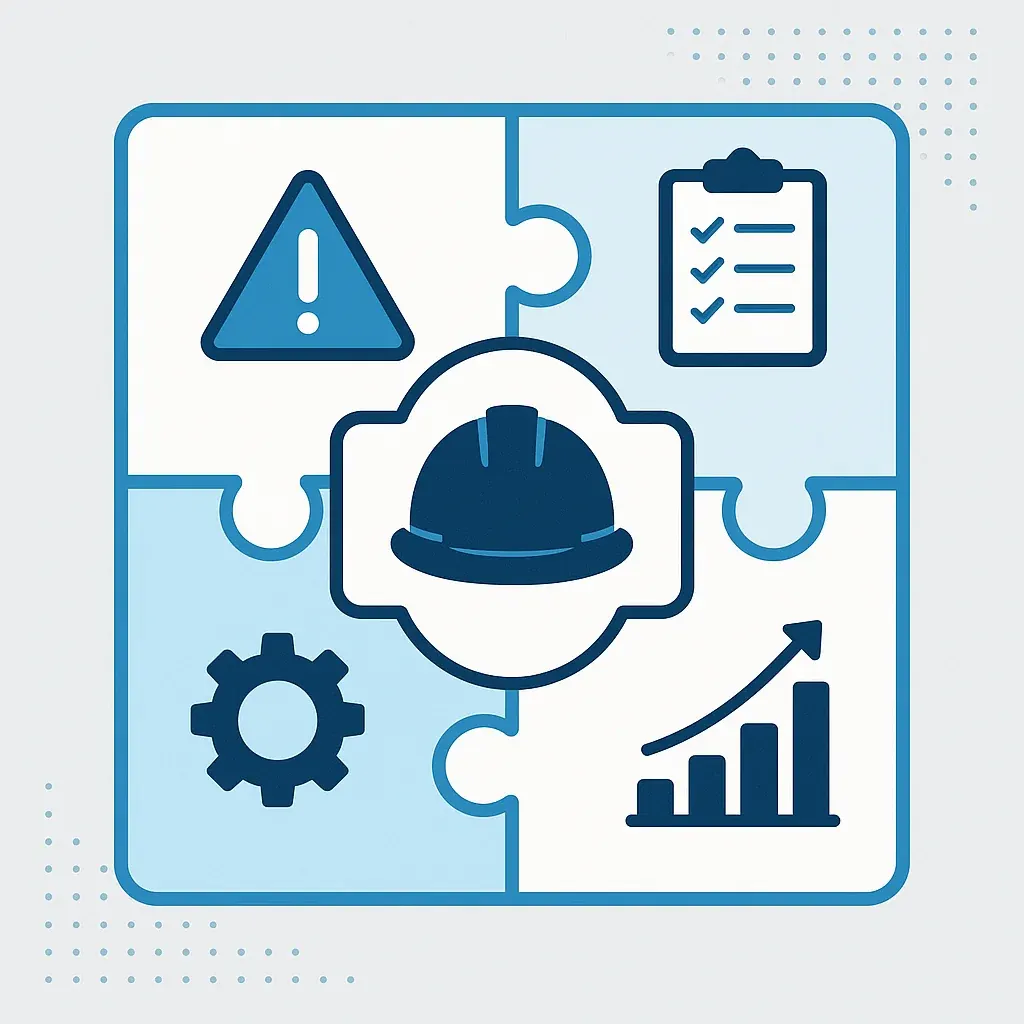
A safety management system (SMS) is a structured approach to managing safety risk within an organisation. It integrates safety into daily operations through documented policies, defined processes, and assigned accountabilities, replacing reactive safety management with proactive risk control. The system provides the architecture for identifying hazards before they cause harm.
Organisations use SMS frameworks to establish clear safety objectives, measure performance against those objectives, and continuously improve safety outcomes. While modern SMS structures follow international standards originally defined by aviation guidance, the core components apply to any organisation managing operational safety risks.
Rail operators, construction firms, manufacturing facilities, and logistics providers all adapt SMS principles to their specific operational contexts. For Australian heavy vehicle operators, an SMS supports Chain of Responsibility obligations and NHVAS accreditation by connecting daily fleet activity back to duties, controls, and review.
The Four Pillars of an SMS
Policy, Risk Management, Assurance, and Promotion form an integrated cycle.
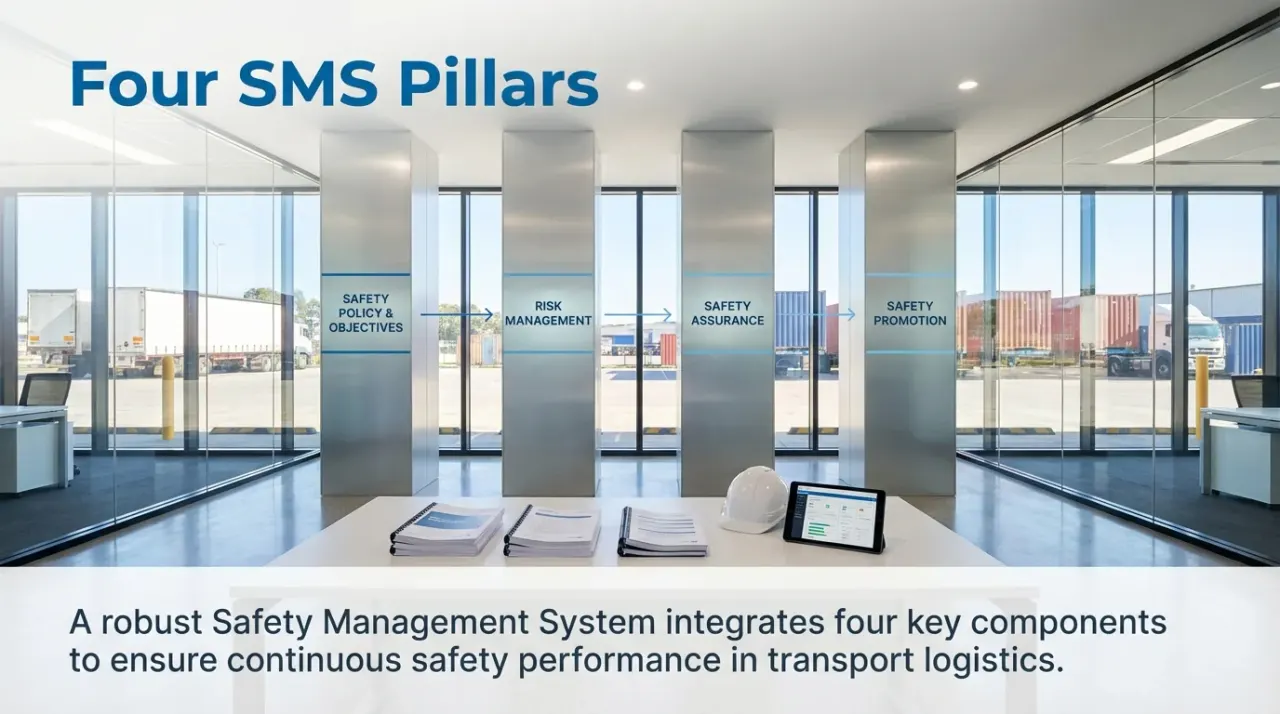
A Safety Management System operates through four interdependent pillars that work together to create sustainable safety outcomes. Each pillar serves a distinct function while reinforcing the others.
- Safety Policy — Establishes the organisational framework through management commitment and accountability structures.
- Safety Risk Management — Identifies hazards and implements controls to mitigate risks.
- Safety Assurance — Monitors performance and verifies that safety controls remain effective.
- Safety Promotion — Builds the culture through training, communication, and continuous improvement initiatives.
These components operate as an integrated system rather than isolated activities. Policy enables risk management. Risk management informs assurance activities. Assurance findings drive promotion initiatives. The cycle repeats continuously as organisations learn and improve.
Component 1: Safety Policy
Establishing organisational foundation and accountability.
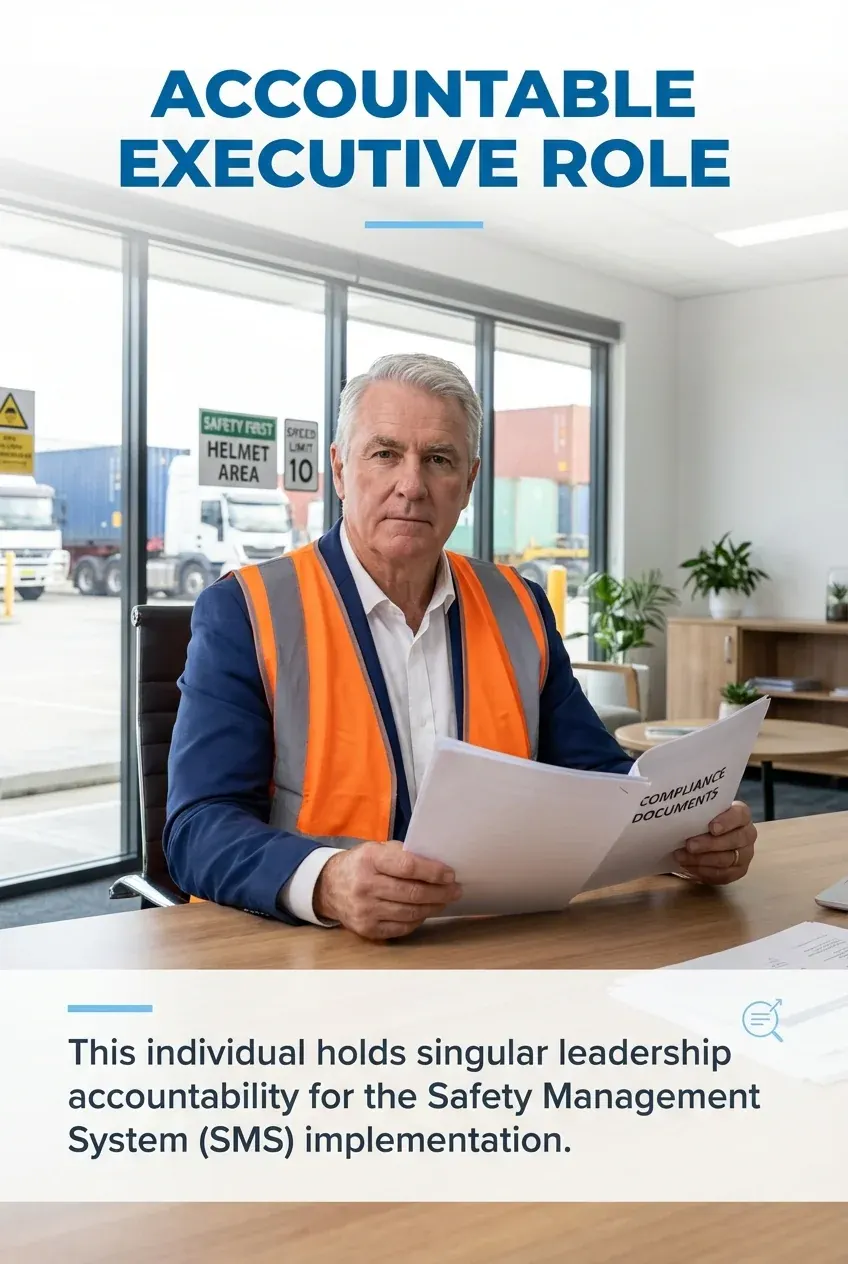
Safety Policy establishes the organisational foundation for the entire safety management system. This component defines management commitment, assigns accountability, and sets safety objectives that drive all subsequent safety activities. Without clear policy, the remaining components lack authority and resources.
Management Commitment and the Accountable Executive
The accountable executive is the single person with ultimate authority and responsibility for SMS implementation. This individual holds decision-making power over resources, priorities, and organisational direction, and the role cannot be delegated or shared across multiple positions. Management commitment extends beyond the accountable executive to include senior leadership participation in safety activities through resource allocation and visible support.
Organisational Structure and Documentation
Clear reporting relationships ensure safety information reaches decision-makers, while defined roles and responsibilities prevent gaps in safety accountabilities. Documentation requirements specify what records the organisation maintains, including safety policies, procedures, forms, and records. Document control processes ensure workers access current, approved information.
Safety objectives translate policy commitments into measurable targets. Objectives should be specific, measurable, achievable, relevant, and time-bound. Organisations track progress toward objectives through the Safety Assurance component, creating accountability for safety performance improvements.
Component 2: Safety Risk Management
Identifying hazards and implementing practical controls.
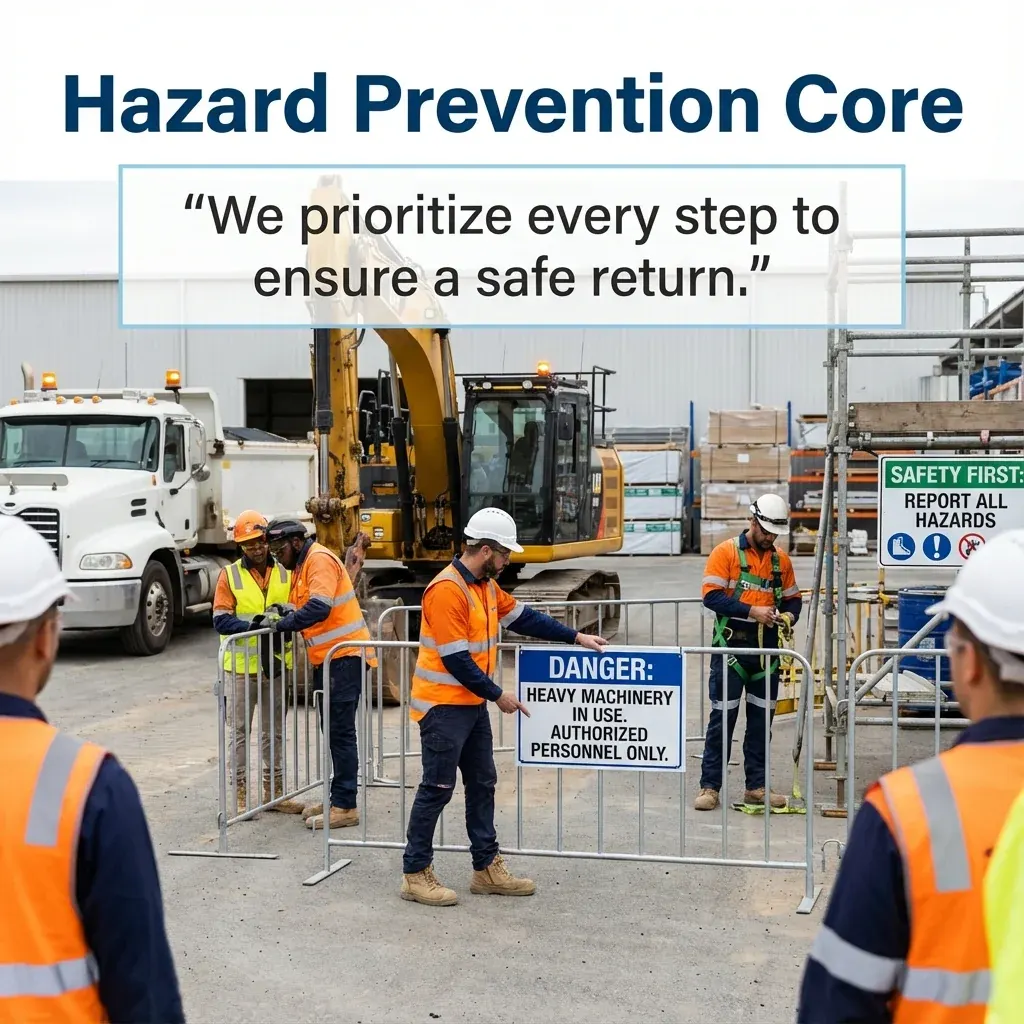
Safety Risk Management (SRM) provides the systematic process for identifying hazards and implementing controls. This component transforms reactive incident response into proactive risk prevention through structured analysis and mitigation strategies.
Hazard Identification Processes
Hazard identification begins with establishing multiple reporting channels. Workers need clear processes for reporting observed hazards, near misses, and unsafe conditions. The identification process combines reactive analysis of incidents with proactive workplace inspections and job hazard analyses. Organisations maintain hazard registers that document identified hazards, associated risks, and implemented controls as a living document.
Risk Assessment and Mitigation Strategies
Risk assessment evaluates the likelihood and consequence of identified hazards to determine which require immediate attention. Mitigation strategies follow the hierarchy of controls:
- Elimination — Removes the hazard entirely.
- Substitution — Replaces hazardous processes with safer alternatives.
- Engineering controls — Physically prevent exposure.
- Administrative controls — Modify work practices.
- Personal protective equipment — Provides the last line of defence when other controls cannot sufficiently reduce risk.
Control implementation requires documentation, resource allocation, and verification. Risk acceptance decisions occur when residual risk remains after implementing reasonably practicable controls. Senior management must formally accept these residual risks based on documented findings, which aligns with the shared responsibility principles expected of Chain of Responsibility duty holders.
Component 3: Safety Assurance
Validating that safety controls deliver intended results.
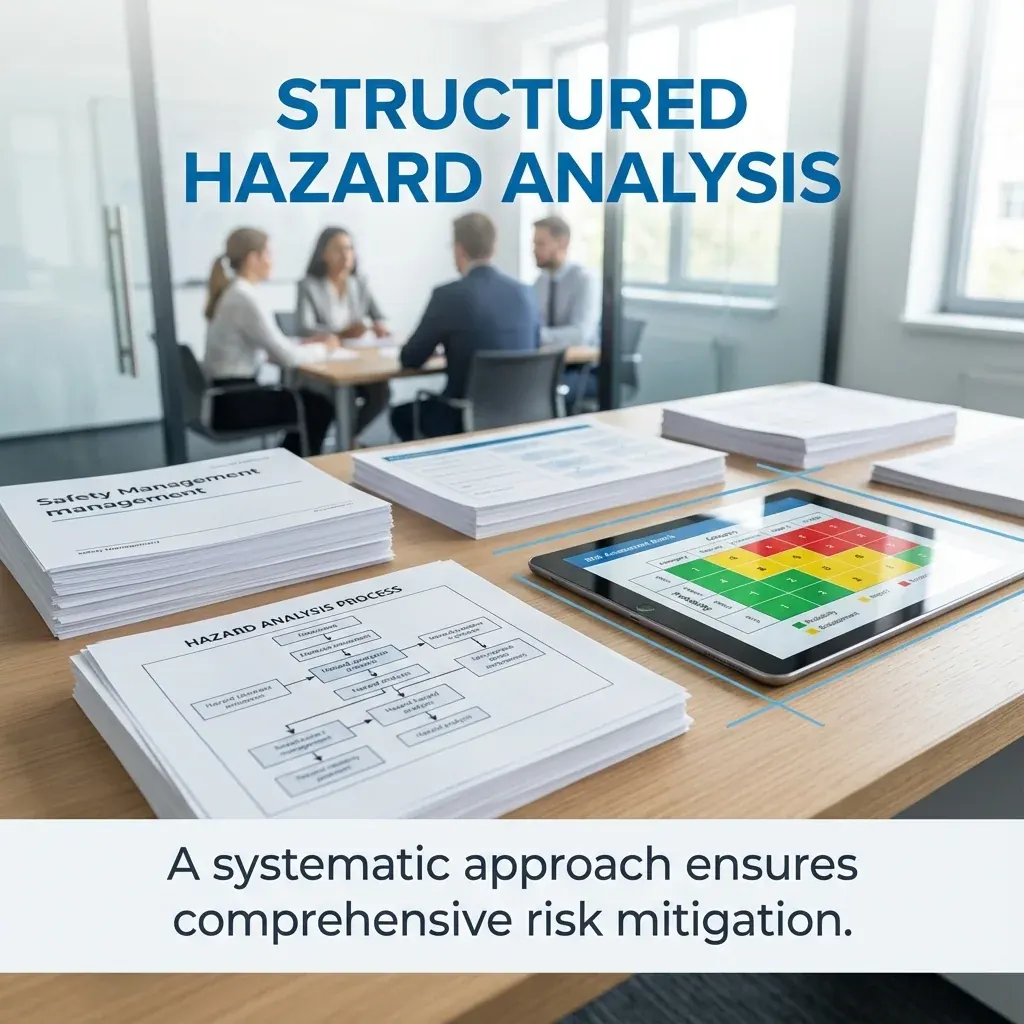
Safety Assurance (SA) validates that the safety management system delivers intended safety outcomes. This component provides the feedback mechanisms that enable continuous improvement and demonstrate regulatory compliance.
Safety Performance Monitoring
Performance monitoring tracks leading and lagging indicators. Lagging indicators measure outcomes such as incident rates, injury severity, and lost-time frequency. By continuously measuring performance against established safety objectives, organisations can verify that their risk controls remain effective over time.
Safety Assurance closes the feedback loop between risk management actions and actual safety outcomes, ensuring that the system adapts to new information and operational changes. For transport operators, this is where CoR training completion, driver diary checks, and audit findings connect back to management visibility and corrective action.
Component 4: Safety Promotion
Building the human element of safety management.
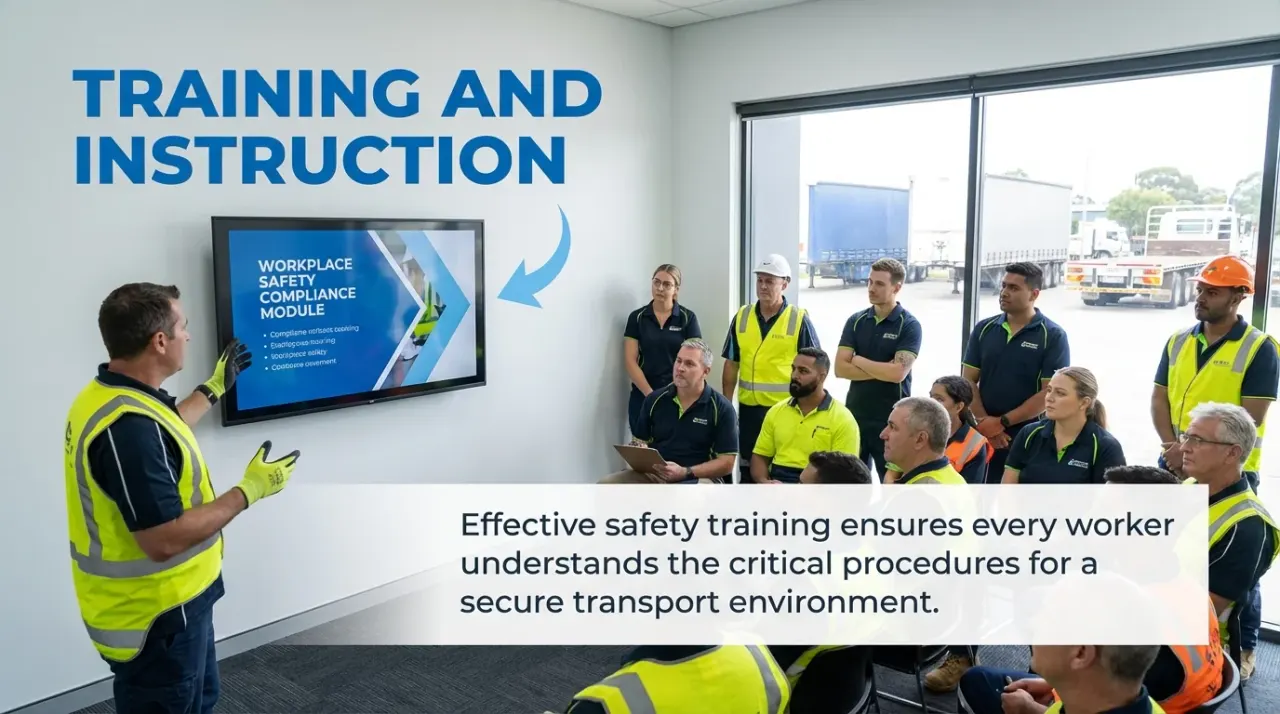
Safety Promotion builds the human element of the safety management system. Training, communication, and culture development ensure workers understand their roles and actively participate in safety processes. This component transforms documented systems into lived practices.
By building a strong safety culture, organisations ensure that policies and risk controls are understood and applied at every level of daily fleet activity. Continuous improvement initiatives keep the system responsive to new risks and operational changes.
Connecting Promotion to Transport Duties
To ensure your safety system aligns with transport duties, consider a practical CoR consulting review of your current practices. Promotion is where Chain of Responsibility training turns policy into frontline behaviour — making sure everyone in the supply chain understands what safe looks like and how to evidence it.
How MAEZ works
Find the gaps. Fix the system. Prove the controls.
MAEZ helps transport operators deal with the compliance risk they already know is there. We help get the Safety Management System in order, protect NHVAS accreditation, reduce fine exposure, and connect training, evidence, and CoRGuard workflows where software is needed.
Find
Identify what is exposed before an auditor or regulator does.
Fix
Build the SMS controls around how the transport business actually runs.
Prove
Use CoRGuard where records, reminders, diaries, audits, and evidence need structure.
From advice to evidence
From MAEZ advice to a working Safety Management System
Advisory work should leave a practical implementation trail. These examples show how CoRGuard supports records, fatigue and driver diary checks, maintenance, audits, document control, inductions, corrective actions, and evidence review after MAEZ identifies the gaps.
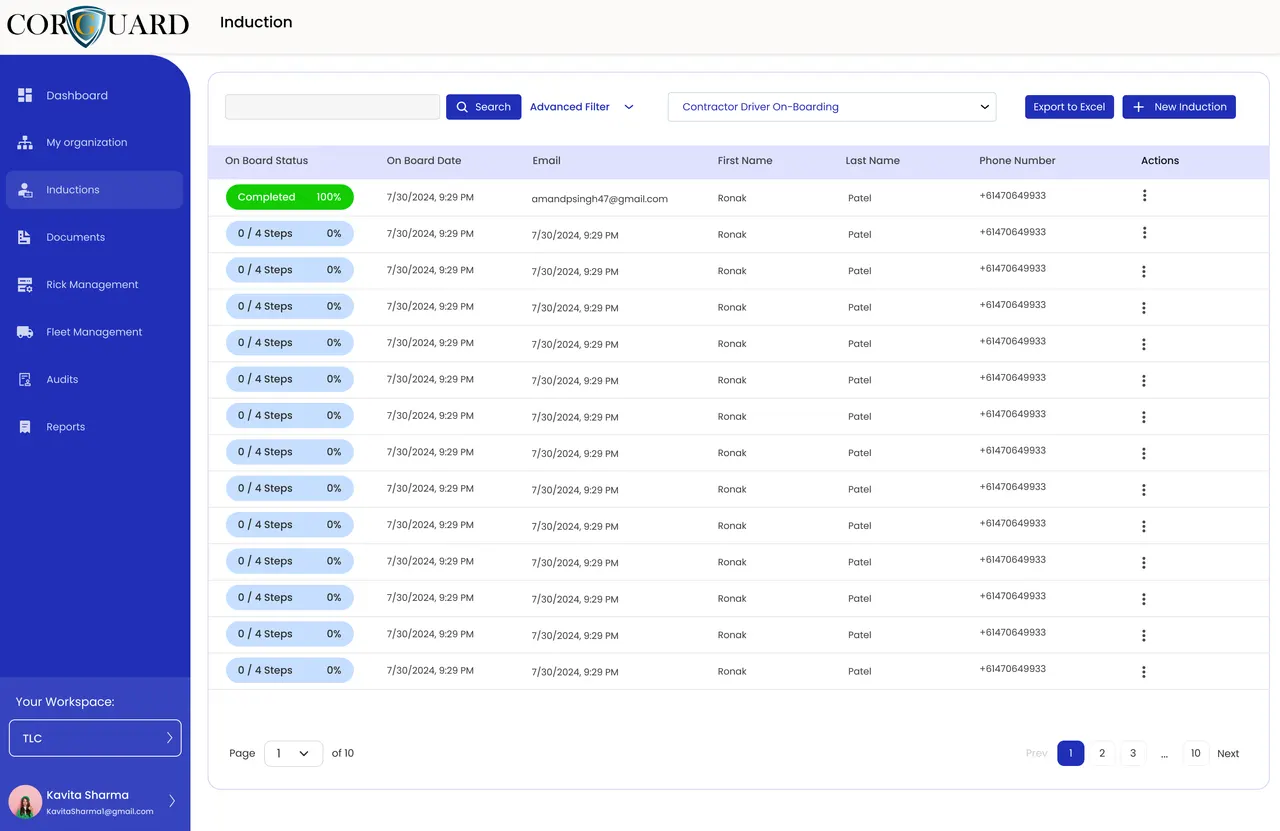
Training records
Connect training completion from cortraining.com.au to evidence and follow-up.
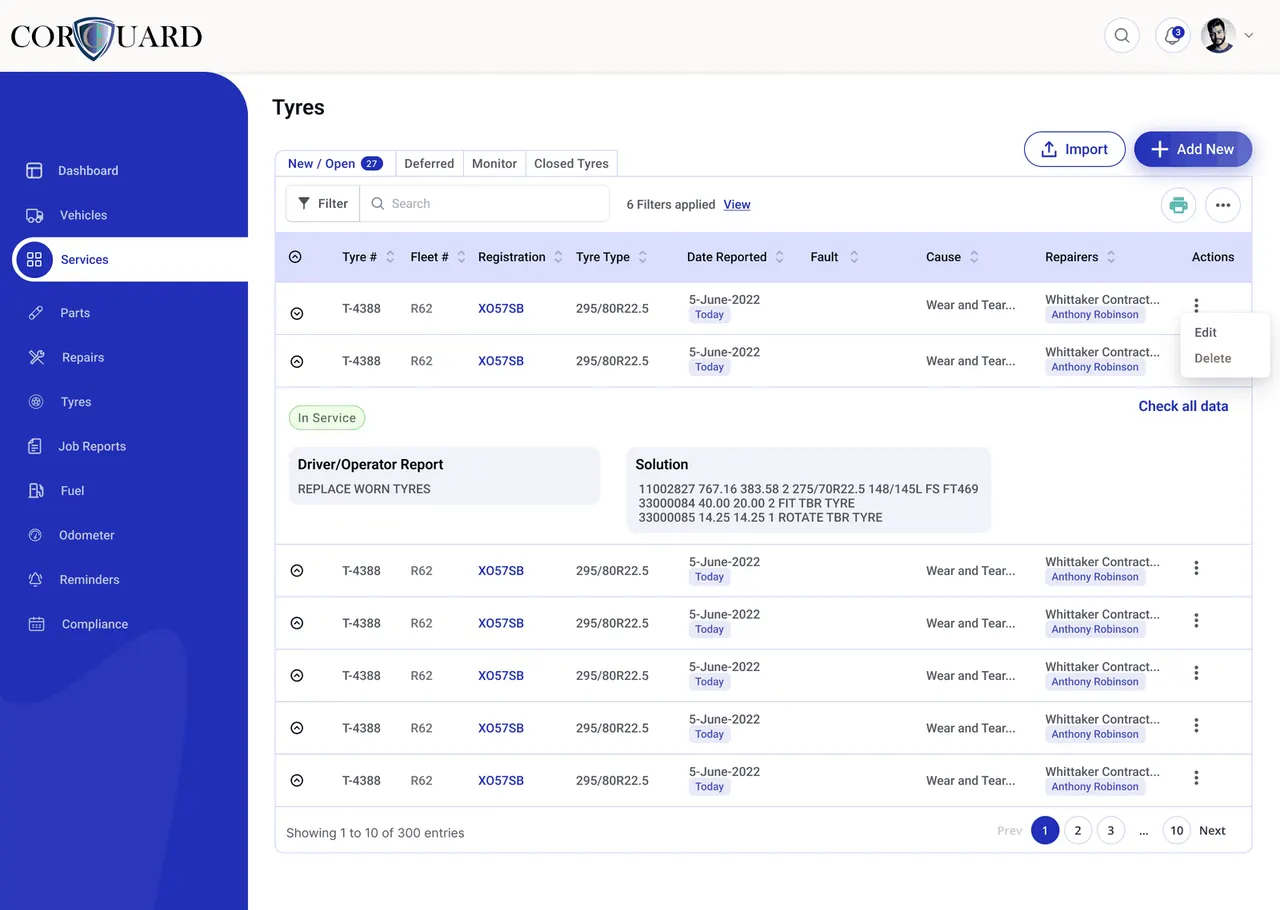
Driver diary checks
Connect fatigue and driver diary review back to manager visibility.
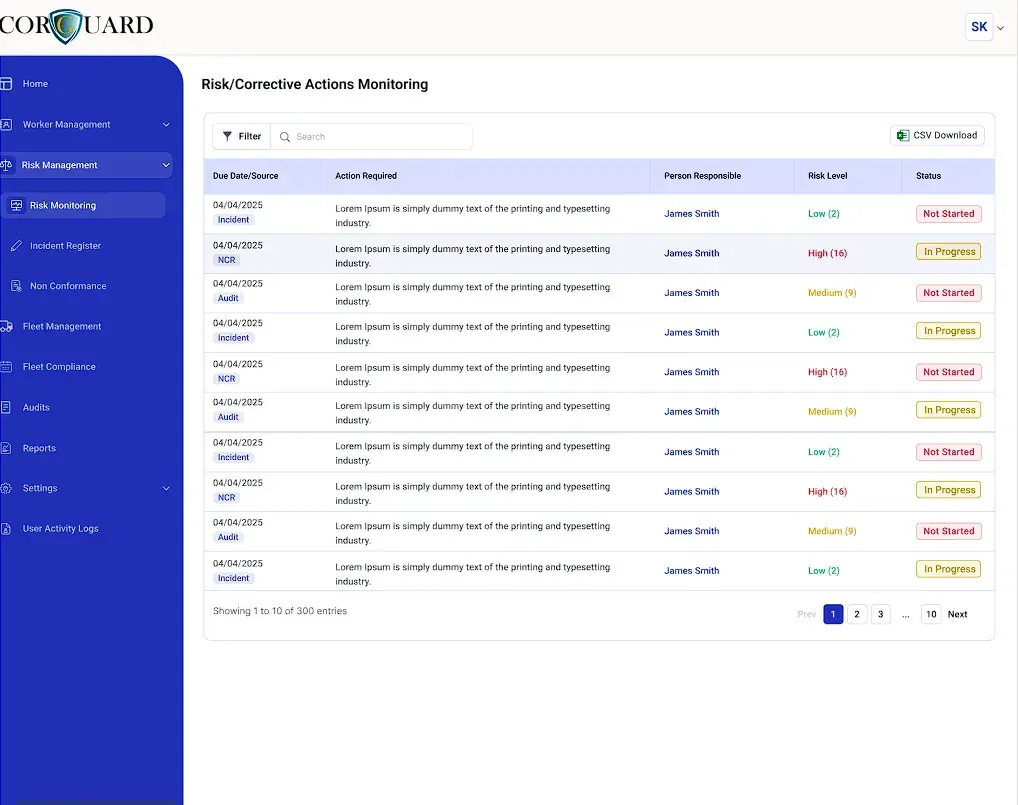
Corrective actions
Turn audit findings, hazards and incidents into tracked actions.
Keep exploring
Related Chain of Responsibility reading
MAEZ insight
Ensuring a Strong Chain of Responsibility: Key Steps
Learn how to ensure chain of responsibility with key steps for building reliable systems. Discover effective request distribution across handlers.
MAEZ insight
Ensuring CoR Compliance: A Comprehensive Guide
Discover how to ensure CoR compliance with our comprehensive guide, focusing on systematic safety management and regulatory adherence.
MAEZ insight
Understanding Safety Management System Software Essentials
Explore how Safety Management System software transforms incident prevention and compliance, offering essential tools for effective safety management.
MAEZ insight
Exploring Key Transport Safety Protocols for Safer Travel
Understand transport safety protocols for safer travel across roads, airways, and waterways. Learn how regulatory and operational standards protect us.
MAEZ insight
Understanding Common Transport Safety Challenges
Explore common transport safety challenges impacting the industry. Learn how to mitigate risks and enhance safety in your supply chain.
MAEZ insight
Essential Checklist for Managing Supply Chain Risks
Discover a comprehensive supply chain risk management checklist to safeguard your network from financial, regulatory, and cybersecurity threats.
Frequently asked questions
Questions people ask about this topic
What are the four components of a Safety Management System?
The four components are Safety Policy, Safety Risk Management, Safety Assurance, and Safety Promotion. Together they form an integrated cycle where policy enables risk management, risk management informs assurance, and assurance findings drive promotion and continuous improvement.
Why does an SMS need an accountable executive?
An SMS requires a single accountable executive who holds ultimate authority and responsibility for implementation. This role cannot be delegated or shared, ensuring there is one person with decision-making power over resources, priorities, and organisational direction for safety.
How does Safety Risk Management apply the hierarchy of controls?
Safety Risk Management applies the hierarchy of controls in order of preference: elimination, substitution, engineering controls, administrative controls, and personal protective equipment. The most effective controls are applied first, with PPE used only as a last line of defence when other controls cannot sufficiently reduce risk.
What is the difference between leading and lagging safety indicators?
Lagging indicators measure outcomes after the event, such as incident rates, injury severity, and lost-time frequency. Leading indicators track proactive activities and processes that prevent incidents. Safety Assurance monitors both types to verify risk controls remain effective over time.
How does an SMS support Chain of Responsibility compliance for transport operators?
An SMS supports Chain of Responsibility compliance by connecting daily fleet activity to documented policies, risk controls, assurance monitoring, and training. Senior management formally accepts residual risks based on documented findings, aligning with the shared responsibility principles expected of CoR duty holders.