
MAEZ insight
Ensuring CoR Compliance: A Comprehensive Guide for Australian Transport Operators
A practical guide to Chain of Responsibility compliance for Australian transport operators, covering safety management systems, COR certification prerequisites, team structure, documentation, and audit readiness.
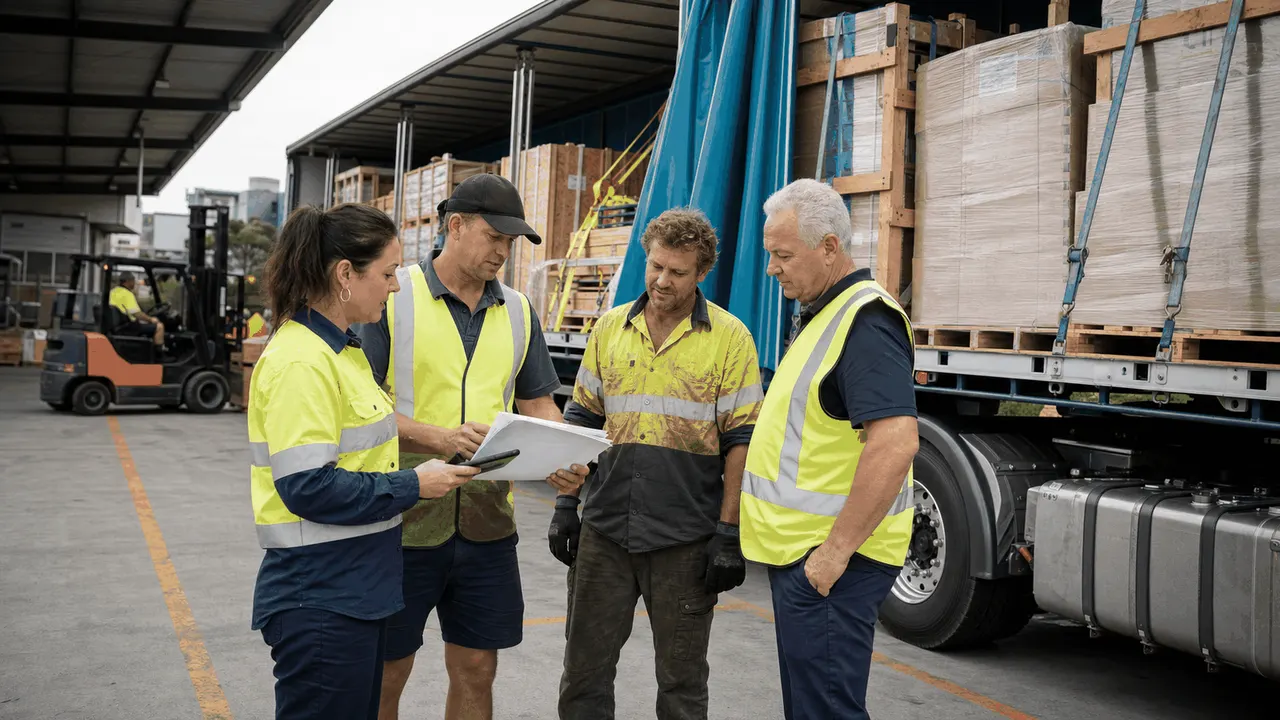
Loading controls need evidence, not assumptions.
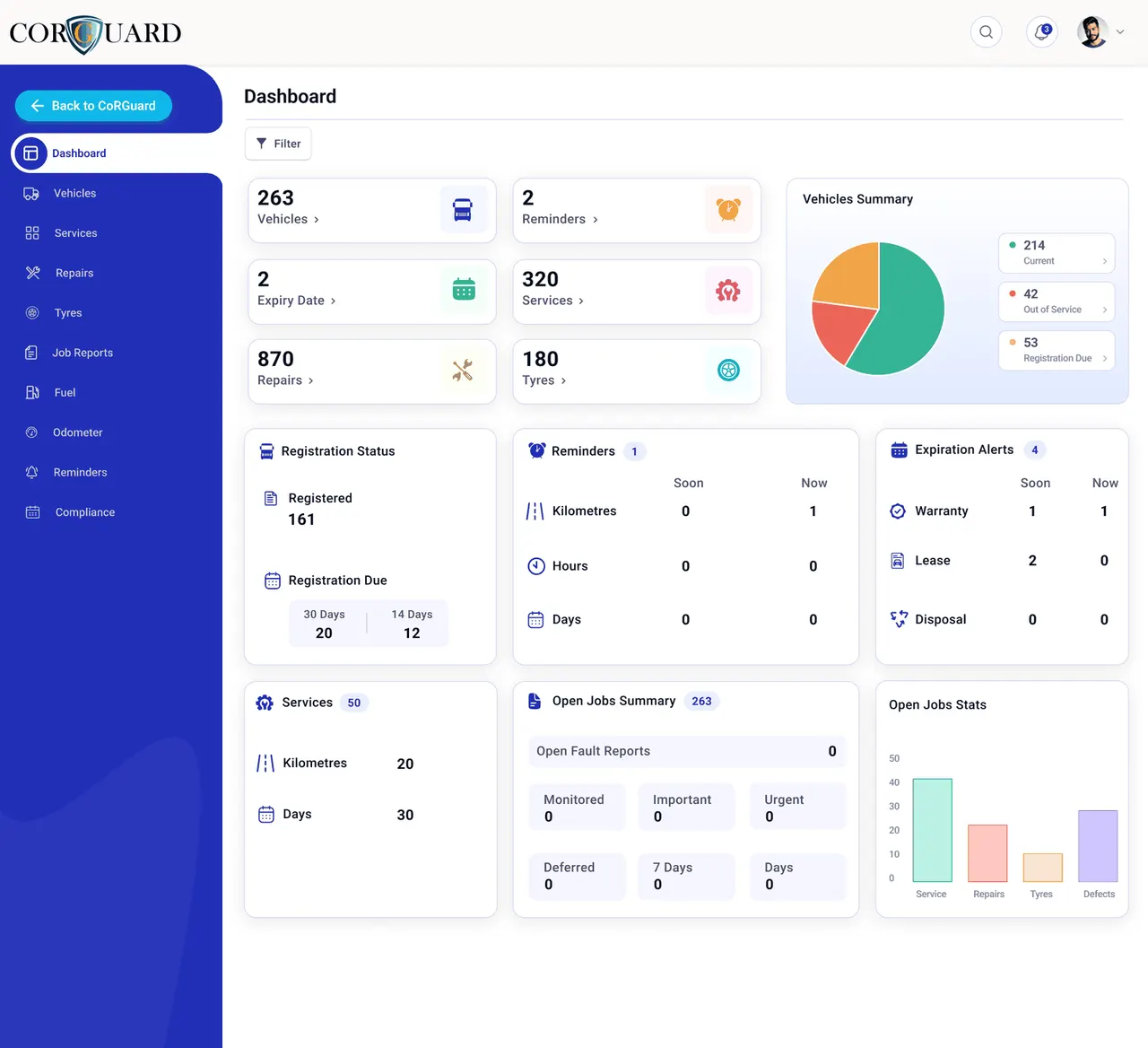
Daily fleet activity has to connect back to duties, controls, and review.

Due diligence means knowing whether the safety system is actually working.

Proof that freight promises do not create unsafe transport pressure.
Consignors
Freight terms, delivery windows, and KPIs must not push drivers into speed, fatigue, or mass breaches.
Consignees
Receiving rules, site access, and unloading delays are CoR controls that need to be set and evidenced.
Loaders
Mass, dimension, and load restraint decisions need documented checks, not assumptions.
Managers
Executives and managers need due-diligence evidence that the Safety Management System is actually working.
What Does Chain of Responsibility Compliance Require?
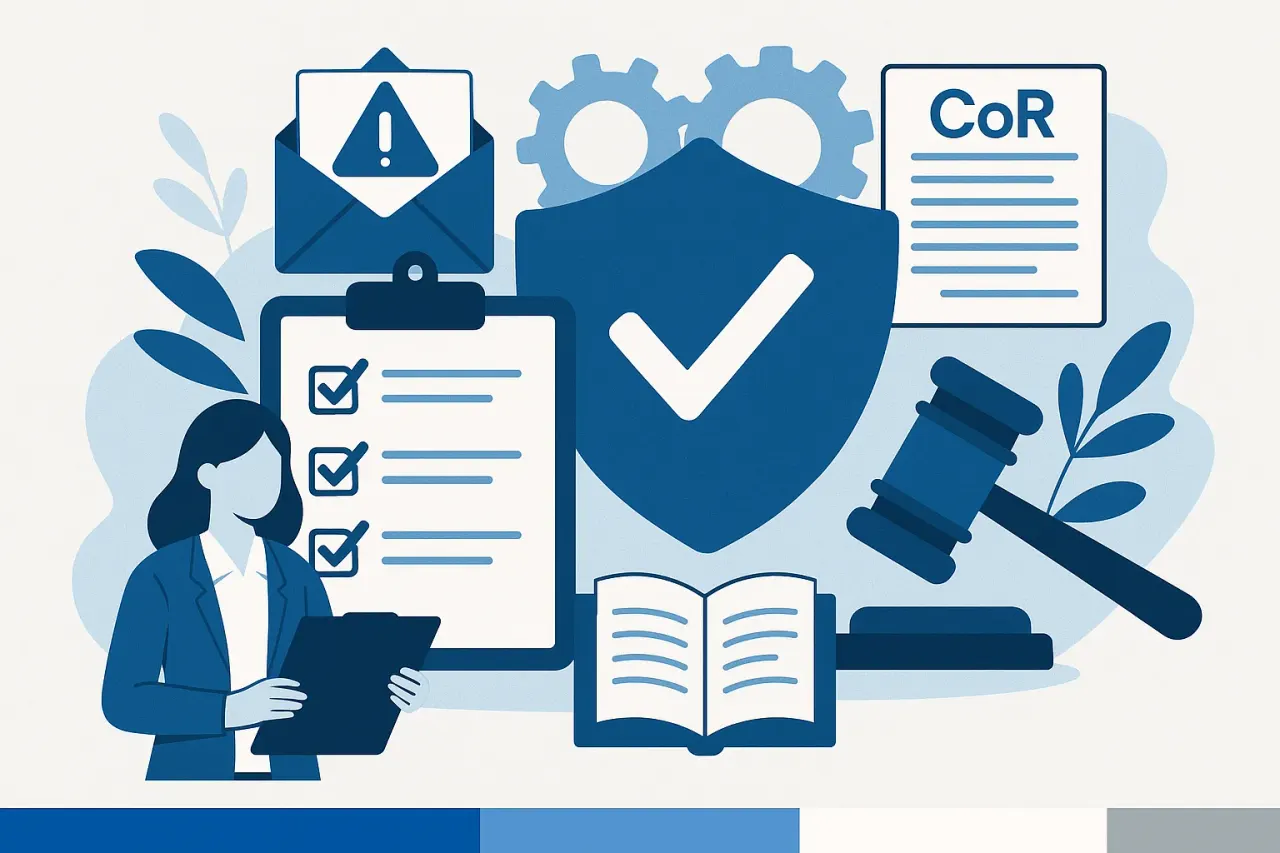
Chain of Responsibility (CoR) compliance requires every party in the heavy vehicle supply chain to take reasonable steps to ensure safety under the Heavy Vehicle National Law (HVNL). It demands a systematic safety management approach covering fatigue, speed, mass, load restraint, and vehicle condition, with executives maintaining active oversight rather than just approving policies.
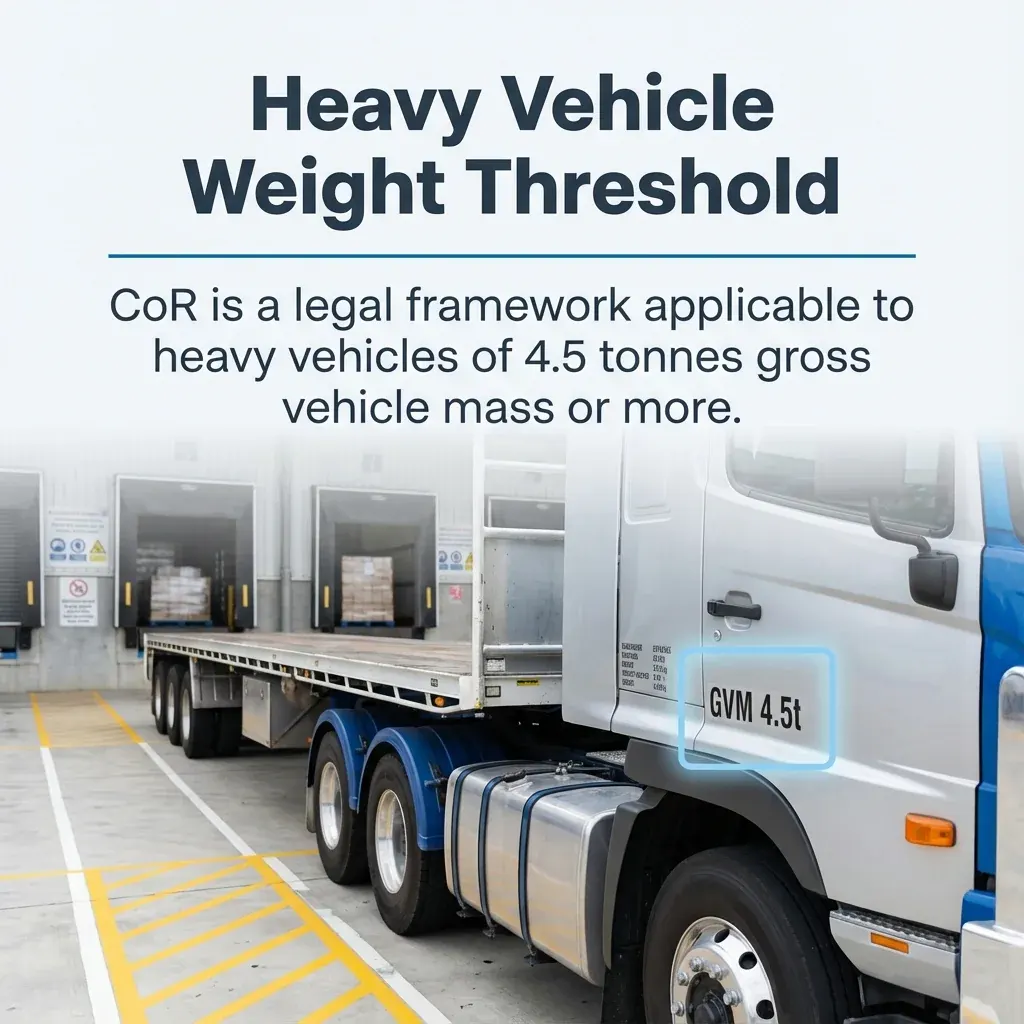
CoR applies to heavy vehicles with a gross vehicle mass of 4.5 tonnes or more. It places obligations on every party in the supply chain because influence over transport safety extends from the boardroom to the warehouse floor.
Under the HVNL, CoR obligations extend across five key areas:
- Fatigue management — ensuring drivers operate within work and rest requirements
- Speed compliance — preventing delivery pressures from encouraging unsafe driving practices
- Mass and dimension compliance — keeping loads within legal limits
- Load restraint verification — protecting against shifting cargo
- Vehicle condition maintenance — keeping heavy vehicles roadworthy
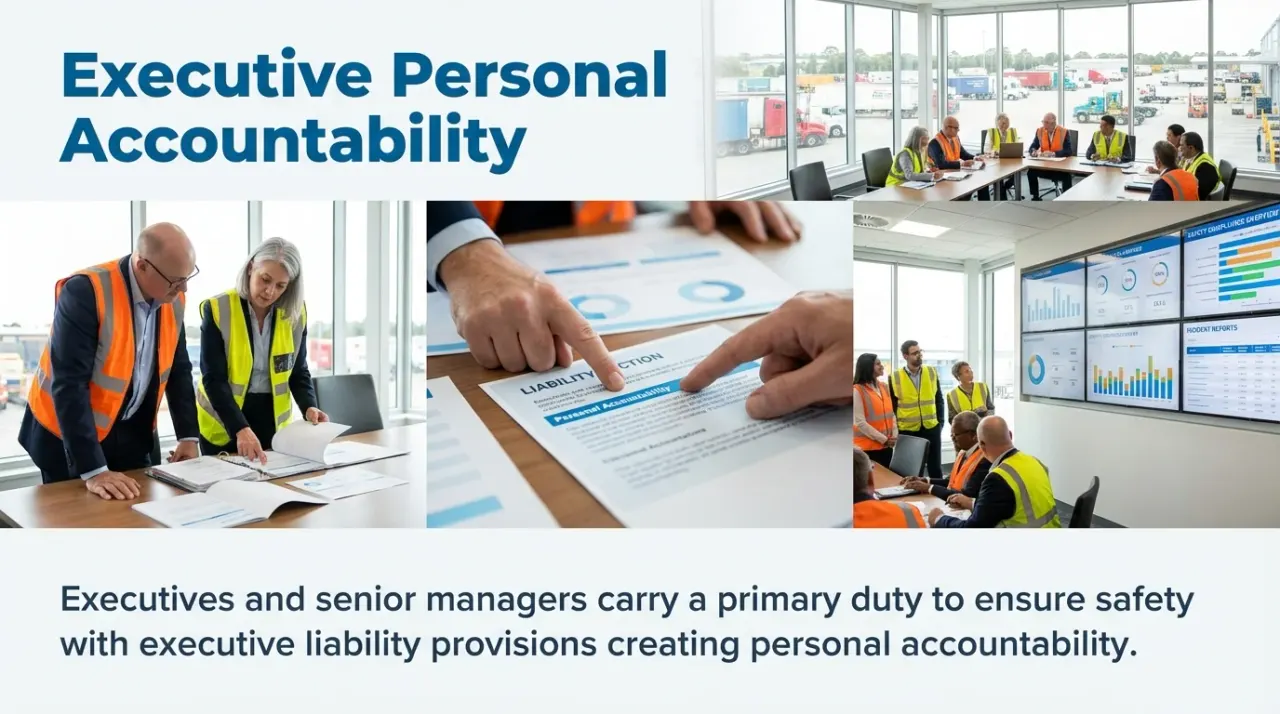
The HVNL establishes a principle of shared responsibility. Executives and senior managers carry a primary duty to ensure safety, with executive liability provisions creating personal accountability for compliance failures. Learn more in our about Chain of Responsibility guide, or explore what Australian HVNL duty holders need to understand.
Why Invest in COR Certification?
Certificate of Recognition (COR) demonstrates that your business maintains a functioning safety management system that meets HVNL requirements. Unlike simple compliance declarations, COR certification requires external verification through a certifying partner audit that examines whether your safety systems actually function in practice.
Successful operators treat CoR as a system, not a checklist. This approach delivers benefits across several areas:
- Fewer incidents — Safety management systems reduce incidents through systematic risk identification and control measures.
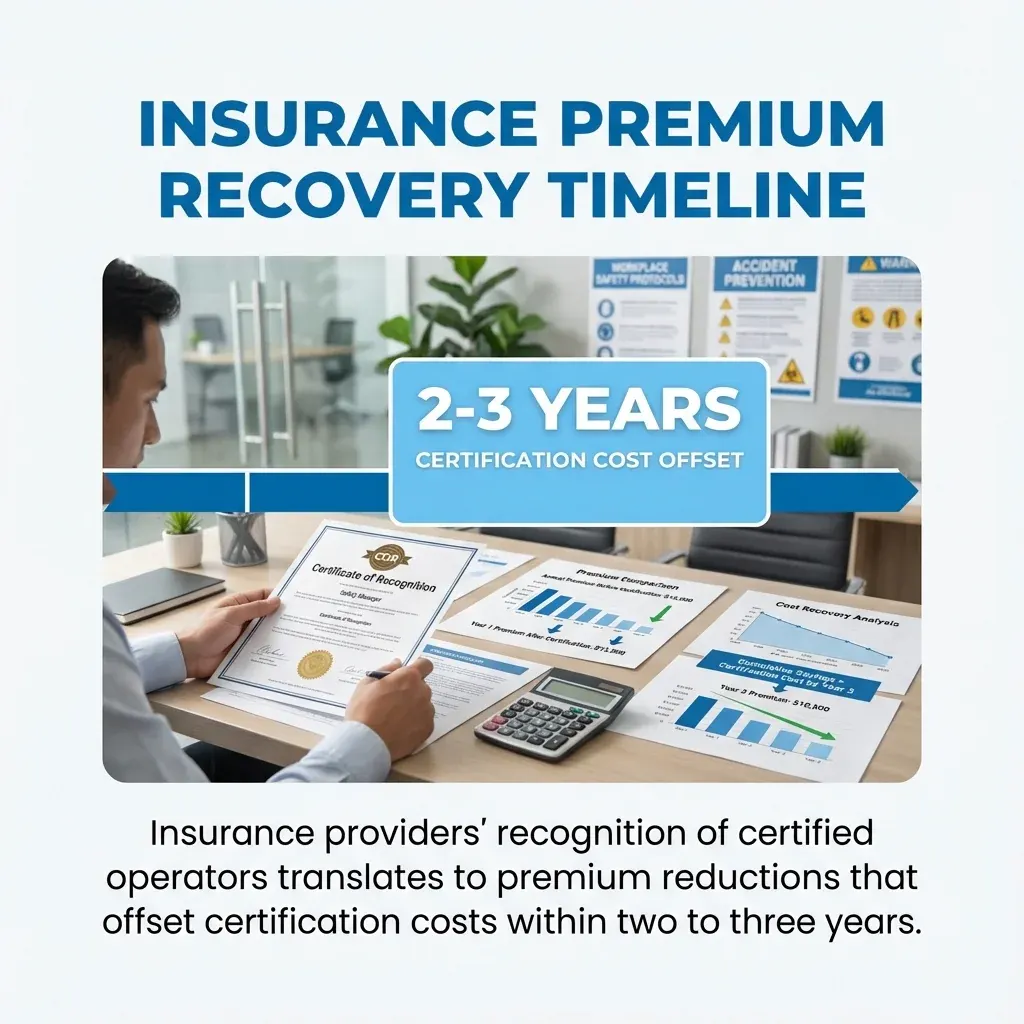
- Lower insurance premiums — Insurance providers recognise certified operators as lower risk, often offsetting certification costs within two to three years.
- Access to tenders — Major clients increasingly require COR certification from transport and logistics suppliers.
- Stronger employee engagement — Workers understand expectations clearly when procedures exist in writing.
If you are weighing up whether certification is worth the investment, our Chain of Responsibility consulting service can help you assess readiness and identify gaps.
Are You Ready to Start Certification?
Successful COR certification requires specific organisational capabilities. Missing elements cause certification delays or audit failures.
Management Commitment
Senior leadership must actively participate in safety management, going beyond approving budgets or signing policies. Executives need to understand their due diligence obligations, attend CoR training appropriate to their role, and respond to identified risks.
Baseline Safety Capability
Your business needs foundational safety practices before pursuing certification. Incident reporting processes must function, and you should maintain records of vehicle inspections, driver licences, and maintenance activities. A designated person should hold accountability for safety outcomes.
Operational Stability
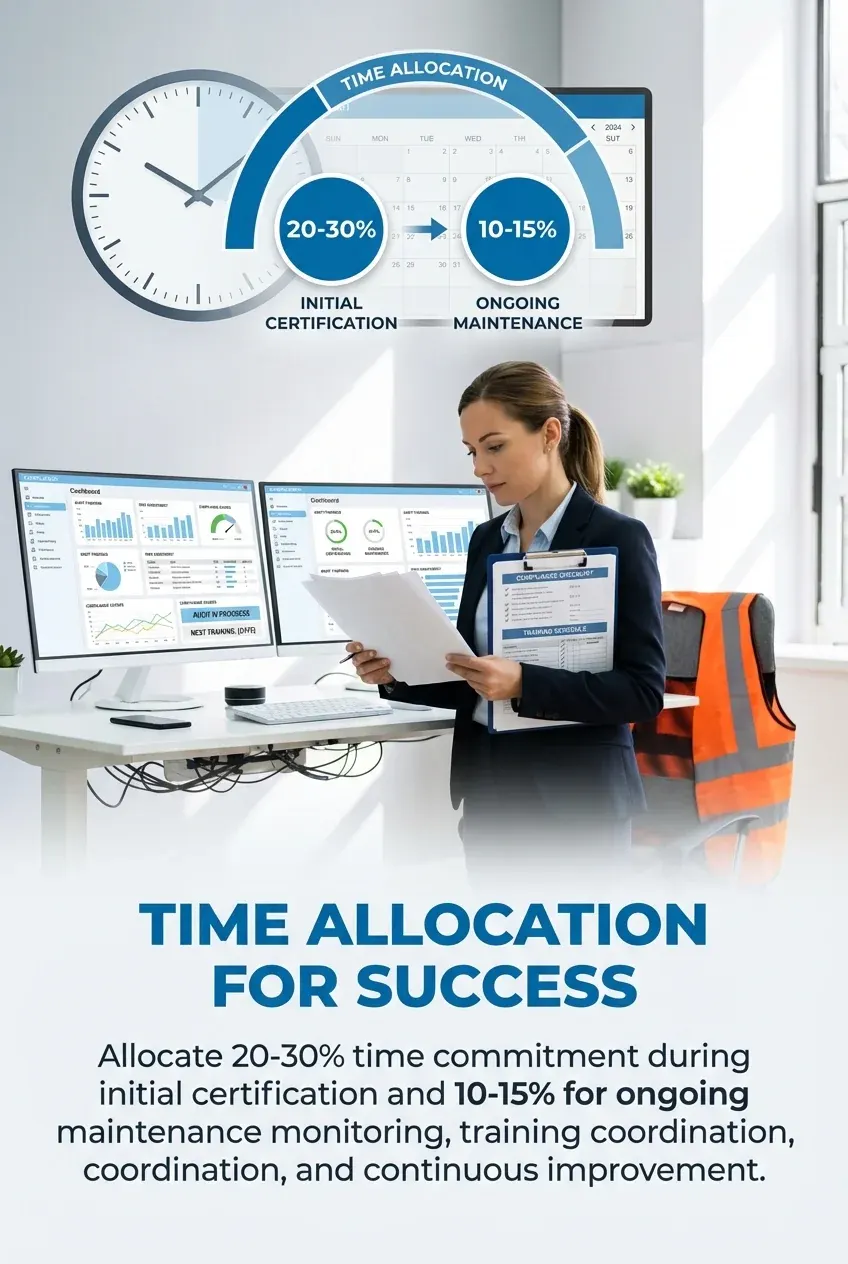
Certification works best when operations follow consistent patterns. Businesses experiencing major restructuring should stabilise first. Plan capacity accordingly: allocate 20–30% of the internal auditor's time during initial certification and 10–15% for ongoing maintenance.
Who Should Be on Your COR Team?
Building an effective COR team starts with identifying the right people across your organisation.
Leadership Appointments
Designate an executive sponsor from senior management to carry ultimate accountability for certification success. Appoint an internal auditor to coordinate certification activities, requiring a 20–30% time commitment during initial certification and 10–15% for ongoing monitoring.
Cross-Functional Representation
- Operations managers — oversee day-to-day transport activities
- HR representatives — handle training coordination and competency verification
- Procurement or commercial teams — address supplier and subcontractor management
- Maintenance supervisors — contribute vehicle condition expertise
Define Decision-Making Authority
Document who approves policies, authorises safety expenditure, and makes compliance decisions. Establish escalation pathways for safety concerns. Chain of Responsibility training for executives and managers can help clarify these leadership roles.
How Do You Document Safety Policies and Procedures?
The NHVR promotes Safety Management Systems (SMS) as the practical framework for meeting CoR safety duties. Your policies and procedures form the documented foundation of this system.
Core Policy Development
Start with a master CoR policy statement that articulates your organisation's commitment to heavy vehicle safety. This policy should identify the five CoR obligation areas and state how your business manages each.
Procedures for Each Obligation Area
- Fatigue management — driver scheduling, journey planning, fatigue risk assessment
- Speed compliance — route planning, delivery scheduling, driver performance monitoring
- Mass and dimension — weighing requirements, load planning, oversize load management
- Load restraint — application of the NTC Load Restraint Guide 2018, restraint selection, inspection procedures
- Vehicle condition — maintenance schedules, pre-start inspection checklists, defect reporting
Risk Management and Communication
Establish a systematic risk assessment process that identifies hazards and implements control measures. Define how safety information flows through your organisation and document how you communicate CoR requirements to suppliers. Practical CoR training helps your team apply these procedures effectively.
What Documentation Do You Need for Audits?
COR audits assess whether your safety management system functions through documented evidence. Auditors need to see that controls are applied consistently, not just written down.
Training Records
Collect attendance sheets, training materials, competency assessments, and qualification certificates for all personnel. These records prove competency development and demonstrate that your team understands their safety obligations.
Vehicle Documentation
Maintain registration certificates, maintenance logs, inspection records, and defect reports. Pre-start inspection checklists completed by drivers before each shift create documented evidence of vehicle condition monitoring.
Building Your Evidence Base
Rather than treating documentation as a one-off exercise, successful operators build evidence into daily routines. This means audit preparation becomes a matter of gathering existing records rather than creating documents retrospectively. If you need help identifying documentation gaps, contact MAEZ for a practical compliance review, or explore more MAEZ insights.
How MAEZ works
Find the gaps. Fix the system. Prove the controls.
MAEZ helps transport operators deal with the compliance risk they already know is there. We help get the Safety Management System in order, protect NHVAS accreditation, reduce fine exposure, and connect training, evidence, and CoRGuard workflows where software is needed.
Find
Identify what is exposed before an auditor or regulator does.
Fix
Build the SMS controls around how the transport business actually runs.
Prove
Use CoRGuard where records, reminders, diaries, audits, and evidence need structure.
From advice to evidence
From MAEZ advice to a working Safety Management System
Advisory work should leave a practical implementation trail. These examples show how CoRGuard supports records, fatigue and driver diary checks, maintenance, audits, document control, inductions, corrective actions, and evidence review after MAEZ identifies the gaps.
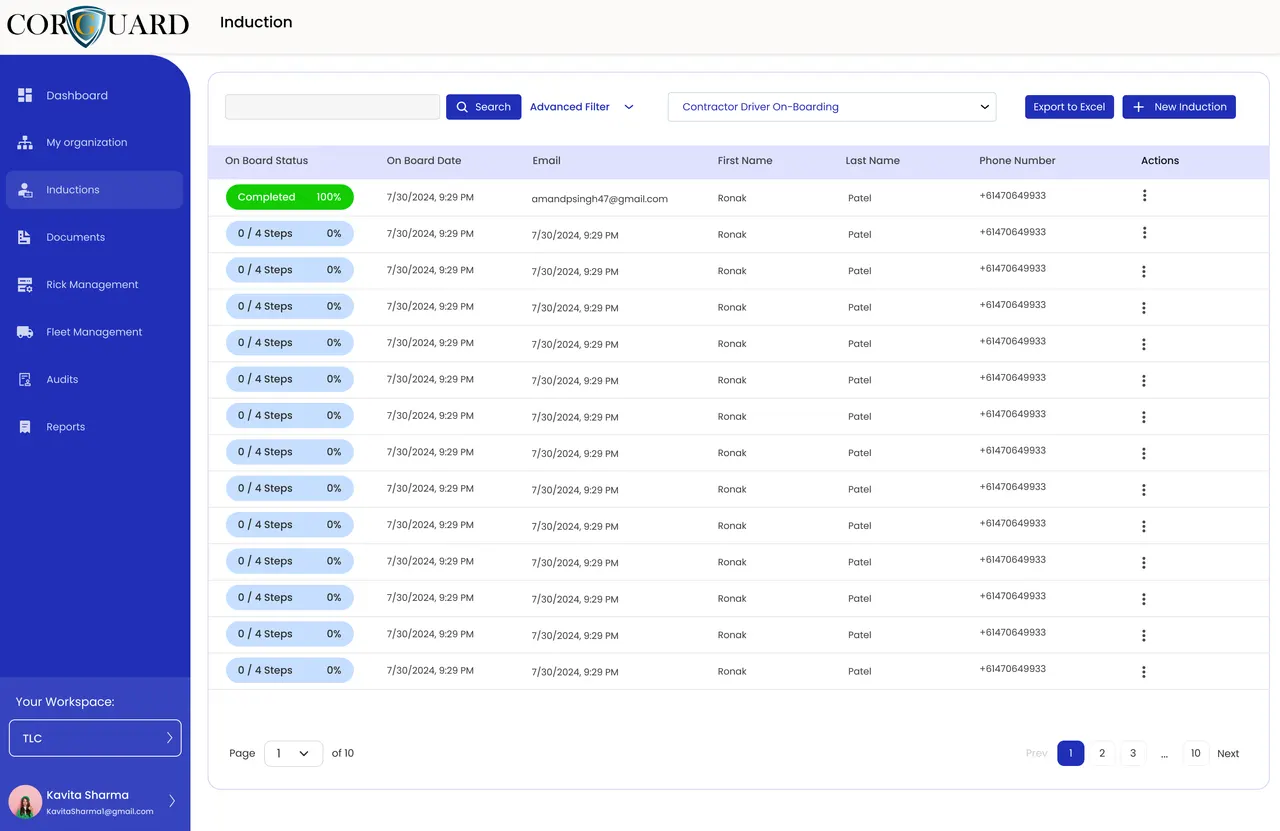
Training records
Connect training completion from cortraining.com.au to evidence and follow-up.
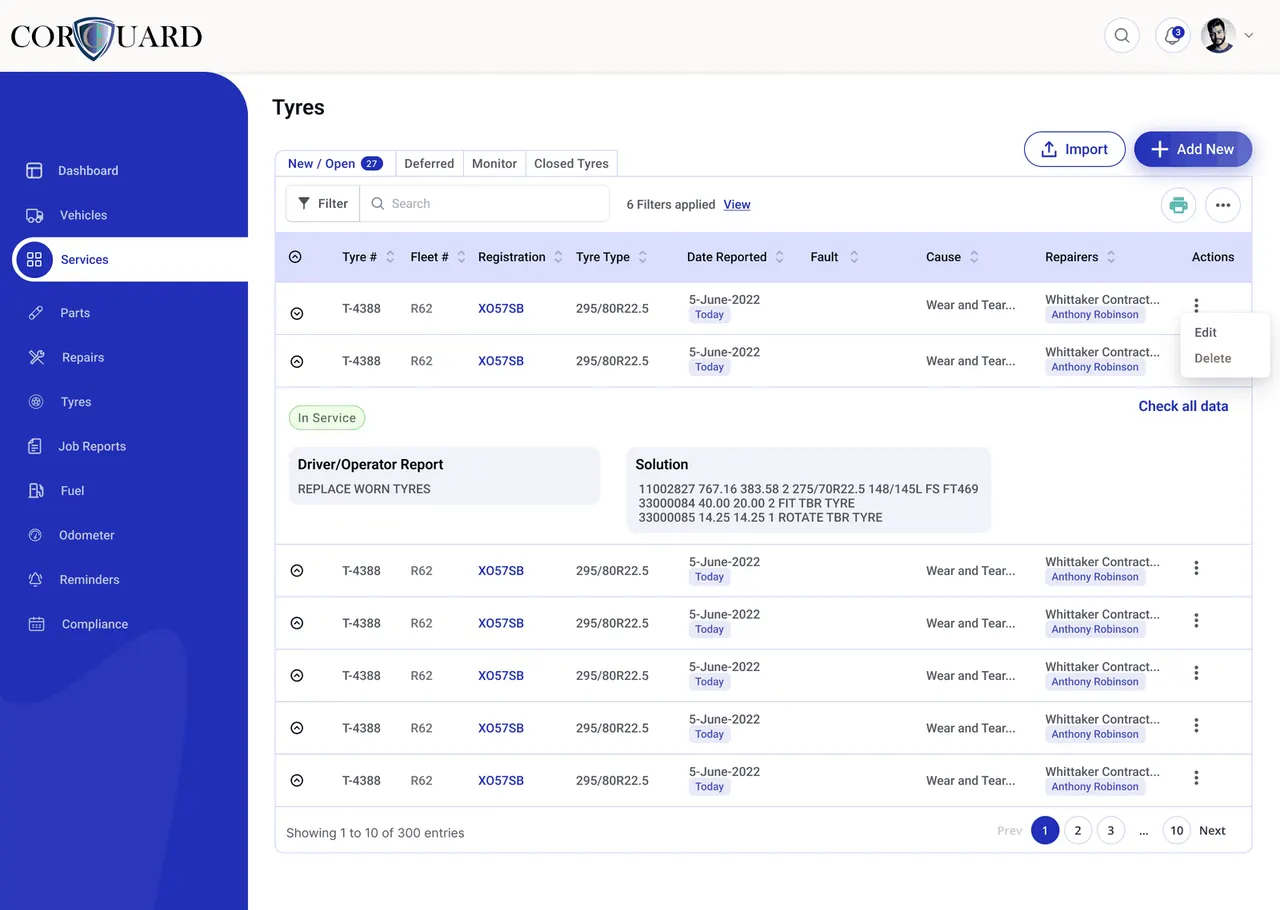
Driver diary checks
Connect fatigue and driver diary review back to manager visibility.
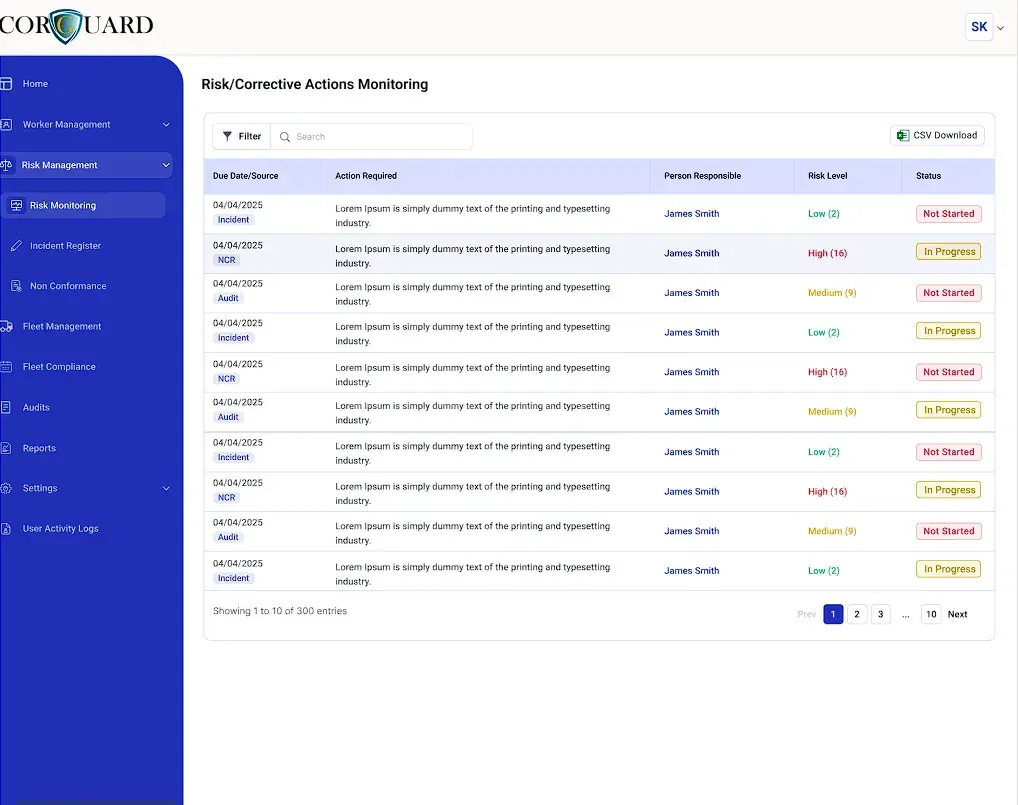
Corrective actions
Turn audit findings, hazards and incidents into tracked actions.
Keep exploring
Related Chain of Responsibility reading
MAEZ insight
Understanding Safety Management System Software Essentials
Explore how Safety Management System software transforms incident prevention and compliance, offering essential tools for effective safety management.
MAEZ insight
Exploring Key Transport Safety Protocols for Safer Travel
Understand transport safety protocols for safer travel across roads, airways, and waterways. Learn how regulatory and operational standards protect us.
MAEZ insight
Understanding Common Transport Safety Challenges
Explore common transport safety challenges impacting the industry. Learn how to mitigate risks and enhance safety in your supply chain.
MAEZ insight
Essential Checklist for Managing Supply Chain Risks
Discover a comprehensive supply chain risk management checklist to safeguard your network from financial, regulatory, and cybersecurity threats.
MAEZ insight
Effective Strategies for Supply Chain Risk Management
Discover best practices in supply chain risk management to minimize disruptions and financial losses. Learn to leverage technology and supplier networks effectively.
MAEZ insight
Overcoming Common CoR Training Challenges with Ease
Discover effective solutions for overcoming common CoR training challenges and ensure lasting change in your organization. Learn how to engage participants effectively.
Frequently asked questions
Questions people ask about this topic
What is Chain of Responsibility compliance under the HVNL?
Chain of Responsibility (CoR) compliance requires every party in the heavy vehicle supply chain to take reasonable steps to ensure safety under the Heavy Vehicle National Law (HVNL). It covers fatigue, speed, mass, load restraint, and vehicle condition, applying to all parties with influence over transport safety.
What are the prerequisites for COR certification?
Before starting COR certification, a business needs management commitment, baseline safety capability, and operational stability. These prerequisites ensure the organisation has the foundational practices and capacity to implement and maintain a functioning safety management system.
How much time should an internal auditor allocate for COR certification?
An internal auditor should allocate 20–30% of their time during the initial COR certification process, and 10–15% of their time for ongoing compliance monitoring, training coordination, and continuous improvement.
What documentation is required for a CoR audit?
CoR audits require training records, vehicle documentation (registration, maintenance logs, inspection records, defect reports), and evidence that safety controls are applied consistently in daily operations. Successful operators build this evidence into daily routines rather than creating it retrospectively.