
MAEZ insight
Essential Chain of Responsibility Compliance Tips Explained
Practical Chain of Responsibility compliance tips for Australian transport operators. Understand HVNL duties, primary duty, fatigue, mass, speed, and SMS requirements.
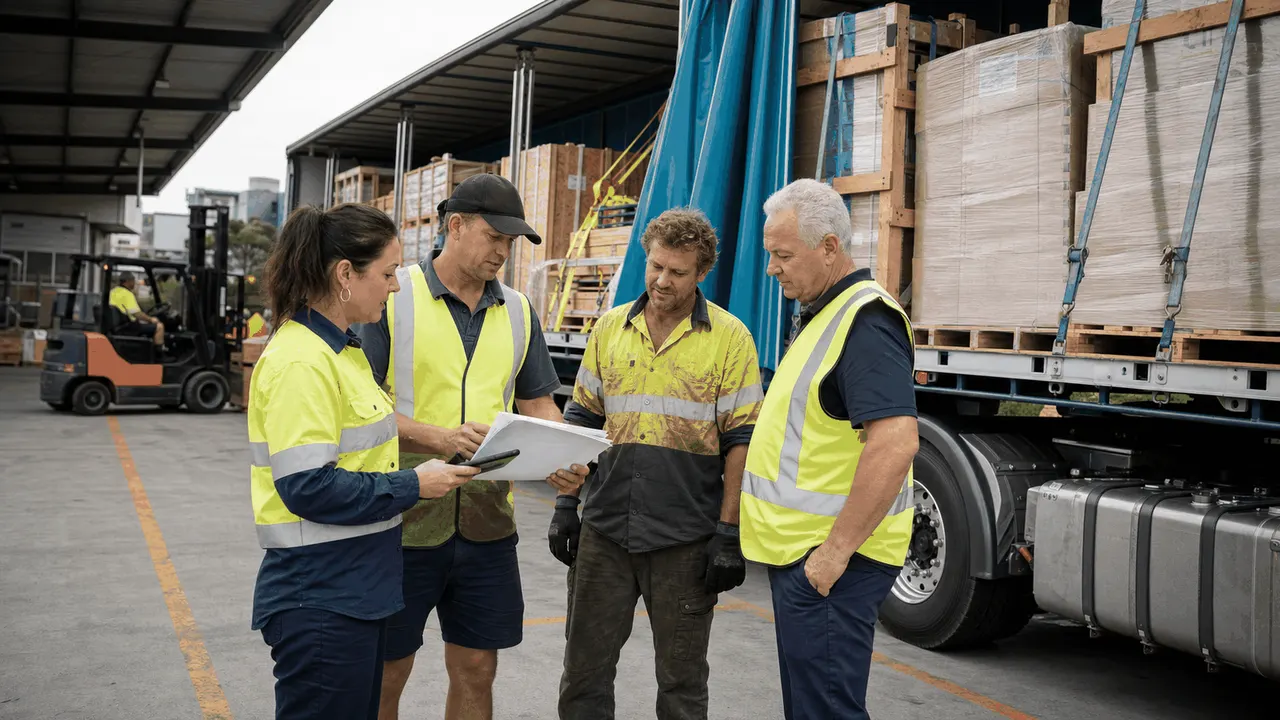
Unloading decisions can affect safety, scheduling, and responsibility.
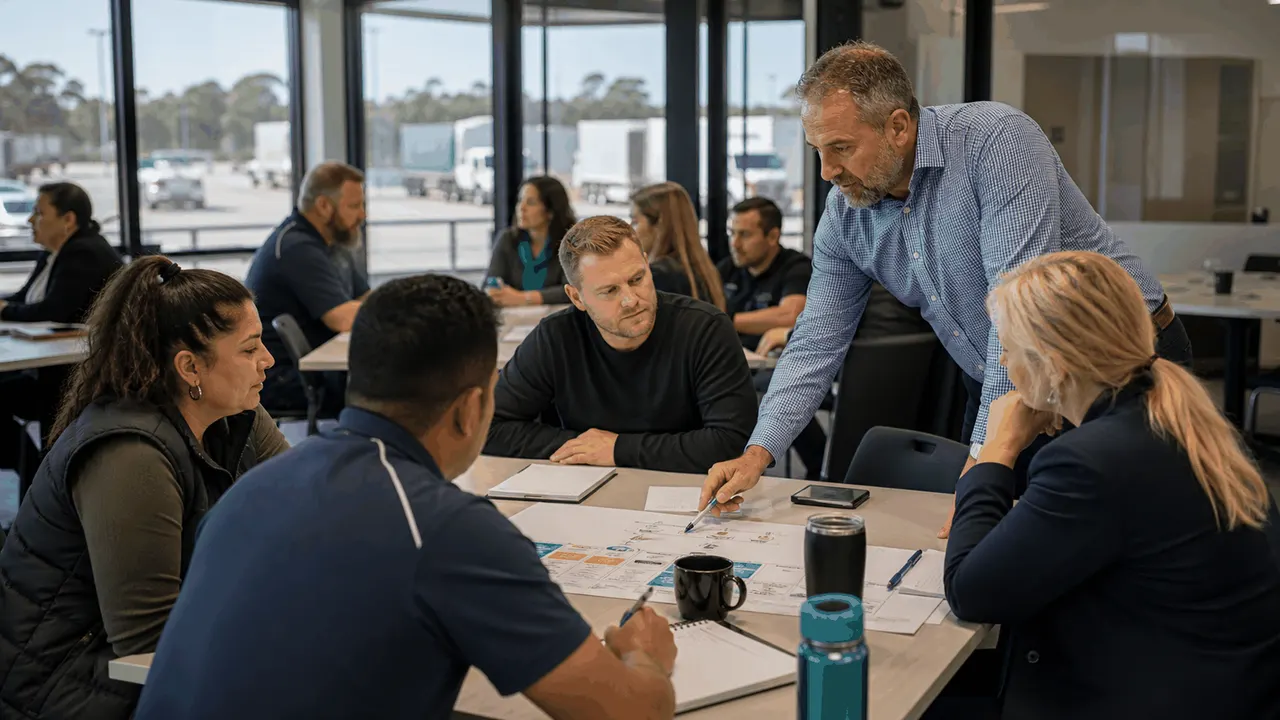
Managers need a clear view of gaps before audit or enforcement pressure arrives.

Contractor controls should be verified before the work starts.
Receiving windows, site rules, and unloading delays can all shape the transport task.
Consignors
Freight terms, delivery windows, and KPIs must not push drivers into speed, fatigue, or mass breaches.
Consignees
Receiving rules, site access, and unloading delays are CoR controls that need to be set and evidenced.
Loaders
Mass, dimension, and load restraint decisions need documented checks, not assumptions.
Managers
Executives and managers need due-diligence evidence that the Safety Management System is actually working.
What is Chain of Responsibility compliance?
A shared safety framework under the Heavy Vehicle National Law
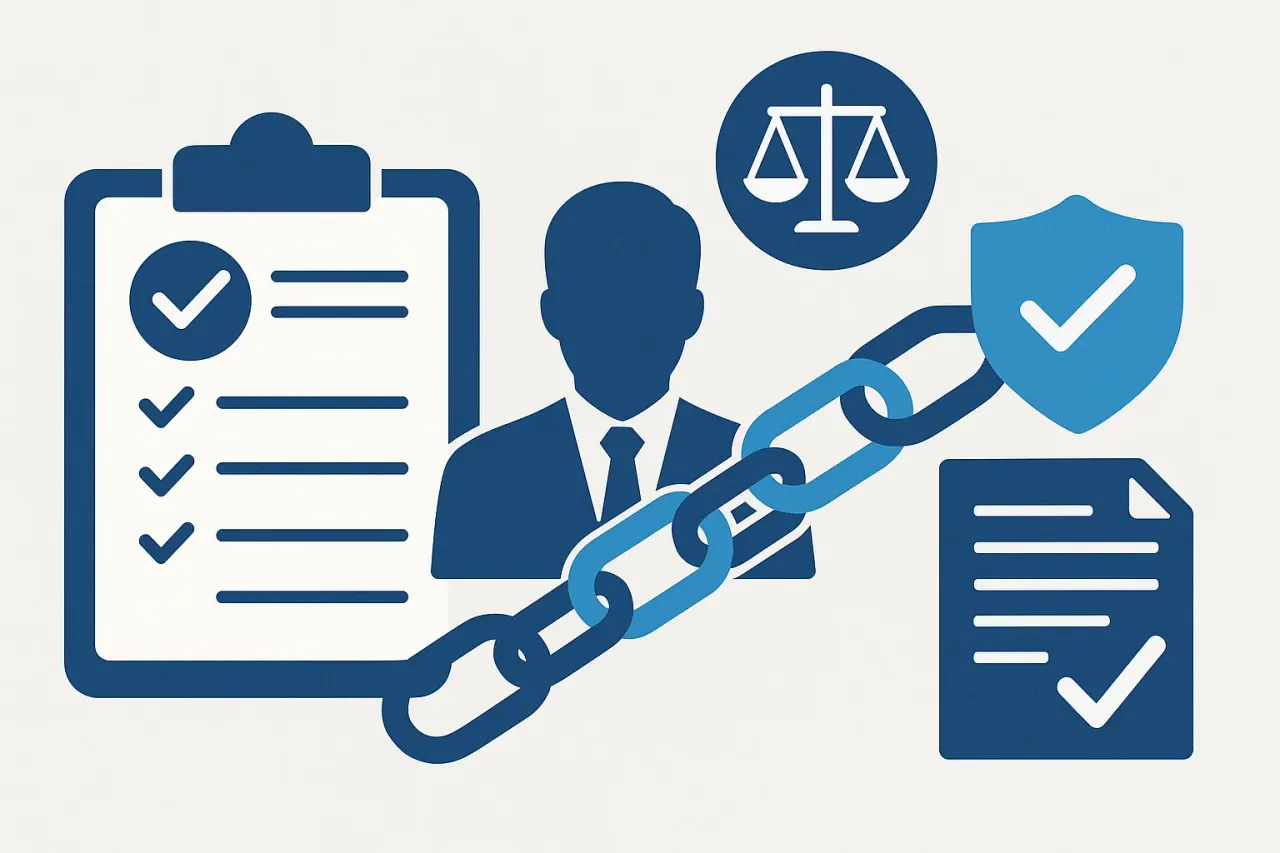
Chain of Responsibility (CoR) compliance under the Heavy Vehicle National Law (HVNL) requires every party in the supply chain to understand their obligations and take practical, reasonably practicable steps to ensure safety. The framework extends well beyond driver responsibilities to include everyone who influences scheduling, loading, maintenance, and operations for heavy vehicles over 4.5 tonnes gross vehicle mass.
The National Heavy Vehicle Regulator (NHVR) provides guidance on which parties are in the chain and what duties they may hold, covering consignors, loaders, schedulers, operators, and more. CoR compliance is not simply about ticking boxes—it is about building safety into daily operations across your entire heavy vehicle transport activities.
To learn more about the framework, see About Chain of Responsibility or explore Chain of Responsibilities: What Australian HVNL Duty Holders Need to Understand.
What is the primary duty under the HVNL?
Proactive, reasonably practicable safety obligations for every party
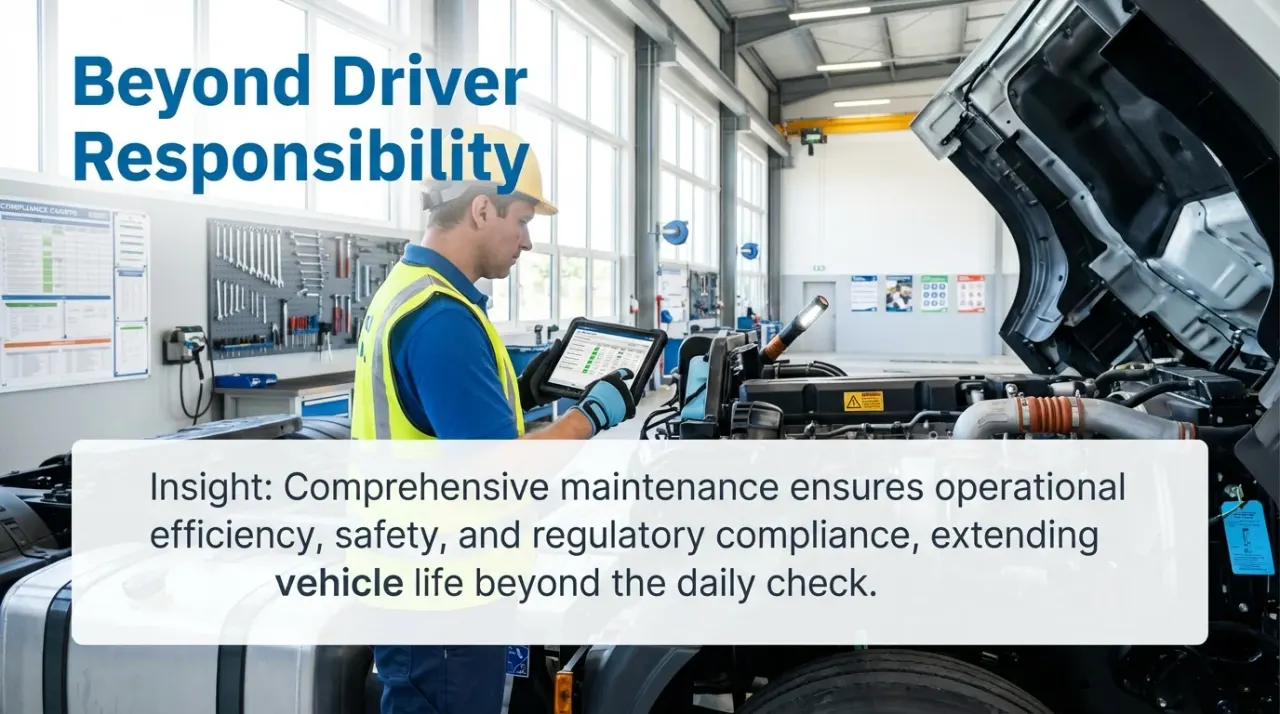
Under the HVNL, each party in the supply chain has a primary duty to ensure the safety of their transport activities. This duty requires taking steps that are reasonably practicable to eliminate or minimise risks, considering available knowledge, time, and resources.
- Eliminate risks where possible. When elimination is not feasible, minimise risks through appropriate control measures.
- Be proactive, not reactive. You cannot wait until incidents occur before addressing safety risks.
- Ensure vehicle roadworthiness. Heavy vehicles must be properly maintained and meet applicable safety and design requirements.
- Comply with dimension, mass, and speed limits. Every party who can influence transport safety shares responsibility.
The HVNL also imposes a duty on executives of legal entities to exercise due diligence to ensure their business complies with CoR obligations. For a structured review of your gaps, consider CoR Consulting | Practical CoR Risk Review.
Who bears responsibility in the supply chain?
Each party's duties depend on their role and influence
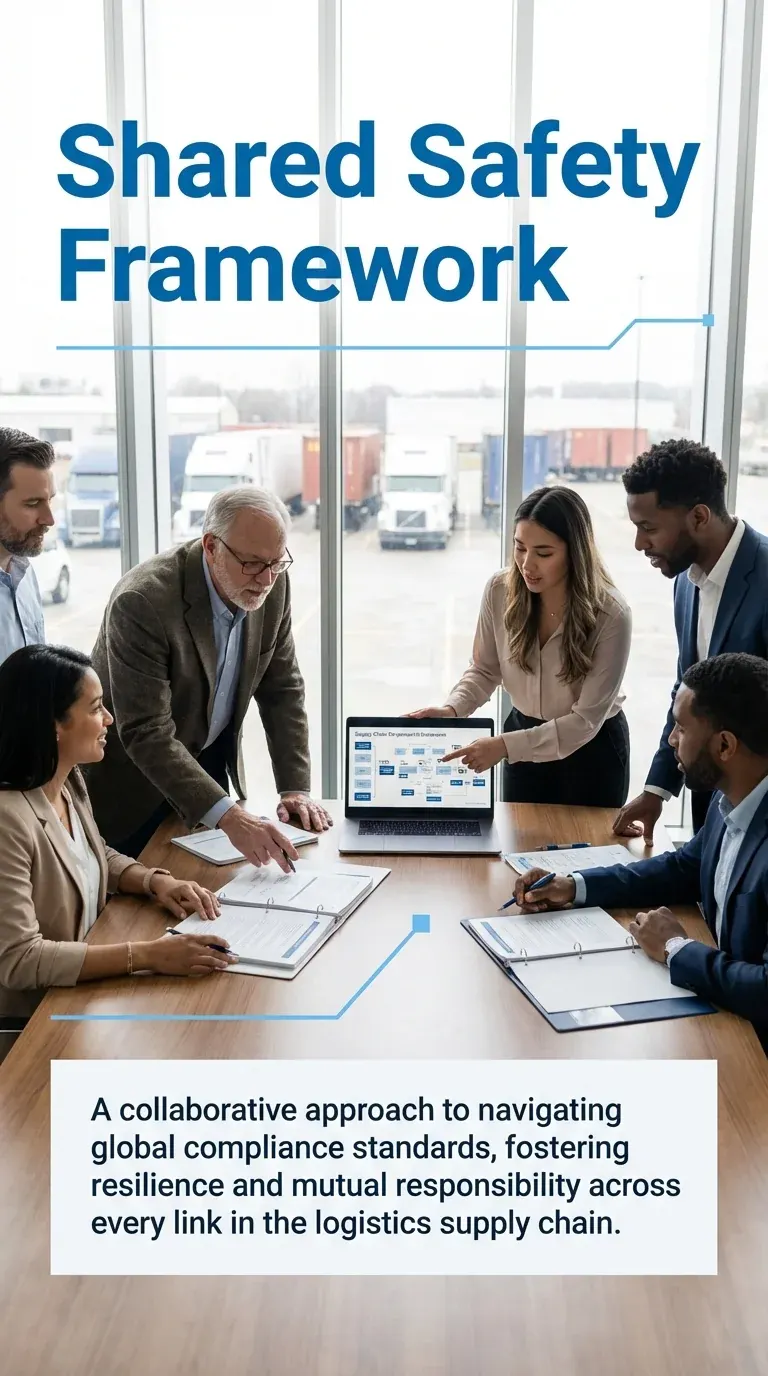
CoR obligations extend to multiple parties throughout the transport chain. Each party's specific duties depend on their role and influence over transport activities.
- Consignors send goods and bear responsibility for proper packaging and labelling. They must provide accurate cargo weight and dimension information, and scheduling requests must allow drivers adequate time. Unrealistic delivery windows can pressure drivers to speed or drive fatigued.
- Operators control vehicle fleets and employ or engage drivers. Responsibilities include maintaining roadworthy vehicles, managing driver fatigue, and implementing inspection and maintenance systems.
- Schedulers create delivery schedules and route plans that directly influence driver behaviour. Schedules must account for realistic travel times, road conditions, and rest requirements. Building in buffer time prevents pressure to speed or skip rest breaks.
- Loaders physically handle freight and must ensure proper load restraint and weight distribution, preventing overloading and securing loads according to the Load Restraint Guide.
- General contractors coordinate transport activities and must manage the safety performance of their supply chain partners.
Documented processes showing how you communicate load requirements, scheduling methodology, and loading procedures demonstrate your commitment to safety throughout the transport chain.
How do you manage driver fatigue under CoR?
Plan work and rest to stay within fatigue-related limits
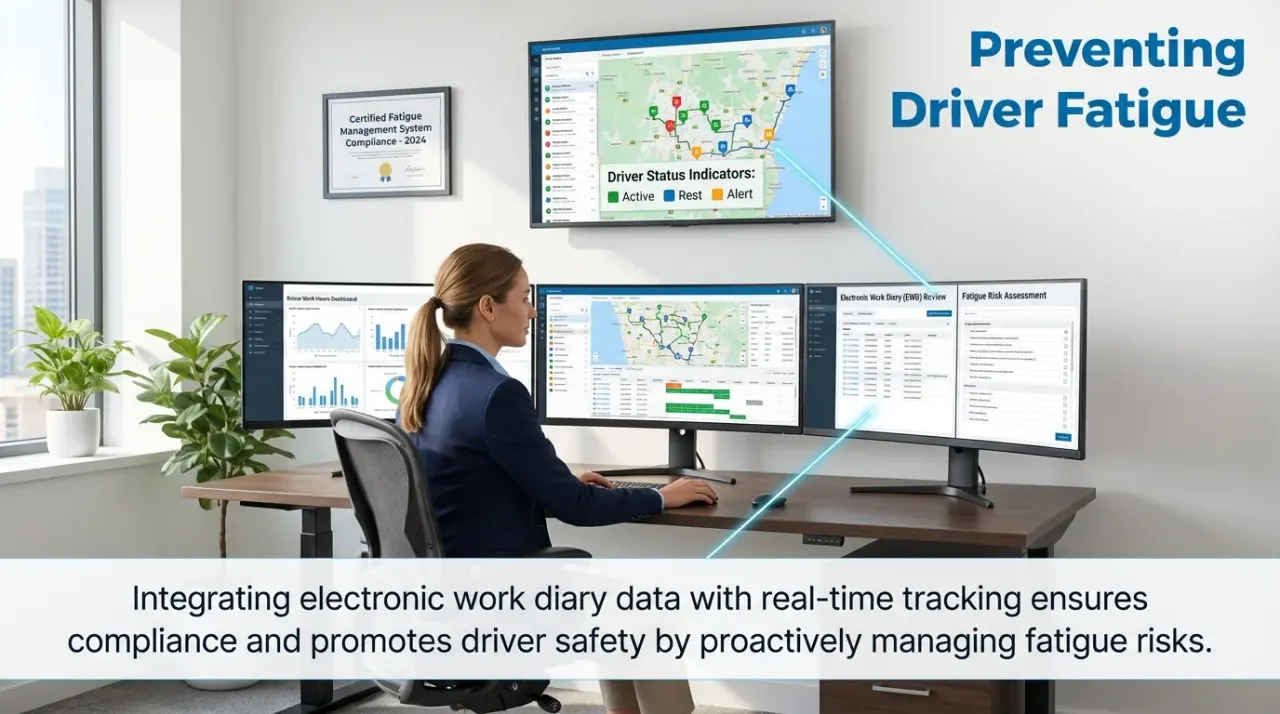
CoR covers driver fatigue and work hours, requiring that parties must not request or influence drivers to drive while fatigued or exceed fatigue-related work limits. Fatigue remains one of the most significant safety risks in heavy vehicle operations.
Your fatigue management approach must consider driver work and rest hours under the applicable fatigue management scheme—Standard Hours, Basic Fatigue Management, and Advanced Fatigue Management each have specific requirements.
Practical steps for fatigue compliance
- Implement systems that monitor driver hours in real time so you can intervene before limits are exceeded.
- Provide training for schedulers and dispatchers so they understand how their decisions affect driver fatigue and can recognise signs of fatigue.
- Document your scheduling methodology to show how safety considerations inform planning decisions.
For structured learning, see Chain of Responsibility Training for Australian Operators or the Chain of Responsibility Course.
What are your vehicle maintenance and roadworthiness obligations?
Prevent mechanical failures through documented maintenance
Maintaining vehicles in safe operating condition prevents mechanical failures that could cause incidents. Your maintenance program must address all safety-critical systems regularly, with scheduled maintenance based on manufacturer recommendations forming the foundation of vehicle safety.
You need documented maintenance records showing compliance with service intervals. Pre-start inspection procedures help drivers identify defects before operating vehicles, and clear reporting processes ensure defects receive prompt attention.
Key maintenance practices
- Conduct regular inspections and maintenance based on manufacturer recommendations.
- Use pre-start checks so drivers can identify defects before vehicles leave the depot.
- Maintain clear defect reporting and rectification processes.
- Ensure maintenance is carried out by qualified technicians at appropriate facilities.
Cutting corners on maintenance creates significant safety and compliance risks. Proper vehicle servicing is essential for meeting your CoR obligations.
How do you manage mass, dimension, and loading compliance?
Plan loads and routes to stay within legal limits
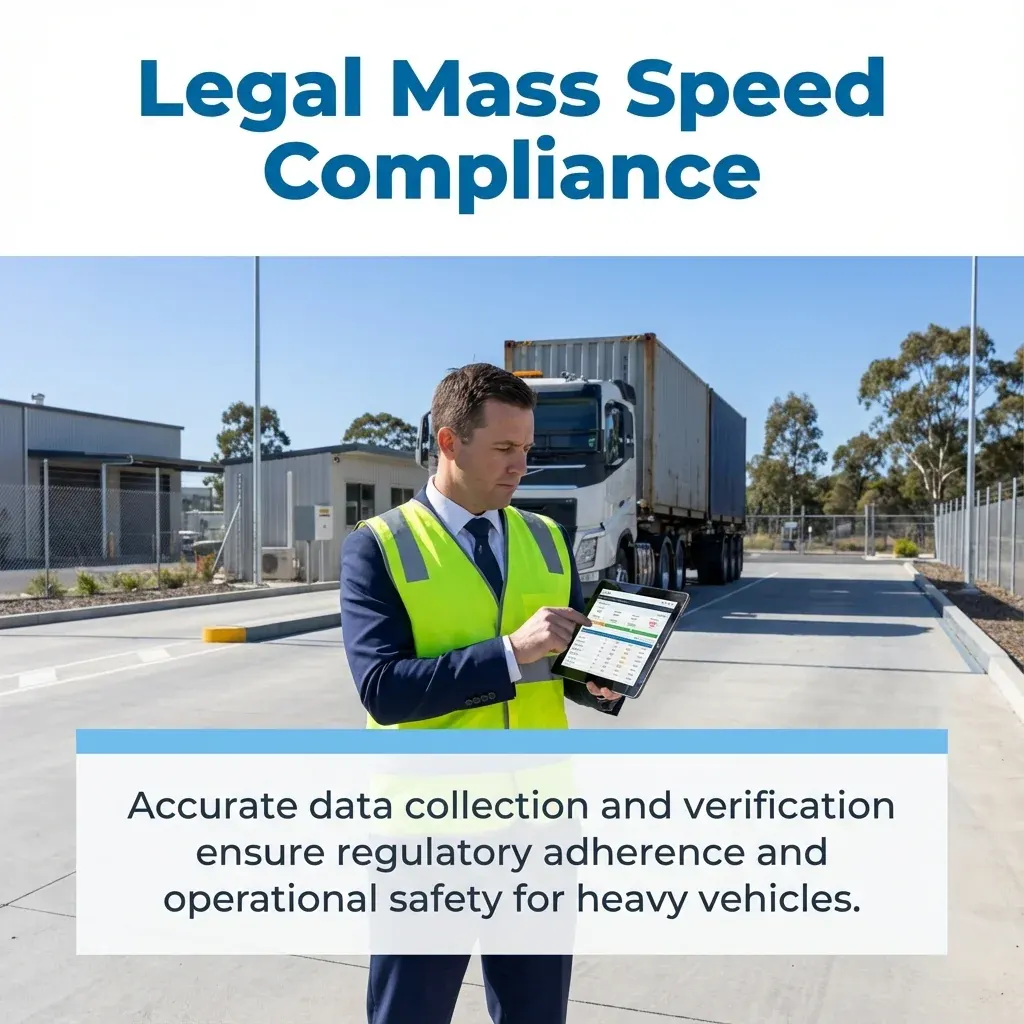
Overloading damages roads and vehicles while creating serious safety hazards. Every party must take steps to ensure vehicles operate within legal mass limits. The HVNL categorises breaches of mass and loading requirements into minor, substantial, and severe risk breaches, each carrying different consequences.
Mass and loading controls
- Weighing procedures verify actual vehicle mass before heavy vehicles enter public roads. Portable weighing equipment or weighbridge access helps confirm compliance.
- Load distribution affects vehicle handling and braking performance. Proper weight distribution across axle groups maintains stability and prevents excessive axle loads.
- Dimension compliance ensures vehicles don't exceed height, width, or length limits. Some loads require special permits when they exceed standard dimension limits.
- Load restraint must meet the standards in the Load Restraint Guide. Loaders need training in proper loading techniques and regular competency assessments.
Documentation of loading procedures and weight verification processes demonstrates your commitment to mass and load restraint compliance.
How do you build a Safety Management System for CoR?
Identify risks, implement controls, and build capability through training
A Safety Management System (SMS) provides the framework for managing CoR compliance across your operations. This systematic approach helps you identify risks and implement appropriate controls.
Risk assessment
Start by identifying all activities in your operations that involve heavy vehicle transport. Assess the level of risk associated with each activity—high-risk activities require more robust controls. Document your risk assessment methodology and findings, and review and update regularly as operations change.
Control measures and procedures
Implement controls that eliminate risks where possible or minimise them to acceptable levels. Written procedures provide clear guidance for employees and contractors, covering all critical safety activities. Digital systems can help distribute procedures and track acknowledgments.
Training and competency
Everyone involved in your transport operations needs appropriate role-based training covering both general CoR principles and specific job responsibilities. Competency assessments verify that people can apply their training in practice. For practical training options, visit Chain of Responsibility Training for Australian Transport Operators or browse MAEZ Insights for more guidance.
How MAEZ works
Find the gaps. Fix the system. Prove the controls.
MAEZ helps transport operators deal with the compliance risk they already know is there. We help get the Safety Management System in order, protect NHVAS accreditation, reduce fine exposure, and connect training, evidence, and CoRGuard workflows where software is needed.
Find
Identify what is exposed before an auditor or regulator does.
Fix
Build the SMS controls around how the transport business actually runs.
Prove
Use CoRGuard where records, reminders, diaries, audits, and evidence need structure.
From advice to evidence
From MAEZ advice to a working Safety Management System
Advisory work should leave a practical implementation trail. These examples show how CoRGuard supports records, fatigue and driver diary checks, maintenance, audits, document control, inductions, corrective actions, and evidence review after MAEZ identifies the gaps.
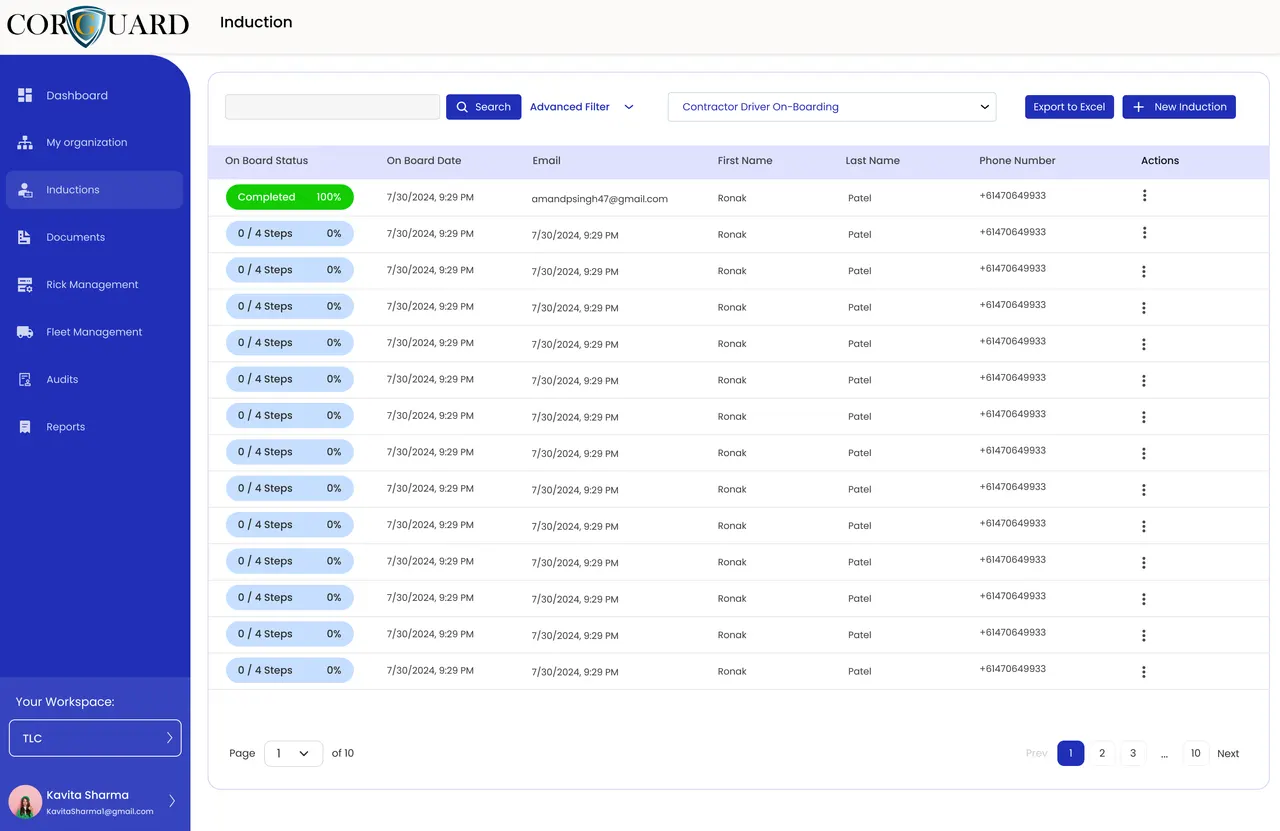
Training records
Connect training completion from cortraining.com.au to evidence and follow-up.
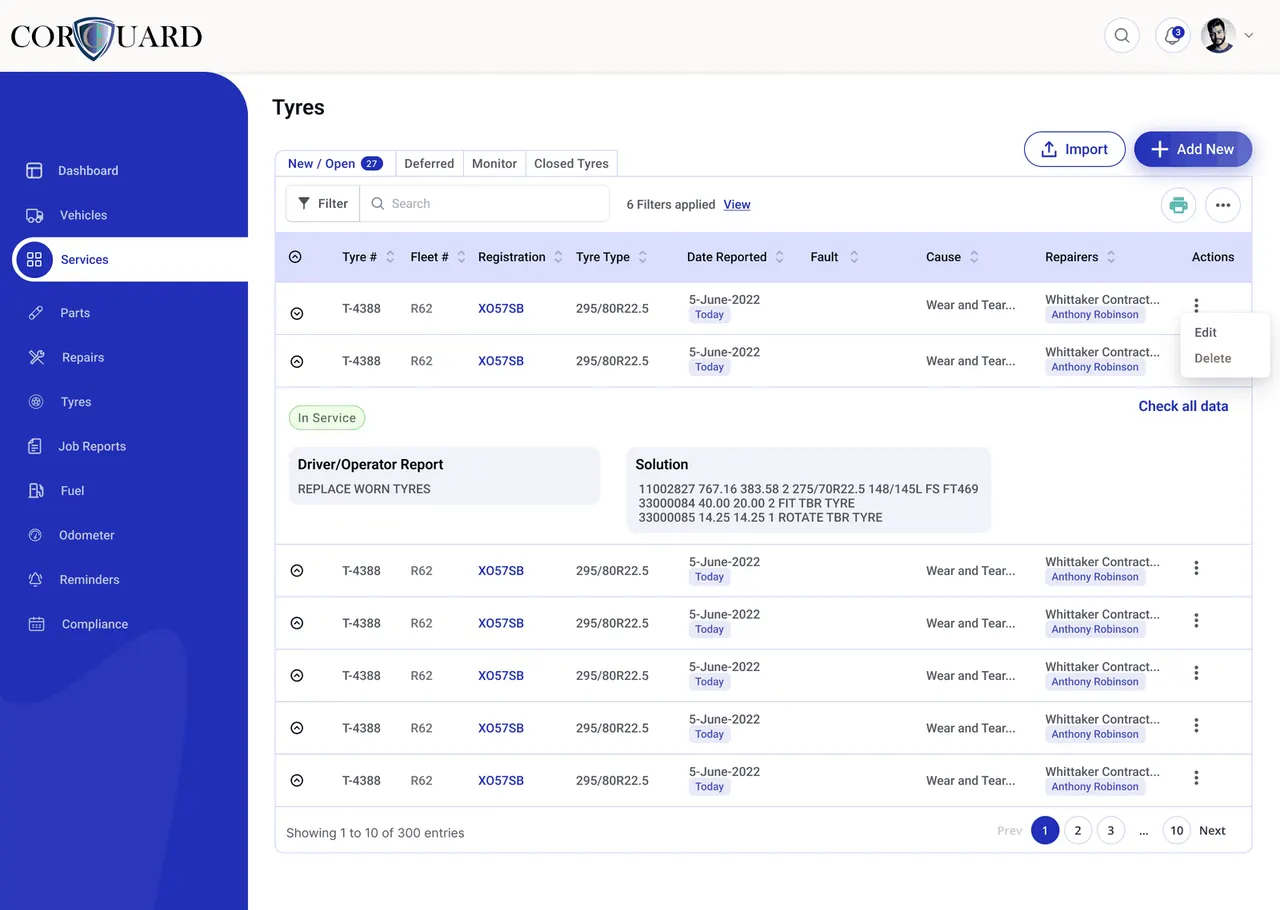
Driver diary checks
Connect fatigue and driver diary review back to manager visibility.
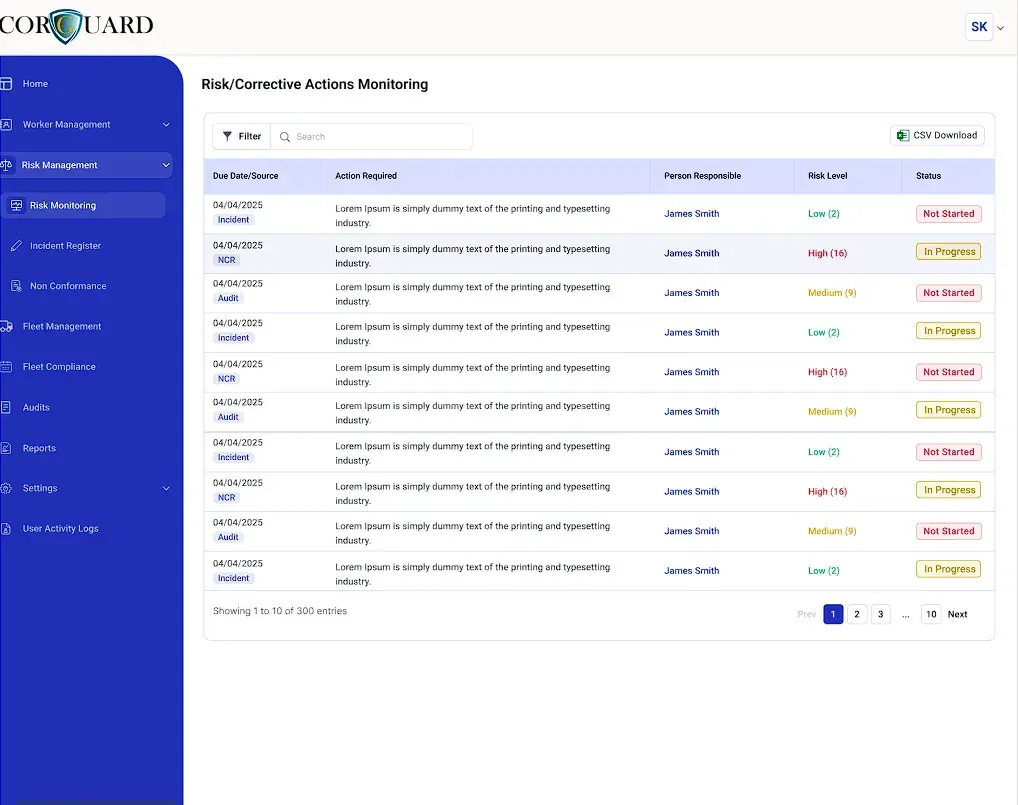
Corrective actions
Turn audit findings, hazards and incidents into tracked actions.
Keep exploring
Related Chain of Responsibility reading
MAEZ insight
Exploring Effective Safety Management System Examples
Discover effective Safety Management System examples to enhance workplace safety through structured frameworks and core components.
MAEZ insight
Understanding Key Components of a Safety Management System
Discover the crucial components of a safety management system, including Safety Policy and Risk Management, to enhance organizational safety outcomes.
MAEZ insight
Ensuring a Strong Chain of Responsibility: Key Steps
Learn how to ensure chain of responsibility with key steps for building reliable systems. Discover effective request distribution across handlers.
MAEZ insight
Ensuring CoR Compliance: A Comprehensive Guide
Discover how to ensure CoR compliance with our comprehensive guide, focusing on systematic safety management and regulatory adherence.
MAEZ insight
Understanding Safety Management System Software Essentials
Explore how Safety Management System software transforms incident prevention and compliance, offering essential tools for effective safety management.
MAEZ insight
Exploring Key Transport Safety Protocols for Safer Travel
Understand transport safety protocols for safer travel across roads, airways, and waterways. Learn how regulatory and operational standards protect us.
Frequently asked questions
Questions people ask about this topic
What is Chain of Responsibility compliance under the HVNL?
Chain of Responsibility compliance under the Heavy Vehicle National Law requires every party in the supply chain—consignors, loaders, schedulers, operators, and others—to understand their obligations and take reasonably practicable steps to ensure the safety of heavy vehicle transport activities.
Who has a primary duty under the HVNL?
Every party in the supply chain has a primary duty to ensure the safety of their transport activities by taking reasonably practicable steps to eliminate or minimise risks. Executives of legal entities also have a due diligence duty to ensure their business complies with CoR obligations.
How does the HVNL categorise mass and loading breaches?
The HVNL categorises breaches of mass and loading requirements into minor, substantial, and severe risk breaches, each carrying different consequences depending on the level of risk posed.
What fatigue management options are available under CoR?
Drivers and operators can work under Standard Hours, Basic Fatigue Management, or Advanced Fatigue Management, each with specific work and rest requirements. Parties must not request or influence drivers to drive while fatigued or exceed applicable fatigue limits.
What should a CoR Safety Management System include?
A CoR Safety Management System should include risk assessment of all transport activities, documented control measures and procedures, and role-based training with competency assessments to ensure everyone can apply safety requirements in practice.