
MAEZ insight
Managing Your CoR Safety System | Practical Guidance for Australian Transport Operators
Practical guidance for Australian transport operators on building and maintaining a Chain of Responsibility safety system that meets HVNL obligations, reduces risk, and produces evidence.

Contractor controls should be verified before the work starts.
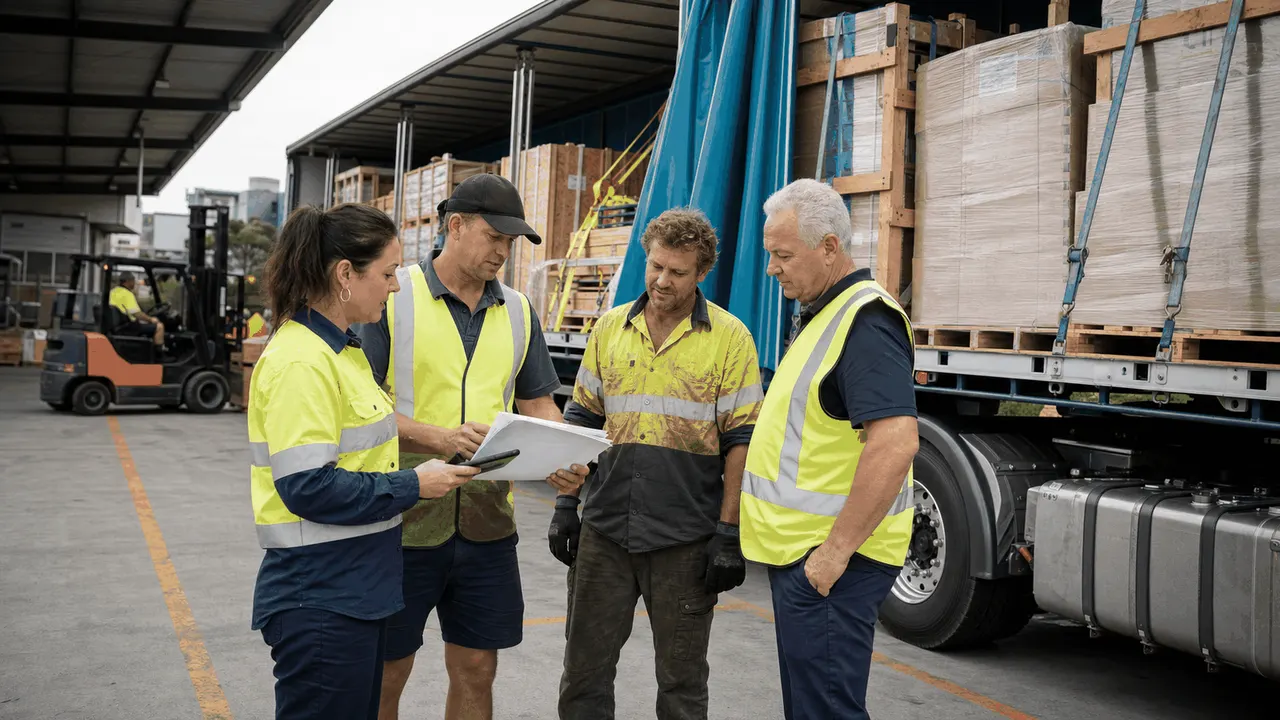
Receiving windows, site rules, and unloading delays can all shape the transport task.
Unloading decisions can affect safety, scheduling, and responsibility.
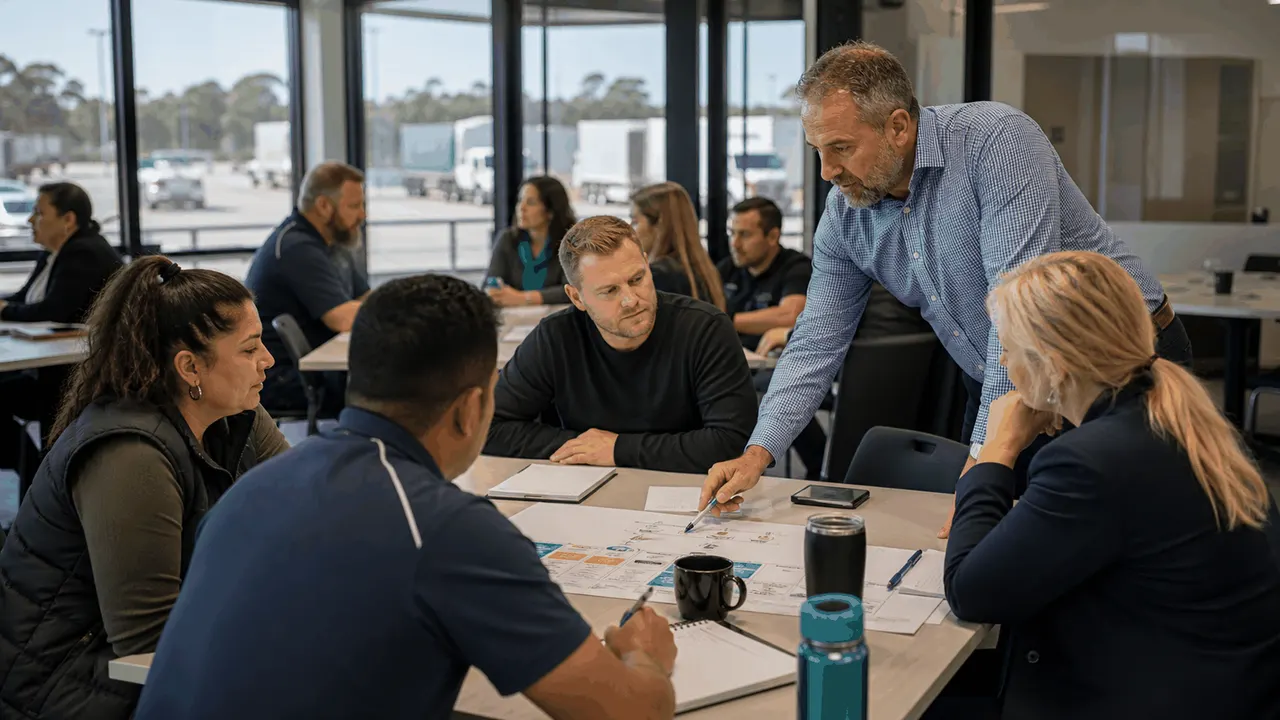
Managers need a clear view of gaps before audit or enforcement pressure arrives.
Consignors
Freight terms, delivery windows, and KPIs must not push drivers into speed, fatigue, or mass breaches.
Consignees
Receiving rules, site access, and unloading delays are CoR controls that need to be set and evidenced.
Loaders
Mass, dimension, and load restraint decisions need documented checks, not assumptions.
Managers
Executives and managers need due-diligence evidence that the Safety Management System is actually working.
What is a CoR safety system and why does it matter?
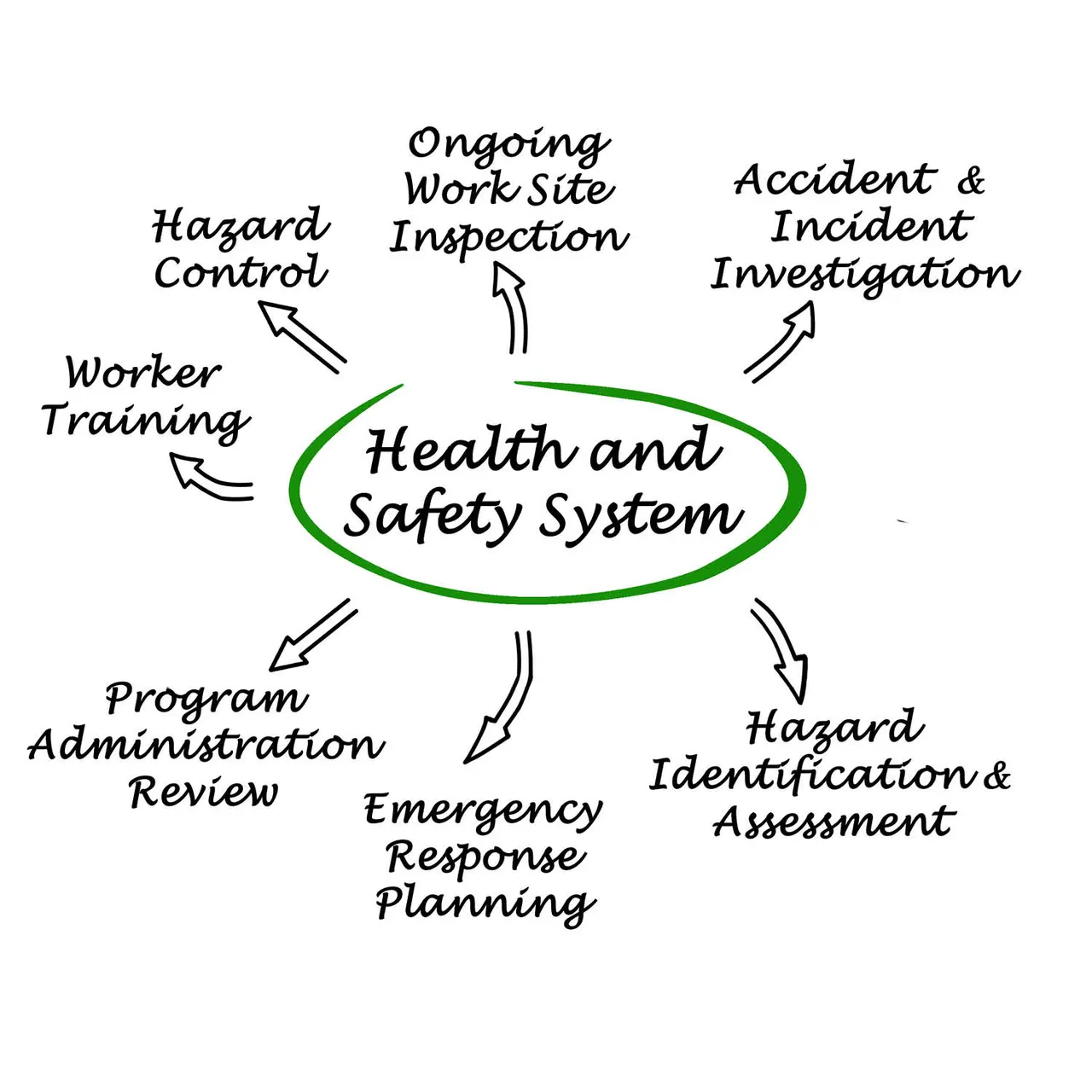
A Chain of Responsibility (CoR) safety system is the set of identifiable controls, records, and improvement processes a transport business uses to meet its Heavy Vehicle National Law (HVNL) obligations. Every party who influences a heavy vehicle transport task — not just the driver — must have one in place, backed by evidence those controls are working.
The reality of transport risk in Australia is visible every week: trucks rolling over, drivers using drugs, vehicles catching fire, and incidents causing death and destruction. These are not abstract headlines — they are the reason the HVNL exists.
If your business involves trucks, you have a transport task. That means you carry safety obligations whether you drive the vehicle or not. The goal is not paperwork for its own sake — it is to steer your operations into a position where you are compliant with legislative requirements and on a path of continual improvement. Learn more about the Chain of Responsibility framework and how it applies across the supply chain.
What the HVNL requires of your business
A safety system is not optional
The Heavy Vehicle National Law requires every party who influences the transport task to have a safety system in place. This obligation extends well beyond the driver or the operator — it applies to consignors, consignees, loaders, schedulers, managers, and contractors alike.
The HVNL establishes a principle of shared responsibility and a primary duty of safety. It also places a specific duty on executives of legal entities to actively exercise due diligence. Prohibited requests and contracts — such as asking or inducing someone to breach the law — are separately addressed.
Operationally, this means your business needs:
- Identifiable controls that match the risks in your transport task
- Evidence those controls are working in practice
- A way to demonstrate continual improvement over time
Without a system, you are exposed before an auditor or regulator even arrives. For a deeper look at duty-holder obligations, see Chain of Responsibilities: What Australian HVNL Duty Holders Need to Understand.
Who needs to pay attention to CoR obligations?
Role-based duties across the supply chain
Chain of Responsibility obligations are role-based. Different parties in the supply chain face different expectations, and each needs controls and evidence suited to their part of the transport task.
- Contractors — contractor controls should be verified before the work starts.
- Consignees — receiving windows, site rules, and unloading delays can all shape the transport task and its safety.
- Unloaders — unloading decisions can affect safety, scheduling, and responsibility.
- Managers — managers need a clear view of gaps before audit or enforcement pressure arrives.
- Consignors and loaders — role-based CoR controls, evidence, and Safety Management System expectations apply.
If you influence any part of a heavy vehicle transport task, these obligations are relevant to you. That includes owner-operators, transport managers, executives, schedulers, and contractors.
How MAEZ helps you find, fix, and prove compliance
A practical pathway from gaps to evidence
MAEZ helps Australian transport and supply-chain businesses identify Chain of Responsibility, HVNL, WHS, NHVAS, training, audit, document-control, and Safety Management System gaps — then turn those gaps into practical controls and evidence.
The approach follows three steps:
- Find — identify what is exposed before an auditor or regulator does.
- Fix — build the SMS controls around how the transport business actually runs.
- Prove — use structured records, reminders, audits, and evidence to demonstrate compliance.
The objective is to get the Safety Management System in order, protect NHVAS accreditation, reduce fine exposure, and connect training, evidence, and software workflows where they are needed. For a structured risk review, explore Chain of Responsibility Consulting.
How training, evidence, and CoRGuard workflows connect
From advisory work to a working Safety Management System
Advisory work should leave a practical implementation trail. MAEZ defines the risk, obligations, controls, and implementation pathway. Where software is the right next step, CoRGuard supports the evidence workflow.
Examples of how the pieces connect:
- Training records — connect training completion to evidence and follow-up so you can prove who has been trained and when.
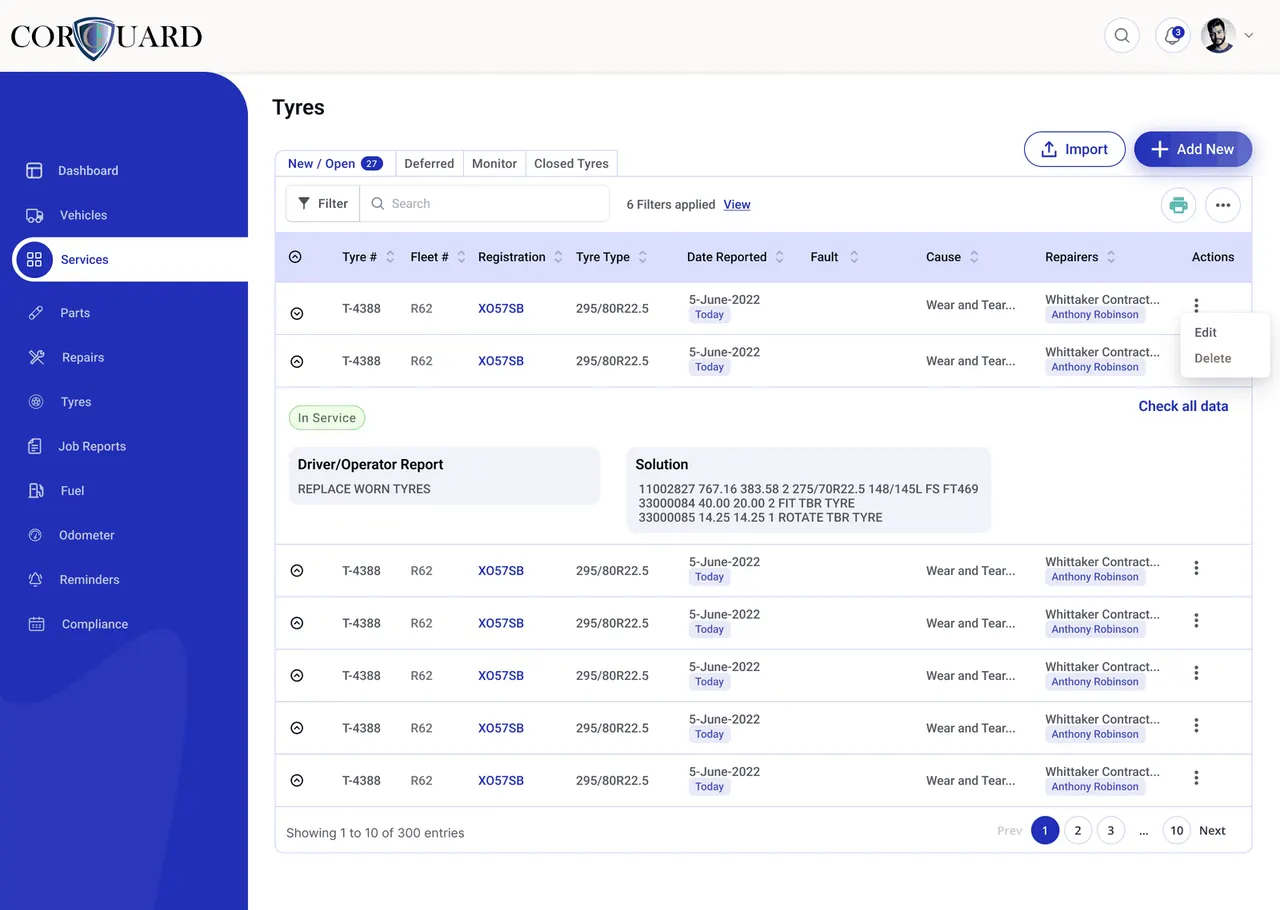
- Driver diary checks — connect fatigue and driver diary review back to manager visibility.
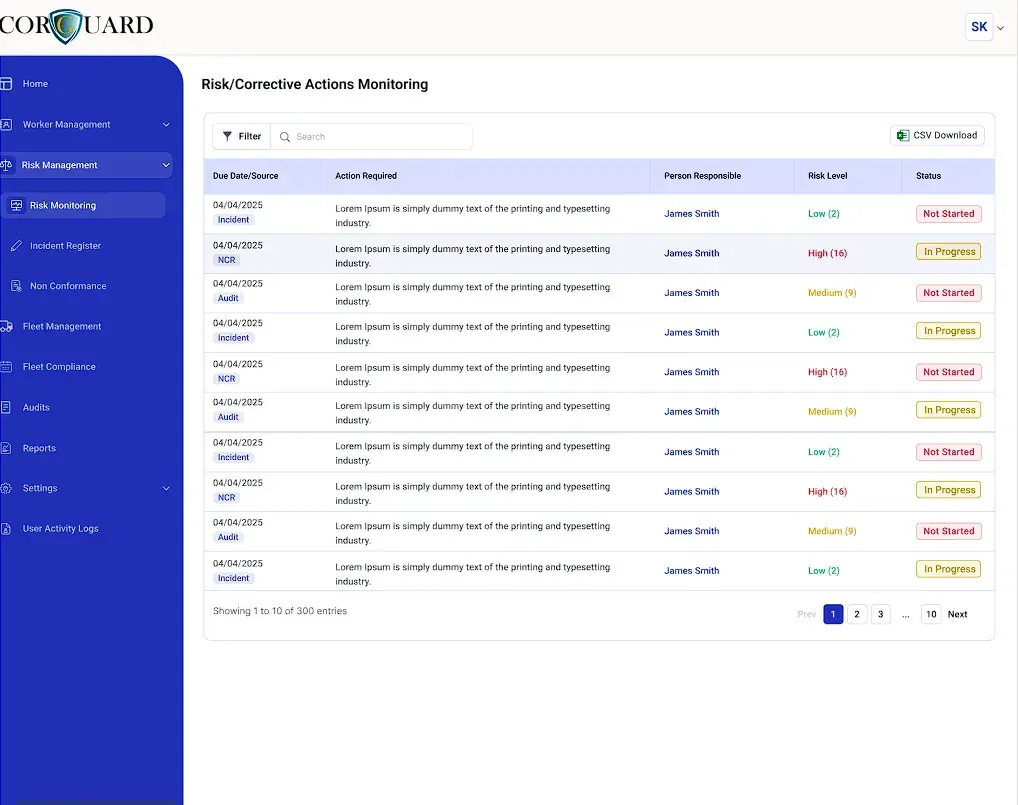
- Corrective actions — turn audit findings, hazards, and incidents into tracked actions with clear ownership.
Chain of Responsibility training is delivered through a dedicated training platform, while MAEZ provides the advisory and risk pathway. Where structured records, reminders, audits, maintenance, inductions, and evidence reporting are needed, CoRGuard is the SaaS Safety Management System platform that supports the day-to-day workflow.
Getting started with a practical review
Know where you stand before enforcement does
If you know compliance risk is already there, the next step is to get a practical review of the controls, evidence, training, and SMS gaps that matter most for your operation.
MAEZ helps transport operators deal with the risk they already know exists — and build a system that holds up under audit, regulator scrutiny, or internal pressure.
Contact MAEZ to start a review, or learn more about Chain of Responsibility consulting and the practical CoR training available for Australian operators.
How MAEZ works
Find the gaps. Fix the system. Prove the controls.
MAEZ helps transport operators deal with the compliance risk they already know is there. We help get the Safety Management System in order, protect NHVAS accreditation, reduce fine exposure, and connect training, evidence, and CoRGuard workflows where software is needed.
Find
Identify what is exposed before an auditor or regulator does.
Fix
Build the SMS controls around how the transport business actually runs.
Prove
Use CoRGuard where records, reminders, diaries, audits, and evidence need structure.
From advice to evidence
From MAEZ advice to a working Safety Management System
Advisory work should leave a practical implementation trail. These examples show how CoRGuard supports records, fatigue and driver diary checks, maintenance, audits, document control, inductions, corrective actions, and evidence review after MAEZ identifies the gaps.
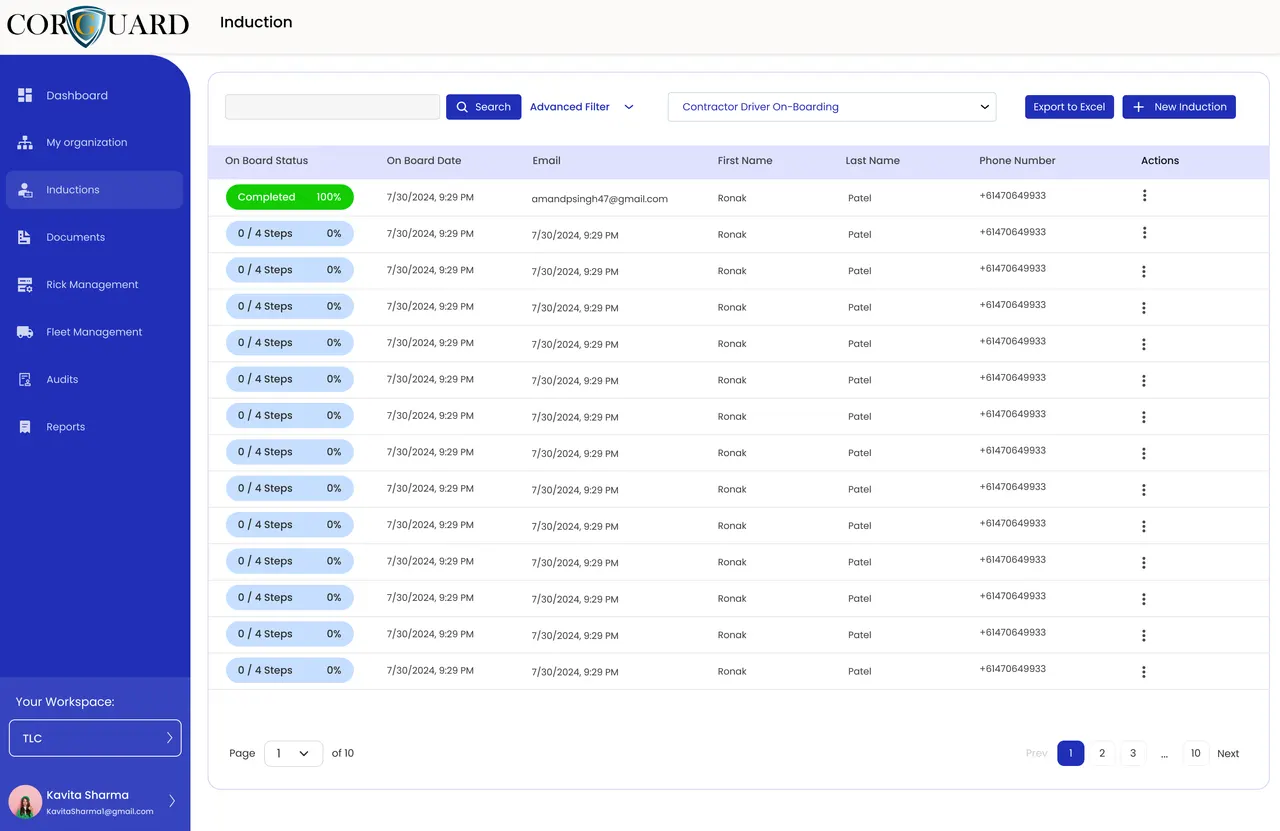
Training records
Connect training completion from cortraining.com.au to evidence and follow-up.
Driver diary checks
Connect fatigue and driver diary review back to manager visibility.
Corrective actions
Turn audit findings, hazards and incidents into tracked actions.
Keep exploring
Related Chain of Responsibility reading
MAEZ insight
The NHVR – Totally Irresponsible
In my view this is one of the most damaging articles to ever come from a governing body, that was put together to enhance a safety culture, amongst one of the most dangerous industries now in Australia.
MAEZ insight
Overloaded & Unrestrained
The owner and driver still have a duty of care. They must still ensure that their duty does not impact the lives of the employees, or the public. Even though they are not liable under the Heavy Vehicle National Law.
MAEZ insight
Chain of Responsibility (or CoR) NSW
All listed parties in a road transport task within a supply chain, have specific obligations under the Heavy Vehicle National Law (or HVNL) …
MAEZ insight
Safety Notice Boards
When taking a look at another business during an audit, I’m looking for hundreds of different things, but one which usually takes people by surprise is whether or not I can find a safety notice board.
MAEZ insight
Logistics Management
Logistic management companies have spent and will spend multiple millions of dollars on the safety of their fleet and drivers. Of course, it’s great for business, it reduces risk for their own investments and ongoing financial targets.
MAEZ insight
Alert – Securing Trucks In A Dangerous World
ALERT: STOLEN HEAVY VEHICLE Companies are being reminded to take the theft of company vehicles seriously as a PCBU may have responsibility, for any damage caused.
Frequently asked questions
Questions people ask about this topic
What is a Chain of Responsibility safety system?
A CoR safety system is the set of identifiable controls, records, and improvement processes a transport business uses to meet its HVNL obligations. Every party who influences a heavy vehicle transport task must have one in place, backed by evidence that the controls are working.
Who needs a CoR safety system under the HVNL?
Every party in the supply chain who influences the transport task needs a CoR safety system — including consignors, consignees, loaders, schedulers, managers, contractors, and executives. The obligation is role-based and extends well beyond the driver or operator.
What does MAEZ help transport businesses fix?
MAEZ helps Australian transport and supply-chain businesses identify Chain of Responsibility, HVNL, WHS, NHVAS, training, audit, document-control, and Safety Management System gaps, then turn those gaps into practical controls and evidence.
Is Chain of Responsibility training delivered by MAEZ?
MAEZ provides the advisory and risk pathway, while Chain of Responsibility training is delivered through a dedicated training platform. Where software is needed, CoRGuard supports the Safety Management System evidence workflow.
How does CoRGuard fit with MAEZ consulting?
MAEZ defines the risk, obligations, controls, and implementation pathway. CoRGuard is the SaaS Safety Management System platform used when a business needs structured records, reminders, audits, maintenance, driver diary checks, inductions, corrective actions, and evidence reporting.