
MAEZ insight
HVNL 2026 CoR Changes: What Australian Transport Operators Need to Know
The HVNL 2026 amendments mandate Safety Management Systems, introduce fit-to-drive duties, and restructure NHVAS accreditation. Here is what Australian transport operators and CoR parties must prepare for.

Due diligence means knowing whether the safety system is actually working.

Proof that freight promises do not create unsafe transport pressure.

Loading controls need evidence, not assumptions.
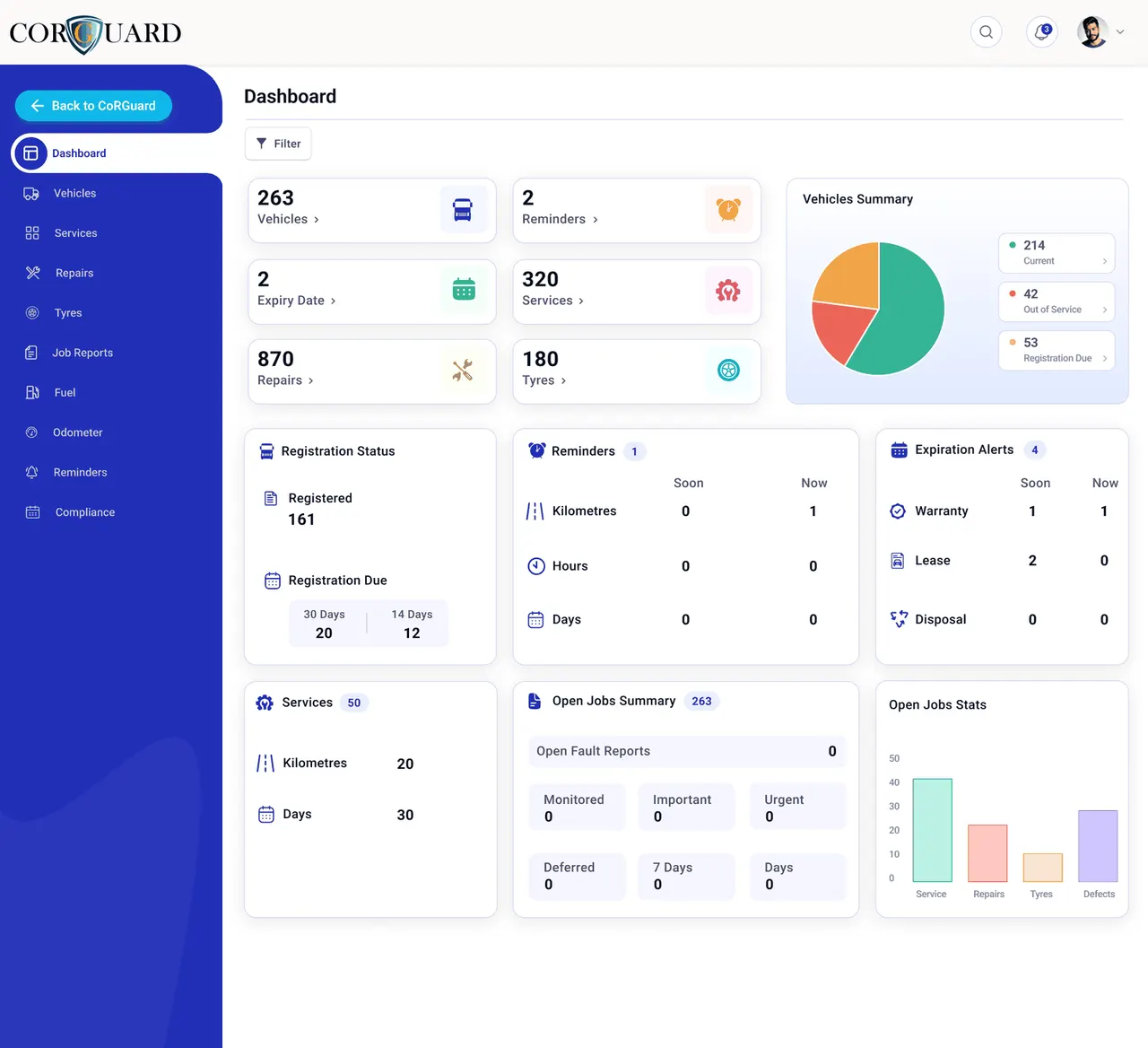
Daily fleet activity has to connect back to duties, controls, and review.
Consignors
Freight terms, delivery windows, and KPIs must not push drivers into speed, fatigue, or mass breaches.
Consignees
Receiving rules, site access, and unloading delays are CoR controls that need to be set and evidenced.
Loaders
Mass, dimension, and load restraint decisions need documented checks, not assumptions.
Managers
Executives and managers need due-diligence evidence that the Safety Management System is actually working.
What the HVNL 2026 amendments change for Chain of Responsibility
The biggest overhaul of heavy vehicle compliance in over a decade
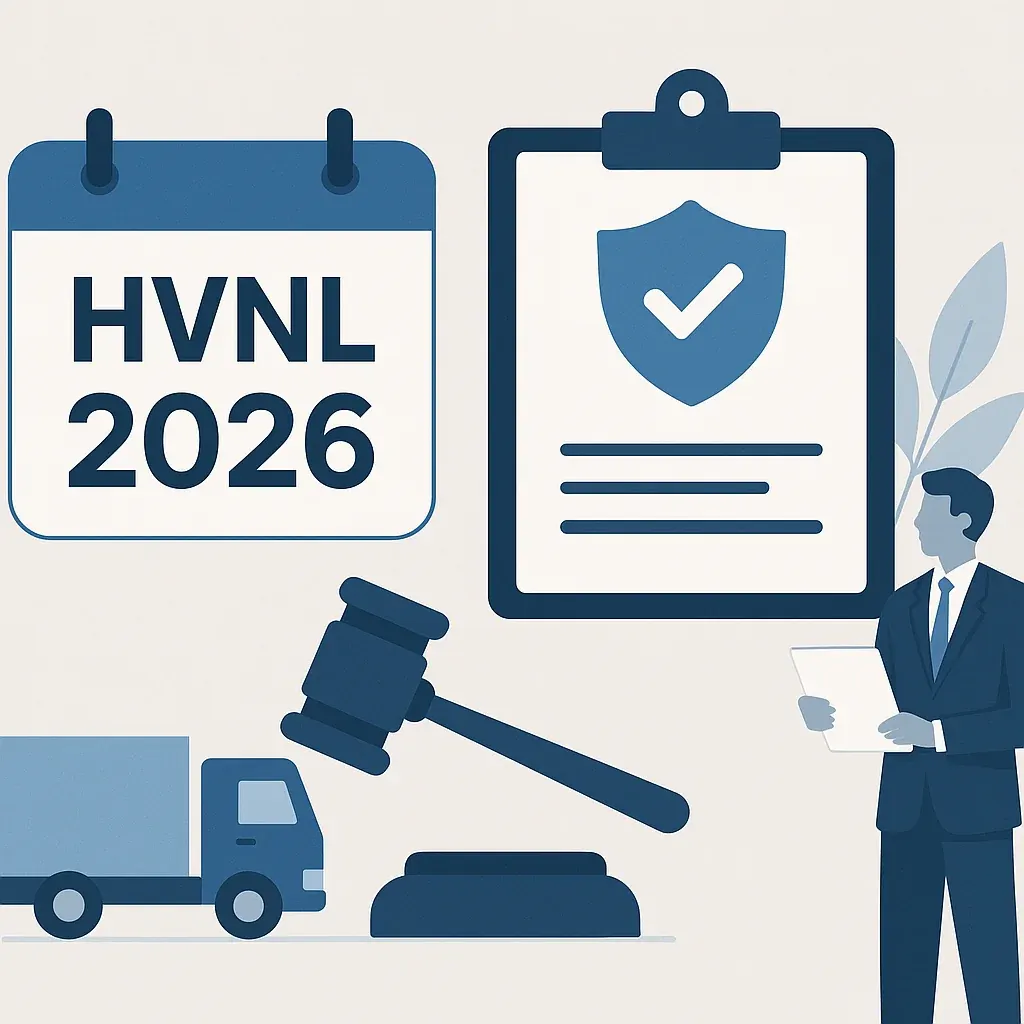
The HVNL 2026 amendments mandate Safety Management Systems across the supply chain, introduce an enforceable "fit to drive" duty beyond fatigue, restructure NHVAS accreditation into general safety and alternative compliance pathways, and modernise mass management rules. These changes create new legal obligations that apply whether or not your business currently holds accreditation.
Queensland's Parliament passed the Heavy Vehicle National Law Amendment Bill 2025, confirming that the most significant overhaul of Australia's heavy vehicle compliance framework in over a decade will commence in mid-2026. The amendments transform Chain of Responsibility obligations from reactive compliance into proactive, documented risk management.
The reform process began in 2019, guided by consultation between the National Transport Commission (NTC), the National Heavy Vehicle Regulator (NHVR), and industry stakeholders. Transport ministers approved the final amendments after multiple rounds of feedback, balancing safety improvements with practical industry concerns.
For transport operators, consignors, schedulers, and everyone in the CoR chain, understanding what is changing, when it takes effect, and how to prepare is not optional. To understand how CoR duties already work under the current law, see About Chain of Responsibility.
When do the HVNL 2026 changes take effect?
Timeline, consultation windows, and transition preparation
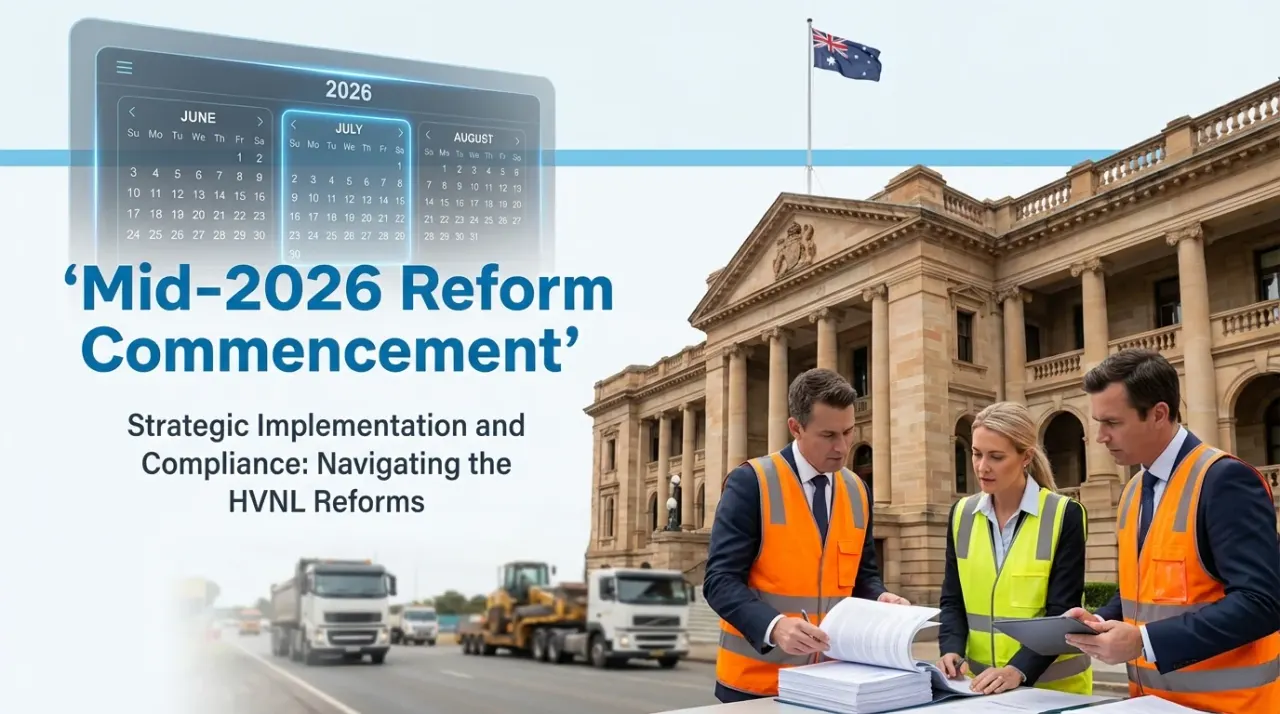
The Heavy Vehicle National Law Amendment Bill 2025 passed through Queensland Parliament and will commence in mid-2026. Queensland's legislative approval triggers implementation across all participating jurisdictions under the national framework.
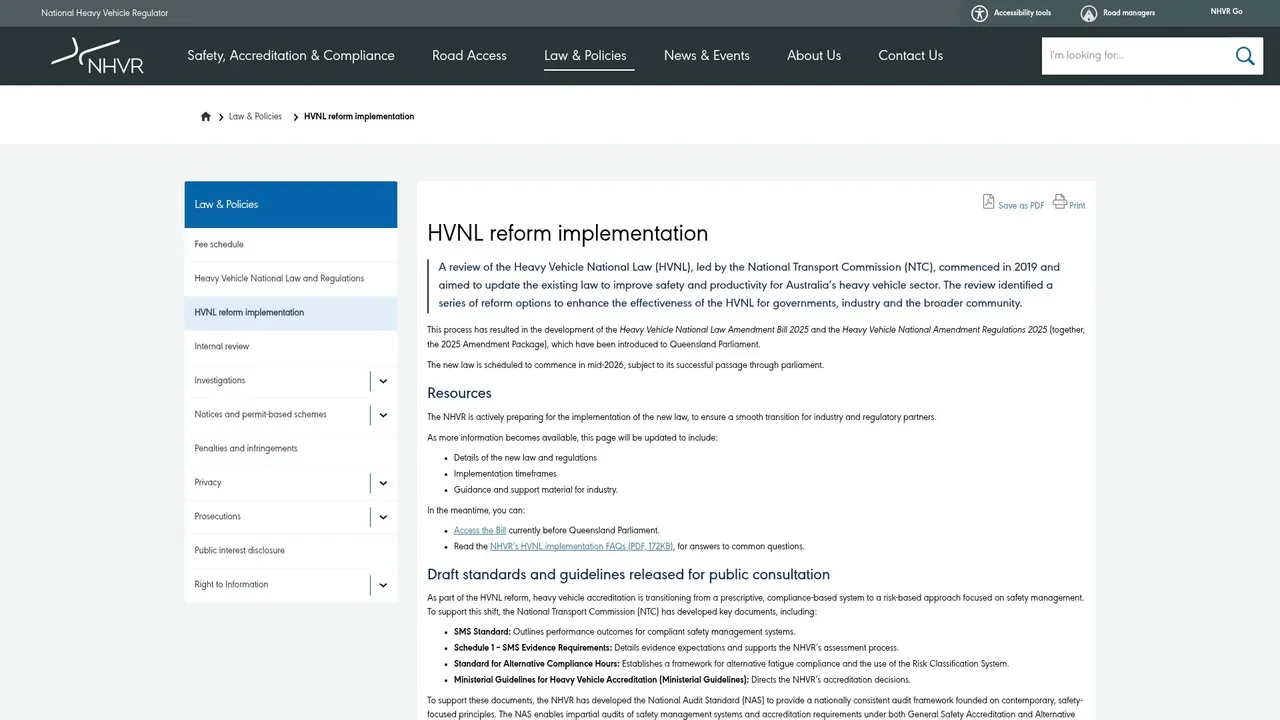
The NHVR has begun preparing implementation resources, and several statutory instruments remain open for public consultation as the regulator finalises operational details.
Current consultation areas
- Ministerial Guidelines for Heavy Vehicle Accreditation — outlining how the new accreditation framework will operate in practice
- National Audit Standard (NAS) — under review to align audit methodologies with SMS requirements
Industry operators should participate in these consultations now. The NHVR regularly publishes discussion papers and draft regulations with submission deadlines typically 30 days after publication.
Transition period preparation
Between now and mid-2026, businesses should:
- Conduct gap analyses against new requirements
- Develop or upgrade safety management frameworks
- Train personnel on expanded CoR duties
- Establish systems for documenting compliance activities
- Assess whether existing NHVAS accreditation meets updated standards
- Evaluate whether new alternative compliance pathways offer business advantages
For a deeper read on readiness, see HVNL 2026 Changes and Chain of Responsibility Training Readiness.
Safety Management System requirements under the 2026 amendments
SMS becomes the cornerstone of HVNL compliance
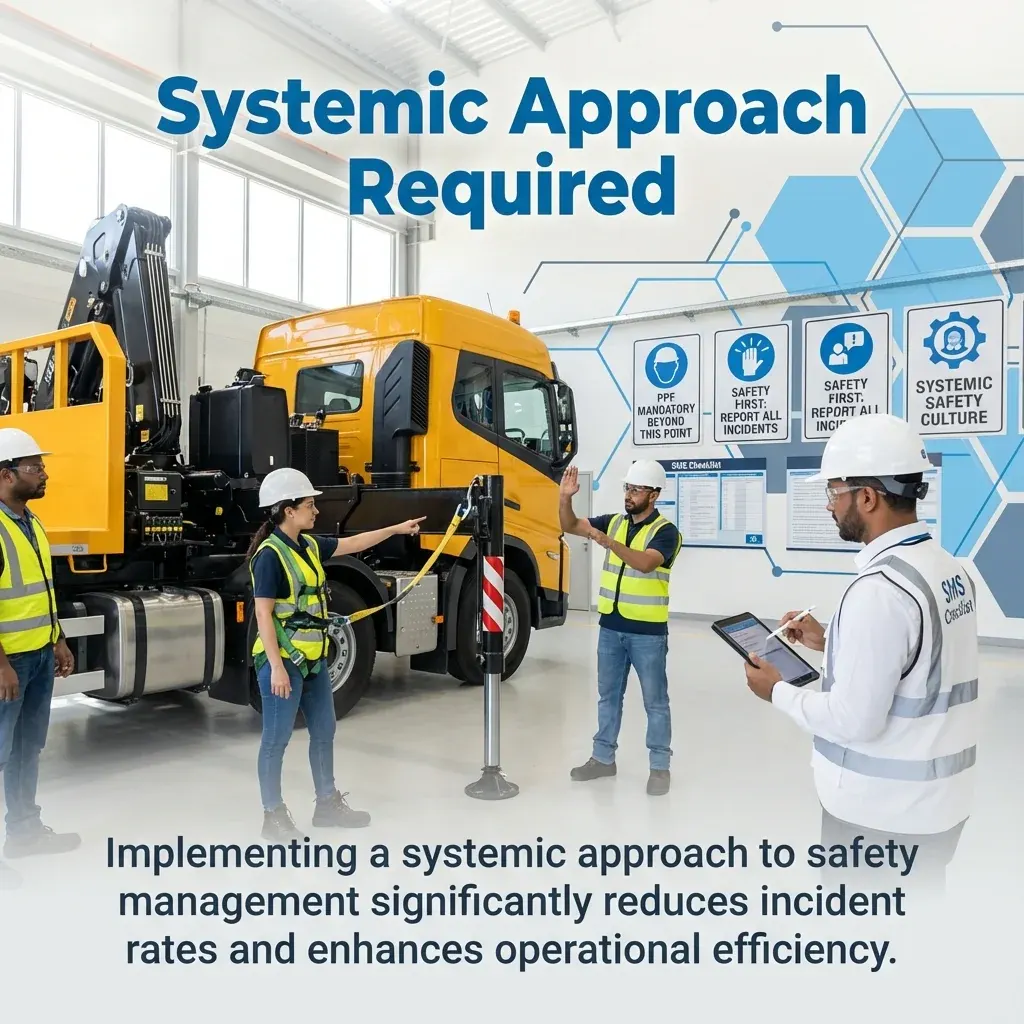
From mid-2026 onward, Safety Management Systems become the cornerstone of Heavy Vehicle National Law compliance. The amendments mandate that all parties in the Chain of Responsibility implement systematic approaches to identifying, assessing, and controlling transport safety risks.
An SMS under the new framework requires documented processes for risk identification, control measure implementation, performance monitoring, and continuous improvement. These are enforceable legal requirements, not suggestions or best practices.
What constitutes an adequate SMS
Your system must demonstrate how you identify safety risks specific to your operations.
- Risk identification — documented process including regular workplace inspections, incident analysis, and driver feedback mechanisms
- Control measures — systems to eliminate or minimise identified risks, such as vehicle maintenance schedules, route planning protocols, and fatigue management procedures
- Performance monitoring — methods to verify controls are working, including audit programs, compliance checks, KPI tracking, and incident trend analysis
- Continuous improvement — processes to review and update systems, including management reviews and corrective action tracking
Control measures must address the full range of CoR obligations: mass, dimension, loading, speed, fatigue, vehicle standards, and the expanded duty to ensure drivers are fit to drive. Documentation requirements increase significantly under these amendments.
How SMS requirements apply across the supply chain
Shared responsibility means systems must interface

The amendments emphasise that SMS requirements apply to all parties who exercise control over transport operations. Consignors scheduling deliveries, loading managers determining load configurations, and transport operators managing driver rosters all need documented systems.
Your SMS must interface with other parties' systems. If you are a consignor, your scheduling processes need to account for reasonable transit times based on your transport provider's fatigue management requirements. If you are an operator, your loading procedures must align with consignor requirements while maintaining compliance with mass limits.
This shared responsibility model makes communication and documentation critical. Written agreements that clearly define each party's safety obligations provide evidence of systematic risk management.
For guidance on reviewing your current CoR risk position, see Chain of Responsibility Consulting | Practical CoR Risk Review.
New fit-to-drive duty: what it means operationally
An explicit obligation beyond existing fatigue rules
The 2026 amendments introduce an explicit duty requiring parties in the CoR chain to ensure drivers are not impaired by fatigue or otherwise unfit to drive. This extends beyond existing work and rest hour requirements to create a broader health and capability obligation.
Under the expanded duty, "unfit to drive" captures impairment from fatigue, illness, injury, or substance effects. Parties must have systems to identify when drivers should not operate vehicles, even if they are technically compliant with rest hour requirements. The duty applies even when drivers are independent contractors or subcontractors.
Practical implementation mechanisms
- Pre-trip health declarations that enable drivers to report fitness concerns without penalty
- Clear protocols for what happens when a driver reports unfitness, including alternative coverage arrangements
- Training for supervisors to recognise signs of impairment during workplace interactions
- Documented decision-making processes when fitness to drive is questionable
- Communication channels between drivers, operators, and other CoR parties about fitness status
Documentation and evidence
Demonstrating compliance requires records showing your systems are functioning — health declaration forms, supervisor observation logs, and incident response records become critical evidence. When an incident occurs, regulators will examine whether your SMS included adequate fit-to-drive controls and whether those controls were actually implemented.
"We trust our drivers to make the right call" will not satisfy the primary duty standard. Alternative compliance pathways may offer flexibility in how you demonstrate fit-to-drive compliance, but the underlying obligation applies to everyone operating under the HVNL.
Updated accreditation framework: general safety and alternative compliance
Restructured NHVAS pathways with clearer concessions
The HVNL amendments restructure the National Heavy Vehicle Accreditation Scheme (NHVAS) to create clearer pathways for operators seeking regulatory flexibility. The new framework distinguishes between basic and advanced accreditation levels, each with corresponding operational concessions.
Two primary accreditation categories emerge: general safety accreditation and alternative compliance accreditation. Both require demonstrated SMS capability but differ in focus and benefits.
General safety accreditation
This pathway provides a foundation level recognising operators with functioning safety management systems. It suits businesses wanting regulatory recognition without pursuing specialised operational concessions.
Requirements include a documented SMS covering all relevant CoR obligations, evidence of system implementation through operational records, and successful completion of an external audit against the National Audit Standard. Benefits include regulatory recognition, potential insurance premium reductions, and preferred supplier status with major consignors who require accredited transport providers.
Alternative compliance accreditation
Alternative compliance accreditation enables operators to access specific regulatory concessions by demonstrating advanced SMS capability in targeted areas. Pathways include fatigue management, mass management, and maintenance management.
- Fatigue management — allows approved operators to use alternative work and rest hour arrangements beyond standard requirements, demanding robust systems for monitoring driver fatigue and ensuring fitness to drive under extended parameters
- Mass management — provides access to higher mass limits for operators with verified systems for ensuring vehicles remain within approved limits
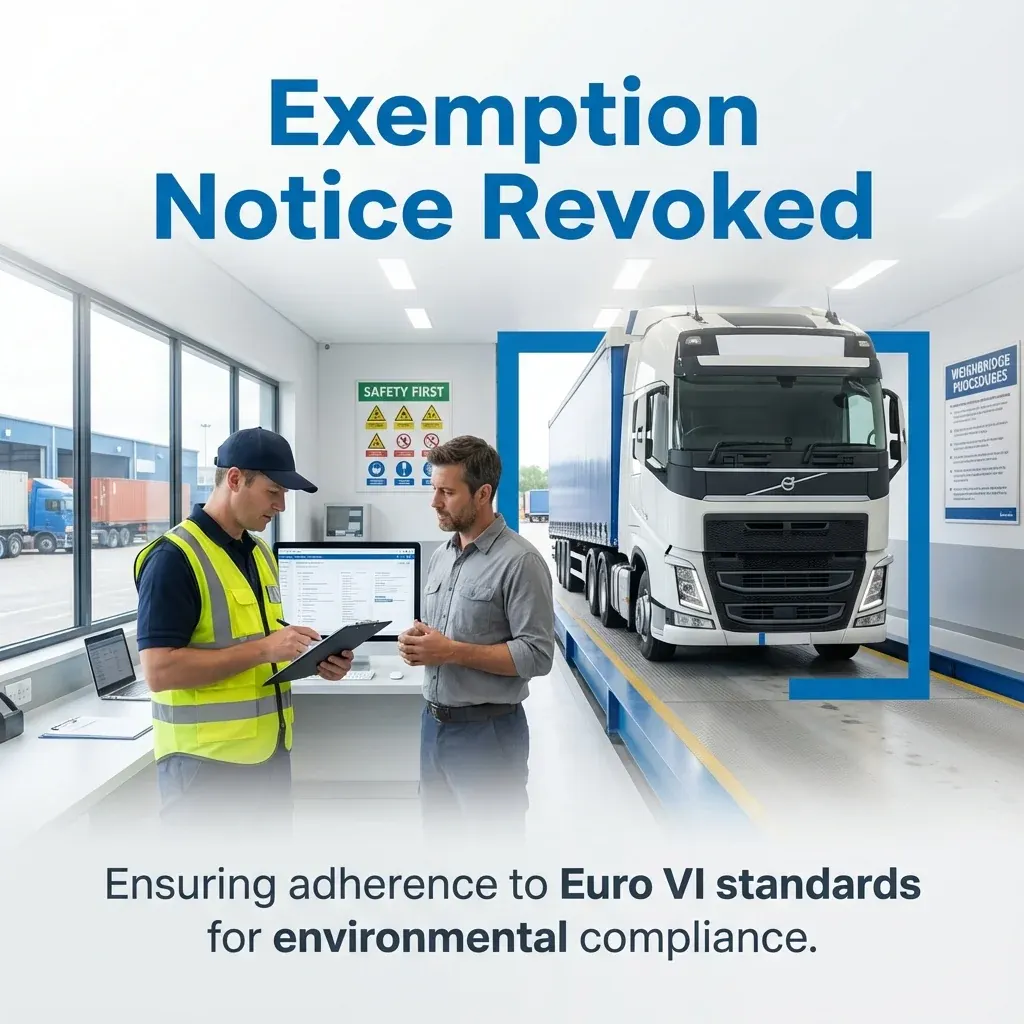
Note that the National Class 3 Euro VI Vehicle Mass Exemption Notice 2025 will be revoked when the amendments take effect in July 2026, making mass management accreditation particularly relevant for operators currently relying on that notice.
For training that prepares your team for these expanded obligations, see Chain of Responsibility Training for Australian Operators.
How MAEZ works
Find the gaps. Fix the system. Prove the controls.
MAEZ helps transport operators deal with the compliance risk they already know is there. We help get the Safety Management System in order, protect NHVAS accreditation, reduce fine exposure, and connect training, evidence, and CoRGuard workflows where software is needed.
Find
Identify what is exposed before an auditor or regulator does.
Fix
Build the SMS controls around how the transport business actually runs.
Prove
Use CoRGuard where records, reminders, diaries, audits, and evidence need structure.
From advice to evidence
From MAEZ advice to a working Safety Management System
Advisory work should leave a practical implementation trail. These examples show how CoRGuard supports records, fatigue and driver diary checks, maintenance, audits, document control, inductions, corrective actions, and evidence review after MAEZ identifies the gaps.
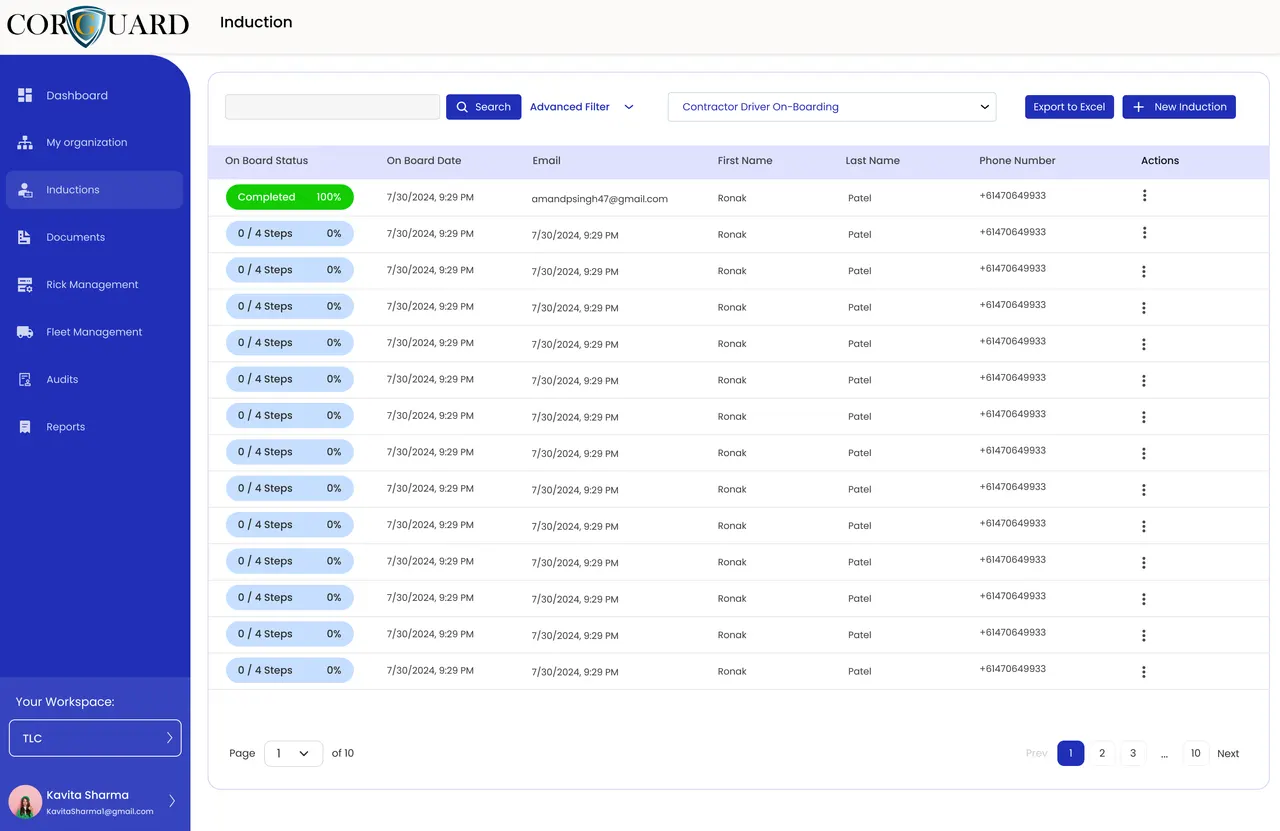
Training records
Connect training completion from cortraining.com.au to evidence and follow-up.
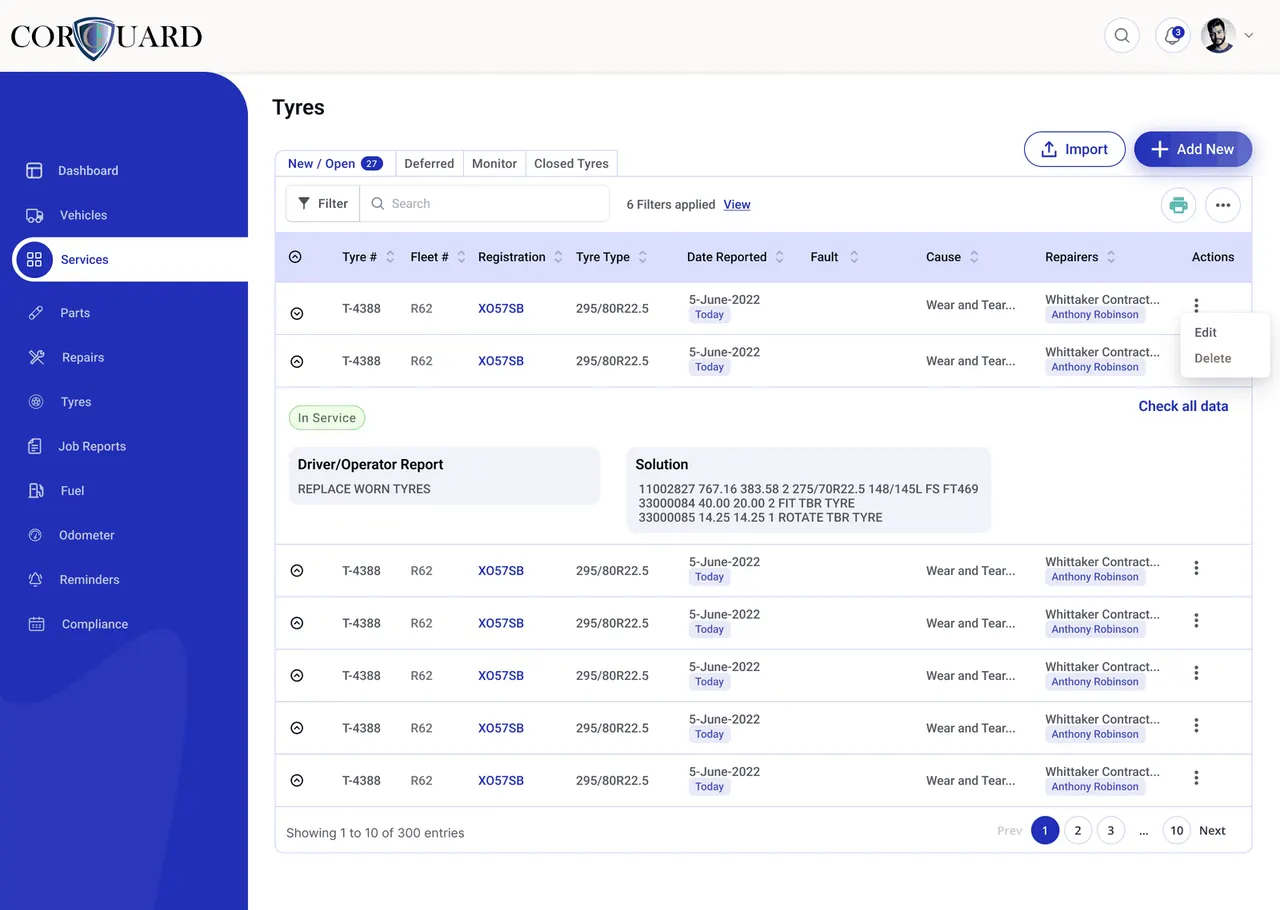
Driver diary checks
Connect fatigue and driver diary review back to manager visibility.
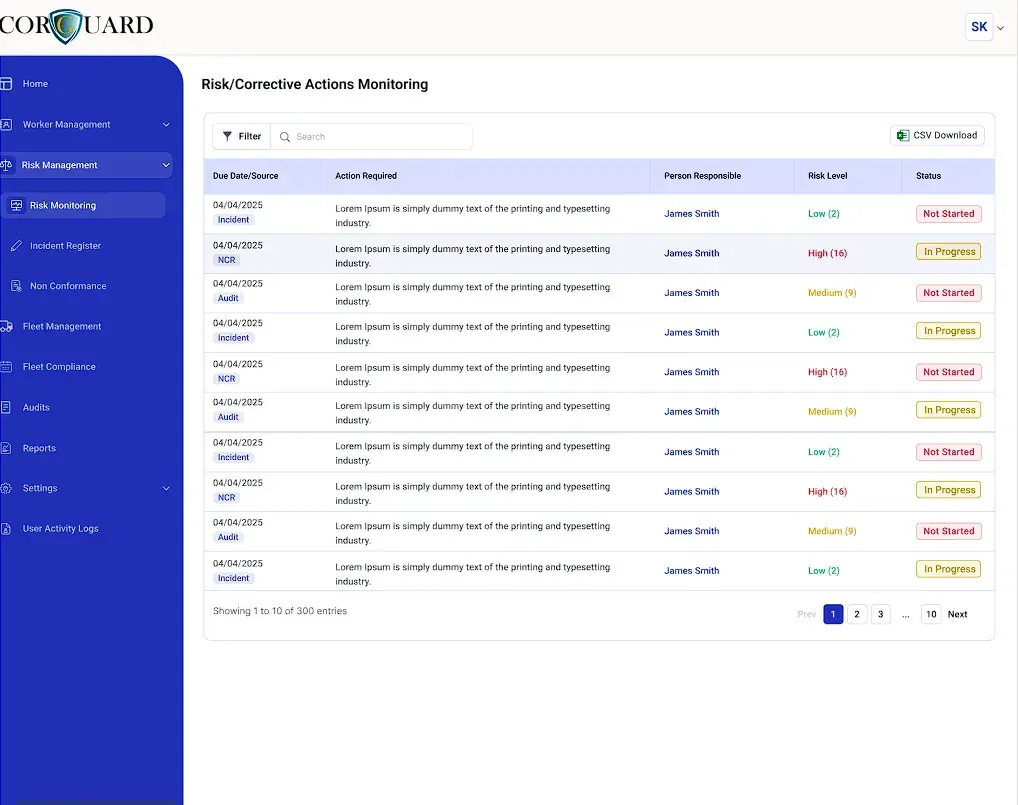
Corrective actions
Turn audit findings, hazards and incidents into tracked actions.
Keep exploring
Related Chain of Responsibility reading
MAEZ insight
Mitigating Risks in Global Supply Chains: Key Strategies
Explore effective global supply chain risk management strategies to mitigate disruptions and maintain operational continuity in 2025 and beyond.
MAEZ insight
Collisions: in the Early Hours of the Morning
Collisions in the early hours are a critical safety concern in the Australian supply chain, magnified by factors like driver fatigue and low visibility.
MAEZ insight
Exploring Effective Safety Management System Examples
Discover effective Safety Management System examples across industries to enhance workplace safety. Learn how to implement these structured frameworks today.
MAEZ insight
Understanding Supply Chain Risk Management Software
Explore how Supply Chain Risk Management software enhances visibility, monitors threats, and ensures compliance to safeguard your supply network.
MAEZ insight
Understanding AMCAS and How MAEZ Uses the RCIP Master Code for Robust Transport Compliance
Introduction In the ever-evolving Australian transport sector, compliance with safety regulations is paramount.
MAEZ insight
Why an SMS Matters in the Heavy Vehicle Industry
The Heavy Vehicle National Law (HVNL) is pivotal for ensuring the safety and compliance of heavy vehicle operations in Australia. Central to this framework is the Chain of Responsibility (CoR), which distributes accountability across various parties in the transport supply chain.
Frequently asked questions
Questions people ask about this topic
When do the HVNL 2026 changes take effect?
The Heavy Vehicle National Law Amendment Bill 2025 passed through Queensland Parliament and will commence in mid-2026, triggering implementation across all participating jurisdictions under the national framework.
Do the HVNL 2026 amendments require a Safety Management System even if my business does not hold NHVAS accreditation?
Yes. The amendments mandate that all parties in the Chain of Responsibility implement a documented Safety Management System, whether or not they hold accreditation. SMS requirements apply to any party that exercises control over transport operations.
What does the new fit-to-drive duty cover beyond fatigue management?
The fit-to-drive duty captures impairment from fatigue, illness, injury, or substance effects. Parties must have systems to identify when a driver should not operate a vehicle, even if the driver is technically compliant with work and rest hour requirements.
Will existing mass exemption notices still be valid after the HVNL 2026 changes?
The National Class 3 Euro VI Vehicle Mass Exemption Notice 2025 will be revoked when the amendments take effect in July 2026. Operators currently relying on that notice should assess whether mass management accreditation under the new alternative compliance pathway is appropriate for their operations.
What is the difference between general safety accreditation and alternative compliance accreditation?
General safety accreditation provides foundation-level recognition for operators with functioning safety management systems. Alternative compliance accreditation enables access to specific regulatory concessions — such as fatigue or mass management — by demonstrating advanced SMS capability in targeted operational areas.