
MAEZ insight
Mitigating Risks in Global Supply Chains: Key Strategies
A practical framework for supply chain risk management — identifying, assessing, and mitigating disruptions across supplier, operational, financial, environmental, geopolitical, and compliance risk categories.
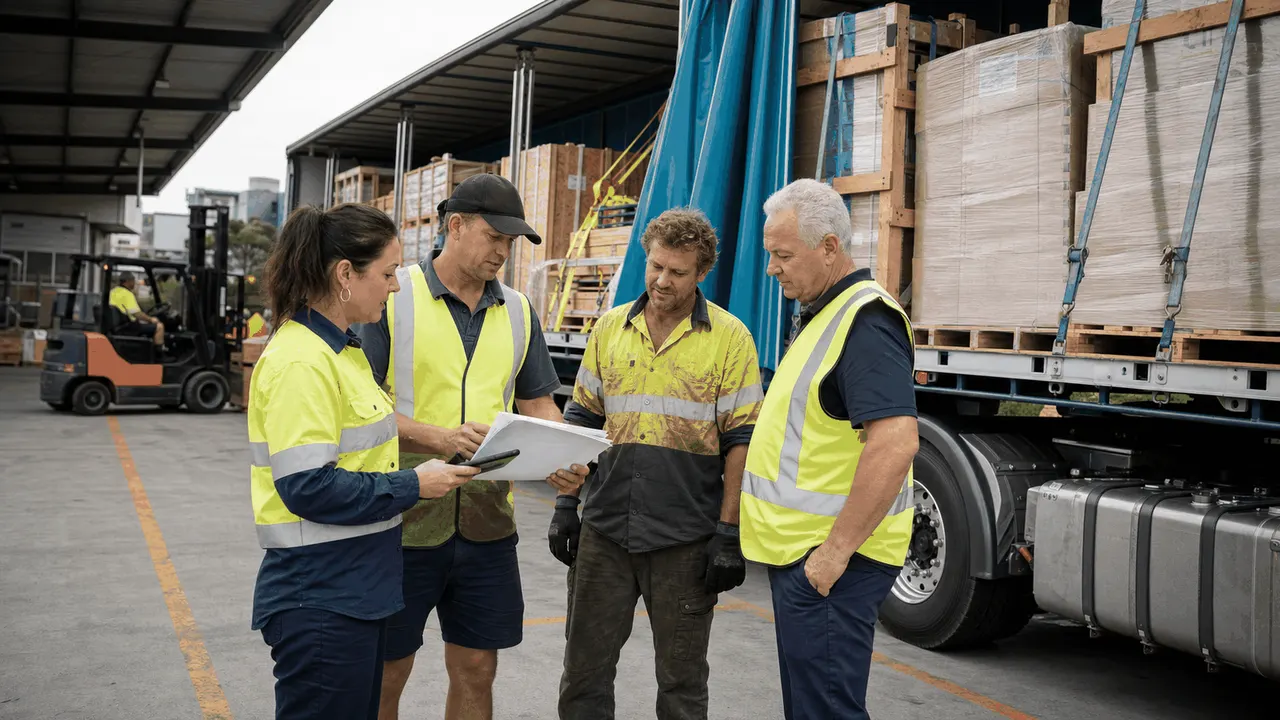
Unloading decisions can affect safety, scheduling, and responsibility.

Managers need a clear view of gaps before audit or enforcement pressure arrives.

Contractor controls should be verified before the work starts.
Receiving windows, site rules, and unloading delays can all shape the transport task.
Consignors
Freight terms, delivery windows, and KPIs must not push drivers into speed, fatigue, or mass breaches.
Consignees
Receiving rules, site access, and unloading delays are CoR controls that need to be set and evidenced.
Loaders
Mass, dimension, and load restraint decisions need documented checks, not assumptions.
Managers
Executives and managers need due-diligence evidence that the Safety Management System is actually working.
What is supply chain risk management?
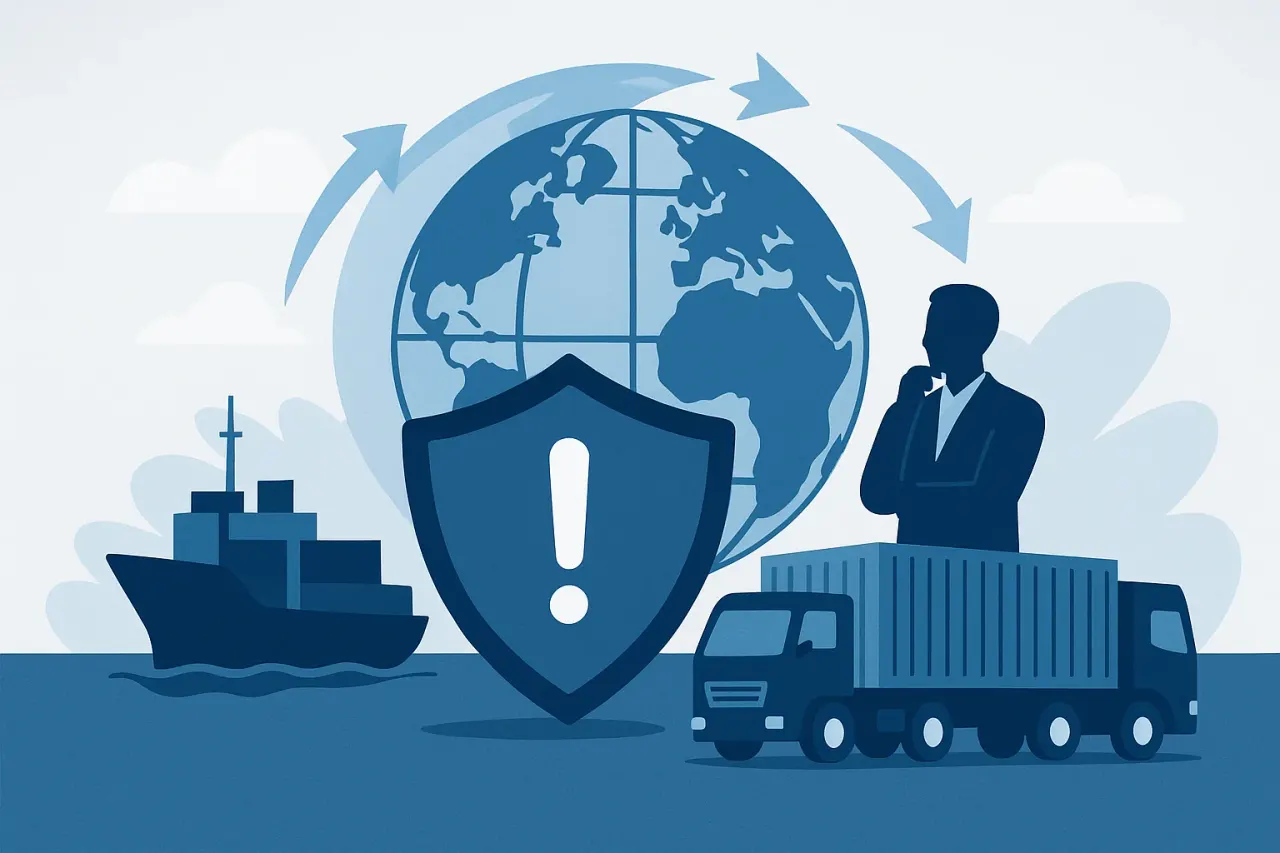
Supply chain risk management (SCRM) is the continuous cycle of risk identification, evaluation, mitigation, and monitoring designed to address disruptions across international supply networks. Unlike traditional risk management, SCRM focuses specifically on supply chain vulnerabilities that extend beyond an organisation's direct operations to include all suppliers, transportation providers, and distribution networks delivering products to customers.
SCRM frameworks typically follow structured methodologies such as ISO 31000, which provides consistent processes for identifying threats, analysing likelihood and impact, and prioritising mitigation efforts. The discipline has become critical as supply chain leaders report growing concern about compounding pressures from environmental volatility, digital transformation, and regulatory complexity.
For Australian transport operators, SCRM intersects directly with Chain of Responsibility obligations — every party in the supply chain shares safety duties that cannot be outsourced or contracted away.
Core components of SCRM
Four sequential layers of protection
Effective supply chain risk management integrates four sequential layers. Each builds on the previous to create a defensible, auditable process.
Risk identification
Risk identification forms the foundation. Organisations must map their supply chains to understand all dependencies, from raw material suppliers to final delivery networks. This mapping reveals single points of failure and concentration risks.
Risk assessment
Assessment follows identification. This phase evaluates the probability and potential impact of each identified risk. Methods include quantitative modelling, scenario analysis, and supplier audits that examine financial stability, operational capacity, and compliance records.
Risk mitigation
Mitigation strategies address the highest-priority threats. These include supplier diversification, buffer inventory, alternative transportation routes, and contractual protections like insurance and warranties. The goal is reducing both the likelihood of disruptions and their potential impact.
Continuous monitoring
Monitoring completes the cycle. Regular third-party risk assessments reflect the need for ongoing vigilance as supply chain conditions evolve. Without monitoring, mitigation strategies become stale and lose effectiveness.
Why supply chain risk management matters in 2025
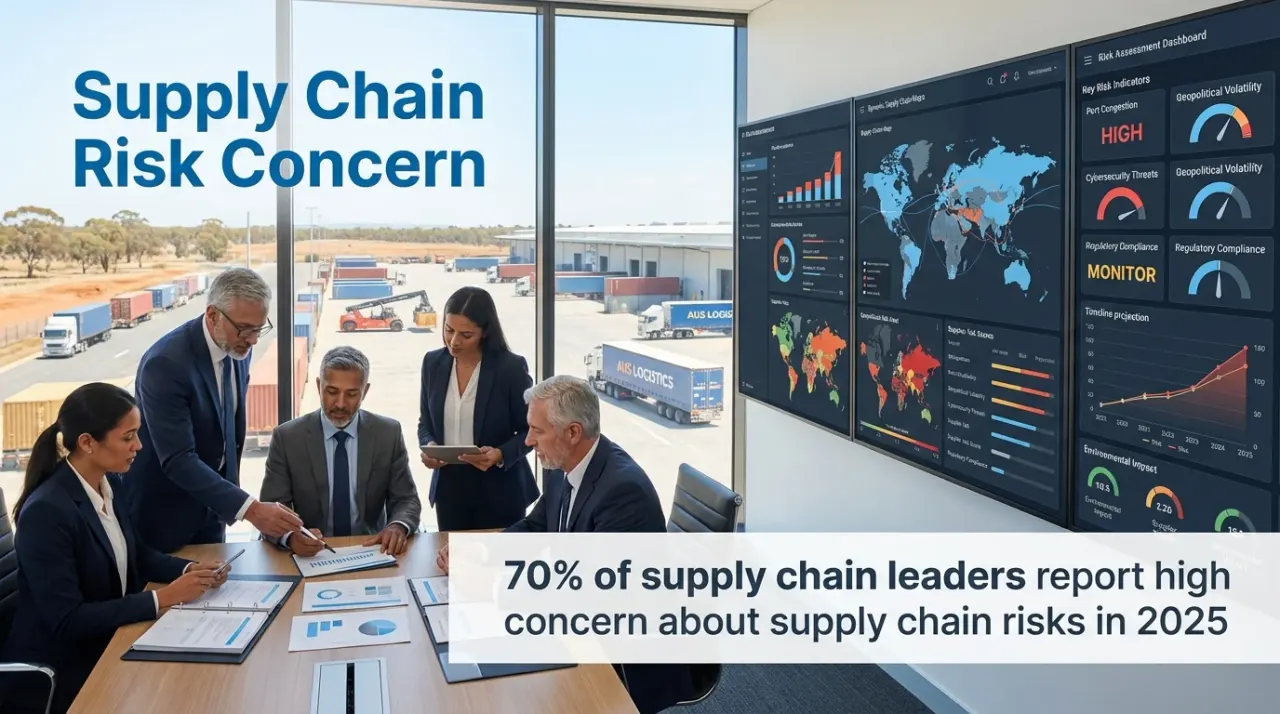
The global supply chain environment has fundamentally shifted. Disruptions that once occurred occasionally now appear with increasing frequency and severity, driven by simultaneous pressures from climate events, geopolitical tensions, regulatory changes, and cyber threats.
Business continuity depends on supply chain resilience. Organisations without robust risk management strategies experience revenue loss, customer defections, and reputational damage when disruptions occur — costs that extend beyond immediate operational impacts to long-term market position.
Regulatory requirements have intensified. Jurisdictions worldwide now mandate supply chain due diligence, particularly around labour practices, environmental standards, and data protection. Non-compliance carries significant financial penalties and market access restrictions.
In the Australian heavy vehicle context, the Heavy Vehicle National Law imposes safety duties on every party in the chain of responsibility, requiring each party to ensure, so far as is reasonably practicable, the safety of transport activities. A duty under this Law may not be transferred to another person, and executives must exercise due diligence to ensure their entity complies. For practical support, see MAEZ's Chain of Responsibility consulting or learn more about Chain of Responsibility training options.
Strategic value beyond compliance
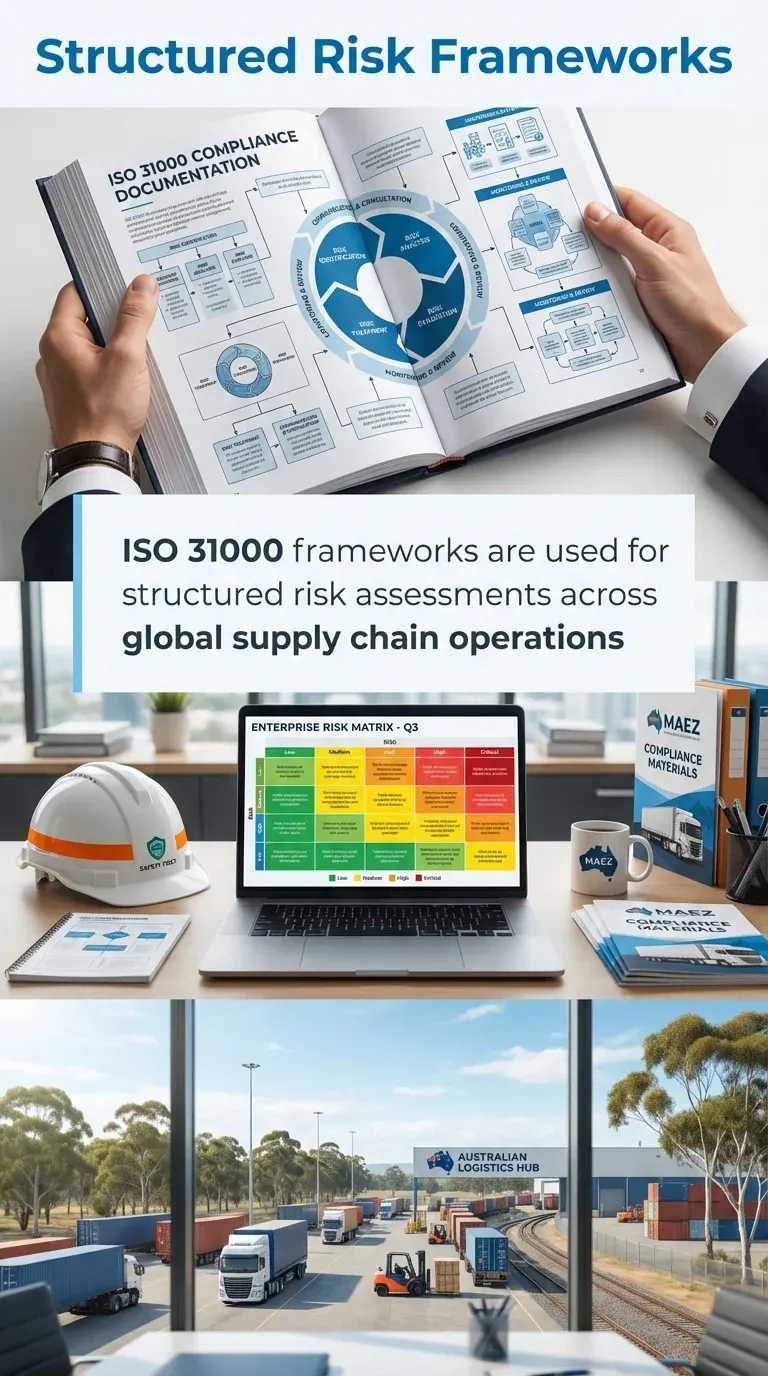
Mature SCRM programs deliver value that extends well beyond meeting regulatory obligations.
- Operational efficiency — mature programs improve supplier selection and hazard identification, reducing day-to-day disruptions.
- Competitive differentiation — organisations that maintain delivery performance during disruptions capture market share from less-prepared competitors.
- Investment protection — risk management protects capital invested in relationships, systems, and infrastructure by reducing the probability of catastrophic failures.
These benefits compound over time. Operators who invest in structured risk management — including CoR training — build resilience that pays dividends when the next disruption arrives.
Major categories of supply chain risks
Seven primary categories requiring targeted strategies
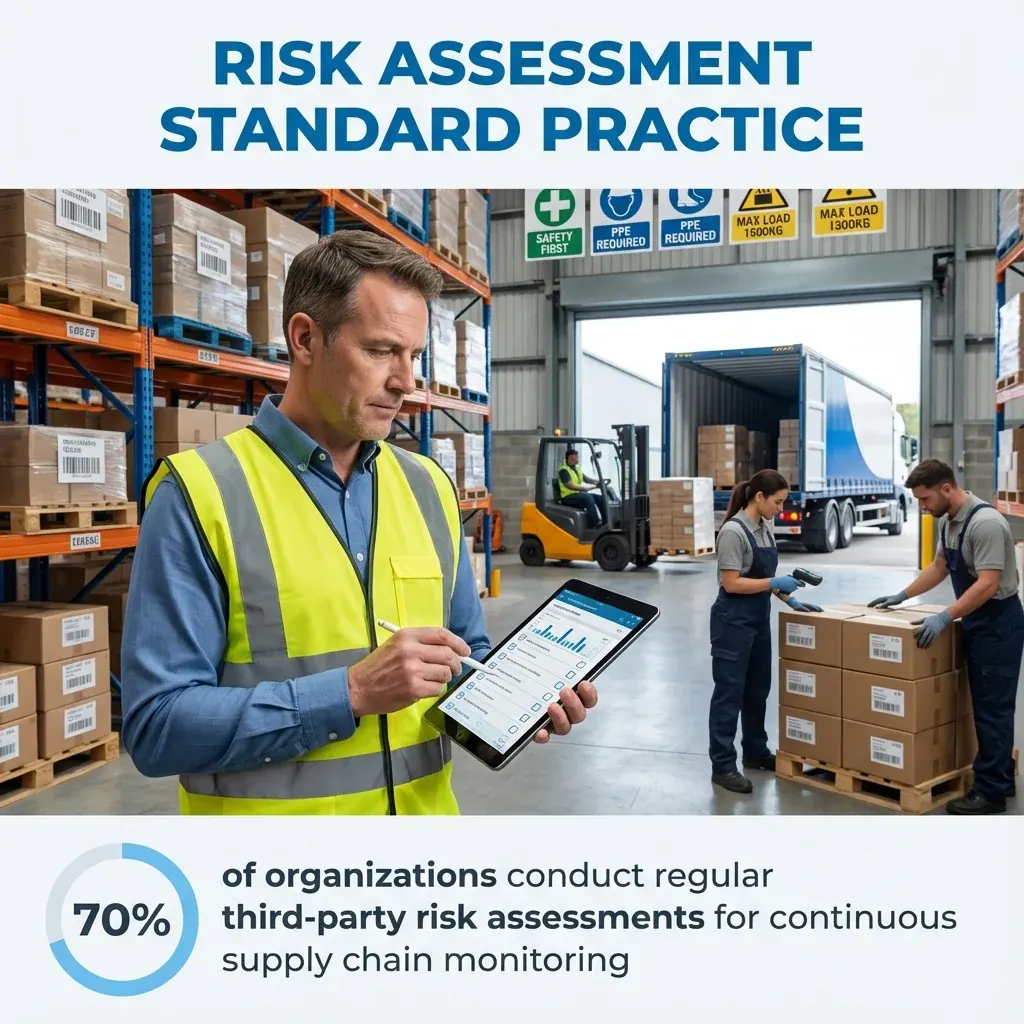
Supply chain risks fall into distinct categories, each requiring specific assessment and mitigation approaches. Understanding these categories enables organisations to develop targeted strategies that address root causes rather than symptoms.
- Supplier risk — financial instability, capacity constraints, quality failures (high priority)
- Operational risk — process failures, equipment breakdowns, transportation delays (high priority)
- Compliance risk — regulatory violations, audit failures, documentation gaps (high priority)
- Environmental risk — natural disasters, extreme weather, climate change impacts (medium-high priority)
- Geopolitical risk — trade restrictions, sanctions, political instability (medium-high priority)
- Financial risk — currency fluctuations, credit availability, commodity price volatility (medium priority)
- Demand risk — forecast inaccuracy, demand volatility, market shifts (medium priority)
Each category requires different monitoring systems and mitigation strategies. Supplier risk demands financial analysis and relationship management. Environmental risk requires geographic diversification and contingency planning. Compliance risk necessitates systematic documentation and regular audits — areas where transport operators can benefit from a structured Safety Management System approach.
How supply chain risks interconnect
Compound events demand scenario planning
Supply chain risks rarely occur in isolation. Geopolitical events trigger financial volatility, which affects supplier stability, which cascades into operational disruptions. Understanding these interdependencies is essential for effective risk assessment.
Organisations must analyse correlation between risk categories. A natural disaster in a manufacturing region simultaneously creates environmental risk (facility damage), supplier risk (production stoppage), operational risk (transportation disruption), and demand risk (panic buying or substitution).
Scenario planning addresses these interdependencies by modelling compound risk events. Rather than assessing each risk independently, organisations develop scenarios that reflect realistic combinations of disruptions and test their mitigation strategies against these compound threats. For Australian transport operators, this approach aligns with Chain of Responsibilities obligations that require duty holders to consider the full picture of transport activity risks.
Economic, financial, and environmental risk mitigation
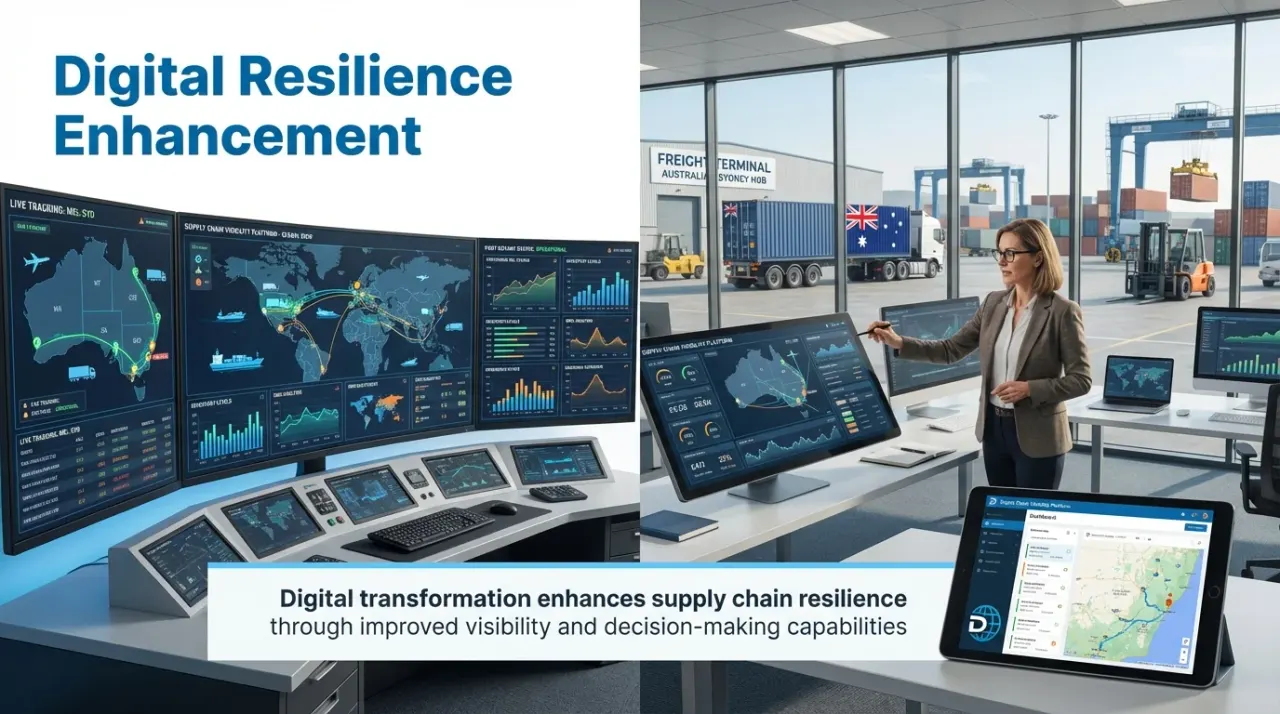
Economic and financial risks stem from macroeconomic conditions, currency fluctuations, commodity price volatility, and credit availability. These risks affect procurement costs, supplier financial stability, and the overall viability of supply chain strategies.
Currency risk impacts organisations sourcing from multiple countries — exchange rate fluctuations can dramatically alter the economics of supply relationships. Commodity price volatility affects industries dependent on raw materials, rendering existing contracts unprofitable and forcing rapid sourcing adjustments.
Financial risk mitigation approaches
- Hedging strategies — forward contracts, options, and other financial instruments lock in prices for critical inputs and protect margins from market fluctuations.
- Supplier financial monitoring — regular assessment of key suppliers' financial health through credit reports, financial statement analysis, and payment pattern monitoring enables proactive intervention before failures occur.
- Contractual provisions — price adjustment clauses, commodity indexing, and pass-through provisions distribute financial risk more equitably across the supply chain.
- Diversified sourcing — sourcing from economically uncorrelated regions reduces exposure to regional economic downturns and maintains more stable costs.
Building environmental resilience
Natural disasters create immediate supply chain disruptions through facility damage, transportation network destruction, and workforce displacement. Extreme weather events — port closures, road closures from flooding, air transport cancellations — create cascading delays throughout supply networks.
Geographic diversification reduces environmental risk exposure. Organisations should avoid concentrating critical suppliers in single geographic regions vulnerable to the same natural disasters. Spreading suppliers across dispersed locations limits the chance that a single event disrupts the entire supply chain. For more insights on managing these intersecting risks, explore MAEZ Insights.
How MAEZ works
Find the gaps. Fix the system. Prove the controls.
MAEZ helps transport operators deal with the compliance risk they already know is there. We help get the Safety Management System in order, protect NHVAS accreditation, reduce fine exposure, and connect training, evidence, and CoRGuard workflows where software is needed.
Find
Identify what is exposed before an auditor or regulator does.
Fix
Build the SMS controls around how the transport business actually runs.
Prove
Use CoRGuard where records, reminders, diaries, audits, and evidence need structure.
From advice to evidence
From MAEZ advice to a working Safety Management System
Advisory work should leave a practical implementation trail. These examples show how CoRGuard supports records, fatigue and driver diary checks, maintenance, audits, document control, inductions, corrective actions, and evidence review after MAEZ identifies the gaps.
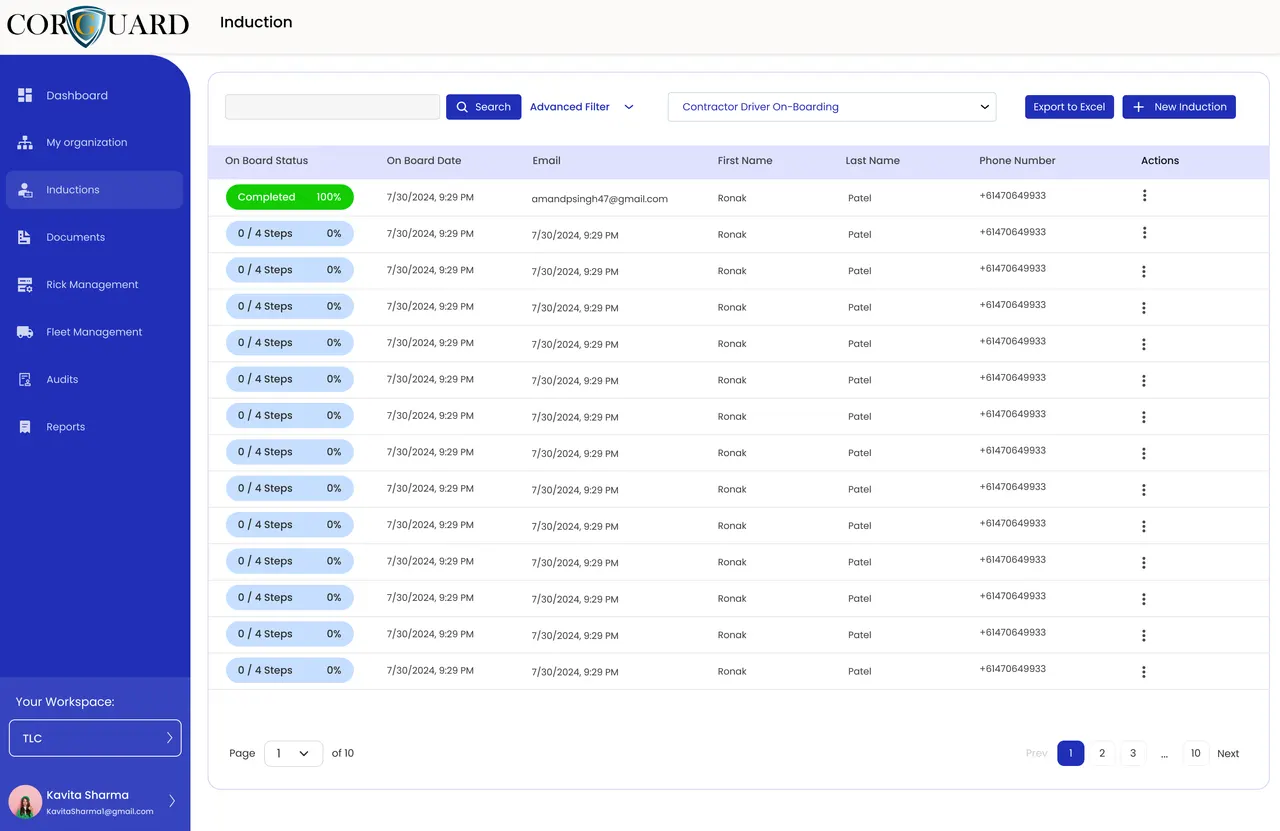
Training records
Connect training completion from cortraining.com.au to evidence and follow-up.
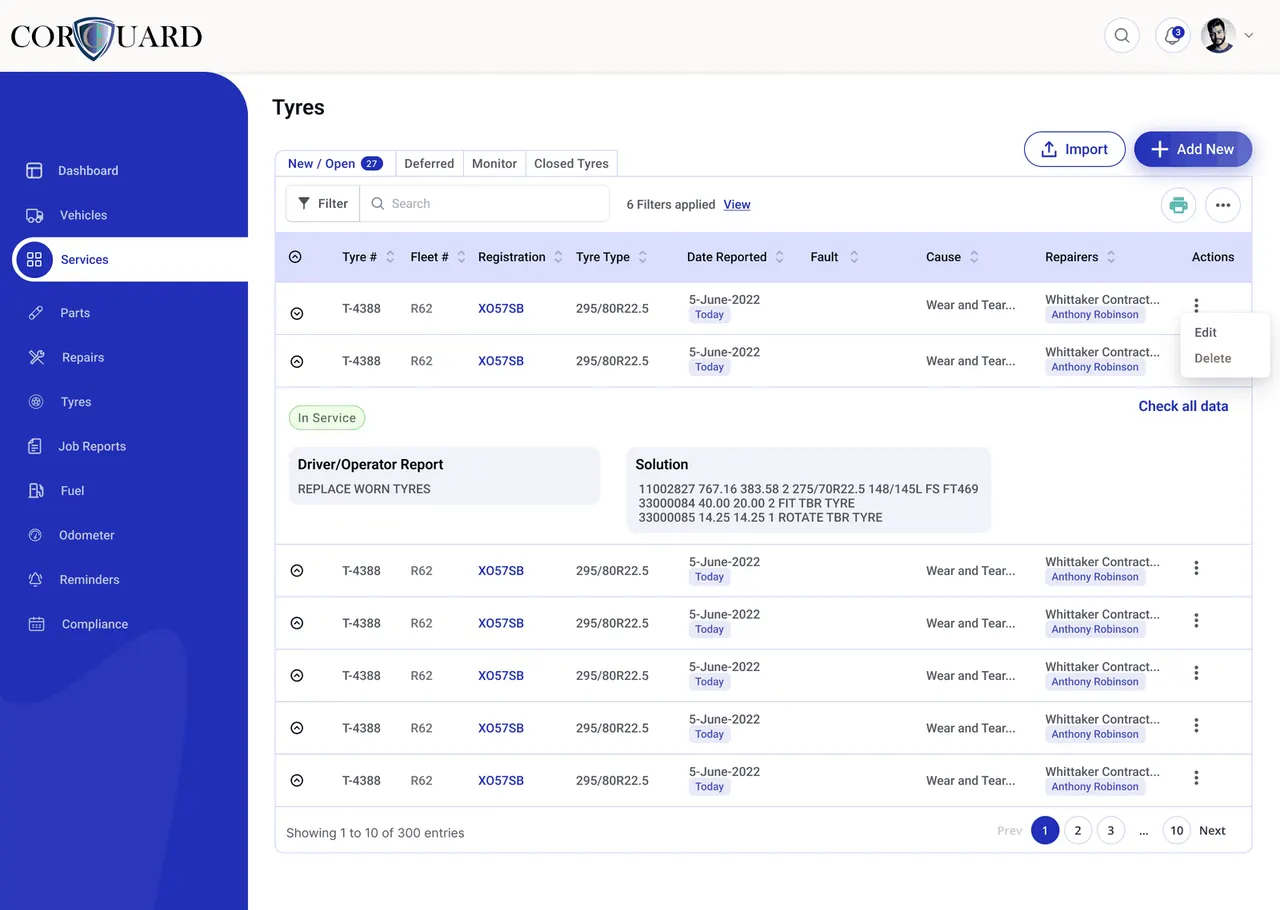
Driver diary checks
Connect fatigue and driver diary review back to manager visibility.
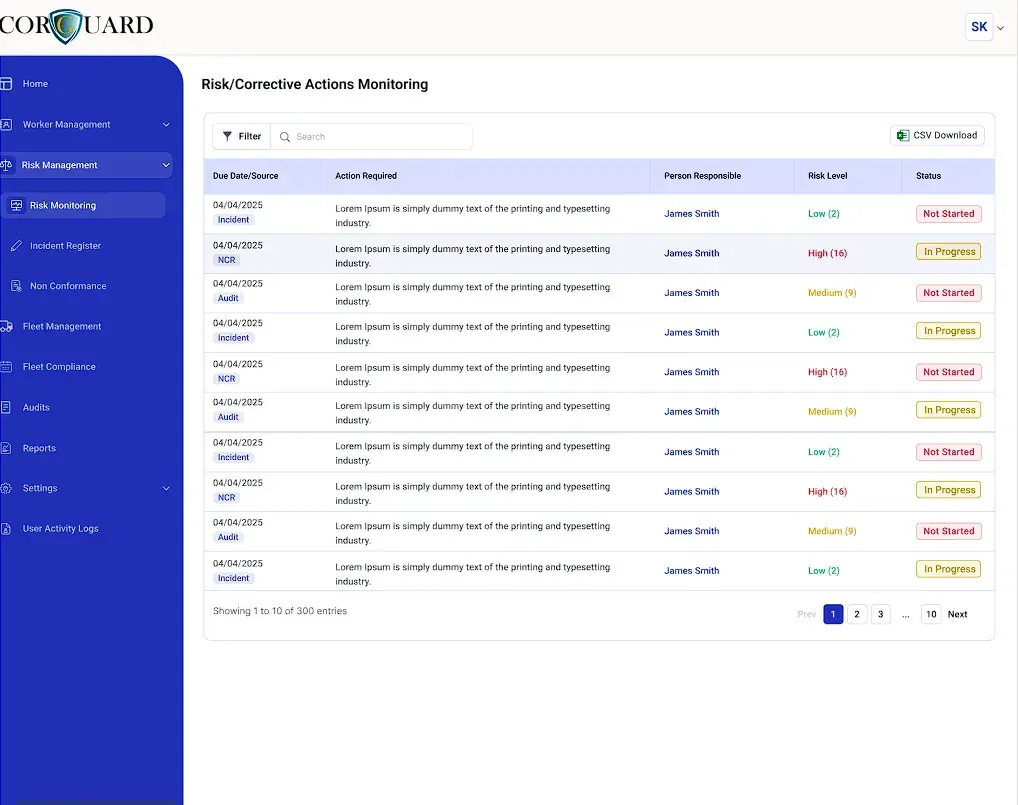
Corrective actions
Turn audit findings, hazards and incidents into tracked actions.
Keep exploring
Related Chain of Responsibility reading
MAEZ insight
Collisions: in the Early Hours of the Morning
Collisions in the early hours are a critical safety concern in the Australian supply chain, magnified by factors like driver fatigue and low visibility.
MAEZ insight
Exploring Effective Safety Management System Examples
Discover effective Safety Management System examples across industries to enhance workplace safety. Learn how to implement these structured frameworks today.
MAEZ insight
Understanding Supply Chain Risk Management Software
Explore how Supply Chain Risk Management software enhances visibility, monitors threats, and ensures compliance to safeguard your supply network.
MAEZ insight
Understanding AMCAS and How MAEZ Uses the RCIP Master Code for Robust Transport Compliance
Introduction In the ever-evolving Australian transport sector, compliance with safety regulations is paramount.
MAEZ insight
Why an SMS Matters in the Heavy Vehicle Industry
The Heavy Vehicle National Law (HVNL) is pivotal for ensuring the safety and compliance of heavy vehicle operations in Australia. Central to this framework is the Chain of Responsibility (CoR), which distributes accountability across various parties in the transport supply chain.
MAEZ insight
Your Duty Of Care
A three-year-old boy, who was under the duty of care of Goodstart Early Learning, was found dead inside a minibus that was parked outside the Hambledon State School in the southern Cairns suburb of Edmonton on Tuesday 25th Feb 2020.
Frequently asked questions
Questions people ask about this topic
How does supply chain risk management apply to Australian transport operators?
Under the Heavy Vehicle National Law, every party in the chain of responsibility must ensure, so far as is reasonably practicable, the safety of transport activities. SCRM principles — risk identification, assessment, mitigation, and monitoring — map directly onto the safety duties and due diligence obligations that executives and managers must discharge.
What are the most critical supply chain risk categories for transport businesses?
Supplier risk, operational risk, and compliance risk are high-priority categories for transport businesses. Compliance risk — including regulatory violations, audit failures, and documentation gaps — is particularly relevant given NHVAS accreditation and Chain of Responsibility requirements.
Why can't transport operators transfer their Chain of Responsibility duties through contracts?
The Heavy Vehicle National Law explicitly states that a safety duty may not be transferred to another person. Contracts that attempt to limit or remove a party's capacity to influence and control transport activities do not extinguish the duty — each party remains responsible to the extent they have, or would have had, that capacity.
What is scenario planning and how does it help with supply chain risk?
Scenario planning models compound risk events — realistic combinations of disruptions such as a natural disaster that simultaneously causes facility damage, production stoppage, and transportation delays. Rather than assessing each risk independently, organisations test their mitigation strategies against these compound threats to identify gaps before they materialise.
How does continuous monitoring fit into a supply chain risk management framework?
Continuous monitoring completes the SCRM cycle by ensuring mitigation strategies remain effective as supply chain conditions evolve. Regular third-party risk assessments, supplier financial monitoring, and ongoing documentation review help organisations detect emerging risks before they become disruptions.