
MAEZ insight
Collisions in the Early Hours: Prevention Strategies Under CoR and HVNL
How Chain of Responsibility and HVNL frameworks help Australian transport operators reduce early-morning collision risks through fatigue management, SMS controls, telematics, and collaboration.

Proof that freight promises do not create unsafe transport pressure.
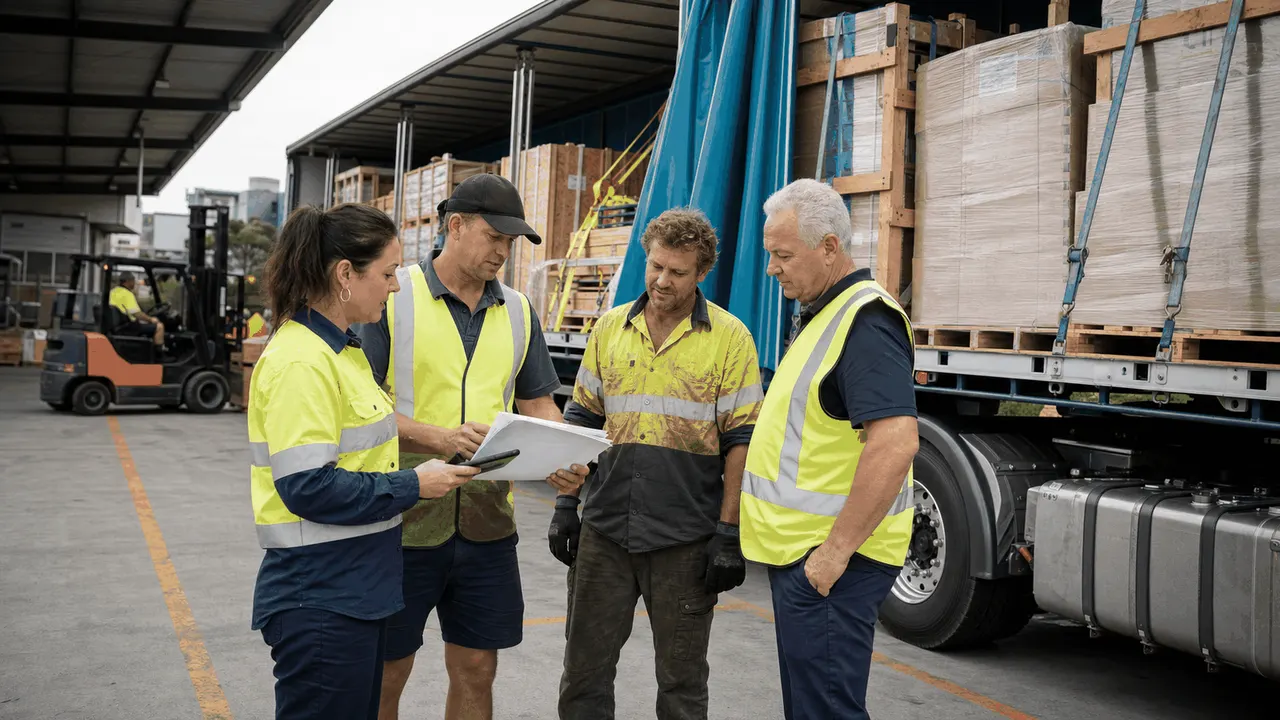
Loading controls need evidence, not assumptions.
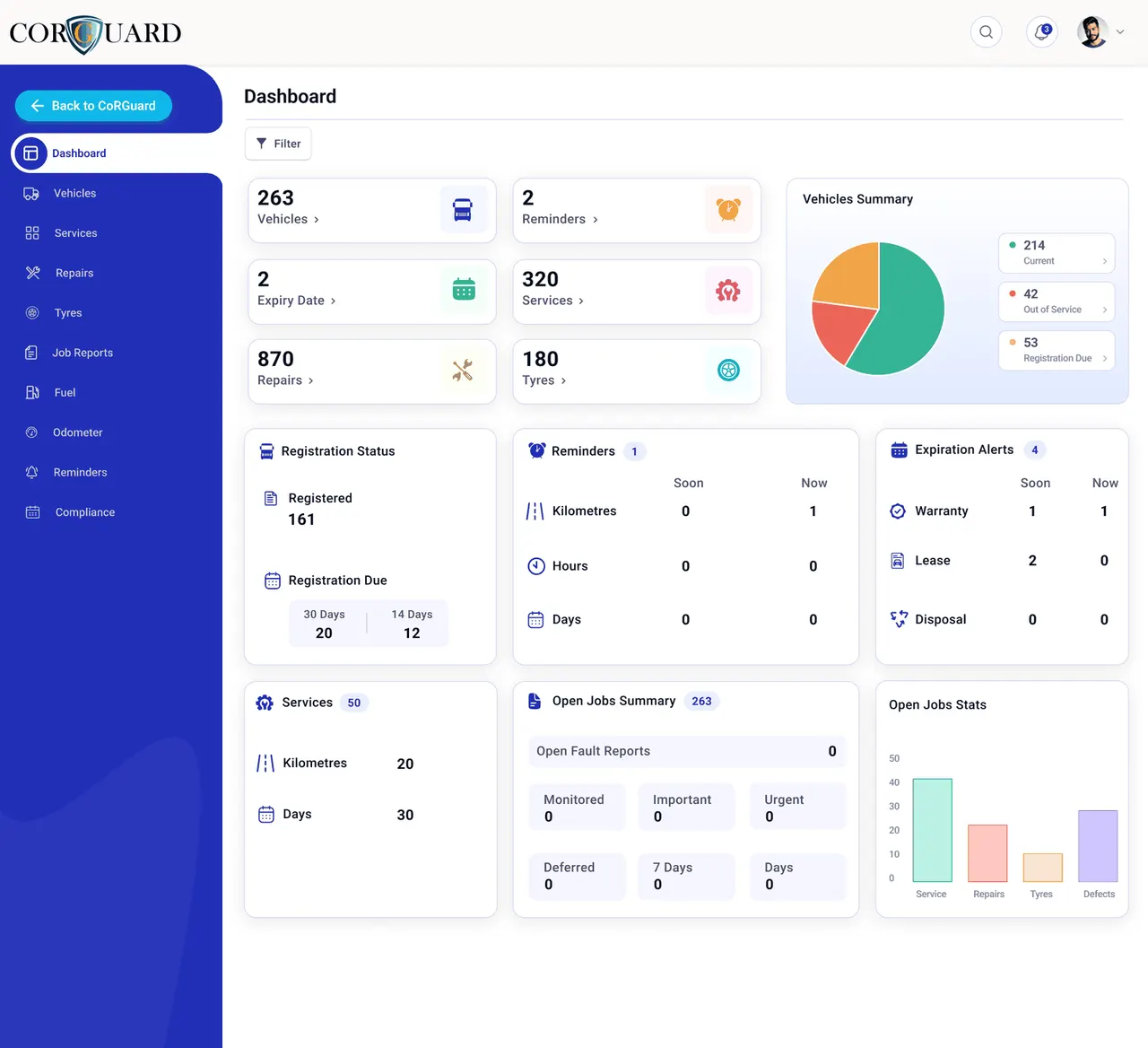
Daily fleet activity has to connect back to duties, controls, and review.

Due diligence means knowing whether the safety system is actually working.
Consignors
Freight terms, delivery windows, and KPIs must not push drivers into speed, fatigue, or mass breaches.
Consignees
Receiving rules, site access, and unloading delays are CoR controls that need to be set and evidenced.
Loaders
Mass, dimension, and load restraint decisions need documented checks, not assumptions.
Managers
Executives and managers need due-diligence evidence that the Safety Management System is actually working.
Why early-morning collisions demand focused attention
Fatigue and low visibility make the darkest hours the most dangerous on Australian roads
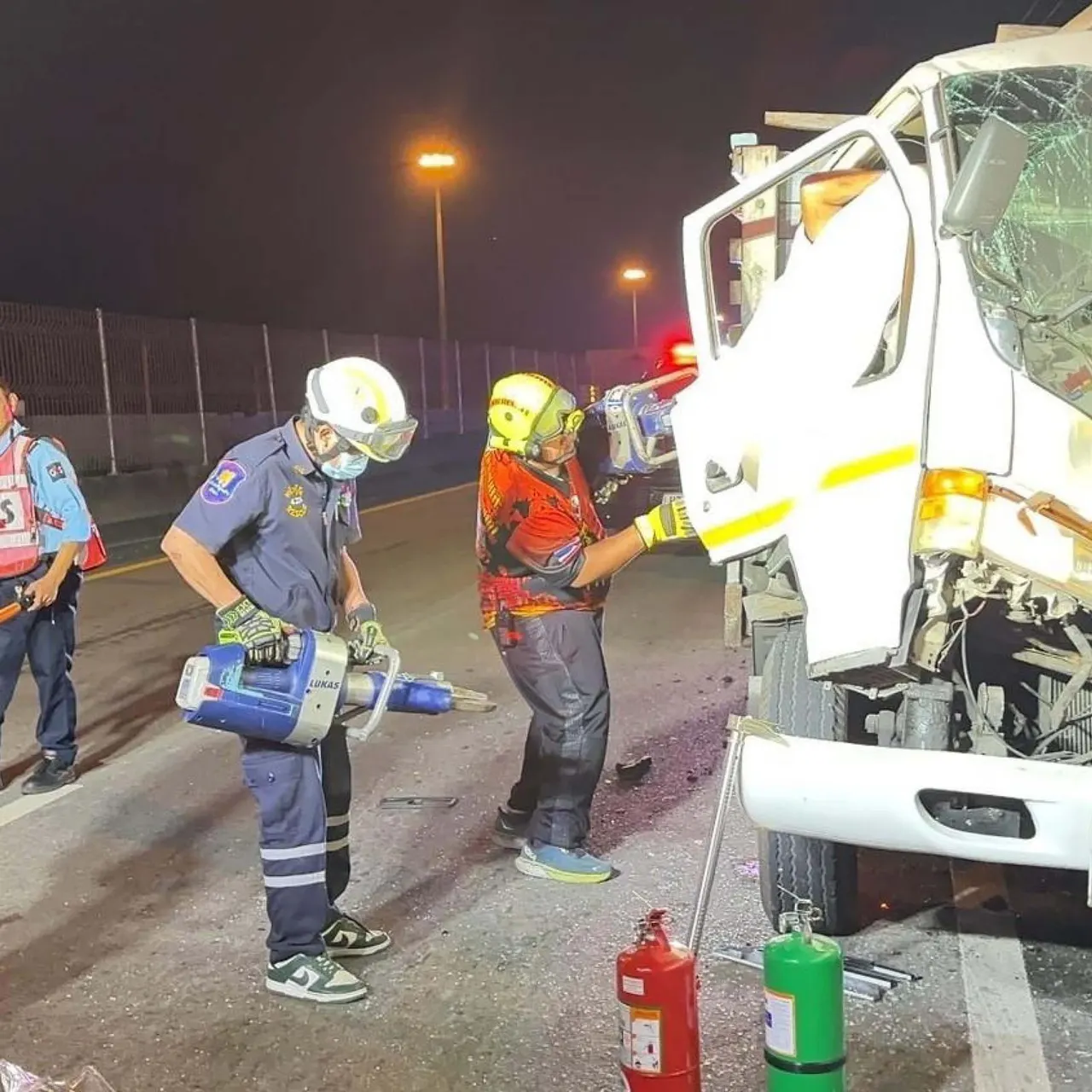
Collisions in the early hours of the morning are a critical safety concern across the Australian supply chain. The Chain of Responsibility (CoR) and Heavy Vehicle National Law (HVNL) create shared accountability among consignors, loaders, operators, drivers, and consignees — not just the person behind the wheel — so that every party manages fatigue, low-visibility, and loading risks that peak during these periods.
Risk factors such as driver fatigue and limited visibility come into sharp focus during the darkest hours, making preventive measures essential. By combining legislative compliance with practical controls, operators can meaningfully reduce the likelihood of early-morning incidents.
For a grounding in how duties are distributed across the chain, see About Chain of Responsibility.
How CoR and HVNL support collision prevention
Legislation creates shared accountability — but only if each party understands its role
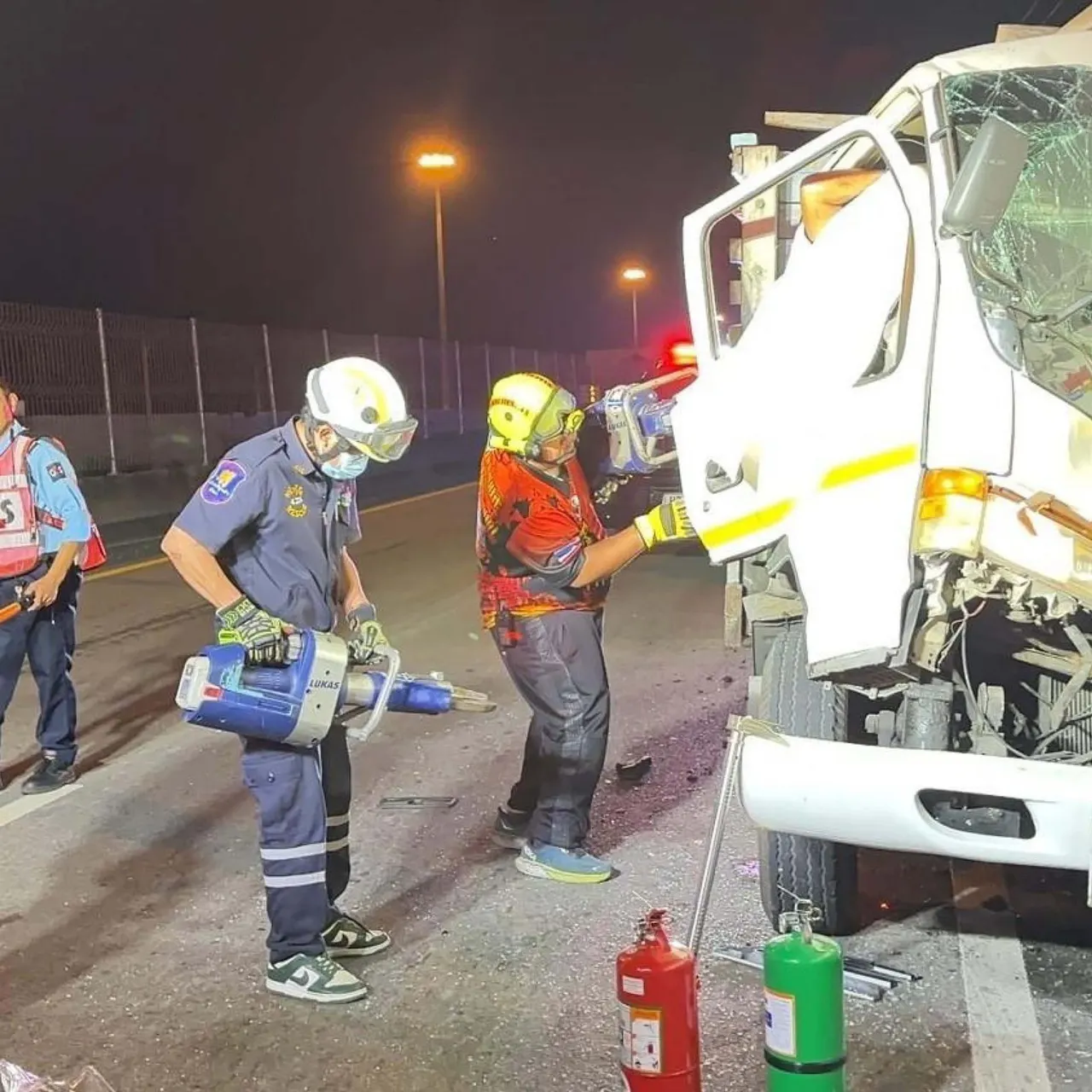
Every vehicle on Australian roads in the early hours is connected to a regulatory network designed to prevent collisions. The HVNL and CoR mandate shared accountability among consignors, loaders, operators, drivers, and consignees. Understanding these obligations operationally is the first step toward reducing early-morning accident risk.
Key compliance mechanisms include:
- Fatigue management requirements that limit work and rest hours
- Mass, dimension, and loading controls that keep vehicles stable in low-visibility conditions
- Speed and vehicle standards compliance enforced through the NHVR
- Evidence of due diligence from executives and managers
Staying current with legislative updates and NHVR safety campaigns is non-negotiable. Resources such as the NHVR's National Road Safety Week materials offer practical insight into current best practices.
For deeper reading on duty-holder obligations, see Chain of Responsibilities: What Australian HVNL Duty Holders Need to Understand.
Safety Management Systems as a first line of defence
A working SMS turns regulatory expectations into daily, visible controls
A Safety Management System (SMS) is the backbone of a secure transport operation. A well-structured SMS integrates several components that directly reduce early-morning collision risk:
Route planning
Methodical route selection that accounts for fatigue-prone corridors, rest-stop availability, and overnight road conditions.
Vehicle maintenance
Vigilant upkeep schedules that ensure lights, brakes, and tyres perform reliably in low-visibility conditions.
Emergency response
Responsive frameworks so that when an incident occurs, the business can act quickly and capture lessons learned.
When these elements are documented and reviewed regularly, the SMS becomes living evidence that the operator is meeting its CoR duties — not just a folder that sits on a shelf.
For a structured approach to closing CoR gaps through a chartered risk lens, see Using a Chartered Risk Lens to Close Chain of Responsibility Gaps in Australian Transport.
Technology that keeps compliance real-time
Telematics and electronic work diaries turn fatigue and speed rules into monitored, evidenced practice
Technology is reshaping compliance from a paperwork exercise into a dynamic, real-time process. Telematics systems allow minute-by-minute monitoring of vehicle location, speed, and driver behaviour — effectively digital sentries on overnight routes. Electronic work diaries (EWDs) provide a tech-driven way to maintain log accuracy and enforce adherence to work and rest hours.
This matters enormously for early-morning operations, where fatigue is the dominant collision risk. Key technology categories include:
- Telematics for speed, location, and harsh-event monitoring
- EWDs for fatigue and work-diary compliance
- Alert systems that can flag risky behaviour before an incident occurs
- Data capture that builds an evidence trail for auditors and regulators
The HVNL treats the use of non-approved electronic recording systems seriously. Operators must ensure any EWD system is an approved one, with penalties applying where a person knew or ought reasonably to have known the system was not approved.
For training that connects these tools to CoR duties, see Chain of Responsibility Training for Australian Operators.
Collaboration across the transport chain
Shared communication and coordination are as important as individual compliance
Reducing early-morning collision risk is not solely an internal exercise. Collective strength — transport companies engaging with emergency services, carriers sharing traffic updates, and sector-wide communication protocols — plays a major role in prevention.
Practical examples of effective collaboration include:
- Establishing communication protocols between depots and drivers for overnight runs
- Using shared platforms to disseminate real-time safety and route information
- Coordinating rest-stop access so drivers are not pressured to push beyond safe limits
- Engaging with NHVR safety campaigns to align industry practice
When parties across the chain communicate openly, the system becomes more resilient — and every individual operator's compliance effort goes further.
Innovation in warehousing and e-commerce logistics
Pressure to deliver faster must not come at the expense of road safety
Warehouse environments play a preventive role too. Predictive AI for stock management and optimised storage layouts reduce the risk factors associated with manual vehicle movement and loading activities — which in turn affects what happens on the road.
The surge in e-commerce has placed new pressure on logistics to deliver rapid services without compromising safety. Advanced screening and digital monitoring can help balance speed with compliance. Cybersecurity is also a growing concern: a breach in logistics systems could disrupt scheduling and routing in ways that increase physical road risk.
Every sector in the supply chain — transport, warehousing, freight forwarding, e-commerce — brings its own challenges and innovations. The goal is to weave prevention into every link.
For insights on how operators are preparing for upcoming regulatory change, see HVNL 2026 Changes and Chain of Responsibility Training Readiness.
Turning prevention into practice with MAEZ
Find the gaps, fix the controls, prove the evidence
The early hours demand a vigilant, multifaceted approach to safety — exactly what the CoR and HVNL frameworks require. Strong compliance, a robust Safety Management System, thorough risk assessment, and the right technology can brighten the darkest hours with preventative strategies.
MAEZ helps Australian transport businesses turn CoR, HVNL, WHS, and transport safety obligations into practical training, advisory, audit, and implementation pathways. The approach is straightforward:
- Find — Identify what is exposed before an auditor or regulator does.
- Fix — Build SMS controls around how the transport business actually runs.
- Prove — Use structured evidence workflows where records, reminders, diaries, audits, and corrective actions need support.
If you want a practical review of the controls, evidence, training, and SMS gaps that matter most to your operation, contact MAEZ or explore our CoR consulting services.
How MAEZ works
Find the gaps. Fix the system. Prove the controls.
MAEZ helps transport operators deal with the compliance risk they already know is there. We help get the Safety Management System in order, protect NHVAS accreditation, reduce fine exposure, and connect training, evidence, and CoRGuard workflows where software is needed.
Find
Identify what is exposed before an auditor or regulator does.
Fix
Build the SMS controls around how the transport business actually runs.
Prove
Use CoRGuard where records, reminders, diaries, audits, and evidence need structure.
From advice to evidence
From MAEZ advice to a working Safety Management System
Advisory work should leave a practical implementation trail. These examples show how CoRGuard supports records, fatigue and driver diary checks, maintenance, audits, document control, inductions, corrective actions, and evidence review after MAEZ identifies the gaps.
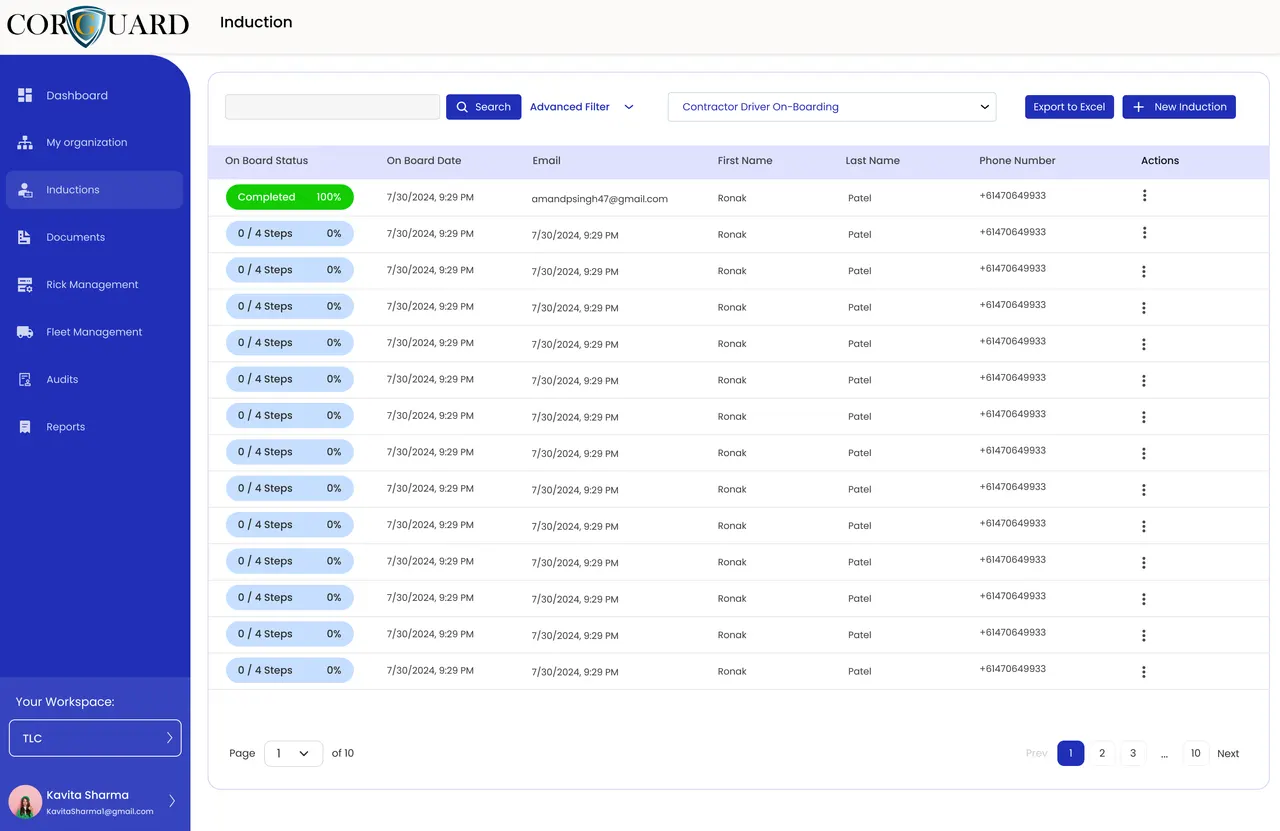
Training records
Connect training completion from cortraining.com.au to evidence and follow-up.
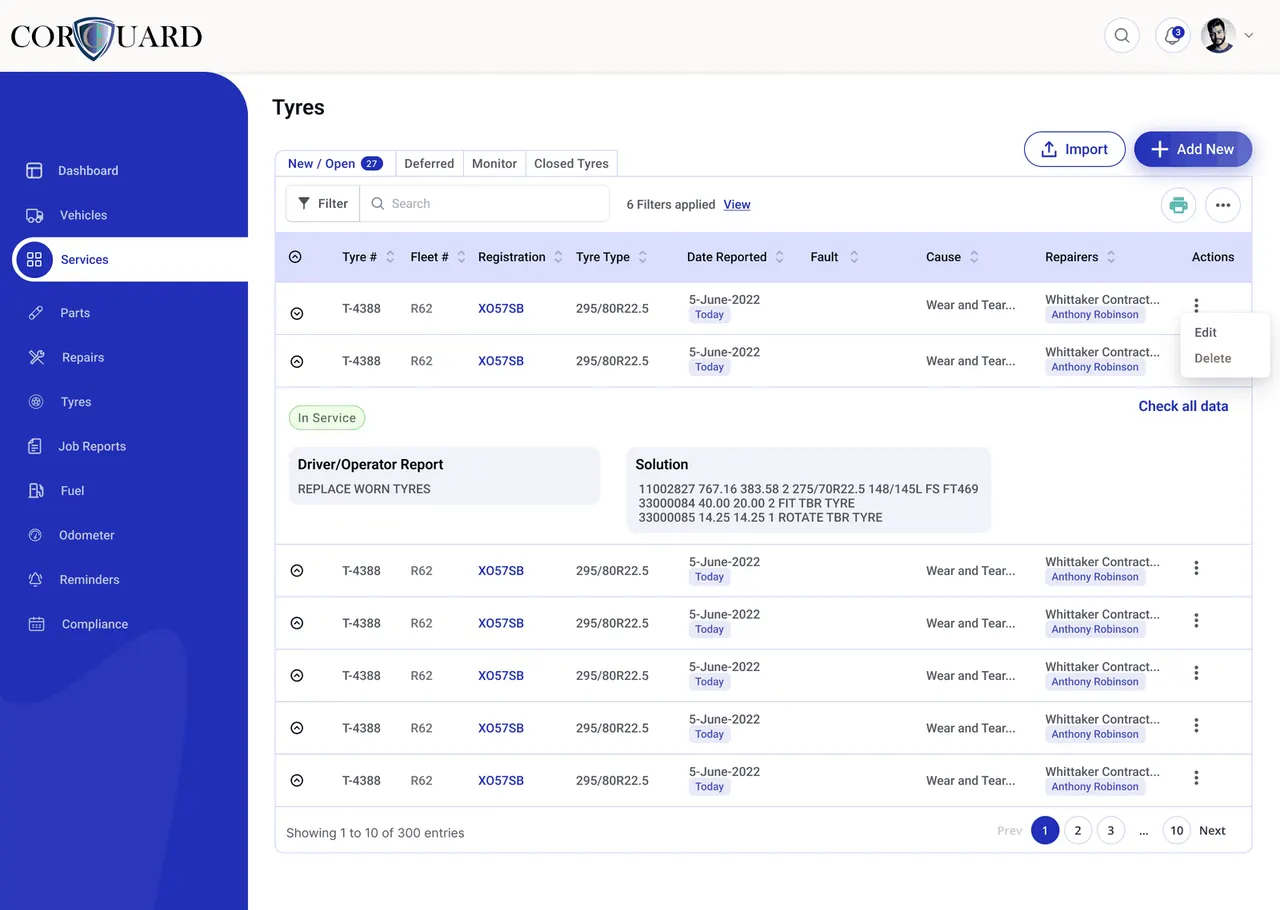
Driver diary checks
Connect fatigue and driver diary review back to manager visibility.
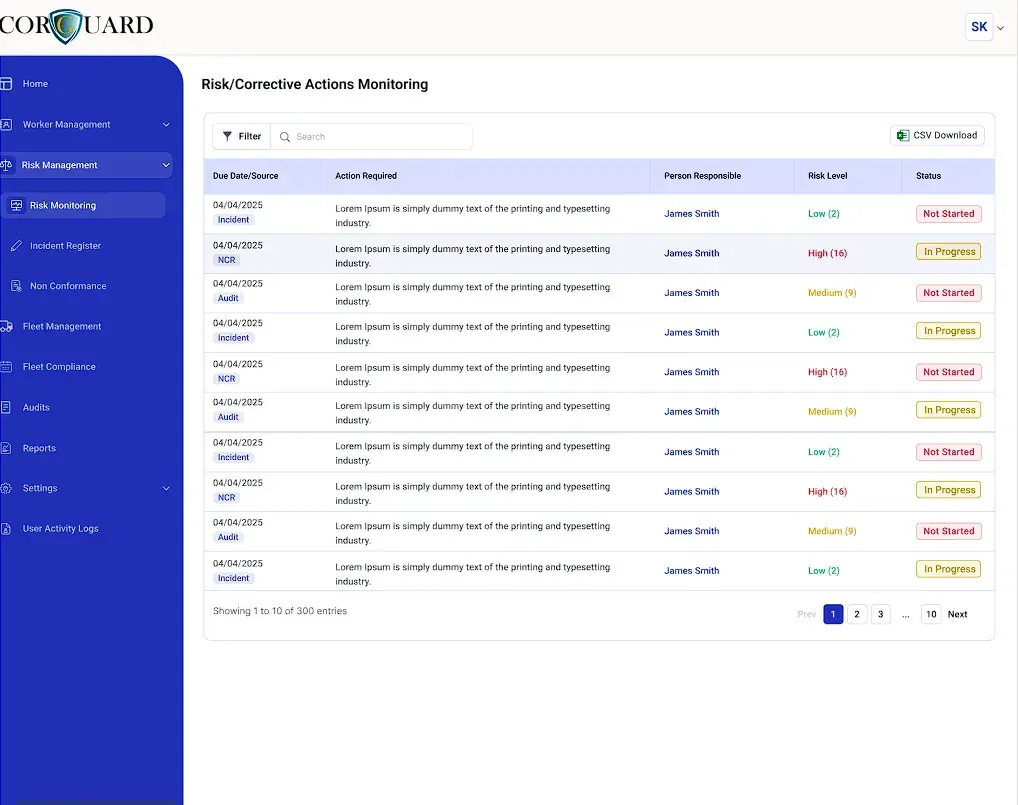
Corrective actions
Turn audit findings, hazards and incidents into tracked actions.
Keep exploring
Related Chain of Responsibility reading
MAEZ insight
Exploring Effective Safety Management System Examples
Discover effective Safety Management System examples across industries to enhance workplace safety. Learn how to implement these structured frameworks today.
MAEZ insight
Understanding Supply Chain Risk Management Software
Explore how Supply Chain Risk Management software enhances visibility, monitors threats, and ensures compliance to safeguard your supply network.
MAEZ insight
Understanding AMCAS and How MAEZ Uses the RCIP Master Code for Robust Transport Compliance
Introduction In the ever-evolving Australian transport sector, compliance with safety regulations is paramount.
MAEZ insight
Why an SMS Matters in the Heavy Vehicle Industry
The Heavy Vehicle National Law (HVNL) is pivotal for ensuring the safety and compliance of heavy vehicle operations in Australia. Central to this framework is the Chain of Responsibility (CoR), which distributes accountability across various parties in the transport supply chain.
MAEZ insight
Your Duty Of Care
A three-year-old boy, who was under the duty of care of Goodstart Early Learning, was found dead inside a minibus that was parked outside the Hambledon State School in the southern Cairns suburb of Edmonton on Tuesday 25th Feb 2020.
MAEZ insight
What Is Corporate Derivative Liability?
CASE STUDY: SAPOL vs The Trustee for FURLER FAMILY TRUST. Companies are being reminded to take speed restrictions seriously after a corporate derivative liability prosecution.
Frequently asked questions
Questions people ask about this topic
Why are early-morning collisions a specific concern under CoR and HVNL?
Driver fatigue and limited visibility peak during the early hours, making collisions more likely. The CoR and HVNL frameworks distribute accountability across every party in the transport chain — consignors, loaders, operators, drivers, and consignees — so that fatigue, loading, and speed risks are managed collectively, not just by the driver.
How does a Safety Management System reduce early-morning collision risk?
A working SMS turns regulatory expectations into daily, visible controls such as fatigue-aware route planning, vigilant vehicle maintenance for low-visibility conditions, and responsive emergency frameworks. When documented and reviewed regularly, the SMS becomes evidence that the operator is actively meeting its CoR duties.
What role do electronic work diaries play in preventing early-morning collisions?
Electronic work diaries (EWDs) maintain log accuracy and enforce adherence to work and rest hours, directly addressing the fatigue that dominates early-morning collision risk. The HVNL penalises the use of non-approved electronic recording systems where the person knew or ought reasonably to have known the system was not approved.
How can transport operators collaborate to reduce early-morning collision risk?
Operators can establish communication protocols between depots and drivers for overnight runs, use shared platforms for real-time safety and route information, coordinate rest-stop access so drivers are not pressured beyond safe limits, and engage with NHVR safety campaigns to align industry practice across the chain.
What does MAEZ's Find, Fix, Prove approach mean for collision prevention?
MAEZ helps operators find compliance gaps before an auditor does, fix SMS controls around how the business actually runs, and prove compliance through structured evidence workflows covering records, reminders, diaries, audits, and corrective actions — turning CoR and HVNL obligations into practical, evidenced prevention.