
MAEZ insight
On Guard Safety Practises | MAEZ Transport Compliance Advisory
Why transport businesses need ongoing safety vigilance, not just a policy. Practical guidance on training, Chain of Responsibility, and building a safety-first culture.
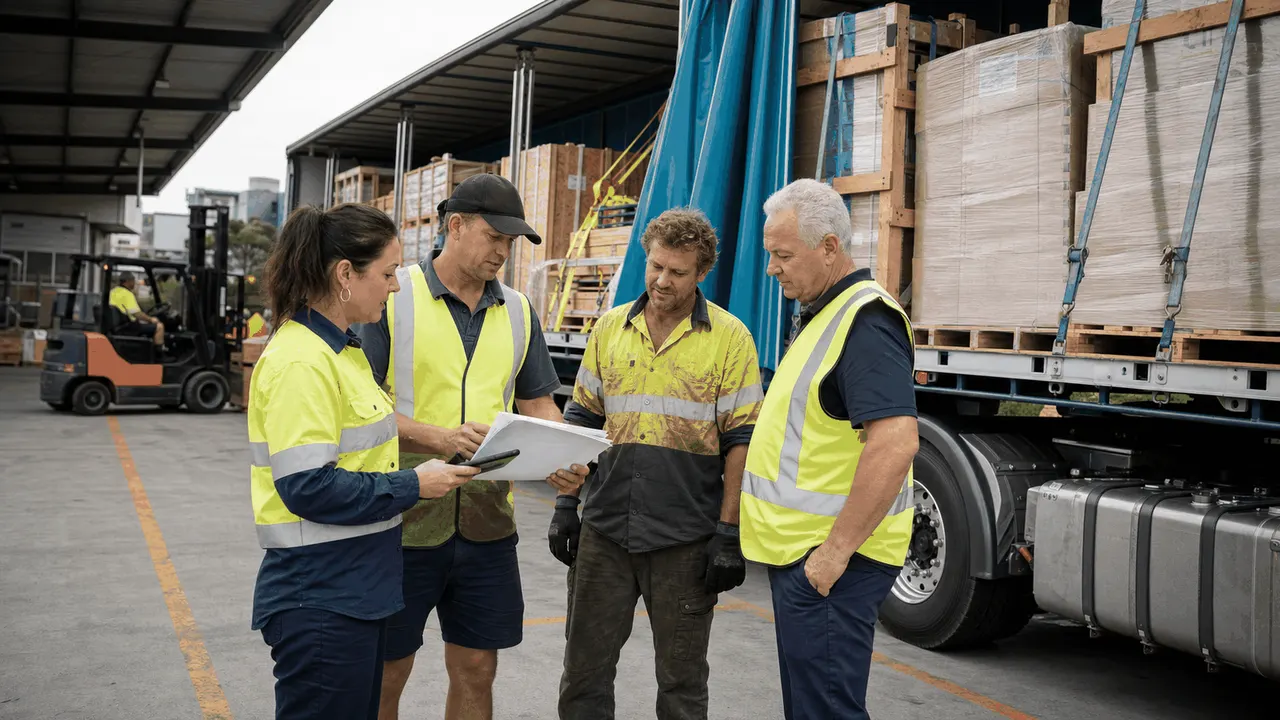
Receiving windows, site rules, and unloading delays can all shape the transport task.
Unloading decisions can affect safety, scheduling, and responsibility.
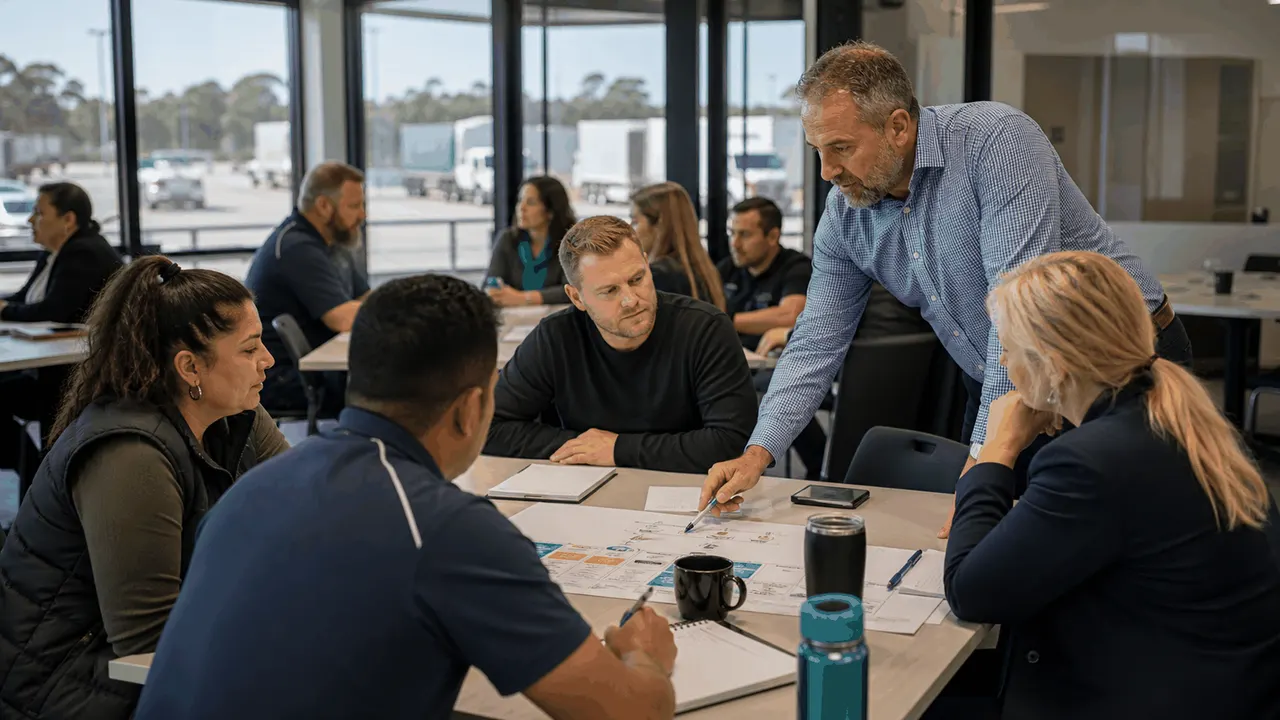
Managers need a clear view of gaps before audit or enforcement pressure arrives.

Contractor controls should be verified before the work starts.
Consignors
Freight terms, delivery windows, and KPIs must not push drivers into speed, fatigue, or mass breaches.
Consignees
Receiving rules, site access, and unloading delays are CoR controls that need to be set and evidenced.
Loaders
Mass, dimension, and load restraint decisions need documented checks, not assumptions.
Managers
Executives and managers need due-diligence evidence that the Safety Management System is actually working.
Why safety demands vigilance, not just a policy
A written policy is only the starting point — what matters is daily, on-the-ground vigilance

Transport businesses need ongoing safety vigilance — not just a written policy — because every party in the supply chain carries a duty to ensure the transport task is safe. Under the Heavy Vehicle National Law, that duty is shared, and training alone, while necessary, does not discharge it. What matters is continuous, practical instruction that keeps people on guard every day.
Training is one of the most-used elements in safety systems. It helps businesses tick the boxes required by Australia's safety legislation by educating staff on different safety topics. But having a safety policy is just one item that needs to be addressed.
What matters just as much is the ongoing instruction to your staff around the policies and rules your people need to follow to ensure a safe organisation. A policy sitting in a folder does not prevent incidents — engaged, alert people do.
For a broader understanding of how shared responsibility works across the supply chain, see About Chain of Responsibility.
Two types of businesses when it comes to safety
The mindset of leadership determines whether safety systems actually work
From experience, businesses fall into one of two categories.
Businesses that want to be safe
These leaders understand that their legal liability encompasses ensuring everyone in their chain is safe. They recognise that by doing business — by manufacturing a product and distributing it — they take on certain risks, and they manage those risks accordingly.
Businesses that disregard safety
These businesses often blame employees when things go wrong. They frequently find themselves in court because they fail to hit the points required to ensure ongoing safety within their operations and keep their staff on guard to prevent injuries.
Fines have been significant, and the fine-plus-costs combination seems to many to be ever-increasing. The difference between the two types is not resources or size — it is leadership attitude.
What it means to keep your people on guard
Vigilance protects your people, your legal position, and your reputation
Ensuring your staff are on guard to prevent a safety hazard or incident is paramount. It reduces or removes your legal liability, positions you as an employer of choice, and positions you as a partner of choice. Both attributes bring intrinsic value and are highly prized by smart businesses run by intelligent professionals.
Those organisations know how hard it is to get good people and understand the effort it takes to earn buy-in from their staff.
By ensuring your employees are on guard when it comes to working safely within your business — each and every day, through effective policy, rules, and training on your safe business practises — you are building an organisation that is:
- Best in class on safety
- Staffed by engaged employees
- More likely to obtain and maintain excellent business relationships over time
The business rewards of a safety-first culture
A strong safety record is a competitive advantage in the supply chain
Airlines that maintained vigilance with safety and ensured their own employees were always on guard against potential risks have proven over time that safety is valued. Qantas and the reputation it carries through a strong safety record is a clear example.
The same principle applies to suppliers that engage larger customers. You don't need to look far to find those relationships — Linfox to Coles, Toll to Woolworths, and Americold to McCain, to name just a few.
Be on track with your business's safety. Ensure your employees are on guard for their own safety as well as that of their peers, and you will reap the rewards over time from a sustainable, reliable, and reputable business.
How MAEZ connects this to your operation
Practical advisory, training, and evidence pathways for transport compliance
MAEZ helps Australian transport and supply-chain businesses turn Chain of Responsibility, HVNL, WHS, transport safety, and chartered risk obligations into practical training, advisory, audit, and implementation pathways.
The work covers the full operational cycle:
- Find — Identify what is exposed before an auditor or regulator does
- Fix — Build Safety Management System controls around how the transport business actually runs
- Prove — Use structured records, reminders, audits, maintenance, driver diary checks, inductions, corrective actions, and evidence reporting
Training
Where training is the right next step, Chain of Responsibility training equips operators, managers, and executives with practical CoR knowledge.
Consulting
For a structured risk review, CoR consulting helps identify the controls, evidence, and SMS gaps that matter most to your operation.
Get started
If you want a practical review of the controls, evidence, training, and SMS gaps that matter most to your operation, contact MAEZ for an advisory conversation.
How MAEZ works
Find the gaps. Fix the system. Prove the controls.
MAEZ helps transport operators deal with the compliance risk they already know is there. We help get the Safety Management System in order, protect NHVAS accreditation, reduce fine exposure, and connect training, evidence, and CoRGuard workflows where software is needed.
Find
Identify what is exposed before an auditor or regulator does.
Fix
Build the SMS controls around how the transport business actually runs.
Prove
Use CoRGuard where records, reminders, diaries, audits, and evidence need structure.
From advice to evidence
From MAEZ advice to a working Safety Management System
Advisory work should leave a practical implementation trail. These examples show how CoRGuard supports records, fatigue and driver diary checks, maintenance, audits, document control, inductions, corrective actions, and evidence review after MAEZ identifies the gaps.
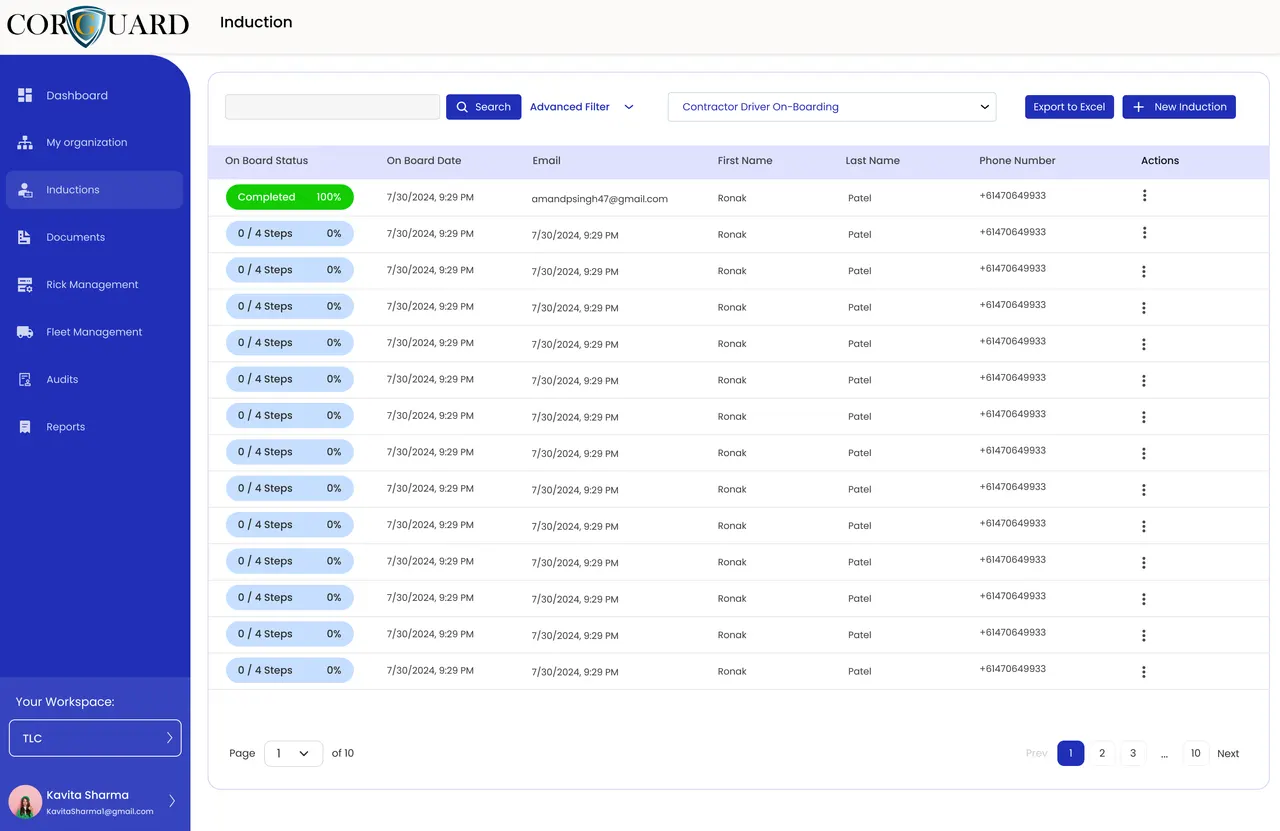
Training records
Connect training completion from cortraining.com.au to evidence and follow-up.
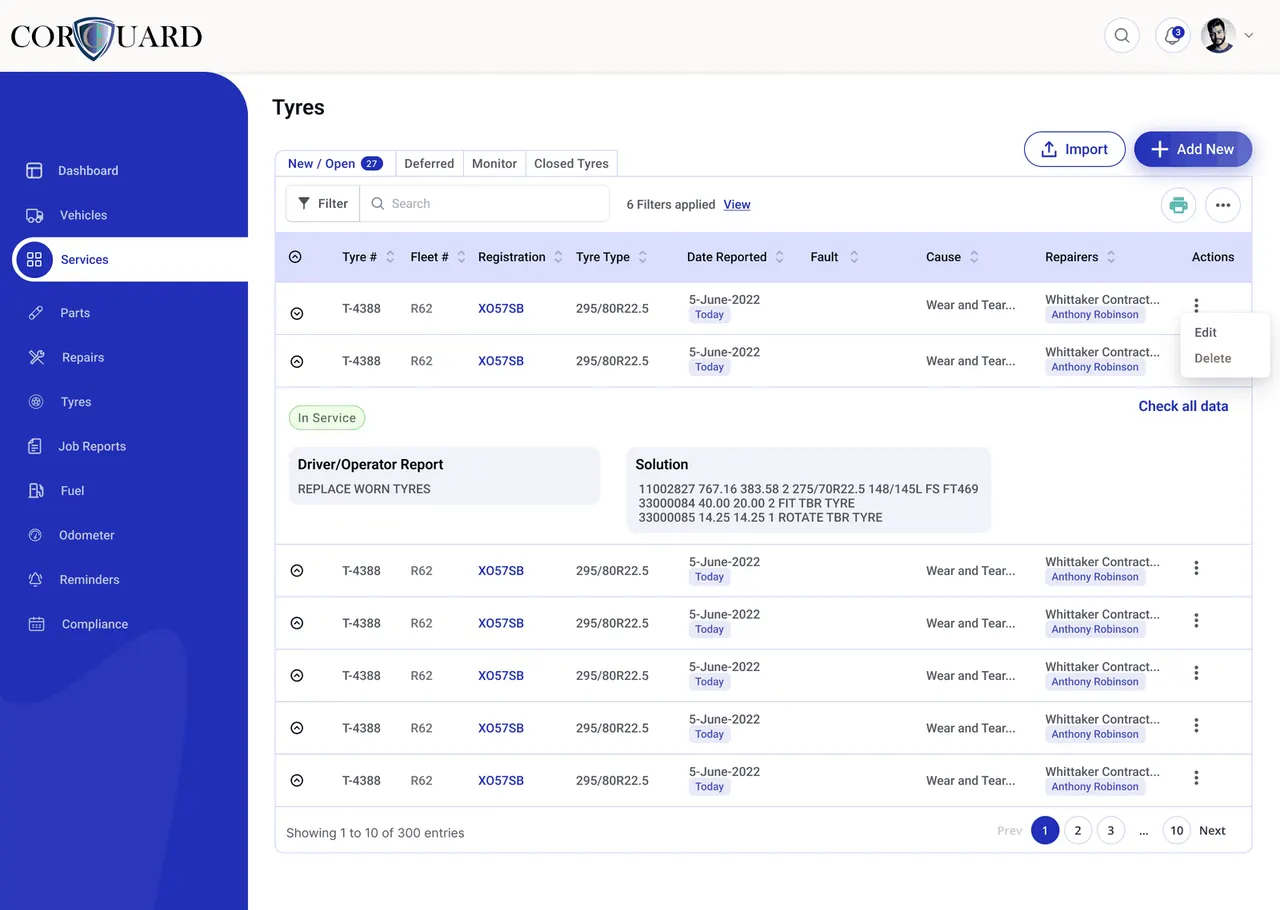
Driver diary checks
Connect fatigue and driver diary review back to manager visibility.
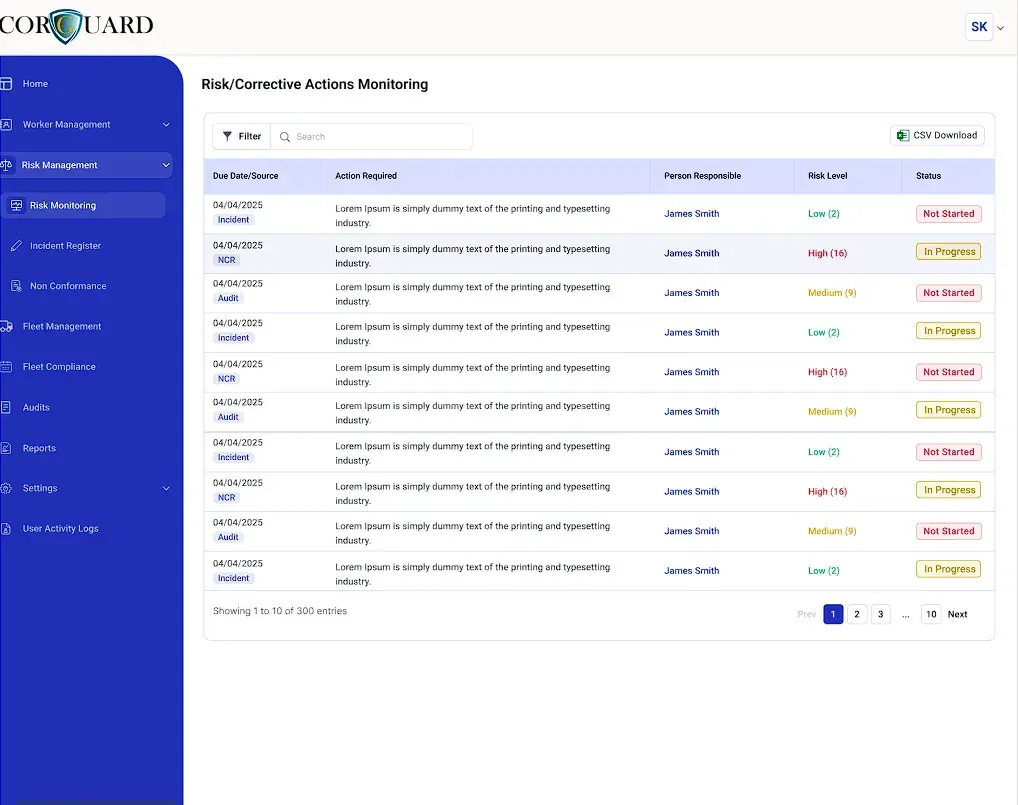
Corrective actions
Turn audit findings, hazards and incidents into tracked actions.
Keep exploring
Related Chain of Responsibility reading
MAEZ insight
Laing O’Rourke Australia | NHVR Issues Enforceable Undertaking
Companies are being reminded to take the Mass and on-road safety responsibilities of all heavy vehicles (GVM or GCM > 4.5T)seriously as outlined here in this Alert. No one wants a fine on their watch and every great leader in business is on the lookout for risks as well as revenue.
MAEZ insight
CoR Comply
CoR Compliance To comply with CoR seems to be something within industry of a mix of opinions. The legislation allows for just one and by reading more, you too can get an insight into what it means to comply through your companies policies or business rules.
MAEZ insight
$60,000 Fatigue Breach
DEPARTMENT OF TRANSPORT AND MAIN ROADS(Complainant) v Anonymous Transport Co. If the person in control of a heavy vehicle commits an extended liability offence, each influencing person is also taken to have committed the offence.
MAEZ insight
How to Implement Chain of Responsibility
A visiting truck sales person injured, resulted in Holcim (Australia) Pty Ltd agreeing to an enforceable undertaking, having a total expenditure of $1,294,100.
MAEZ insight
Fleet Management
How Chain of Responsibility Affects Your Fleet Management Freight transport powers the Australian economy. It not only provides goods for thousands of people daily but also provides job opportunities to many others.
MAEZ insight
The Definitive Guide To Chain Of Responsibility (COR)
The changes in the chain of responsibility laws under Heavy Vehicle National Law (HVNL) were incorporated on 1st October 2018. These laws were aligned with workplace health and safety laws.
Frequently asked questions
Questions people ask about this topic
Why is a safety policy alone not enough for transport businesses?
A safety policy is just one element of compliance. What matters just as much is the ongoing, daily instruction to staff around the policies and rules they need to follow, ensuring people remain on guard to prevent incidents across the supply chain.
What are the two types of businesses when it comes to safety?
One type wants to be safe and understands that doing business means taking on risks that must be managed. The other disregards safety, blames employees when things go wrong, and frequently ends up in court with significant fines and costs.
What does it mean to keep your people on guard in a transport environment?
It means ensuring staff are vigilant every day through effective policy, rules, and training so they actively prevent safety hazards and incidents. This reduces legal liability and positions the business as an employer and partner of choice.
How does MAEZ help transport businesses build a safety-first culture?
MAEZ turns Chain of Responsibility, HVNL, WHS, and chartered risk obligations into practical training, advisory, audit, and implementation pathways, covering the full cycle of finding gaps, fixing controls, and proving compliance with structured evidence.