
MAEZ insight
Laing O'Rourke Australia | NHVR Enforceable Undertaking
The NHVR's first HVNL enforceable undertaking: Laing O'Rourke mass breaches, remediation requirements, and what it means for Australian supply chain compliance.
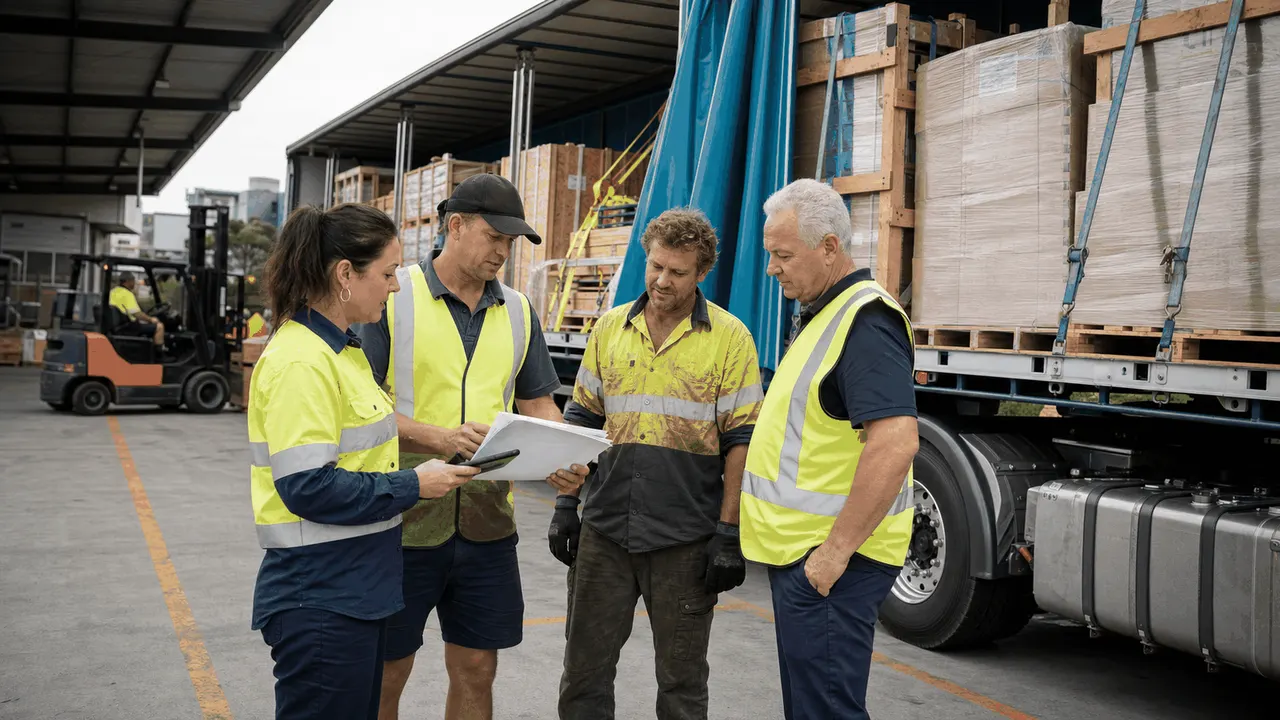
Loading controls need evidence, not assumptions.
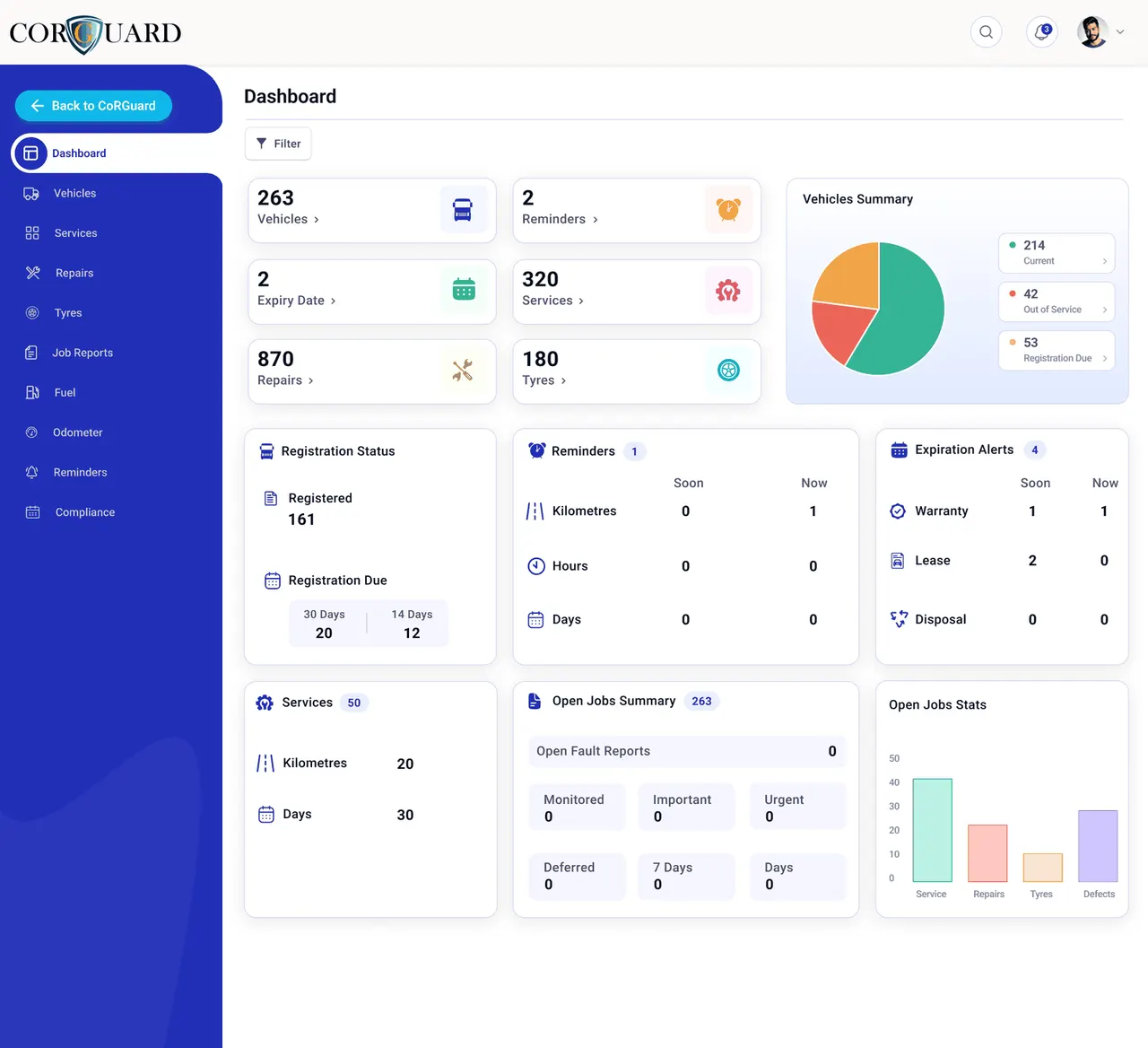
Daily fleet activity has to connect back to duties, controls, and review.

Due diligence means knowing whether the safety system is actually working.

Proof that freight promises do not create unsafe transport pressure.
Consignors
Freight terms, delivery windows, and KPIs must not push drivers into speed, fatigue, or mass breaches.
Consignees
Receiving rules, site access, and unloading delays are CoR controls that need to be set and evidenced.
Loaders
Mass, dimension, and load restraint decisions need documented checks, not assumptions.
Managers
Executives and managers need due-diligence evidence that the Safety Management System is actually working.
What happened with Laing O'Rourke Australia?
Two mass breaches triggered the NHVR's first HVNL enforceable undertaking
The NHVR imposed its first-ever enforceable undertaking under the Heavy Vehicle National Law on Laing O'Rourke Australian Construction after two mass breaches detected by Transport for NSW over a seven-month period. The steer axle was over mass by 1.38 tonnes on the first breach; the tri-axle group was over by 6.92 tonnes on the second. The undertaking is valued at approximately $249,500 and requires specific remediation rather than a fine alone.
Introduced into the HVNL in 2018, the enforceable undertaking is designed to be instructive rather than purely punitive. It allows the wider industry to understand what went wrong, what the regulator expects by way of a fix, and what a business must do to meet its primary duty.
For a broader explanation of who holds duties across the supply chain, see About Chain of Responsibility.
What did the NHVR require Laing O'Rourke to do?
Four remediation initiatives focused on mass management and CoR training
Rather than simply imposing a fine, the enforceable undertaking required Laing O'Rourke to carry out specific initiatives to remedy the situation and demonstrate ongoing compliance.
The regulator's obligations included:
- Weigh all heavy vehicles that carry plant or equipment, including individual axles.
- Develop and deliver Chain of Responsibility training — face-to-face workshops that demonstrate compliance in practice.
- Develop and deliver a supply chain workshop specifically for small to medium businesses in their supply chain.
- Trial on-board weigh systems that alert vehicle operators to potential risks when the weight on any pre-programmed axle group approaches the overload limit.
These requirements signal that verbal assurances and assumptions about mass are not enough. The regulator expects measurable controls, documented training, and technology that actively warns operators before a breach occurs.
Why does this matter for your supply chain?
Mass management is one of the hardest CoR areas to get right
Mass and axle limits are among the most challenging aspects of Chain of Responsibility compliance. Many supply chains struggle because the resources needed to weigh loads, monitor axle groups, and verify compliance are not always easy to implement or inexpensive to operate.
A common misconception is that the transport operator carries all the risk. Under the HVNL, no party in the chain can delegate its responsibility for safety. If your business influences a transport task — as a consignor, loader, manager, or executive — you share the duty to ensure mass, fatigue, speed, and vehicle standards are managed so far as is reasonably practicable.
This case makes the financial exposure clear: an undertaking valued at nearly $250,000 arose from just two mass breaches. By comparison, a proactive compliance audit is a fraction of that cost and exposes gaps before a regulator does.
For a structured review of your supply chain risks, see Chain of Responsibility Consulting.
How can MAEZ help with mass management and CoR?
Practical training, audit, and evidence pathways for Australian operators
MAEZ has worked with multiple businesses facing mass management challenges and a lack of understanding around axle limits and mass restrictions. Even when teams are remote, we provide training and practical outcomes that help operators ensure compliance in their respective states of operation.
Our approach covers three connected stages:
- Find — Identify what is exposed before an auditor or regulator does, through targeted Chain of Responsibility training and advisory reviews.
- Fix — Build Safety Management System controls around how your transport business actually runs, not generic templates.
- Prove — Connect training records, driver diary checks, corrective actions, and audit findings into a structured evidence trail.
Where software is the right next step, CoRGuard supports the evidence workflow — covering records, reminders, audits, document control, inductions, and corrective actions. Training is delivered through our dedicated CoR training platform, while MAEZ advisory focuses on the risk pathway and implementation.
To get a practical review of the controls, evidence, training, and SMS gaps that matter most to your business, contact MAEZ. You can also explore more case studies and insights on the MAEZ blog.
How MAEZ works
Find the gaps. Fix the system. Prove the controls.
MAEZ helps transport operators deal with the compliance risk they already know is there. We help get the Safety Management System in order, protect NHVAS accreditation, reduce fine exposure, and connect training, evidence, and CoRGuard workflows where software is needed.
Find
Identify what is exposed before an auditor or regulator does.
Fix
Build the SMS controls around how the transport business actually runs.
Prove
Use CoRGuard where records, reminders, diaries, audits, and evidence need structure.
From advice to evidence
From MAEZ advice to a working Safety Management System
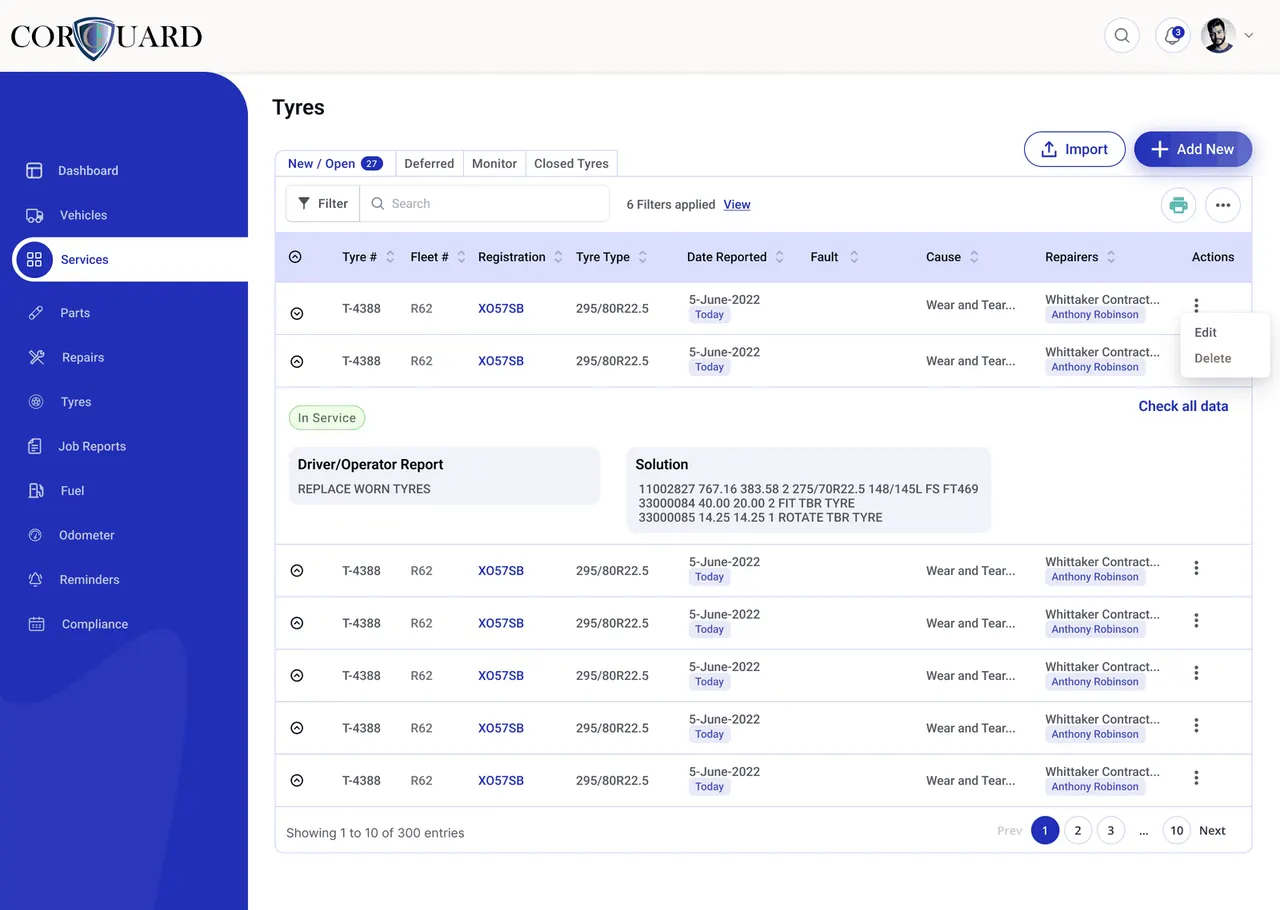
Advisory work should leave a practical implementation trail. These examples show how CoRGuard supports records, fatigue and driver diary checks, maintenance, audits, document control, inductions, corrective actions, and evidence review after MAEZ identifies the gaps.
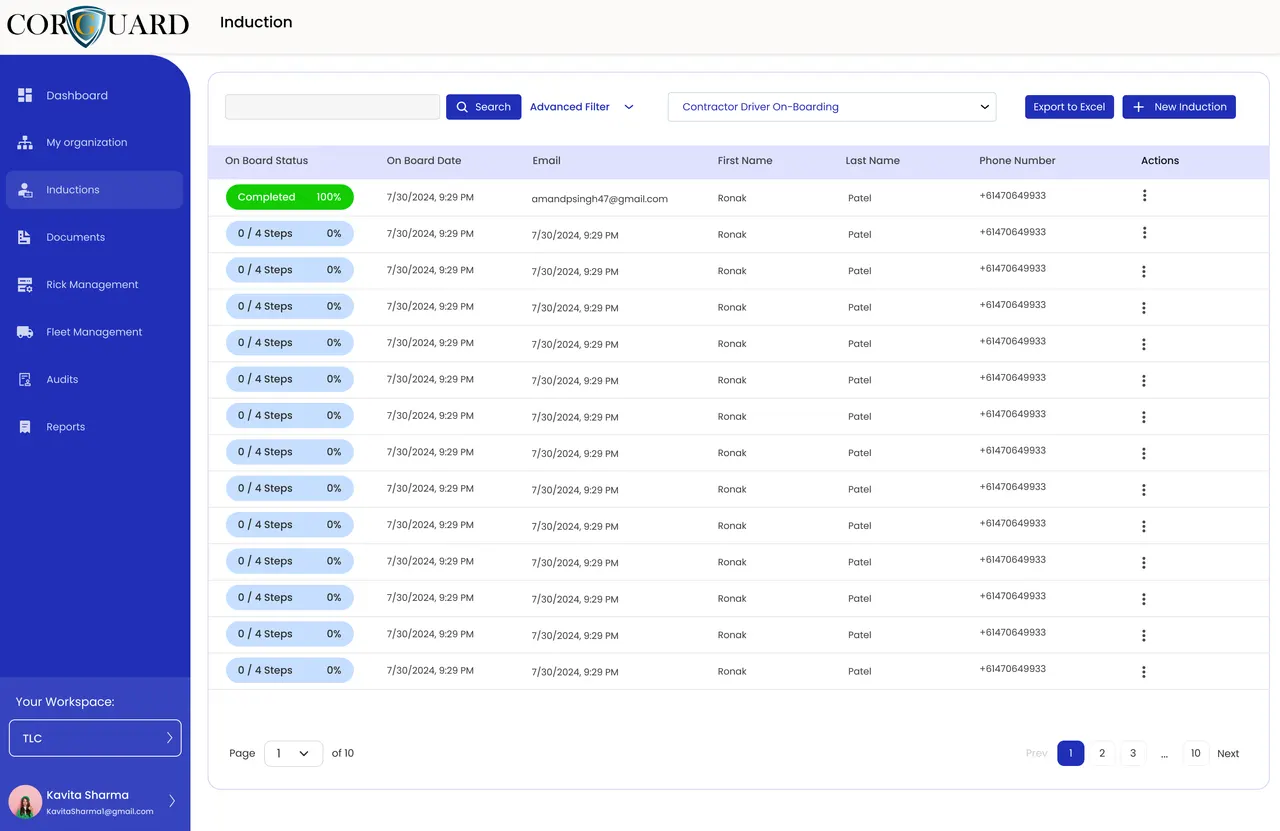
Training records
Connect training completion from cortraining.com.au to evidence and follow-up.
Driver diary checks
Connect fatigue and driver diary review back to manager visibility.
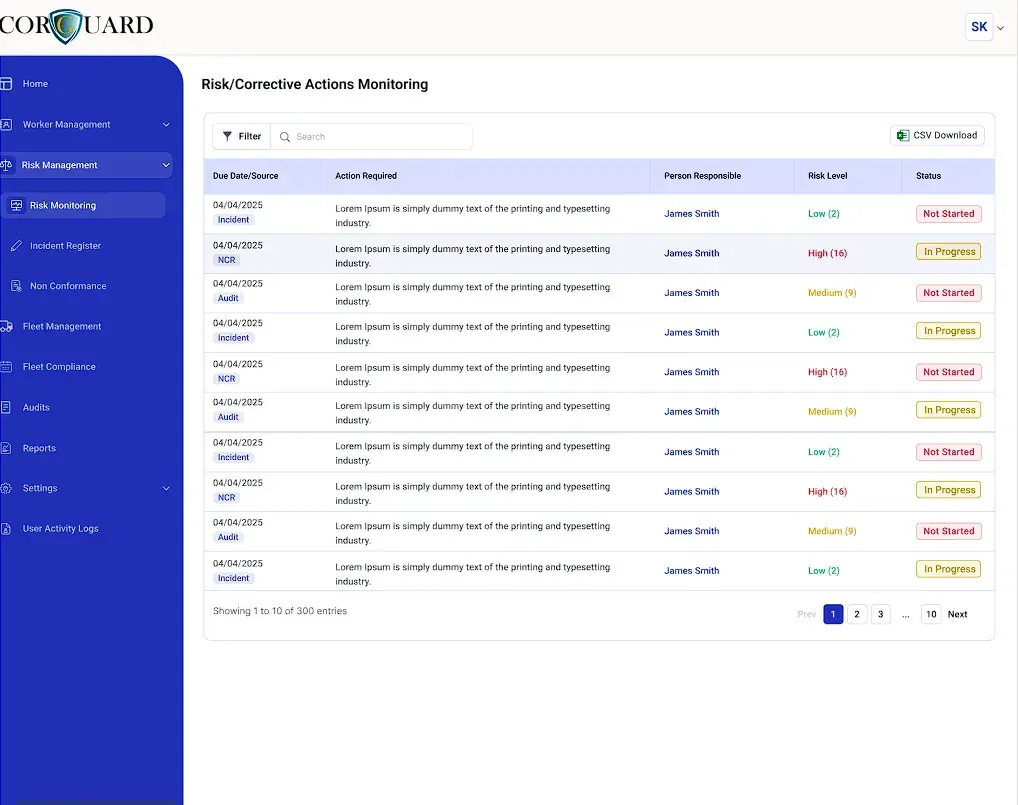
Corrective actions
Turn audit findings, hazards and incidents into tracked actions.
Keep exploring
Related Chain of Responsibility reading
MAEZ insight
CoR Comply
CoR Compliance To comply with CoR seems to be something within industry of a mix of opinions. The legislation allows for just one and by reading more, you too can get an insight into what it means to comply through your companies policies or business rules.
MAEZ insight
$60,000 Fatigue Breach
DEPARTMENT OF TRANSPORT AND MAIN ROADS(Complainant) v Anonymous Transport Co. If the person in control of a heavy vehicle commits an extended liability offence, each influencing person is also taken to have committed the offence.
MAEZ insight
How to Implement Chain of Responsibility
A visiting truck sales person injured, resulted in Holcim (Australia) Pty Ltd agreeing to an enforceable undertaking, having a total expenditure of $1,294,100.
MAEZ insight
Fleet Management
How Chain of Responsibility Affects Your Fleet Management Freight transport powers the Australian economy. It not only provides goods for thousands of people daily but also provides job opportunities to many others.
MAEZ insight
The Definitive Guide To Chain Of Responsibility (COR)
The changes in the chain of responsibility laws under Heavy Vehicle National Law (HVNL) were incorporated on 1st October 2018. These laws were aligned with workplace health and safety laws.
MAEZ insight
Penalties for Breaches of Heavy Vehicle National Law
HVNL refers to the Heavy Vehicle National Law, which defines minimum safety standards across the logistics network and significant penalties for the parties responsible for breaches.
Frequently asked questions
Questions people ask about this topic
What was the Laing O'Rourke NHVR enforceable undertaking?
It was the NHVR's first enforceable undertaking under the HVNL, imposed after Transport for NSW detected two mass breaches — a steer axle over by 1.38 tonnes and a tri-axle group over by 6.92 tonnes. The undertaking is valued at approximately $249,500 and requires Laing O'Rourke to implement specific mass management and CoR training remediation.
What remediation did the NHVR require Laing O'Rourke to complete?
Laing O'Rourke must weigh all heavy vehicles carrying plant or equipment including individual axles, deliver face-to-face Chain of Responsibility training, run a supply chain workshop for small to medium businesses, and trial on-board weigh systems that alert operators when an axle group approaches the overload limit.
Why was an enforceable undertaking used instead of a fine?
The enforceable undertaking is designed to be instructive rather than purely punitive. It allows the wider industry to understand what went wrong, what the regulator expects to fix the problem, and what a business must do to meet its primary duty under the HVNL.
Who in the supply chain shares responsibility for mass breaches?
Under the HVNL, no party can delegate its responsibility for safety. Consignors, loaders, managers, executives, and operators all share the duty to ensure mass, fatigue, speed, and vehicle standards are managed so far as is reasonably practicable.
How can MAEZ help with mass management compliance?
MAEZ helps operators find compliance gaps through CoR training and advisory reviews, fix them with Safety Management System controls built around how the business runs, and prove compliance by connecting training records, driver diary checks, corrective actions, and audit findings into a structured evidence trail.