
MAEZ insight
Top Tips for Ensuring Chain of Responsibility Compliance
Practical chain of responsibility compliance tips for Australian transport operators: understand HVNL duties, identify risk areas, and build a systematic compliance framework.
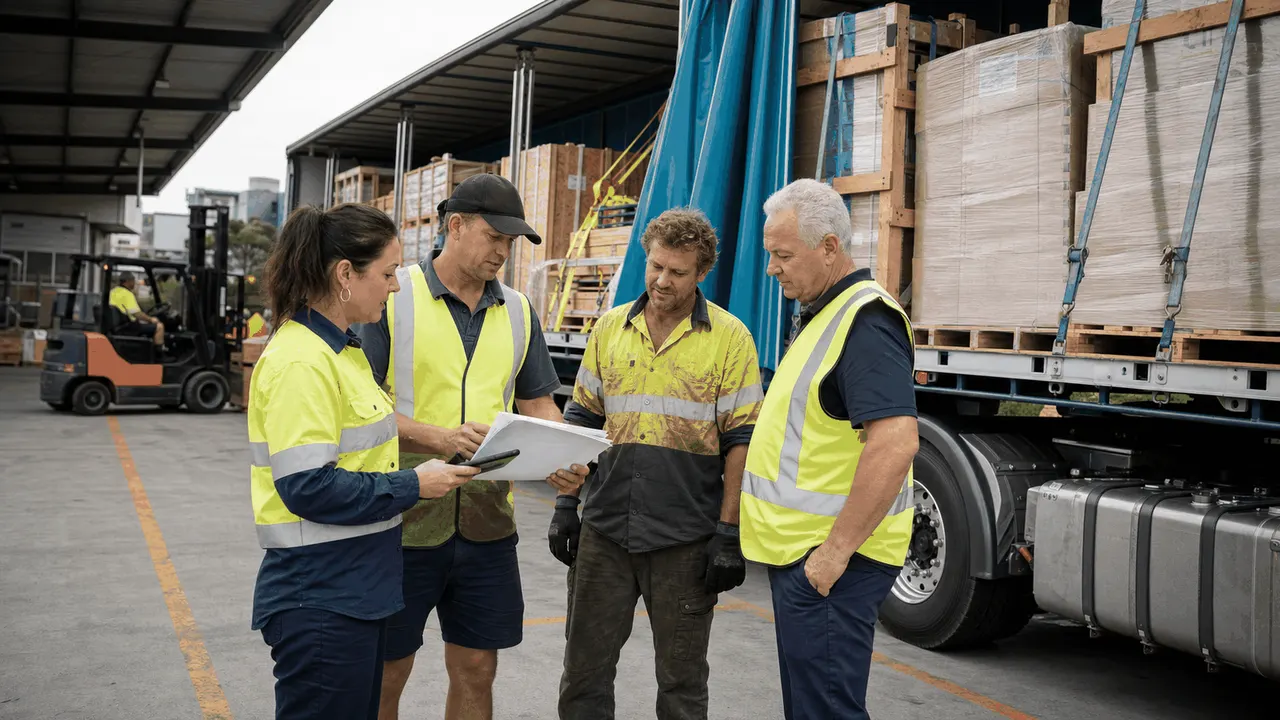
Unloading decisions can affect safety, scheduling, and responsibility.
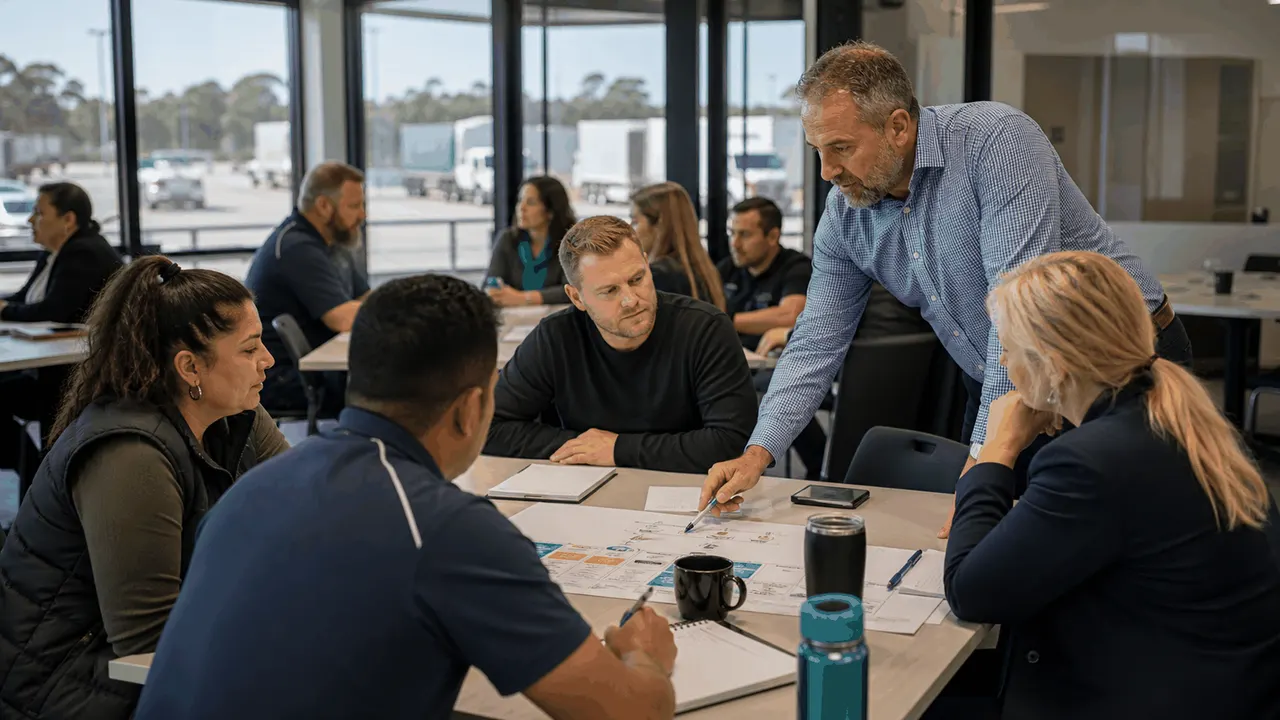
Managers need a clear view of gaps before audit or enforcement pressure arrives.

Contractor controls should be verified before the work starts.
Receiving windows, site rules, and unloading delays can all shape the transport task.
Consignors
Freight terms, delivery windows, and KPIs must not push drivers into speed, fatigue, or mass breaches.
Consignees
Receiving rules, site access, and unloading delays are CoR controls that need to be set and evidenced.
Loaders
Mass, dimension, and load restraint decisions need documented checks, not assumptions.
Managers
Executives and managers need due-diligence evidence that the Safety Management System is actually working.
What Is Chain of Responsibility Compliance?

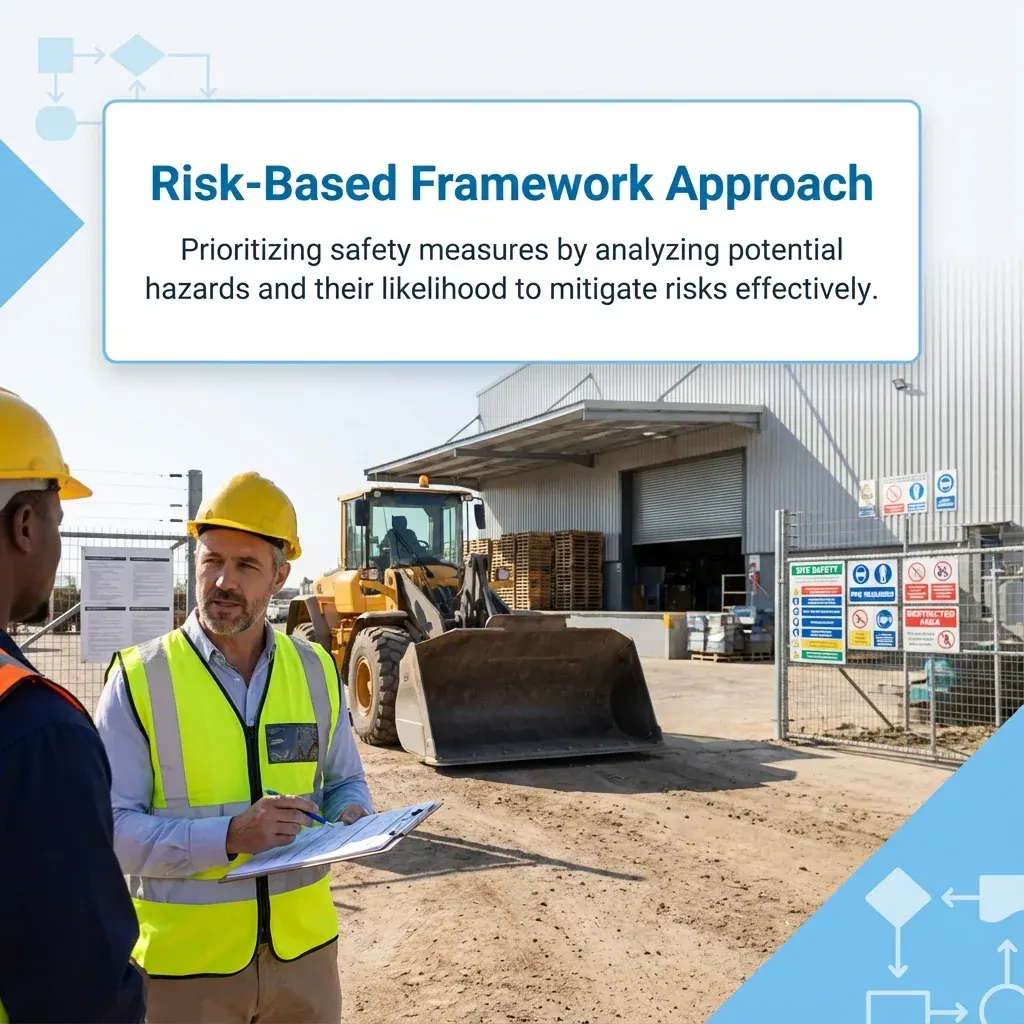
Chain of responsibility compliance under the Heavy Vehicle National Law means every party who influences a transport task — consignors, loaders, schedulers, operators, drivers, and executives — must identify safety risks and implement reasonably practicable controls. It is a risk-based framework, not a tick-box exercise, requiring continuous monitoring and improvement.
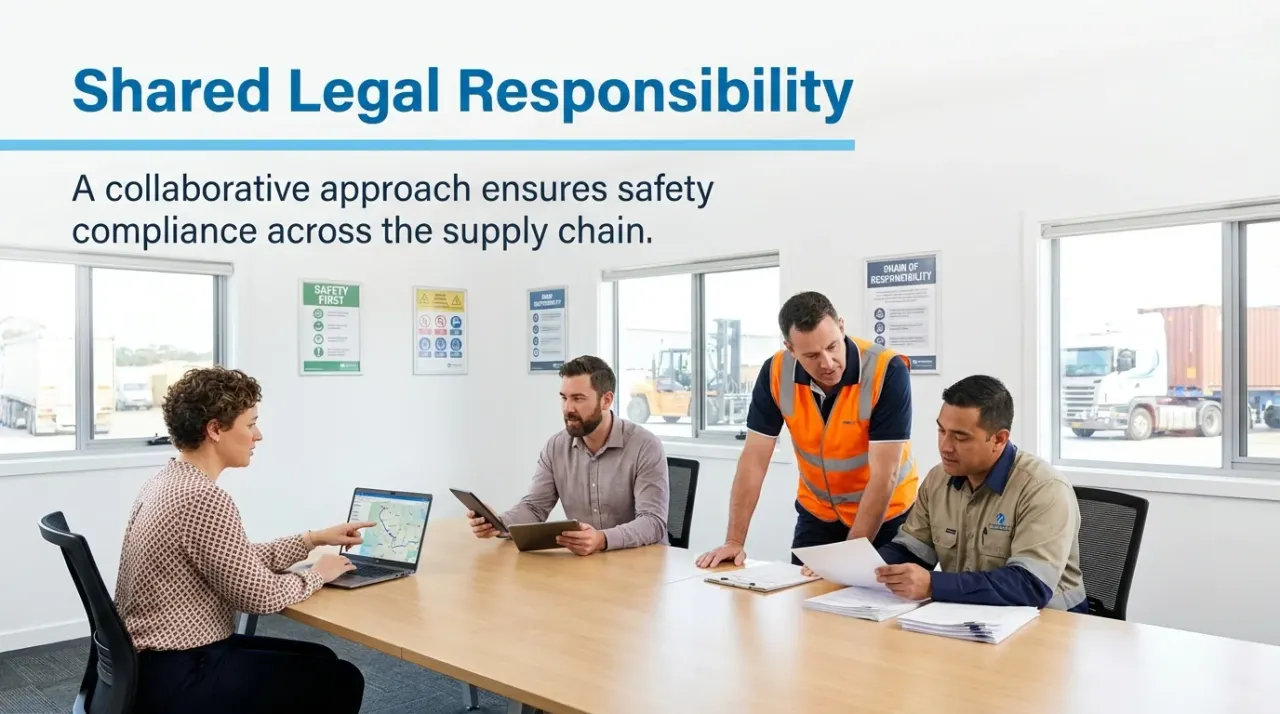
CoR compliance isn't about ticking boxes. It's about building systems that protect people, safeguard your business, and create operational resilience. Under the HVNL, all parties who influence a transport task share legal responsibility for safety outcomes — not just drivers.
The HVNL establishes a principle of shared responsibility across the entire transport chain. This means consignors, loaders, schedulers, operators, executives, and drivers each hold duties to identify risks and implement reasonably practicable controls.
The legislation recognises that drivers often don't control the factors that create risk: tight schedules, poorly maintained vehicles, and overloaded cargo all stem from decisions made elsewhere in the supply chain.
The Risk-Based Approach
The key insight is that CoR is a risk-based framework. Your job is to:
- Identify hazards
- Assess their potential harm
- Put proportionate controls in place
- Monitor their effectiveness
When controls fail or new risks emerge, you adjust your approach. Compliance transforms from a burden into a strategic advantage when you treat it as continuous improvement rather than a one-off exercise.
Learn more about the framework in our About Chain of Responsibility guide.
Why Does CoR Matter for Your Business?
Businesses that fail to manage CoR risks adequately face significant consequences. Penalties can include civil fines, loss of operating authority, and vehicle impoundment. Penalties escalate for repeat offenders, and directors can face personal liability for systemic failures.
Poor compliance also creates operational chaos beyond the legal penalties. Incidents damage relationships with customers and carriers. Insurance premiums rise when your claims history worsens. Staff morale suffers when safety culture is weak or inconsistent.
Competitive Advantages of Effective Compliance
Smart businesses recognise that effective CoR compliance delivers competitive advantages:
- You become the preferred customer for quality carriers
- Your operations run smoother with fewer disruptions
- Risk management becomes second nature across your organisation
- Insurance costs and incident rates trend downward over time
The businesses that thrive under chain of responsibility are the ones that see it as operational excellence, not just legal obligation. For a structured review of your current position, consider CoR consulting to surface gaps before enforcement pressure arrives.
Who Holds Responsibility Under the HVNL?
The CoR framework casts a wide net deliberately. Anyone whose actions or inactions influence transport safety holds duties under the HVNL. Understanding where your business sits within the chain is the first step toward meeting your obligations.
The key parties and their typical responsibilities include:
- Consignor — dispatches goods: accurate documentation, realistic timeframes, communicates special handling requirements
- Loader — loads cargo: proper load restraint, mass compliance, weight distribution
- Scheduler — sets delivery times: realistic schedules that allow for fatigue management and compliance
- Operator — manages vehicles: vehicle maintenance, driver training, safety systems
- Driver — operates vehicle: pre-start checks, work diary compliance, reporting defects
- Executive — governs the business: due diligence, adequate resources, safety culture
Each party must take reasonably practicable steps to eliminate or minimise risks. This isn't about perfection — it's about demonstrable effort. You need to show you've identified risks, assessed their severity, and put controls in place that are proportionate and practical.
For a deeper look at what each duty holder needs to understand, see our guide on Chain of Responsibilities for Australian HVNL duty holders.
What Are the Key Duties for Each Party?
Practical obligations broken down by role in the transport chain
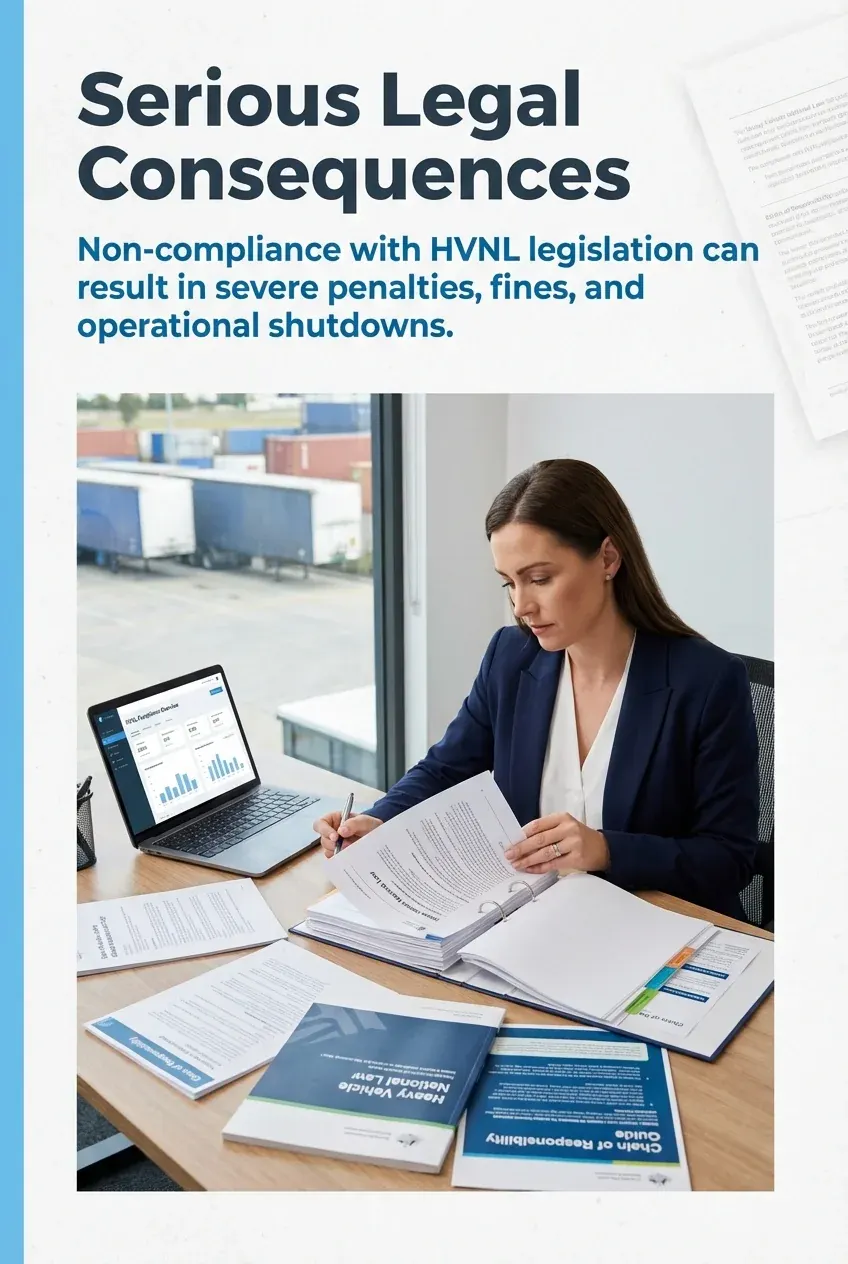
Consignor Responsibilities
If you dispatch goods, your obligations start with accurate paperwork. Mass declarations must reflect actual weight, not estimates. Dimensions matter when cargo affects vehicle stability or clearances. Delivery timeframes are critical — when you demand impossible schedules, you pressure drivers to speed or skip rest breaks. Build realistic timeframes that account for distance, road conditions, and mandatory rest periods. Special handling requirements for hazardous goods, temperature-sensitive cargo, or fragile items need clear documentation and communication.
Loader and Packer Obligations
Load restraint is non-negotiable. Cargo must be secured to prevent movement during normal driving and emergency braking. Follow the Load Restraint Guide and use appropriate equipment for your cargo type. Mass limits apply to axle groups, not just gross vehicle mass — distribute weight to stay within legal limits for each axle configuration. Container packing requires attention to weight distribution: heavy items belong low and centred to avoid rollover risk.
Scheduler and Customer Influence
Anyone who sets delivery timeframes influences driver behaviour. Schedulers must account for distance, speed limits, traffic conditions, and mandatory rest breaks. When customers demand unrealistic timeframes, push back with documented reasoning. Monitor on-time performance without creating speed pressure — reward safe, compliant performance rather than fastest delivery times.
Operator and Fleet Manager Duties
Vehicle maintenance sits squarely with operators. Implement systematic maintenance programs based on manufacturer recommendations and operating conditions, and record all maintenance activities and defect repairs. Driver training must cover fatigue management, load security, pre-start inspections, and CoR obligations — with regular refreshers, not just induction sessions.
Executive and Officer Responsibilities
Executive officers carry duties to exercise due diligence under the HVNL. This means ensuring your organisation has appropriate resources, systems, and processes to manage CoR risks. Due diligence requires active engagement: attend safety meetings, review incident reports, question compliance metrics, and ensure adequate budget for safety systems. Board-level oversight of CoR compliance demonstrates governance maturity.
For targeted guidance, see our resource on CoR training for executives and managers.
What Are the Six Critical CoR Risk Areas?
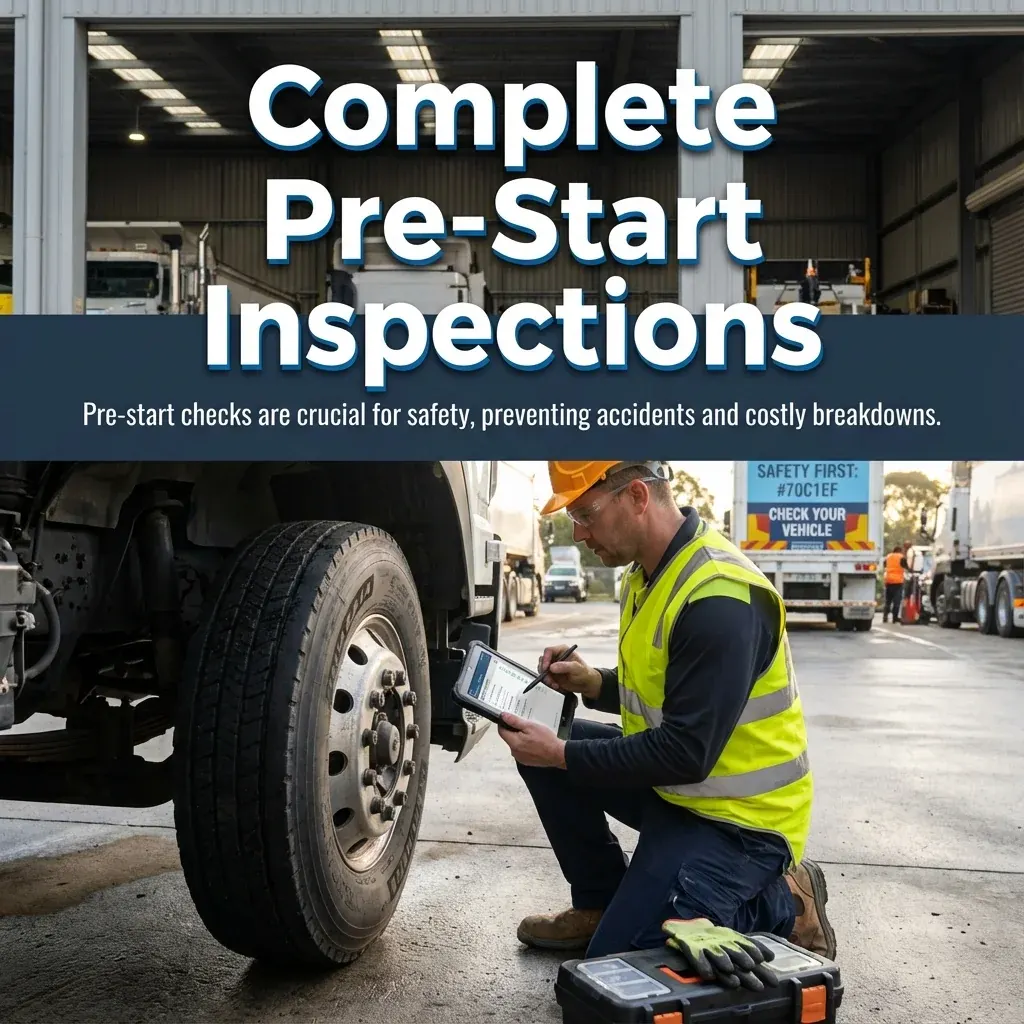
Chain of responsibility encompasses six critical risk areas. Each demands specific attention and controls, and they are interconnected: poor scheduling creates fatigue risk, inadequate maintenance leads to roadworthiness failures, and rushed loading produces restraint issues. Address all areas systematically rather than in isolation.
- Driver fatigue — emerges from work-hour violations, inadequate rest breaks, and demanding schedules. Fatigue impairs judgement, slows reaction times, and increases incident risk significantly.
- Vehicle maintenance — failures cause mechanical defects such as brake problems, tyre issues, suspension defects, and steering problems. All stem from poor maintenance practices.
- Load management — covers mass limits, dimension compliance, and load restraint. Overloading and poor restraint are persistent issues across the industry.
- Speed and journey management — involves realistic timeframes, route planning, and avoiding pressure for unsafe speeds. Time pressure drives most other compliance failures.
- Vehicle standards — relate to roadworthiness requirements and modification approvals. Vehicles must meet applicable standards for their configuration and intended use.
- Substance use policies — address fitness for duty. Alcohol, drugs, and certain medications impair driving ability and create serious safety risks.
Each area requires controls proportionate to the risk. The "reasonably practicable" test balances risk severity against the effort required to control it. High-consequence risks demand stronger controls, and low-probability risks with severe outcomes still require attention. Document your reasoning and show you've considered available options.
How Do You Build a CoR Compliance Framework?
A practical, repeatable approach to systematic risk management
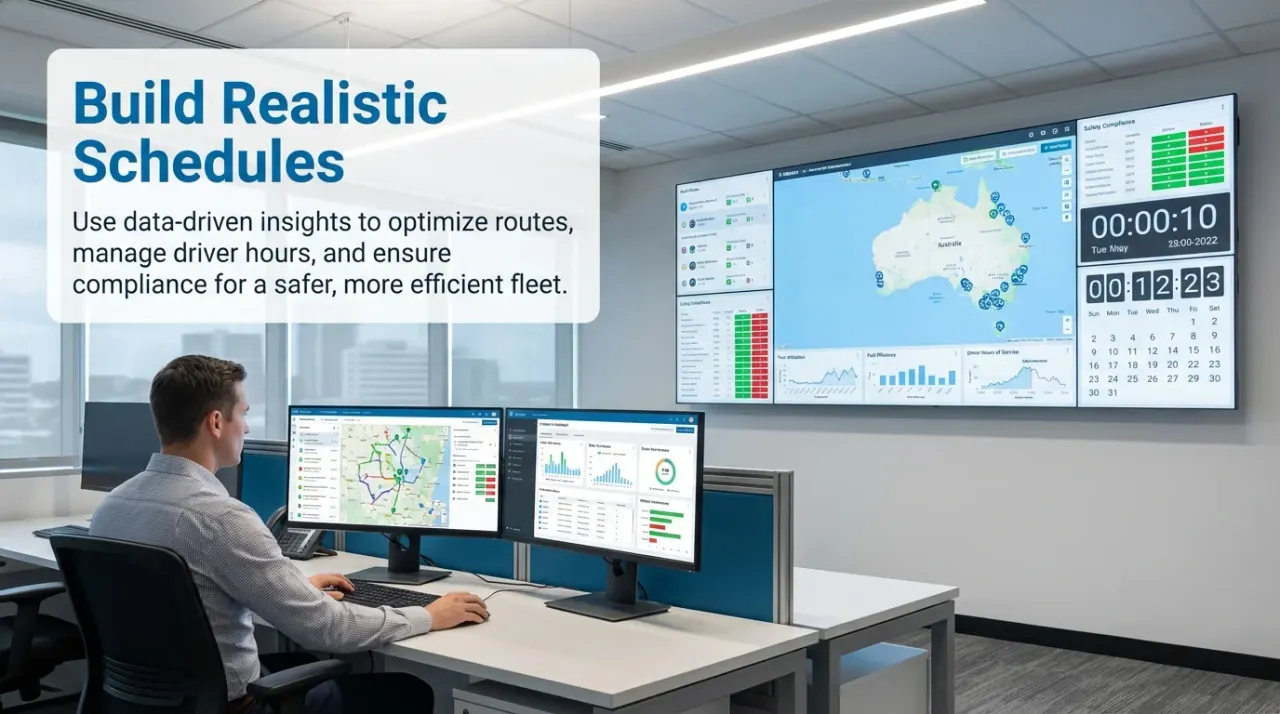
Start with risk assessment. Map your transport activities and identify where CoR risks exist across the six critical areas. Consider your role in the chain and the influence you exert over transport operations.
Develop policies and procedures that address each risk area. Keep these practical and accessible — complex policies that sit unread in filing cabinets don't help anyone. Effective policies guide daily decisions and are understood by the people who need them.
Implement controls proportionate to the risks you've identified. High-risk activities need stronger controls. Document your risk assessments and the reasoning behind your control selection so you can demonstrate your approach if questions arise.
Train Everyone Who Influences Transport Safety
This includes office staff who schedule deliveries, warehouse teams who load vehicles, and managers who approve customer commitments. Training needs to be role-specific and practical. Our Chain of Responsibility training and dedicated CoR course are designed to meet this need.
Review Contracts and Keep Improving
Review your contract terms to ensure they address data sharing, information obligations, and reporting requirements between parties in the chain. Clear contracts prevent gaps in responsibility. For ongoing insight and updates, explore MAEZ Insights or reach out via our contact page if you'd like tailored support.
How MAEZ works
Find the gaps. Fix the system. Prove the controls.
MAEZ helps transport operators deal with the compliance risk they already know is there. We help get the Safety Management System in order, protect NHVAS accreditation, reduce fine exposure, and connect training, evidence, and CoRGuard workflows where software is needed.
Find
Identify what is exposed before an auditor or regulator does.
Fix
Build the SMS controls around how the transport business actually runs.
Prove
Use CoRGuard where records, reminders, diaries, audits, and evidence need structure.
From advice to evidence
From MAEZ advice to a working Safety Management System
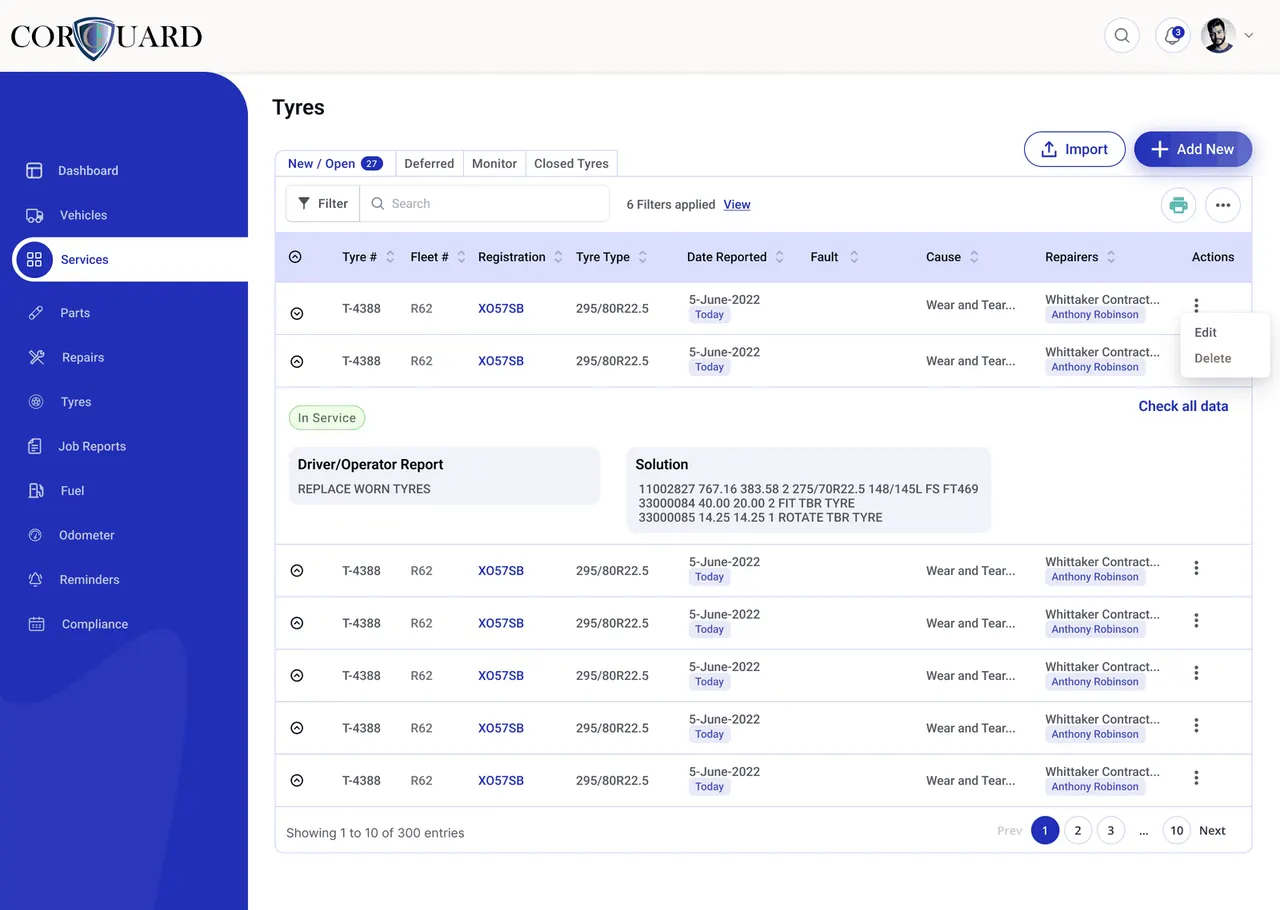
Advisory work should leave a practical implementation trail. These examples show how CoRGuard supports records, fatigue and driver diary checks, maintenance, audits, document control, inductions, corrective actions, and evidence review after MAEZ identifies the gaps.
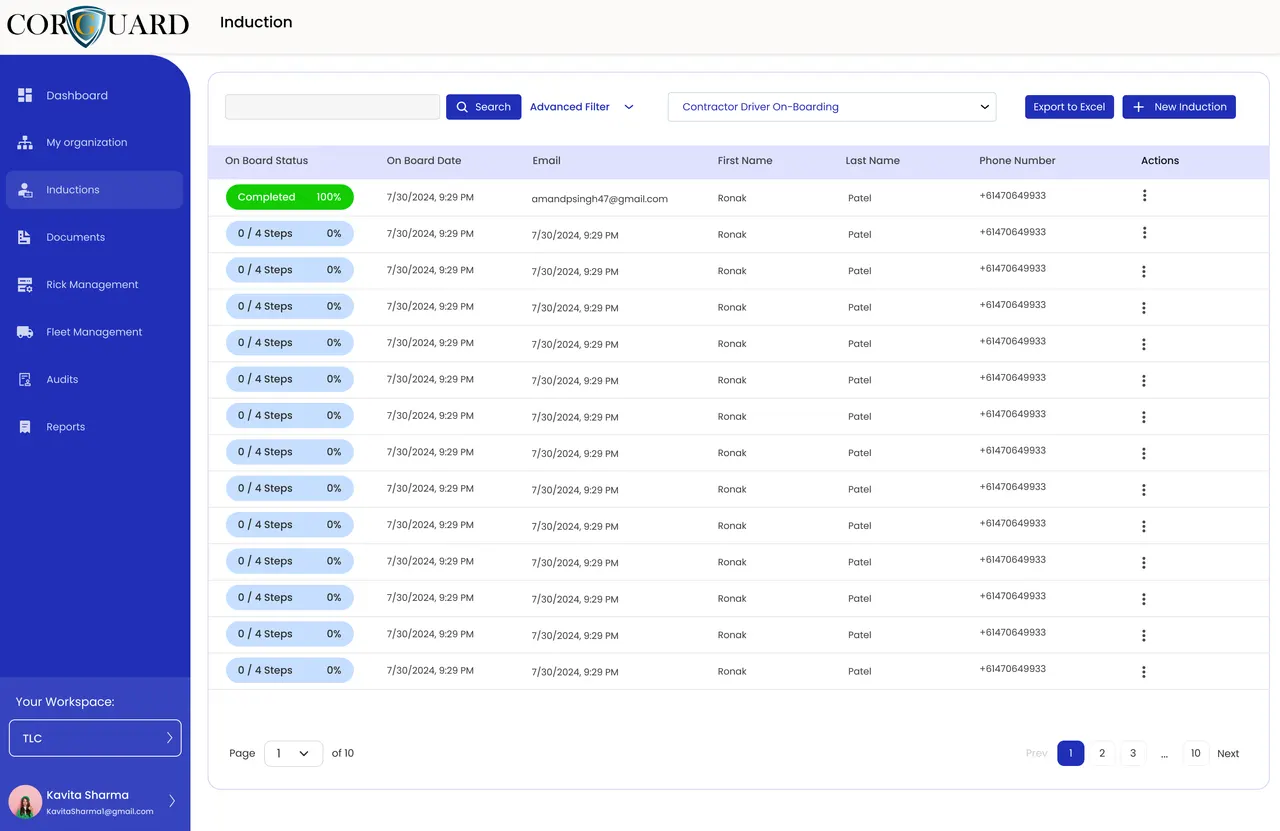
Training records
Connect training completion from cortraining.com.au to evidence and follow-up.
Driver diary checks
Connect fatigue and driver diary review back to manager visibility.
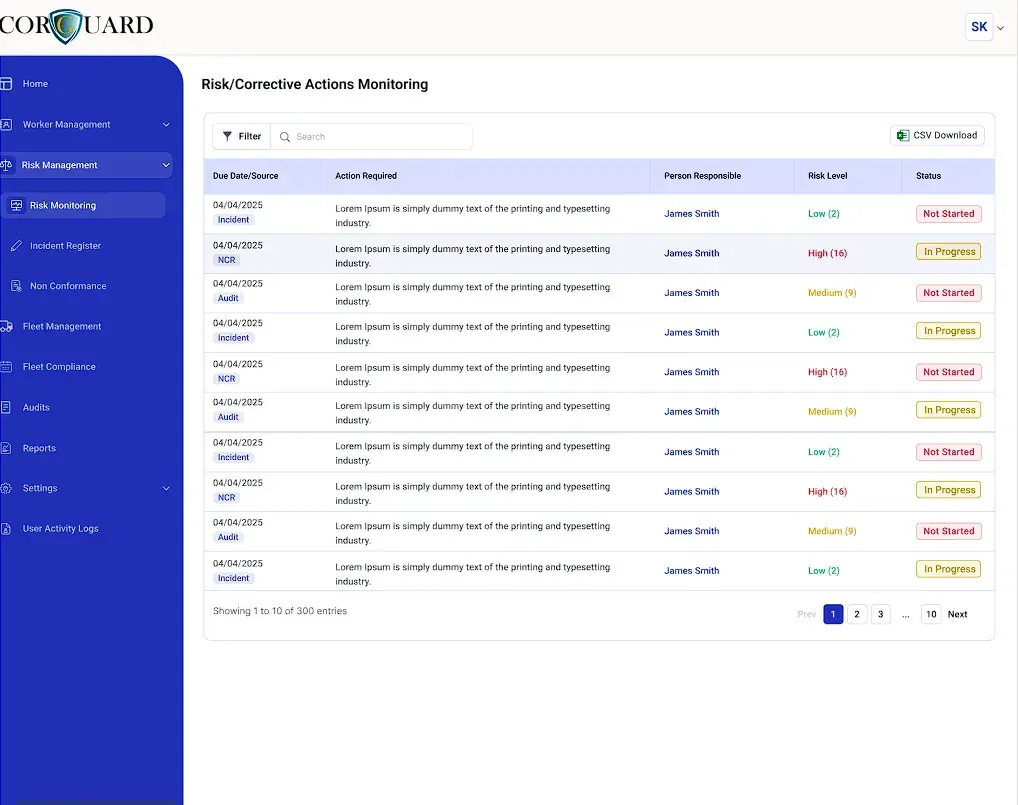
Corrective actions
Turn audit findings, hazards and incidents into tracked actions.
Keep exploring
Related Chain of Responsibility reading
MAEZ insight
Essential Chain of Responsibility Checklist for 2023
Stay compliant with the Chain of Responsibility Checklist 2023. Ensure safety under HVNL with our comprehensive guide for transport operators and managers.
MAEZ insight
Understanding the Latest HVNL Updates and Changes
Stay informed on HVNL updates and changes with our detailed guide. Learn about new compliance rules and safety management systems effectively.
MAEZ insight
Crafting an Effective Transport Safety Management Plan
Learn how to craft an effective transport safety management plan to prevent crashes, reduce injuries, and ensure operational continuity in your organization.
MAEZ insight
Top Strategies for Effective Supply Chain Risk Management
Discover the best practices in supply chain risk management to mitigate threats and ensure operational continuity. Keep disruptions at bay effectively.
MAEZ insight
Mastering Chain of Responsibility: Top Best Practices
Discover the top best practices for mastering the chain of responsibility. Enhance your coding with flexible, maintainable solutions today!
MAEZ insight
Understanding Common Issues in the Chain of Responsibility Pattern
Explore common issues in the Chain of Responsibility pattern and learn how to address them effectively. Understand its pitfalls and strengths.
Frequently asked questions
Questions people ask about this topic
What is chain of responsibility compliance under the HVNL?
Chain of responsibility compliance under the Heavy Vehicle National Law is a risk-based framework that places safety duties on every party who influences a transport task — including consignors, loaders, schedulers, operators, drivers, and executives. Each party must identify risks and implement reasonably practicable controls.
Who holds responsibility under the chain of responsibility?
Any party whose actions or inactions influence transport safety holds duties under the HVNL. This includes consignors, loaders, packers, schedulers, operators, fleet managers, drivers, and executives. Each must take reasonably practicable steps to eliminate or minimise risks within their sphere of influence.
What are the six critical chain of responsibility risk areas?
The six critical CoR risk areas are driver fatigue, vehicle maintenance, load management, speed and journey management, vehicle standards, and substance use policies. These areas are interconnected — for example, poor scheduling creates fatigue risk, and rushed loading produces restraint issues.
What does "reasonably practicable" mean for chain of responsibility duties?
The "reasonably practicable" test balances the severity of a risk against the effort required to control it. High-consequence risks demand stronger controls, and even low-probability risks with severe outcomes require attention. Duty holders must document their reasoning and show they considered available control options.
What are executive officers' chain of responsibility obligations?
Executive officers must exercise due diligence under the HVNL, which means ensuring the organisation has appropriate resources, systems, and processes to manage CoR risks. This requires active engagement such as attending safety meetings, reviewing incident reports, questioning compliance metrics, and ensuring adequate budget for safety systems.