
MAEZ insight
Understanding Common Issues in the Chain of Responsibility Pattern
Explore common issues in the Chain of Responsibility pattern, including unhandled requests, debugging challenges, latency, and when the pattern's complexity exceeds its value.

Receiving windows, site rules, and unloading delays can all shape the transport task.
Unloading decisions can affect safety, scheduling, and responsibility.

Managers need a clear view of gaps before audit or enforcement pressure arrives.

Contractor controls should be verified before the work starts.
Consignors
Freight terms, delivery windows, and KPIs must not push drivers into speed, fatigue, or mass breaches.
Consignees
Receiving rules, site access, and unloading delays are CoR controls that need to be set and evidenced.
Loaders
Mass, dimension, and load restraint decisions need documented checks, not assumptions.
Managers
Executives and managers need due-diligence evidence that the Safety Management System is actually working.
What is the Chain of Responsibility pattern?
A behavioural design pattern for passing requests along linked handlers

The Chain of Responsibility (CoR) is a behavioural design pattern where a request is passed along a chain of handlers, each deciding whether to process it or forward it to the next handler. Its strength is decoupling the sender from the receiver, giving multiple objects a chance to handle the request. However, this same decoupling can become a liability when chains grow too long, handlers fail silently, or requests disappear without a trace.
This loose coupling creates flexibility because the client does not need to know about every handler, and the chain can change at runtime. The trade-off is that the pattern introduces structural complexity that may not always justify itself.
Understanding these practical challenges helps you decide whether the CoR pattern suits your requirements or whether a simpler approach would serve better. For a structured approach to identifying operational gaps, see MAEZ's Chain of Responsibility Consulting.
Where does the chain structure create risk?
Core mechanics and the structural assumptions that can break down
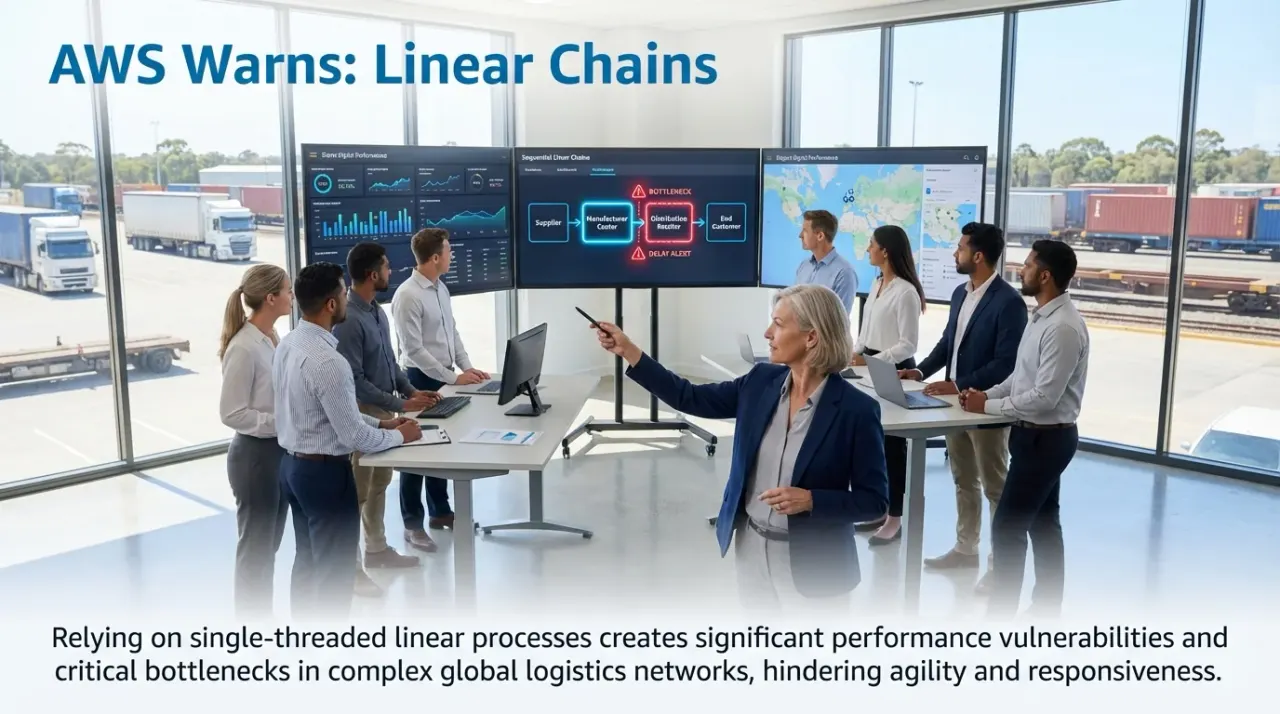
The CoR pattern operates through a sequence of linked handlers. Each handler receives a request, evaluates it against specific criteria, and either processes it or passes it forward. The sender does not know which handler will ultimately process the request — it simply sends it to the first handler in the chain.
Problems emerge when the chain's assumptions break down. The pattern assumes handlers will either process requests or pass them forward, but if no handler accepts a request, it reaches the end of the chain and disappears without action.
Latency and handler ordering
- Sequential processing means each handler adds latency. Ten handlers in a chain means ten evaluation cycles for every request.
- Handler order matters critically. Placing a generic handler before a specific one means the specific handler never sees matching requests.
- Reordering the chain at runtime can cause unpredictable behaviour if dependencies between handlers are not well understood.
Linear chains can become performance bottlenecks, a risk that grows with chain length and request volume.
Why do requests vanish into the chain?
Unhandled requests and how to prevent silent failures

The most common CoR issue occurs when requests go unhandled. A request enters the chain, passes through every handler, and exits without processing. No handler claims the request, no error is raised, and the client receives nothing back.
Why handlers reject valid requests
Handlers use conditional logic to decide whether they can process a request. A handler might reject a request because the request type does not match its criteria, its dependencies are not available, or system load exceeds thresholds. Each handler makes its decision independently without knowing what other handlers can process.
Building fallback mechanisms
- Add a default handler at the end of the chain to catch unhandled requests. This handler might log the request for analysis, return a standard error response, or implement minimal processing.
- Track which requests reach the default handler. High volumes of unhandled requests indicate problems in your chain design — either handlers use overly strict criteria or the chain lacks necessary handler types.
For a structured approach to identifying gaps in complex operational chains, see MAEZ's Chain of Responsibility Consulting.
How does sequential processing affect debugging and performance?
Tracing requests across handlers and optimising traversal depth

The CoR pattern makes debugging difficult because request flow spans multiple handlers. A request might emerge from any handler, and tracing that path requires understanding each handler's conditional logic and execution sequence. Standard debugging tools show execution within a single handler, not the request's journey across the entire chain.
Implementing chain visibility
- Add logging to each handler's evaluation method. Log when a handler receives a request, whether it accepts or rejects it, and why.
- Include a unique request identifier that persists throughout the chain so you can reconstruct the full processing path.
- Create a chain execution context object that travels with each request, accumulating metadata like handler names, evaluation times, and rejection reasons.
Optimising chain performance
- Place the most likely handlers early in the chain to reduce average traversal depth. If 80% of requests are handled by three specific handlers, put those first.
- Track which handlers successfully process requests most frequently and reorder the chain dynamically.
- Keep handler evaluation logic lightweight, moving complex processing into the handling phase after acceptance.
For related insights on managing complex operational chains, visit the MAEZ Insights blog.
When does the pattern's complexity exceed its value?
Recognising unnecessary applications and setting practical limits

The CoR pattern adds structural complexity to your codebase. Multiple handler classes, interface definitions, chain configuration, and request routing logic all require maintenance. This complexity pays off when you need runtime flexibility in request handling, but it becomes a burden when simpler alternatives would work.
Recognising unnecessary applications
Some systems use CoR when a simple conditional statement would suffice. Three handlers in a chain that never changes at runtime do not need the pattern's flexibility. Applying patterns without clear benefit creates the same class of risk as over-engineering any other workflow — the design choices themselves become the source of failure.
Setting practical limits
- Set maximum chain length limits during design. If your chain exceeds ten handlers, question whether the CoR pattern suits your needs.
- Long chains often benefit from a different architectural approach, such as a dispatcher or event-driven model.
- Review whether runtime reconfiguration is actually required. If the chain is static, a simpler routing structure may deliver the same outcome with less overhead.
If you need help assessing whether your current approach is proportional to the risk, contact MAEZ for a practical review.
How MAEZ works
Find the gaps. Fix the system. Prove the controls.
MAEZ helps transport operators deal with the compliance risk they already know is there. We help get the Safety Management System in order, protect NHVAS accreditation, reduce fine exposure, and connect training, evidence, and CoRGuard workflows where software is needed.
Find
Identify what is exposed before an auditor or regulator does.
Fix
Build the SMS controls around how the transport business actually runs.
Prove
Use CoRGuard where records, reminders, diaries, audits, and evidence need structure.
From advice to evidence
From MAEZ advice to a working Safety Management System
Advisory work should leave a practical implementation trail. These examples show how CoRGuard supports records, fatigue and driver diary checks, maintenance, audits, document control, inductions, corrective actions, and evidence review after MAEZ identifies the gaps.
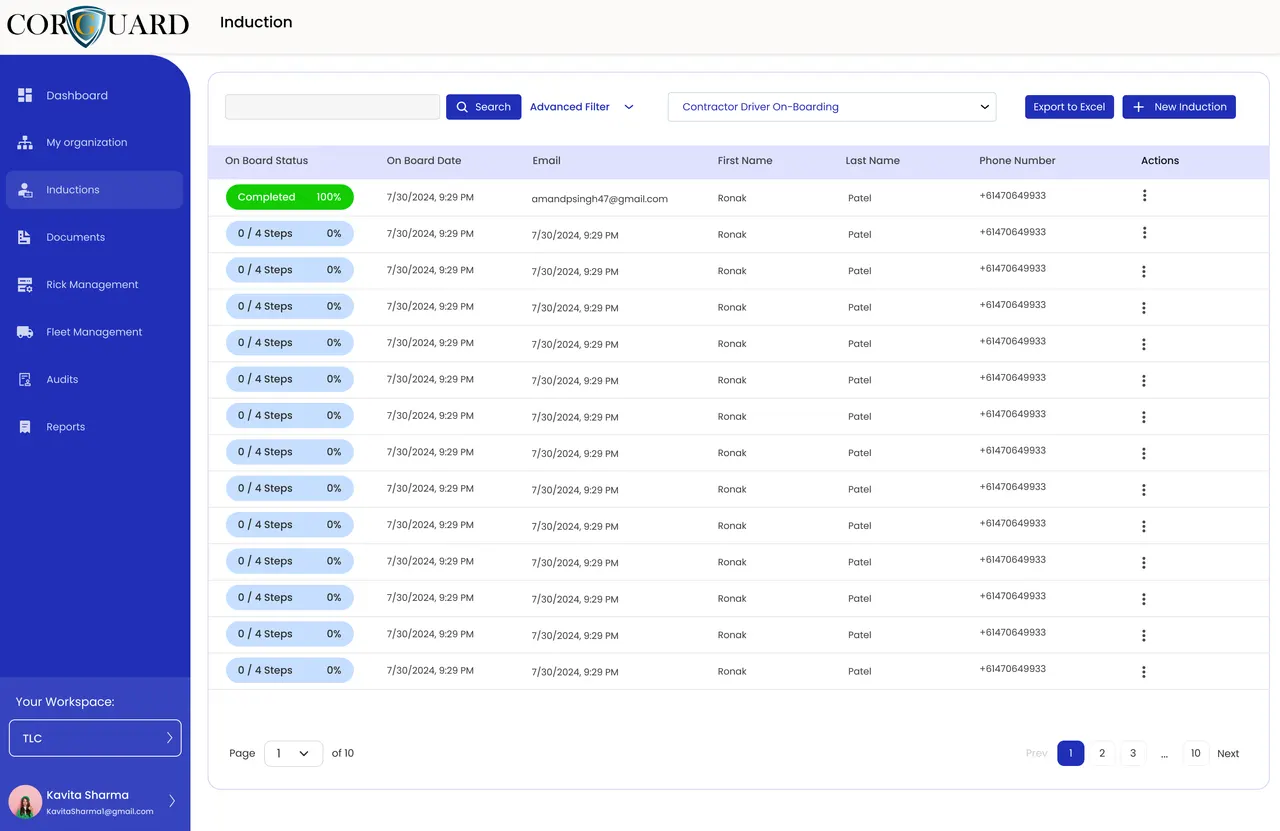
Training records
Connect training completion from cortraining.com.au to evidence and follow-up.
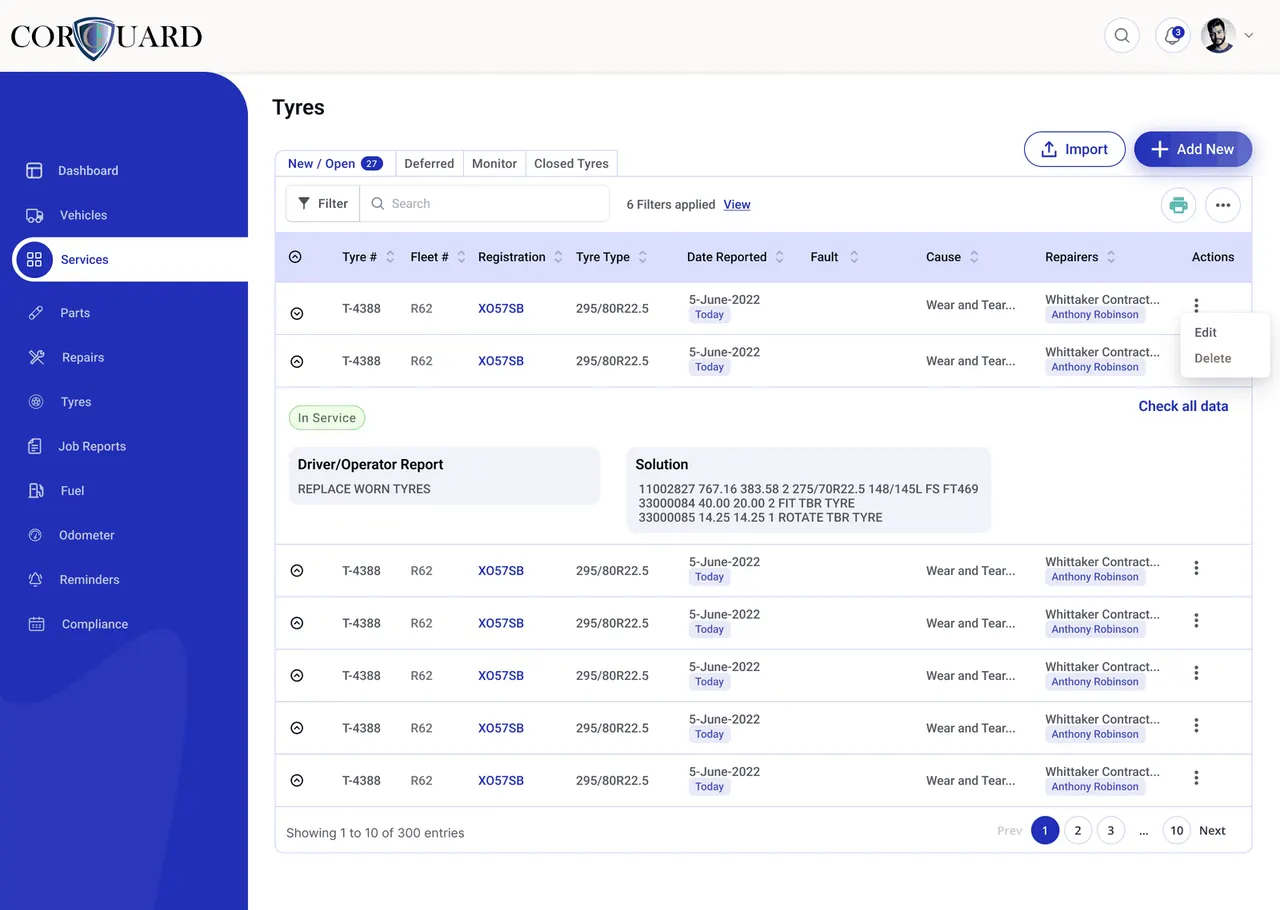
Driver diary checks
Connect fatigue and driver diary review back to manager visibility.
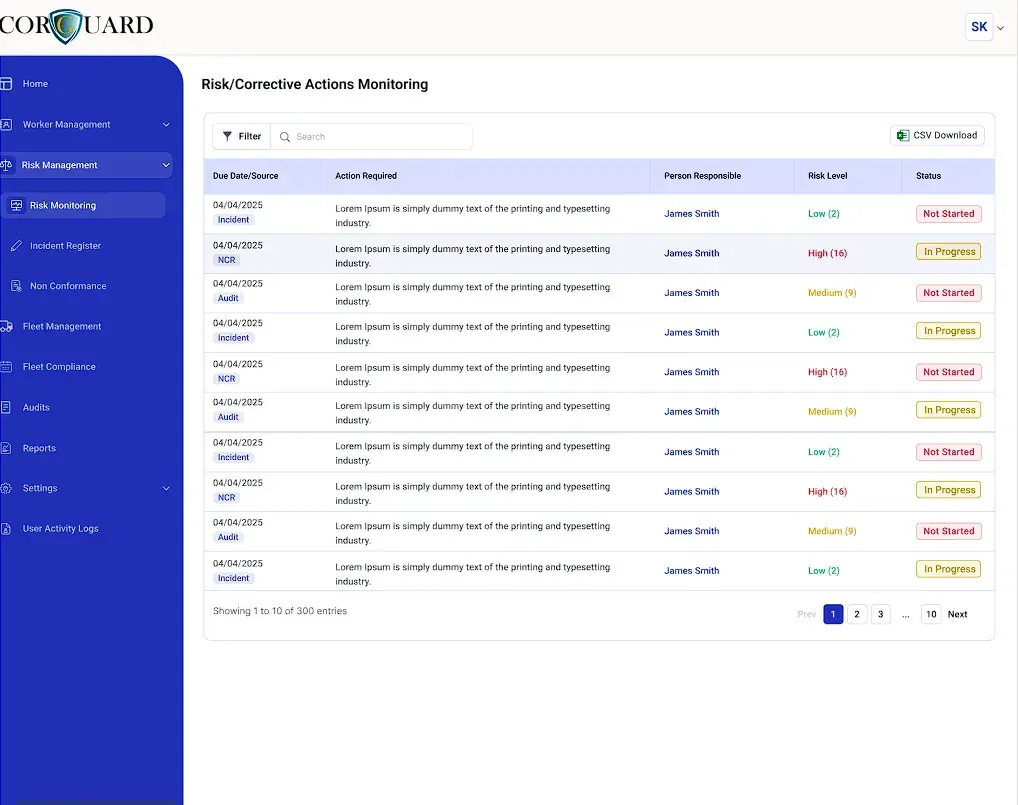
Corrective actions
Turn audit findings, hazards and incidents into tracked actions.
Keep exploring
Related Chain of Responsibility reading
MAEZ insight
Latest Developments in Transport Safety Management
Stay updated on the latest transport safety management updates impacting commercial carriers and supply chains. Ensure compliance and strengthen safety systems.
MAEZ insight
Understanding Common Transport Safety Issues Explored
Discover the critical common transport safety issues impacting drivers and fleets. Learn about fatigue, distracted driving, and more in this insightful guide.
MAEZ insight
Crafting an Effective Transport Safety Policy: A Guide
Learn how to develop transport safety policy with our comprehensive guide. Balance compliance and reality for a safer transportation framework.
MAEZ insight
Understanding the Heavy Vehicle National Law Explained
Explore the comprehensive heavy vehicle national law overview, unified safety standards, and the NHVR’s role in regulation across Australia.
MAEZ insight
Common Challenges in Safety Management Systems Explored
Explore common safety management system issues, from leadership visibility to data overload, and learn how to avoid these pitfalls for safer workplaces.
MAEZ insight
Top Safety Management System Best Practices Explained
Discover effective safety management system best practices to reduce risks and improve workplace safety. Learn how operational tools can transform safety.
Frequently asked questions
Questions people ask about this topic
What is the Chain of Responsibility pattern?
The Chain of Responsibility is a behavioural design pattern where a request is passed along a chain of handlers, each deciding whether to process it or pass it to the next handler. Its strength is decoupling the sender from the receiver, but this same flexibility can cause silent failures and performance bottlenecks.
Why do requests disappear in a Chain of Responsibility chain?
Requests vanish when no handler in the chain claims them — the request passes through every handler and exits without processing or error. Adding a default fallback handler at the end of the chain catches these unhandled requests for logging or minimal processing.
How does sequential processing affect Chain of Responsibility performance?
Each handler in the chain adds an evaluation cycle, so latency accumulates linearly. Ten handlers means ten evaluation cycles per request. Placing the most frequently matching handlers early in the chain reduces average traversal depth and improves performance.
When is the Chain of Responsibility pattern too complex for the task?
The pattern becomes excessive when the chain never changes at runtime, has only a few handlers, or a simple conditional statement would achieve the same result. If a chain exceeds ten handlers, a different architectural approach such as a dispatcher or event-driven model is often more appropriate.
How do you debug a Chain of Responsibility chain effectively?
Add logging to each handler's evaluation method with a unique request identifier that persists across the chain. Create a chain execution context object that accumulates metadata like handler names, evaluation times, and rejection reasons so you can reconstruct the full processing path.