
MAEZ insight
Top Safety Management System Best Practices Explained
Discover effective safety management system best practices to reduce risks and improve workplace safety. Learn how operational tools can transform safety for Australian transport operators.

Managers need a clear view of gaps before audit or enforcement pressure arrives.

Contractor controls should be verified before the work starts.

Receiving windows, site rules, and unloading delays can all shape the transport task.
Unloading decisions can affect safety, scheduling, and responsibility.
Consignors
Freight terms, delivery windows, and KPIs must not push drivers into speed, fatigue, or mass breaches.
Consignees
Receiving rules, site access, and unloading delays are CoR controls that need to be set and evidenced.
Loaders
Mass, dimension, and load restraint decisions need documented checks, not assumptions.
Managers
Executives and managers need due-diligence evidence that the Safety Management System is actually working.
What makes a Safety Management System work?
Operational tools, not just paperwork exercises.
A Safety Management System (SMS) works when it is treated as a living operational tool, not a compliance binder. The best systems identify hazards before incidents occur, create real accountability structures, and integrate directly into daily workflows so that safety decisions happen where the work actually takes place.
The difference between compliant organisations and safe organisations lies in execution. Strong SMS frameworks integrate into operations rather than sitting in binders on a shelf. They measure leading indicators—not just incident reports—and they engage the workers who perform the work.
A functional SMS reduces risk through a systematic approach. It identifies hazards before incidents occur and creates accountability structures that actually work. This guide draws on 25 years of supply chain experience to explain what makes safety management systems effective.
For Australian transport operators, an effective SMS also underpins NHVAS accreditation and Chain of Responsibility obligations. Closing CoR gaps shows how structure simplifies compliance and strengthens the evidence trail.
The four core components every SMS needs
The structure that makes safety management systems effective.
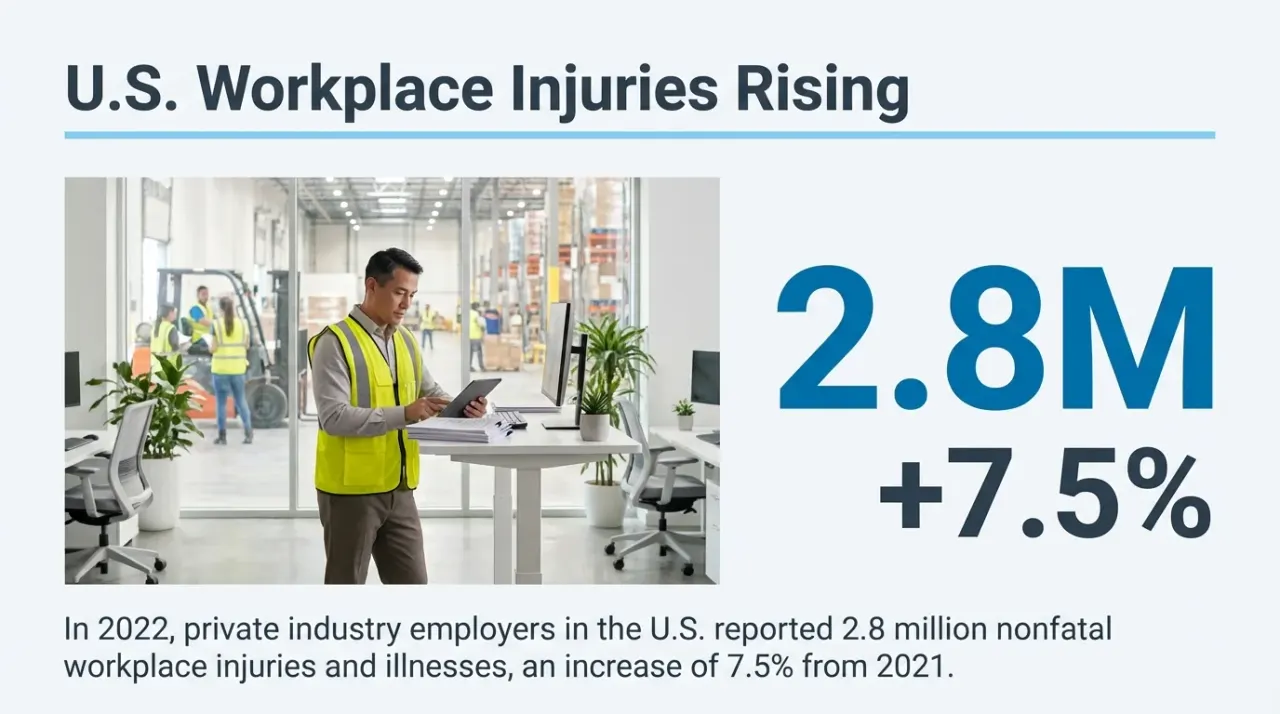
A well-structured SMS rests on four core components. Each one translates broad safety principles into concrete, operational activities.
Safety policy
Safety policy defines an organisation's commitment to safety management. It states objectives that guide all safety activities and comes from senior leadership. The policy document should outline clear, measurable targets for safety performance that connect directly to business operations.
Safety risk management
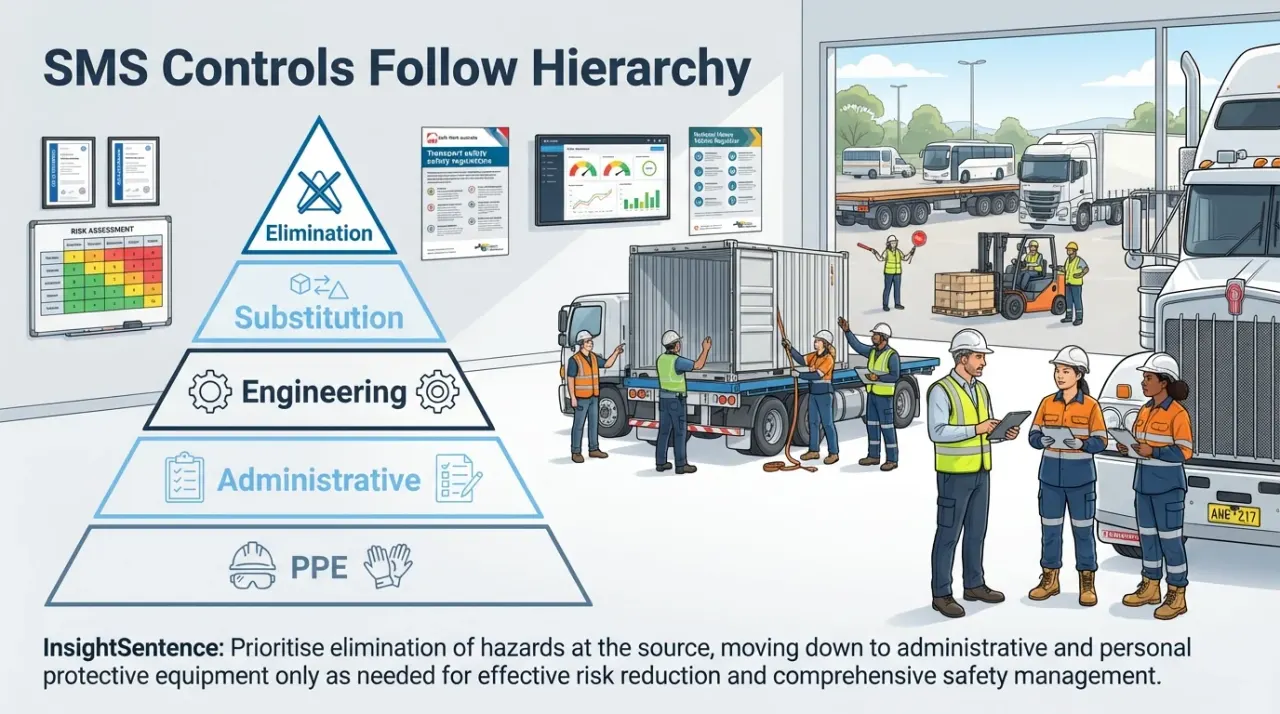
Safety risk management processes identify hazards systematically. Teams analyse potential consequences and implement appropriate controls. Risk controls follow a hierarchy: engineering solutions that eliminate hazards work best, followed by administrative controls and training, with personal protective equipment serving as the last line of defence.
Safety assurance
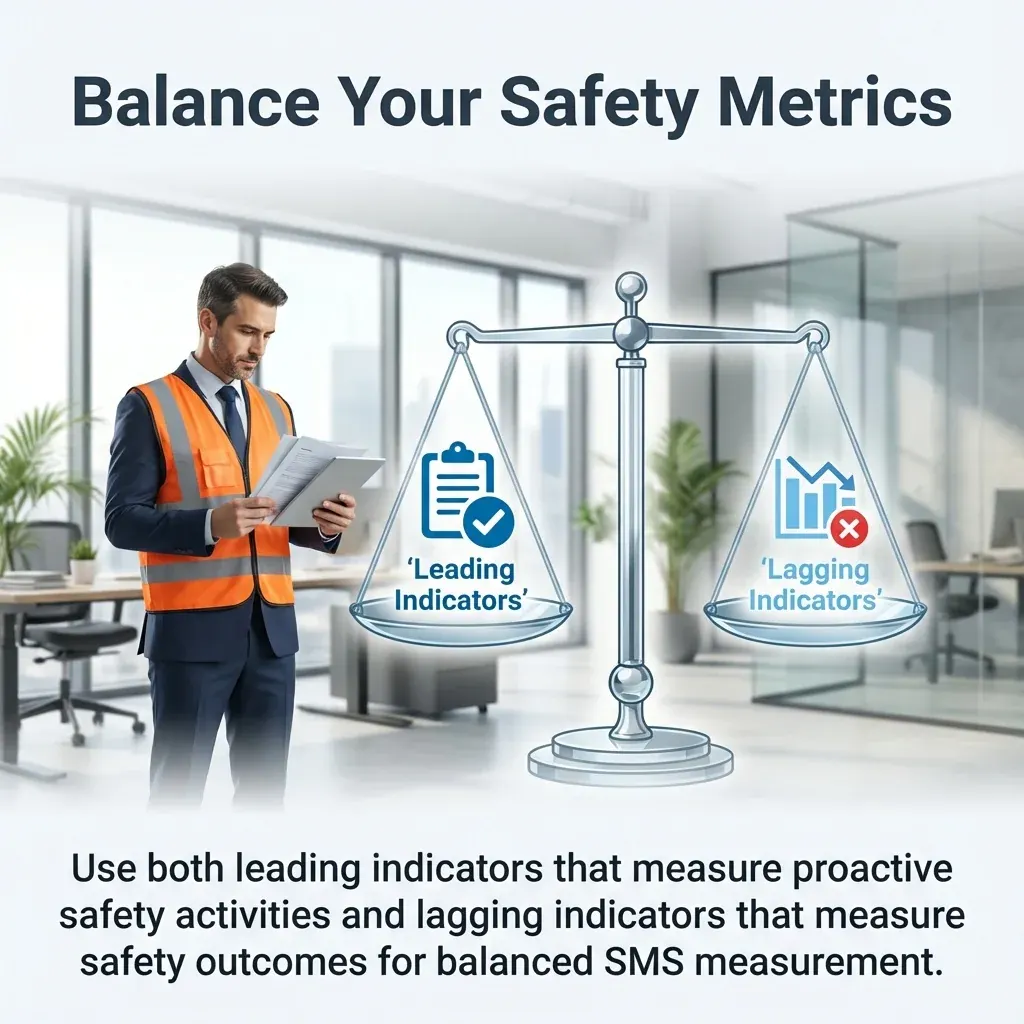
Safety assurance confirms that SMS components function as designed through audits, reviews, and performance monitoring. Leading indicators track proactive activities like inspections completed, while lagging indicators measure outcomes like injury rates. Internal audits examine compliance systematically to identify non-conformances and opportunities for improvement.
Safety promotion
Safety promotion develops the culture and competence needed for SMS success. Training builds worker capability, while communication reinforces safety priorities and shares lessons learned. Practical training verifies that workers can apply safety procedures in actual work contexts, not just attend sessions.
Critical SMS elements that drive results
Translating broad components into operational activities.
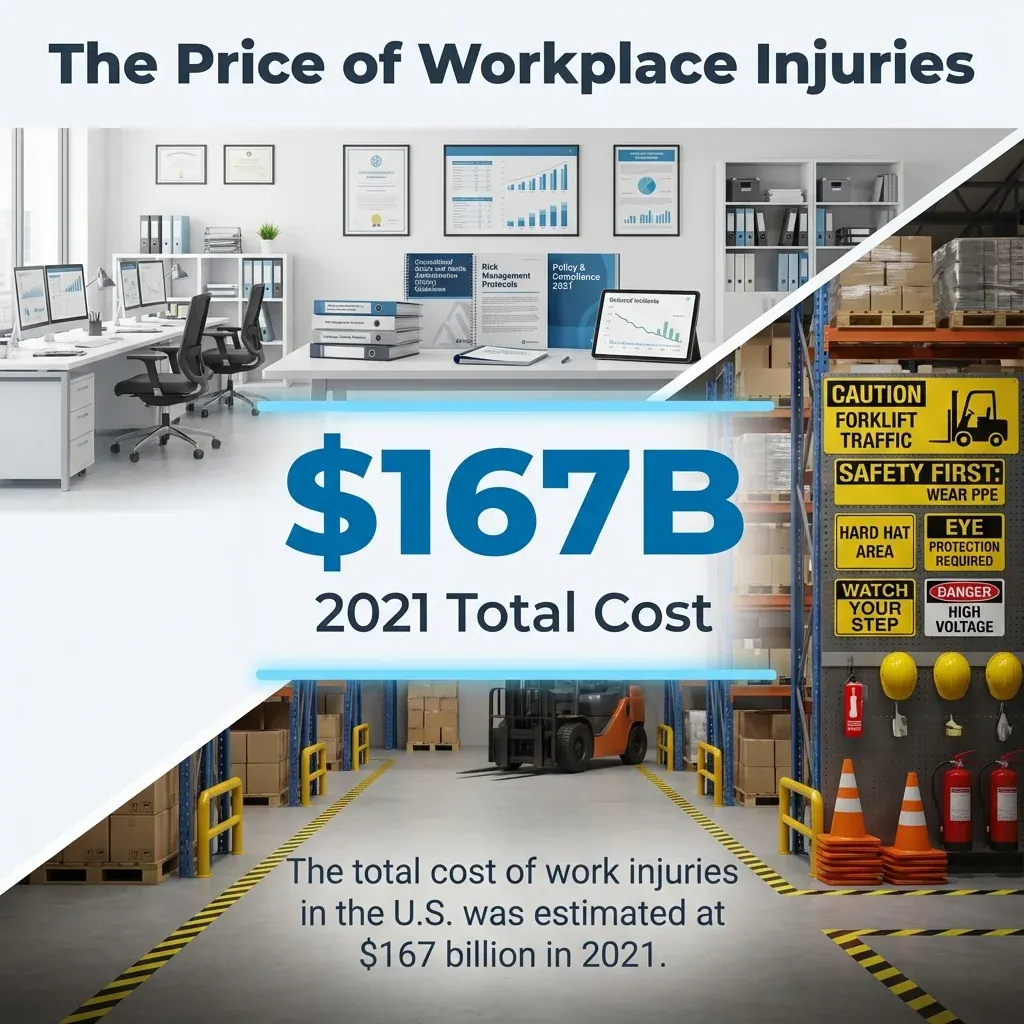
The four core components only deliver value when they are expressed through practical, day-to-day activities. Three elements consistently drive results across transport and supply-chain operations.
Documentation and record management
Documentation captures safety knowledge and creates accountability. Effective documentation balances detail with usability—procedures need enough specificity to ensure consistent application without becoming hard to maintain. Good records support trend analysis and demonstrate due diligence.
Emergency preparedness and response
Emergency response procedures address scenarios that exceed normal operational controls. Plans identify potential emergencies, assign response roles, and establish communication protocols. Regular drills test procedures under realistic conditions and reveal gaps in planning or capability before a real incident occurs.
Contractor and vendor management
Contractor safety integration matters particularly in high-hazard industries. Contractor management starts with safety requirements in procurement processes. Pre-work safety inductions orient contractors to site-specific hazards, while ongoing monitoring prevents contractors from becoming weak points in safety management. A structured CoR risk review can verify contractor controls before work begins.
Why organisations implement safety management systems
Benefits extend beyond regulatory compliance.
Organisations implement SMS frameworks because the benefits extend well beyond regulatory compliance. A systematic approach to safety reduces costs, strengthens relationships, and improves operational performance.
- Lower insurance premiums: Insurance providers recognise organisations with strong safety management systems and adjust premiums to reflect reduced risk exposure.
- Improved operational efficiency: Hazard identification reveals process inefficiencies, and risk controls often streamline operations while improving safety.
- Stronger business relationships: Clients increasingly require safety management evidence from suppliers and contractors.
- Better worker engagement: Employees notice when leaders allocate resources to safety and respond by participating more actively in safety programs.
Regulatory compliance becomes more manageable under SMS frameworks. The systematic approach addresses legal requirements comprehensively, which is especially relevant for Australian transport operators managing Chain of Responsibility duties alongside WHS and NHVAS obligations.
Building effective safety risk management processes
Hazard identification requires multiple information sources.
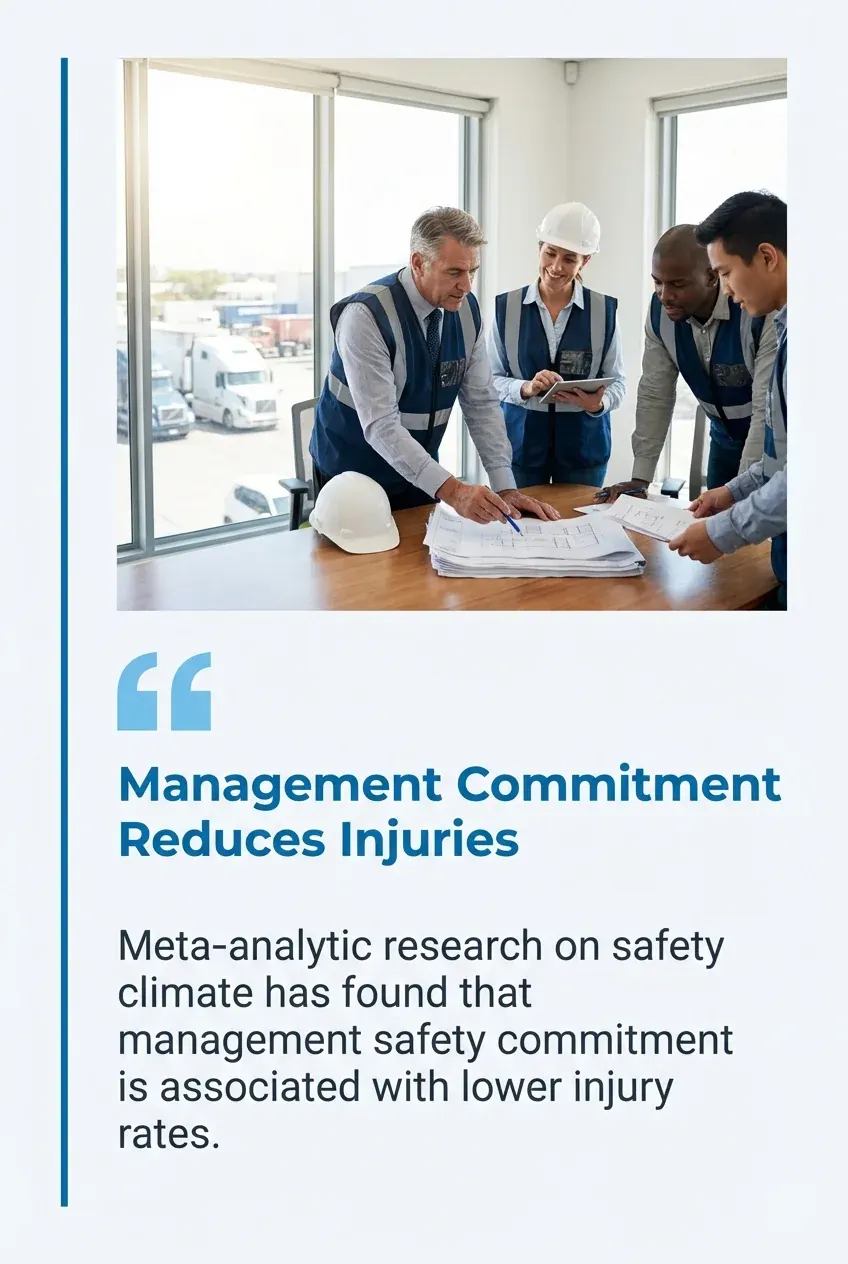
Systematic hazard identification uses multiple methods because no single approach catches every risk. Workplace inspections examine physical conditions systematically, with inspectors following checklists that cover known hazard categories. They document observed conditions and identify potential hazards before they cause harm.
By combining multiple information sources, organisations can catch risks early and allocate resources effectively:
- Workplace inspections that cover known hazard categories
- Incident analysis that reviews past events for patterns and root causes
- Worker reports that surface hazards observed at the frontline
- Operational reviews that examine processes under real working conditions
This multi-source approach ensures hazard identification is continuous rather than episodic, and it feeds directly into the risk-control hierarchy described above.
How MAEZ supports your SMS implementation
From advisory to a working Safety Management System.
MAEZ helps Australian transport and supply-chain businesses identify Chain of Responsibility, HVNL, WHS, NHVAS, training, audit, document-control, and Safety Management System gaps—then turns those gaps into practical controls and evidence.
The advisory pathway follows a clear operational sequence: find the gaps, fix the system, and prove the controls. MAEZ defines the risk, obligations, controls, and implementation pathway based on how the transport business actually runs.
Where software is needed, CoRGuard supports the SMS evidence workflow with structured records, reminders, fatigue and driver diary checks, maintenance scheduling, audits, inductions, corrective actions, and evidence reporting. Contact MAEZ for a practical review of the controls, evidence, training, and SMS gaps that matter most to your operation.
How MAEZ works
Find the gaps. Fix the system. Prove the controls.
MAEZ helps transport operators deal with the compliance risk they already know is there. We help get the Safety Management System in order, protect NHVAS accreditation, reduce fine exposure, and connect training, evidence, and CoRGuard workflows where software is needed.
Find
Identify what is exposed before an auditor or regulator does.
Fix
Build the SMS controls around how the transport business actually runs.
Prove
Use CoRGuard where records, reminders, diaries, audits, and evidence need structure.
From advice to evidence
From MAEZ advice to a working Safety Management System
Advisory work should leave a practical implementation trail. These examples show how CoRGuard supports records, fatigue and driver diary checks, maintenance, audits, document control, inductions, corrective actions, and evidence review after MAEZ identifies the gaps.
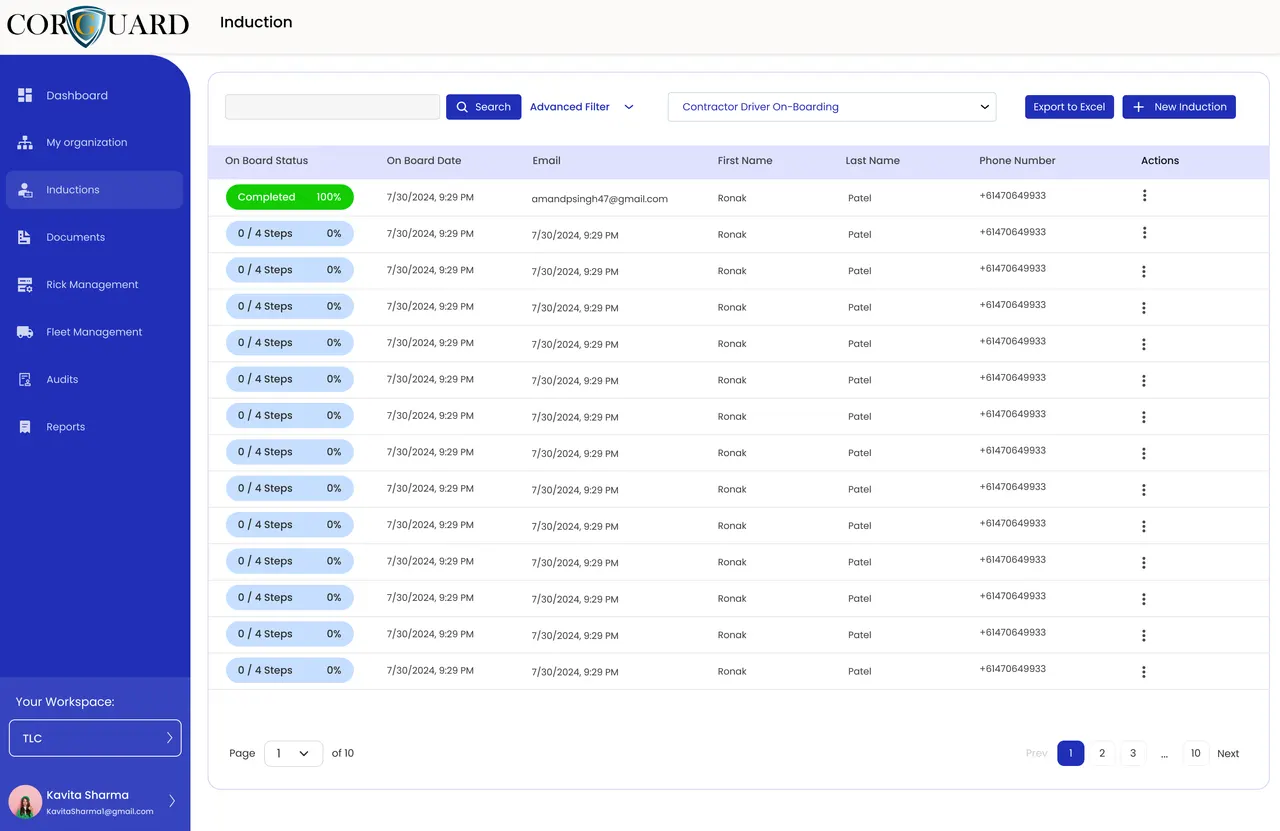
Training records
Connect training completion from cortraining.com.au to evidence and follow-up.
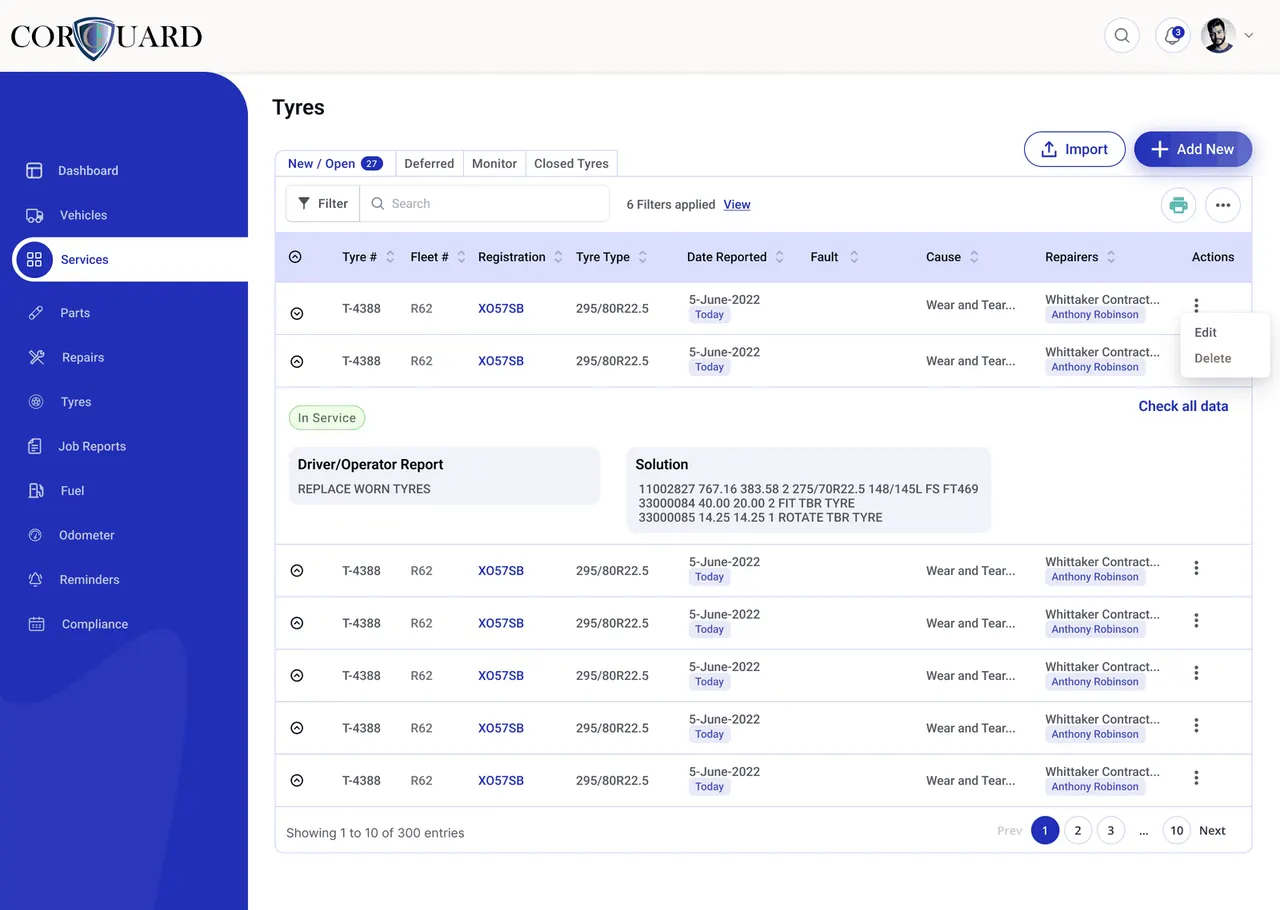
Driver diary checks
Connect fatigue and driver diary review back to manager visibility.
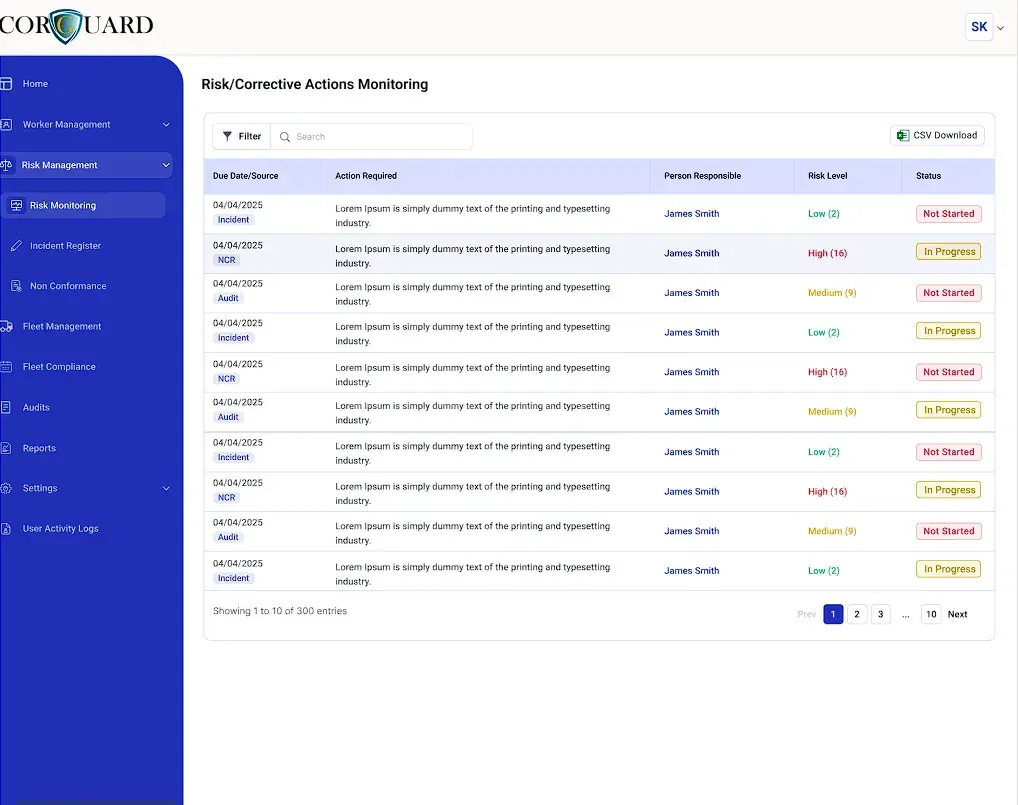
Corrective actions
Turn audit findings, hazards and incidents into tracked actions.
Keep exploring
Related Chain of Responsibility reading
MAEZ insight
Effective Strategies for Implementing COR Training
Discover how to implement COR training with effective strategies tailored to FAC-COR certification levels. Elevate your skills in contract management.
MAEZ insight
Essential Transport Safety Management Tips for 2024
Discover essential transport safety management tips for 2024, blending regulatory compliance with practical strategies for improved safety culture.
MAEZ insight
Understanding Key Components of a Safety Management System
Discover the four key components of a safety management system and learn how they transform safety from a compliance burden into an operational asset.
MAEZ insight
Ensuring Chain of Responsibility: A Comprehensive Guide
Learn how to ensure chain of responsibility with this guide. Discover the pattern’s mechanics, implementation steps, and practical applications.
MAEZ insight
Understanding Key Challenges in Supply Chain Risk Management
Explore key supply chain risk management issues threatening continuity. Learn strategies to mitigate financial, geopolitical, and environmental risks.
MAEZ insight
Top Transport Safety Tips: Best Practices Explained
Discover essential best practices in transport safety, from driver training to vehicle maintenance, and enhance safety outcomes in your operations.
Frequently asked questions
Questions people ask about this topic
What is a Safety Management System best practice for transport operators?
The core best practice is treating the SMS as an operational tool integrated into daily workflows rather than a paperwork exercise. This means measuring leading indicators, engaging frontline workers, documenting procedures that are usable and specific, and verifying contractor controls before work begins.
What are the four core components of a Safety Management System?
The four core components are safety policy, safety risk management, safety assurance, and safety promotion. Safety policy sets leadership commitment and measurable targets; risk management identifies hazards and implements controls; assurance confirms the system works through audits and monitoring; and promotion builds culture and competence through training and communication.
Who should read this page on Safety Management System best practices?
This page is useful for owner-operators, transport managers, executives, consignors, consignees, loaders, schedulers, contractors, and anyone who influences a heavy vehicle transport task or has a role in managing safety compliance.
How does MAEZ help transport businesses with SMS and compliance gaps?
MAEZ helps identify Chain of Responsibility, HVNL, WHS, NHVAS, training, audit, document-control, and Safety Management System gaps, then turns those gaps into practical controls and evidence. Where structured records and evidence are needed, CoRGuard supports the SMS workflow.
Is Chain of Responsibility training delivered through MAEZ?
MAEZ provides the advisory and risk pathway, while Chain of Responsibility training is delivered through cortraining.com.au. CoRGuard is the SaaS platform used when the business needs structured records, reminders, audits, maintenance, driver diary checks, inductions, corrective actions, and evidence reporting.