
MAEZ insight
Understanding the Heavy Vehicle National Law (HVNL) Explained
A practical guide to the Heavy Vehicle National Law (HVNL): what it covers, how it works across Australian jurisdictions, key objectives, and the core regulations every operator should know.

Due diligence means knowing whether the safety system is actually working.

Proof that freight promises do not create unsafe transport pressure.
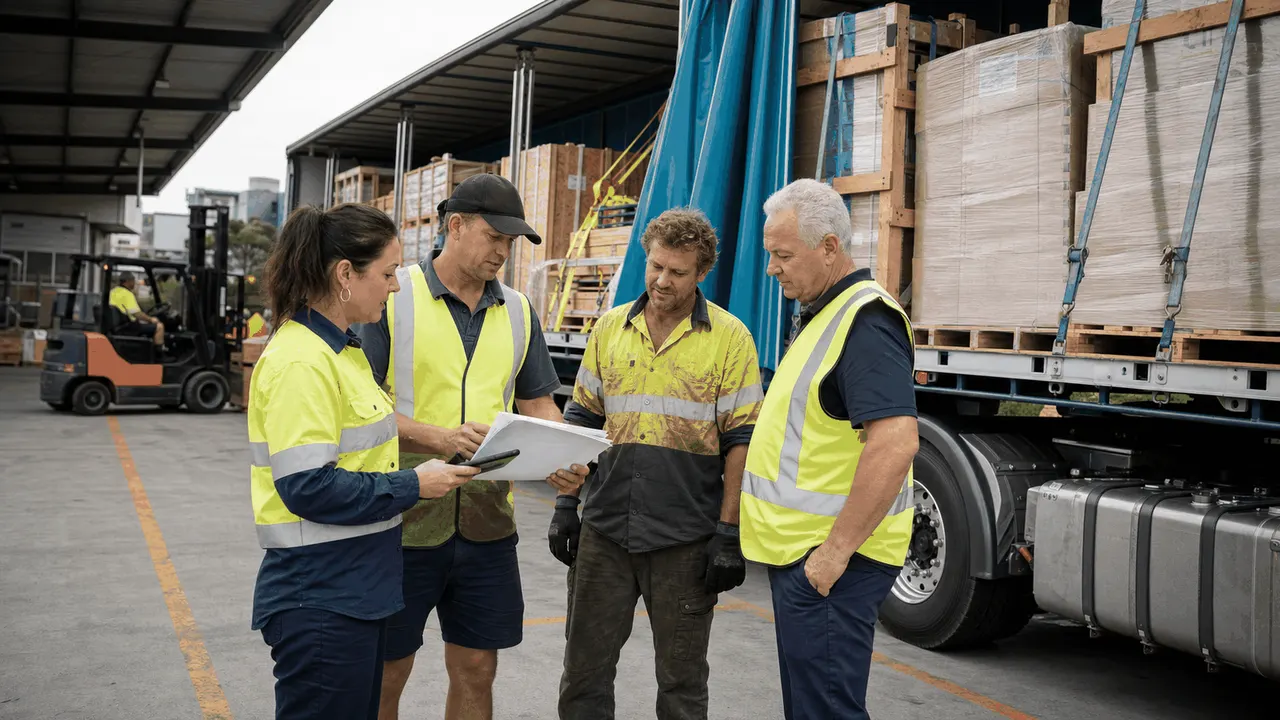
Loading controls need evidence, not assumptions.
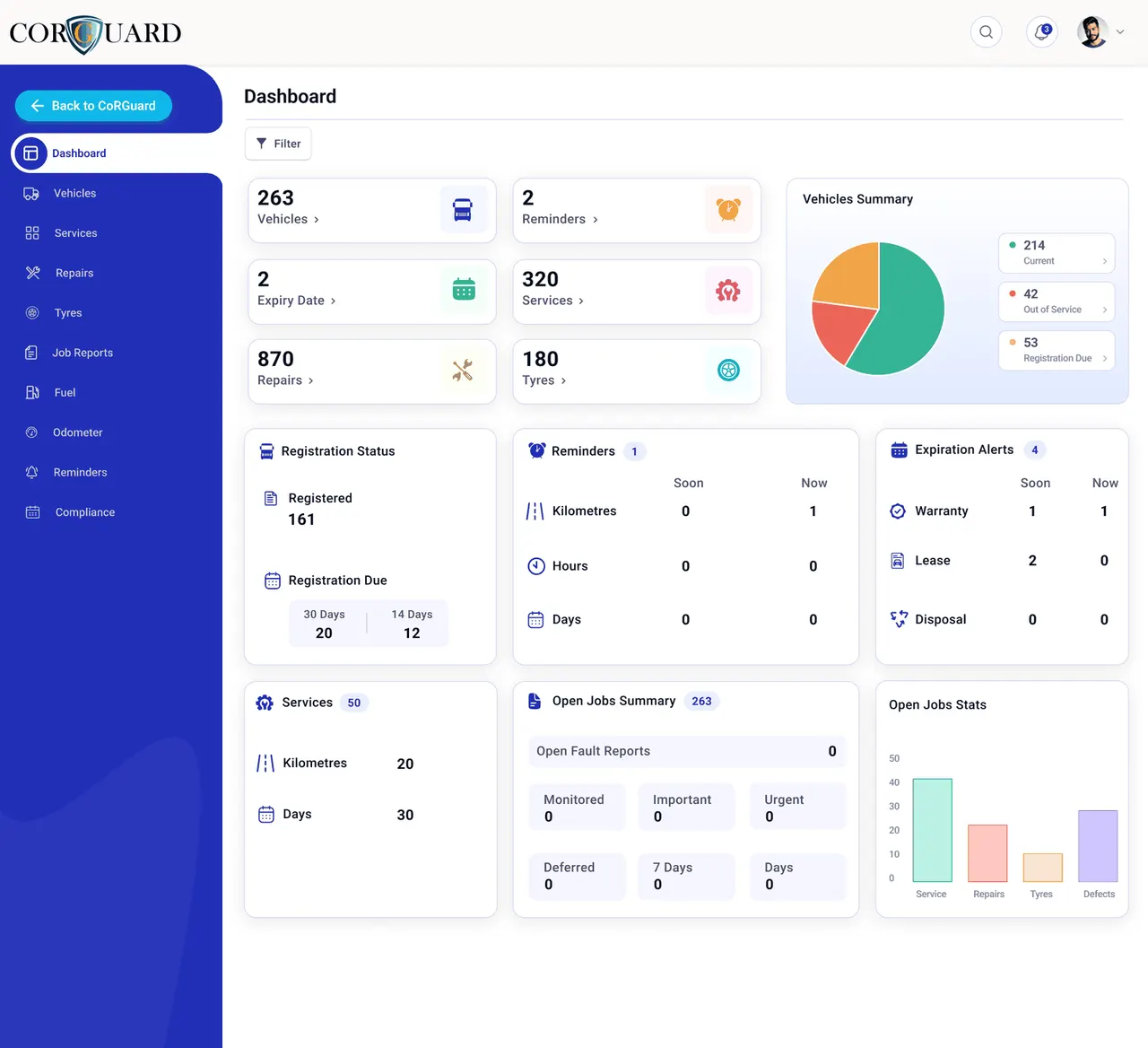
Daily fleet activity has to connect back to duties, controls, and review.
Consignors
Freight terms, delivery windows, and KPIs must not push drivers into speed, fatigue, or mass breaches.
Consignees
Receiving rules, site access, and unloading delays are CoR controls that need to be set and evidenced.
Loaders
Mass, dimension, and load restraint decisions need documented checks, not assumptions.
Managers
Executives and managers need due-diligence evidence that the Safety Management System is actually working.
What is the Heavy Vehicle National Law?
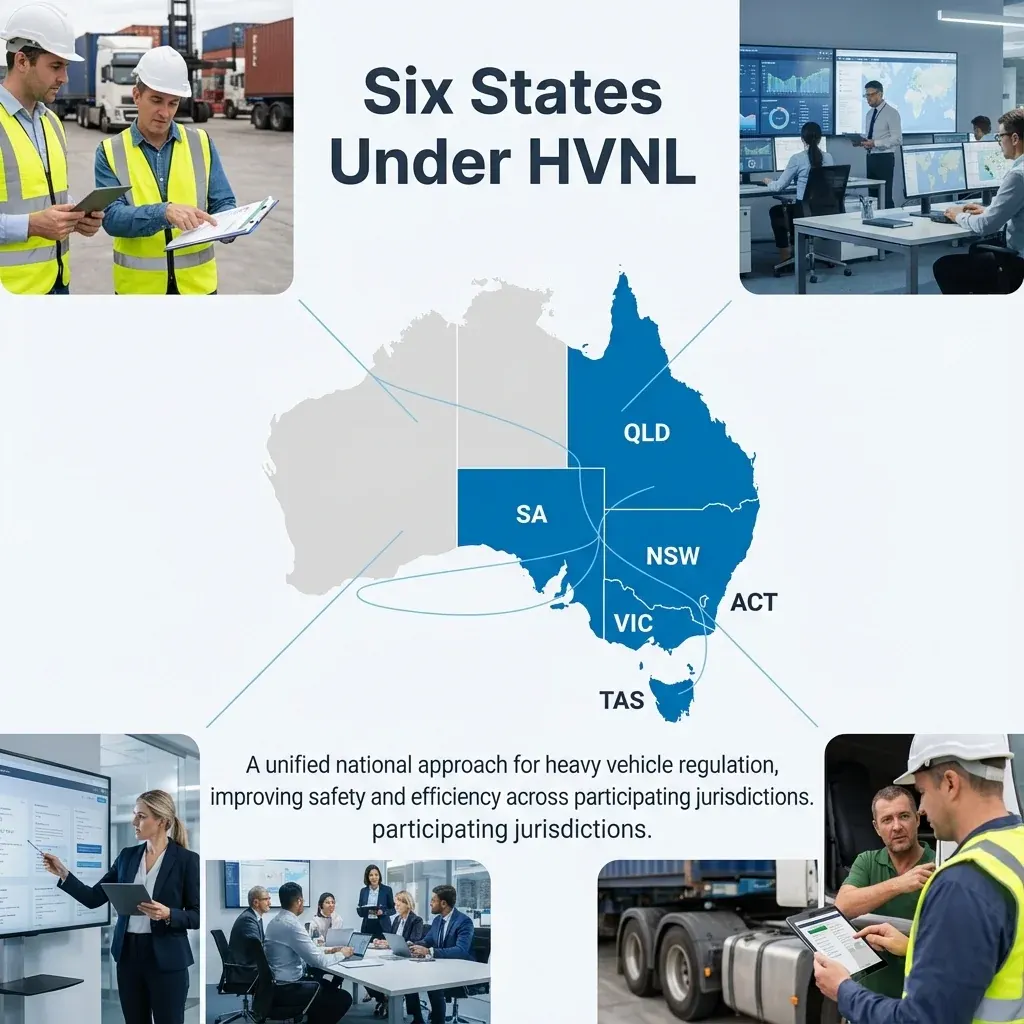
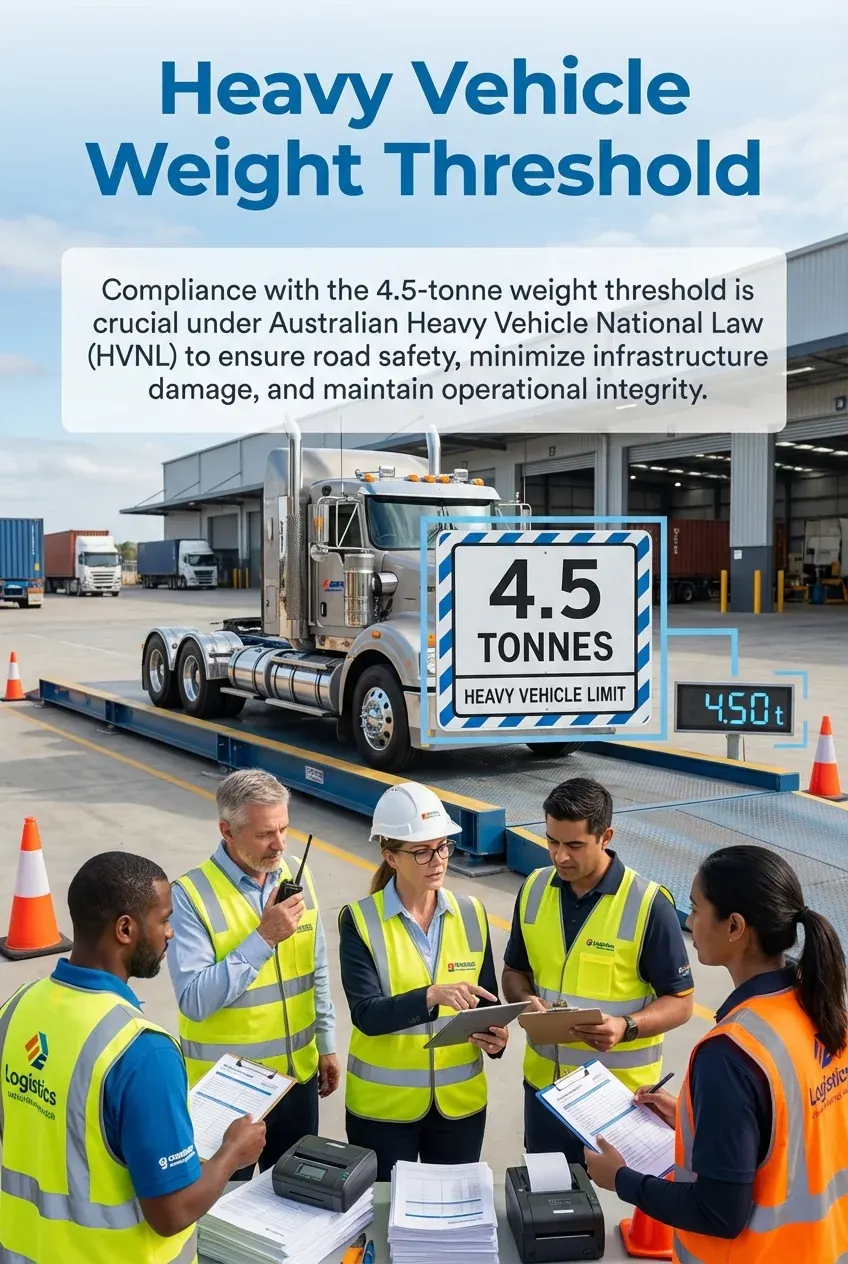
The Heavy Vehicle National Law (HVNL) is Australia's unified regulatory framework for heavy vehicles over 4.5 tonnes gross vehicle mass (GVM). It sets minimum standards for vehicle operation, driver conduct, and business practices across six participating jurisdictions, administered by the National Heavy Vehicle Regulator (NHVR).
GVM includes the vehicle, load, fuel, and occupants. The law covers trucks, buses, and combination vehicles that form the backbone of Australia's freight network.
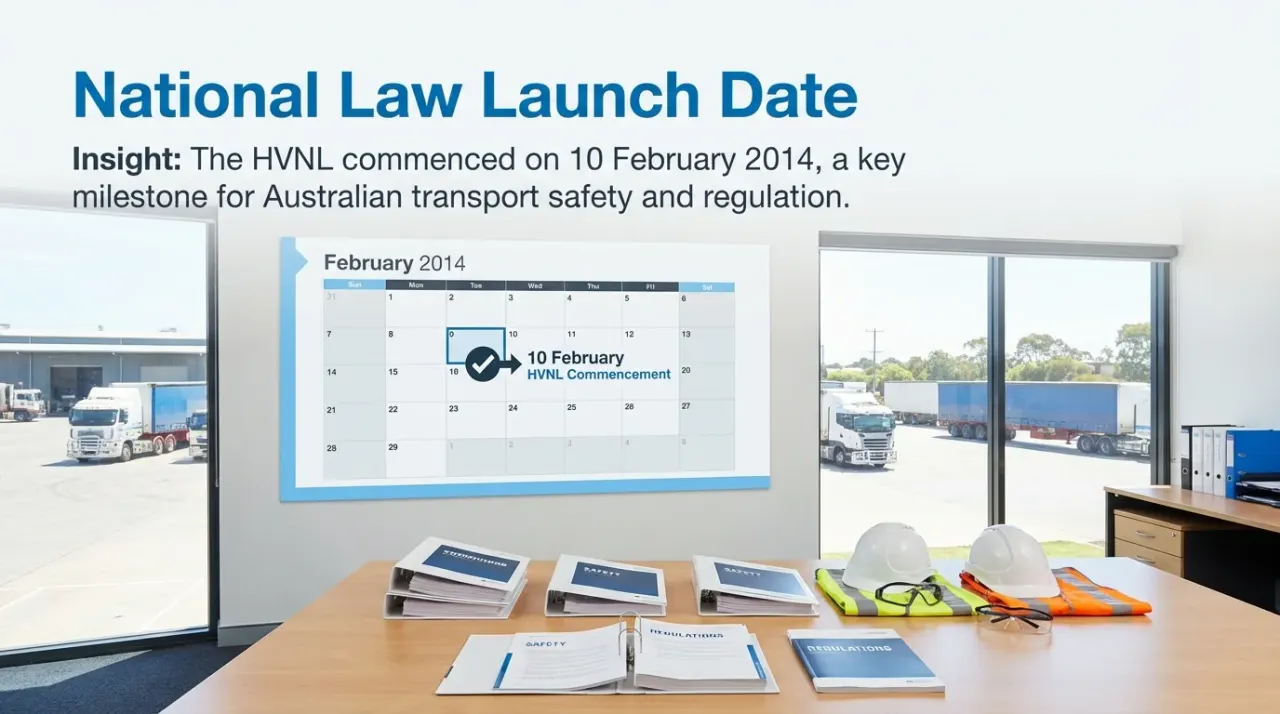
Since commencing on 10 February 2014, the HVNL applies in Queensland, New South Wales, Victoria, South Australia, Tasmania, and the Australian Capital Territory. Western Australia and the Northern Territory maintain separate heavy vehicle laws, though alignment discussions continue.
This national approach replaced the previous patchwork of state regulations. Transport operators no longer navigate eight different rule sets when crossing state borders. The HVNL fundamentally changed how transport businesses operate by introducing Chain of Responsibility principles — extending legal duties beyond drivers to every party whose decisions affect heavy vehicle safety, including schedulers, consignors, loaders, managers, and executives.
How the HVNL came into effect
From fragmented state rules to a national framework
Before 2014, heavy vehicle operators faced different rules in each Australian state and territory. A truck travelling from Brisbane to Melbourne crossed three different regulatory regimes, each with unique requirements for rest breaks, speed limits, and vehicle specifications. This fragmentation created compliance challenges and economic inefficiency.
The Council of Australian Governments (COAG) recognised that national freight networks required national regulation. Years of negotiation between federal, state, and territory governments led to the HVNL framework.
Key milestones
- 10 February 2014 — HVNL commenced in Queensland, with a phased rollout to other participating jurisdictions throughout 2014
- 1 October 2018 — Significant amendments introduced a primary duty for CoR parties, requiring all parties to proactively manage safety risks rather than simply avoiding prohibited conduct
- Ongoing — The NHVR conducts stakeholder engagement on proposed reforms, including Mass, Dimension, and Loading amendments that could increase General Mass Limits to current Concessional Mass Limits
The 2018 primary duty amendments strengthened the Chain of Responsibility framework by establishing positive obligations. The HVNL references the principle of shared responsibility, the nature of the primary duty, the duty of executives of legal entities, and prohibitions on certain requests and contracts.
What the HVNL aims to achieve
Balancing road safety, economic efficiency, and clear accountability
The HVNL balances multiple objectives that sometimes create tension but ultimately work together. Understanding these objectives helps operators design systems that satisfy the law's intent rather than merely its letter.
Improving road safety
Heavy vehicles involved in incidents often produce severe outcomes due to vehicle mass and momentum. The law establishes preventive standards addressing fatigue, overloaded vehicles, and mechanical failures before incidents occur. Fatigue management provisions create enforceable work and rest boundaries. Vehicle standards ensure roadworthy condition through regular inspections and maintenance requirements.
Supporting economic efficiency
Consistent regulations across participating jurisdictions reduce compliance costs. Operators design systems once rather than customising for each state. Performance-based standards allow modern, well-maintained vehicles greater operating flexibility, rewarding investment in safety technology. Streamlined access arrangements through the National Heavy Vehicle Accreditation Scheme (NHVAS) reduce administrative burden for operators demonstrating strong safety cultures.
Establishing clear accountability
The HVNL creates transparent accountability through Chain of Responsibility principles. Schedulers setting unrealistic delivery times, loaders exceeding weight limits, and managers cutting maintenance budgets all influence safety outcomes. Each party understands their obligations and the consequences of non-compliance, driving better decision-making throughout supply chains.
The five HVNL regulations explained
Subordinate regulations covering specific operational areas
The Heavy Vehicle National Law operates through five subordinate regulations covering specific operational areas. Three of the most operationally critical are detailed below.
Fatigue Management Regulation
This regulation establishes work and rest requirements for heavy vehicle drivers. Standard hours provide maximum work limits and minimum rest requirements, unless operators adopt alternative approaches:
- Basic Fatigue Management (BFM) — allows slightly extended hours in exchange for additional record-keeping
- Advanced Fatigue Management (AFM) — permits customised schedules based on fatigue science principles
Work diary requirements create auditable records of driving hours and rest breaks. The regulation applies to all parties in the Chain of Responsibility — schedulers, consignors, and loading managers share obligations to ensure schedules allow legal rest breaks.
Vehicle Standards Regulation
This regulation sets minimum maintenance and roadworthiness requirements. Regular inspections identify wear and defects before they cause failures. Operators must establish maintenance schedules appropriate to vehicle usage and operating conditions. Defect reporting systems create pathways for drivers and mechanics to flag problems, and serious defects must ground vehicles until repairs are completed. The regulation covers lighting, braking systems, steering components, load restraint equipment, and structural integrity.
Mass, Dimension and Loading Regulation
This regulation governs vehicle weights, sizes, and load security. Mass limits protect road infrastructure and vehicle mechanical components — exceeding them accelerates pavement damage and brake wear. Dimension limits ensure vehicles fit within road geometry, preventing bridge strikes. Load restraint requirements prevent cargo movement during braking or cornering. The HVNL categorises breaches of mass and loading requirements into minor, substantial, and severe risk breaches, with escalating consequences for each level.
Turning HVNL understanding into practical compliance
Why knowing the law is only the starting point
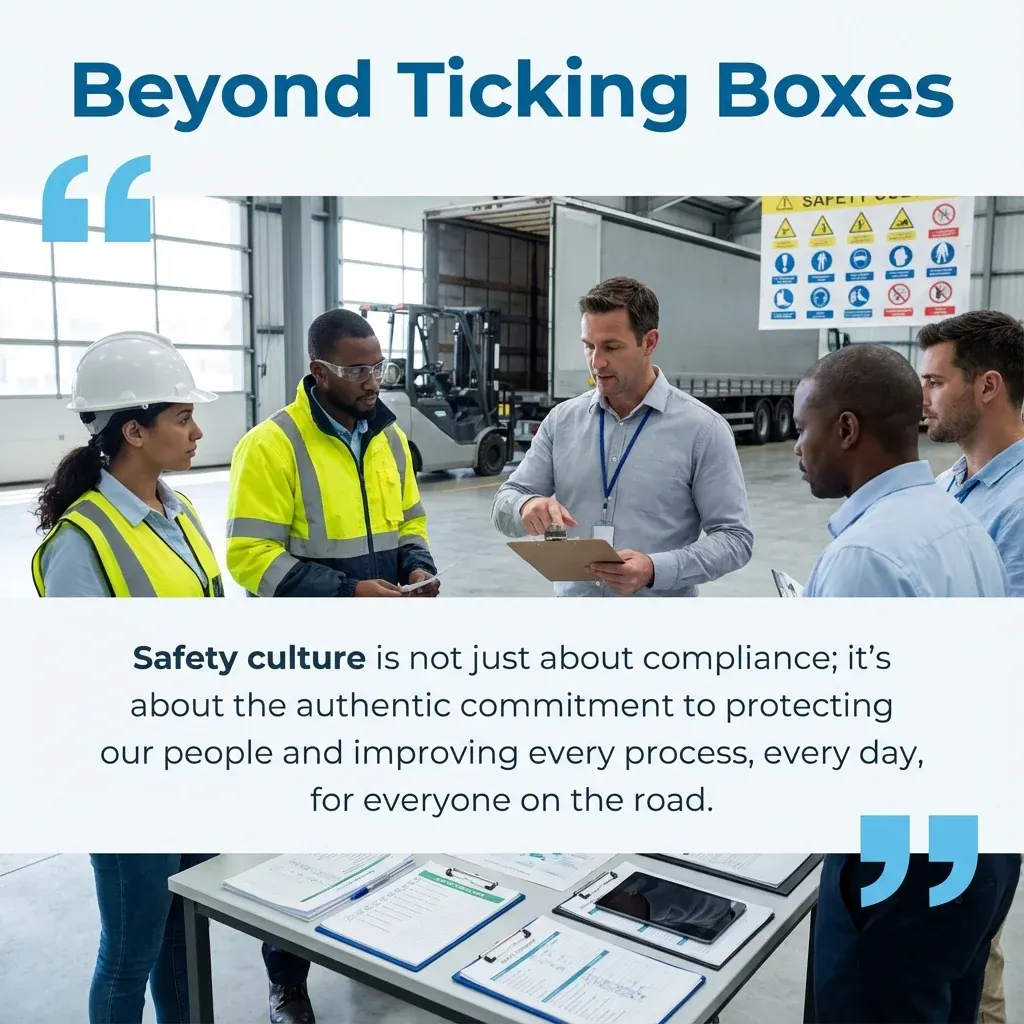
Understanding the HVNL isn't about ticking boxes. It's about building operational systems that protect your business, your people, and the community. Compliance goes beyond checklists — it requires systems that connect daily fleet activity back to duties, controls, and review.
After working across major supply chains for 25 years, the pattern is clear: effective HVNL compliance transforms businesses from reactive firefighting to proactive safety leadership. This creates measurable benefits including reduced insurance premiums, stronger customer relationships, and genuine competitive advantage.
Each party in the supply chain — consignors, consignees, loaders, schedulers, and operators — needs role-based controls, evidence, and Safety Management System expectations that align with the HVNL's shared responsibility principle.
Where to go from here
- Review your current CoR controls with a practical CoR risk review
- Build role-specific understanding through CoR training for executives, managers, and frontline staff
- Prepare for upcoming changes with a practical guide to HVNL 2026 readiness
If you need help identifying gaps and building the evidence to close them, contact MAEZ for a practical review of the controls, evidence, training, and SMS gaps that matter most.
How MAEZ works
Find the gaps. Fix the system. Prove the controls.
MAEZ helps transport operators deal with the compliance risk they already know is there. We help get the Safety Management System in order, protect NHVAS accreditation, reduce fine exposure, and connect training, evidence, and CoRGuard workflows where software is needed.
Find
Identify what is exposed before an auditor or regulator does.
Fix
Build the SMS controls around how the transport business actually runs.
Prove
Use CoRGuard where records, reminders, diaries, audits, and evidence need structure.
From advice to evidence
From MAEZ advice to a working Safety Management System
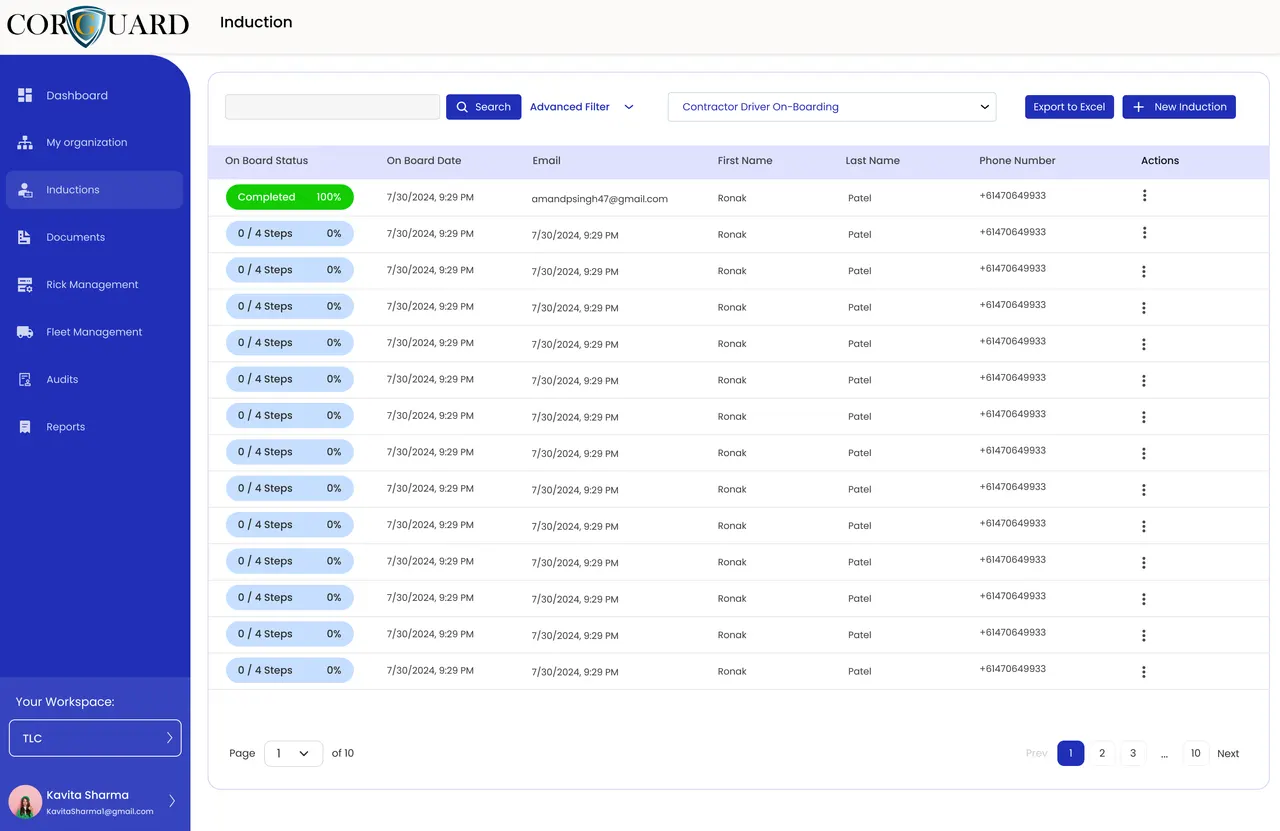
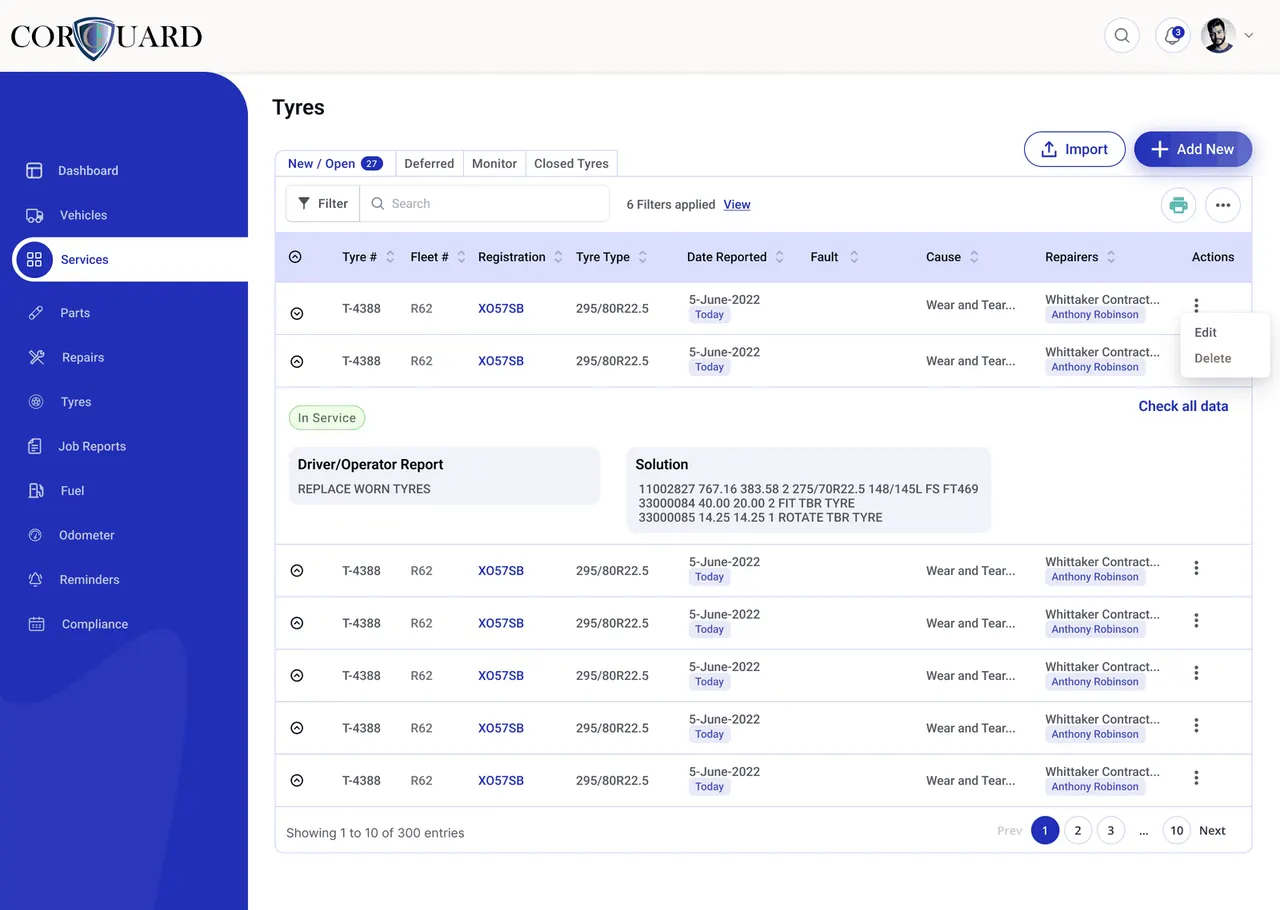
Advisory work should leave a practical implementation trail. These examples show how CoRGuard supports records, fatigue and driver diary checks, maintenance, audits, document control, inductions, corrective actions, and evidence review after MAEZ identifies the gaps.
Training records
Connect training completion from cortraining.com.au to evidence and follow-up.
Driver diary checks
Connect fatigue and driver diary review back to manager visibility.
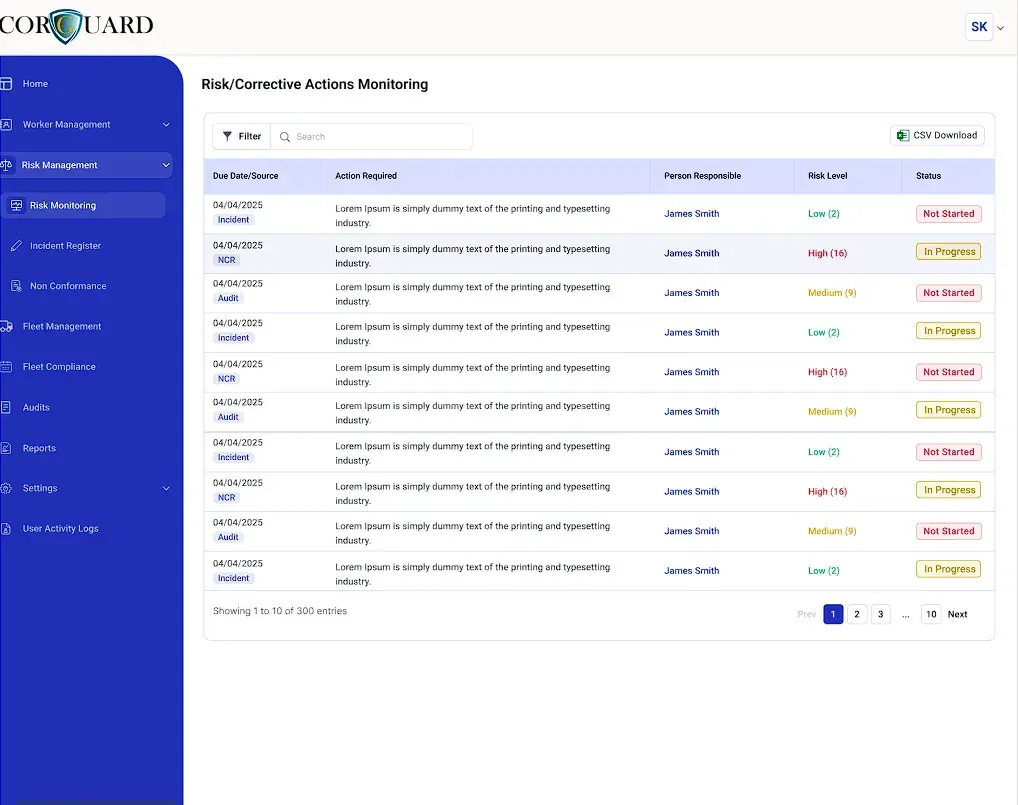
Corrective actions
Turn audit findings, hazards and incidents into tracked actions.
Keep exploring
Related Chain of Responsibility reading
MAEZ insight
Common Challenges in Safety Management Systems Explored
Explore common safety management system issues, from leadership visibility to data overload, and learn how to avoid these pitfalls for safer workplaces.
MAEZ insight
Top Safety Management System Best Practices Explained
Discover effective safety management system best practices to reduce risks and improve workplace safety. Learn how operational tools can transform safety.
MAEZ insight
Effective Strategies for Implementing COR Training
Discover how to implement COR training with effective strategies tailored to FAC-COR certification levels. Elevate your skills in contract management.
MAEZ insight
Essential Transport Safety Management Tips for 2024
Discover essential transport safety management tips for 2024, blending regulatory compliance with practical strategies for improved safety culture.
MAEZ insight
Understanding Key Components of a Safety Management System
Discover the four key components of a safety management system and learn how they transform safety from a compliance burden into an operational asset.
MAEZ insight
Ensuring Chain of Responsibility: A Comprehensive Guide
Learn how to ensure chain of responsibility with this guide. Discover the pattern’s mechanics, implementation steps, and practical applications.
Frequently asked questions
Questions people ask about this topic
What vehicles does the Heavy Vehicle National Law apply to?
The HVNL applies to heavy vehicles over 4.5 tonnes gross vehicle mass (GVM), which includes the vehicle, load, fuel, and occupants. It covers trucks, buses, and combination vehicles operating in the six participating jurisdictions.
Which Australian states and territories does the HVNL cover?
The HVNL applies in Queensland, New South Wales, Victoria, South Australia, Tasmania, and the Australian Capital Territory. Western Australia and the Northern Territory maintain separate heavy vehicle laws.
What is the primary duty under the HVNL's Chain of Responsibility?
Introduced on 1 October 2018, the primary duty requires all parties in the Chain of Responsibility — schedulers, consignors, loaders, managers, and executives — to proactively manage safety risks rather than simply avoiding prohibited conduct.
What are the five subordinate regulations under the HVNL?
The HVNL operates through five subordinate regulations covering specific operational areas, including the Fatigue Management Regulation, Vehicle Standards Regulation, and Mass, Dimension and Loading Regulation. Each sets enforceable standards for a distinct aspect of heavy vehicle operation.
How does the HVNL categorise mass and loading breaches?
The HVNL categorises breaches of mass and loading requirements into minor, substantial, and severe risk breaches, with escalating consequences for each level of severity.