
MAEZ insight
Crafting an Effective Transport Safety Policy: A Practical Guide
Learn how to develop a transport safety policy that balances compliance with operational reality. A practical guide covering leadership, risk assessment, safety KPIs, and technology for Australian transport operators.

Receiving windows, site rules, and unloading delays can all shape the transport task.
Unloading decisions can affect safety, scheduling, and responsibility.

Managers need a clear view of gaps before audit or enforcement pressure arrives.

Contractor controls should be verified before the work starts.
Consignors
Freight terms, delivery windows, and KPIs must not push drivers into speed, fatigue, or mass breaches.
Consignees
Receiving rules, site access, and unloading delays are CoR controls that need to be set and evidenced.
Loaders
Mass, dimension, and load restraint decisions need documented checks, not assumptions.
Managers
Executives and managers need due-diligence evidence that the Safety Management System is actually working.
What is a transport safety policy?
The framework that governs every vehicle movement in your operation
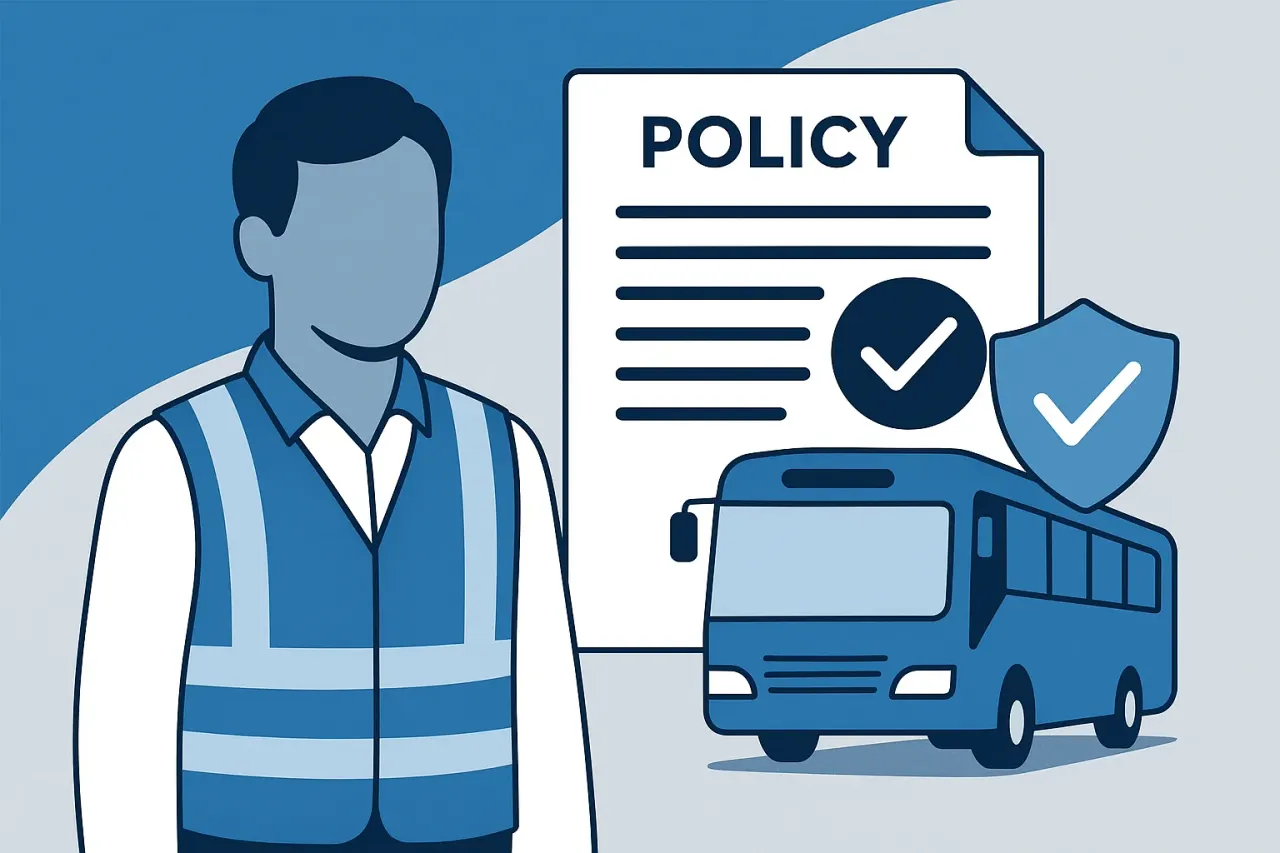
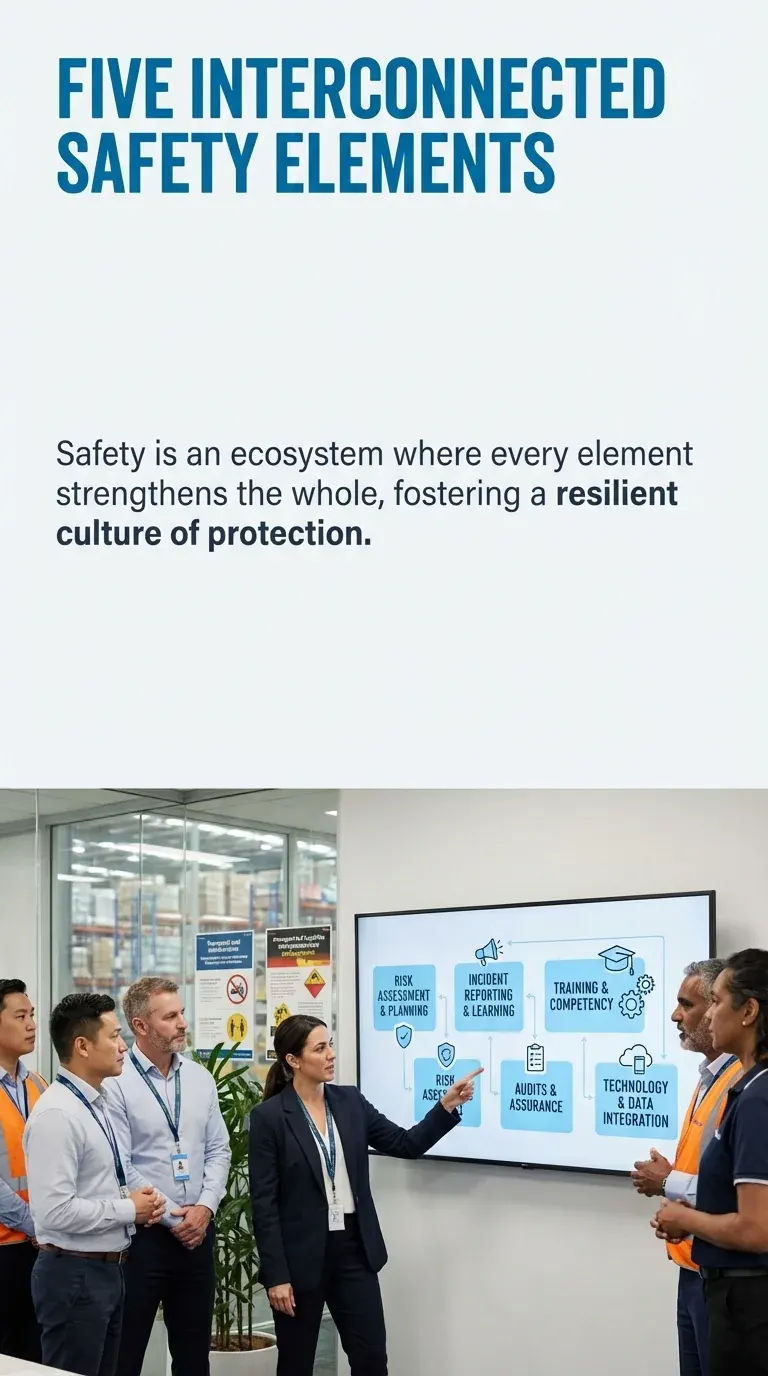
A transport safety policy is a structured, evidence-based framework that defines your organisation's commitment to safety, establishes clear rules for vehicle operations, and integrates five interconnected elements — safer people, safer roads, safer vehicles, safer speeds, and post-crash care — to manage risk across every movement in your transport operation.
The five elements work together as a system that assumes human error will occur and designs protections accordingly. Your policy sets out what is and is not allowed by road users in your operation, establishing a measurable commitment to preventing incidents rather than merely reacting to them.
Core components of an effective policy
Every effective transport safety policy includes:
- Clear safety objectives aligned with organisational goals, targeting zero deaths and serious injuries rather than merely reducing incident rates
- Defined roles and responsibilities — who conducts vehicle inspections, who reviews telematics data, who investigates near misses
- Documentation requirements specifying what records you maintain, retention periods, and who can access them
Ambiguity in responsibility creates gaps in safety management. Documentation supports both compliance and continuous improvement, giving you an evidence trail when auditors or regulators ask questions.
How does regulatory compliance shape your safety policy?
Aligning operational procedures with WHS, transport, and Chain of Responsibility duties
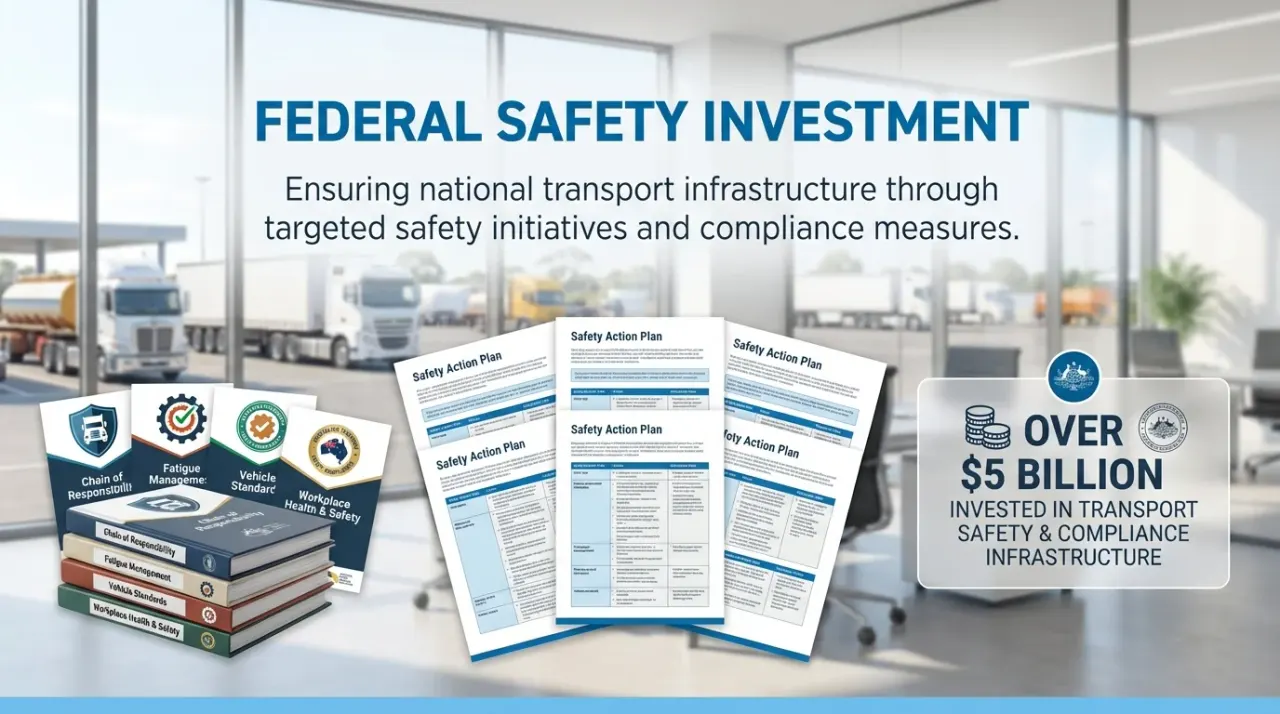
Transport safety policy implementation must account for applicable regulations in your jurisdiction. Work health and safety legislation, transport regulations, and Chain of Responsibility laws all impose obligations that your policy needs to address explicitly.
Your policy should show how operational procedures fulfil legal duties — not just list the legislation. This means connecting high-level safety commitments to the day-to-day controls that drivers, loaders, managers, and contractors actually follow.
Regular policy reviews ensure ongoing alignment with changing regulations. Schedule annual compliance audits to identify gaps before regulators do. For a structured approach to finding those gaps, CoR consulting can provide a practical risk review tailored to how your business operates.
Key regulatory touchpoints
- WHS legislation — duty to manage risks to health and safety, including psychosocial risks
- HVNL duties — primary duty of care and executive due diligence obligations
- Chain of Responsibility — shared responsibility across every party in the transport chain
- NHVAS accreditation — evidence that your SMS and maintenance systems meet recognised standards
Step 1: How do you build leadership commitment to safety?
Turning policy from paperwork into operational reality
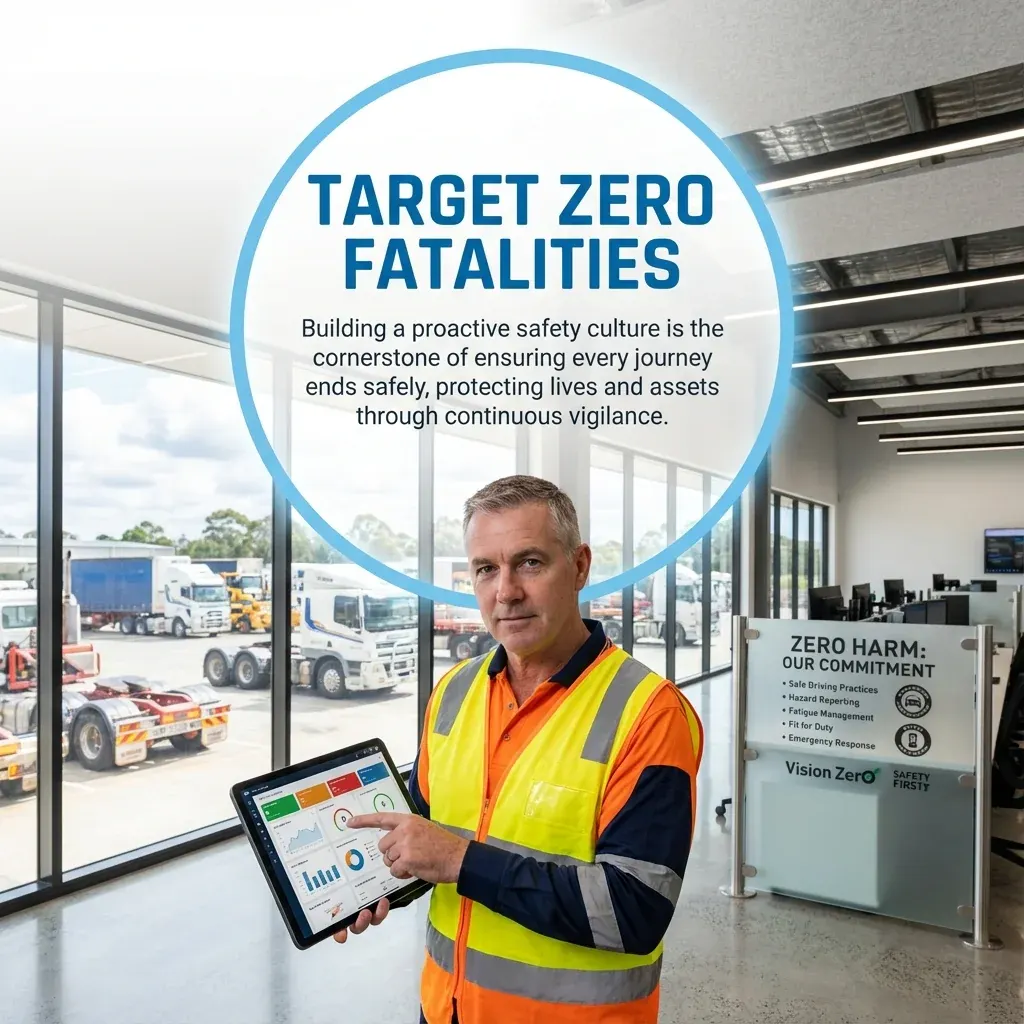
Leadership commitment transforms safety policy from paperwork into operational reality. Without genuine executive support, safety initiatives become box-ticking exercises that fail when operational pressure increases.
Senior management must visibly prioritise safety in resource allocation, decision-making processes, and day-to-day communications. When executives treat safety as negotiable, the rest of the organisation follows.
Building a strong safety culture
Start by assessing your current safety culture:
- Conduct anonymous surveys asking whether employees feel comfortable reporting safety concerns
- Review incident reports to see if near misses are being documented
- Talk to drivers about whether they feel pressured to compromise safety for productivity
Create clear reporting channels where employees can raise safety issues without fear. Implement a non-punitive reporting system for near misses and minor incidents. Use these reports as learning opportunities, not blame assignments. Recognise and reward safe behaviour.
Executive accountability mechanisms
Include safety metrics in leadership performance reviews and compensation structures. Create a safety committee with executive representation that meets monthly to review safety data, investigate significant incidents, and approve safety investments.
Require executives to participate in Chain of Responsibility training alongside frontline employees. This demonstrates that safety applies to everyone, not just drivers.
Step 2: How do you assess transport risks systematically?
Identifying specific hazards and evaluating their potential severity
Risk assessment identifies the specific hazards your operation faces and evaluates their potential severity. This data-driven approach ensures your transport safety policy addresses actual risks rather than assumed ones.
Systematic risk management starts with gathering information about your operations. Analyse historical incident data, review near-miss reports, examine vehicle maintenance records, and map route characteristics.
Data collection methods
- Lagging indicators like incident rates tell you what went wrong
- Leading indicators like vehicle inspection compliance rates help you prevent incidents
- Use telematics systems to gather objective data on driver behaviour, including speed, harsh braking, acceleration patterns, and hours of operation
- Conduct journey management assessments for regular routes to identify high-risk segments
- Interview drivers and operators to understand risks that do not appear in formal reports
Risk prioritisation framework
Not all risks require immediate attention. Prioritise based on both likelihood and potential severity:
- Critical — High likelihood, high consequence: immediate action required
- High — High or moderate likelihood, moderate or high consequence: address within 30 days
- Medium — Low likelihood, high consequence: plan mitigation within 90 days
- Low — Low likelihood, low consequence: monitor and review annually
Document your risk assessment findings and share them with relevant stakeholders. Transparency about risks builds trust and encourages proactive safety behaviour.
Step 3: What safety objectives and metrics should you track?
Translating commitment into measurable targets
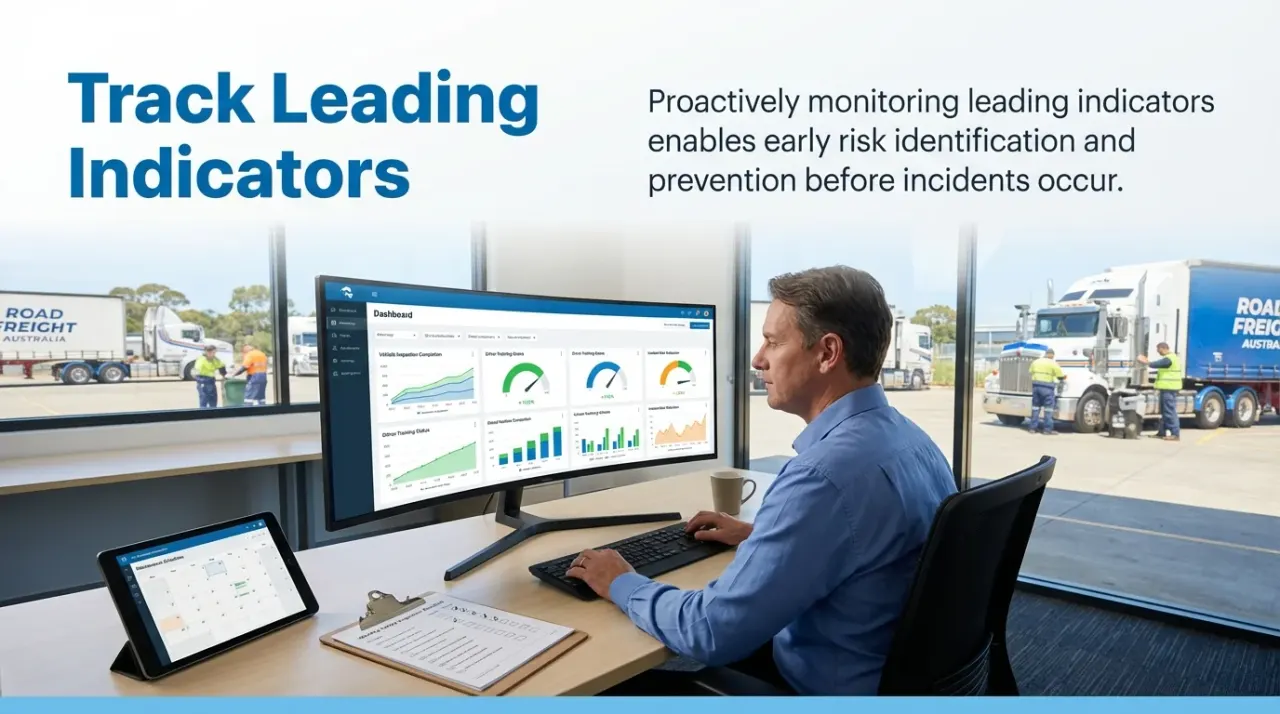
Safety objectives translate your commitment into measurable targets. Vague aspirations like "improve safety" do not drive action; specific, measurable objectives do.
Set both outcome-based and process-based objectives. Outcome objectives target results like reducing incidents by a specific percentage. Process objectives focus on implementation, such as completing 100% of scheduled vehicle maintenance.
Measurable safety KPIs
Key performance indicators provide objective measures of safety performance. Select KPIs that reflect your specific risks and operational context:
- Total recordable incident rate per million kilometres
- Lost time injury frequency rate
- Vehicle defect identification rate during inspections
- Driver safety and CoR training completion rate
- Near-miss reporting rate (higher is often better, indicating a reporting culture)
- Speed limit compliance percentage from telematics data
- Fatigue management policy adherence rate
Track leading indicators that predict future performance. Driver training completion rates, vehicle maintenance compliance, and safety audit scores all predict future incident rates.
Setting realistic yet ambitious targets
Review your historical performance to establish baseline metrics. Look at the past three years to account for variability and identify trends. Set targets that stretch performance without creating impossible expectations.
Consider adopting a long-term vision of zero serious incidents. Break long-term targets into annual milestones to create momentum while maintaining focus on the ultimate objective.
Step 4: How can technology strengthen your safety policy?
Real-time monitoring, predictive analytics, and automated compliance tracking
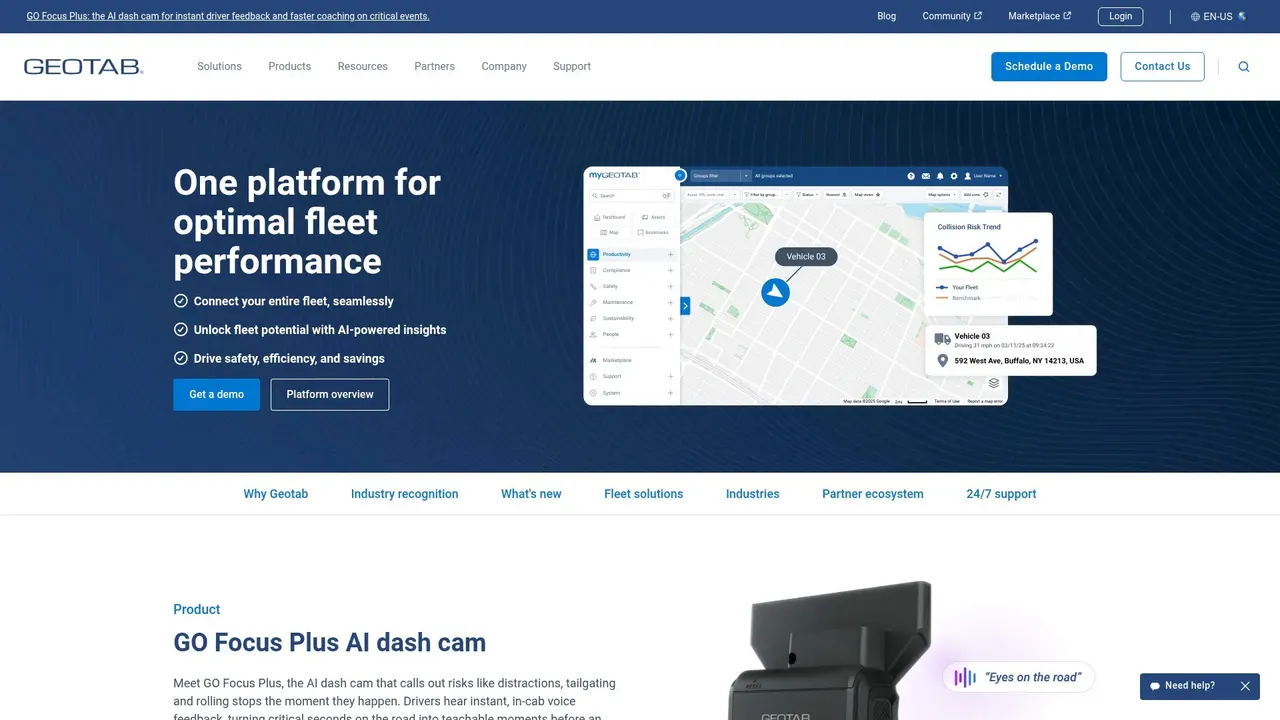
Technology solutions enhance transportation safety by providing real-time monitoring, predictive analytics, and automated compliance tracking. The right tools make safety management more effective and efficient.
Modern fleet safety management relies on integrated systems that collect, analyse, and act on data continuously. These systems support proactive intervention before incidents occur, rather than post-incident analysis alone.
Telematics and GPS tracking
Telematics systems monitor vehicle location, speed, driver behaviour, and vehicle health in real time. Configure these systems to alert managers when safety thresholds are exceeded.
- Set notifications for speeding, harsh braking, rapid acceleration, and extended driving hours
- Use GPS tracking to verify route compliance and identify unauthorised stops
- Review telematics data weekly — a driver who speeds occasionally may need a conversation, while a driver who speeds consistently needs intervention
AI-powered predictive analytics
Artificial intelligence and predictive analytics can identify risk patterns before they result in incidents. By analysing historical data alongside real-time inputs, these systems help forecast where and when safety risks are most likely to occur, allowing managers to take preventative action.
When these tools connect to a structured Safety Management System, they support the evidence trail that NHVAS accreditation and CoR compliance require. For help connecting technology, training, and evidence into a working SMS, contact MAEZ for a practical review.
How MAEZ works
Find the gaps. Fix the system. Prove the controls.
MAEZ helps transport operators deal with the compliance risk they already know is there. We help get the Safety Management System in order, protect NHVAS accreditation, reduce fine exposure, and connect training, evidence, and CoRGuard workflows where software is needed.
Find
Identify what is exposed before an auditor or regulator does.
Fix
Build the SMS controls around how the transport business actually runs.
Prove
Use CoRGuard where records, reminders, diaries, audits, and evidence need structure.
From advice to evidence
From MAEZ advice to a working Safety Management System
Advisory work should leave a practical implementation trail. These examples show how CoRGuard supports records, fatigue and driver diary checks, maintenance, audits, document control, inductions, corrective actions, and evidence review after MAEZ identifies the gaps.
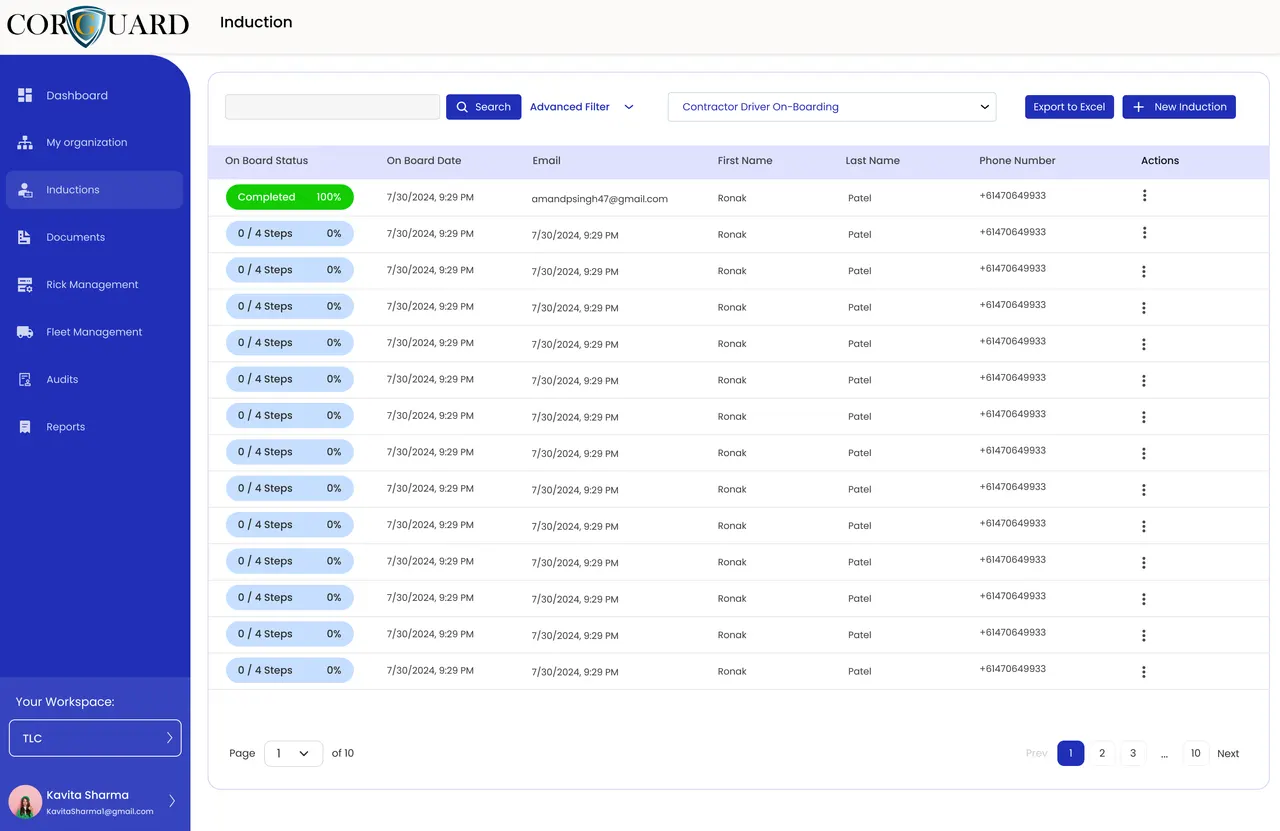
Training records
Connect training completion from cortraining.com.au to evidence and follow-up.
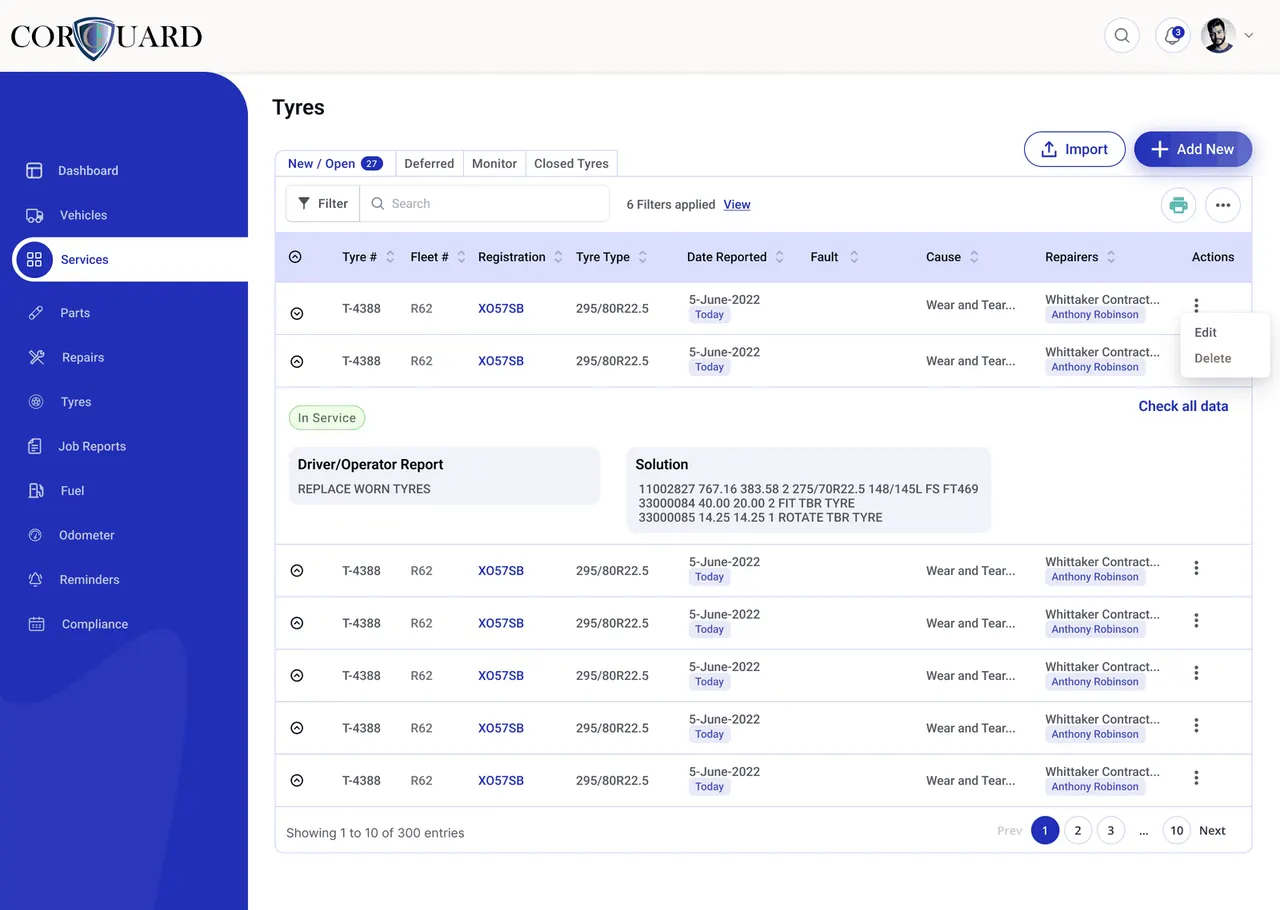
Driver diary checks
Connect fatigue and driver diary review back to manager visibility.
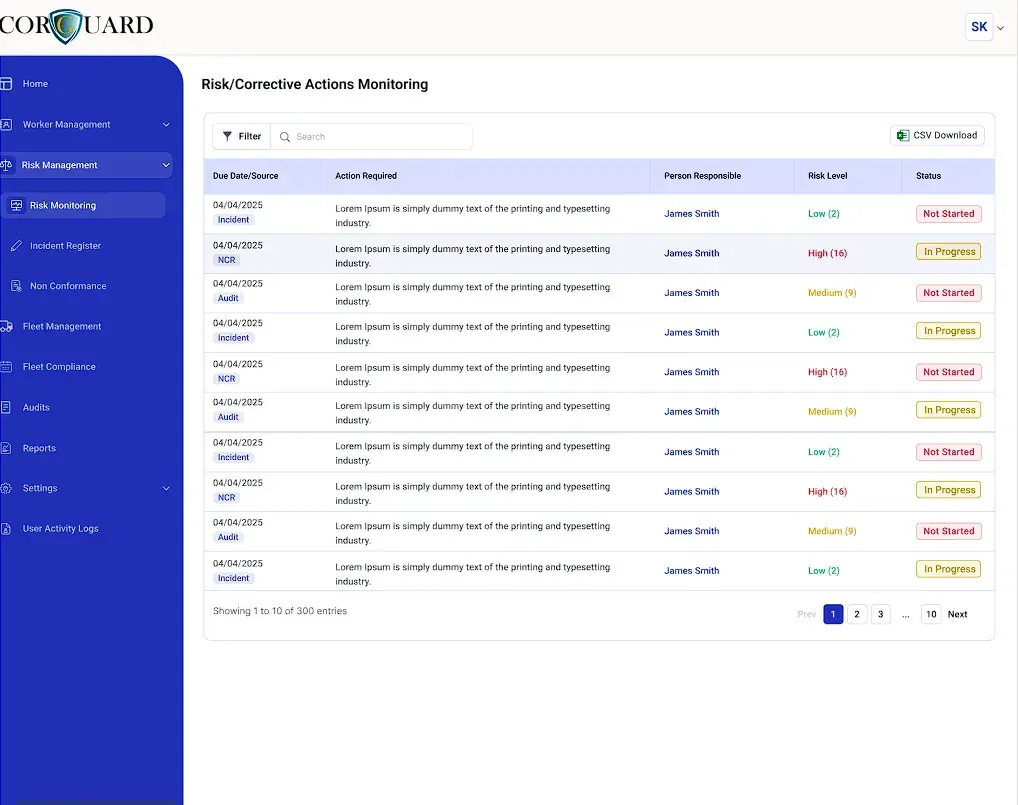
Corrective actions
Turn audit findings, hazards and incidents into tracked actions.
Keep exploring
Related Chain of Responsibility reading
MAEZ insight
Understanding the Heavy Vehicle National Law Explained
Explore the comprehensive heavy vehicle national law overview, unified safety standards, and the NHVR’s role in regulation across Australia.
MAEZ insight
Common Challenges in Safety Management Systems Explored
Explore common safety management system issues, from leadership visibility to data overload, and learn how to avoid these pitfalls for safer workplaces.
MAEZ insight
Top Safety Management System Best Practices Explained
Discover effective safety management system best practices to reduce risks and improve workplace safety. Learn how operational tools can transform safety.
MAEZ insight
Effective Strategies for Implementing COR Training
Discover how to implement COR training with effective strategies tailored to FAC-COR certification levels. Elevate your skills in contract management.
MAEZ insight
Essential Transport Safety Management Tips for 2024
Discover essential transport safety management tips for 2024, blending regulatory compliance with practical strategies for improved safety culture.
MAEZ insight
Understanding Key Components of a Safety Management System
Discover the four key components of a safety management system and learn how they transform safety from a compliance burden into an operational asset.
Frequently asked questions
Questions people ask about this topic
What are the core components of a transport safety policy?
An effective transport safety policy includes clear safety objectives aligned with organisational goals, defined roles and responsibilities for safety tasks, and documentation requirements specifying what records are maintained and for how long. These components work together to support both compliance and continuous improvement.
How does Chain of Responsibility affect my transport safety policy?
Chain of Responsibility laws impose shared safety duties across every party in the transport chain — consignors, consignees, loaders, drivers, and managers. Your safety policy must explicitly address how operational procedures fulfil these legal duties, not just list the legislation.
What safety KPIs should Australian transport operators track?
Common transport safety KPIs include total recordable incident rate per million kilometres, vehicle defect identification rate, driver CoR training completion rate, near-miss reporting rate, speed limit compliance from telematics, and fatigue management policy adherence. Track both leading and lagging indicators for a complete picture.
How often should I review my transport safety policy?
Schedule annual compliance audits to identify gaps before regulators do, and review your policy whenever regulations change. Regular reviews ensure ongoing alignment with evolving WHS legislation, HVNL duties, and Chain of Responsibility requirements.
Why is leadership commitment important for transport safety policy?
Without genuine executive support, safety initiatives become box-ticking exercises that fail under operational pressure. Leaders must visibly prioritise safety in resource allocation, participate in CoR training, and include safety metrics in performance reviews to build a culture where safety is non-negotiable.