
MAEZ insight
Common Challenges in Safety Management Systems Explored
Explore the most critical safety management system challenges — from leadership visibility to data overload — and practical strategies to move beyond checkbox compliance toward genuine risk reduction.

Proof that freight promises do not create unsafe transport pressure.

Loading controls need evidence, not assumptions.
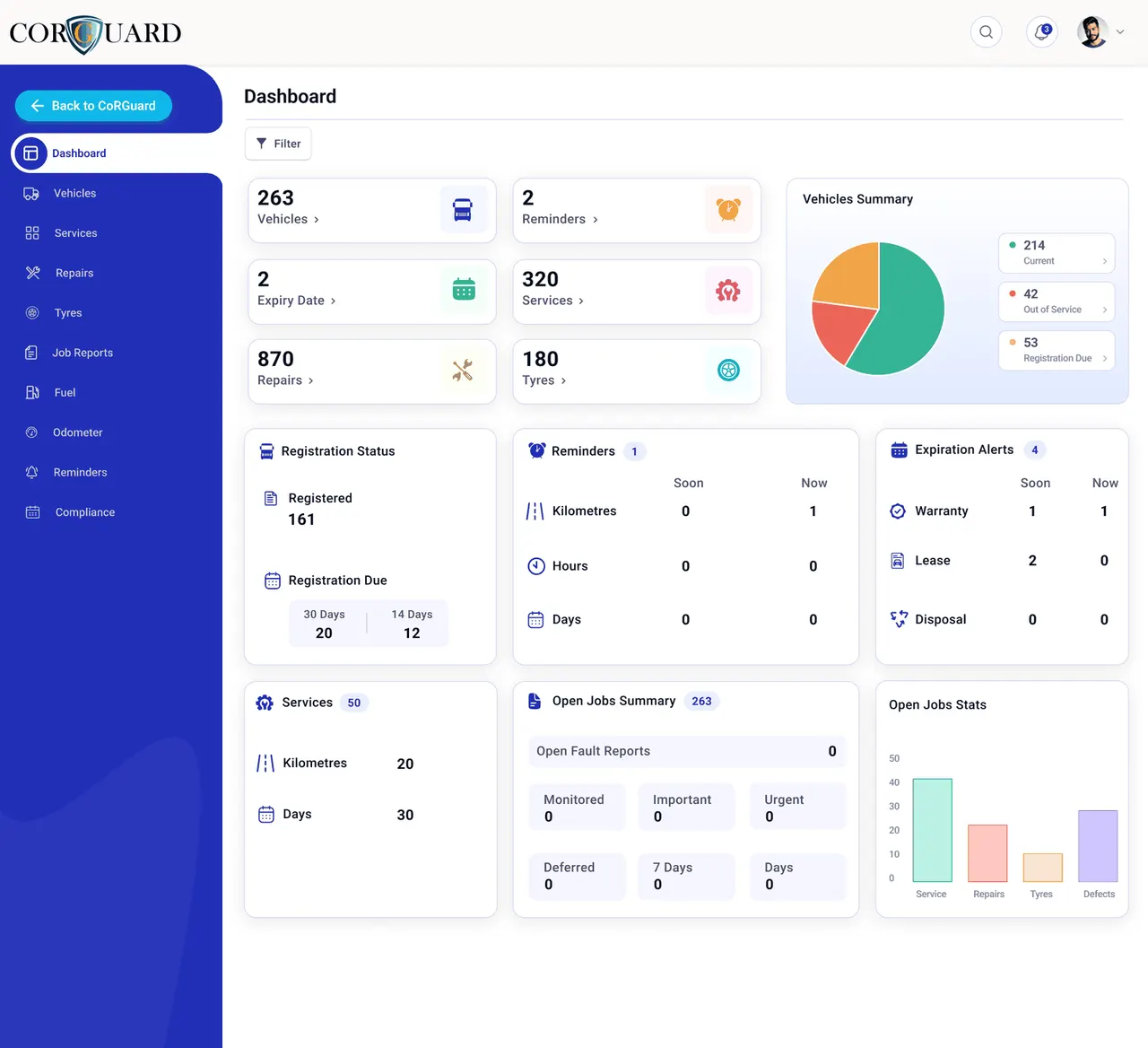
Daily fleet activity has to connect back to duties, controls, and review.

Due diligence means knowing whether the safety system is actually working.
Consignors
Freight terms, delivery windows, and KPIs must not push drivers into speed, fatigue, or mass breaches.
Consignees
Receiving rules, site access, and unloading delays are CoR controls that need to be set and evidenced.
Loaders
Mass, dimension, and load restraint decisions need documented checks, not assumptions.
Managers
Executives and managers need due-diligence evidence that the Safety Management System is actually working.
Why safety management systems fail
The gap between documented procedures and actual workplace behaviour

Safety management systems consistently fail when organisations treat implementation as a compliance project rather than a cultural transformation. The most damaging issues stem from disconnects between documented procedures and actual workplace behaviour, inadequate leadership visibility in safety activities, and data systems that overwhelm rather than inform decision-making.
These challenges compound rapidly because they reinforce each other, creating systemic weaknesses that regulatory audits miss entirely but workplace incidents expose dramatically. Most businesses underestimate the sustained investment required — the staff time, technology investment, and specialist expertise needed to implement and sustain an SMS.
The gap between strategic safety commitments and operational reality becomes a breeding ground for incidents. For transport operators, these failures intersect directly with Chain of Responsibility obligations, where every party in the supply chain shares responsibility for safety outcomes.
Understanding these obstacles helps organisations move beyond checkbox compliance toward genuine risk reduction across five critical areas:
- Leadership commitment failures that cascade through operations
- Employee engagement deficits that silence critical intelligence
- Compliance-focused approaches that miss proactive prevention
- Data management problems that paralyse decision-making
- Training inadequacies that create competency gaps
Leadership commitment failures that cascade through operations
When senior managers sign policies but don't resource them
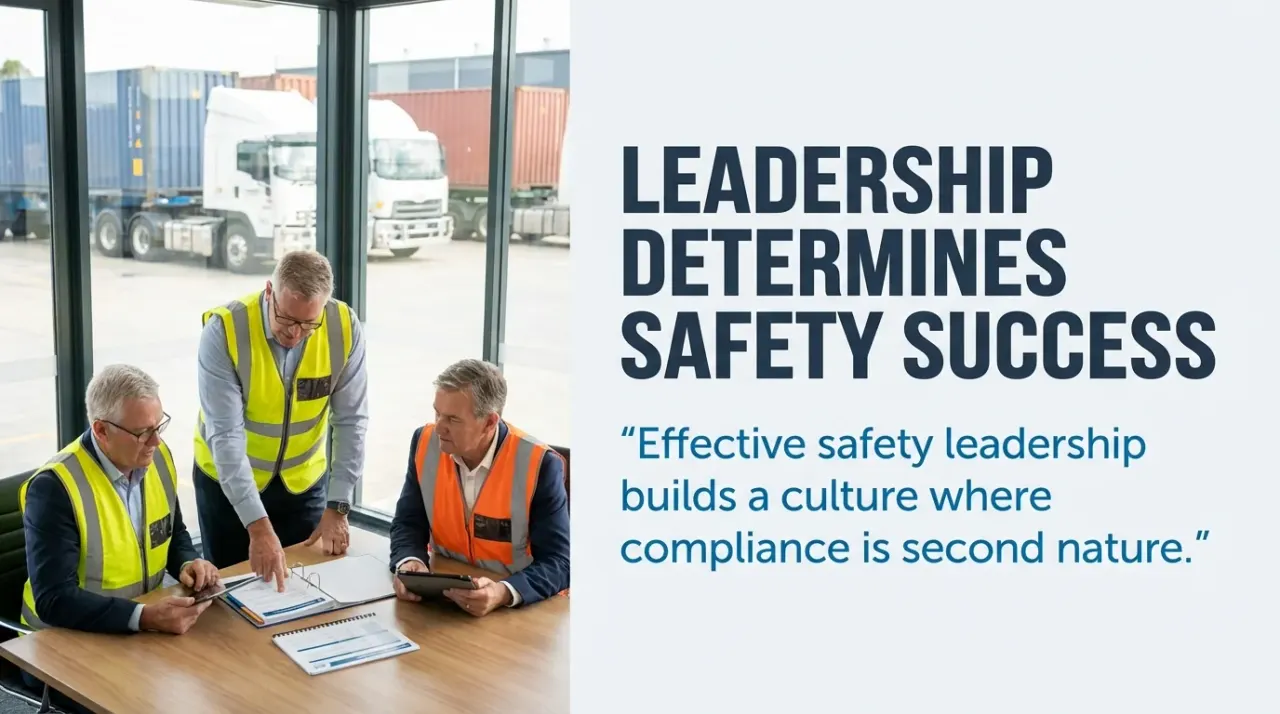
Senior management often signs safety policies but rarely demonstrates visible, consistent commitment to safety priorities. This disconnect becomes immediately apparent to frontline workers who see safety initiatives announced but never resourced, safety concerns raised but never addressed, and safety metrics reported but never acted upon.
Leadership support, supervision, and enforcement of procedures are among the strongest determinants of effective safety implementation. When executives skip safety meetings, override safety decisions for production reasons, or delegate all safety responsibilities without maintaining oversight, they signal that safety is subordinate to other business objectives.
Accountability structure weaknesses
- Safety responsibilities become diffused across multiple roles without single-point accountability
- Line managers receive safety duties without corresponding authority or resources to fulfil them
- Safety performance rarely connects to management evaluation or advancement
What to do instead
- Establish executive safety performance indicators that appear in business reviews
- Assign specific safety deliverables to each senior leader with quarterly public reporting
- Include safety performance as a weighted factor in management compensation and promotion decisions
- Conduct annual safety budget reviews that compare safety investment to other corporate functions
Budget discussions expose true organisational priorities. When safety department requests receive consistent deferrals while other initiatives gain immediate approval, the workforce notices. When safety training gets cancelled for production demands but sales training never does, the message is clear.
Employee engagement deficits that silence critical intelligence
When workers see safety as something done to them, not with them
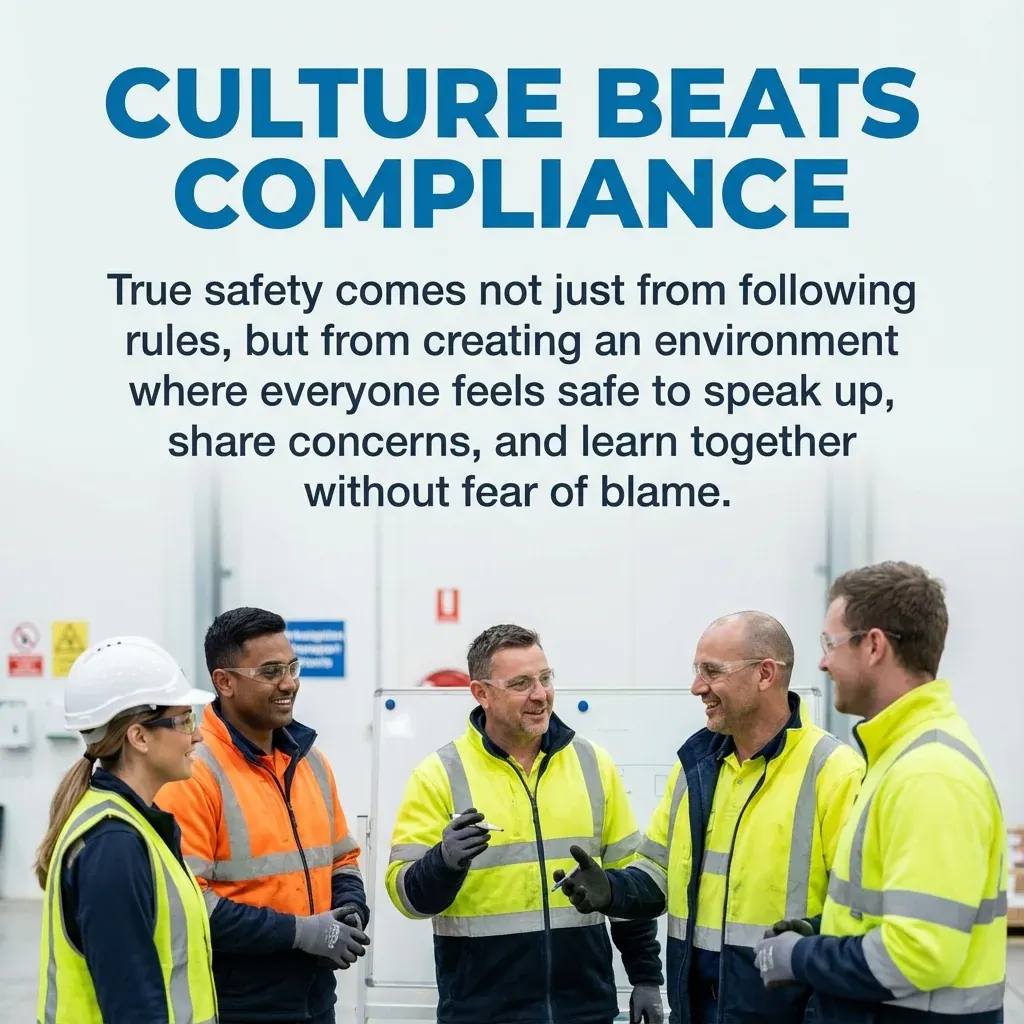
Workforce disengagement from safety management systems creates the most dangerous blind spots. Employees who see safety as something done to them rather than with them withhold crucial information about hazards, near-misses, and system failures. This intelligence vacuum leaves management making decisions based on incomplete or outdated operational understanding.
Traditional top-down safety management approaches fail because frontline workers possess the most detailed knowledge of actual workplace conditions. When their insights don't influence safety decisions, they stop sharing them, and the safety management system becomes detached from operational reality.
Reporting barriers to break down
- Many workers fear reporting incidents will trigger blame rather than corrective action
- Complex reporting systems require excessive time and effort
- Feedback loops fail, so reporters never learn what happened with their concerns
- Previous reports that generated no visible response discourage future reporting
Practical steps
- Implement anonymous reporting channels with guaranteed no-retaliation policies
- Simplify reporting to two-minute mobile submissions
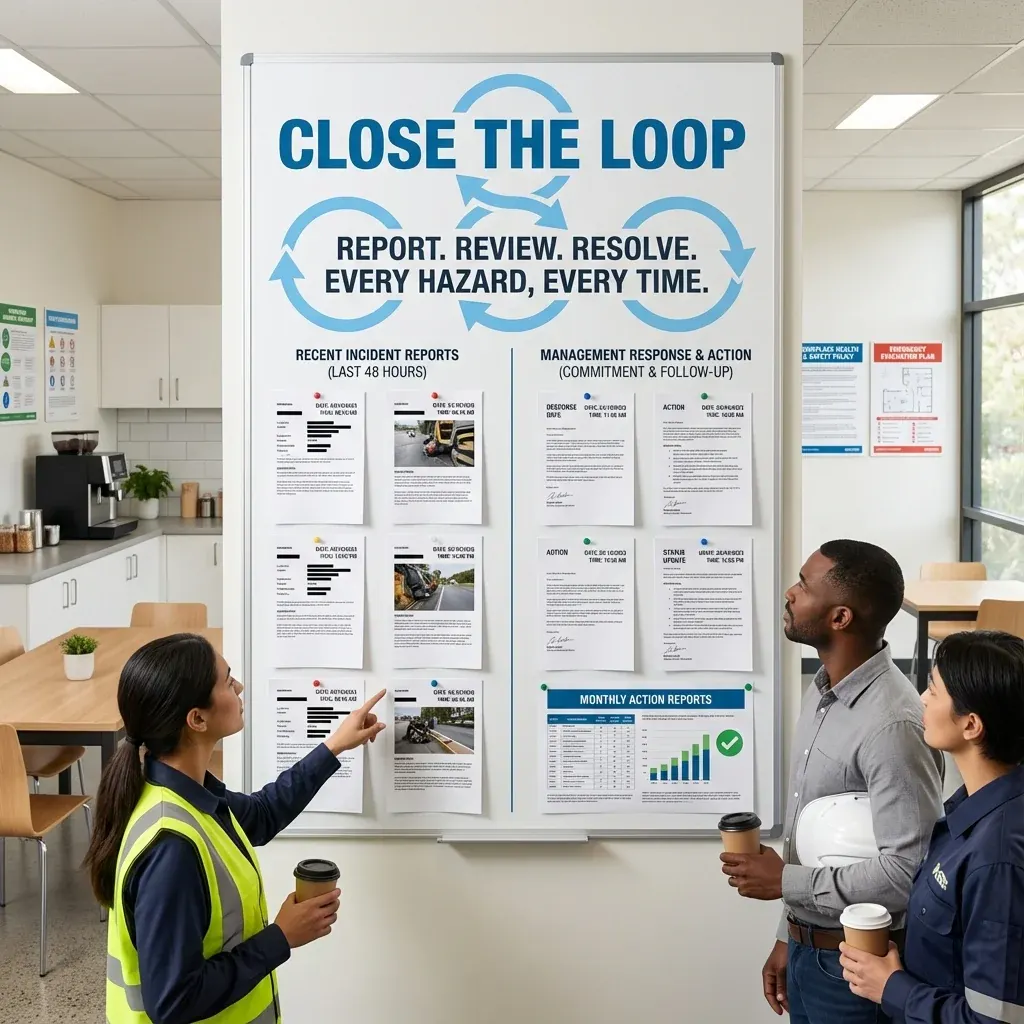
- Create closed-loop communication where every report receives a response within 48 hours
- Publicise actions taken based on worker reports monthly
Safety specialists emphasise that a 'just culture' is critical to SMS effectiveness. Safety committees often include the same individuals year after year, becoming disconnected from broader workforce perspectives. Rotate membership annually with representation from all shifts and departments, reserve agenda time for frontline-identified issues, and require management responses to committee recommendations within 30 days.
Compliance-focused approaches that miss proactive prevention
Documentation-heavy processes that satisfy auditors but don't prevent incidents
Organisations frequently build safety management systems around regulatory compliance minimums rather than actual risk reduction. This creates documentation-heavy processes that satisfy auditors but don't prevent incidents. The focus shifts to demonstrating compliance rather than achieving safety outcomes.
Compliance-driven safety becomes reactive, addressing hazards only after regulations require it or incidents occur. Proactive identification of emerging risks receives minimal attention, and the safety management system becomes an administrative burden rather than a strategic risk management tool.
Risk-based priority setting
- Develop risk assessment protocols that evaluate potential consequences independent of regulatory requirements
- Create risk registers that score hazards by potential harm and exposure frequency
- Allocate safety resources based on risk rankings rather than compliance deadlines
- Review and update risk assessments quarterly as operations change
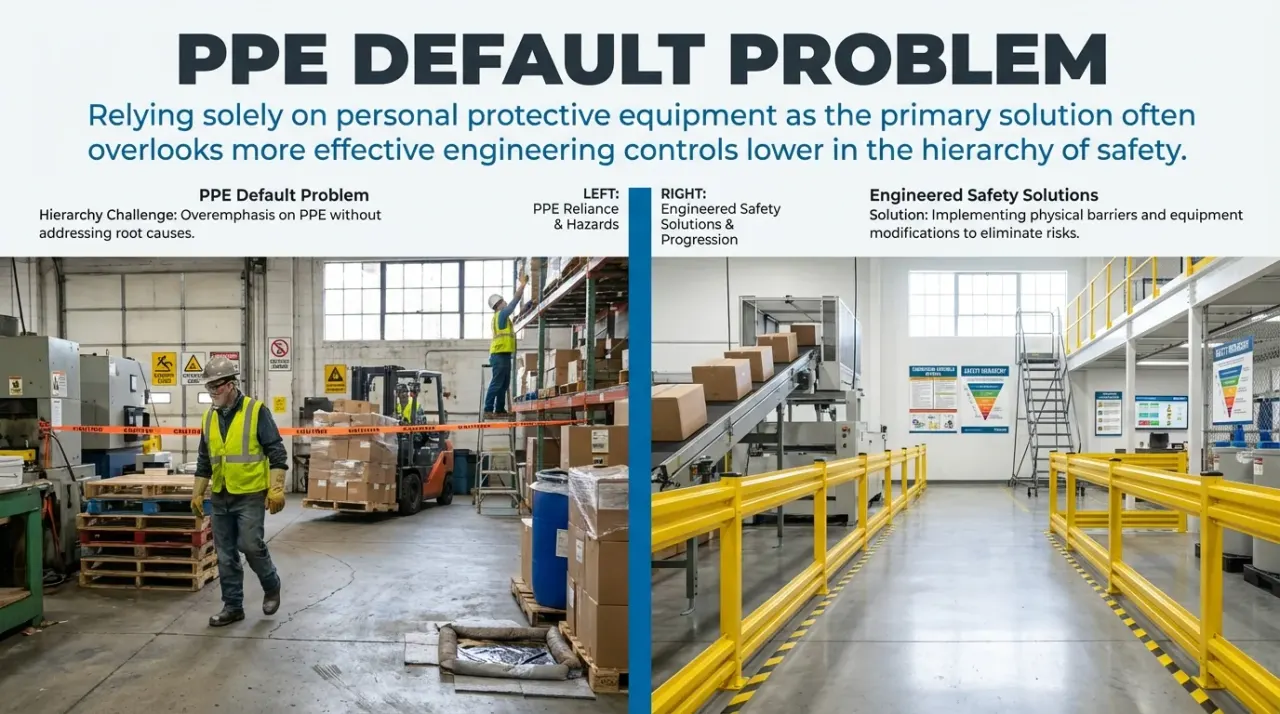
Apply the hierarchy of controls systematically
- Exhaust elimination and substitution options before considering engineering controls
- Evaluate engineering controls fully before implementing administrative solutions
- Use PPE only as the final layer of protection, never the primary control
- Document the decision logic for control selection
Reliance on personal protective equipment and procedural controls while under-using higher-order controls is a documented implementation challenge. Guidance highlights the importance of integrating regulatory compliance into practical SMS processes rather than managing compliance as a separate checklist activity. For transport operators, practical CoR training helps bridge the gap between compliance documentation and genuine risk reduction.
Data management problems that paralyse decision-making
When systems generate reports nobody reads or acts upon
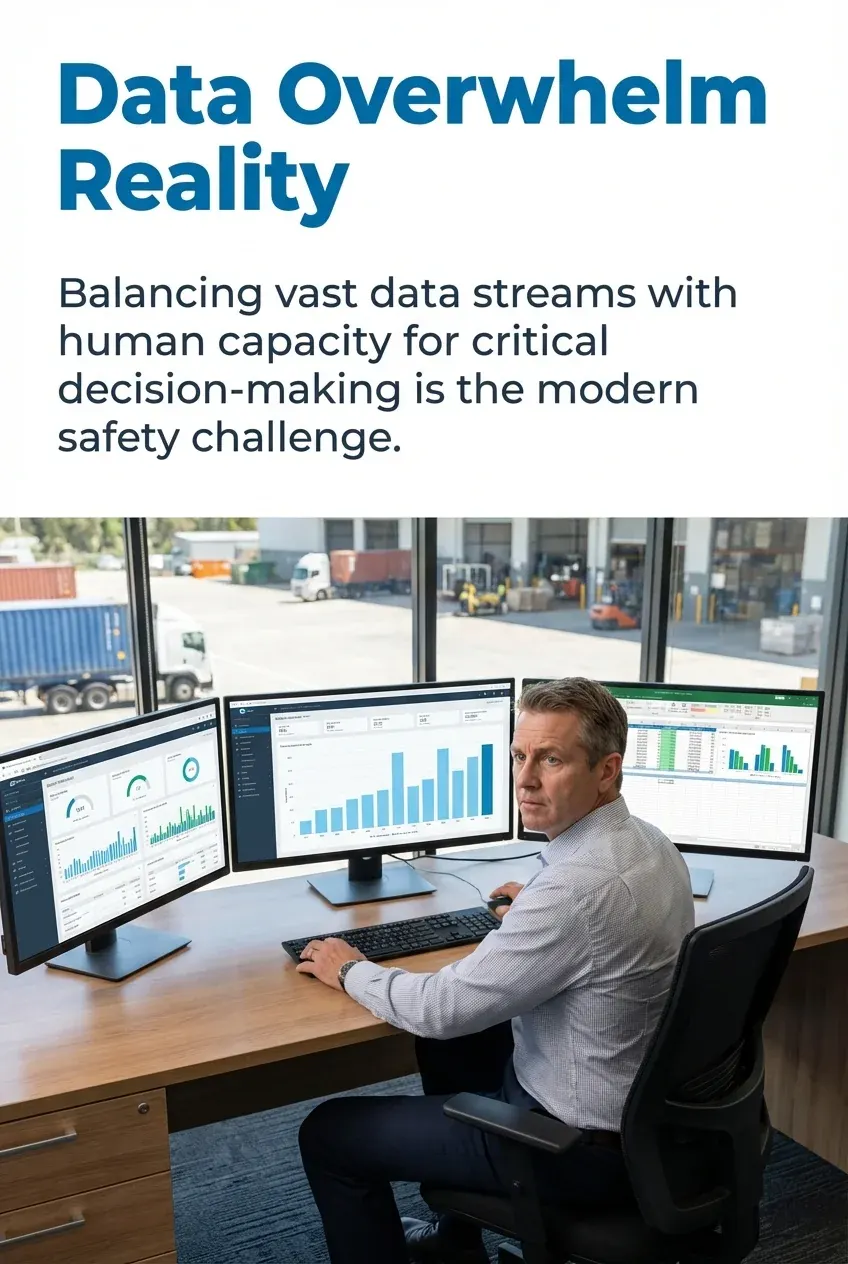
Safety managers report becoming overwhelmed by the volume and variety of SMS data. Systems generate extensive reports that nobody reads or acts upon, and critical patterns disappear in data noise. Manual data collection methods create inconsistency and incompleteness. Different departments use incompatible tracking systems, and historical data remains inaccessible in filing cabinets or outdated software.
Analysis becomes impossible without integrated, accessible information. Most organisations collect extensive safety data but extract minimal insight — reports provide historical descriptions without predictive value, identifying what happened but not why or what might happen next.
Build a data integration architecture
- Consolidate incident reports, inspection findings, training records, and corrective action tracking into a centralised platform
- Implement consistent data standards across all collection points
- Ensure mobile accessibility for field data entry
- Create automated data quality checks that flag incomplete or inconsistent entries
- Integrate safety data with operational systems to enable correlation analysis between safety metrics and production activities
Develop analytics capability
- Build leading indicator dashboards that track proactive safety activities alongside lagging incident metrics
- Calculate incident rates by department, shift, and job type
- Analyse trends over time to identify deteriorating conditions early
- Use statistical process control methods to distinguish normal variation from significant changes requiring intervention
Training inadequacies that create competency gaps
When annual presentations replace genuine learning and behaviour change
Safety training often consists of annual presentations that employees passively attend without genuine learning or behaviour change. Content remains generic rather than job-specific, and delivery methods fail to engage learners or verify competency. Organisations provide initial safety training but neglect ongoing competency development as jobs evolve and new hazards emerge.
Refresher training becomes checkbox compliance rather than skills reinforcement, and training effectiveness receives no measurement beyond attendance tracking.
Move to competency-based training design
- Replace time-based training requirements with competency-based assessments
- Define job-specific competency standards that reflect actual tasks and hazards
- Verify competency through practical demonstration, not just attendance
- Schedule refresher training triggered by role changes, new equipment, or incident patterns rather than fixed calendar intervals
For Australian transport operators, Chain of Responsibility courses can provide role-specific training that connects directly to HVNL duty-holder obligations rather than generic safety content. Effective training connects safety responsibilities to the specific decisions each role makes — from executives setting schedules to loaders managing mass and restraint.
When training reflects real operational decisions, competency improves and the SMS becomes a lived system rather than a filed document. CoR consulting can help operators identify the specific training and evidence gaps that matter most for their operation.
How MAEZ works
Find the gaps. Fix the system. Prove the controls.
MAEZ helps transport operators deal with the compliance risk they already know is there. We help get the Safety Management System in order, protect NHVAS accreditation, reduce fine exposure, and connect training, evidence, and CoRGuard workflows where software is needed.
Find
Identify what is exposed before an auditor or regulator does.
Fix
Build the SMS controls around how the transport business actually runs.
Prove
Use CoRGuard where records, reminders, diaries, audits, and evidence need structure.
From advice to evidence
From MAEZ advice to a working Safety Management System
Advisory work should leave a practical implementation trail. These examples show how CoRGuard supports records, fatigue and driver diary checks, maintenance, audits, document control, inductions, corrective actions, and evidence review after MAEZ identifies the gaps.
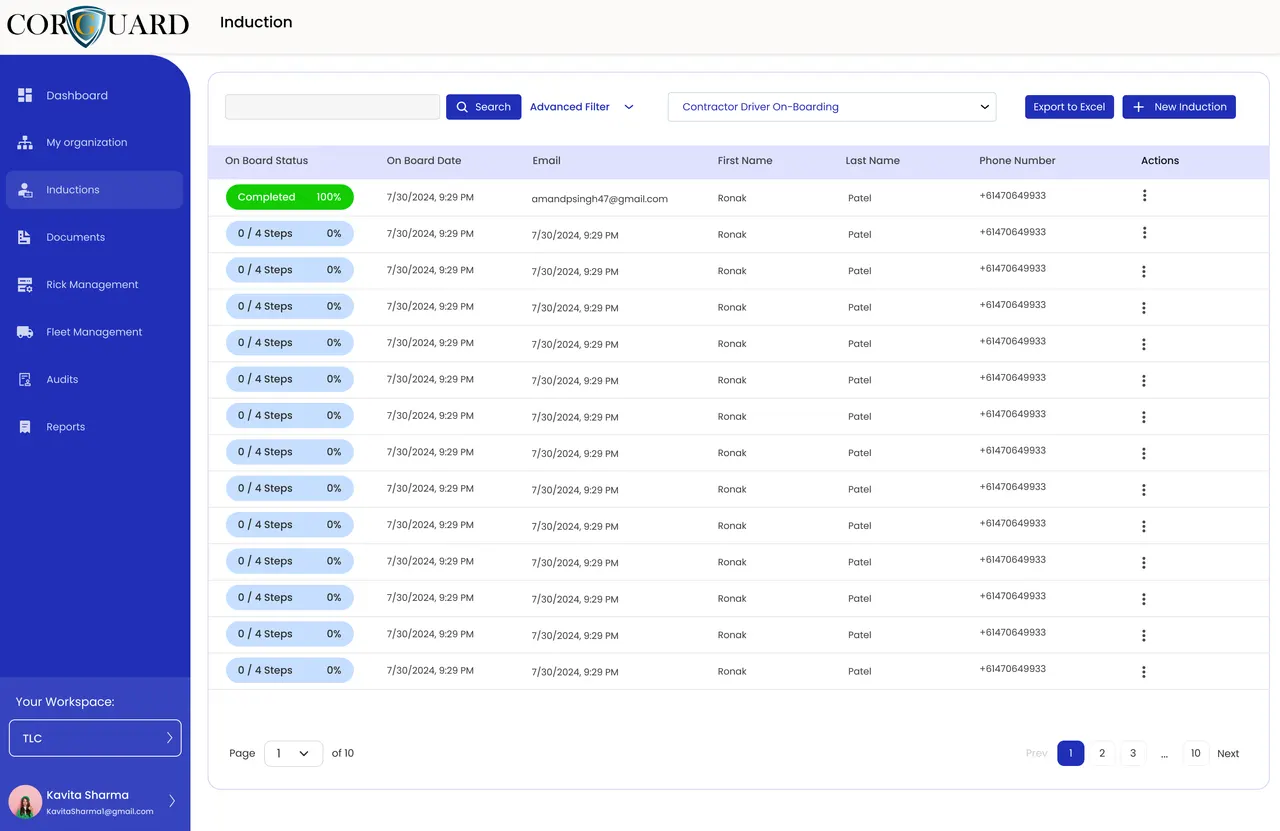
Training records
Connect training completion from cortraining.com.au to evidence and follow-up.
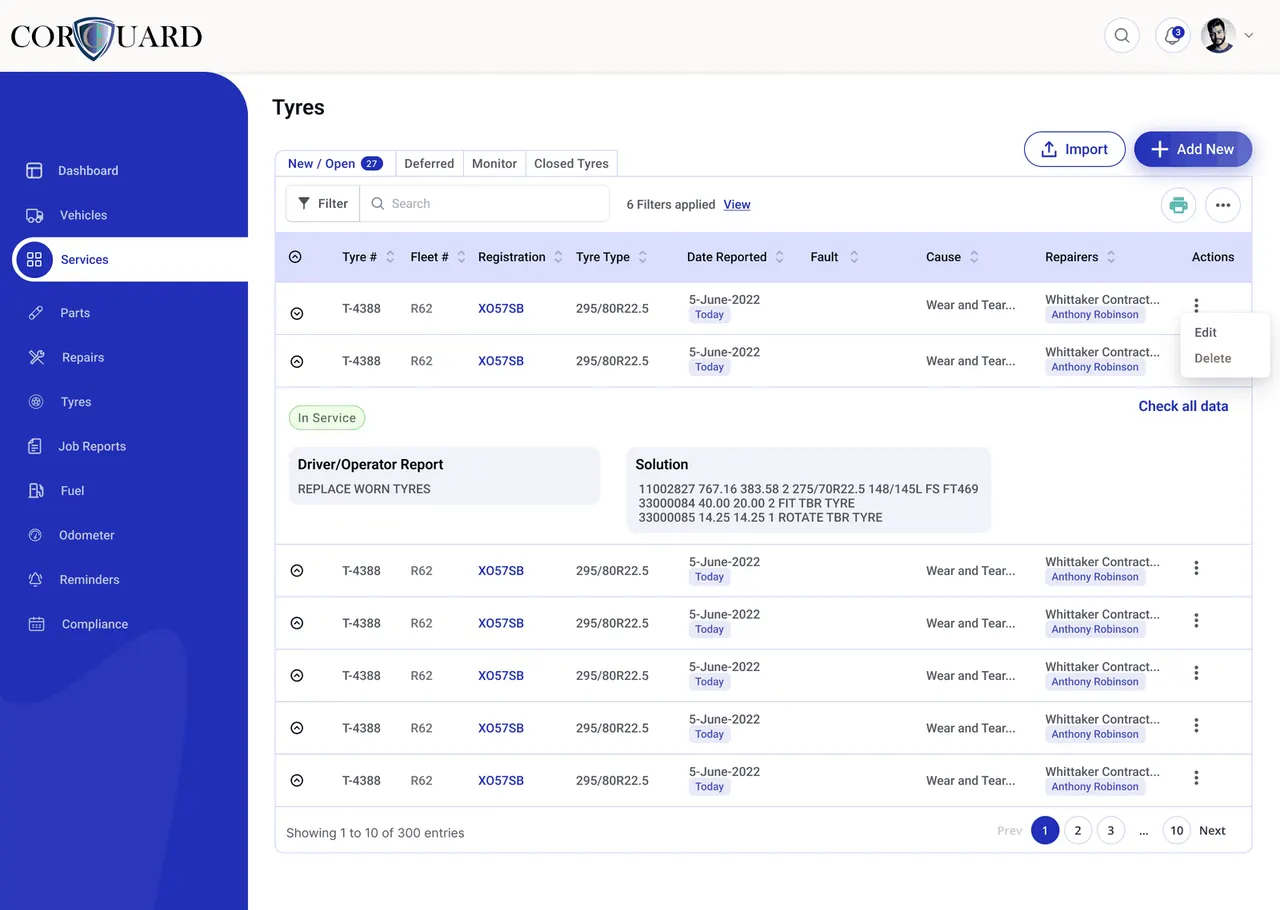
Driver diary checks
Connect fatigue and driver diary review back to manager visibility.
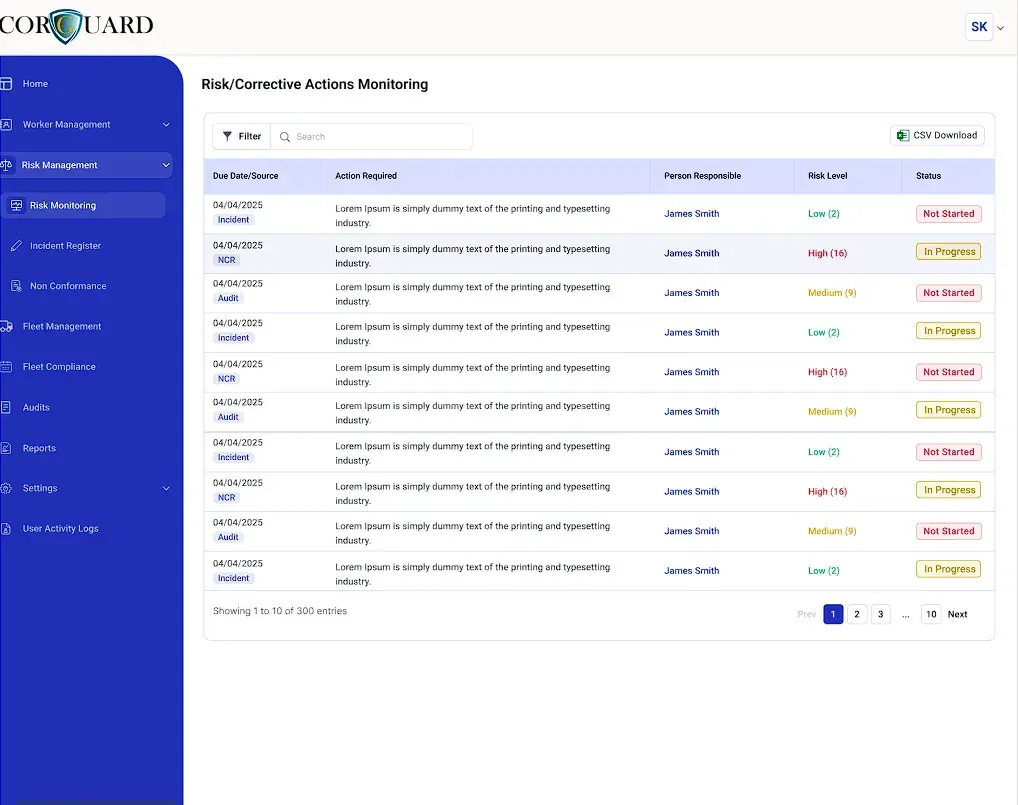
Corrective actions
Turn audit findings, hazards and incidents into tracked actions.
Keep exploring
Related Chain of Responsibility reading
MAEZ insight
Top Safety Management System Best Practices Explained
Discover effective safety management system best practices to reduce risks and improve workplace safety. Learn how operational tools can transform safety.
MAEZ insight
Effective Strategies for Implementing COR Training
Discover how to implement COR training with effective strategies tailored to FAC-COR certification levels. Elevate your skills in contract management.
MAEZ insight
Essential Transport Safety Management Tips for 2024
Discover essential transport safety management tips for 2024, blending regulatory compliance with practical strategies for improved safety culture.
MAEZ insight
Understanding Key Components of a Safety Management System
Discover the four key components of a safety management system and learn how they transform safety from a compliance burden into an operational asset.
MAEZ insight
Ensuring Chain of Responsibility: A Comprehensive Guide
Learn how to ensure chain of responsibility with this guide. Discover the pattern’s mechanics, implementation steps, and practical applications.
MAEZ insight
Understanding Key Challenges in Supply Chain Risk Management
Explore key supply chain risk management issues threatening continuity. Learn strategies to mitigate financial, geopolitical, and environmental risks.
Frequently asked questions
Questions people ask about this topic
What is the most common reason safety management systems fail?
Safety management systems most commonly fail when organisations treat implementation as a compliance project rather than a cultural transformation. The gap between documented procedures and actual workplace behaviour creates systemic weaknesses that audits may miss but incidents expose dramatically.
How does leadership commitment affect safety management system effectiveness?
Leadership support, supervision, and enforcement of procedures are among the strongest determinants of effective SMS implementation. When executives sign policies but don't resource them, skip safety meetings, or override safety decisions for production reasons, they signal that safety is subordinate to other objectives.
Why do workers stop reporting safety hazards and near-misses?
Workers withhold safety information when they fear reporting will trigger blame rather than corrective action, when reporting systems are complex or time-consuming, when feedback loops fail, or when previous reports generated no visible response. A 'just culture' with guaranteed no-retaliation policies is critical to overcoming these barriers.
How can transport operators move beyond checkbox compliance in their SMS?
Transport operators can move beyond checkbox compliance by developing risk assessment protocols that evaluate consequences independent of regulatory requirements, applying the hierarchy of controls systematically, and providing role-specific CoR training that connects safety responsibilities to the actual decisions each role makes.
What should competency-based safety training look like for transport operators?
Competency-based safety training for transport operators should replace time-based requirements with practical assessments, define job-specific competency standards, verify competency through demonstration rather than attendance, and schedule refresher training triggered by role changes or incident patterns rather than fixed calendar intervals.