
MAEZ insight
Essential Transport Safety Management Tips for 2024
Practical transport safety management tips for Australian operators covering leadership culture, vehicle maintenance, driver training, fatigue management, telematics, distracted driving, speed management, and daily inspections.

Unloading decisions can affect safety, scheduling, and responsibility.

Managers need a clear view of gaps before audit or enforcement pressure arrives.

Contractor controls should be verified before the work starts.
Receiving windows, site rules, and unloading delays can all shape the transport task.
Consignors
Freight terms, delivery windows, and KPIs must not push drivers into speed, fatigue, or mass breaches.
Consignees
Receiving rules, site access, and unloading delays are CoR controls that need to be set and evidenced.
Loaders
Mass, dimension, and load restraint decisions need documented checks, not assumptions.
Managers
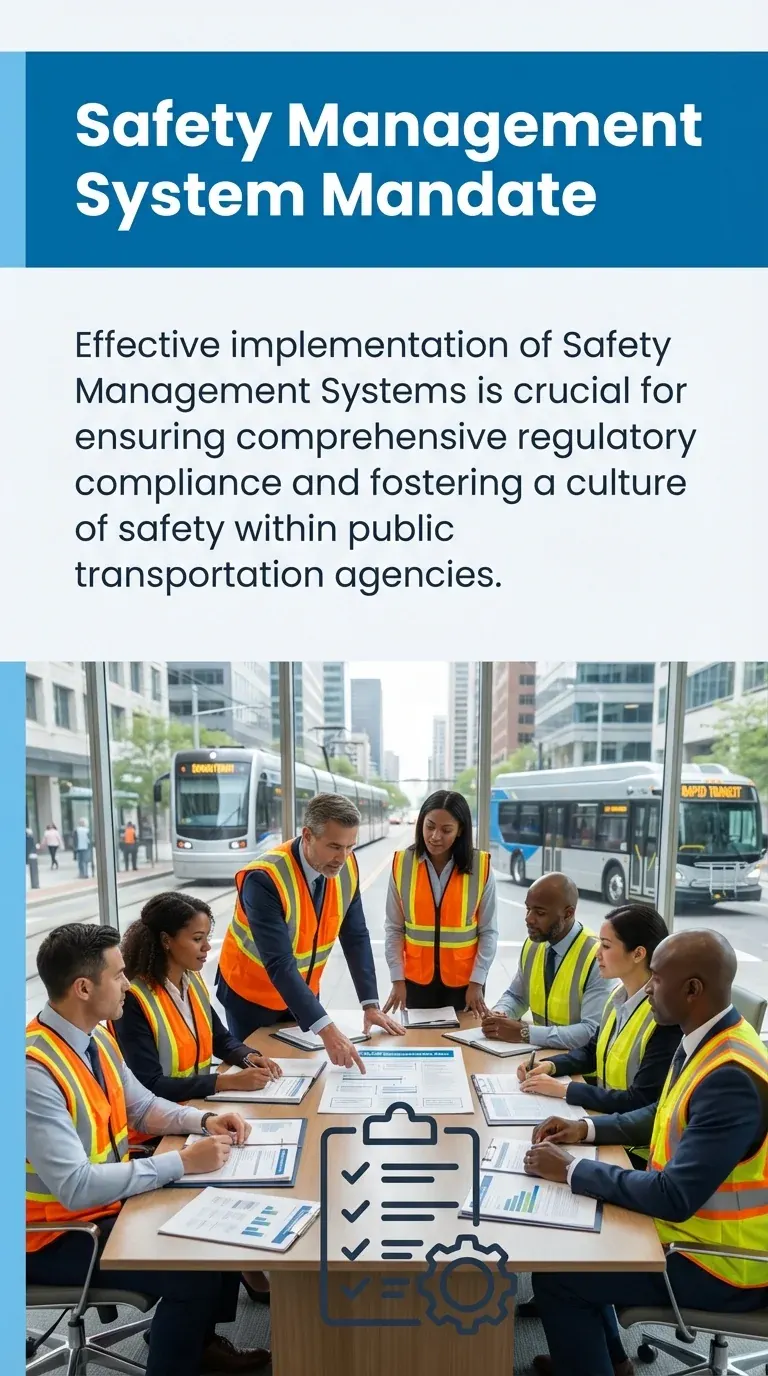
Executives and managers need due-diligence evidence that the Safety Management System is actually working.
What does transport safety management require in 2024?
Structured systems, technology integration, and leadership commitment beyond basic compliance
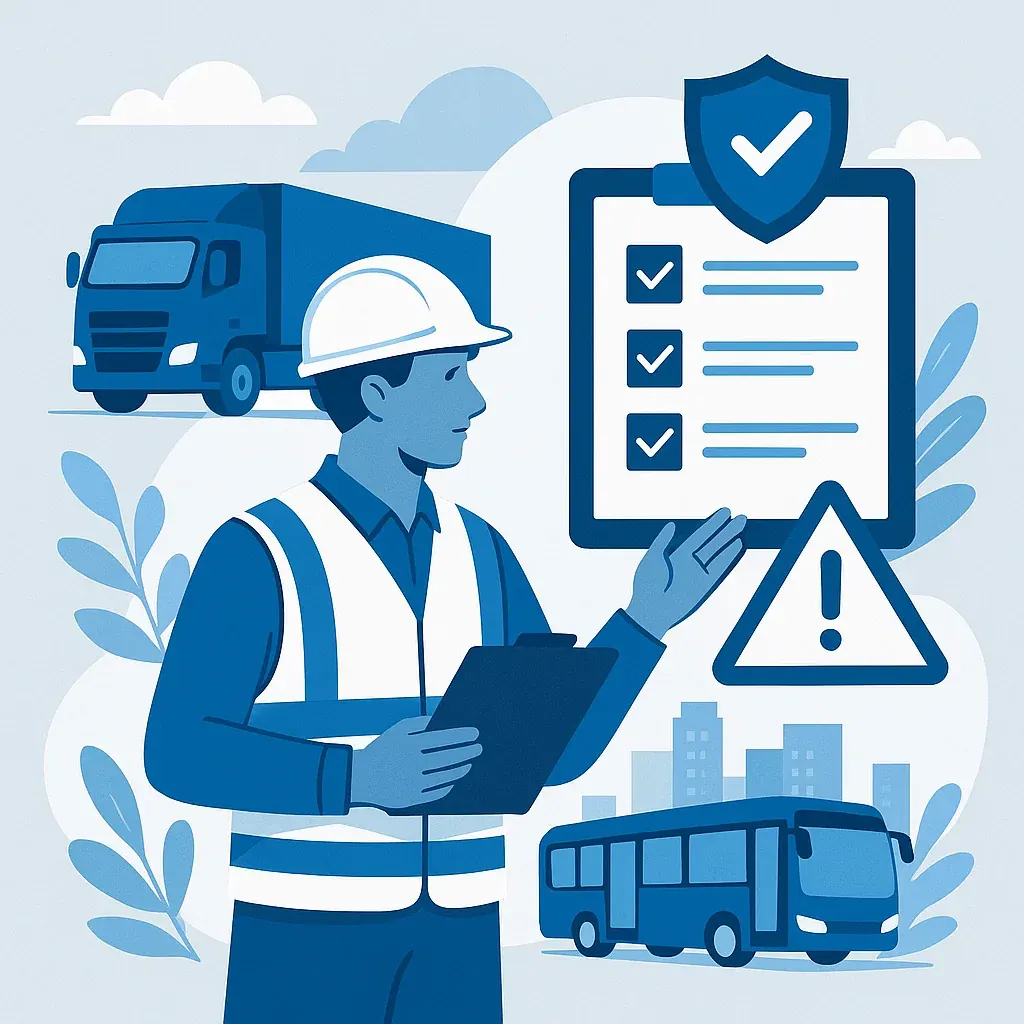
Transport safety management in 2024 requires more than basic regulatory compliance. It demands structured safety management systems, technology integration, and visible leadership commitment to continuous improvement. Under the Heavy Vehicle National Law (HVNL), every party in the chain of responsibility shares a duty to ensure safety so far as is reasonably practicable — meaning safety sits with executives, managers, consignors, loaders, and consignees alike, not just drivers.
Driver fatigue, vehicle maintenance gaps, and distracted driving remain persistent risks across Australian transport operations. Effective safety management integrates regulatory compliance with practical operational strategies — closing gaps with evidence rather than paperwork alone.
For operators, practical compliance support starts with understanding where your gaps are and closing them with documented evidence. The tips below reflect current industry practices and the regulatory framework established by the HVNL.
Key safety management areas covered
- Leadership commitment and safety culture
- Vehicle maintenance programs
- Driver training and education
- Fatigue management
- Telematics and data-driven safety
- Distracted driving and speed management
- Daily pre-trip and post-trip inspections
How does leadership commitment build safety culture?
Safety culture starts at the executive level and depends on visible, consistent action
Safety culture starts at the executive level. Management must demonstrate visible commitment through resource allocation, policy enforcement, and active participation in safety processes. When executives attend safety meetings, review incident reports, and support training investments, they signal that safety matters beyond compliance documentation.
This is consistent with the HVNL's executive duty provisions, which place personal responsibility on executives of legal entities for ensuring the business meets its safety obligations. Executives cannot delegate this duty away — it requires active engagement.
Practical leadership actions
- Hold monthly safety committee meetings with cross-functional representation
- Review incident trends and near-miss reports regularly
- Assign action items with deadlines and clear ownership
- Include safety performance in manager evaluations and link compensation to safety outcomes
- Recognise employees who identify hazards or suggest improvements
- Create reporting channels that protect workers from retaliation
Communicate safety expectations clearly and publish policies in accessible formats. Ensure all workers understand their responsibilities under your safety management system. For executives and managers looking to strengthen their understanding of these duties, Chain of Responsibility training for executives and managers provides a practical starting point.
What vehicle maintenance programs prevent incidents?
Structured maintenance reduces breakdown risks and extends asset life
Vehicle maintenance prevents the mechanical failures that cause incidents. Structured maintenance programs reduce breakdown risks, extend asset life, and provide the documentation needed for regulatory compliance and warranty claims.
Establish maintenance schedules based on manufacturer recommendations and operational demands. Track maintenance history for each vehicle and use this data to identify recurring issues and optimise replacement cycles. Digital maintenance management systems improve tracking accuracy and reporting capabilities.
Critical maintenance components
- Brake systems: Require regular inspection and immediate repair when issues arise
- Tyres: Rotation and replacement prevent blowouts that cause loss of control
- Fluids: Monitor oil, coolant, and brake fluid levels systematically; establish replacement intervals based on usage patterns
- Minor defects: Address promptly — small problems escalate when ignored
Conduct daily pre-trip and post-trip inspections. Train drivers to identify brake system issues, tyre wear, and fluid leaks. Empower drivers to remove unsafe vehicles from service. Document all maintenance activities thoroughly.
How do driver training programs improve safety outcomes?
Driver capability directly impacts safety — structured training builds skills and reinforces safe behaviours
Driver capability directly impacts safety outcomes. Structured training programs improve skills, reinforce safe behaviours, and help drivers understand their role within the broader chain of responsibility.
Provide comprehensive onboarding for new drivers covering vehicle operation, company safety policies, and regulatory requirements. Assess competency before assigning independent duties. Deliver ongoing training throughout employment to address emerging risks, new equipment, and regulatory changes.
Training program components
- Defensive driving techniques: Teach drivers to anticipate hazards, maintain safe following distances, and manage blind spots and lane changes
- Fatigue management education: Drivers need to recognise early fatigue symptoms and understand the importance of rest breaks, complementing regulatory hours-of-service requirements
- Distracted driving prevention: Establish clear policies on mobile phone use and explain how attention lapses contribute to incidents
- Work zone safety: Construction zones require heightened awareness and speed reduction; drivers should understand traffic control devices and appropriate responses
For operators needing role-based CoR training, practical Chain of Responsibility courses cover the obligations each party in the chain must understand.
How do you combat driver fatigue systematically?
Fatigue degrades alertness and reaction time — systematic management protects drivers and other road users
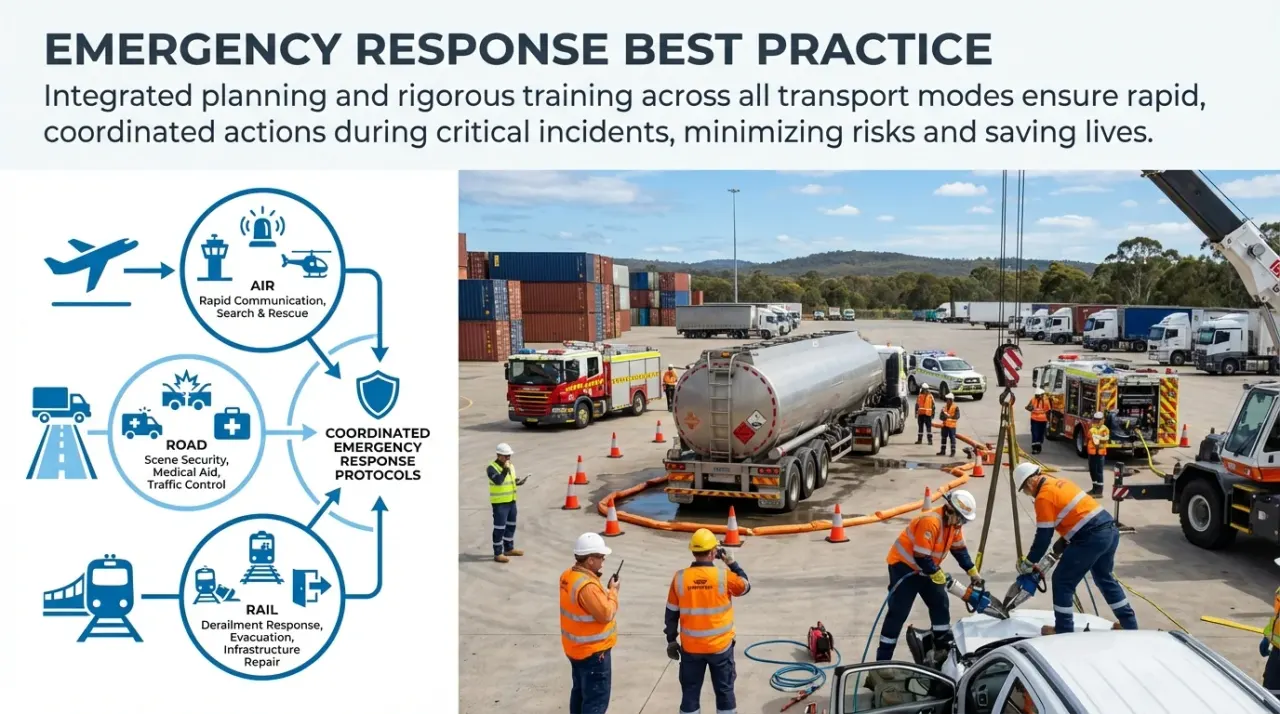
Driver fatigue degrades alertness and reaction time. Systematic fatigue management protects drivers and other road users. Hours-of-service regulations under the HVNL set maximum driving periods and minimum rest requirements. Compliance forms the foundation of fatigue management, but it is a floor — not a ceiling.
Monitor driver schedules proactively. Identify patterns that may indicate fatigue risk and consider factors beyond regulatory limits, including route difficulty and time of day. Encourage drivers to prioritise sleep quality and provide resources on sleep hygiene and fatigue recognition.
Fatigue risk factors
- Night driving: Circadian rhythms affect alertness during overnight hours — schedule adequate recovery time after night shifts
- Long continuous driving periods: Cumulative fatigue builds over long routes — break routes into manageable segments and plan rest stops strategically
- Environmental factors: Heat, noise, and vibration increase physical stress — address through vehicle selection and maintenance
Create a culture where drivers feel comfortable reporting fatigue without fear of penalty.
How does telematics enable data-driven safety management?
Objective data enables proactive coaching and systemic risk identification
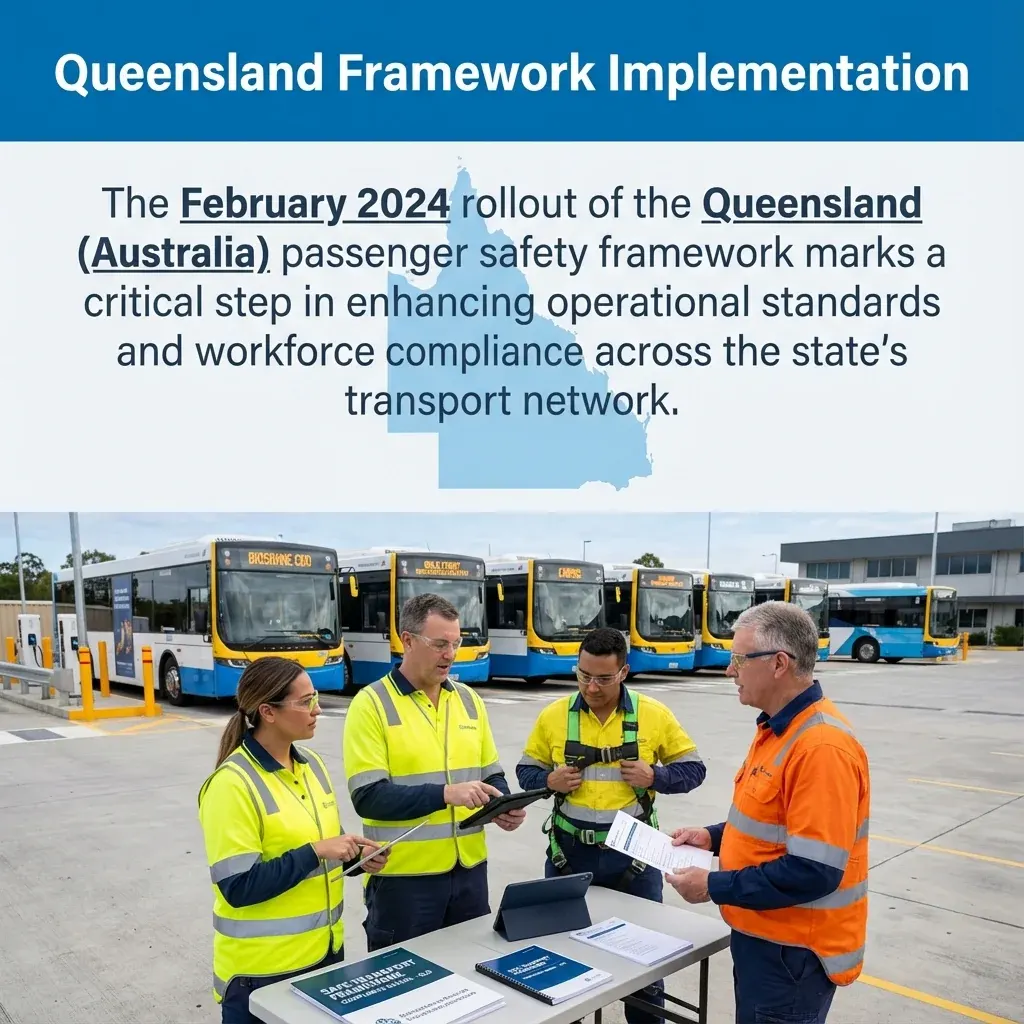
Technology provides objective data for safety management. Telematics systems track vehicle location, speed, and operational parameters. This data enables proactive safety management and coaching opportunities that go beyond reactive incident response.
Dashboard cameras provide incident documentation and driver coaching opportunities. Forward-facing cameras capture roadway conditions, while driver-facing cameras identify distracted driving and fatigue indicators. GPS tracking enables route optimisation and improved response to breakdowns.
Technology implementation strategies
- Introduce technology with clear communication about safety objectives — address driver privacy concerns transparently
- Focus on safety improvement rather than punitive enforcement
- Use telematics data for coaching conversations — review speeding events, harsh braking, and rapid acceleration with drivers
- Provide specific feedback and improvement strategies rather than generic warnings
- Analyse aggregate data to identify systemic issues — route-specific hazards, scheduling pressures, and training gaps become visible through data analysis
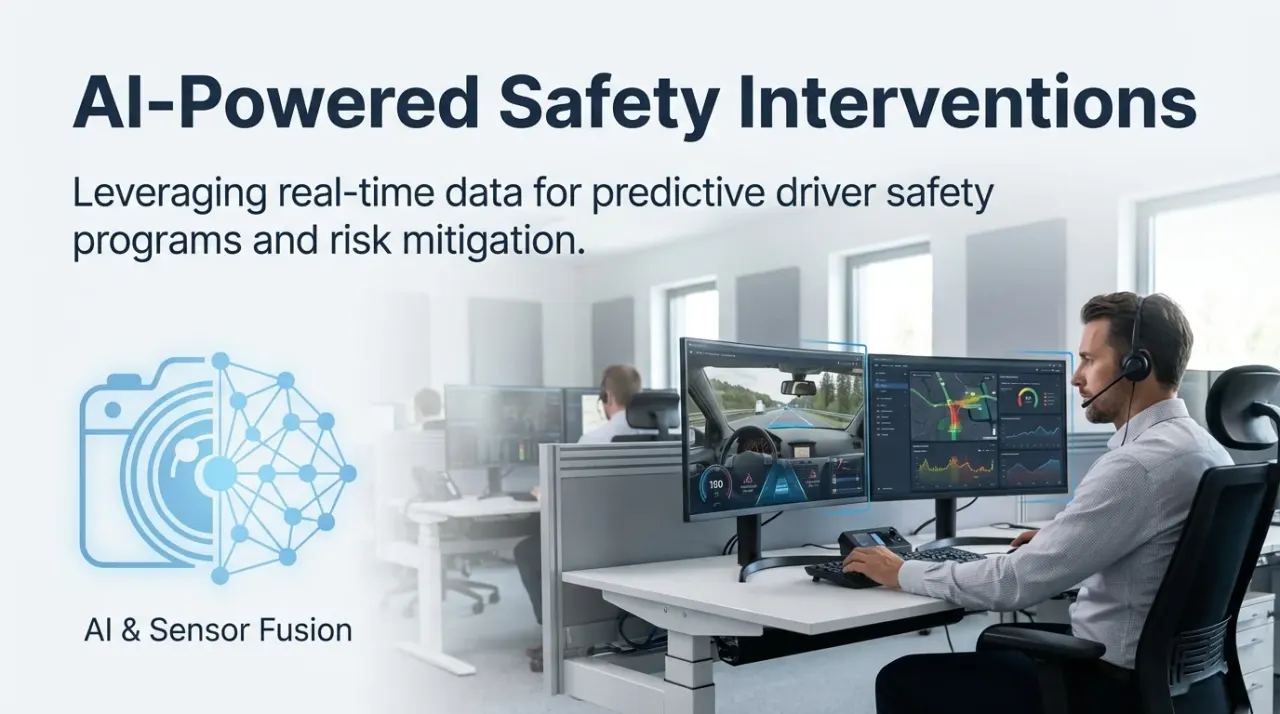
Agencies worldwide are exploring advanced data use. For example, generative AI pilots at California's Department of Transportation use sensor and camera data to trigger safety interventions — an example of how data-driven approaches are evolving in transport safety.
How do you eliminate distracted driving and enforce speed management?
Two persistent risks demand clear policies, consistent enforcement, and coaching
Distracted driving removes driver attention from the roadway. Mobile phones represent the most common distraction source. Establish clear policies prohibiting mobile phone use while driving and define acceptable hands-free communication methods. Enforce policies consistently and use technology to detect phone use violations.
Address other distraction sources — eating, adjusting controls, and interacting with passengers all divert attention. Train drivers on attention management strategies.
Distraction prevention tactics
- Encourage drivers to complete administrative tasks while parked
- Design dispatch systems that minimise communication needs while driving
- Batch route changes and information updates for when drivers stop
- Promote situational awareness — drivers should scan the roadway systematically and maintain appropriate following distances
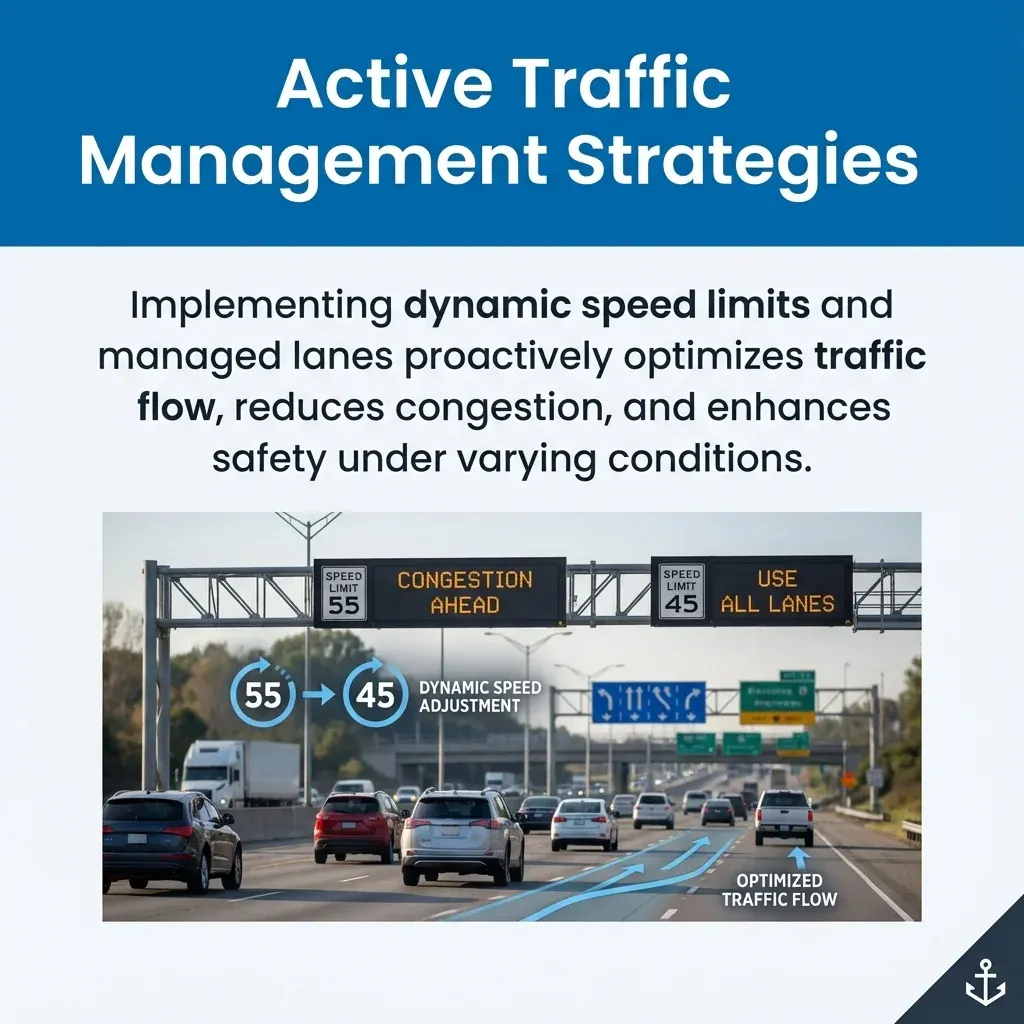
Speed affects stopping distance and collision severity. Speed management reduces incident frequency and severity. Set speed policies appropriate to operating conditions — consider road type, traffic density, and weather. Policies may be more restrictive than posted speed limits.
Use telematics to monitor speed compliance. Identify speeding patterns and address them through coaching. Focus on repeated violations rather than isolated instances. Consider vehicle speed limiters for fleet consistency and recognise drivers who maintain appropriate speeds through positive reinforcement.
Why are daily pre-trip and post-trip inspections essential?
Structured daily inspections catch defects before they cause incidents
Daily vehicle inspections identify defects before they cause incidents. Structured inspection processes ensure consistency and thoroughness across your fleet. Provide drivers with detailed inspection checklists covering all safety-critical systems including brakes, tyres, lights, and steering components.
Require documentation of inspection results. Train drivers to recognise defects and understand what constitutes an out-of-service condition. Empower drivers to remove unsafe vehicles from operation without fear of penalty.
Post-trip inspections identify issues that developed during operations. This creates a feedback loop — defects found post-trip can be repaired before the next shift begins, preventing escalation and reducing the risk of in-service failures.
Inspection essentials
- Cover all safety-critical systems: brakes, tyres, lights, steering, coupling, and load restraints
- Document every inspection result — paper or digital
- Train drivers on defect recognition and out-of-service criteria
- Create a no-blame culture for reporting vehicle defects
For broader support in building evidence-based safety systems, contact MAEZ to discuss your transport compliance needs.
How MAEZ works
Find the gaps. Fix the system. Prove the controls.
MAEZ helps transport operators deal with the compliance risk they already know is there. We help get the Safety Management System in order, protect NHVAS accreditation, reduce fine exposure, and connect training, evidence, and CoRGuard workflows where software is needed.
Find
Identify what is exposed before an auditor or regulator does.
Fix
Build the SMS controls around how the transport business actually runs.
Prove
Use CoRGuard where records, reminders, diaries, audits, and evidence need structure.
From advice to evidence
From MAEZ advice to a working Safety Management System
Advisory work should leave a practical implementation trail. These examples show how CoRGuard supports records, fatigue and driver diary checks, maintenance, audits, document control, inductions, corrective actions, and evidence review after MAEZ identifies the gaps.
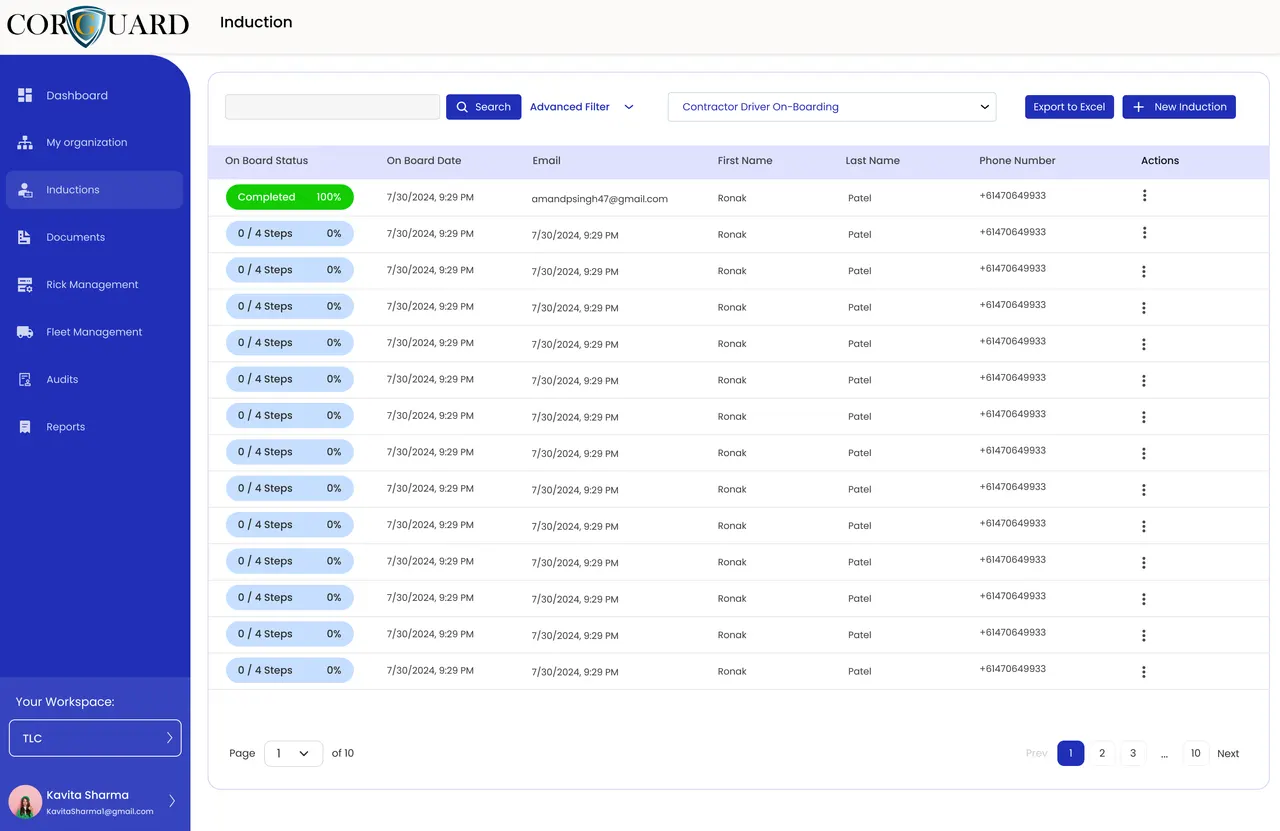
Training records
Connect training completion from cortraining.com.au to evidence and follow-up.
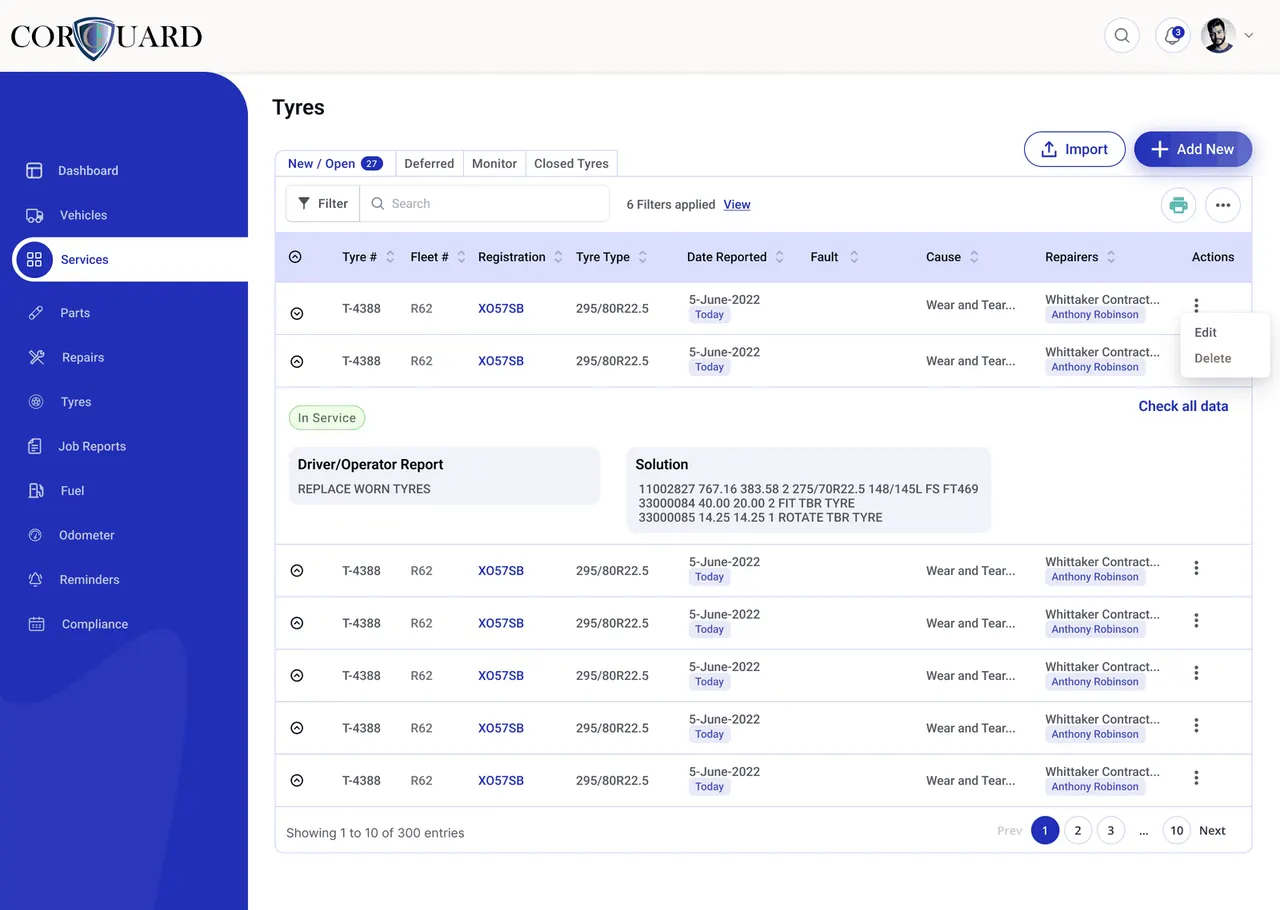
Driver diary checks
Connect fatigue and driver diary review back to manager visibility.
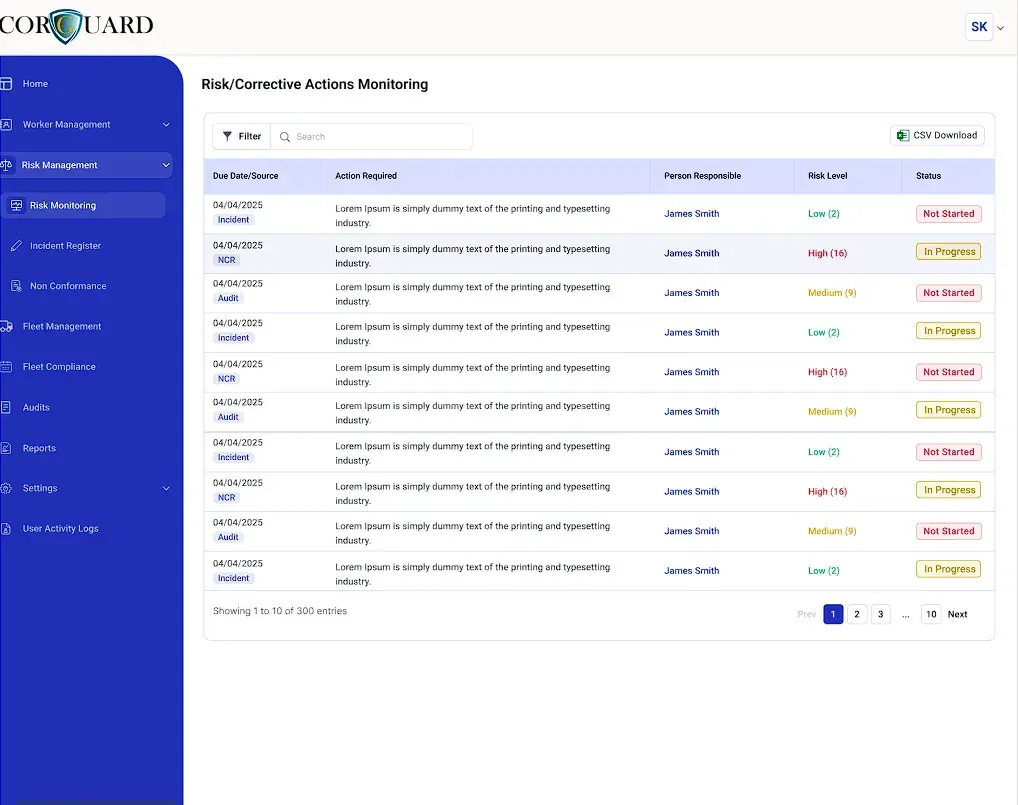
Corrective actions
Turn audit findings, hazards and incidents into tracked actions.
Keep exploring
Related Chain of Responsibility reading
MAEZ insight
Understanding Key Components of a Safety Management System
Discover the four key components of a safety management system and learn how they transform safety from a compliance burden into an operational asset.
MAEZ insight
Ensuring Chain of Responsibility: A Comprehensive Guide
Learn how to ensure chain of responsibility with this guide. Discover the pattern’s mechanics, implementation steps, and practical applications.
MAEZ insight
Understanding Key Challenges in Supply Chain Risk Management
Explore key supply chain risk management issues threatening continuity. Learn strategies to mitigate financial, geopolitical, and environmental risks.
MAEZ insight
Top Transport Safety Tips: Best Practices Explained
Discover essential best practices in transport safety, from driver training to vehicle maintenance, and enhance safety outcomes in your operations.
MAEZ insight
What Is Chain of Responsibility 2.0
Understand the Chain of Responsibility within HVNL. Learn CoR obligations, penalties, and how to ensure safety and compliance in transport operations.
MAEZ insight
Effective Supply Chain Risk Management: Real-World Examples
Discover effective Supply Chain Risk Management examples to protect your business from disruptions. Learn strategies for resilience and risk mitigation.
Frequently asked questions
Questions people ask about this topic
What does the HVNL require of executives for transport safety management?
Under the Heavy Vehicle National Law, executives of legal entities have a personal duty to ensure the business meets its safety obligations so far as is reasonably practicable. This means executives must actively engage with safety processes — attending safety meetings, reviewing incidents, and resourcing training — rather than delegating safety responsibility entirely.
Is HVNL hours-of-service compliance enough for fatigue management?
No. HVNL hours-of-service regulations set maximum driving periods and minimum rest requirements, but compliance is a floor, not a ceiling. Effective fatigue management also requires monitoring driver schedules for risk patterns, considering route difficulty and time of day, and building a culture where drivers feel comfortable reporting fatigue.
How should telematics data be used for safety management?
Telematics data should be used for proactive coaching conversations with drivers, reviewing events such as speeding, harsh braking, and rapid acceleration. Aggregate data analysis also helps identify systemic issues like route-specific hazards, scheduling pressures, and training gaps — focusing on safety improvement rather than punitive enforcement.
What should daily pre-trip and post-trip inspections cover?
Daily inspections should cover all safety-critical systems including brakes, tyres, lights, steering, coupling, and load restraints. Drivers must document every inspection result, be trained on defect recognition and out-of-service criteria, and be empowered to remove unsafe vehicles from service without penalty.
How can operators address distracted driving beyond mobile phone policies?
Beyond prohibiting mobile phone use while driving, operators should address other distractions like eating and adjusting controls, design dispatch systems that minimise communication needs during driving, batch route changes for when drivers stop, and train drivers on attention management and situational awareness strategies.