
MAEZ insight
Understanding Key Components of a Safety Management System
Learn the four key components of a Safety Management System—Safety Policy, Risk Management, Assurance, and Promotion—and how they transform safety from a compliance burden into an operational asset for Australian transport operators.

Unloading decisions can affect safety, scheduling, and responsibility.

Managers need a clear view of gaps before audit or enforcement pressure arrives.

Contractor controls should be verified before the work starts.
Receiving windows, site rules, and unloading delays can all shape the transport task.
Consignors
Freight terms, delivery windows, and KPIs must not push drivers into speed, fatigue, or mass breaches.
Consignees
Receiving rules, site access, and unloading delays are CoR controls that need to be set and evidenced.
Loaders
Mass, dimension, and load restraint decisions need documented checks, not assumptions.
Managers
Executives and managers need due-diligence evidence that the Safety Management System is actually working.
What is a Safety Management System?
An operating system for safety, not just a set of documents
A Safety Management System (SMS) is a structured framework that reduces workplace incidents and supports regulatory compliance by systematically identifying, assessing, and controlling safety risks. It integrates safety into every operational decision—from daily task planning to strategic business choices—shifting focus from reacting to incidents to preventing them through proactive risk management.
Think of an SMS as your organisation's operating system for safety: it coordinates processes, allocates resources, and ensures different departments work toward common safety objectives. The system touches everyone. Executives establish policy and allocate resources. Managers implement controls and monitor performance. Workers identify hazards and follow procedures.
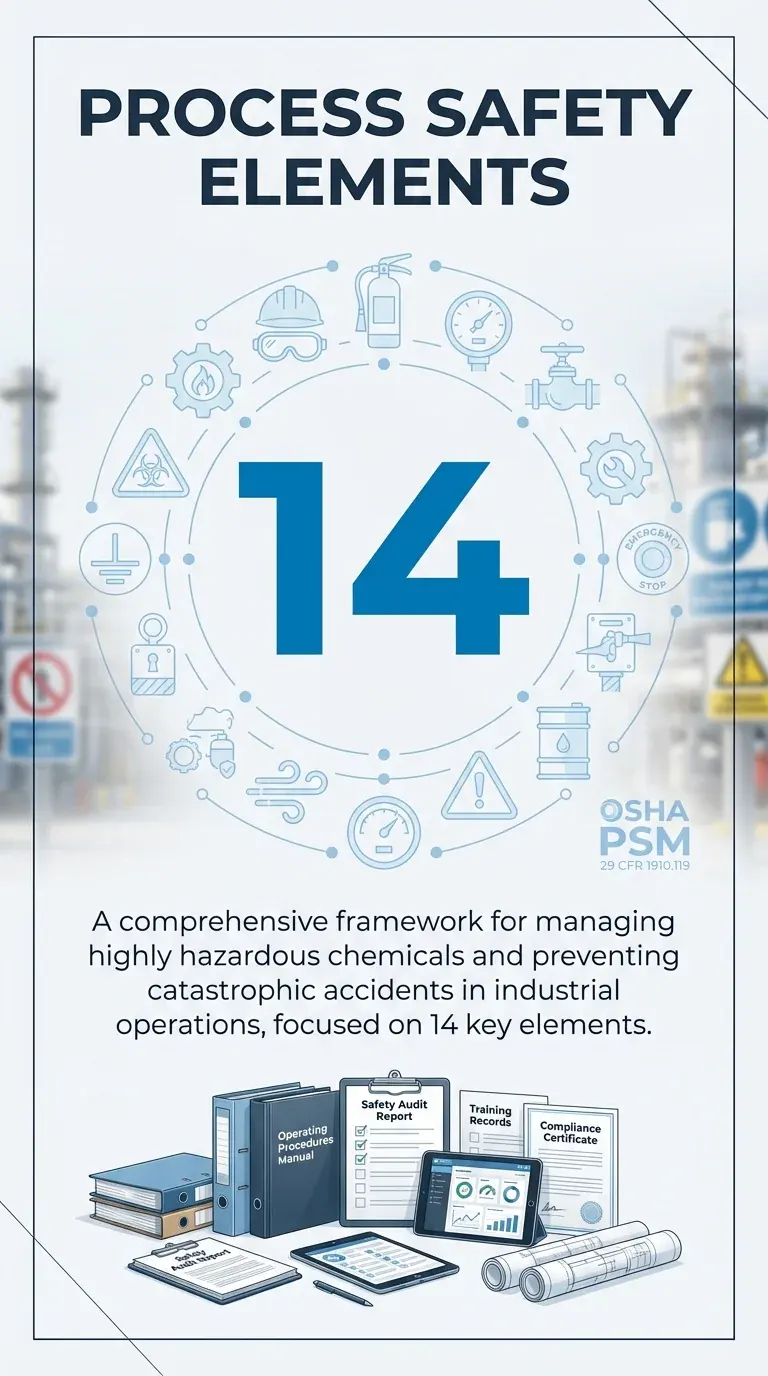
Several SMS frameworks exist across industries. ISO 45001-based systems focus on leadership commitment within a Plan-Do-Act-Check cycle. Process Safety Management includes 14 distinct elements targeting chemical process safety. All effective frameworks share common DNA: leadership commitment, systematic hazard identification, risk assessment and control, performance monitoring, continuous improvement, and workforce engagement.
For Australian transport operators, an SMS also intersects directly with Chain of Responsibility obligations, where each party in the transport chain shares responsibility for safety under the HVNL. The primary duty under the HVNL requires parties to ensure, so far as is reasonably practicable, the safety of transport activities.
SMS frameworks differ from traditional safety programs in one fundamental way: they move beyond reacting to incidents toward preventing them through systematic, integrated risk management.
The four pillars of an SMS
Each pillar reinforces the others in a continuous cycle
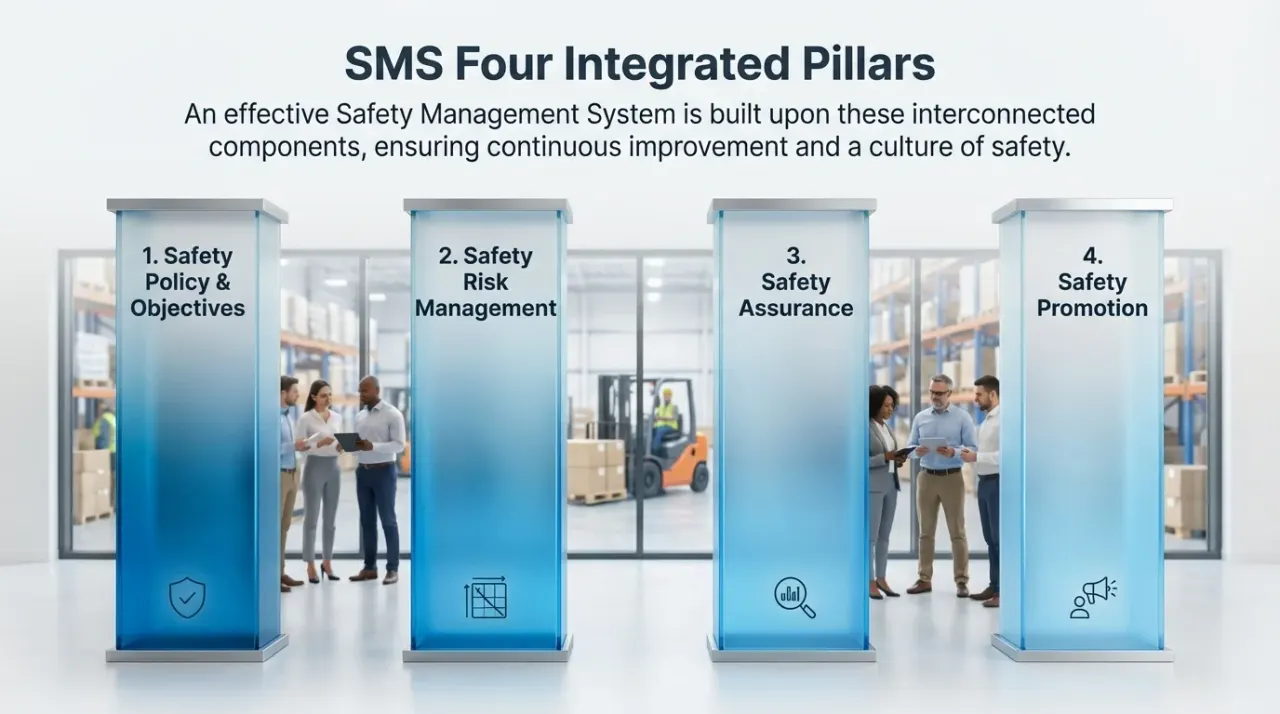
An SMS rests on four integrated pillars that together transform safety from a compliance burden into an operational asset:
- Safety Policy — sets organisational direction and defines safety objectives.
- Safety Risk Management — identifies hazards, assesses risks, and implements controls.
- Safety Assurance — monitors system performance and validates that controls work as intended.
- Safety Promotion — builds the culture and competence needed to sustain the SMS.
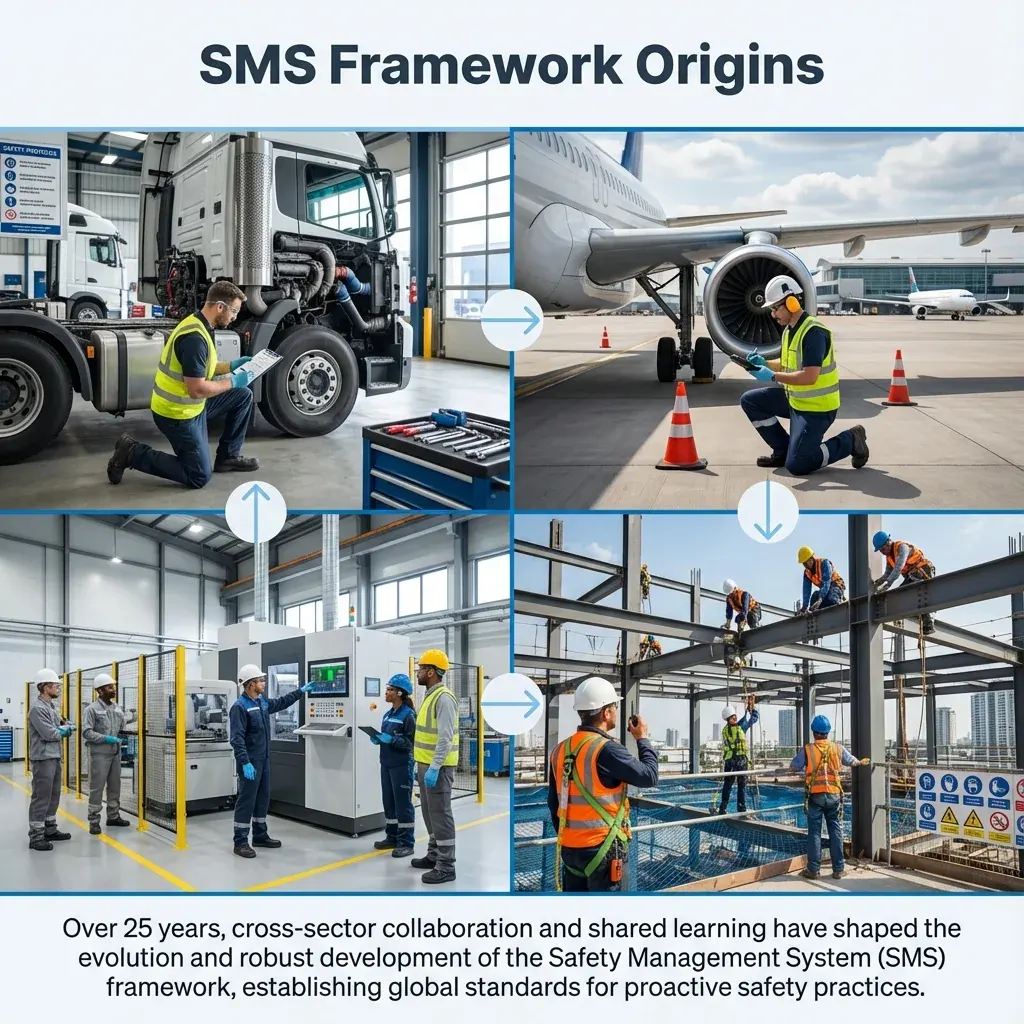
These pillars reflect 25 years of learning from heavy vehicle operations, aviation, manufacturing, and construction environments where safety failures carry real consequences. Each pillar addresses a distinct question:
Primary focus of each component
- Safety Policy — What does safety mean here? Direction and commitment.
- Safety Risk Management — What could go wrong? Hazard control.
- Safety Assurance — Is the system working? Performance monitoring.
- Safety Promotion — How do we sustain this? Culture and competence.
Each pillar depends on the others. Clear policy enables systematic risk management. Ongoing assurance validates controls. Promotion embeds safety thinking into daily decisions. When organisations implement these components properly, they see fewer incidents, stronger regulatory standing, and measurable operational improvements.
How the four components work together
Weak performance in any single pillar undermines the whole system
These components don't operate in isolation. Policy decisions influence which risks receive priority attention. Risk management findings reveal where assurance monitoring should focus. Assurance data informs promotion activities. Promotion strengthens policy compliance. The cycle continues, creating a self-reinforcing system.
Understanding this interconnection matters because weak performance in any single component undermines the entire SMS:
- Strong policy with poor risk management leaves hazards uncontrolled.
- Excellent risk management without assurance means you never verify controls work.
- Robust assurance without promotion fails to build the culture needed to sustain performance.
A framework that adapts across sectors
The framework applies whether you're managing a transport fleet, running airport operations, or overseeing construction projects. Each sector adapts the components to fit their specific hazards, but the underlying structure remains consistent. What changes is how you implement each pillar to address your operational reality.
Safety Policy: direction and commitment
The foundation that supports all other SMS activities
Safety Policy comes first because it establishes the foundation that supports all other SMS activities. It answers the question: what does safety mean for our organisation?
Management commitment and accountability
Safety Policy begins with visible, active commitment from the Accountable Executive—a senior leader with budget authority who holds ultimate responsibility for SMS implementation and performance. This role isn't ceremonial. The Accountable Executive approves safety objectives, allocates resources, reviews performance data, and makes decisions when safety conflicts with other business priorities.
Accountability structures define who does what. Document reporting relationships, decision authorities, and specific responsibilities for each key safety role. When an incident occurs or a hazard is identified, everyone should know who has authority to act. Clear accountability prevents the diffusion of responsibility that undermines safety systems.
Safety objectives and performance targets
Safety Policy must include measurable objectives that define what success looks like. Effective objectives specify what will be achieved, by when, and how progress will be measured. "Reduce reportable incidents" is too vague. "Reduce reportable incidents by 20% within 12 months, measured monthly against baseline" provides clear direction.
Set objectives at multiple levels: organisational, departmental, and individual. Review and update objectives regularly as you achieve targets or as operations change.
Documentation and communication
Document your Safety Policy in writing—concise, accessible, and written in language your workforce understands. Avoid lengthy regulatory recitations. Focus on practical commitments and expectations. Communicate the policy actively: post it visibly, include it in onboarding programs, and reference it in safety meetings.
Review and update the policy when operations change significantly, when regulatory requirements shift, or when performance data reveals gaps. Annual reviews work well for most organisations, with interim updates as needed.
Safety Risk Management: identifying and controlling hazards
Systematic processes to prevent incidents before they happen
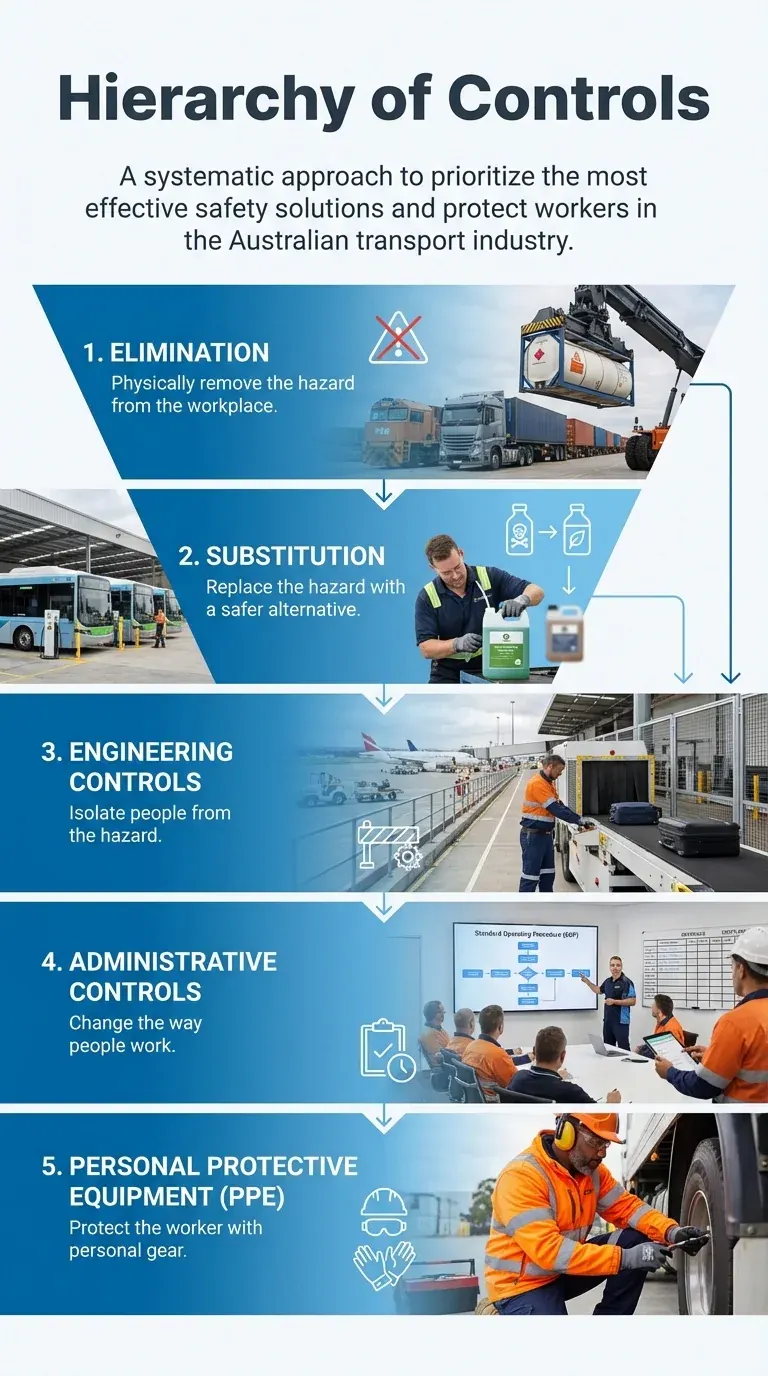
Safety Policy establishes what your organisation commits to achieving. Safety Risk Management (SRM) provides the systematic processes to identify hazards, assess risks, and implement controls that prevent incidents.
Hazard identification processes
If you don't identify a hazard, you can't control it. Effective hazard identification uses multiple methods to catch risks from different angles:
- Proactive — looks for potential problems before they cause incidents. Methods include workplace inspections, job safety analyses, process reviews, and change management assessments.
- Reactive — learns from things that have already gone wrong. Incident investigations, near-miss reports, and audit findings reveal hazards that existing controls missed.
- Worker reporting — taps into frontline knowledge. The people doing the work often spot hazards that management misses. Create accessible reporting channels and respond to reports promptly.
- Predictive — uses data analysis to spot emerging risks. Trend analysis of minor incidents, leading indicator monitoring, and predictive modelling can reveal hazards before they cause serious harm.
The key with reactive identification is to treat these events as learning opportunities, not just compliance exercises. If workers report hazards but nothing changes, they'll stop reporting.
Risk assessment and analysis
Once you identify hazards, assess the risk they pose. Risk assessment evaluates both likelihood and consequence, helping you prioritise where to focus control efforts. Use a consistent methodology across your organisation.
Simple risk matrices work well for most operations—rate each hazard's likelihood and severity, then plot it on a matrix to determine risk level:
- High — Likely severe outcomes: immediate action required.
- Medium — Possible moderate outcomes: planned mitigation needed.
- Low — Unlikely minor outcomes: monitor and maintain controls.
Document your assessment criteria so different assessors reach consistent conclusions. Define what "likely" means versus "possible." Specify what constitutes "severe" versus "moderate" harm. Consistency across assessors is what makes the system reliable over time.
For transport operators, a practical CoR risk review can help map these hazards against your specific Chain of Responsibility obligations and identify the gaps that matter most before an auditor or regulator does.
How MAEZ works
Find the gaps. Fix the system. Prove the controls.
MAEZ helps transport operators deal with the compliance risk they already know is there. We help get the Safety Management System in order, protect NHVAS accreditation, reduce fine exposure, and connect training, evidence, and CoRGuard workflows where software is needed.
Find
Identify what is exposed before an auditor or regulator does.
Fix
Build the SMS controls around how the transport business actually runs.
Prove
Use CoRGuard where records, reminders, diaries, audits, and evidence need structure.
From advice to evidence
From MAEZ advice to a working Safety Management System
Advisory work should leave a practical implementation trail. These examples show how CoRGuard supports records, fatigue and driver diary checks, maintenance, audits, document control, inductions, corrective actions, and evidence review after MAEZ identifies the gaps.
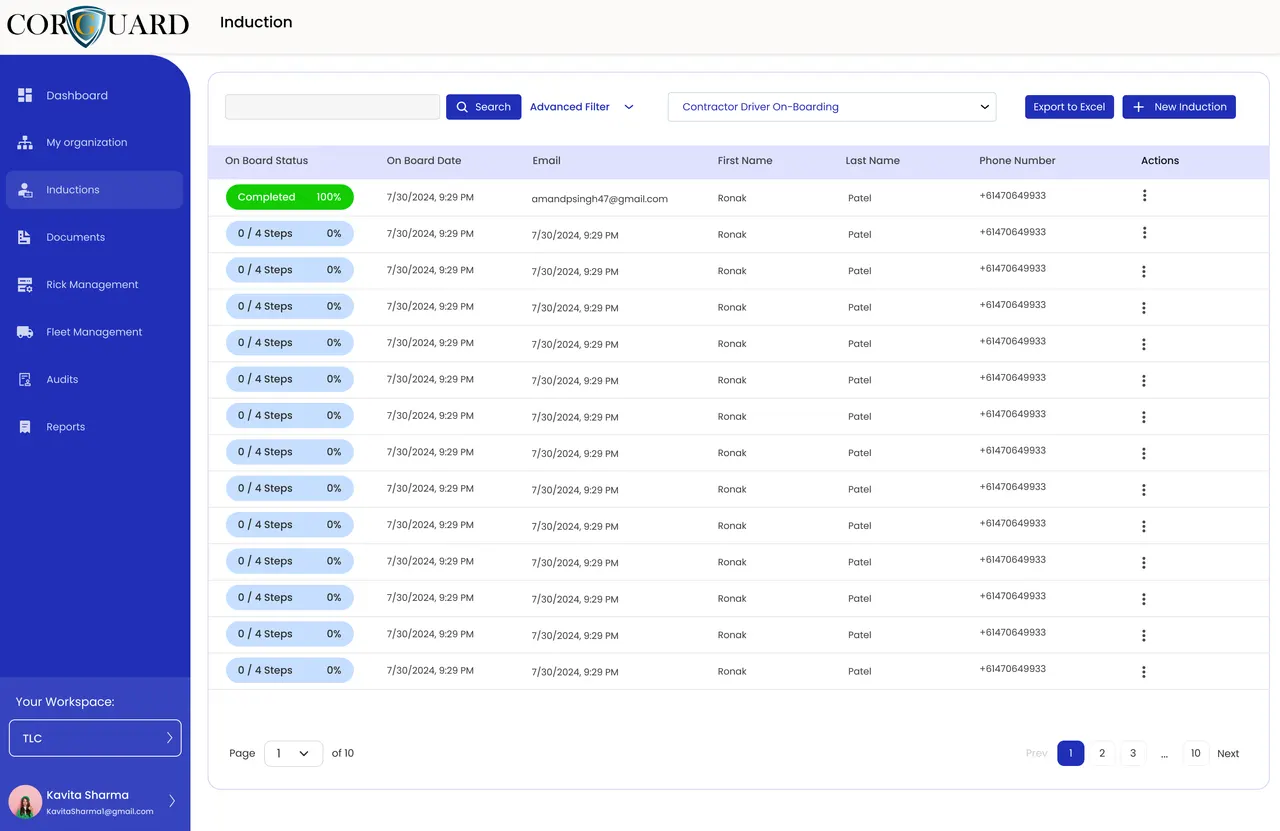
Training records
Connect training completion from cortraining.com.au to evidence and follow-up.
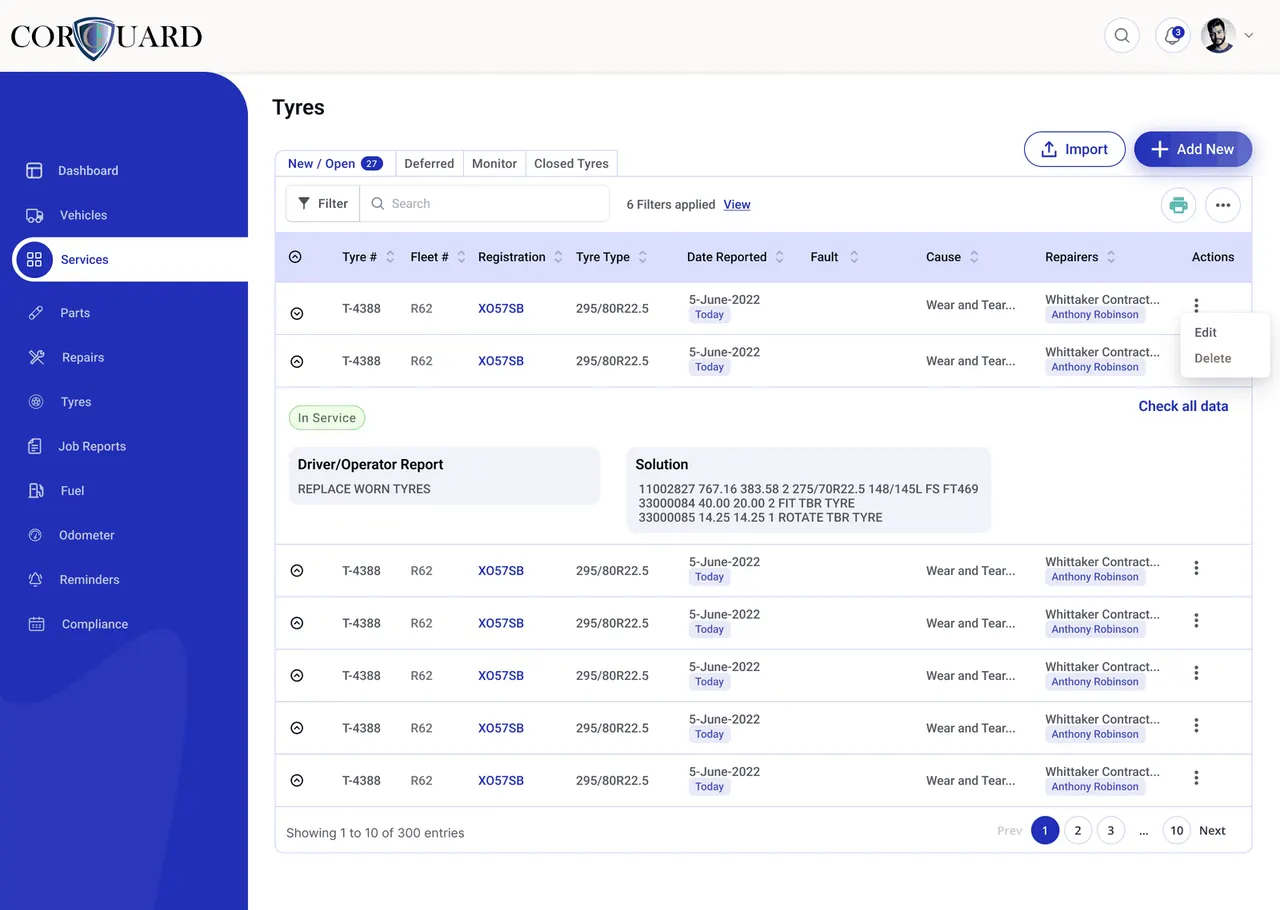
Driver diary checks
Connect fatigue and driver diary review back to manager visibility.
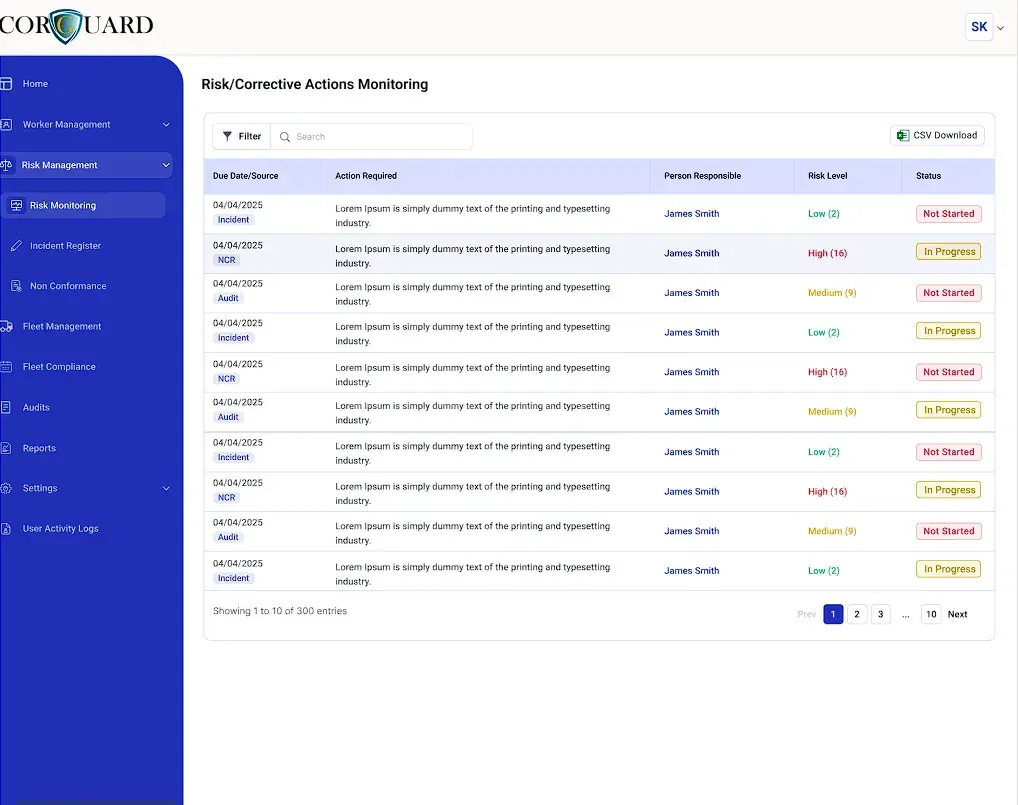
Corrective actions
Turn audit findings, hazards and incidents into tracked actions.
Keep exploring
Related Chain of Responsibility reading
MAEZ insight
Ensuring Chain of Responsibility: A Comprehensive Guide
Learn how to ensure chain of responsibility with this guide. Discover the pattern’s mechanics, implementation steps, and practical applications.
MAEZ insight
Understanding Key Challenges in Supply Chain Risk Management
Explore key supply chain risk management issues threatening continuity. Learn strategies to mitigate financial, geopolitical, and environmental risks.
MAEZ insight
Top Transport Safety Tips: Best Practices Explained
Discover essential best practices in transport safety, from driver training to vehicle maintenance, and enhance safety outcomes in your operations.
MAEZ insight
What Is Chain of Responsibility 2.0
Understand the Chain of Responsibility within HVNL. Learn CoR obligations, penalties, and how to ensure safety and compliance in transport operations.
MAEZ insight
Effective Supply Chain Risk Management: Real-World Examples
Discover effective Supply Chain Risk Management examples to protect your business from disruptions. Learn strategies for resilience and risk mitigation.
MAEZ insight
Top Safety Management System Practices for 2023
Explore top safety management system best practices for 2023 to enhance safety performance, reduce risks, and ensure compliance in your organization.
Frequently asked questions
Questions people ask about this topic
What are the four key components of a Safety Management System?
The four key components are Safety Policy (sets direction and commitment), Safety Risk Management (identifies hazards and implements controls), Safety Assurance (monitors performance and validates controls), and Safety Promotion (builds culture and competence). Together they form a continuous, self-reinforcing cycle that transforms safety from a compliance burden into an operational asset.
How does a Safety Management System differ from a traditional safety program?
An SMS shifts the focus from reacting to incidents after they happen toward preventing them through systematic, integrated risk management. Rather than being a standalone set of documents, an SMS functions as an operating system for safety that coordinates processes, allocates resources, and embeds safety considerations into every operational decision.
What is the role of the Accountable Executive in a Safety Management System?
The Accountable Executive is a senior leader with budget authority who holds ultimate responsibility for SMS implementation and performance. This role approves safety objectives, allocates resources, reviews performance data, and makes decisions when safety conflicts with other business priorities. The commitment must be visible and active, not ceremonial.
Why do Safety Management System pillars depend on each other?
Each pillar reinforces the others in a continuous cycle: policy decisions influence which risks receive priority, risk management findings direct where assurance monitoring should focus, assurance data informs promotion activities, and promotion strengthens policy compliance. Weak performance in any single pillar undermines the entire system—for example, excellent risk management without assurance means you never verify that controls actually work.
How does an SMS relate to Chain of Responsibility obligations for Australian transport operators?
For Australian transport operators, an SMS intersects directly with Chain of Responsibility obligations under the HVNL, where each party in the transport chain shares responsibility for safety. The SMS provides the structured processes—policy, risk management, assurance, and promotion—that help operators meet their primary duty to ensure the safety of transport activities so far as is reasonably practicable.