
MAEZ insight
Unlocking the Benefits of ISO 45001 for Workplace Safety
Discover the practical benefits of ISO 45001 for workplace safety, from injury prevention and lower insurance costs to stronger regulatory compliance and stakeholder confidence for Australian transport operators.

Proof that freight promises do not create unsafe transport pressure.

Loading controls need evidence, not assumptions.
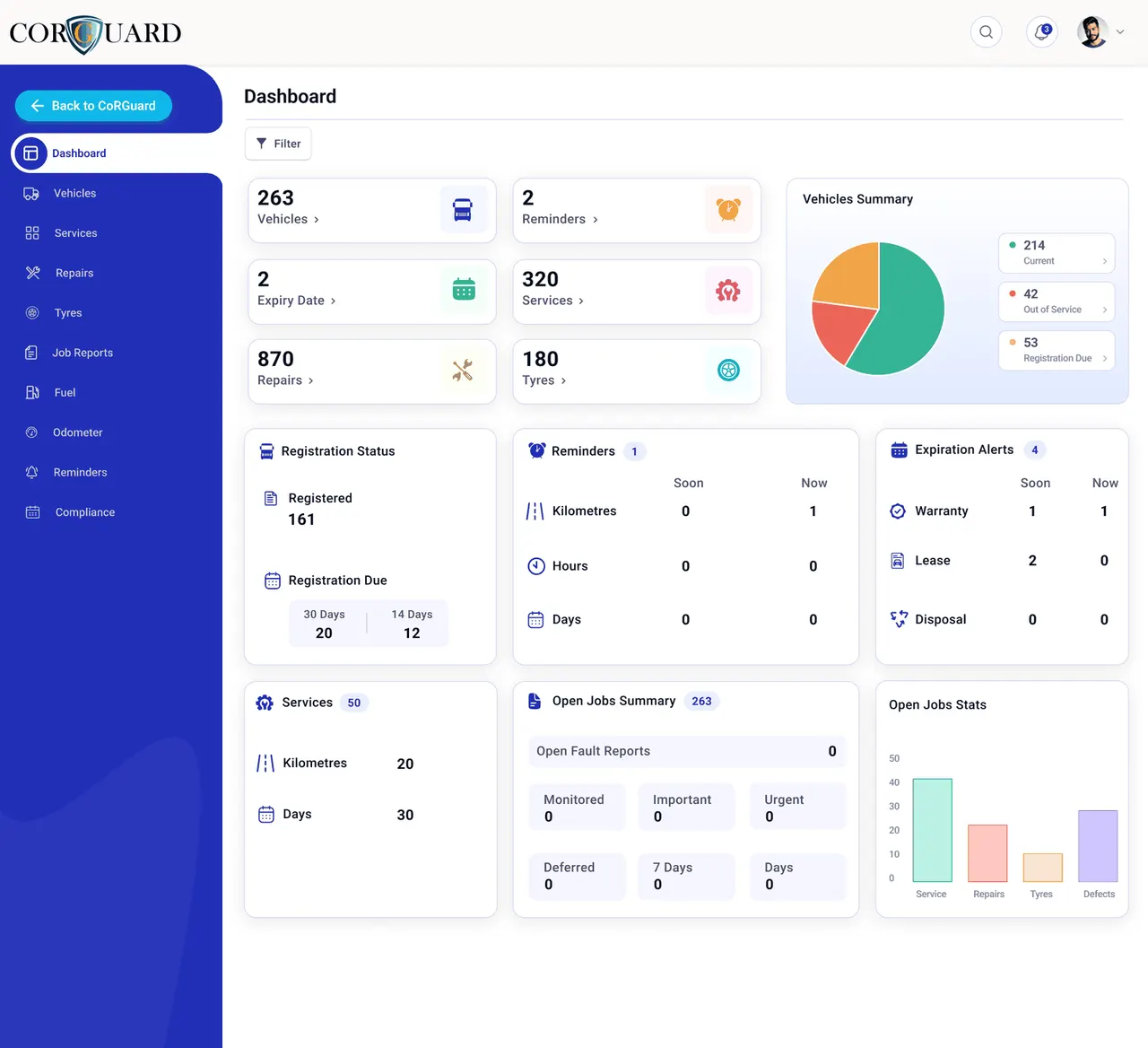
Daily fleet activity has to connect back to duties, controls, and review.

Due diligence means knowing whether the safety system is actually working.
Consignors
Freight terms, delivery windows, and KPIs must not push drivers into speed, fatigue, or mass breaches.
Consignees
Receiving rules, site access, and unloading delays are CoR controls that need to be set and evidenced.
Loaders
Mass, dimension, and load restraint decisions need documented checks, not assumptions.
Managers
Executives and managers need due-diligence evidence that the Safety Management System is actually working.
What ISO 45001 does for workplace safety
A structured OH&S management system that embeds safety into daily operations
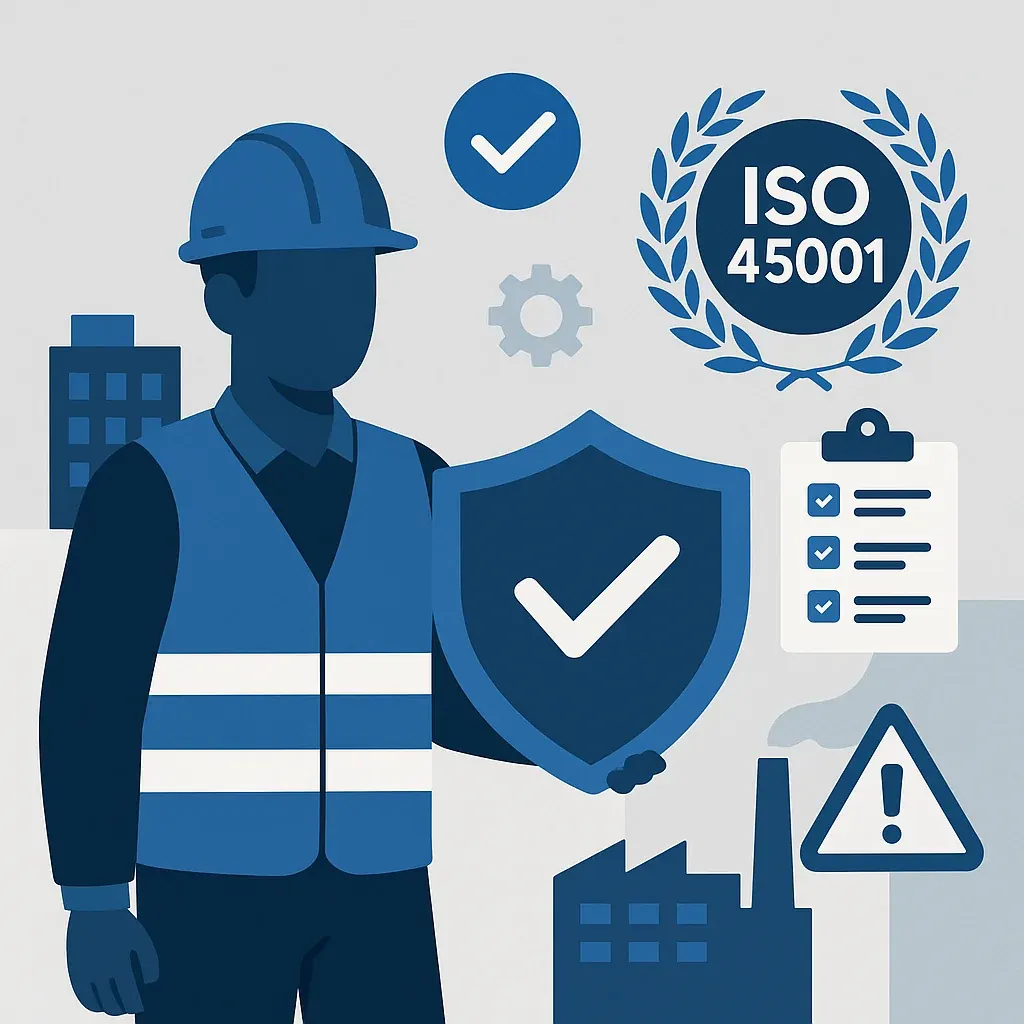
ISO 45001 is an internationally recognised occupational health and safety management system standard that helps organisations systematically identify hazards, implement controls, and demonstrate continuous improvement. It replaces the older OHSAS 18001 framework with a more robust approach aligned with other management system standards.
For transport operators, this structured approach mirrors the evidence-based expectations of the Chain of Responsibility framework, where each party in the supply chain must demonstrate proactive risk management rather than simply reacting after an incident.
Organisations build their OH&S management system around four key elements:
- Planning — identifying hazards and assessing risks before they cause harm
- Implementation — embedding controls into procurement, work planning, and equipment selection
- Evaluation — auditing performance and measuring outcomes against objectives
- Improvement — refining protocols based on real operational data
This cycle ensures continuous refinement of safety protocols. The standard works because it integrates with existing business processes rather than creating separate safety silos. Safety becomes part of decisions at every organisational level.
Preventing workplace injuries and illnesses
Proactive hazard identification before incidents occur
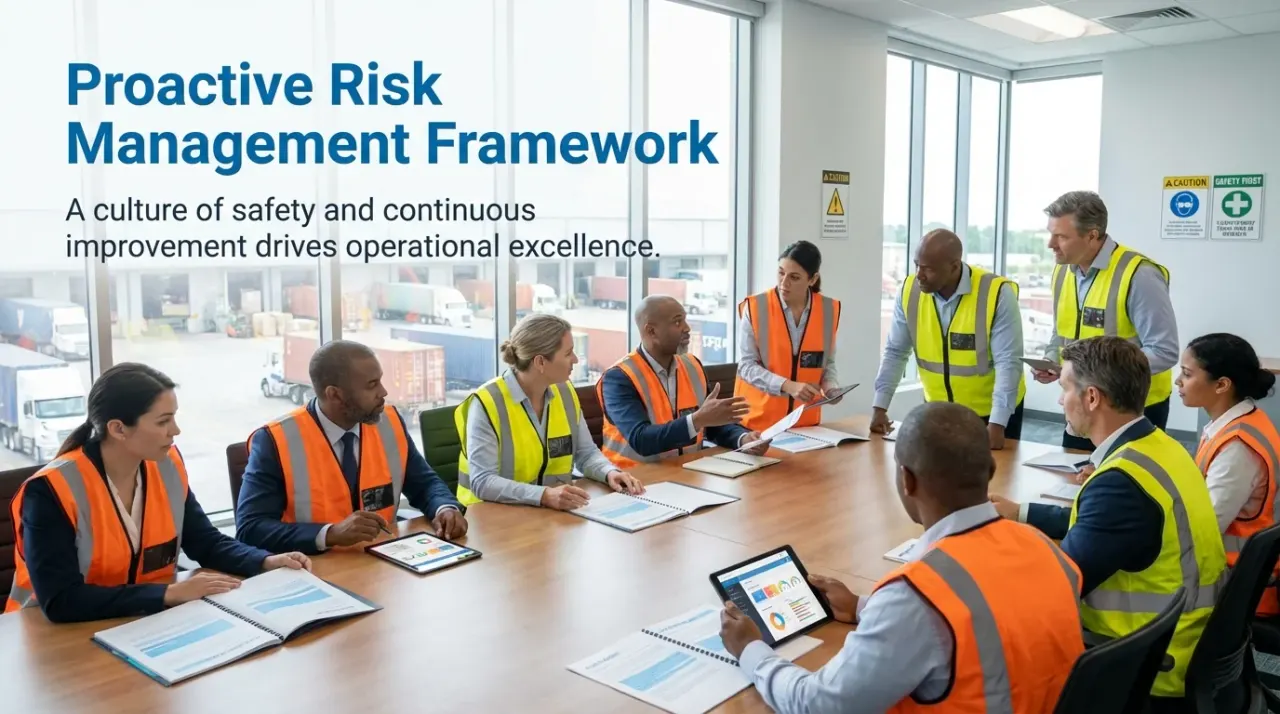
The primary objective of ISO 45001 is preventing work-related injuries and illnesses before they occur. This proactive approach differs fundamentally from traditional safety programs that react to incidents after the fact.
Organisations using ISO 45001 systematically identify hazards through structured assessment processes, including:
- Workplace inspections
- Job safety analyses
- Incident investigations
- Worker consultation mechanisms that surface risks early
Risk assessment methods prioritise hazards based on likelihood and severity. Controls address the most significant risks first, allocating safety resources where they deliver maximum protection.
Building effective hazard identification systems
Effective hazard identification requires input from workers who directly perform high-risk tasks. ISO 45001 mandates employee participation in safety processes, capturing frontline knowledge that managers might miss.
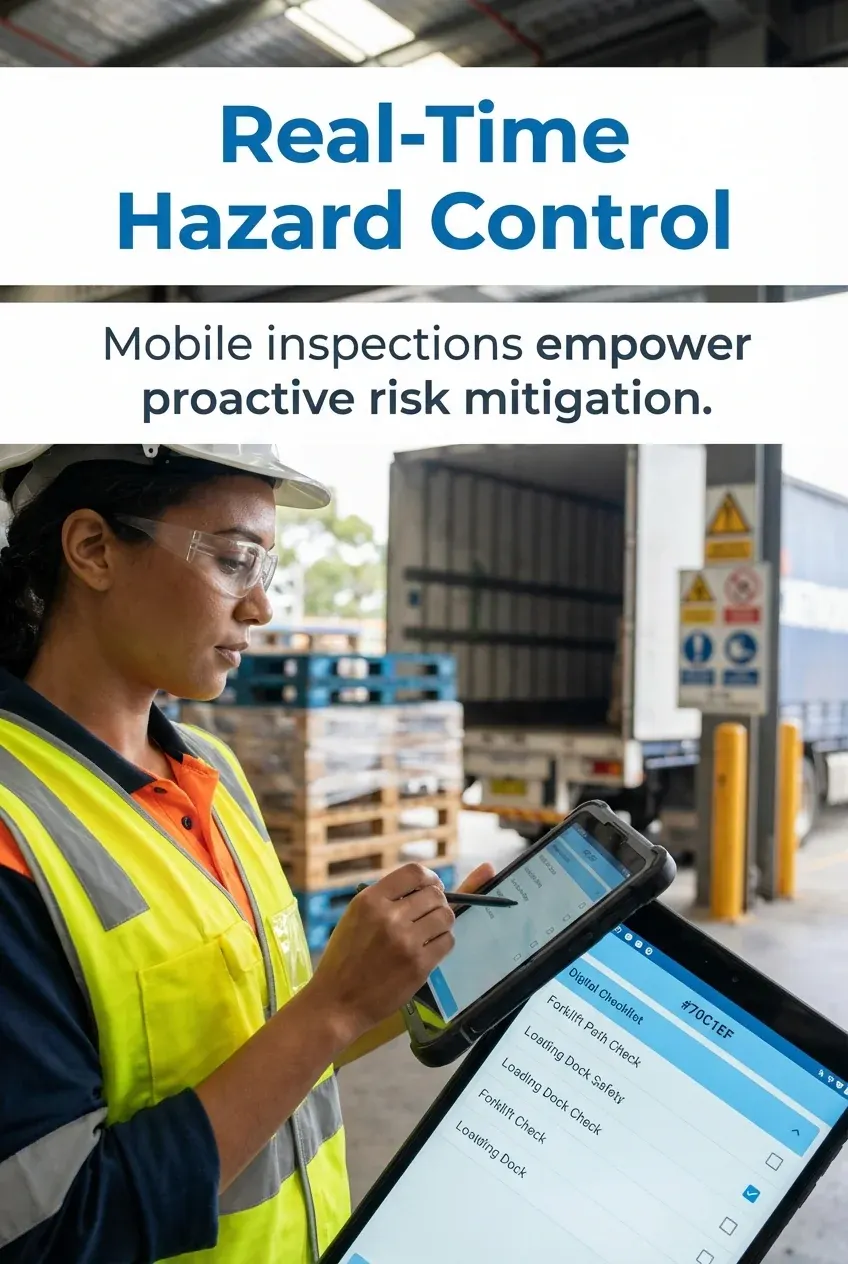
Organisations establish multiple reporting channels for safety concerns. Anonymous reporting options encourage disclosure of hazards without fear of retaliation, strengthening the overall identification system. Mobile inspection tools and digitised reporting systems enable immediate data capture and real-time control, eliminating delays between hazard identification and corrective action.
Under work health and safety law, managing psychosocial hazards is also a recognised obligation. The NSW Work Health and Safety Regulation addresses psychosocial risks, requiring organisations to identify and manage these hazards as part of their duty of care.
Lower insurance costs and risk premiums
Certified systems signal lower risk exposure to insurers
Organisations implementing ISO 45001 typically achieve significant reductions in insurance premiums over time. Insurance providers recognise certified management systems as indicators of lower risk exposure. Reduced incident rates directly translate to lower workers' compensation costs, and fewer claims mean lower experience modification rates (EMR), which insurers use to calculate premiums.
- Workers' compensation premiums — sustainable reductions through incident prevention, typically over 1–3 years
- Liability insurance — improved risk profile reduces coverage costs over 2–4 years
- Property insurance — better hazard control lowers damage probability over 1–2 years
Beyond premium reductions, certified organisations often face lower deductibles and broader coverage options. Insurers view systematic risk management as evidence of organisational competence.
Demonstrating risk management to insurers
Certification provides third-party verification of safety management capabilities. Insurers value this independent assessment more than self-reported safety programs. Annual surveillance audits demonstrate ongoing commitment to safety excellence, building insurer confidence and supporting long-term premium stability. Organisations should share certification status and audit reports with insurance providers during policy renewals to strengthen negotiating positions.
Enhanced productivity and operational efficiency
Fewer disruptions, better morale, and clearer accountability
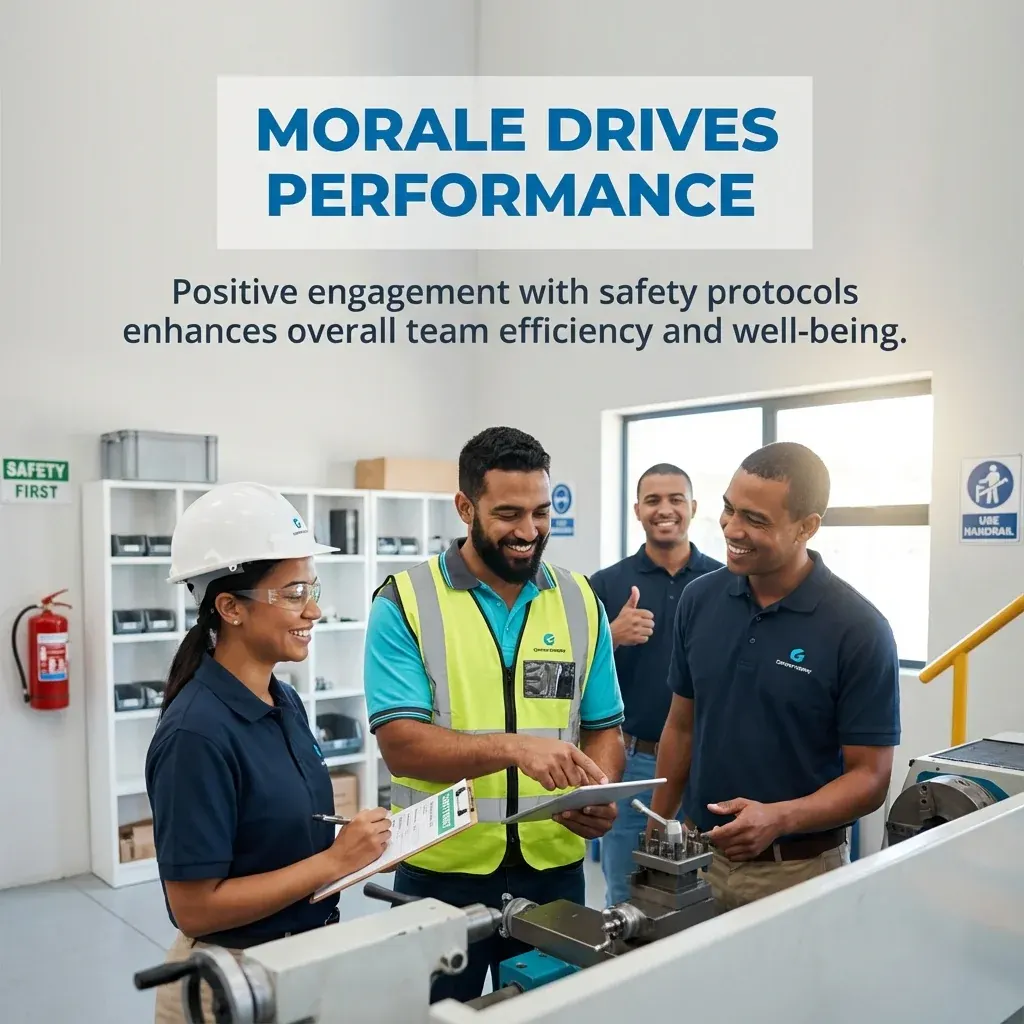
Systematic safety management removes operational disruptions that interrupt work flow. Fewer incidents mean less production downtime, reduced rework, and fewer schedule delays. Safer workplaces also improve morale, retention, and engagement among workers — and engaged employees demonstrate higher productivity and better quality performance.
ISO 45001 requires clear assignment of safety roles and responsibilities. This clarity eliminates confusion about who addresses hazards, speeding response times and preventing escalation. The standard's emphasis on preventive maintenance also reduces equipment failures, supporting consistent output.
Reducing hidden productivity losses
Incident investigations reveal inefficiencies beyond obvious safety issues. Root cause analysis often uncovers process problems, training gaps, or communication breakdowns that affect overall performance. Corrective actions address these underlying issues, delivering productivity gains alongside safety improvements.
Employee participation in hazard identification surfaces operational improvement opportunities that managers may overlook. For transport operators looking to connect daily fleet activity back to safety duties and evidence, CoR consulting can help bridge that gap.
Strengthened regulatory compliance
Systematic alignment with legal obligations across jurisdictions

ISO 45001 provides a framework for meeting diverse occupational health and safety regulations. Certification helps organisations avoid legal or regulatory penalties by aligning operations with international standards.
The standard requires organisations to:
- Identify applicable legal requirements and ensure operational compliance
- Conduct regular compliance audits to verify adherence
- Detect and correct non-conformities before external regulators discover them
- Maintain documentation that creates evidence of due diligence
This record proves organisational efforts to meet safety obligations, providing legal protection if incidents occur despite best efforts.
Managing multi-jurisdiction compliance
Organisations operating across multiple locations face varying regulatory requirements. ISO 45001's management system approach provides a consistent compliance methodology applicable to different jurisdictions. The framework requires tracking of regulatory changes affecting operations, so organisations implement updates systematically rather than reacting to enforcement actions.
For Australian transport operators, the Heavy Vehicle National Law establishes a principle of shared responsibility across all parties in the supply chain, making systematic compliance documentation essential. Centralised documentation with standardised procedures adapted to local requirements ensures nothing falls through administrative cracks.
Systematic risk management capabilities
Risk-based thinking embedded across all organisational processes
ISO 45001 embeds risk-based thinking throughout organisational processes. This systematic approach transforms how organisations identify, assess, and control workplace hazards, requiring proactive hazard identification rather than reactive incident response.
Risk assessment methodologies prioritise controls based on severity and likelihood, focusing resources on hazards with the highest potential for harm:
- Hazard identification — workplace inspections, job analyses, and consultation produce a documented hazard inventory
- Risk evaluation — severity and likelihood assessment creates a prioritised risk register
- Control selection — elimination, substitution, engineering, administrative, and PPE measures are implemented in priority order
Implementing control hierarchies
ISO 45001 requires organisations to follow established control hierarchies. Elimination and substitution receive priority over personal protective equipment. Engineering controls that physically remove hazards provide more reliable protection than administrative procedures. Organisations design safety into processes rather than depending on worker compliance.
When higher-level controls prove infeasible, combinations of measures provide layered protection. Multiple barriers reduce the probability that single control failures cause injuries.
Increased stakeholder and customer confidence
Certification as visible proof of commitment to worker protection
ISO 45001 certification demonstrates an organisation's commitment to worker protection. This visible commitment strengthens relationships with customers, investors, and community stakeholders.
Many organisations require ISO 45001 certification from suppliers and contractors. Certification removes barriers to valuable business relationships and opens access to supply chain opportunities. Organisations with certification compete more effectively for contracts with stringent safety requirements, including public-sector and high-value private tenders.
Building reputation through certification
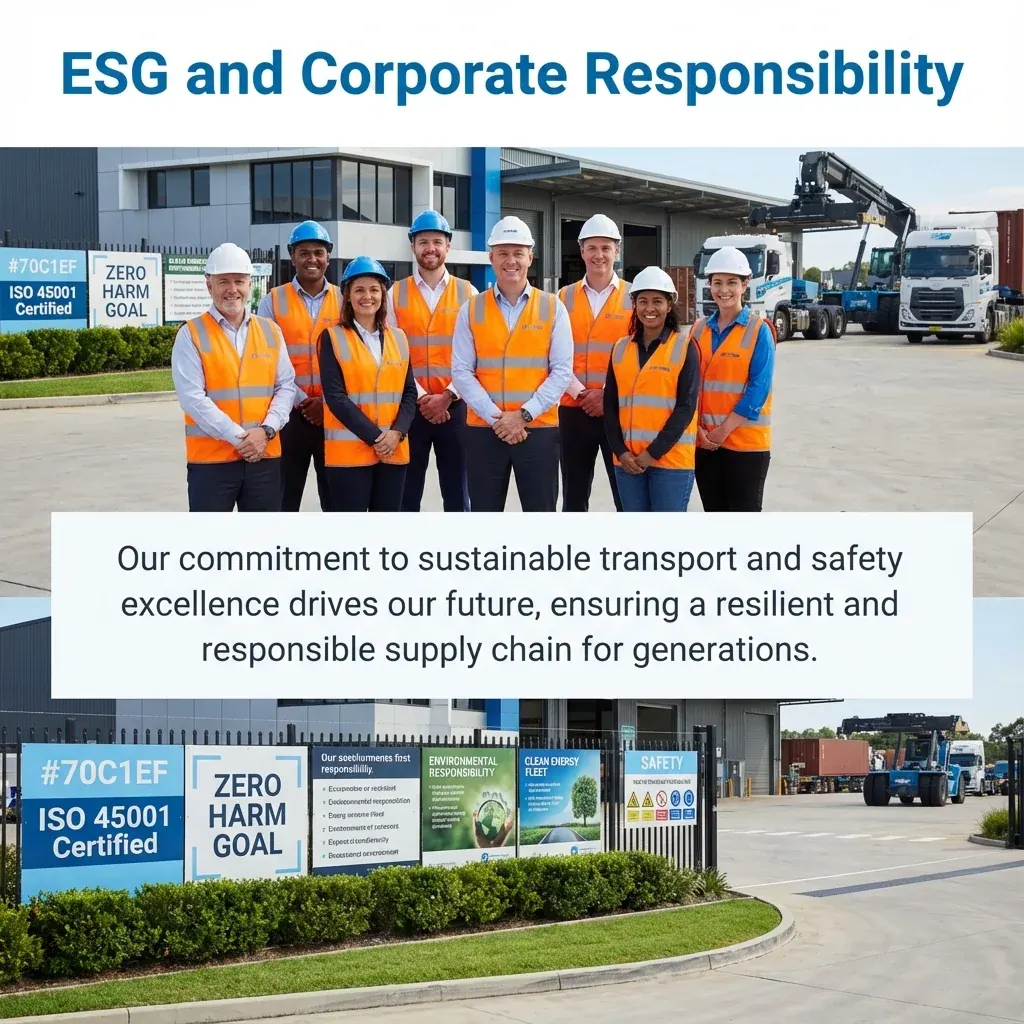
ISO 45001 certification demonstrates an organisation's commitment to Environmental, Social, and Governance (ESG) goals and corporate responsibility. Investors increasingly consider ESG factors when evaluating organisations.
For transport operators, combining ISO 45001 with Chain of Responsibility training strengthens both safety culture and compliance posture. Practical CoR training for executives and managers helps leadership understand whether the safety system is genuinely working — the core of due diligence.
To explore how a structured safety management system fits your operation, contact MAEZ for tailored advisory support.
How MAEZ works
Find the gaps. Fix the system. Prove the controls.
MAEZ helps transport operators deal with the compliance risk they already know is there. We help get the Safety Management System in order, protect NHVAS accreditation, reduce fine exposure, and connect training, evidence, and CoRGuard workflows where software is needed.
Find
Identify what is exposed before an auditor or regulator does.
Fix
Build the SMS controls around how the transport business actually runs.
Prove
Use CoRGuard where records, reminders, diaries, audits, and evidence need structure.
From advice to evidence
From MAEZ advice to a working Safety Management System
Advisory work should leave a practical implementation trail. These examples show how CoRGuard supports records, fatigue and driver diary checks, maintenance, audits, document control, inductions, corrective actions, and evidence review after MAEZ identifies the gaps.
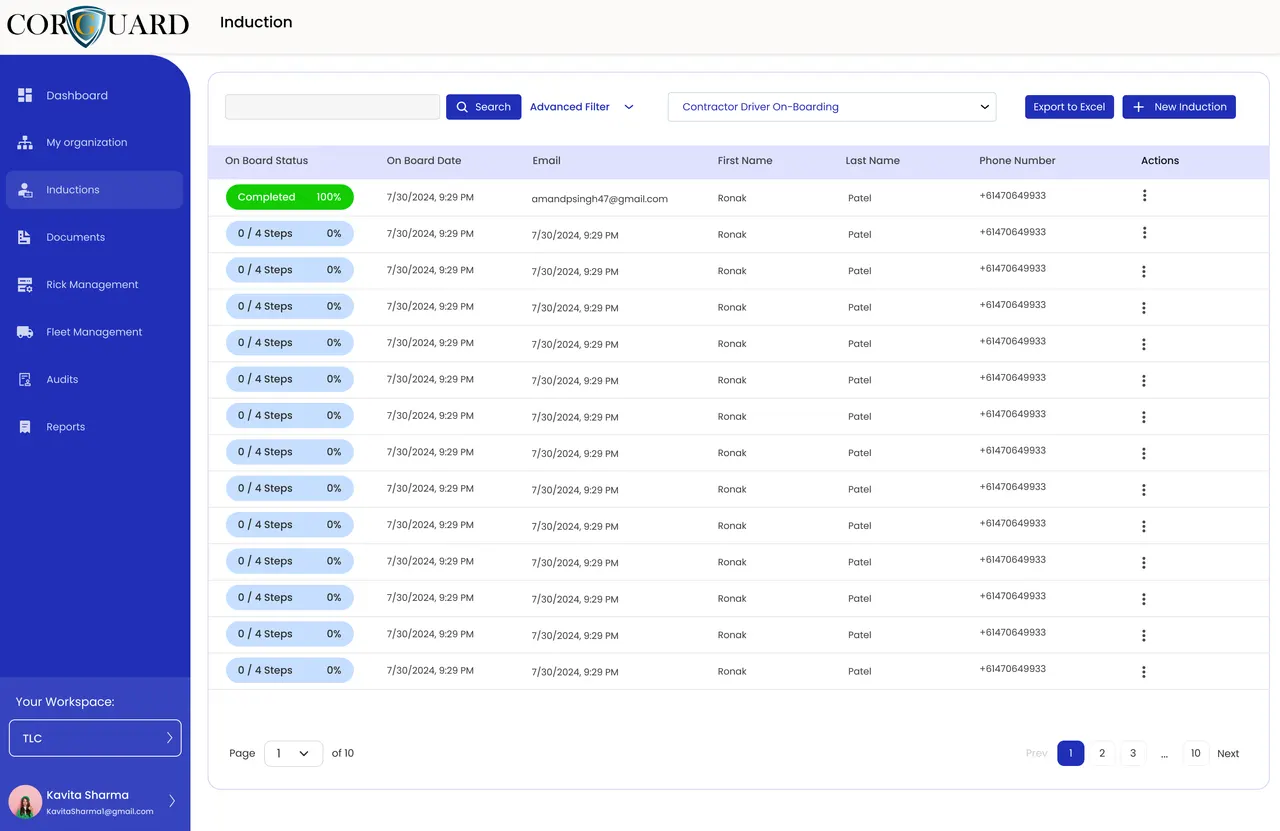
Training records
Connect training completion from cortraining.com.au to evidence and follow-up.
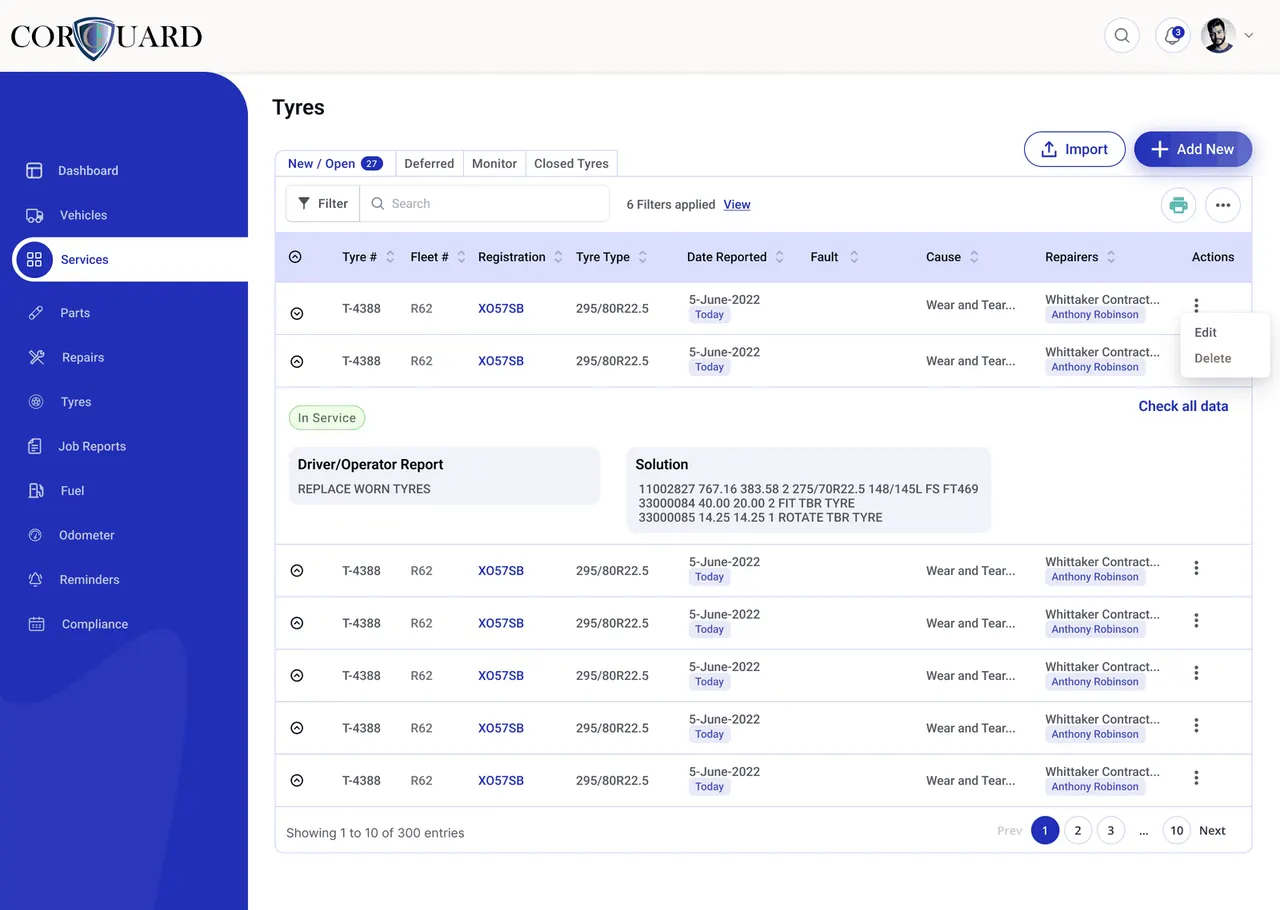
Driver diary checks
Connect fatigue and driver diary review back to manager visibility.
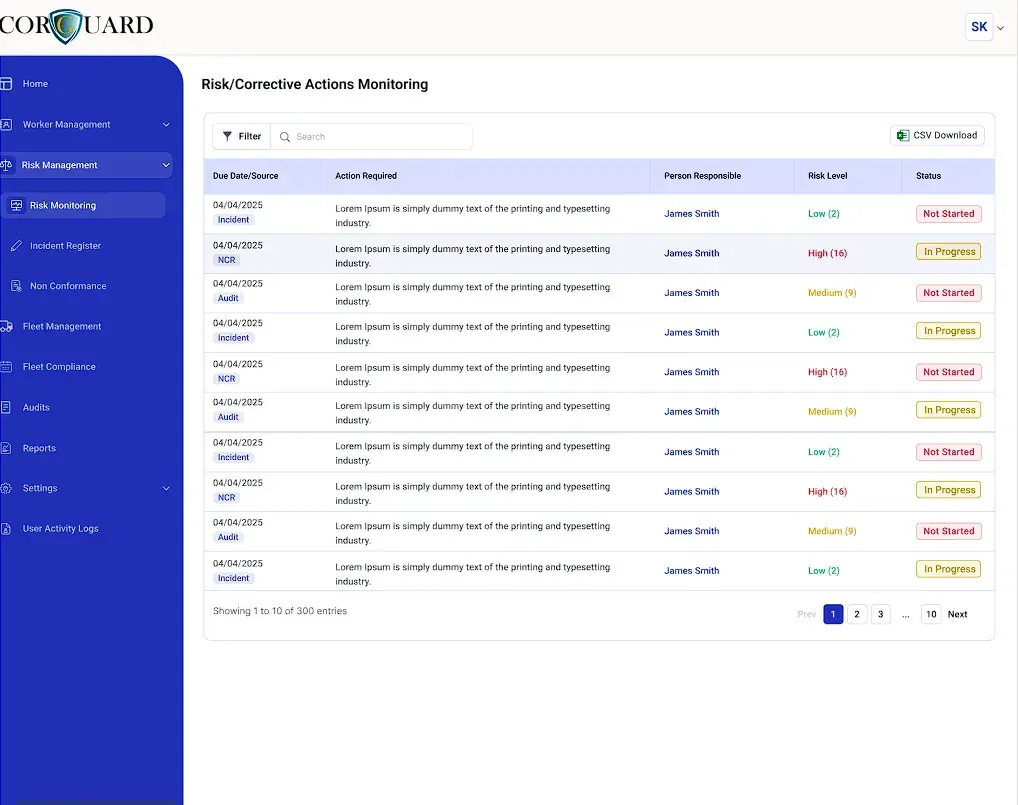
Corrective actions
Turn audit findings, hazards and incidents into tracked actions.
Keep exploring
Related Chain of Responsibility reading
MAEZ insight
Unlocking the Benefits of a Safety Management System
Discover the benefits of a safety management system that boosts employee safety, reduces costs, and enhances workplace culture. Learn more now.
MAEZ insight
Understanding Safety Management System Software Essentials
Discover the essentials of Safety Management System software and how it enhances compliance, risk assessment, and operational efficiency.
MAEZ insight
Implementing a Safety Management System: A Comprehensive Guide
Learn how to implement a safety management system effectively to reduce workplace incidents and enhance operational safety. Your comprehensive guide awaits!
MAEZ insight
HVNL 2026 CoR Changes
Discover how the HVNL 2026 amendments transform CoR obligations with new Safety Management Systems for heavy vehicle compliance. Learn more here!
MAEZ insight
Mitigating Risks in Global Supply Chains: Key Strategies
Explore effective global supply chain risk management strategies to mitigate disruptions and maintain operational continuity in 2025 and beyond.
MAEZ insight
Collisions: in the Early Hours of the Morning
Collisions in the early hours are a critical safety concern in the Australian supply chain, magnified by factors like driver fatigue and low visibility.
Frequently asked questions
Questions people ask about this topic
What is ISO 45001 and how does it differ from OHSAS 18001?
ISO 45001 is an internationally recognised occupational health and safety management system standard that replaces the older OHSAS 18001 framework. It uses a more robust approach aligned with other management system standards, integrating safety into existing business processes rather than creating separate safety silos.
How does ISO 45001 help reduce insurance costs?
Insurance providers recognise ISO 45001 certification as an indicator of lower risk exposure. Fewer incidents mean fewer claims, which lowers experience modification rates used to calculate premiums. Certified organisations typically see sustainable workers' compensation premium reductions over 1–3 years, along with lower deductibles and broader coverage options.
Does ISO 45001 support Chain of Responsibility compliance for transport operators?
Yes. ISO 45001's structured approach to hazard identification, risk assessment, and documented controls mirrors the evidence-based expectations of the Chain of Responsibility framework. Both require proactive risk management and documentation that demonstrates due diligence across all parties in the supply chain.
How does ISO 45001 address psychosocial hazards in the workplace?
ISO 45001 requires systematic hazard identification that includes psychosocial risks. Under work health and safety law, such as the NSW WHS Regulation, organisations must identify and manage psychosocial hazards as part of their duty of care, making them a recognised component of a compliant OH&S management system.
Can ISO 45001 certification improve contract competitiveness?
Yes. Many organisations require ISO 45001 certification from suppliers and contractors, particularly for public-sector and high-value private tenders. Certification serves as visible, third-party proof of safety management capability and commitment to ESG goals, removing barriers to valuable supply chain opportunities.