
MAEZ insight
Effective Strategies for Supply Chain Risk Management
Practical supply chain risk management strategies for Australian transport operators. Learn risk identification, assessment frameworks, supplier due diligence, and continuous monitoring under Chain of Responsibility.

Contractor controls should be verified before the work starts.
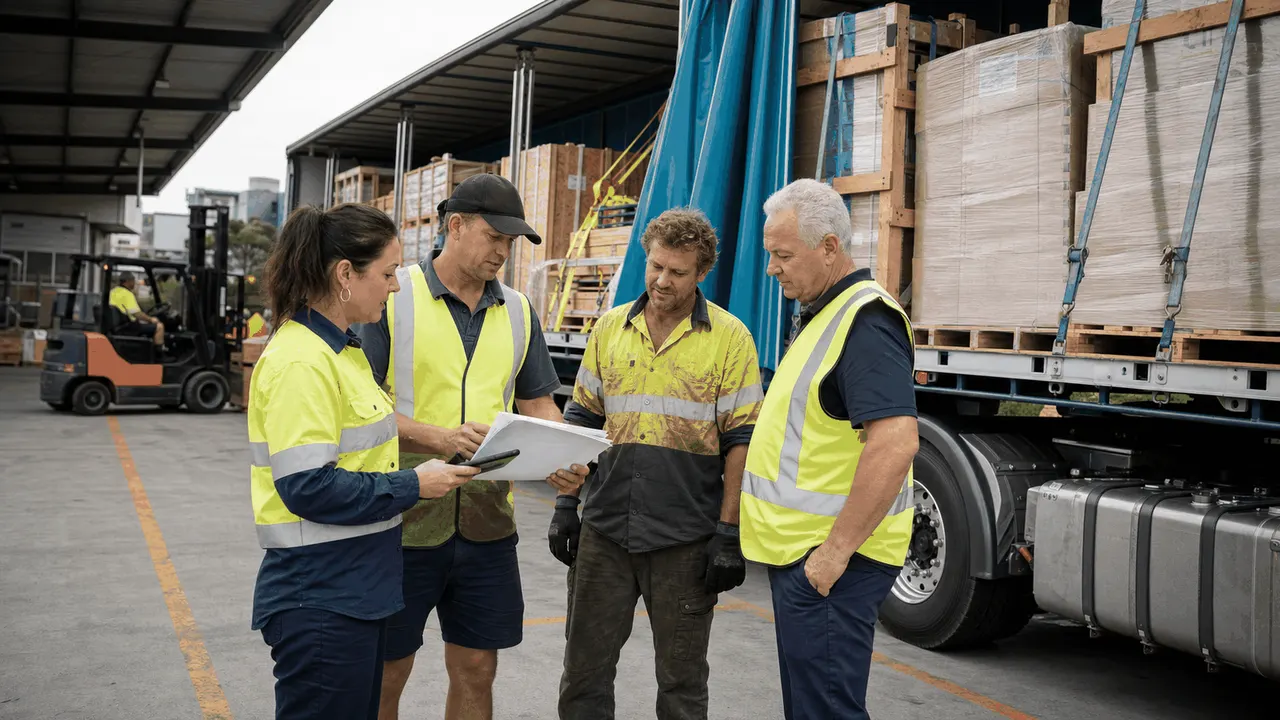
Receiving windows, site rules, and unloading delays can all shape the transport task.
Unloading decisions can affect safety, scheduling, and responsibility.

Managers need a clear view of gaps before audit or enforcement pressure arrives.
Consignors
Freight terms, delivery windows, and KPIs must not push drivers into speed, fatigue, or mass breaches.
Consignees
Receiving rules, site access, and unloading delays are CoR controls that need to be set and evidenced.
Loaders
Mass, dimension, and load restraint decisions need documented checks, not assumptions.
Managers
Executives and managers need due-diligence evidence that the Safety Management System is actually working.
What is supply chain risk management?
A structured approach to identifying, assessing, and mitigating threats across your supply network
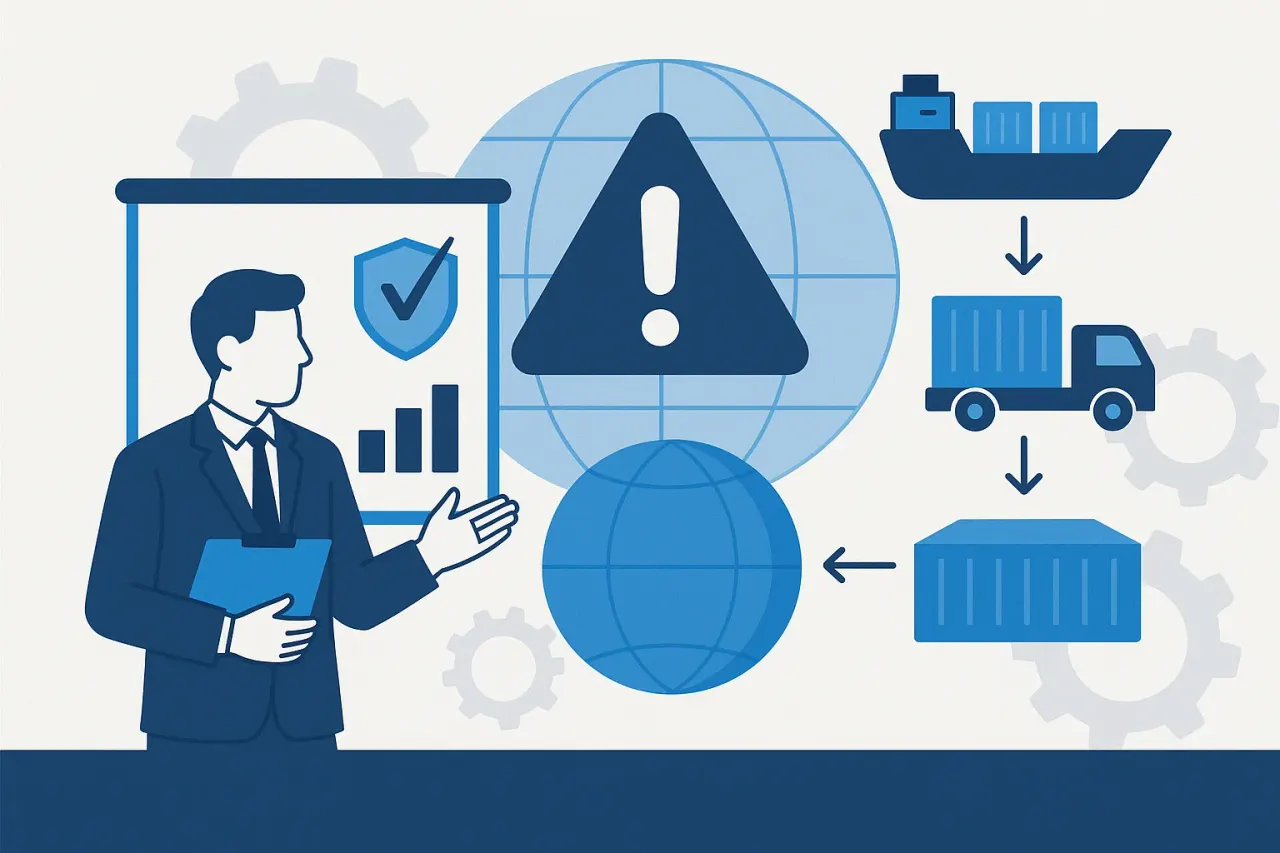
Supply chain risk management (SCRM) is the systematic identification, assessment, and mitigation of threats across procurement, logistics, manufacturing, and distribution networks. It extends beyond traditional procurement oversight to address financial stability, geopolitical factors, cybersecurity threats, operational disruptions, and regulatory compliance requirements.
The scope covers both internal operational risks and external dependencies. Third-party relationships create significant exposure, requiring ongoing assessment of financial health, capacity constraints, quality standards, and regulatory compliance.
Modern SCRM integrates technology platforms, data analytics, and automated monitoring systems. These tools enhance visibility across complex networks, enable early detection of emerging threats, and support proactive intervention before issues escalate into major disruptions.
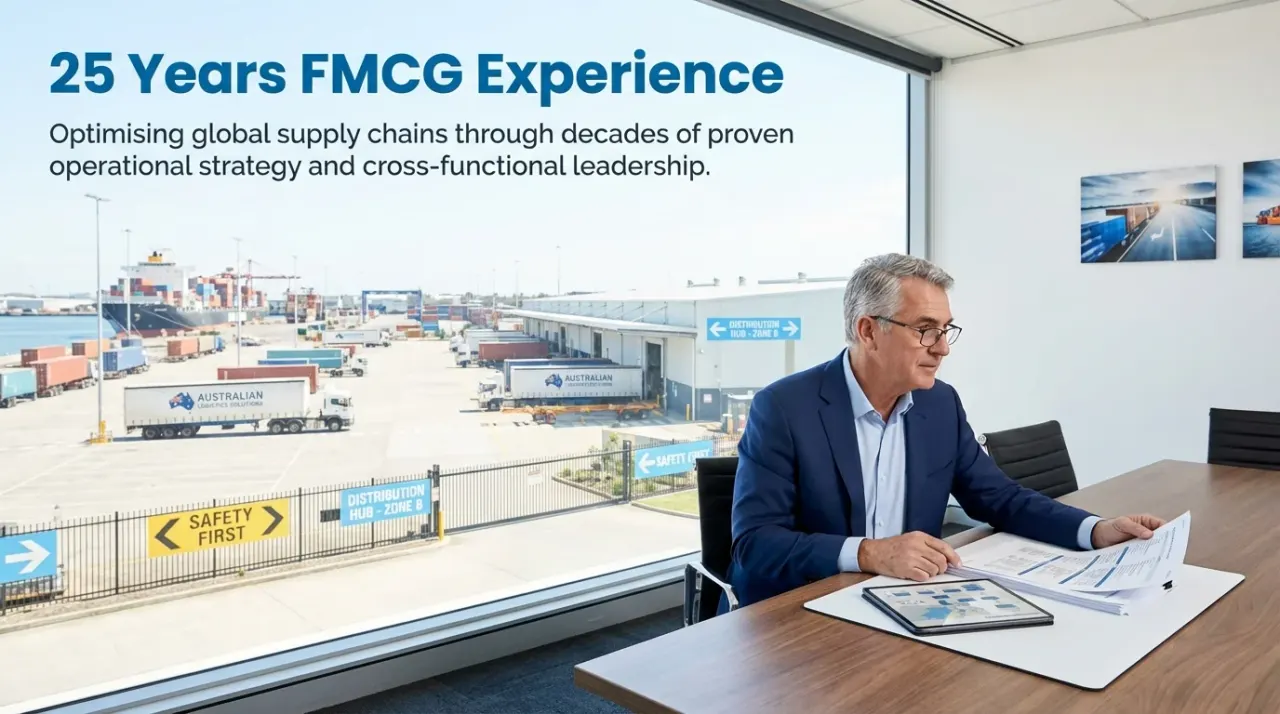
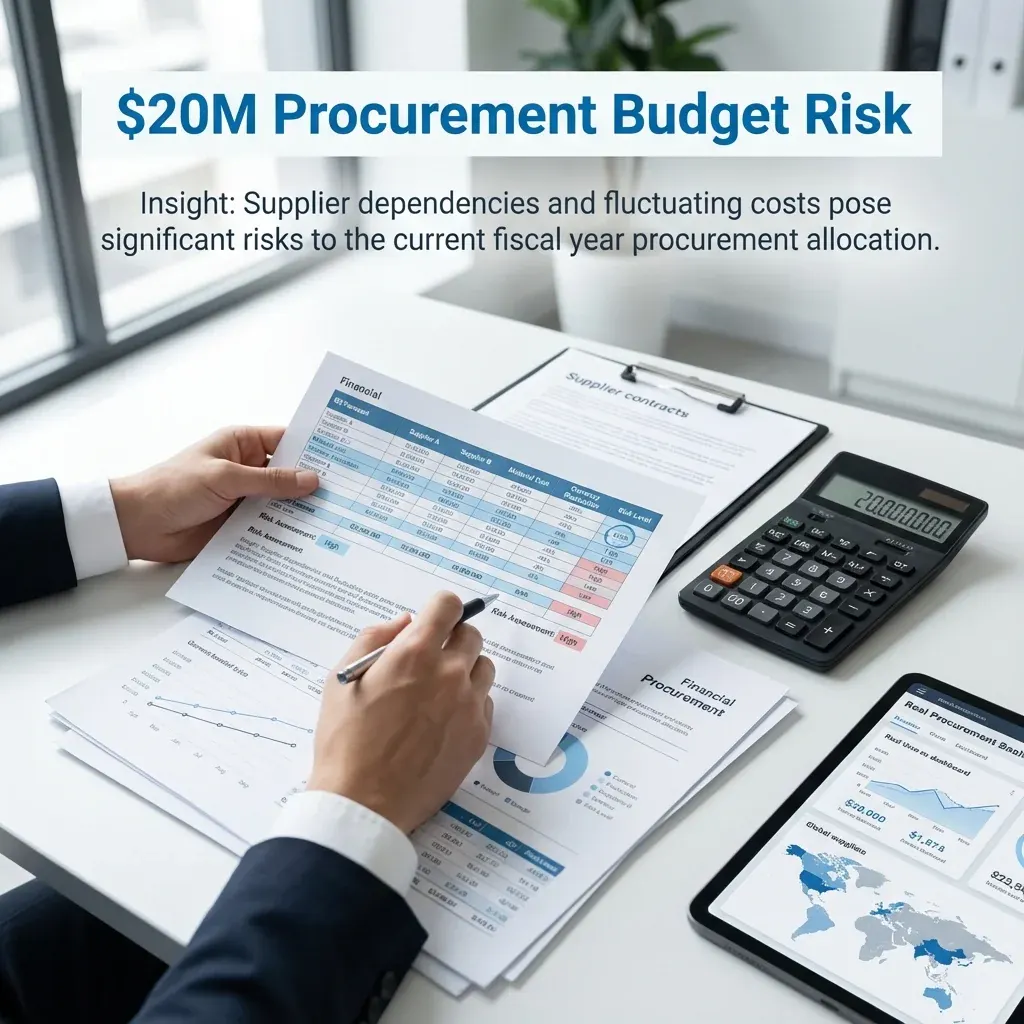
After 25 years working across FMCG environments in Australia and the UK, I've watched supply chains evolve from simple procurement exercises into complex networks with countless potential failure points. Managing procurement budgets exceeding $20m means understanding that every supplier relationship carries inherent risk — and every transport decision creates exposure.
Core components of an effective SCRM program
Effective SCRM programs require several interconnected components working together:
- Risk identification — processes that map potential threats across the entire supply network
- Risk assessment — frameworks that evaluate likelihood and impact systematically
- Risk mitigation — strategies that reduce exposure through diversification, redundancy, and contingency planning
- Continuous monitoring — systems that ensure ongoing visibility across all nodes
- Governance structures — clear accountability for risk management activities at every level
Supply chain resilience depends on building capacity to absorb disruptions without catastrophic failure. This requires backup suppliers, alternative transport routes, buffer inventory, and flexible production capacity. Resilience is not about preventing every problem — it is about ensuring operations continue despite unexpected challenges.
Governance matters. Senior leadership must own strategic risk decisions, while operational teams need clear protocols for day-to-day monitoring. Cross-functional collaboration ensures comprehensive coverage across procurement, logistics, legal, finance, and operations departments.
Why supply chain risk management matters for transport operators
Supply chain disruptions directly impact revenue, customer satisfaction, brand reputation, and competitive position. Organisations without robust SCRM programs face increased vulnerability to operational failures, regulatory penalties, financial losses, and market share erosion.
Financial implications extend beyond immediate disruption costs. Insurance premiums increase following incidents. Customer relationships suffer when delivery commitments fail. Legal liability emerges from regulatory non-compliance. Market value declines when investors lose confidence in operational stability.
The Heavy Vehicle National Law under Chain of Responsibility provisions demonstrates how regulatory frameworks increasingly impose strict obligations on organisations to manage supply chain risks. Executives face personal liability for systemic failures in risk management processes, making documented evidence of proactive risk management essential.
Benefits beyond compliance
Enhanced visibility improves decision-making quality. Stronger supplier relationships provide competitive advantages during capacity shortages. Documented risk management processes support better credit terms and insurance rates.
Organisations with robust monitoring systems identify efficiency improvements other companies miss, spot emerging market trends earlier, and adapt faster to changing conditions. This operational intelligence becomes a competitive differentiator over time.
Safety culture also improves when organisations implement systematic risk management approaches. Reduced incidents protect workforce wellbeing, lower accident rates reduce costs, and improved safety performance strengthens customer confidence.
Types of supply chain risks operators face
Each risk category demands specific assessment methodologies and monitoring systems
Supply chains face diverse threat categories requiring different management approaches. Understanding risk types enables targeted mitigation strategies.
Operational and capacity risks
Operational disruptions include equipment failures, quality issues, production delays, and capacity constraints. These risks emerge from internal processes and direct supplier operations. Capacity limitations create bottlenecks during demand spikes or when alternative sources are not readily available.
Quality problems cascade through supply chains rapidly. Manufacturing defects discovered late in production cycles create expensive rework requirements. Component failures in finished goods trigger warranty claims and reputation damage. Systematic quality audits and supplier qualification processes reduce these exposures significantly.
Transport and logistics risks
Transport and logistics risks include vehicle breakdowns, driver shortages, route disruptions, and regulatory compliance failures. The HVNL Chain of Responsibility framework makes organisations accountable for transport safety throughout their supply chains, requiring documented due diligence processes for all transport providers.
Financial and commercial risks
Supplier financial instability threatens continuity. Companies facing cash flow problems may fail to deliver committed volumes. Bankruptcy of key suppliers creates immediate crises requiring rapid alternative sourcing. Credit risk assessment must be ongoing, not just at initial vendor qualification.
Payment terms and pricing volatility impact profitability. Long payment cycles create working capital pressures. Currency fluctuations affect international procurement costs. Commercial disputes over quality, delivery, or payment terms disrupt established relationships, so service level agreements must include clear performance metrics and remediation processes.
Cyber supply chain threats
Cybersecurity risks include data breaches, system compromises, and malicious code insertion. Third-party access to organisational systems creates attack vectors. Supplier systems with inadequate security become pathways for hackers targeting larger organisations. Software supply chain attacks compromise widely used components, affecting all organisations using those dependencies. Cybersecurity standards such as NIST SP 800-161 should be assessed for supply chain risk management to establish minimum security requirements.
Geopolitical and regulatory risks
Trade policies, tariffs, sanctions, and regulatory changes create sudden disruptions. International supply chains face exposure to political instability, border restrictions, and changing compliance requirements. Geopolitical tensions between major economies affect sourcing strategies significantly.
Regulatory compliance requirements vary across jurisdictions. Environmental regulations, ESG compliance, and sustainability requirements increasingly influence supplier selection. Ethical sourcing obligations require verification of labour practices. The regulatory environment continues evolving rapidly, so organisations must monitor proposed legislation and update compliance frameworks regularly.
Building a structured SCRM process
Documented frameworks ensure comprehensive coverage and enable continuous improvement
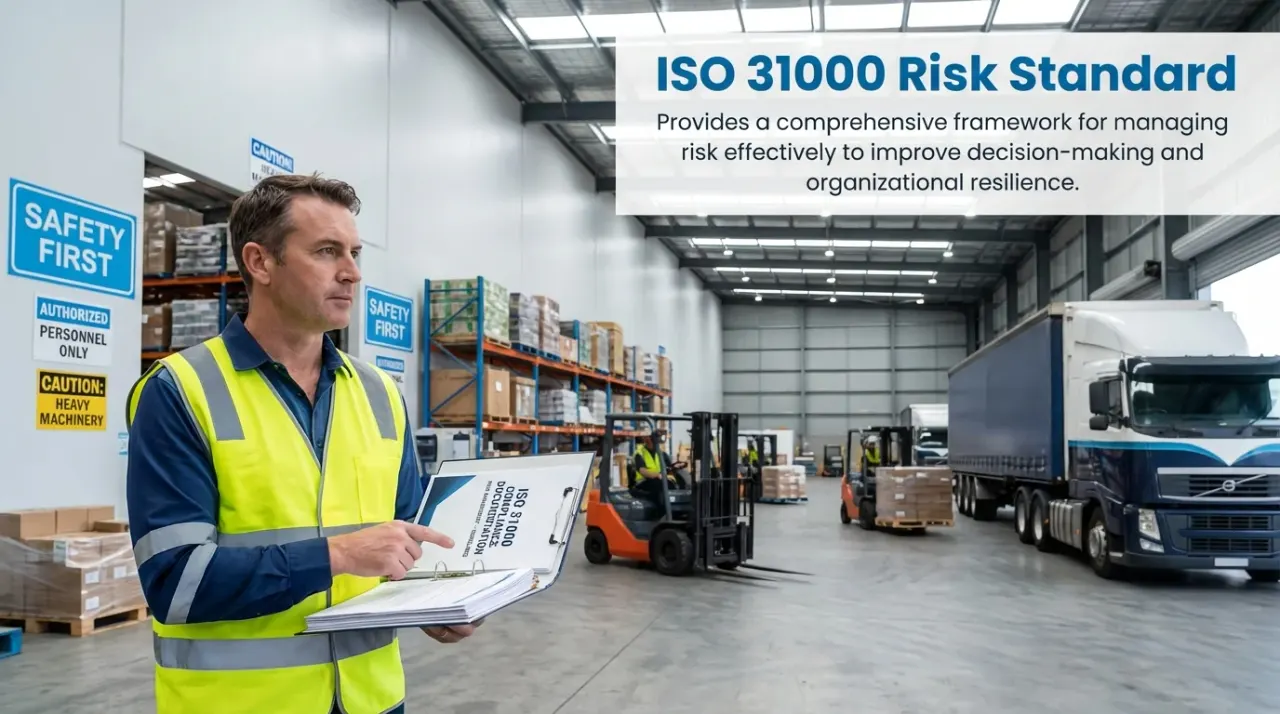
Systematic SCRM requires structured processes consistently applied across the organisation. Ad hoc approaches leave gaps that create vulnerabilities. Documented frameworks ensure comprehensive coverage and enable continuous improvement through regular review cycles.
Risk identification begins with mapping the complete supply network. Document all suppliers, transport providers, and logistics partners involved in moving goods from origin to destination. This mapping exercise reveals dependencies and single points of failure that might otherwise remain hidden.
Assessment frameworks such as ISO 31000 and NIST provide structured methodologies for evaluating risk likelihood and impact. These are not theoretical concepts but operational necessities for modern supply chains. They enable organisations to prioritise resources toward the most significant exposures.
For Australian transport operators, CoR consulting can help identify where supply chain risks intersect with HVNL compliance obligations. Practical Chain of Responsibility training ensures that staff at every level understand their role in managing these risks day to day. Understanding what Australian HVNL duty holders need to know helps connect risk management to legal obligations.
Continuous monitoring and evidence
Risk management is not a one-off project

Continuous monitoring ensures ongoing visibility across the supply network. Regular supplier reviews, compliance audits, and performance tracking identify emerging issues before they escalate.
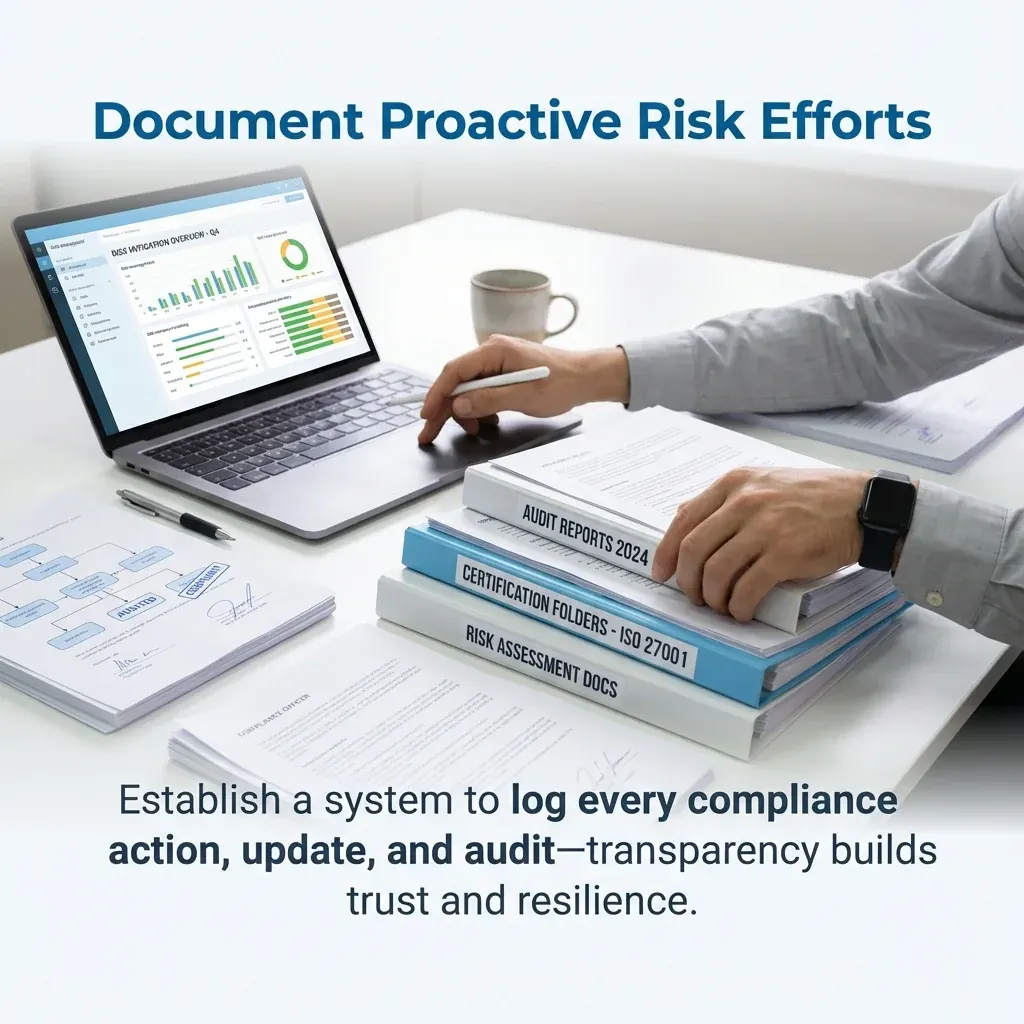
Document proactive risk management efforts to demonstrate due diligence and protect against negligence allegations. This evidence becomes critical during regulatory audits or enforcement action. When enforcement pressure arrives, operators with documented risk management processes are in a far stronger position than those relying on informal practices.
For transport operators, this means connecting supply chain risk processes to your Chain of Responsibility training and Safety Management System. The documentation you maintain today — supplier assessments, compliance reviews, risk registers — becomes the evidence regulators expect to see tomorrow. Contact MAEZ for a practical review of the controls, evidence, training, and SMS gaps that matter most.
How MAEZ works
Find the gaps. Fix the system. Prove the controls.
MAEZ helps transport operators deal with the compliance risk they already know is there. We help get the Safety Management System in order, protect NHVAS accreditation, reduce fine exposure, and connect training, evidence, and CoRGuard workflows where software is needed.
Find
Identify what is exposed before an auditor or regulator does.
Fix
Build the SMS controls around how the transport business actually runs.
Prove
Use CoRGuard where records, reminders, diaries, audits, and evidence need structure.
From advice to evidence
From MAEZ advice to a working Safety Management System
Advisory work should leave a practical implementation trail. These examples show how CoRGuard supports records, fatigue and driver diary checks, maintenance, audits, document control, inductions, corrective actions, and evidence review after MAEZ identifies the gaps.
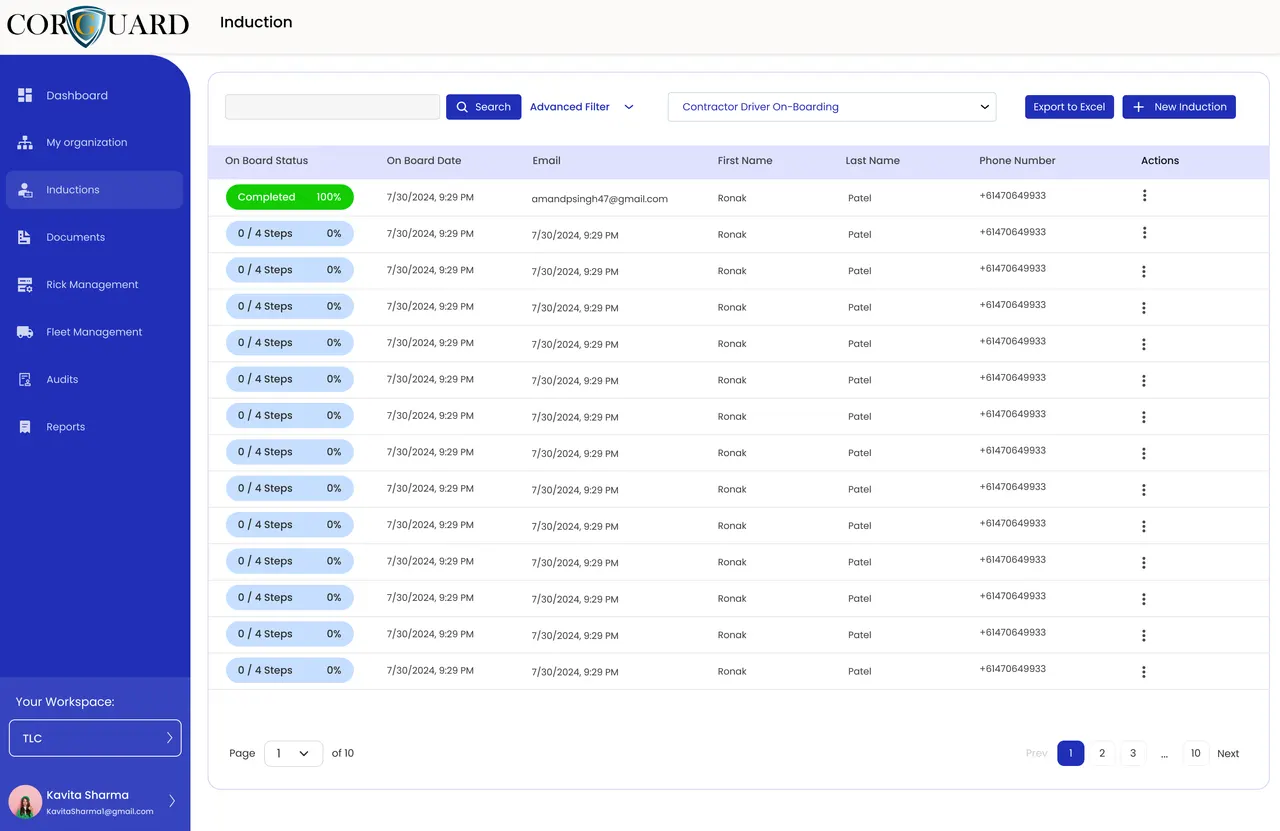
Training records
Connect training completion from cortraining.com.au to evidence and follow-up.
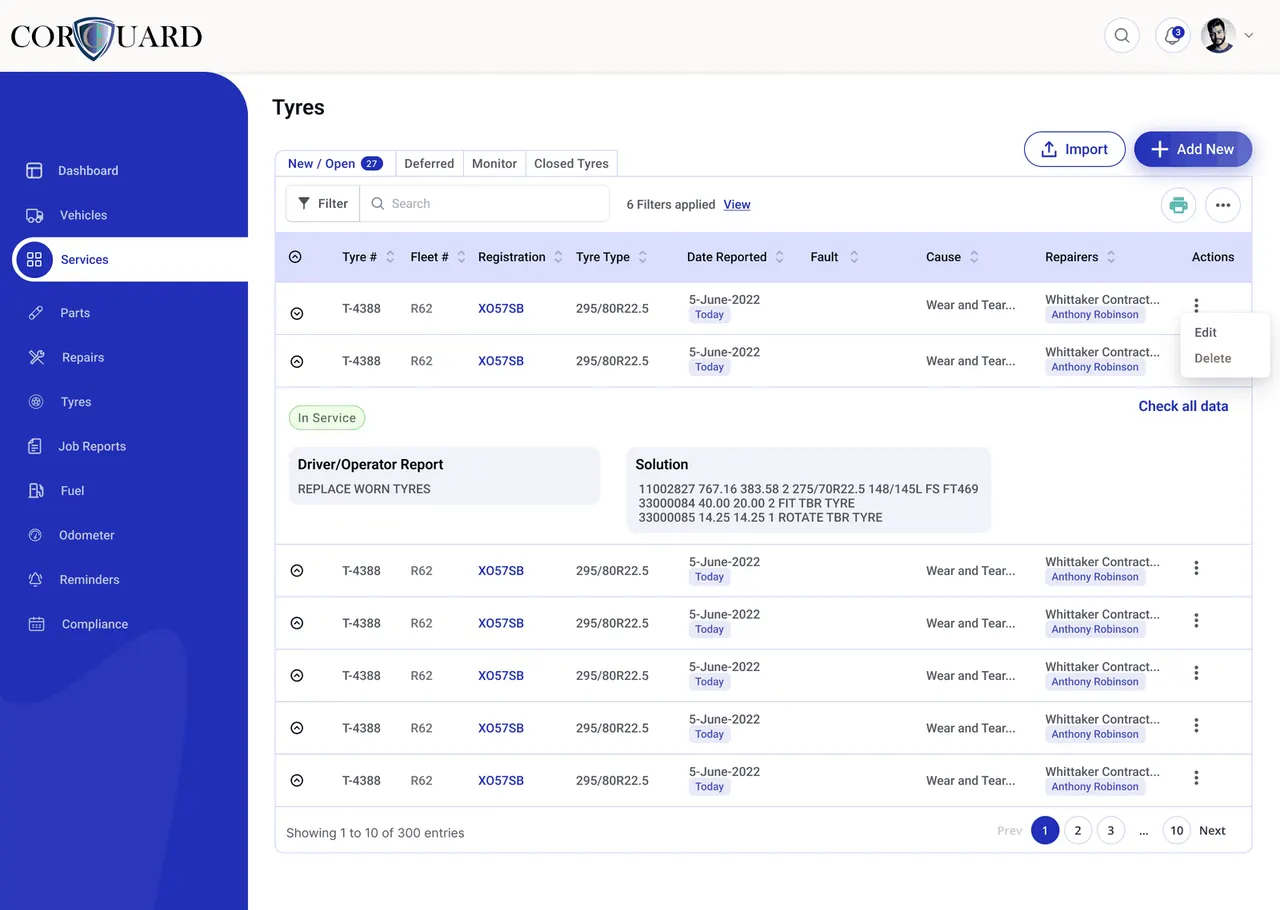
Driver diary checks
Connect fatigue and driver diary review back to manager visibility.
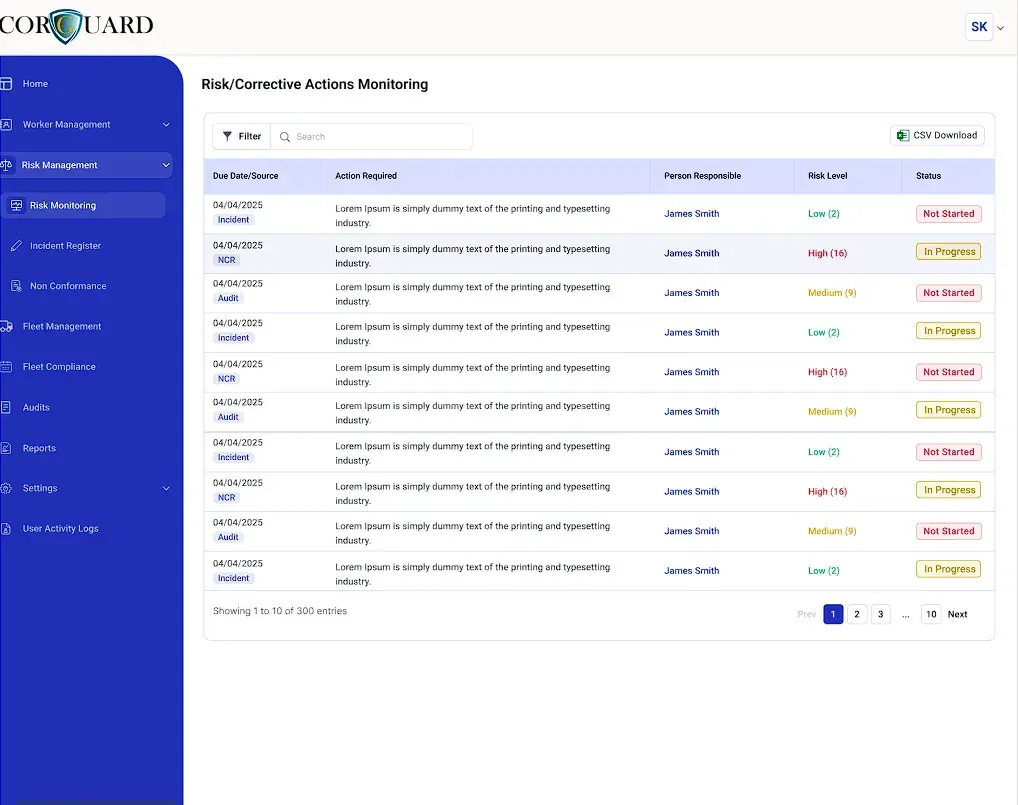
Corrective actions
Turn audit findings, hazards and incidents into tracked actions.
Keep exploring
Related Chain of Responsibility reading
MAEZ insight
Overcoming Common CoR Training Challenges with Ease
Discover effective solutions for overcoming common CoR training challenges and ensure lasting change in your organization. Learn how to engage participants effectively.
MAEZ insight
Understanding the Heavy Vehicle National Law: A Comprehensive Guide
Explore the Heavy Vehicle National Law overview, a key regulatory framework for commercial transport in Australia, ensuring safety and compliance.
MAEZ insight
Decoding HVNL Requirements: A Comprehensive Guide
Explore our guide on understanding HVNL requirements, ensuring compliance and safety in the heavy vehicle sector. Essential for all industry stakeholders.
MAEZ insight
Understanding HVNL Compliance: A Complete Guide
Learn how to comply with HVNL and meet Chain of Responsibility obligations. This guide details safety risk management for all supply chain parties.
MAEZ insight
Understanding the Essentials of CoR Training Requirements
Dive into understanding CoR training requirements and discover how competency over certification plays a crucial role in Australia’s compliance landscape.
MAEZ insight
Mastering SMS Implementation: Troubleshooting Common Issues
Overcome SMS implementation hurdles with our troubleshooting guide. Discover solutions to common issues and ensure safety framework success today.
Frequently asked questions
Questions people ask about this topic
What is supply chain risk management in the context of Australian transport?
Supply chain risk management (SCRM) is the systematic identification, assessment, and mitigation of threats across procurement, logistics, and distribution networks. For Australian transport operators, it extends to managing Chain of Responsibility obligations under the Heavy Vehicle National Law, ensuring documented due diligence for all parties in the supply chain.
What are the core components of an effective SCRM program?
An effective SCRM program includes risk identification across the supply network, structured risk assessment using frameworks like ISO 31000 or NIST, risk mitigation through diversification and contingency planning, continuous monitoring of all nodes, and governance structures with clear accountability at every level.
How does Chain of Responsibility relate to supply chain risk management?
The HVNL Chain of Responsibility framework imposes strict obligations on organisations to manage transport safety risks throughout their supply chains. Executives face personal liability for systemic failures, making documented evidence of proactive risk management essential for demonstrating due diligence during audits or enforcement action.
What types of risks should transport operators include in their SCRM process?
Transport operators should address operational and capacity risks, transport and logistics risks including vehicle breakdowns and driver shortages, financial and commercial risks from supplier instability, cybersecurity threats from third-party system access, and geopolitical and regulatory risks including evolving compliance requirements across jurisdictions.
Why is continuous monitoring important for supply chain risk management?
Continuous monitoring ensures ongoing visibility across the supply network and identifies emerging issues before they escalate. Regular supplier reviews, compliance audits, and performance tracking produce the documented evidence regulators expect, placing operators in a stronger position during enforcement action than those relying on informal practices.