
MAEZ insight
Understanding CoR Training Requirements
A practical guide to Chain of Responsibility training requirements for Australian transport operators — covering HVNL duties, role-based competency, due diligence, and refresher cycles.

Receiving windows, site rules, and unloading delays can all shape the transport task.
Unloading decisions can affect safety, scheduling, and responsibility.
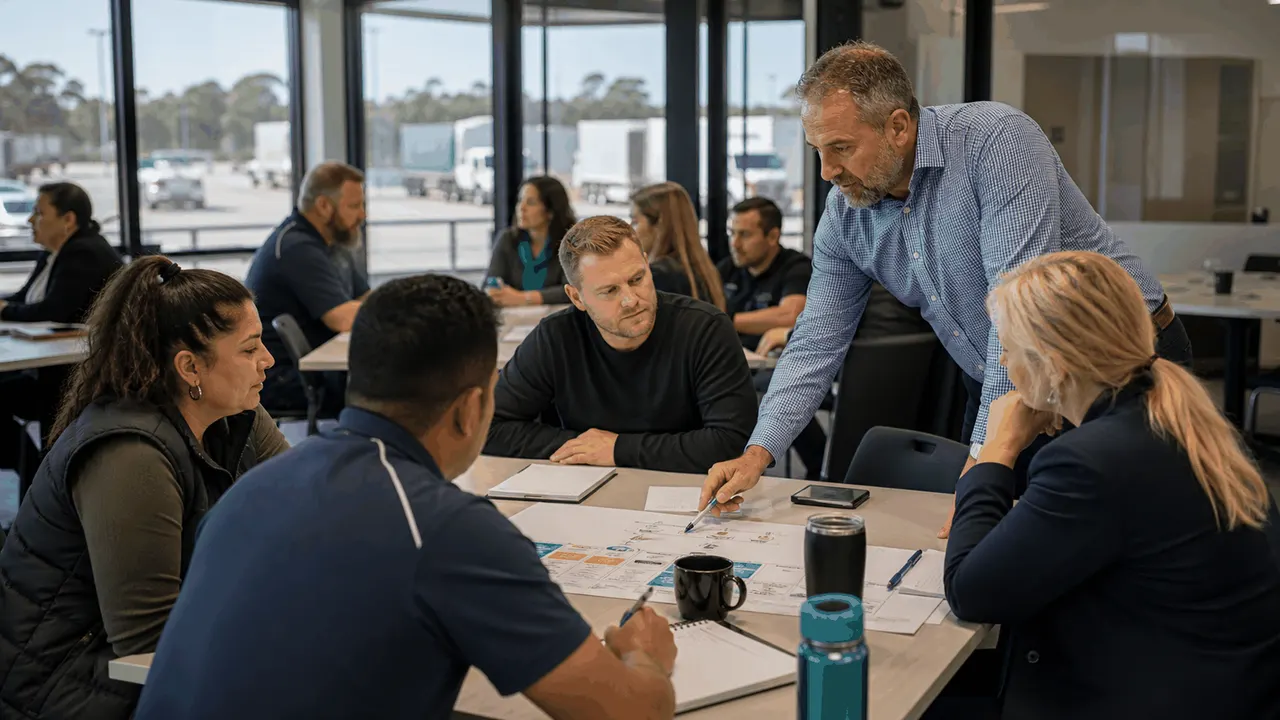
Managers need a clear view of gaps before audit or enforcement pressure arrives.

Contractor controls should be verified before the work starts.
Consignors
Freight terms, delivery windows, and KPIs must not push drivers into speed, fatigue, or mass breaches.
Consignees
Receiving rules, site access, and unloading delays are CoR controls that need to be set and evidenced.
Loaders
Mass, dimension, and load restraint decisions need documented checks, not assumptions.
Managers
Executives and managers need due-diligence evidence that the Safety Management System is actually working.
What are CoR training requirements?
A direct answer for Australian transport operators

Chain of Responsibility training requirements in Australia arise from the Heavy Vehicle National Law (HVNL), which establishes legal duties for every party in the supply chain rather than mandating specific courses. Training must be role-specific, current, and delivered by qualified trainers to demonstrate due diligence — proving you have the knowledge and skills to fulfil your obligations and prevent breaches before they occur.
There is no single federal certification body for CoR training. What matters in Australia is competency, not a certificate on the wall. Your training needs depend entirely on your specific role within the supply chain — someone approving loads requires different knowledge than someone scheduling drivers.
To understand the broader framework, see About Chain of Responsibility.
The regulatory foundation: duties, not courses
Why the HVNL drives training — not the other way around
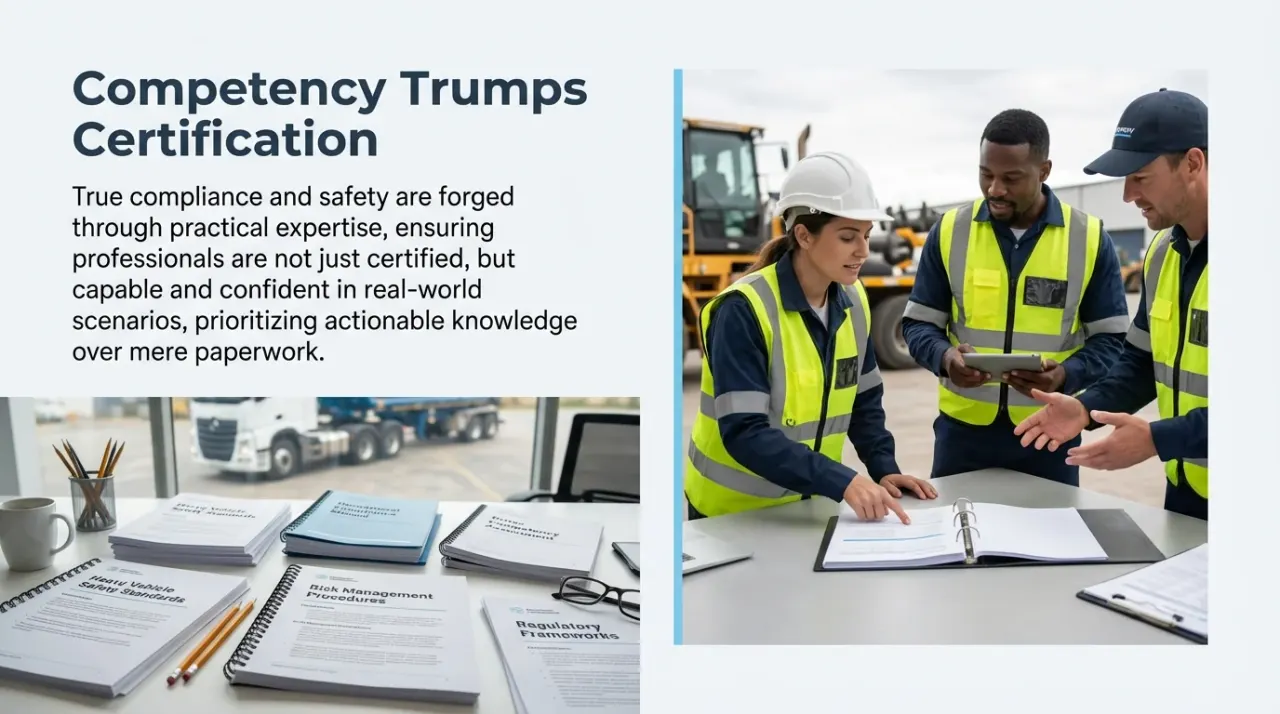
The HVNL does not mandate specific training courses. It establishes legal duties instead. These duties apply to anyone who influences road safety outcomes through their decisions or actions — including executives who set delivery timeframes, schedulers who allocate work, loading supervisors who approve configurations, and compliance managers who design systems.
Understanding your duties as a duty holder is the starting point. Training becomes your mechanism for demonstrating due diligence. When an incident occurs, regulators will examine whether you possessed the knowledge and skills necessary to fulfil your duties.
The law establishes primary duties that apply regardless of your specific role, including ensuring your conduct does not cause or contribute to breaches of road transport laws. Executive officers carry additional duties extending to governance and system oversight.
Key points
- The HVNL creates obligations — it does not prescribe a curriculum
- Duties attach to roles and decisions, not job titles alone
- Training is how you demonstrate you understood and could meet those duties
- Chain of Responsibilities: What Australian HVNL Duty Holders Need to Understand
Who needs CoR training?
Role-based obligations across the supply chain
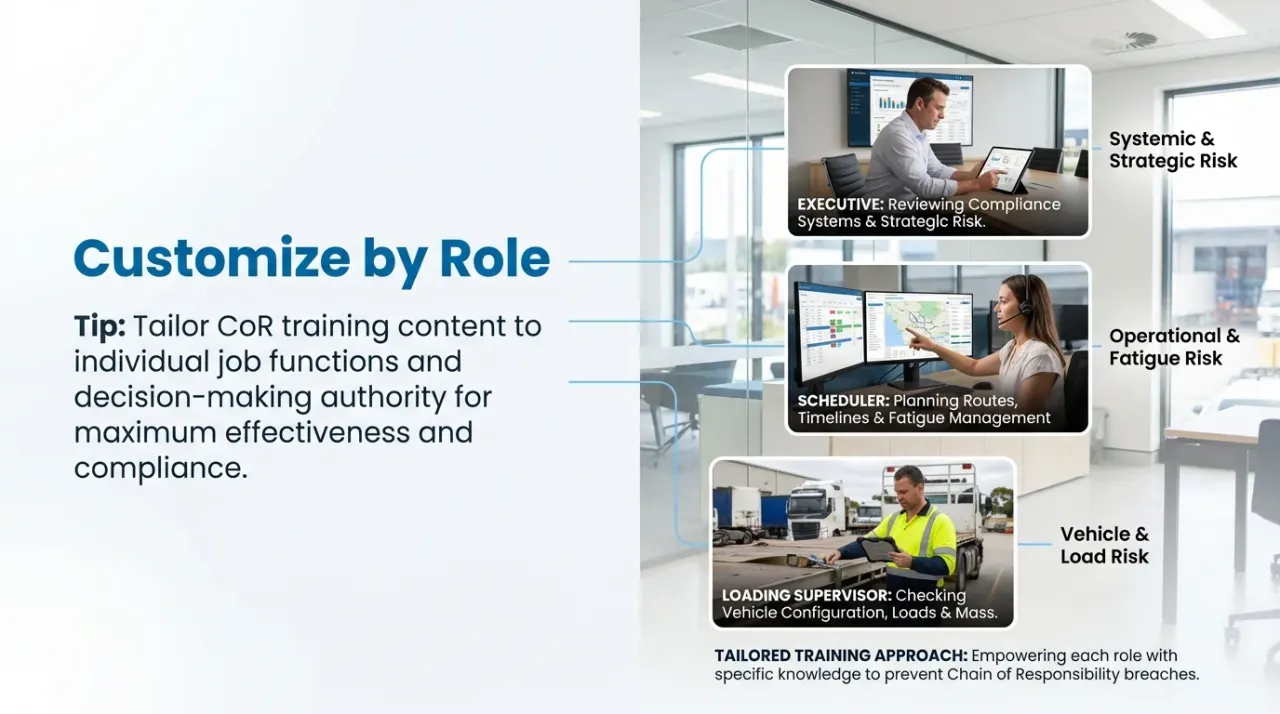
Your training requirements stem from your role in the supply chain. Common positions that carry CoR obligations include:
- Transport managers coordinating fleet operations
- Schedulers determining route assignments and delivery windows
- Loading supervisors approving vehicle configurations
- Procurement teams establishing contract terms
- Operations directors setting performance standards
- Compliance officers designing safety systems
Each role carries different knowledge requirements. A scheduler needs depth on fatigue management regulations. A loading supervisor requires expertise in mass and dimension limits. Executives and managers need a governance-focused understanding, while frontline staff need procedure-level detail.
For role-specific training pathways, explore Chain of Responsibility Training for Australian Transport Operators and Chain of Responsibility Training for Executives and Managers.
What does due diligence actually require?
Training is the foundation — not the whole picture
CoR training serves one primary purpose: establishing your capacity to meet due diligence obligations. This means demonstrating you have taken reasonable steps to prevent breaches before they occur.
Training alone does not satisfy due diligence. You need documented systems, regular monitoring, and evidence of consistent application. But training forms the foundational layer.
Regulators expect your training to be current, relevant to your role, and delivered by someone with appropriate expertise. Generic online modules rarely meet this standard for complex operational roles.
A practical CoR consulting review can help identify where your training program aligns with — or falls short of — due diligence expectations. For a structured approach to closing those gaps, see Using a Chartered Risk Lens to Close Chain of Responsibility Gaps.
Core knowledge areas: law, breaches, and risk
What your training needs to cover
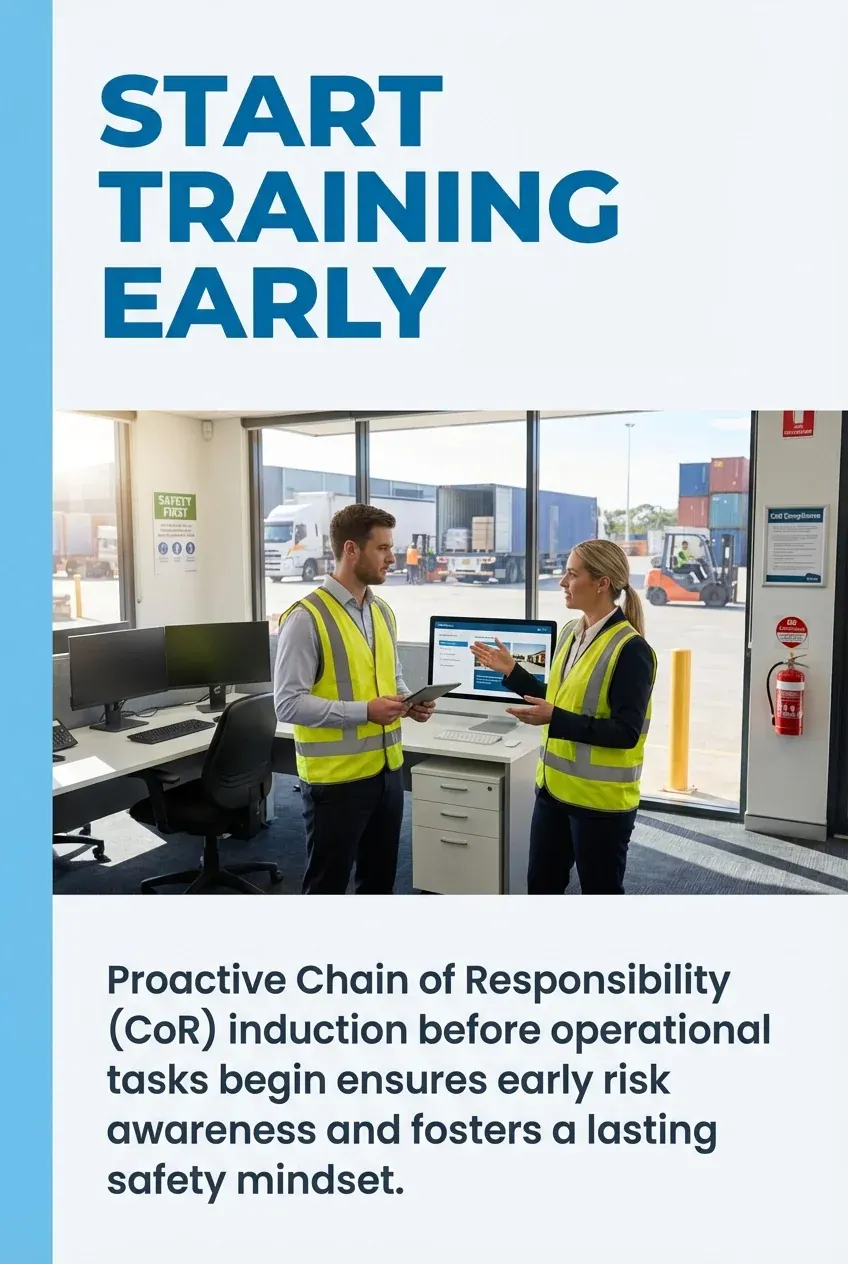
CoR training covers six fundamental areas. Three relate directly to the legal framework and your operational decisions.
HVNL structure
You need working knowledge of how the HVNL creates obligations — not legal expertise, but practical understanding of how the law applies to daily decisions.
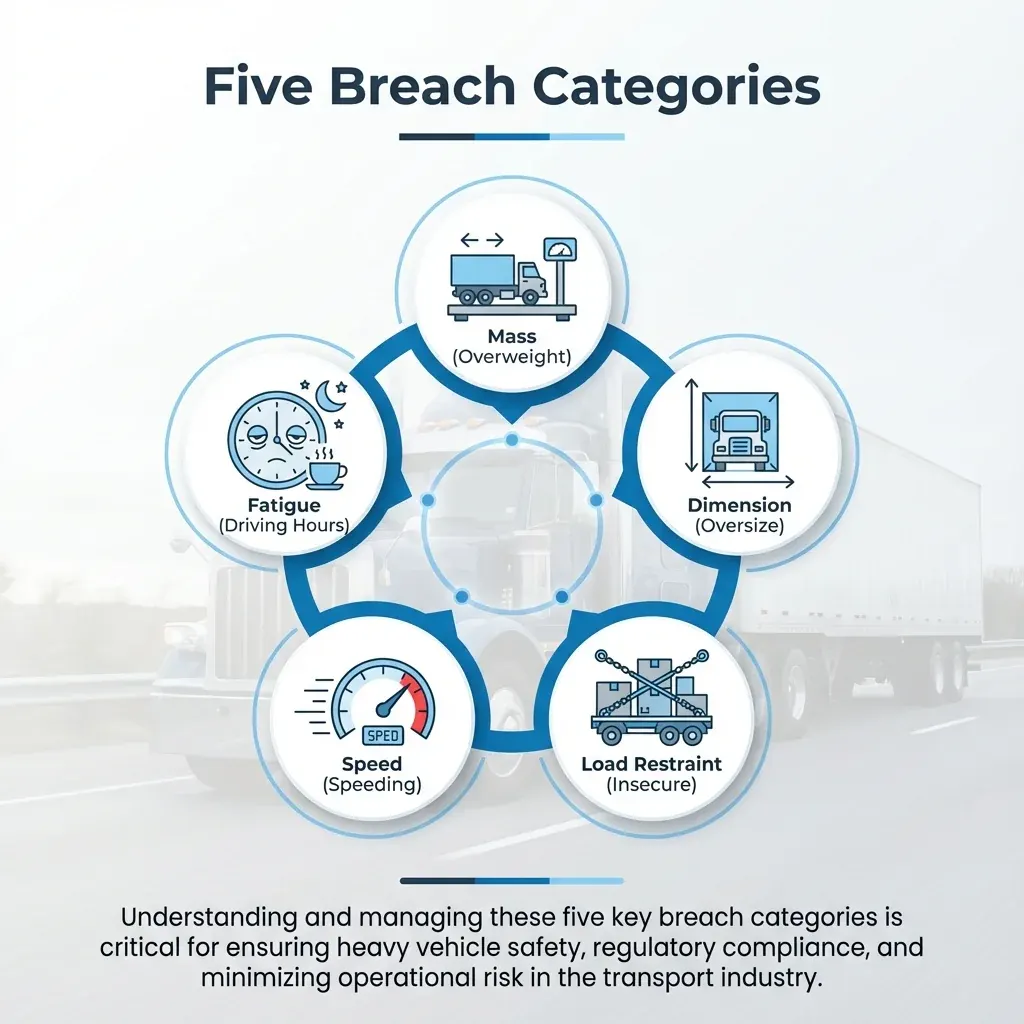
The five CoR breach categories
- Mass — loading procedures, weighing protocols; control points include load planning, weighbridge access, documentation
- Dimension — vehicle configuration, load restraint; control points include pre-departure checks, route selection, pilot requirements
- Load restraint — securing methods, equipment condition; control points include loading standards, inspection processes, equipment maintenance
- Speed — scheduling pressures, route planning; control points include delivery timeframes, traffic considerations, vehicle limitations
- Fatigue — work allocation, recovery periods; control points include scheduling systems, work hour tracking, fatigue management plans
Focus on the categories your decisions directly influence.
Risk assessment and control methods
Training should equip you to recognise situations where your actions might contribute to potential breaches. This involves evaluating likelihood and consequence, prioritising control measures, and documenting your assessment process. Risk assessment is not a one-time exercise — your training should cover how to review and update assessments as operations change.
Evidence, communication, and continuous improvement
Proving compliance and keeping it current
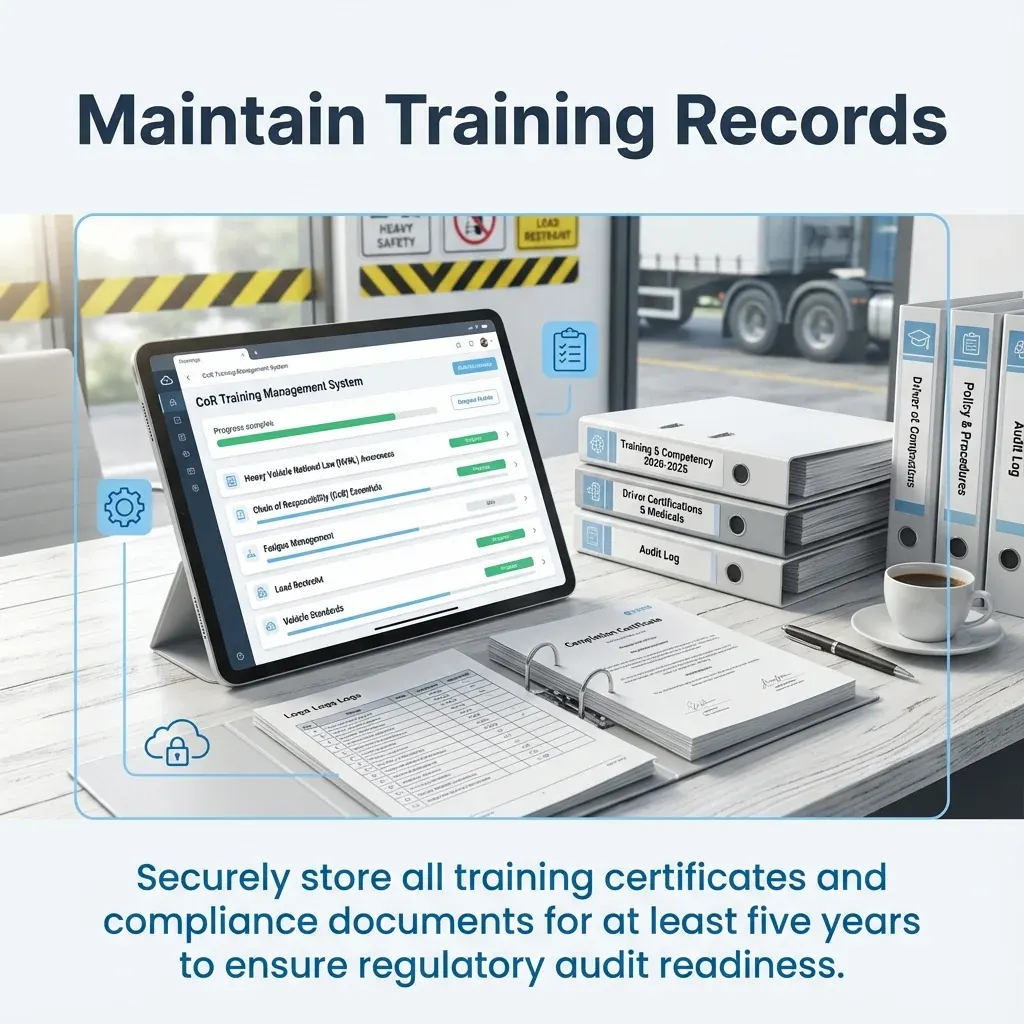
The remaining three knowledge areas focus on proving compliance and keeping it current.
Documentation and evidence standards
Regulators expect documented evidence of your compliance efforts. Different roles require different documentation: schedulers need evidence of how they allocated work, loading supervisors need records of weight verification, and executives need evidence of system oversight. Your training should provide practical guidance on creating audit trails that demonstrate due diligence without excessive administrative burden.
Supply chain visibility and communication
CoR obligations extend across organisational boundaries. Training should address both upstream communication with customers and consignors, and downstream communication with transport providers and drivers — including contract terms that specify safety expectations, induction processes for new suppliers, and incident reporting protocols.
Continuous improvement systems
Your safety management system requires regular review and refinement based on operational experience and regulatory changes. Training should explain how to establish feedback mechanisms, conduct internal audits, and implement corrective actions when issues emerge — including incident investigation that identifies systemic causes rather than blaming individuals.
Training delivery and refresher requirements
What quality looks like — and how often it needs to happen
How training is delivered matters as much as what it covers when demonstrating due diligence.
Delivery quality
- Interactive workshop format — scenario analysis, group discussion, and practical exercises produce better outcomes than lecture-style delivery
- Role-specific content — generic CoR training often fails because it does not address your specific decision-making context; executives need governance focus, operational managers need process design emphasis, frontline supervisors need procedure implementation detail
- Trainer qualifications — look for trainers with both regulatory knowledge and operational experience in transport supply chains
- Assessment and verification — scenario-based questions, practical exercises, or structured discussions reveal comprehension depth; simple multiple-choice tests rarely provide adequate verification for complex roles
Initial training timeframes
New employees with CoR responsibilities should complete initial training before making decisions that could influence road safety outcomes. This means training during onboarding, not six months into the role. Duration depends on role complexity — executives might need half-day sessions, operational managers might require full-day or multi-day programs, and frontline supervisors need role-specific training lasting several hours.
Refresher training cycles
CoR knowledge degrades over time. Procedures get forgotten, new risks emerge, and regulations change. Most organisations implement refresher training on a regular cyclical basis. As the HVNL evolves — including changes planned for 2026 — keeping your team's knowledge current becomes even more critical. See HVNL 2026 Changes and Chain of Responsibility Training Readiness for practical guidance.
For structured training options, visit the Chain of Responsibility Course page or contact MAEZ for a practical review of your training and evidence gaps.
How MAEZ works
Find the gaps. Fix the system. Prove the controls.
MAEZ helps transport operators deal with the compliance risk they already know is there. We help get the Safety Management System in order, protect NHVAS accreditation, reduce fine exposure, and connect training, evidence, and CoRGuard workflows where software is needed.
Find
Identify what is exposed before an auditor or regulator does.
Fix
Build the SMS controls around how the transport business actually runs.
Prove
Use CoRGuard where records, reminders, diaries, audits, and evidence need structure.
From advice to evidence
From MAEZ advice to a working Safety Management System
Advisory work should leave a practical implementation trail. These examples show how CoRGuard supports records, fatigue and driver diary checks, maintenance, audits, document control, inductions, corrective actions, and evidence review after MAEZ identifies the gaps.
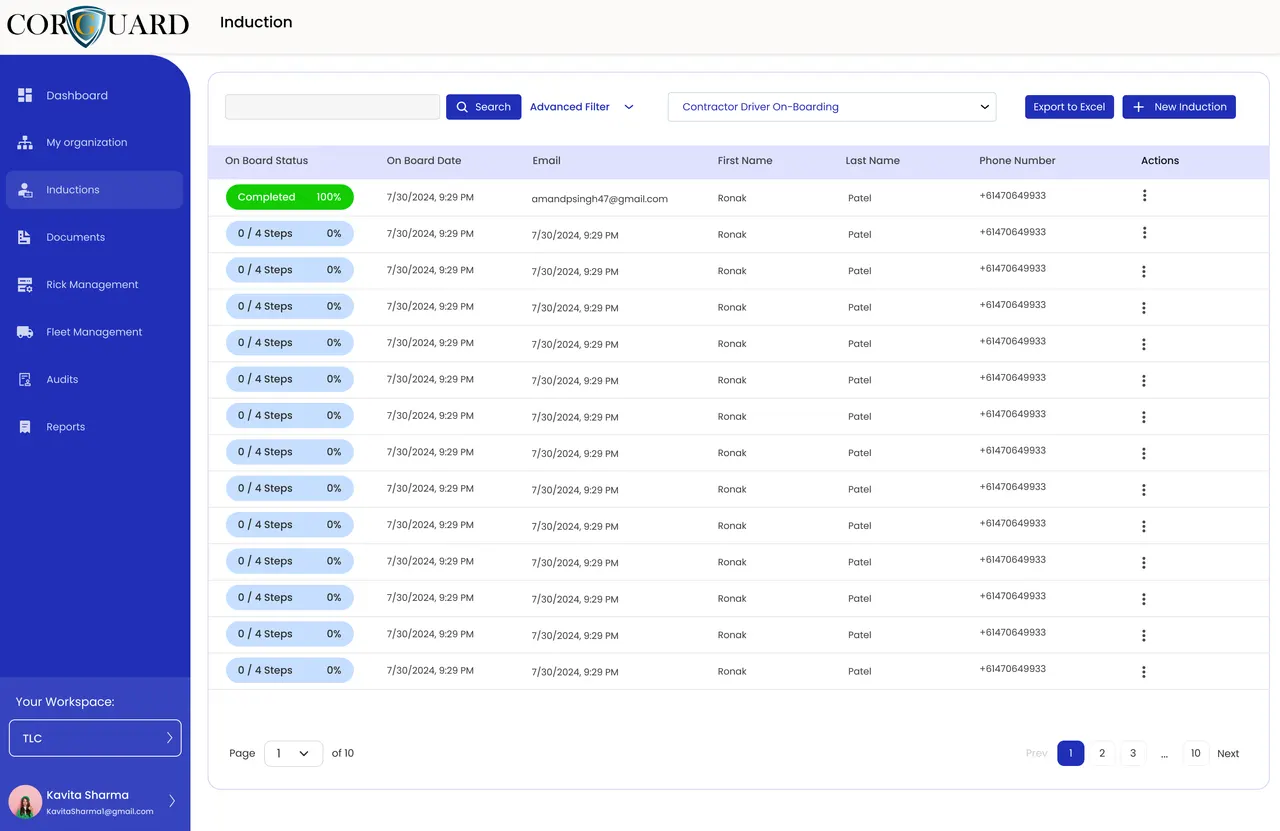
Training records
Connect training completion from cortraining.com.au to evidence and follow-up.
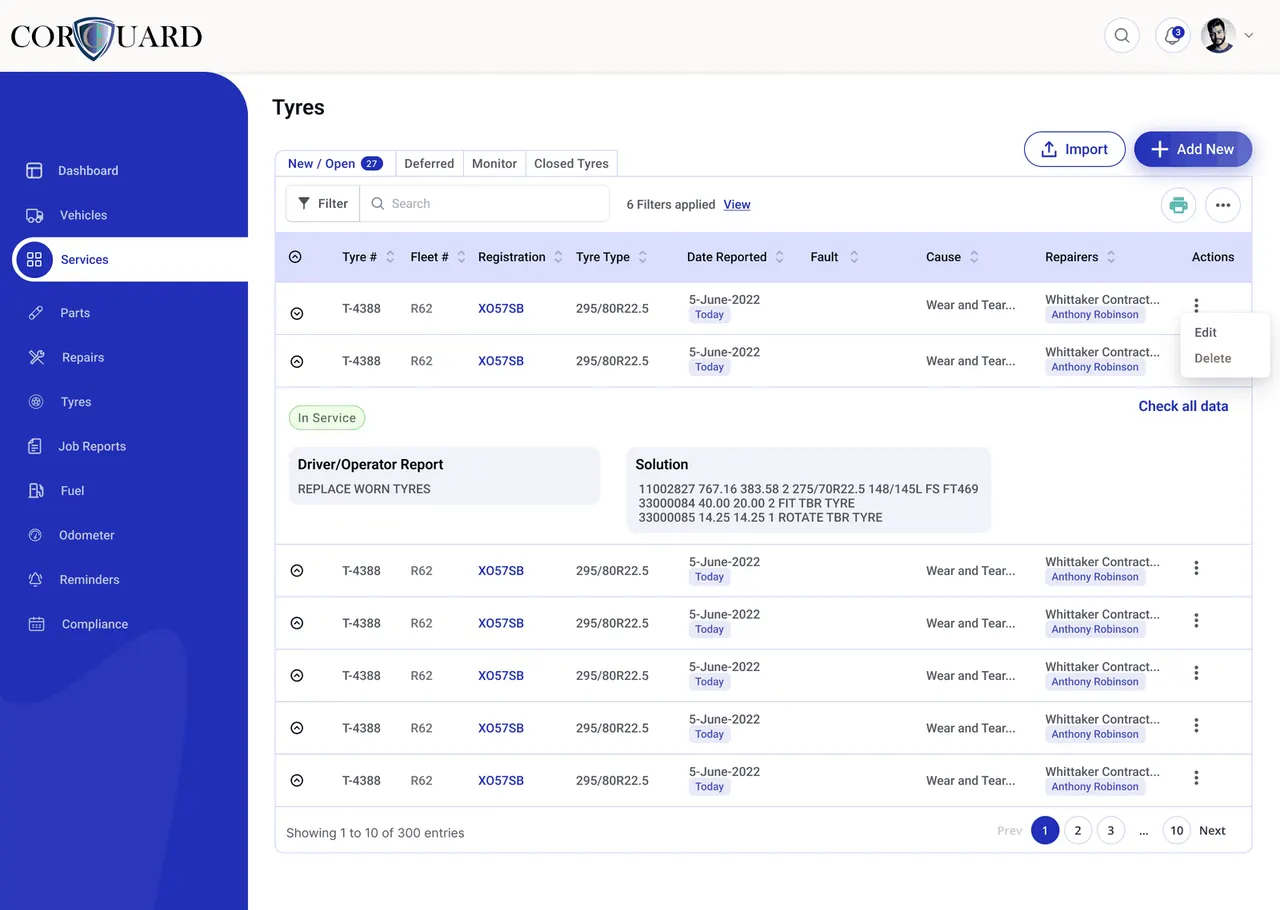
Driver diary checks
Connect fatigue and driver diary review back to manager visibility.
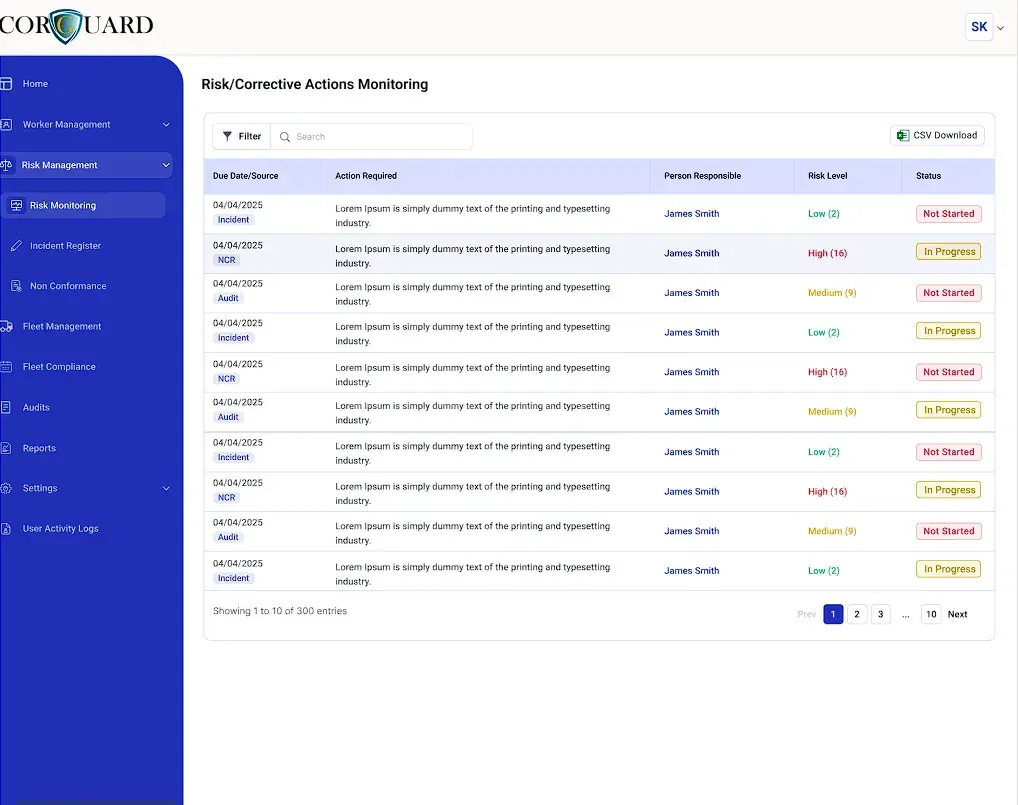
Corrective actions
Turn audit findings, hazards and incidents into tracked actions.
Keep exploring
Related Chain of Responsibility reading
MAEZ insight
Mastering SMS Implementation: Troubleshooting Common Issues
Overcome SMS implementation hurdles with our troubleshooting guide. Discover solutions to common issues and ensure safety framework success today.
MAEZ insight
Top Transport Safety Best Practices for a Safer Future
Discover top best practices in transport safety that can enhance safety standards, lower costs, and ensure compliance. Learn how to protect your operations today.
MAEZ insight
Effective Strategies for Implementing COR Training
Discover effective strategies on how to implement COR training, enhancing your agency’s acquisition capabilities with structured certification pathways.
MAEZ insight
Understanding CoR Compliance: A Beginner’s Guide
Learn the essentials of CoR compliance with our beginner’s guide. Discover how to protect your business and supply chain effectively.
MAEZ insight
Decoding CoR Compliance: Key Requirements Explained
Unlock the essentials of understanding CoR compliance requirements under Australia’s Heavy Vehicle National Law, crucial for transport safety.
MAEZ insight
Essential CoR Compliance Checklist for Transport Safety
Ensure transport safety with our essential CoR compliance checklist. Manage obligations effectively under the Heavy Vehicle National Law.
Frequently asked questions
Questions people ask about this topic
Does the HVNL mandate specific CoR training courses?
No. The HVNL establishes legal duties for every party in the supply chain rather than mandating specific courses. Training is your mechanism for demonstrating due diligence — proving you have the knowledge and skills to fulfil your role-based obligations and prevent breaches.
How often should CoR refresher training be completed?
Most organisations implement refresher training on a regular cyclical basis, though the HVNL does not prescribe a fixed interval. CoR knowledge degrades over time as procedures are forgotten, new risks emerge, and regulations change — making refresher training especially critical as HVNL changes planned for 2026 approach.
Who in the supply chain needs CoR training?
Anyone whose decisions or actions influence road safety outcomes needs CoR training, including transport managers, schedulers, loading supervisors, procurement teams, operations directors, and compliance officers. Each role requires different knowledge depth — a scheduler needs fatigue management expertise, while a loading supervisor needs mass and dimension limits knowledge.
Are generic online CoR modules sufficient for due diligence?
Generic online modules rarely meet due diligence standards for complex operational roles. Regulators expect training to be current, relevant to your specific role, and delivered by someone with appropriate expertise. Role-specific, interactive training with assessment components provides far stronger evidence of competency.
What should CoR training cover beyond the legal framework?
CoR training should cover six core areas: HVNL structure, the five breach categories (mass, dimension, load restraint, speed, fatigue), risk assessment and control methods, documentation and evidence standards, supply chain communication, and continuous improvement systems for your safety management system.