
MAEZ insight
Decoding HVNL Requirements: A Comprehensive Guide for Australian Transport Operators
Understand the Heavy Vehicle National Law (HVNL), Chain of Responsibility obligations, fatigue management, and the 2025 amendments. A practical guide for Australian transport operators.
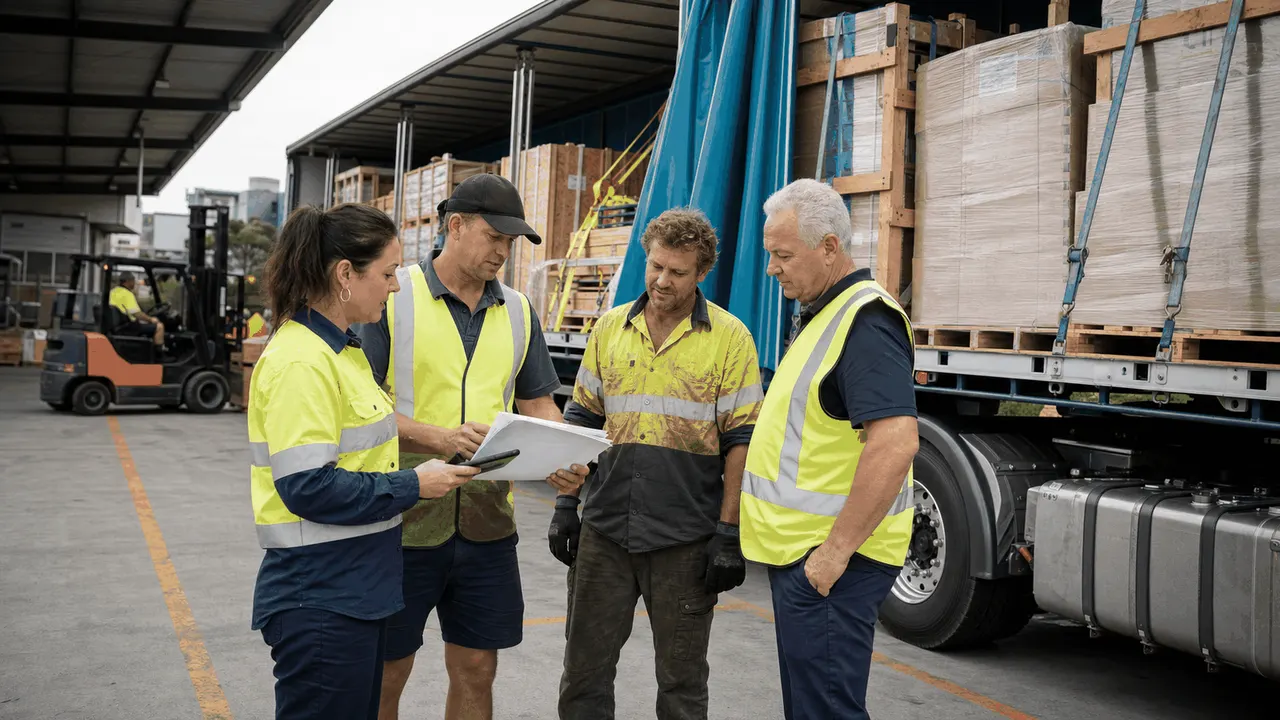
Receiving windows, site rules, and unloading delays can all shape the transport task.
Unloading decisions can affect safety, scheduling, and responsibility.

Managers need a clear view of gaps before audit or enforcement pressure arrives.

Contractor controls should be verified before the work starts.
Consignors
Freight terms, delivery windows, and KPIs must not push drivers into speed, fatigue, or mass breaches.
Consignees
Receiving rules, site access, and unloading delays are CoR controls that need to be set and evidenced.
Loaders
Mass, dimension, and load restraint decisions need documented checks, not assumptions.
Managers
Executives and managers need due-diligence evidence that the Safety Management System is actually working.
What is the Heavy Vehicle National Law (HVNL)?
Australia's principal regulatory framework for heavy vehicle safety
The Heavy Vehicle National Law (HVNL) is Australia's unified regulatory framework for heavy vehicle safety, applying to vehicles over 4.5 tonnes gross vehicle mass. It covers Chain of Responsibility obligations, fatigue management, mass and loading standards, and vehicle maintenance — enforced nationally by the National Heavy Vehicle Regulator across participating jurisdictions.
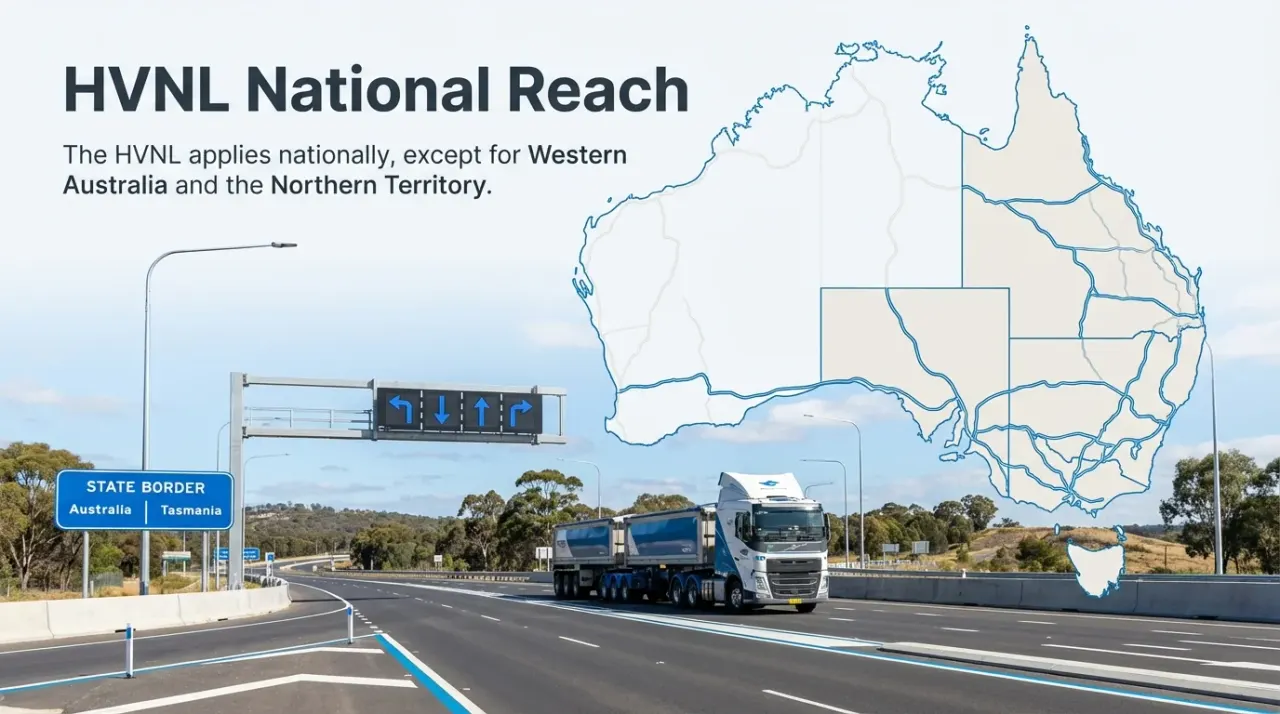
The HVNL replaced multiple state-based systems with a single, consistent set of national regulations. It applies nationally except in Western Australia and the Northern Territory, which are not participating jurisdictions.
The law's core purpose centres on road safety — reducing crashes, injuries, and fatalities involving heavy vehicles while maintaining productive freight movements. Understanding these requirements is not just about avoiding penalties. It is about building operational systems that protect your people, enhance efficiency, and create sustainable competitive advantages.
Key regulatory areas
- Chain of Responsibility obligations for all supply chain parties
- Fatigue management requirements for drivers and schedulers
- Mass, dimension, and loading standards for vehicles
- Vehicle standards and maintenance obligations
- Speed compliance and journey management
The national approach means operators working across jurisdictional boundaries follow consistent rules rather than navigating different state regulations. You do not need separate compliance systems for different regions.
Legislative framework and the 2025 amendments
The most significant HVNL compliance reform since its introduction
The National Heavy Vehicle Regulator (NHVR) is the independent statutory body responsible for administering and enforcing the HVNL across participating jurisdictions. This single agency replaced multiple state-based regulators.
Queensland legislation serves as the host jurisdiction. Other participating states and territories apply the law through application legislation in their own parliaments.
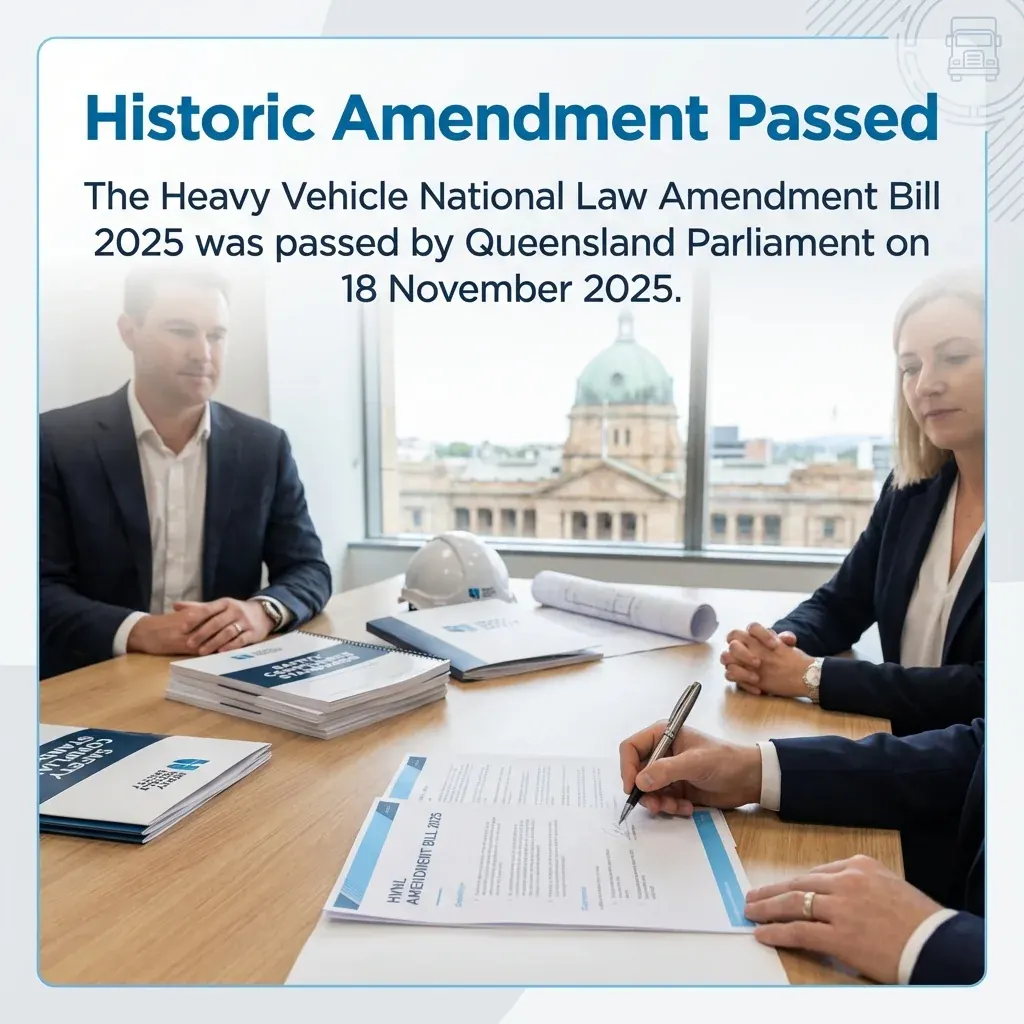
The Heavy Vehicle National Law Amendment Bill 2025 was passed by Queensland Parliament on 18 November 2025. This represents the most significant compliance reform since the HVNL's original introduction. The amendments strengthen Chain of Responsibility obligations and introduce mandatory Safety Management Systems. These changes become effective from January 2026 across all participating jurisdictions.
For a practical look at what these changes mean for your operation, see our guide to HVNL 2026 changes and Chain of Responsibility training readiness.
Who the HVNL applies to
Your obligations extend far beyond holding a truck licence
The HVNL applies to heavy vehicles operating on public roads within participating jurisdictions. Private property operations generally fall outside its scope unless the vehicle subsequently uses public roads.
You are subject to these requirements if you operate, schedule, load, or otherwise influence heavy vehicle operations. This extends well beyond just holding a truck licence. The law captures business premises where loading occurs, routes you specify for drivers, and timeframes you set for deliveries.
Your commercial decisions create compliance obligations even if you never touch a steering wheel. If your actions or inactions contribute to a breach, you face potential prosecution regardless of your position in the supply chain.
Understanding Chain of Responsibility
Distributing legal accountability across the entire supply chain
Chain of Responsibility (CoR) represents the HVNL's most distinctive compliance principle. It distributes legal accountability across every party who can influence safe heavy vehicle operations, not just drivers and vehicle owners.
This approach recognises that drivers often face pressure from other parties to breach safety regulations. Tight delivery schedules, unrealistic timeframes, and commercial incentives can create situations where compliance becomes difficult. CoR addresses this reality by making all contributing parties legally responsible.
Defined parties and their core obligations
- Consignors — send goods via heavy vehicle; ensure loading does not breach mass limits and provide accurate delivery timeframes
- Consignees — receive goods via heavy vehicle; manage unloading schedules to prevent fatigue breaches and maintain safe site access
- Packers — pack or assemble goods for transport; apply proper load restraint and ensure weight distribution compliance
- Loading managers — supervise or control loading activities; verify mass compliance before vehicle departure and document loading procedures
- Schedulers — plan or arrange transport tasks; create schedules allowing legal rest breaks and factor in realistic travel times
- Operators — control or direct heavy vehicle use; maintain vehicles, monitor driver hours, and implement safety systems
Executive officers of companies involved in heavy vehicle operations also carry personal liability. You must exercise due diligence to ensure your organisation maintains compliance. This obligation requires active engagement — you cannot delegate responsibility through corporate structures or claim ignorance of operational realities.
For a deeper look at each party's obligations, see our resource on what Australian HVNL duty holders need to understand. You can also learn more on our About Chain of Responsibility page.
Reasonable steps and due diligence
Proactive risk management, not perfection
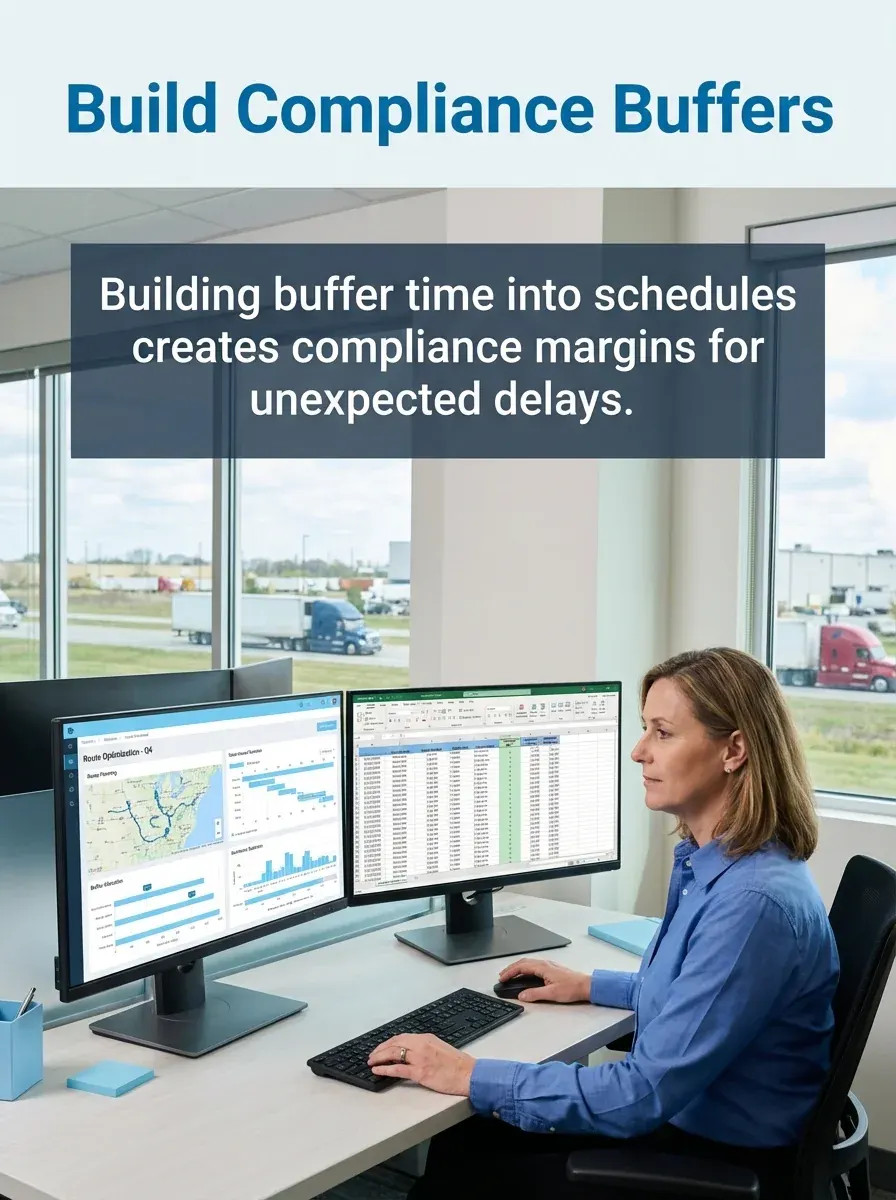
CoR obligations require you to take reasonable steps to prevent breaches. The law does not demand perfection, but it does require proactive risk management. What counts as reasonable steps varies based on your role and your capacity to influence outcomes — a multinational retailer faces different expectations than a small local consignor.
Due diligence for executive officers includes
- Acquiring and maintaining knowledge of HVNL requirements relevant to your business
- Understanding your organisation's heavy vehicle operations and associated risks
- Ensuring appropriate resources exist for HVNL compliance
- Implementing processes to receive and respond to compliance information
- Verifying that your organisation implements and maintains appropriate systems
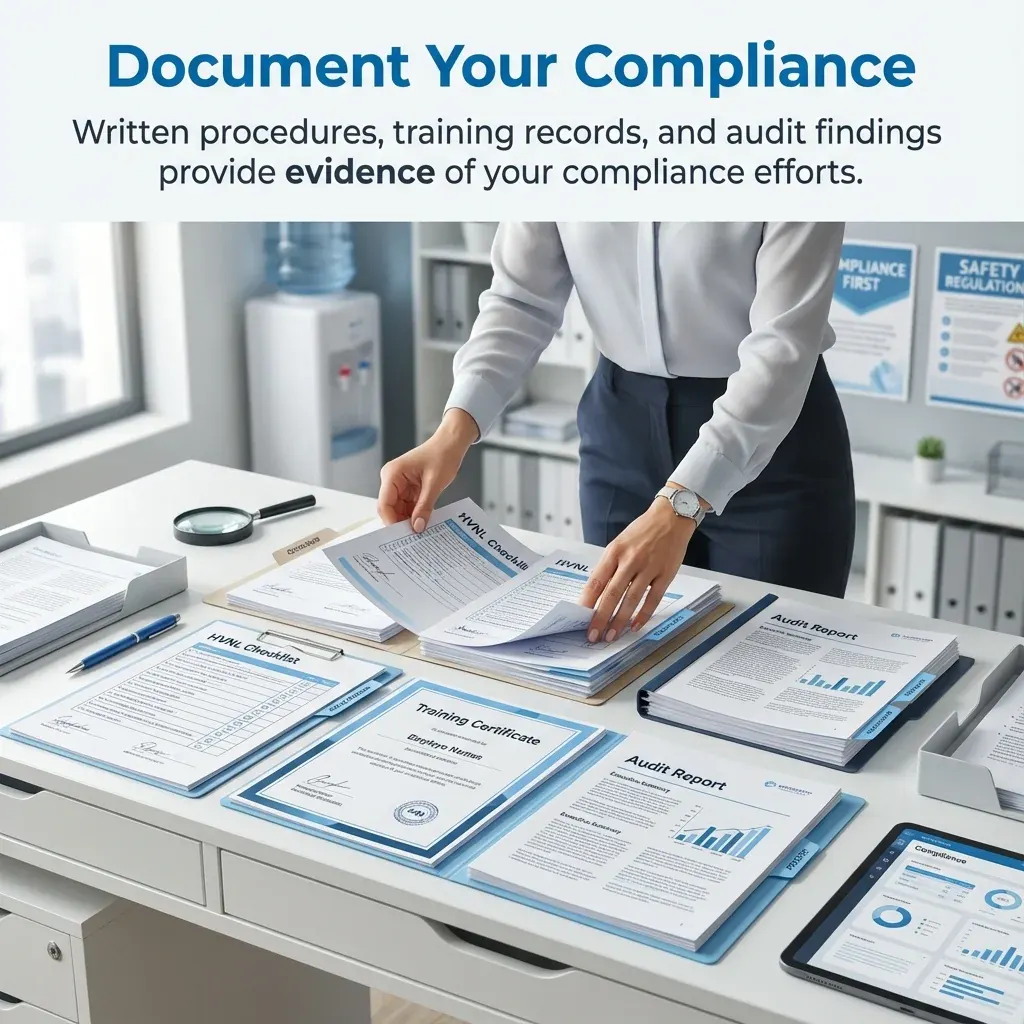
Documentation is essential for demonstrating reasonable steps. Written procedures, training records, and audit findings provide evidence of your compliance efforts. Document everything — procedures, training records, and audit evidence demonstrate reasonable steps and due diligence.
For practical support, consider our Chain of Responsibility consulting or our Chain of Responsibility training to help your team understand and meet these obligations.
The NHVR's role and accreditation schemes
Risk-based enforcement plus voluntary accreditation incentives
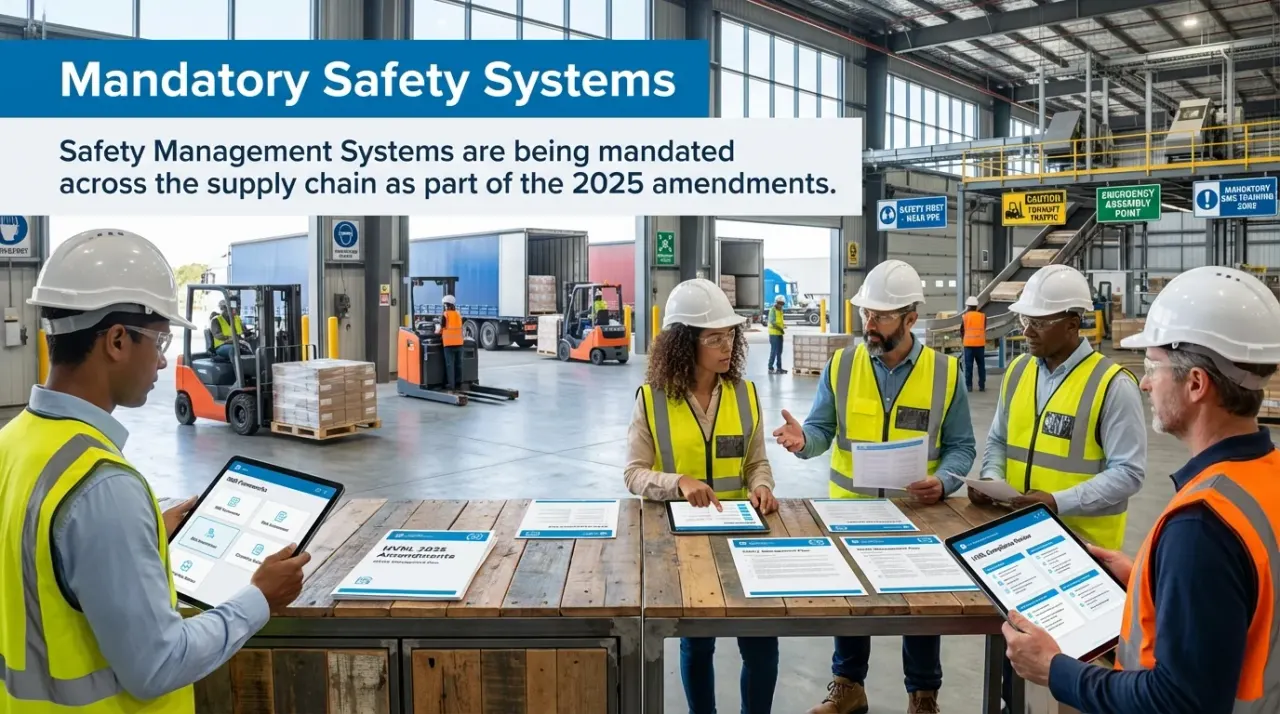
The NHVR administers and enforces the HVNL across participating jurisdictions. Its functions extend well beyond enforcement — it provides guidance, issues permits and exemptions, and works with industry to improve safety outcomes.
Core regulatory activities
- Conducting roadside inspections and compliance audits
- Investigating alleged HVNL breaches and gathering evidence
- Issuing improvement notices, infringement notices, and prosecuting serious offences
- Processing access permit applications for oversize or overmass vehicles
- Managing operator accreditation schemes
The regulator takes a risk-based approach. High-risk operators and routes receive more intensive oversight than lower-risk operations. Serious breaches trigger investigation and potential prosecution through state magistrates' courts.
The NHVR also administers voluntary accreditation schemes recognising operators with strong safety systems. Accredited operators gain access to regulatory concessions including reduced roadside inspection frequency, access to higher mass limits under the Performance Based Standards scheme, simplified fatigue management options, and streamlined permit processes for oversize loads.
Accreditation requires implementing audited safety management systems. You must demonstrate systematic approaches to managing mass, maintenance, and fatigue risks. The compliance burden increases, but many operators find the operational benefits — reduced delays and improved productivity — justify the investment.
Fatigue management requirements
Work and rest hour controls for all parties in the supply chain
Fatigue causes significant crash risks in heavy vehicle operations. Driver tiredness impairs reaction times, decision-making ability, and hazard perception similar to alcohol intoxication. The HVNL establishes detailed fatigue management requirements controlling driver work and rest hours. These regulations apply to all parties in the Chain of Responsibility, not just drivers themselves.
Three main fatigue management options exist under the law, each providing different flexibility levels with corresponding compliance requirements.
Standard Hours
Standard Hours represents the basic fatigue management framework. Most operators use this option as it requires minimal administrative burden. Maximum work times include:
- Single day: 12 hours maximum work time, 7 continuous hours minimum rest
- Any 7 days: 72 hours maximum work time, 24 continuous hours weekly rest
- 14 days: 144 hours maximum work time
Work time includes all driving plus other work duties. Rest breaks must be genuinely available for sleeping, not merely off-duty periods at customer sites. Drivers must maintain written work diaries recording all work and rest times, providing evidence of compliance during audits and investigations.
Basic Fatigue Management (BFM) and Advanced Fatigue Management (AFM)
BFM and AFM provide more flexible work hour arrangements in exchange for implementing audited fatigue management systems. BFM allows extended work hours compared to Standard Hours — you can schedule up to 14 hours work in a day under specific conditions. AFM offers further flexibility with tailored work and rest arrangements, subject to regulator approval and documented risk management processes.
To ensure your team understands fatigue and broader CoR obligations, explore our Chain of Responsibility course or contact MAEZ for tailored guidance.
How MAEZ works
Find the gaps. Fix the system. Prove the controls.
MAEZ helps transport operators deal with the compliance risk they already know is there. We help get the Safety Management System in order, protect NHVAS accreditation, reduce fine exposure, and connect training, evidence, and CoRGuard workflows where software is needed.
Find
Identify what is exposed before an auditor or regulator does.
Fix
Build the SMS controls around how the transport business actually runs.
Prove
Use CoRGuard where records, reminders, diaries, audits, and evidence need structure.
From advice to evidence
From MAEZ advice to a working Safety Management System
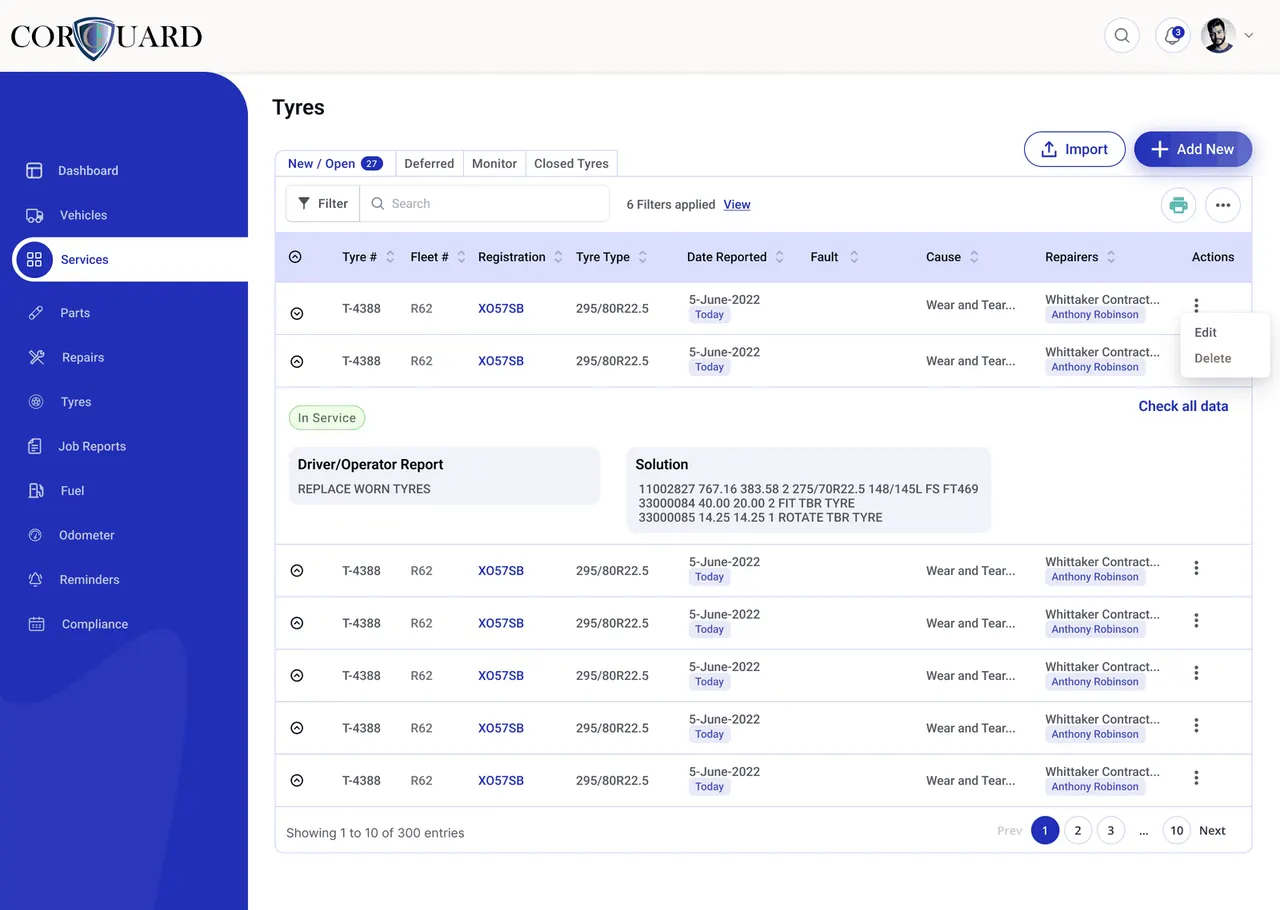
Advisory work should leave a practical implementation trail. These examples show how CoRGuard supports records, fatigue and driver diary checks, maintenance, audits, document control, inductions, corrective actions, and evidence review after MAEZ identifies the gaps.
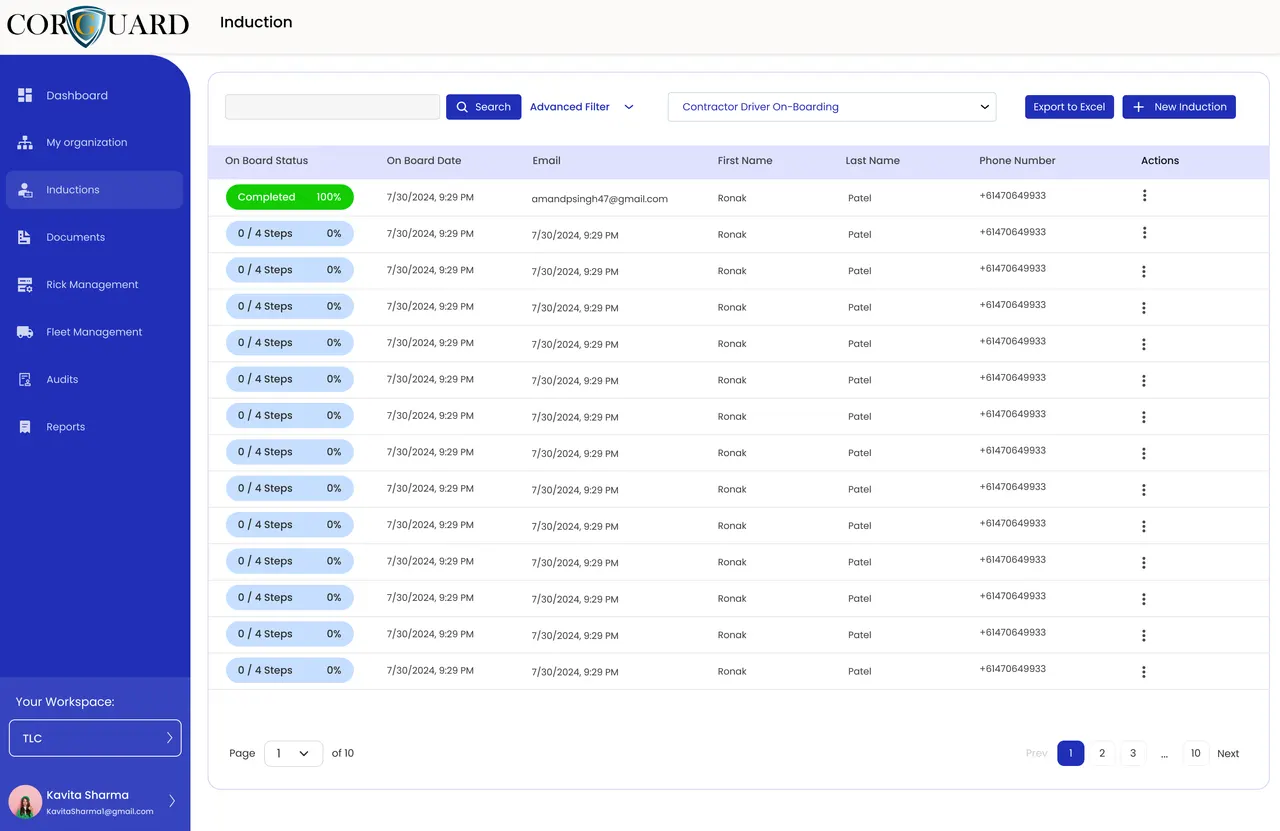
Training records
Connect training completion from cortraining.com.au to evidence and follow-up.
Driver diary checks
Connect fatigue and driver diary review back to manager visibility.
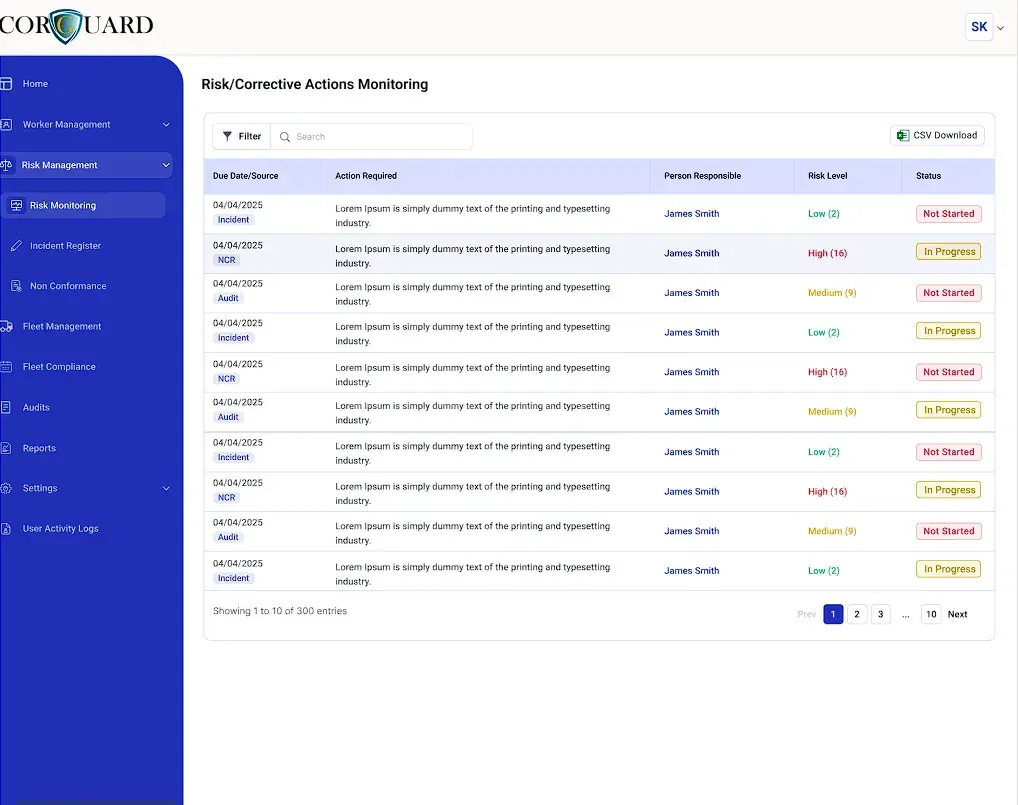
Corrective actions
Turn audit findings, hazards and incidents into tracked actions.
Keep exploring
Related Chain of Responsibility reading
MAEZ insight
Understanding HVNL Compliance: A Complete Guide
Learn how to comply with HVNL and meet Chain of Responsibility obligations. This guide details safety risk management for all supply chain parties.
MAEZ insight
Understanding the Essentials of CoR Training Requirements
Dive into understanding CoR training requirements and discover how competency over certification plays a crucial role in Australia’s compliance landscape.
MAEZ insight
Mastering SMS Implementation: Troubleshooting Common Issues
Overcome SMS implementation hurdles with our troubleshooting guide. Discover solutions to common issues and ensure safety framework success today.
MAEZ insight
Top Transport Safety Best Practices for a Safer Future
Discover top best practices in transport safety that can enhance safety standards, lower costs, and ensure compliance. Learn how to protect your operations today.
MAEZ insight
Effective Strategies for Implementing COR Training
Discover effective strategies on how to implement COR training, enhancing your agency’s acquisition capabilities with structured certification pathways.
MAEZ insight
Understanding CoR Compliance: A Beginner’s Guide
Learn the essentials of CoR compliance with our beginner’s guide. Discover how to protect your business and supply chain effectively.
Frequently asked questions
Questions people ask about this topic
What vehicles does the HVNL apply to?
The HVNL applies to heavy vehicles exceeding 4.5 tonnes gross vehicle mass operating on public roads in participating jurisdictions. This captures everything from medium-sized delivery trucks to B-double configurations and road trains. Western Australia and the Northern Territory are not participating jurisdictions.
When do the 2025 HVNL amendments take effect?
The Heavy Vehicle National Law Amendment Bill 2025 was passed by Queensland Parliament on 18 November 2025 and becomes effective from January 2026 across all participating jurisdictions. The amendments strengthen Chain of Responsibility obligations and introduce mandatory Safety Management Systems.
Who holds Chain of Responsibility obligations under the HVNL?
CoR obligations extend to consignors, consignees, packers, loading managers, schedulers, and operators — any party whose actions or inactions can influence safe heavy vehicle operations. Executive officers of companies also carry personal liability and must exercise due diligence.
What is the difference between Standard Hours, BFM, and AFM?
Standard Hours is the basic fatigue management framework with 12 hours maximum daily work time and minimal administrative burden. BFM allows up to 14 hours daily work under audited systems. AFM offers further tailored flexibility subject to regulator approval and documented risk management processes.
Does the HVNL require perfection in compliance, or just reasonable steps?
The HVNL requires you to take reasonable, proactive steps to prevent breaches — not perfection. What counts as reasonable steps varies based on your role and capacity to influence outcomes, and documentation such as written procedures, training records, and audit evidence is essential to demonstrate your efforts.