
MAEZ insight
Understanding the Heavy Vehicle National Law: A Comprehensive Guide
A practical guide to the Heavy Vehicle National Law (HVNL) in Australia — covering its five regulation sets, legislative architecture, participating states, and what it means for transport operators and supply chain parties.

Managers need a clear view of gaps before audit or enforcement pressure arrives.

Contractor controls should be verified before the work starts.
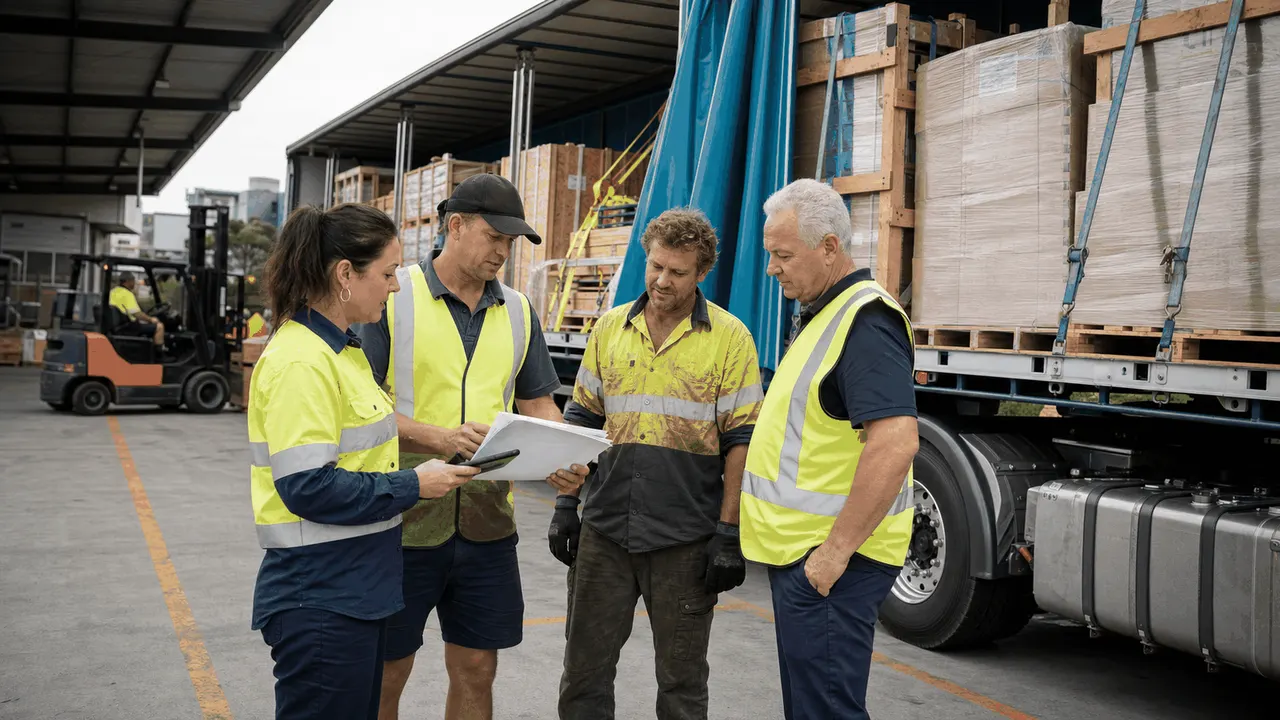
Receiving windows, site rules, and unloading delays can all shape the transport task.
Unloading decisions can affect safety, scheduling, and responsibility.
Consignors
Freight terms, delivery windows, and KPIs must not push drivers into speed, fatigue, or mass breaches.
Consignees
Receiving rules, site access, and unloading delays are CoR controls that need to be set and evidenced.
Loaders
Mass, dimension, and load restraint decisions need documented checks, not assumptions.
Managers
Executives and managers need due-diligence evidence that the Safety Management System is actually working.
What is the Heavy Vehicle National Law?
The national regulatory framework for heavy vehicles over 4.5 tonnes GVM
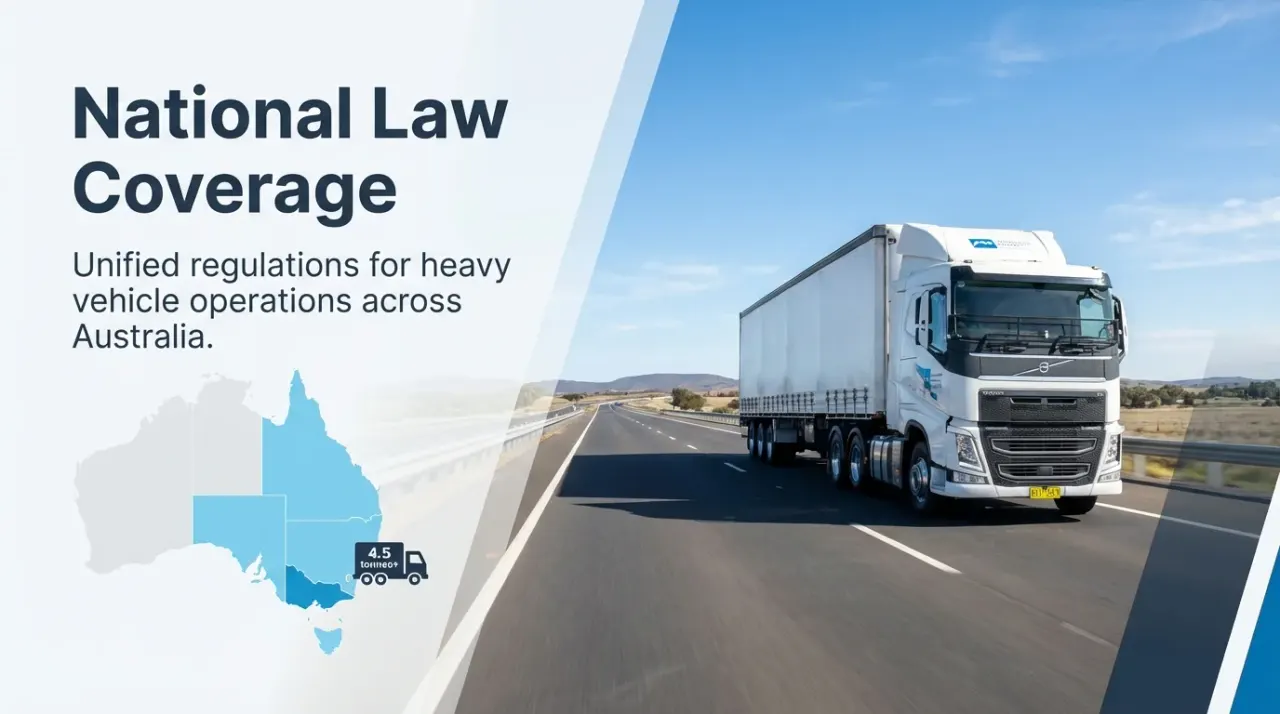
The Heavy Vehicle National Law (HVNL) is the primary regulatory framework governing commercial transport operations in Australia for vehicles exceeding 4.5 tonnes gross vehicle mass. Administered by the National Heavy Vehicle Regulator (NHVR), it establishes uniform safety standards, compliance requirements, and enforcement protocols across six participating jurisdictions.
The legislation operates through Queensland's legislative framework as the host jurisdiction, but applies throughout New South Wales, Victoria, South Australia, Tasmania, and the Australian Capital Territory. This creates operational consistency for interstate heavy vehicle movements.
The HVNL shifts compliance thinking from purely driver-focused enforcement to supply chain-wide accountability. It embeds Chain of Responsibility obligations that extend legal accountability across entire supply chains — from consignors and loaders to schedulers, operators, and drivers.
Understanding the HVNL is not just about avoiding penalties. It is about building safer, more efficient transport operations that deliver competitive advantages through reduced insurance costs, improved service reliability, and stronger business relationships.
The five HVNL regulation sets
Each set targets a distinct aspect of heavy vehicle operations
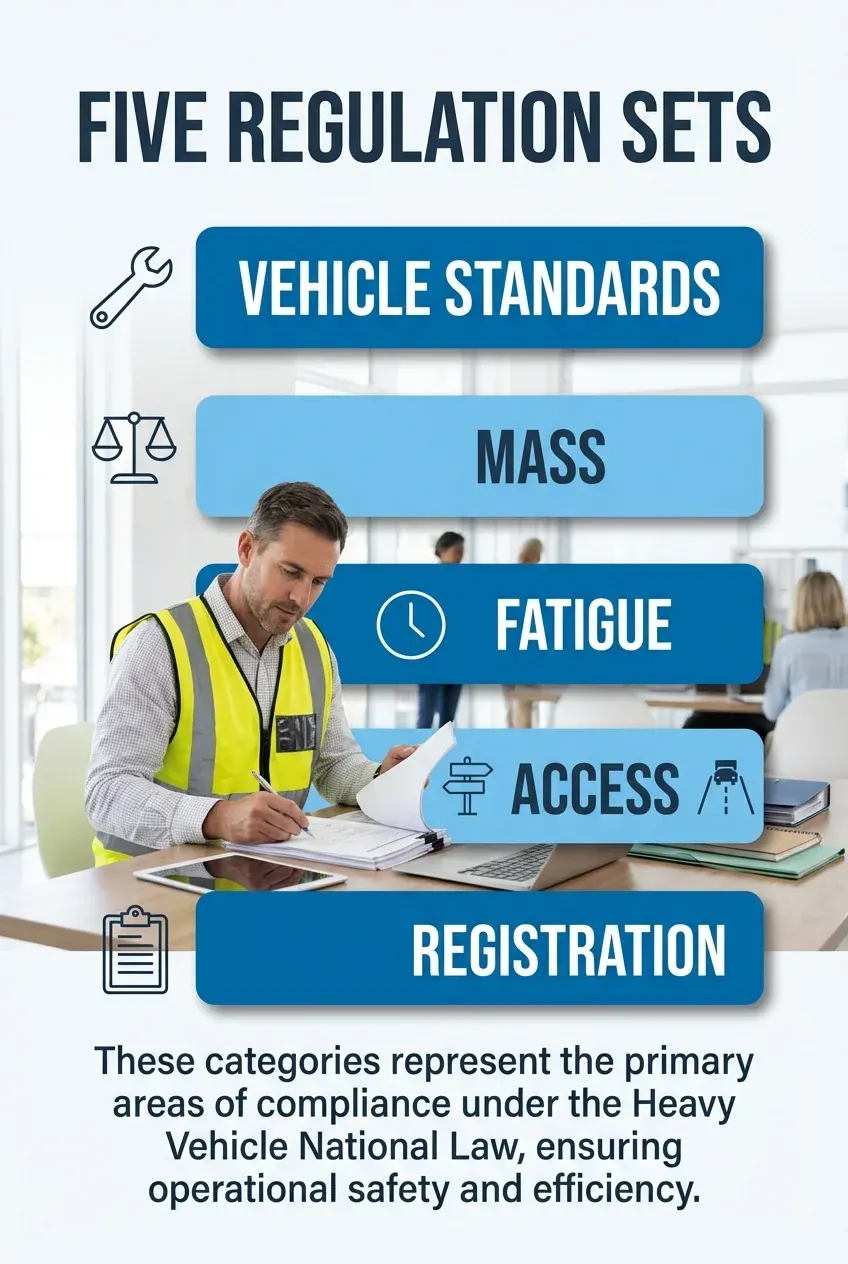
The HVNL Act is supported by five sets of regulations that address specific operational areas. Understanding how these interconnect helps you build compliance systems that address multiple requirements simultaneously.
Vehicle Standards
Ensures heavy vehicles meet Australian Design Rules and maintain roadworthy conditions, covering everything from brake performance to lighting systems.
Mass, Dimension and Loading
Sets physical limits for vehicle operations including weight limits, dimension restrictions, and load restraint requirements. Ministers have endorsed recommendations to increase General Mass Limits to align with Concessional Mass Limits, streamlining access to higher productivity configurations.
Fatigue Management
Controls driver work and rest hours. These requirements extend beyond drivers to include anyone scheduling, directing, or influencing driver work patterns.
Access
Governs road network use through permits, route approvals, and special vehicle access provisions.
Registration
Covers vehicle identification, registration processes, heavy vehicle levies, and record keeping.
The connection between operational planning and driver safety in the Fatigue Management regulations represents a fundamental HVNL principle — compliance is shared across every party who influences the transport task.
How the HVNL is structured
A layered approach separating high-level duties from technical specifications
The HVNL employs a layered structure that separates high-level obligations from technical specifications. This design allows regulatory updates without constant legislative amendment.
Primary duties sit within the Act itself, establishing fundamental safety obligations that remain stable over time. These include the principle of shared responsibility, principles applying to duties, the primary duty of parties in the supply chain, the duty of executives of legal entities, and provisions covering prohibited requests and contracts.
Regulations beneath the Act contain detailed technical requirements that can adapt as vehicle technology and operational practices develop.
This structure supports the law's risk-based approach. Rather than prescribing every operational detail, the HVNL establishes safety outcomes that parties must achieve. How you achieve those outcomes depends on your specific operational context.
Why the HVNL was created
Replacing fragmented state-based regulations with a national scheme

Before 2014, interstate operators navigated different rules, permit systems, and enforcement approaches in each jurisdiction. A vehicle configured legally in New South Wales might violate Victorian regulations. Fatigue management rules varied between states, complicating driver scheduling for interstate trips.
The National Transport Commission led reform efforts, working with state and territory governments to develop consistent national regulations through extensive industry consultation spanning multiple years.
The Heavy Vehicle National Law Act 2012 passed Queensland Parliament as the host jurisdiction legislation. Other participating states and territories then enacted application laws adopting Queensland's legislation within their own legal frameworks.
Creating the NHVR consolidated functions previously handled by separate state regulators into a single national body. This organisation now handles registration, permits, accreditation, and compliance activities across participating jurisdictions, delivering consistency for operators regardless of which state they are working in.
When did the HVNL commence?
A staged rollout across 2013 and 2014
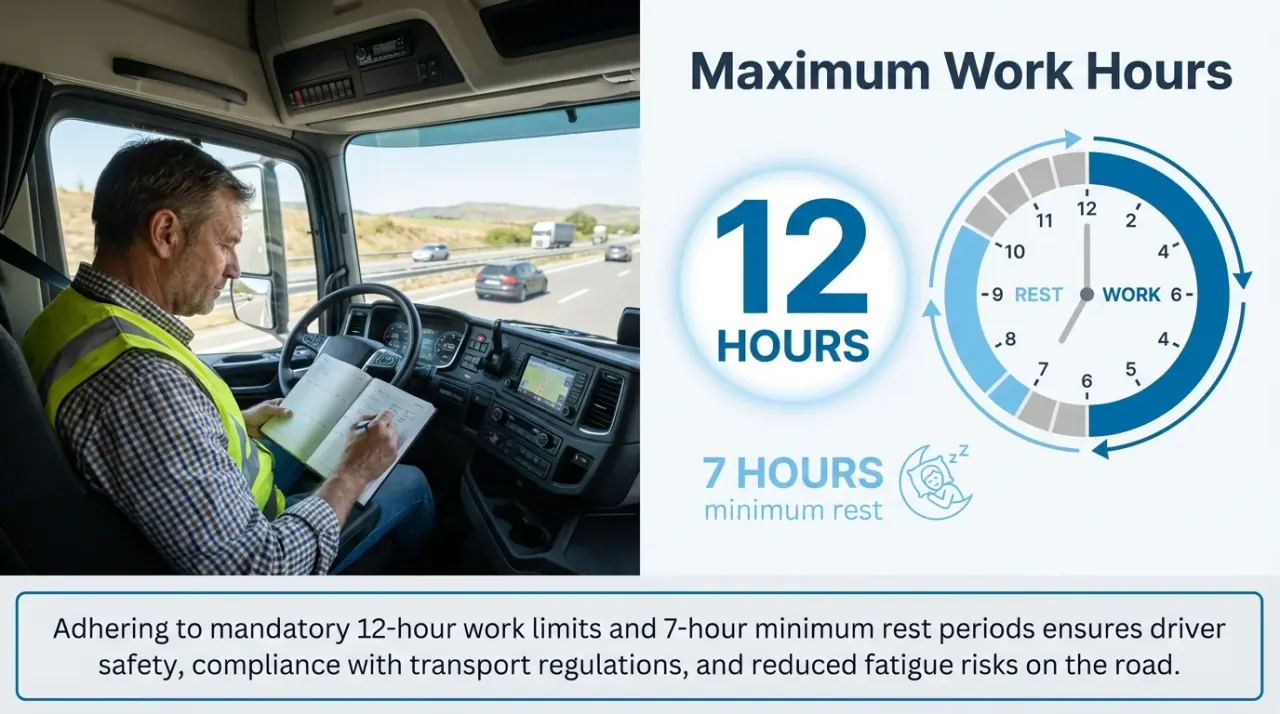
The HVNL officially commenced on 10 February 2014 in the initial participating jurisdictions — Queensland, New South Wales, and Victoria. This date marked the transition from state-based regulations to the national scheme.
South Australia, Tasmania, and the Australian Capital Territory commenced HVNL operations later in 2014. Each jurisdiction required its own application legislation and administrative preparations before joining.
This implementation date matters for compliance purposes. Offences and enforcement activities after 10 February 2014 fall under HVNL provisions, while historical records from before this date may reference previous state-based requirements.
Transition arrangements
The move to the HVNL included transition provisions allowing existing permits, accreditations, and registrations to continue under the new framework. This prevented operators from needing to immediately reapply for all authorities.
- Existing heavy vehicle registrations remained valid
- Permits issued under previous state schemes continued until their expiry dates
- Accredited operators maintained their status during the transition
The NHVR assumed responsibility for these schemes, continuing existing arrangements while progressively implementing national standards.
Which states and territories participate?
Six jurisdictions in, two out
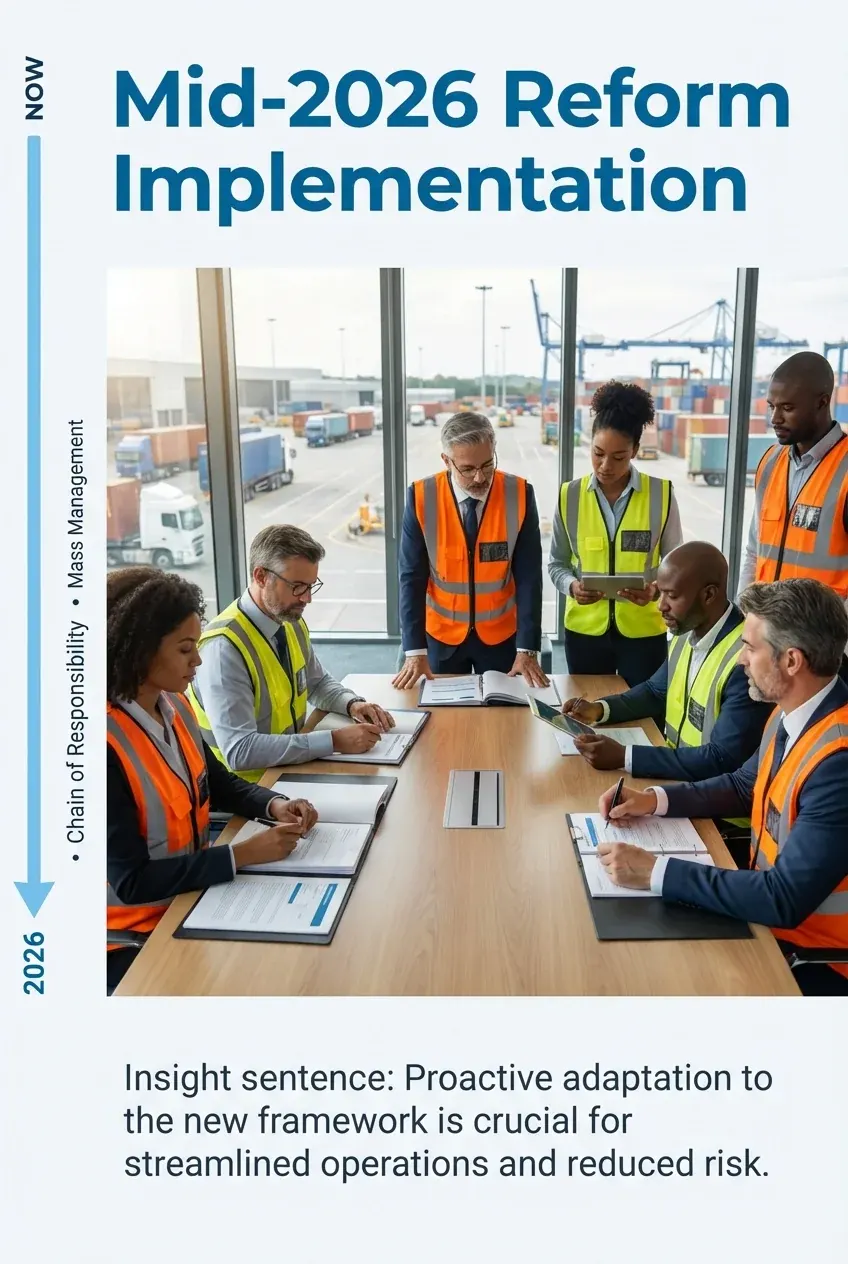
Six Australian jurisdictions participate in the HVNL scheme, applying the law through their own application legislation to create uniform regulations across their road networks.
- Queensland — Host jurisdiction where the legislation was enacted
- New South Wales, Victoria, South Australia, Tasmania, and the ACT — Apply the legislation within their own legal frameworks through application Acts
This structure creates seamless operations for interstate transport. A vehicle complying with HVNL requirements in Queensland automatically meets requirements in Victoria. Fatigue management rules remain consistent regardless of which participating state you are operating in.
Western Australia and the Northern Territory
Western Australia and the Northern Territory maintain separate heavy vehicle regulatory systems outside the HVNL framework. These jurisdictions continue operating under state-based legislation with their own regulators.
This creates complexity for operators travelling to or from these jurisdictions. A vehicle configured for HVNL compliance may need modifications to meet WA or NT standards. Permit requirements, fatigue management rules, and compliance obligations can differ significantly when you cross from South Australia into Western Australia.
Managing cross-border operations
Practical considerations for HVNL and non-HVNL jurisdictions
Managing operations across HVNL and non-HVNL jurisdictions requires careful attention to regulatory differences. This particularly affects businesses with national operations spanning all states and territories.
You must understand both HVNL requirements and WA or NT-specific regulations. Develop systems that account for these differences, particularly around vehicle standards, fatigue management, and access permits.
If your operations span HVNL and non-HVNL jurisdictions, consider seeking practical CoR consulting to identify gaps before they become enforcement issues. Targeted Chain of Responsibility training can also help your team understand where regulatory boundaries shift.
For more on the upcoming changes and what they mean for your readiness, see our guide to HVNL 2026 changes and Chain of Responsibility training readiness. To discuss your specific cross-border compliance needs, contact MAEZ.
How MAEZ works
Find the gaps. Fix the system. Prove the controls.
MAEZ helps transport operators deal with the compliance risk they already know is there. We help get the Safety Management System in order, protect NHVAS accreditation, reduce fine exposure, and connect training, evidence, and CoRGuard workflows where software is needed.
Find
Identify what is exposed before an auditor or regulator does.
Fix
Build the SMS controls around how the transport business actually runs.
Prove
Use CoRGuard where records, reminders, diaries, audits, and evidence need structure.
From advice to evidence
From MAEZ advice to a working Safety Management System
Advisory work should leave a practical implementation trail. These examples show how CoRGuard supports records, fatigue and driver diary checks, maintenance, audits, document control, inductions, corrective actions, and evidence review after MAEZ identifies the gaps.
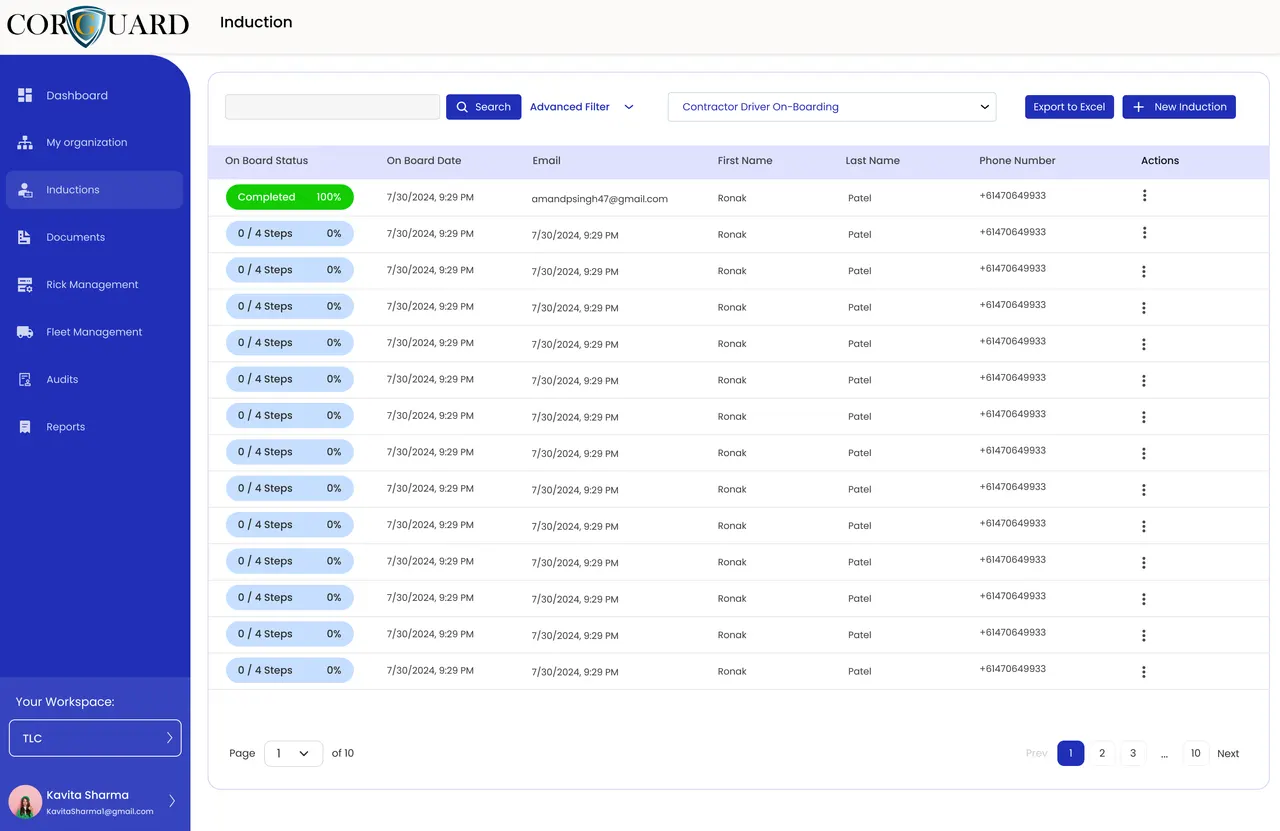
Training records
Connect training completion from cortraining.com.au to evidence and follow-up.
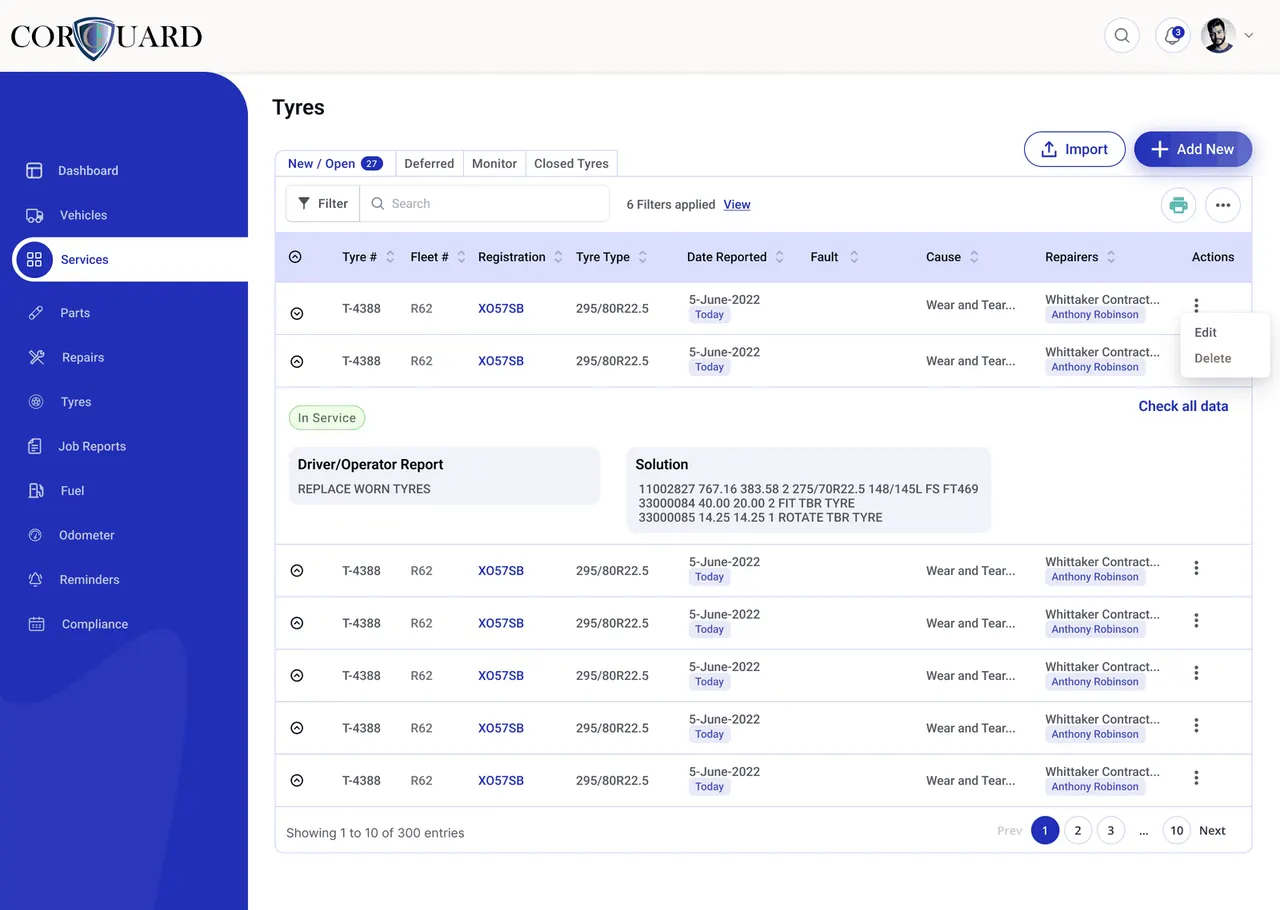
Driver diary checks
Connect fatigue and driver diary review back to manager visibility.
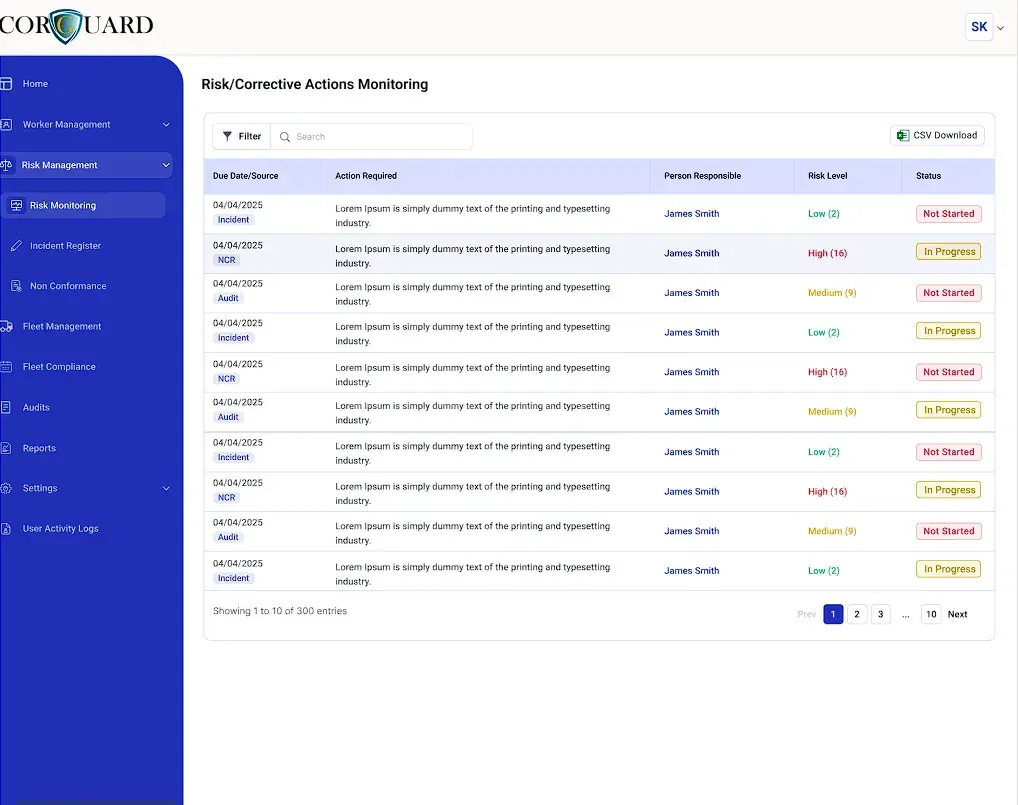
Corrective actions
Turn audit findings, hazards and incidents into tracked actions.
Keep exploring
Related Chain of Responsibility reading
MAEZ insight
Decoding HVNL Requirements: A Comprehensive Guide
Explore our guide on understanding HVNL requirements, ensuring compliance and safety in the heavy vehicle sector. Essential for all industry stakeholders.
MAEZ insight
Understanding HVNL Compliance: A Complete Guide
Learn how to comply with HVNL and meet Chain of Responsibility obligations. This guide details safety risk management for all supply chain parties.
MAEZ insight
Understanding the Essentials of CoR Training Requirements
Dive into understanding CoR training requirements and discover how competency over certification plays a crucial role in Australia’s compliance landscape.
MAEZ insight
Mastering SMS Implementation: Troubleshooting Common Issues
Overcome SMS implementation hurdles with our troubleshooting guide. Discover solutions to common issues and ensure safety framework success today.
MAEZ insight
Top Transport Safety Best Practices for a Safer Future
Discover top best practices in transport safety that can enhance safety standards, lower costs, and ensure compliance. Learn how to protect your operations today.
MAEZ insight
Effective Strategies for Implementing COR Training
Discover effective strategies on how to implement COR training, enhancing your agency’s acquisition capabilities with structured certification pathways.
Frequently asked questions
Questions people ask about this topic
What is the Heavy Vehicle National Law (HVNL)?
The HVNL is the primary regulatory framework governing commercial transport operations in Australia for vehicles exceeding 4.5 tonnes gross vehicle mass. Administered by the National Heavy Vehicle Regulator (NHVR), it establishes uniform safety standards, compliance requirements, and enforcement protocols across six participating jurisdictions.
Which Australian states and territories apply the HVNL?
Six jurisdictions participate: Queensland (the host jurisdiction), New South Wales, Victoria, South Australia, Tasmania, and the Australian Capital Territory. Western Australia and the Northern Territory maintain separate heavy vehicle regulatory systems outside the HVNL framework.
When did the HVNL commence?
The HVNL officially commenced on 10 February 2014 in Queensland, New South Wales, and Victoria. South Australia, Tasmania, and the Australian Capital Territory commenced HVNL operations later in 2014. Offences and enforcement activities after 10 February 2014 fall under HVNL provisions.
What are the five regulation sets under the HVNL?
The HVNL is supported by five regulation sets: Vehicle Standards, Mass Dimension and Loading, Fatigue Management, Access, and Registration. Each set targets a distinct aspect of heavy vehicle operations, from roadworthiness and weight limits to driver work hours and road network permits.
How does the HVNL structure its compliance obligations?
The HVNL uses a layered structure that separates high-level primary duties in the Act from detailed technical requirements in the regulations beneath it. This risk-based approach establishes safety outcomes that parties must achieve, rather than prescribing every operational detail, allowing the law to adapt as vehicle technology and practices develop.