
MAEZ insight
Effective Supply Chain Risk Management: Real-World Examples
Practical supply chain risk management examples covering cybersecurity, natural disasters, and supplier financial instability, with strategies to build resilience and meet Chain of Responsibility obligations.

Managers need a clear view of gaps before audit or enforcement pressure arrives.

Contractor controls should be verified before the work starts.

Receiving windows, site rules, and unloading delays can all shape the transport task.
Unloading decisions can affect safety, scheduling, and responsibility.
Consignors
Freight terms, delivery windows, and KPIs must not push drivers into speed, fatigue, or mass breaches.
Consignees
Receiving rules, site access, and unloading delays are CoR controls that need to be set and evidenced.
Loaders
Mass, dimension, and load restraint decisions need documented checks, not assumptions.
Managers
Executives and managers need due-diligence evidence that the Safety Management System is actually working.
What is supply chain risk management?
Identifying, assessing, and mitigating threats across every link in your network
Supply chain risk management is the process of identifying, assessing, and mitigating threats across your entire network — including suppliers, transportation, manufacturing, distribution, and third-party vendors. Effective programs build resilience through scenario planning, supplier diversification, and continuous monitoring so that disruptions become manageable challenges rather than catastrophic losses.
The difference between companies that survive supply chain shocks and those that do not comes down to proactive risk management. Disruptions cost businesses billions annually, and the most effective organisations do not wait for trouble — they build resilience into their supply chain before disruption hits.
Effective programs assess both likelihood and impact. A low-probability event with catastrophic consequences demands different treatment than frequent minor disruptions. Risk matrices help prioritise where to focus resources.
Organisations must balance efficiency with resilience. Just-in-time inventory reduces costs but increases vulnerability. Strategic buffer stocks and supplier diversification add expense but provide security. The optimal balance depends on your industry, margins, and competitive position.
Supply chain resilience comes from transparency. You need visibility not just into your direct suppliers but their suppliers too. Multi-tier mapping reveals hidden dependencies and concentration risks. For Australian transport operators, this visibility supports Chain of Responsibility obligations across every party in the chain.
Key components of a risk management program
From identification through to regular audit validation
Risk identification starts with comprehensive supply chain mapping. Document every supplier relationship, transportation route, and distribution channel. Include third-party vendors who support operations.
Assessment follows identification. Evaluate each element for vulnerability to disruptions. Consider:
- Financial stability of suppliers and partners
- Geographic concentration of critical nodes
- Regulatory compliance status across jurisdictions
- Cybersecurity posture of vendors and service providers
Mitigation strategies address identified gaps. Options include supplier diversification, contract terms requiring business continuity plans, insurance coverage, and inventory buffers. Choose interventions based on cost-benefit analysis.
Regular audits validate that controls remain effective. Conduct supplier site visits, review financial statements, and test backup procedures. Requirements evolve as threats change. The best systems integrate risk assessment into daily operations rather than relying on annual reviews — continuous monitoring identifies emerging threats. Technology platforms track supplier performance, transportation delays, and quality variations in real time.
A practical CoR risk review can help transport operators embed this discipline into routine operations.
What operational benefits does risk management deliver beyond compliance?
Advantages that flow from robust supply chain management
Robust supply chain risk management delivers operational advantages well beyond meeting regulatory obligations. Reduced disruptions mean consistent delivery to customers, which builds trust and protects market share.
Better supplier relationships emerge from collaborative risk planning. When you help suppliers strengthen their operations, both parties benefit. Shared investments in technology and training create mutual dependencies.
Cost savings follow from fewer emergency interventions. Rush orders, expedited shipping, and production downtime decrease. Predictable operations enable better resource planning. Insurance premiums also decrease when carriers recognise your risk controls — documented mitigation strategies and incident response plans demonstrate professionalism.
For transport operators in Australia, these benefits align with Chain of Responsibility training outcomes: documented controls, shared accountability, and evidence-ready systems that satisfy both regulators and insurers.
Example 1: Cybersecurity threats and supply chain attacks
How third-party vendor vulnerabilities expose entire networks
Cyber risks represent one of the fastest-growing supply chain threats. Attackers increasingly target software, hardware, and service providers rather than end organisations directly.
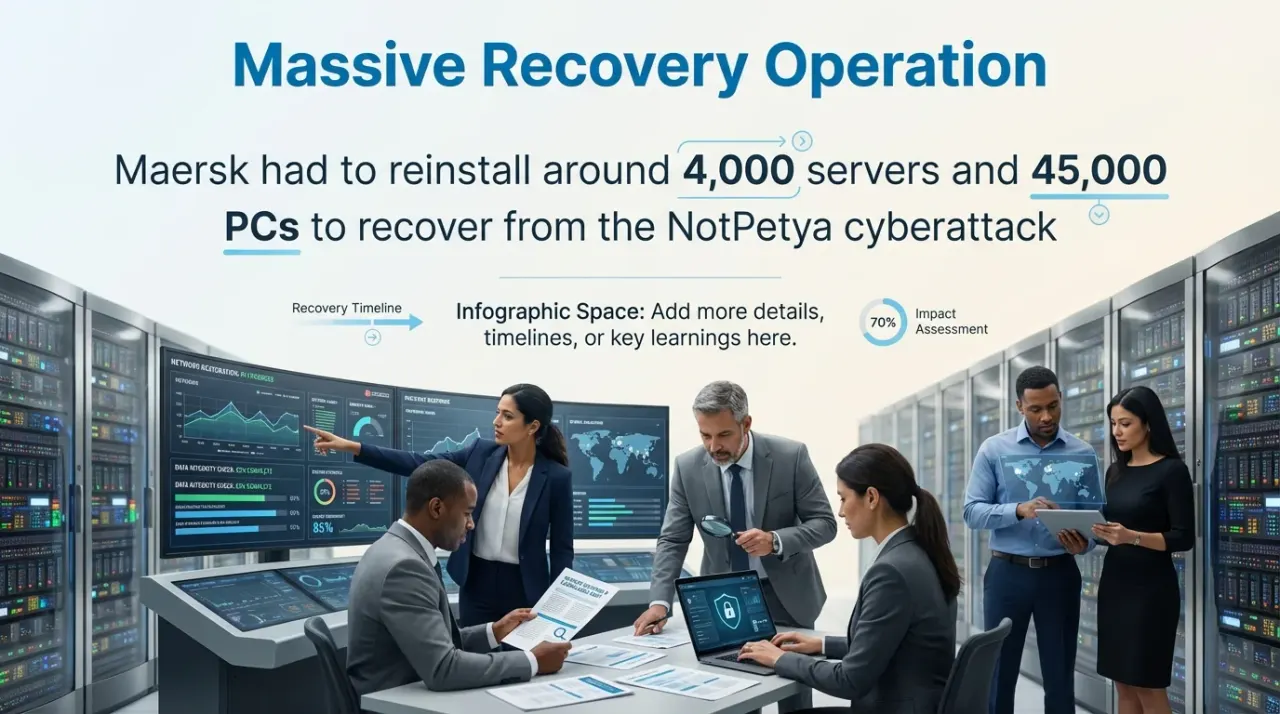
Maersk had to reinstall around 4,000 servers and 45,000 PCs to recover from the NotPetya cyberattack. The malware entered through compromised accounting software used across their operations. Recovery took weeks and cost hundreds of millions. The incident demonstrated how a single weak link provides entry to sophisticated attackers, and once inside, malware spreads rapidly through interconnected systems.
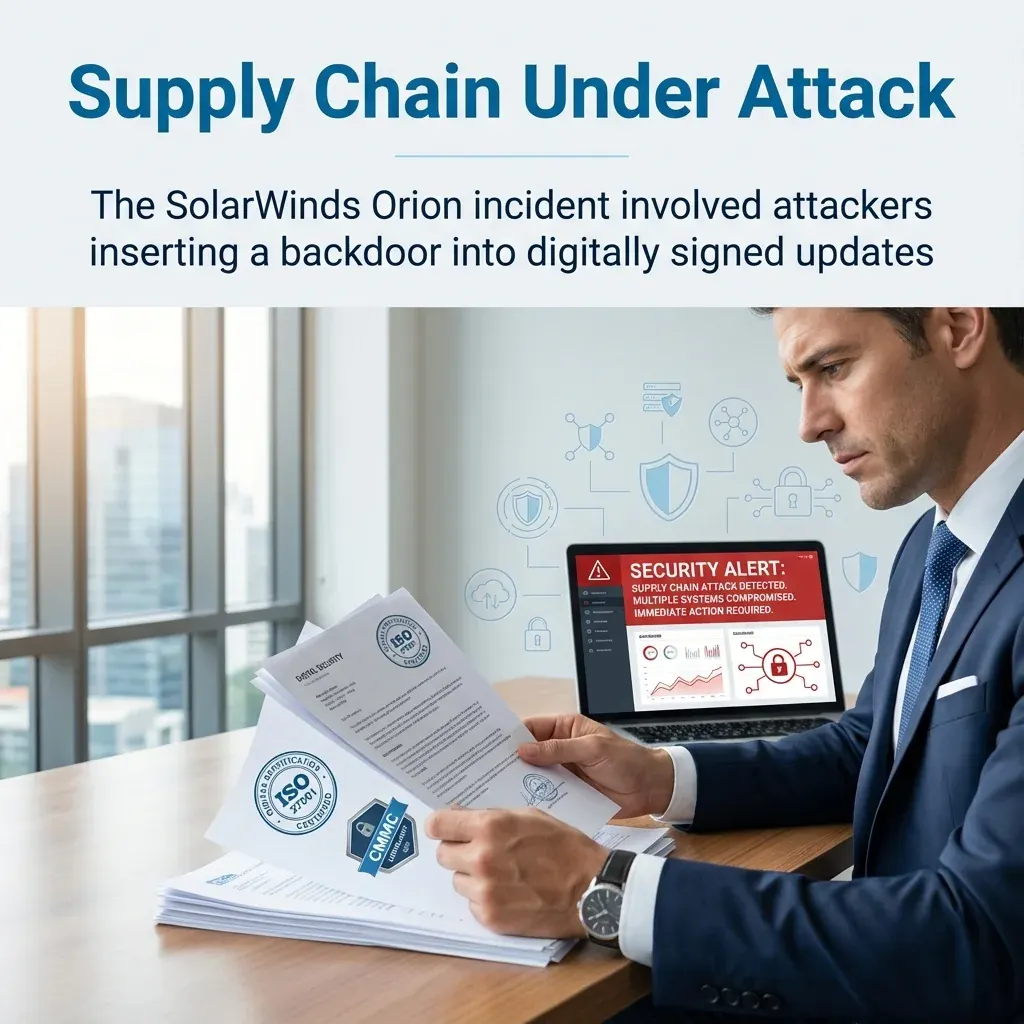
Modern supply chain attacks exploit trust relationships. The SolarWinds Orion incident involved attackers inserting a backdoor into digitally signed updates. Organisations installed compromised software believing it came from a legitimate source.
Implementing cybersecurity controls
- Start with comprehensive vendor security assessments before contracting
- Require evidence of penetration testing, employee training, and incident response capabilities
- Include contractual obligations for encryption, access controls, and vulnerability patching
- Implement network segmentation to contain potential breaches
- Limit vendor access to only the data and systems they absolutely need
- Conduct regular security audits of high-risk suppliers
Continuous monitoring strategies
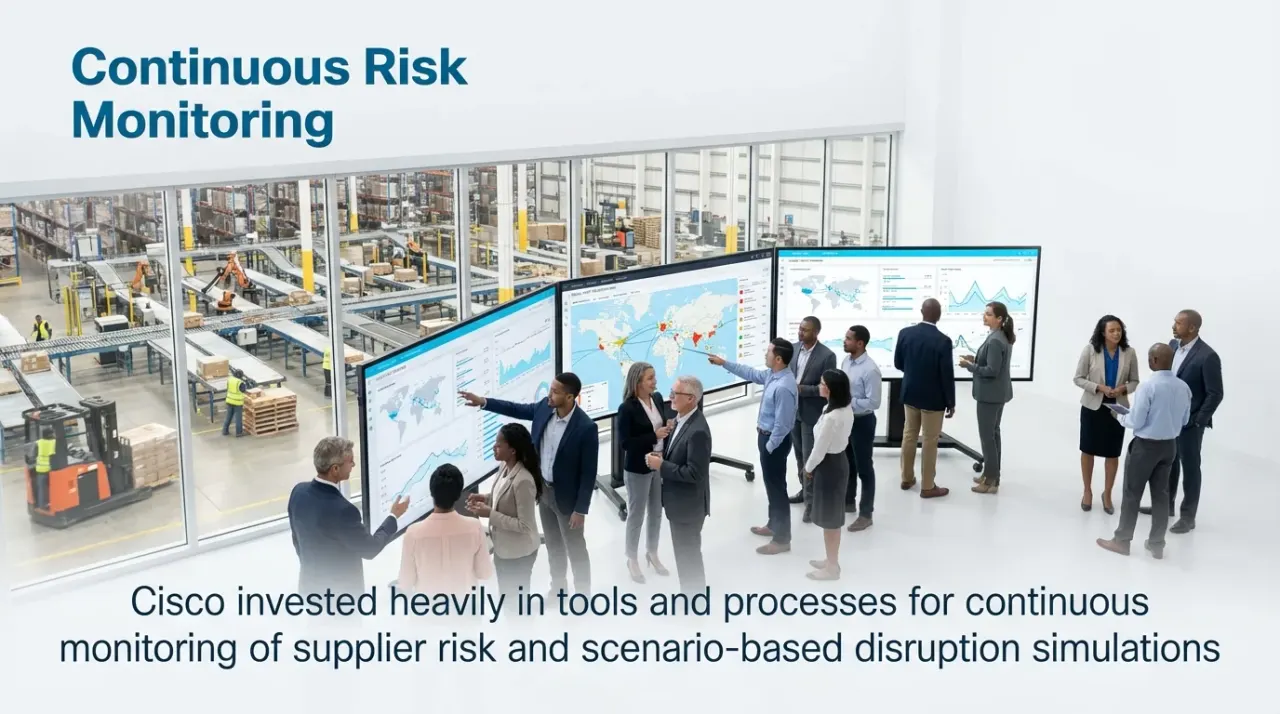
Cisco invested heavily in tools and processes for continuous monitoring of supplier risk and scenario-based disruption simulations. This approach identifies vulnerabilities before attackers exploit them.
- Deploy threat intelligence platforms that track vendor-related risks
- Monitor for data breaches, vulnerability disclosures, and suspicious network activity
- Test incident response procedures regularly and update plans based on lessons learned
- Maintain alternative suppliers for essential software and services to limit exposure when a vendor experiences security incidents
Example 2: Natural disasters and environmental risks
Geographic concentration, climate change, and business continuity
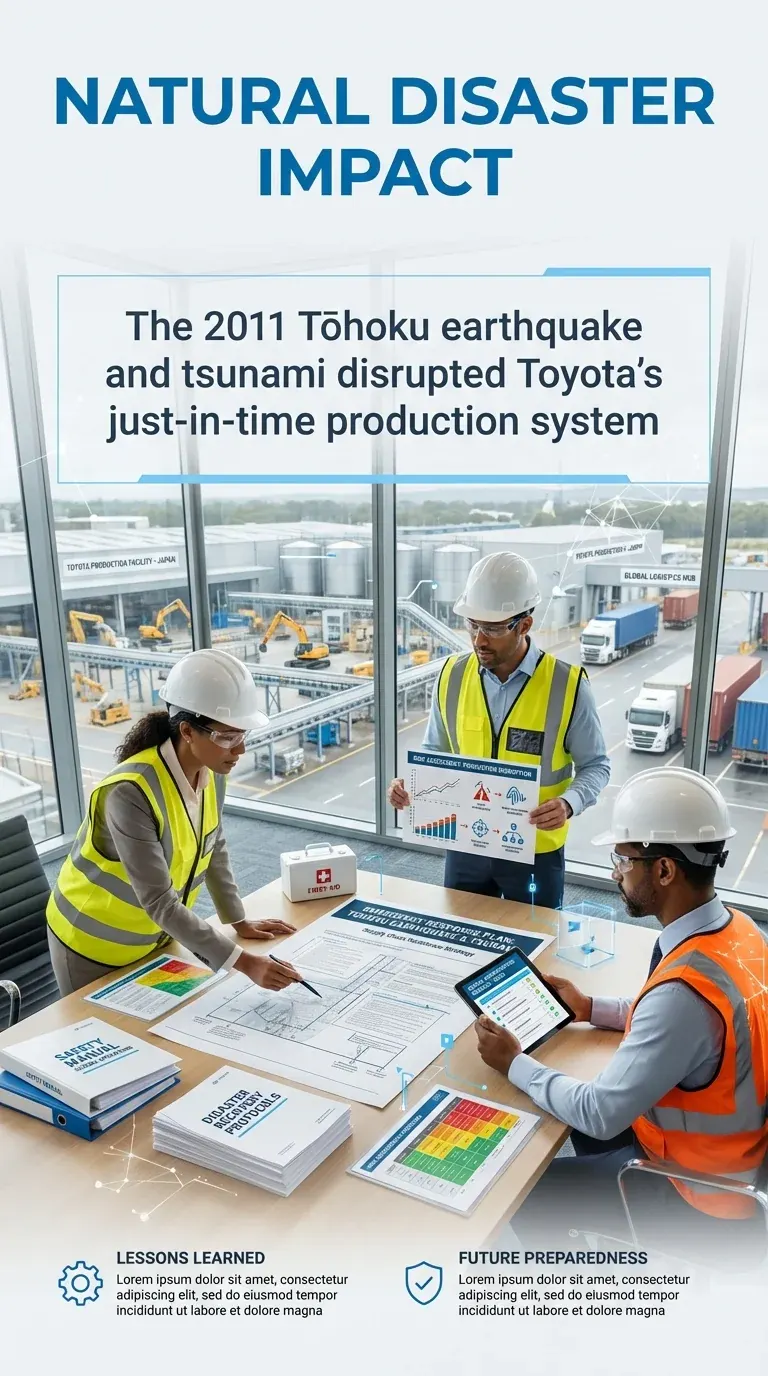
Environmental disruptions affect supply chains with little warning. Earthquakes, floods, hurricanes, and wildfires damage facilities, block transportation routes, and interrupt utilities.
The 2011 Tōhoku earthquake and tsunami disrupted Toyota's just-in-time production system. The disaster damaged hundreds of suppliers simultaneously, halting assembly lines globally. Recovery required months of coordination. Geographic concentration amplifies environmental risks — when multiple suppliers operate in the same region, a single disaster affects your entire network.
Climate change intensifies environmental threats. Extreme weather events occur more frequently and with greater severity. Supply chains designed for historical weather patterns face increasing vulnerability.
Geographic diversification approaches
- Map supplier locations to identify concentration risks
- Look for clusters where natural disasters could affect multiple vendors simultaneously
- Establish suppliers in different geographic regions
- Consider climate projections when evaluating new supplier locations
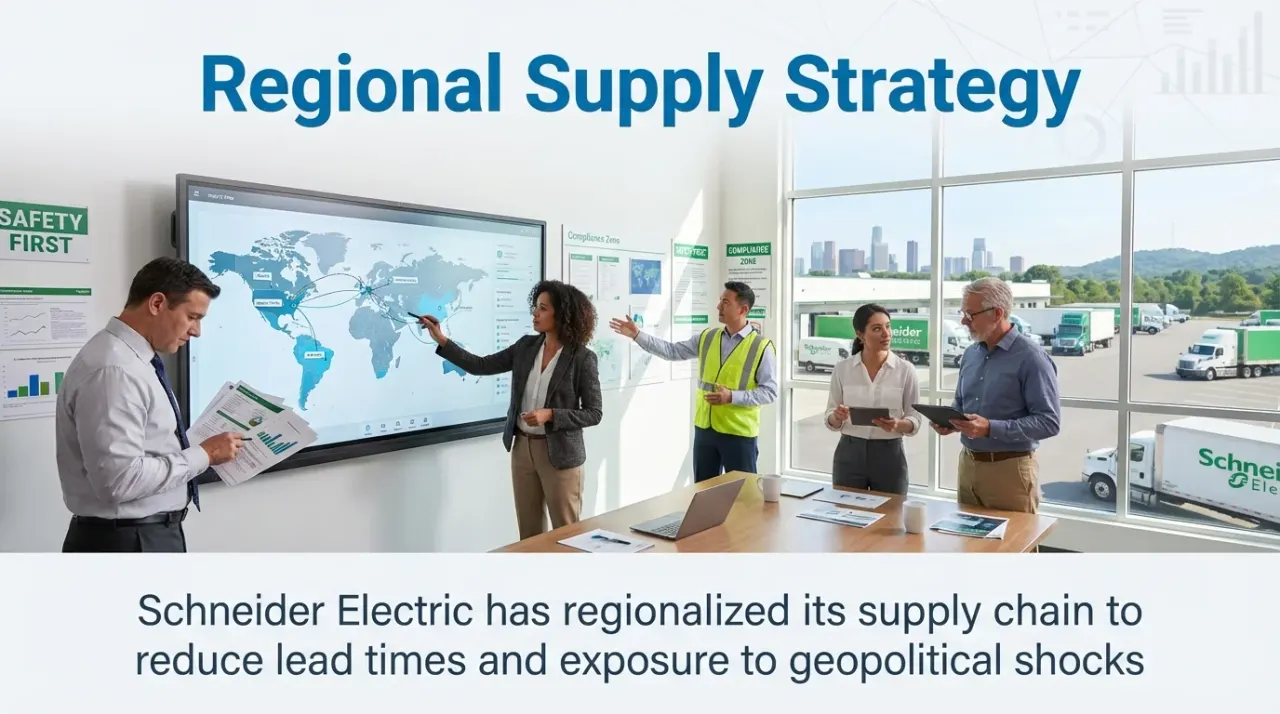
Schneider Electric regionalised its supply chain to reduce lead times and exposure to geopolitical shocks. This strategy also limits environmental risk exposure.
Business continuity planning
- Require suppliers to maintain documented business continuity plans addressing facility loss, utility outages, and transportation disruptions
- Review plans annually and after significant incidents
- Test supplier recovery capabilities through tabletop exercises simulating disasters affecting their operations
- Maintain strategic inventory buffers for critical components
- Establish alternative transportation routes before disruptions occur — identify backup ports, airports, rail lines, and trucking lanes
- Negotiate contingency agreements with logistics providers
Example 3: Supplier financial instability and bankruptcy
Early warning signs and proactive monitoring
Supplier financial problems create immediate supply chain risks. Bankruptcy, liquidity crises, and ownership changes disrupt production. Early detection enables proactive mitigation.
Financial distress often appears gradually through warning signs. Payment term extension requests, quality deterioration, and workforce reductions indicate underlying problems. Monitoring these signals allows intervention before collapse.
Supplier relationships involve significant dependencies. Proprietary designs, specialised tooling, and quality certifications cannot transfer quickly. Sudden supplier failure leaves you scrambling for alternatives.
Financial health monitoring
- Review supplier financial statements regularly
- Analyse debt levels, working capital, and profitability trends
- Compare metrics against industry benchmarks to identify deterioration
- Monitor credit ratings and payment histories
- Subscribe to commercial credit services that track supplier financial changes
- Set alerts for downgrades or missed payments
Early intervention gives you time to identify alternative sources, transfer critical tooling, or negotiate transition arrangements. The cost of monitoring is minimal compared to the cost of an unplanned supplier failure.
How do you build resilience into a transport operation?
Turning risk awareness into documented, audit-ready practice
These real-world examples share a common thread: the organisations that recovered fastest had systems in place before disruption hit. They mapped their networks, monitored continuously, and maintained documented response plans.
For Australian transport operators, supply chain risk management intersects directly with Chain of Responsibility duties. Every party in the chain — consignor, consignee, loader, driver, and manager — shares responsibility for managing risks that could lead to mass, dimension, loading, speed, or fatigue breaches.
Practical steps include:
- Documenting supplier and contractor controls before work commences
- Building evidence trails for scheduling, loading, and dispatch decisions
- Conducting regular CoR training across roles
- Reviewing business continuity plans with key logistics partners
- Testing incident response through scenario exercises
The goal is not to eliminate every risk — that is impossible — but to ensure that when disruption arrives, your operation has the documented controls, evidence trails, and trained people needed to respond, recover, and demonstrate compliance to regulators and insurers alike. Talk to MAEZ about embedding these practices into your operation.
How MAEZ works
Find the gaps. Fix the system. Prove the controls.
MAEZ helps transport operators deal with the compliance risk they already know is there. We help get the Safety Management System in order, protect NHVAS accreditation, reduce fine exposure, and connect training, evidence, and CoRGuard workflows where software is needed.
Find
Identify what is exposed before an auditor or regulator does.
Fix
Build the SMS controls around how the transport business actually runs.
Prove
Use CoRGuard where records, reminders, diaries, audits, and evidence need structure.
From advice to evidence
From MAEZ advice to a working Safety Management System
Advisory work should leave a practical implementation trail. These examples show how CoRGuard supports records, fatigue and driver diary checks, maintenance, audits, document control, inductions, corrective actions, and evidence review after MAEZ identifies the gaps.
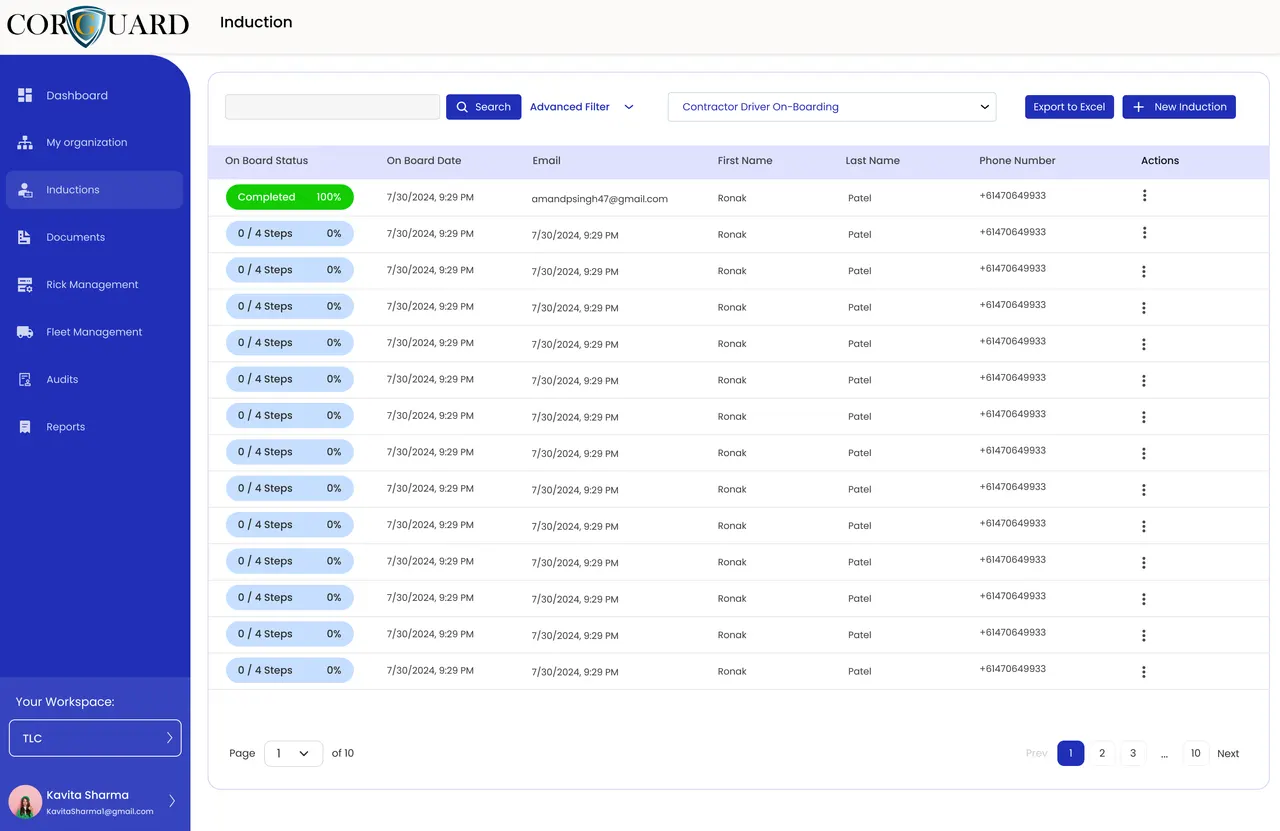
Training records
Connect training completion from cortraining.com.au to evidence and follow-up.
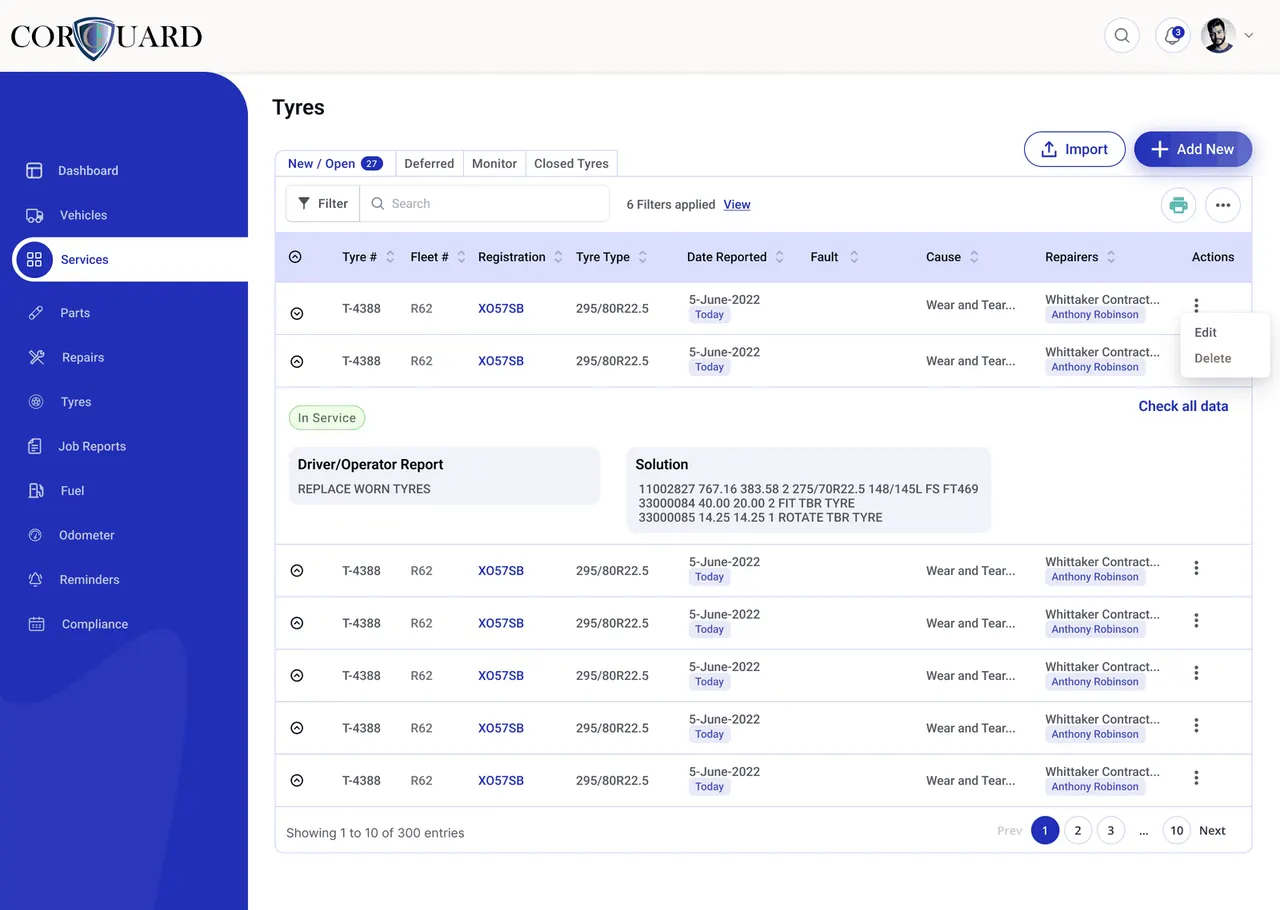
Driver diary checks
Connect fatigue and driver diary review back to manager visibility.
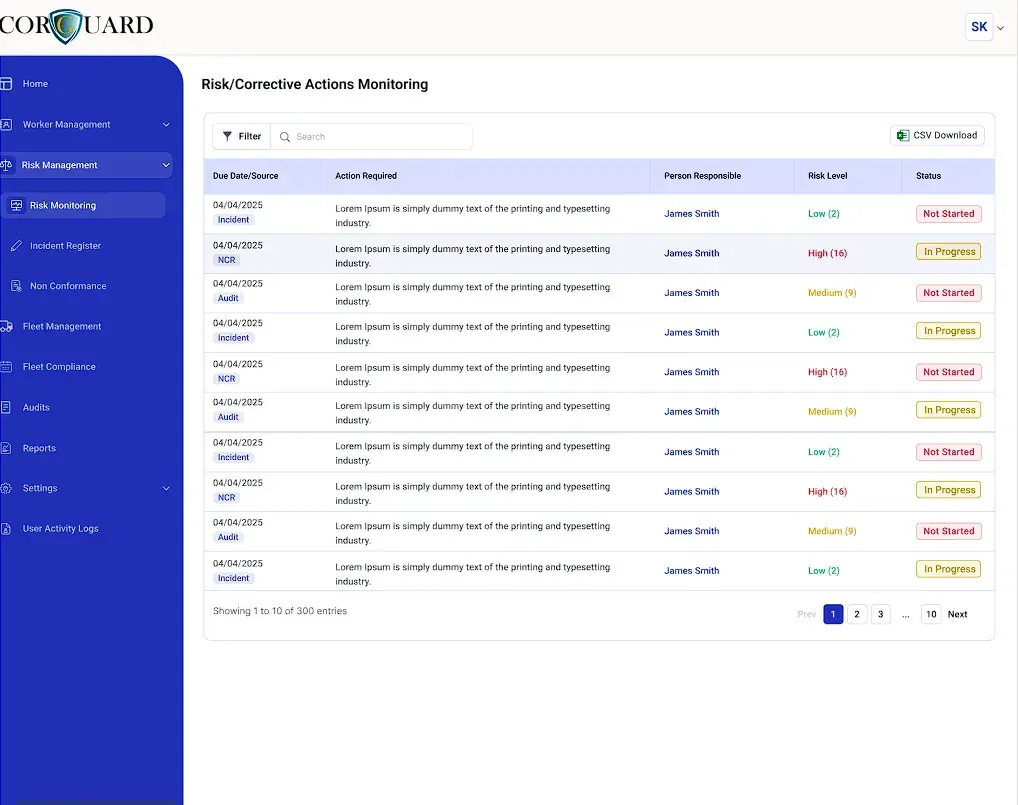
Corrective actions
Turn audit findings, hazards and incidents into tracked actions.
Keep exploring
Related Chain of Responsibility reading
MAEZ insight
Top Safety Management System Practices for 2023
Explore top safety management system best practices for 2023 to enhance safety performance, reduce risks, and ensure compliance in your organization.
MAEZ insight
Navigating Key Challenges in Supply Chain Risk Management
Explore key challenges in supply chain risk management issues and discover strategies to build resilience against economic, environmental, and cybersecurity threats.
MAEZ insight
Effective Training Strategies for CoR Compliance
Learn how to train for CoR compliance with effective strategies that turn regulatory knowledge into practical risk management in your supply chain.
MAEZ insight
Mastering HVNL Compliance: Best Practices Explained
Discover HVNL compliance best practices and learn how to manage fatigue, vehicle standards, and more under the Chain of Responsibility framework.
MAEZ insight
Understanding Supply Chain Risk Management Software
Explore how Supply Chain Risk Management software transforms data into actionable insights, helping you mitigate risks and enhance supply network efficiency.
MAEZ insight
Understanding Common Issues in Chain of Responsibility
Discover common issues in the Chain of Responsibility pattern and learn how to avoid them. Perfect for developers seeking practical solutions.
Frequently asked questions
Questions people ask about this topic
What is supply chain risk management?
Supply chain risk management is the process of identifying, assessing, and mitigating threats across your entire network — suppliers, transportation, manufacturing, distribution, and third-party vendors — through scenario planning, supplier diversification, and continuous monitoring. It transforms potential vulnerabilities into manageable challenges rather than catastrophic losses.
How does supply chain risk management relate to Chain of Responsibility obligations?
Every party in the chain — consignor, consignee, loader, driver, and manager — shares responsibility for managing risks that could lead to mass, dimension, loading, speed, or fatigue breaches. Documenting supplier and contractor controls, building evidence trails, and conducting regular CoR training embeds risk management into your compliance obligations.
What are the most common supply chain risks Australian transport operators face?
The most significant risks include cybersecurity attacks through third-party vendors, natural disasters affecting geographically concentrated suppliers, and supplier financial instability or bankruptcy. Each requires different mitigation strategies — from vendor security assessments to geographic diversification and financial health monitoring.
How often should supply chain risk assessments be conducted?
The best systems integrate risk assessment into daily operations through continuous monitoring rather than relying on annual reviews. Regular audits, supplier site visits, financial statement reviews, and scenario testing validate that controls remain effective as threats evolve.
What should a supplier business continuity plan cover?
A supplier business continuity plan should address facility loss, utility outages, and transportation disruptions. Plans should be reviewed annually and after significant incidents, and tested through tabletop exercises that evaluate response times, communication procedures, and backup production capacity.