
MAEZ insight
Navigating Key Challenges in Supply Chain Risk Management
Key challenges in supply chain risk management and practical strategies for Australian transport operators to build resilience, manage CoR obligations, and document controls.

Contractor controls should be verified before the work starts.

Receiving windows, site rules, and unloading delays can all shape the transport task.
Unloading decisions can affect safety, scheduling, and responsibility.

Managers need a clear view of gaps before audit or enforcement pressure arrives.
Consignors
Freight terms, delivery windows, and KPIs must not push drivers into speed, fatigue, or mass breaches.
Consignees
Receiving rules, site access, and unloading delays are CoR controls that need to be set and evidenced.
Loaders
Mass, dimension, and load restraint decisions need documented checks, not assumptions.
Managers
Executives and managers need due-diligence evidence that the Safety Management System is actually working.
What supply chain risk management means for transport operators
A systematic approach to protecting operational continuity

Supply chain risk management (SCRM) is the systematic process of identifying potential disruptions, assessing their likelihood and impact, and implementing controls to minimise negative consequences. It protects operational continuity, financial stability, and customer relationships across interconnected networks where a single supplier failure or port closure can cascade through multiple production stages and regions.
Unlike general business risk management, SCRM focuses on interconnected relationships. A delay at one node — a supplier, a loader, a consignee — can ripple across the entire chain. This demands visibility beyond direct contracts and an understanding of how each party's decisions affect the transport task.
The discipline encompasses several core activities:
- Risk identification through supply chain mapping and vulnerability assessment
- Impact analysis that quantifies potential financial and operational consequences
- Mitigation strategy development aligned with business priorities
- Continuous monitoring through performance metrics and early warning systems
- Incident response planning with clear escalation protocols and recovery procedures
For Australian transport operators, SCRM overlaps directly with Chain of Responsibility obligations, where every party in the chain must take reasonable steps to prevent breaches of mass, dimension, loading, speed, and fatigue requirements.
Why the shift to proactive risk management matters
Prediction and prevention over post-incident response
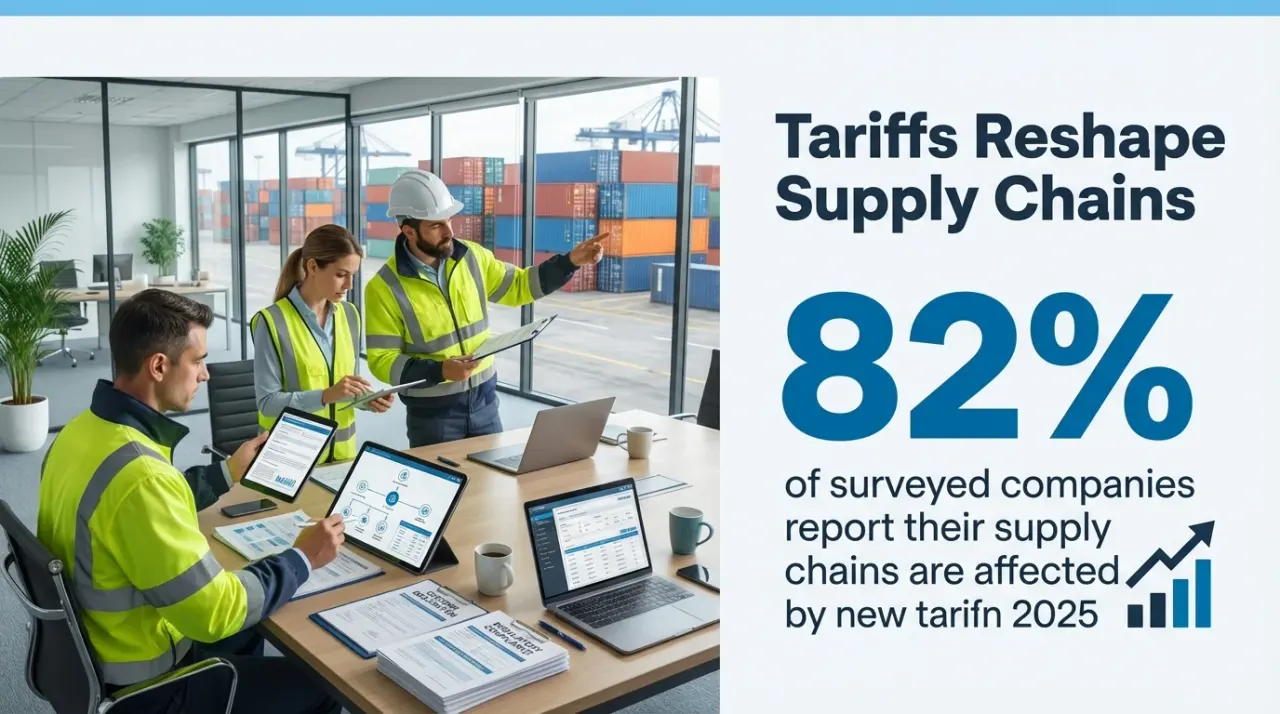
Traditional supply chain risk management addressed disruptions after they occurred. Modern SCRM emphasises prediction and prevention, requiring different capabilities, technologies, and organisational structures.
Proactive organisations monitor leading indicators rather than waiting for disruptions. They model potential scenarios, develop response plans before crises emerge, and reduce downtime while maintaining customer service levels during incidents.
For transport operators, this proactive approach aligns directly with Chain of Responsibility duties. A practical CoR consulting review helps identify vulnerabilities before they become enforcement issues — turning risk management from a compliance overhead into a strategic capability.
Benefits of proactive SCRM
- Reduced downtime and faster recovery from incidents
- Maintained service levels during industry-wide disruptions
- Identification of opportunities competitors miss, such as alternative sourcing strategies
- Stronger evidence that reasonable steps were taken, supporting CoR defence
Aligning risk tolerance with business priorities
Making conscious choices about which risks to accept
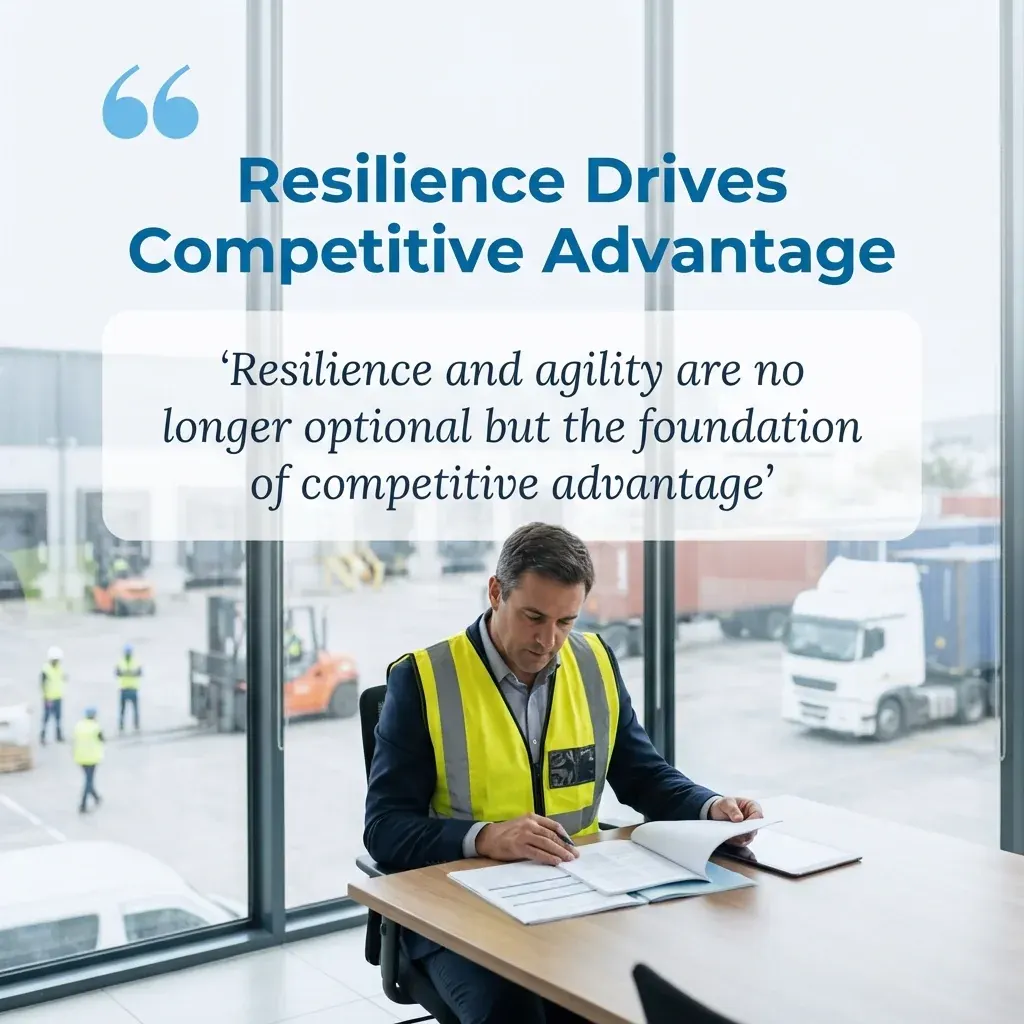
Effective supply chain risk management aligns with organisational risk tolerance. Not all risks require identical responses — some organisations accept higher risk levels for cost advantages, while others prioritise stability over efficiency.
Risk appetite varies by industry, market position, and strategic objectives. A luxury goods manufacturer may accept higher supplier costs for quality consistency. A discount retailer may tolerate occasional stockouts to minimise inventory investment.
The key is making conscious choices rather than accepting risks by default. Document your risk tolerance explicitly, ensure mitigation strategies align with stated priorities, and review these decisions regularly as conditions change.
Applying a chartered risk lens to CoR gaps helps Australian transport operators frame their risk appetite and document it for compliance purposes.
The four main categories of supply chain risk
Structuring assessment and mitigation planning
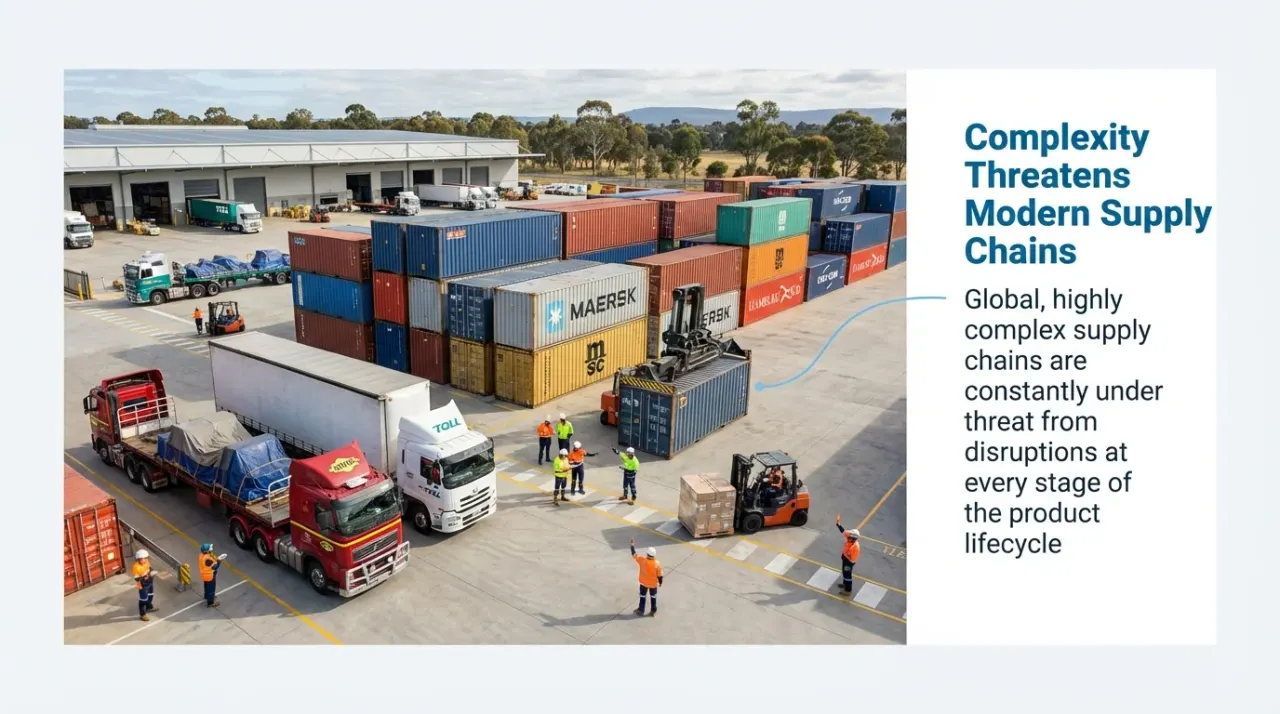
Supply chain risk falls into four primary categories. Understanding these helps organisations allocate resources effectively and develop targeted controls.
Operational risks
Internal process failures, capacity constraints, and quality issues. Common triggers include equipment malfunctions, human error, and inadequate procedures.
Supply risks
Supplier performance failures, material shortages, and dependency vulnerabilities. Common triggers include supplier bankruptcy, quality failures, and single-source dependencies.
Demand risks
Forecast inaccuracy, market volatility, and customer behaviour shifts. Common triggers include economic changes, competitive actions, and preference shifts.
Environmental risks
External events beyond organisational control. Common triggers include natural disasters, geopolitical events, and regulatory changes.
These categories are not mutually exclusive. Many disruptions involve multiple risk types simultaneously — a natural disaster creates operational risk through facility damage, supply risk through production interruption, and financial risk through recovery costs. Effective mitigation strategies address these intersections.
Managing economic and financial risks
Protecting margins against currency and inflation volatility
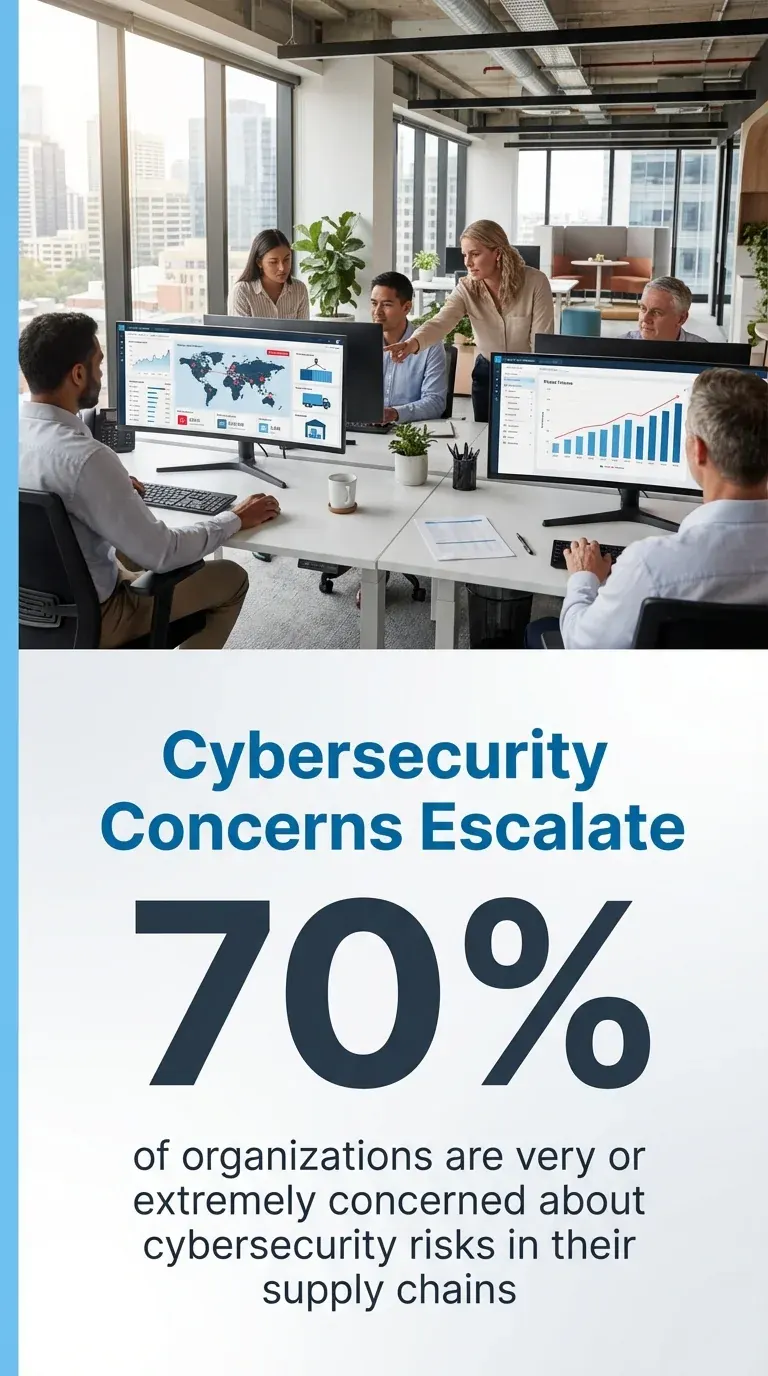
Economic and financial risks stem from currency fluctuations, inflation pressures, credit availability, and cost volatility. These factors affect procurement costs, working capital requirements, and profit margins.
Currency volatility creates particular challenges for global supply chains. Exchange rate movements can eliminate profit margins on international transactions. Organisations with mismatched currency exposures face ongoing financial risk regardless of operational performance.
Inflation affects different supply chain elements unevenly — transportation costs, raw materials, and labour rates respond to inflationary pressure at different rates, complicating forecasting and budgeting.
Practical steps for transport operators
- Monitor economic indicators relevant to your routes and freight mix
- Develop hedging strategies where currency or fuel exposure is material
- Review compliance practices to manage financial exposure related to regulatory risk
Reviewing your Chain of Responsibility and transport compliance practices is a practical step towards managing financial exposure. For tailored advice, contact MAEZ.
Building resilience against rising global complexity
Why SCRM matters more than ever
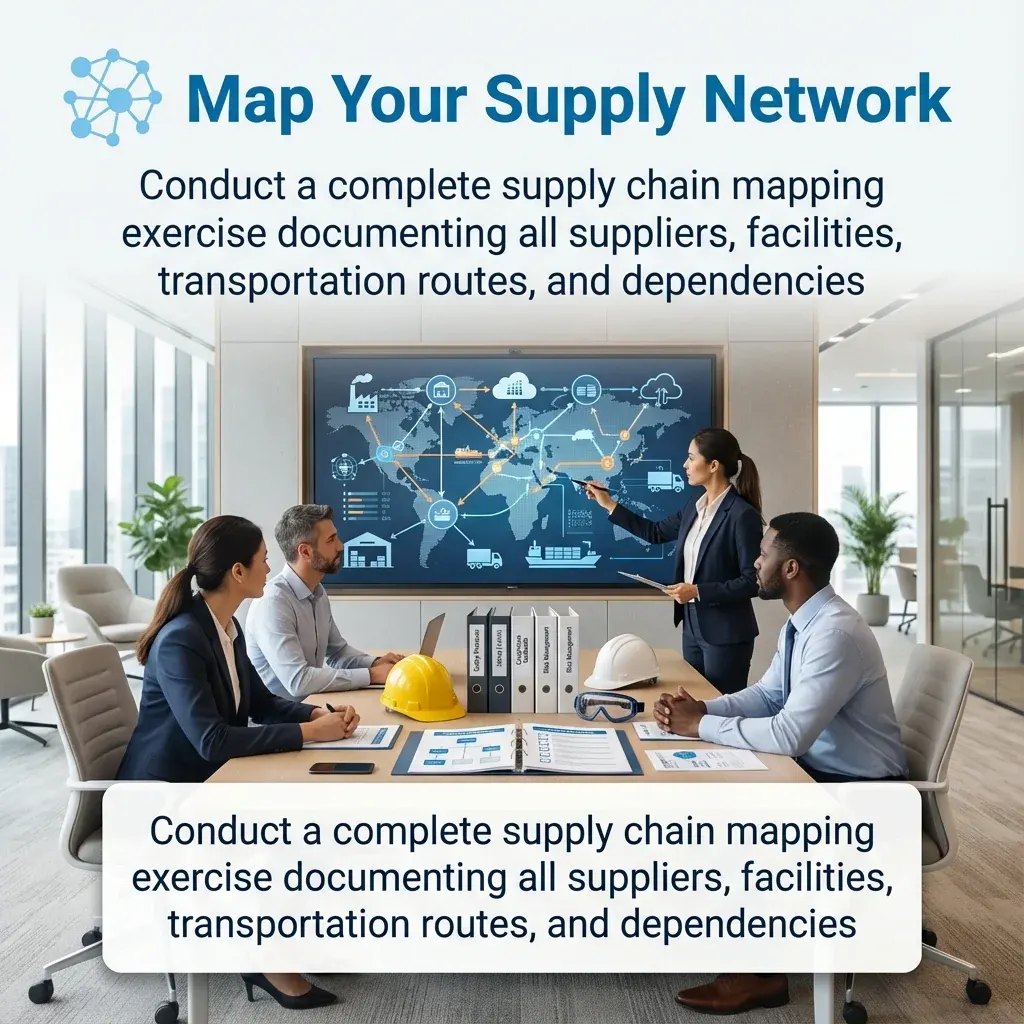
Global, highly complex supply chains face constant threats from disruptions at every stage of the product lifecycle. This makes systematic risk management essential for operational survival, not merely competitive advantage.
Modern supply chains face additional pressure from rising transportation and logistics costs, labour constraints, and changing customer expectations. These factors compound existing vulnerabilities while creating new risk categories.
Organisations that neglect SCRM face predictable consequences: damaged customer relationships through delivery failures, financial losses through inventory write-offs and expedited freight charges, and increased regulatory exposure when compliance failures emerge during crisis response.
Supply chain resilience increasingly differentiates market leaders from followers. Organisations with robust risk management maintain service levels during disruptions and capture market share from competitors struggling with operational failures. For more analysis, explore insights on the MAEZ blog.
How MAEZ works
Find the gaps. Fix the system. Prove the controls.
MAEZ helps transport operators deal with the compliance risk they already know is there. We help get the Safety Management System in order, protect NHVAS accreditation, reduce fine exposure, and connect training, evidence, and CoRGuard workflows where software is needed.
Find
Identify what is exposed before an auditor or regulator does.
Fix
Build the SMS controls around how the transport business actually runs.
Prove
Use CoRGuard where records, reminders, diaries, audits, and evidence need structure.
From advice to evidence
From MAEZ advice to a working Safety Management System
Advisory work should leave a practical implementation trail. These examples show how CoRGuard supports records, fatigue and driver diary checks, maintenance, audits, document control, inductions, corrective actions, and evidence review after MAEZ identifies the gaps.
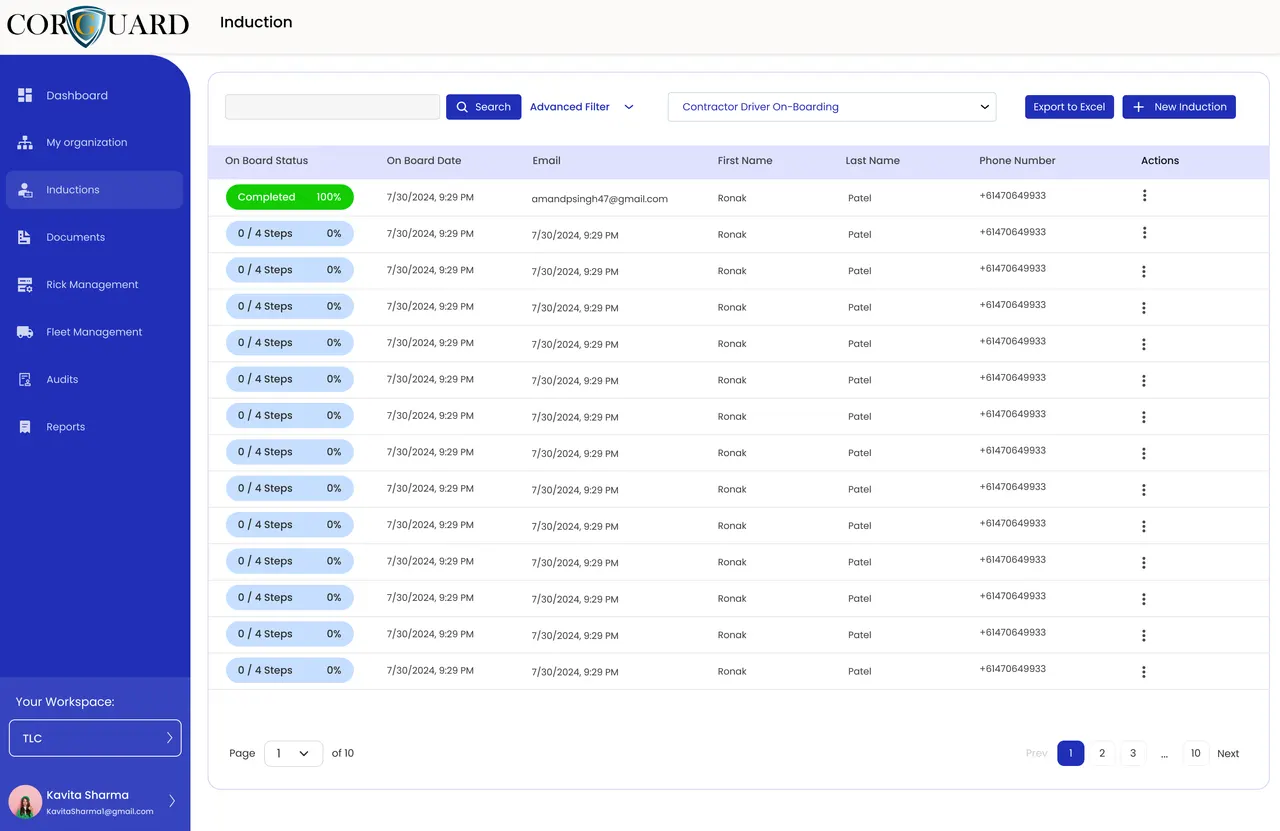
Training records
Connect training completion from cortraining.com.au to evidence and follow-up.
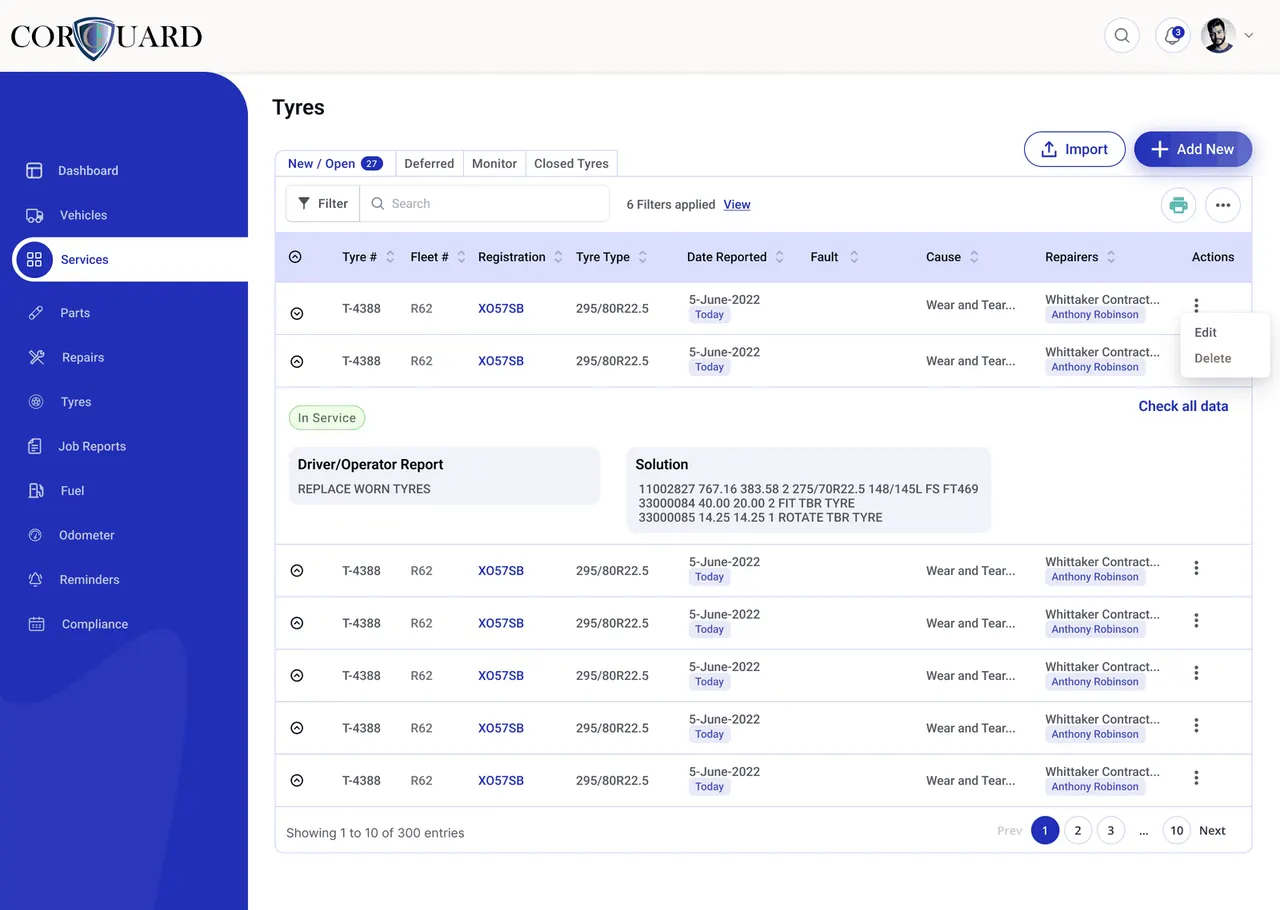
Driver diary checks
Connect fatigue and driver diary review back to manager visibility.
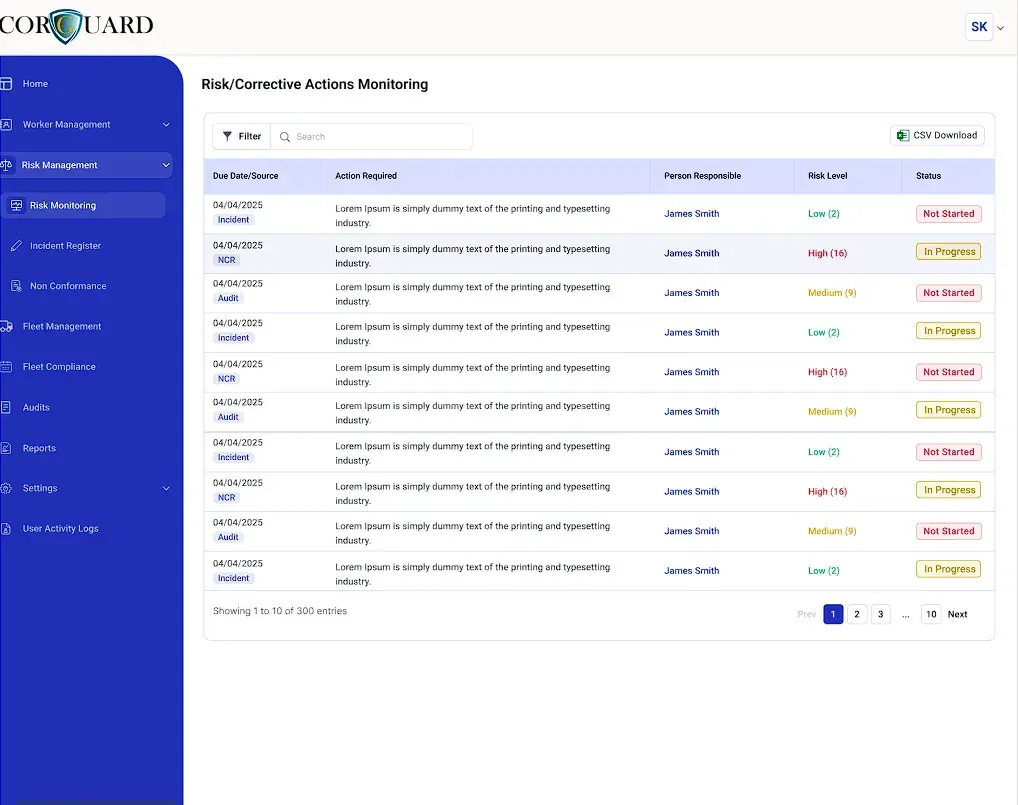
Corrective actions
Turn audit findings, hazards and incidents into tracked actions.
Keep exploring
Related Chain of Responsibility reading
MAEZ insight
Effective Training Strategies for CoR Compliance
Learn how to train for CoR compliance with effective strategies that turn regulatory knowledge into practical risk management in your supply chain.
MAEZ insight
Mastering HVNL Compliance: Best Practices Explained
Discover HVNL compliance best practices and learn how to manage fatigue, vehicle standards, and more under the Chain of Responsibility framework.
MAEZ insight
Understanding Supply Chain Risk Management Software
Explore how Supply Chain Risk Management software transforms data into actionable insights, helping you mitigate risks and enhance supply network efficiency.
MAEZ insight
Understanding Common Issues in Chain of Responsibility
Discover common issues in the Chain of Responsibility pattern and learn how to avoid them. Perfect for developers seeking practical solutions.
MAEZ insight
Enhancing Transport Safety: Effective Strategies and Tips
Discover how to improve transport safety with effective strategies. Learn to integrate safety culture and technology for better performance.
MAEZ insight
Understanding Common Transport Safety Issues: A Guide
Explore common transport safety issues affecting global operations. Learn preventive measures to protect lives and improve safety standards.
Frequently asked questions
Questions people ask about this topic
What is supply chain risk management in the context of Australian transport?
Supply chain risk management is the systematic process of identifying disruptions, assessing their likelihood and impact, and implementing controls to protect operational continuity. For Australian transport operators, it overlaps directly with Chain of Responsibility obligations, where every party in the chain must take reasonable steps to prevent breaches.
How does proactive supply chain risk management differ from reactive approaches?
Proactive SCRM uses prediction and prevention — monitoring leading indicators, modelling scenarios, and developing response plans before crises occur. Reactive approaches address disruptions only after they happen. Proactive management reduces downtime and produces stronger evidence that reasonable steps were taken.
What are the four main categories of supply chain risk?
The four main categories are operational risks (internal process failures), supply risks (supplier performance and dependency vulnerabilities), demand risks (forecast inaccuracy and market volatility), and environmental risks (external events like natural disasters and regulatory changes). Many disruptions involve multiple categories simultaneously.
How does risk tolerance affect supply chain decisions for transport operators?
Risk tolerance determines which risks an organisation accepts and which it mitigates. Effective SCRM documents risk appetite explicitly, aligns mitigation strategies with stated priorities, and reviews these decisions as conditions change — rather than accepting risks by default.
Why does supply chain risk management matter more for transport operators now?
Rising transportation costs, labour constraints, changing customer expectations, and increasing regulatory scrutiny compound existing vulnerabilities. Operators that neglect SCRM face damaged customer relationships, financial losses, and increased regulatory exposure during incidents, while resilient operators capture market share.