
MAEZ insight
Enhancing Transport Safety: Effective Strategies and Tips
Practical strategies to enhance transport safety in Australia. Build a safety culture, use AI monitoring, apply risk assessments, and maintain vehicles for better Chain of Responsibility compliance.
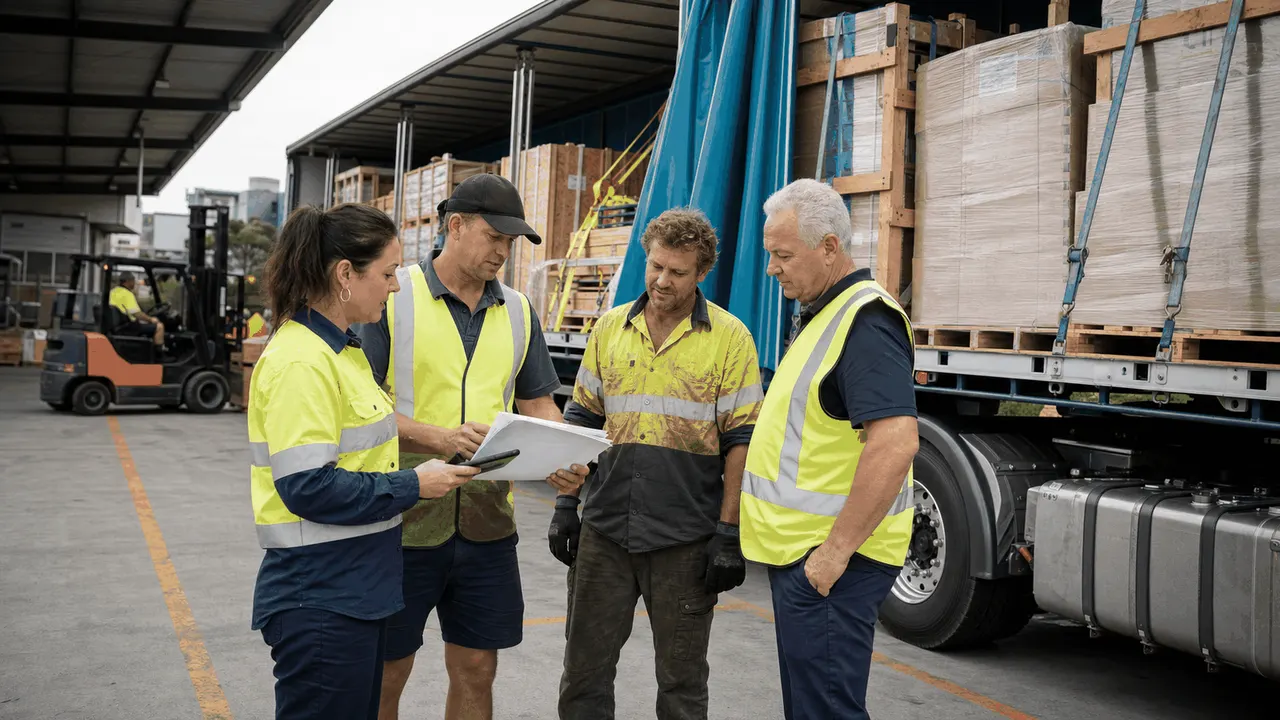
Receiving windows, site rules, and unloading delays can all shape the transport task.
Unloading decisions can affect safety, scheduling, and responsibility.
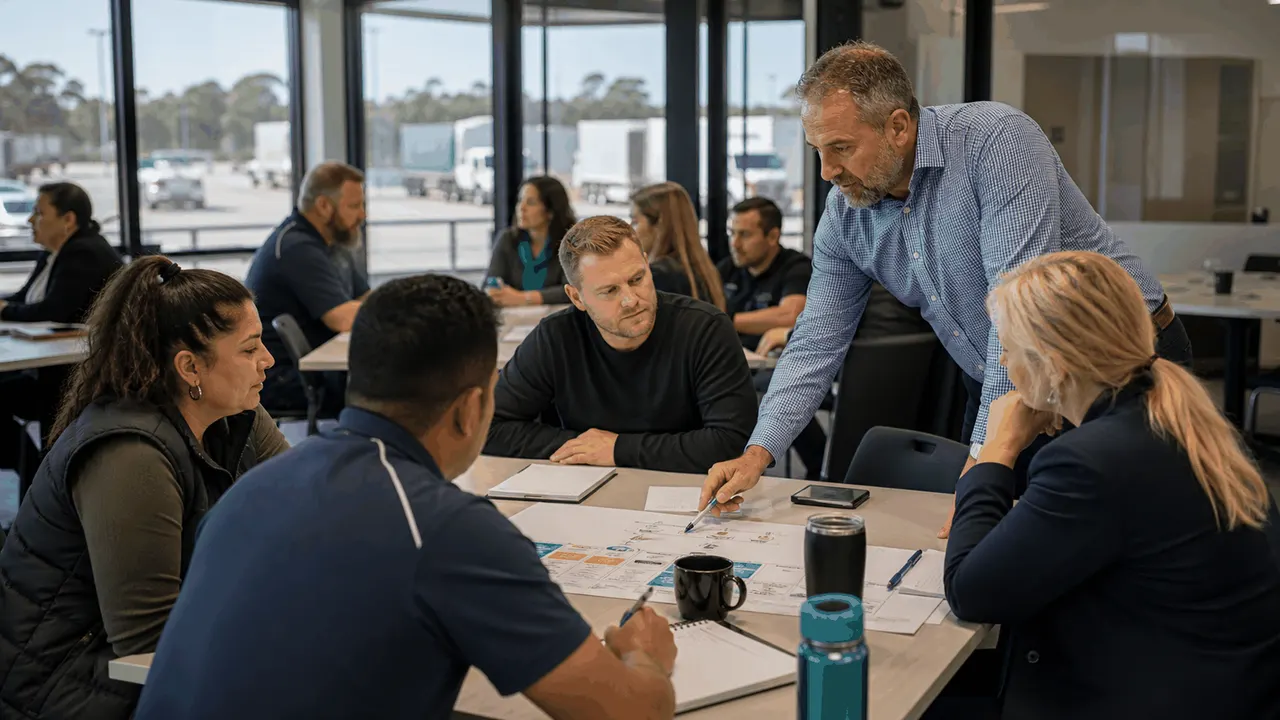
Managers need a clear view of gaps before audit or enforcement pressure arrives.

Contractor controls should be verified before the work starts.
Consignors
Freight terms, delivery windows, and KPIs must not push drivers into speed, fatigue, or mass breaches.
Consignees
Receiving rules, site access, and unloading delays are CoR controls that need to be set and evidenced.
Loaders
Mass, dimension, and load restraint decisions need documented checks, not assumptions.
Managers
Executives and managers need due-diligence evidence that the Safety Management System is actually working.
Why transport safety is an operational advantage
Embedding safety into daily systems — not bolting it on
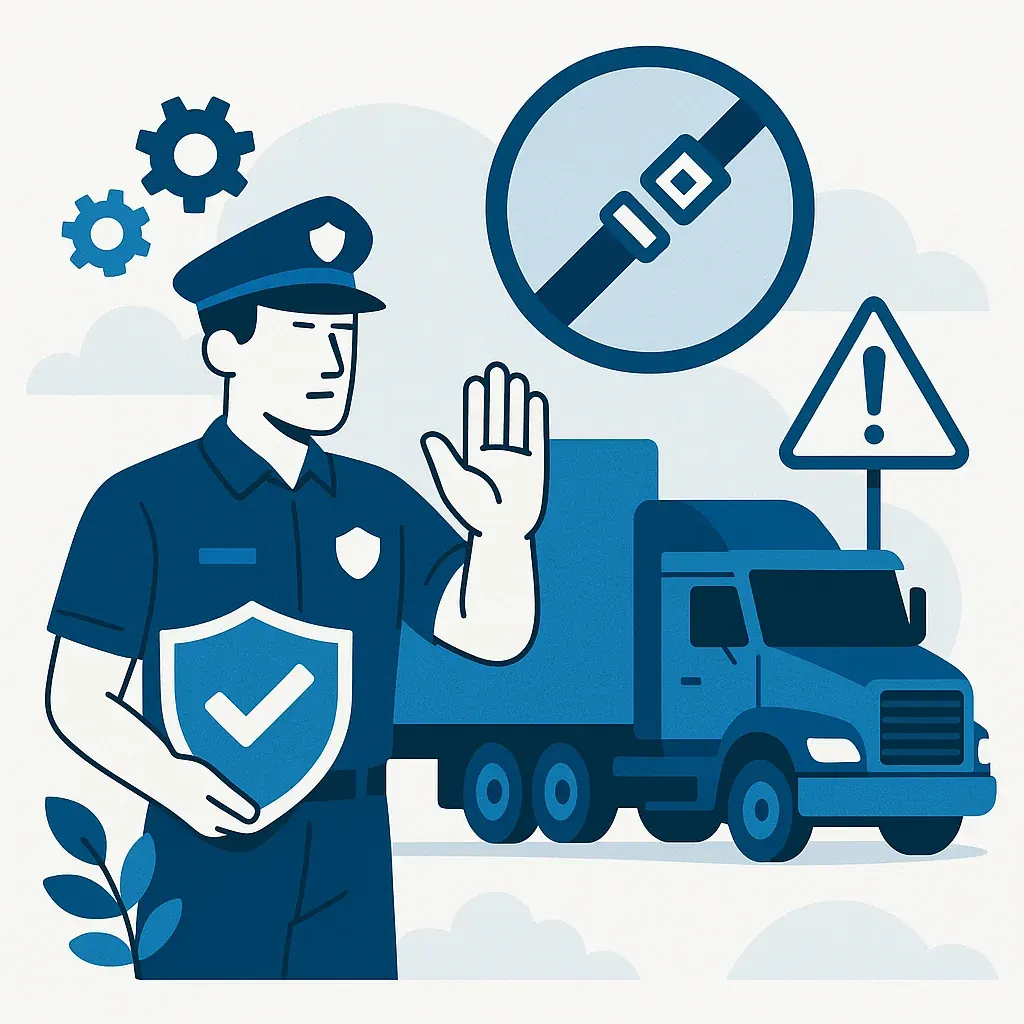
Enhancing transport safety means embedding systematic risk assessment, technology integration, and genuine safety culture into daily operations — rather than treating compliance as paperwork. The goal is reducing fatalities, preventing accidents, and building resilience across road, rail, and multimodal transport through evidence-based practices.
After 25 years in supply chain management — working across FMCG, construction, and logistics — a clear pattern emerges: organisations that embed safety into their daily systems outperform those that bolt it on as an afterthought. The right approach combines systematic risk assessment, technology integration, and genuine safety culture.
This is not about collecting more paperwork. It is about reducing fatalities, preventing accidents, and building resilience into operations. By applying evidence-based practices, transport businesses can improve safety performance across road, rail, and multimodal transport — including safety culture development, risk assessment methods, AI-powered monitoring, and data-driven compliance systems.
How do you build a strong safety culture?
Leadership, accountability, and leading indicators
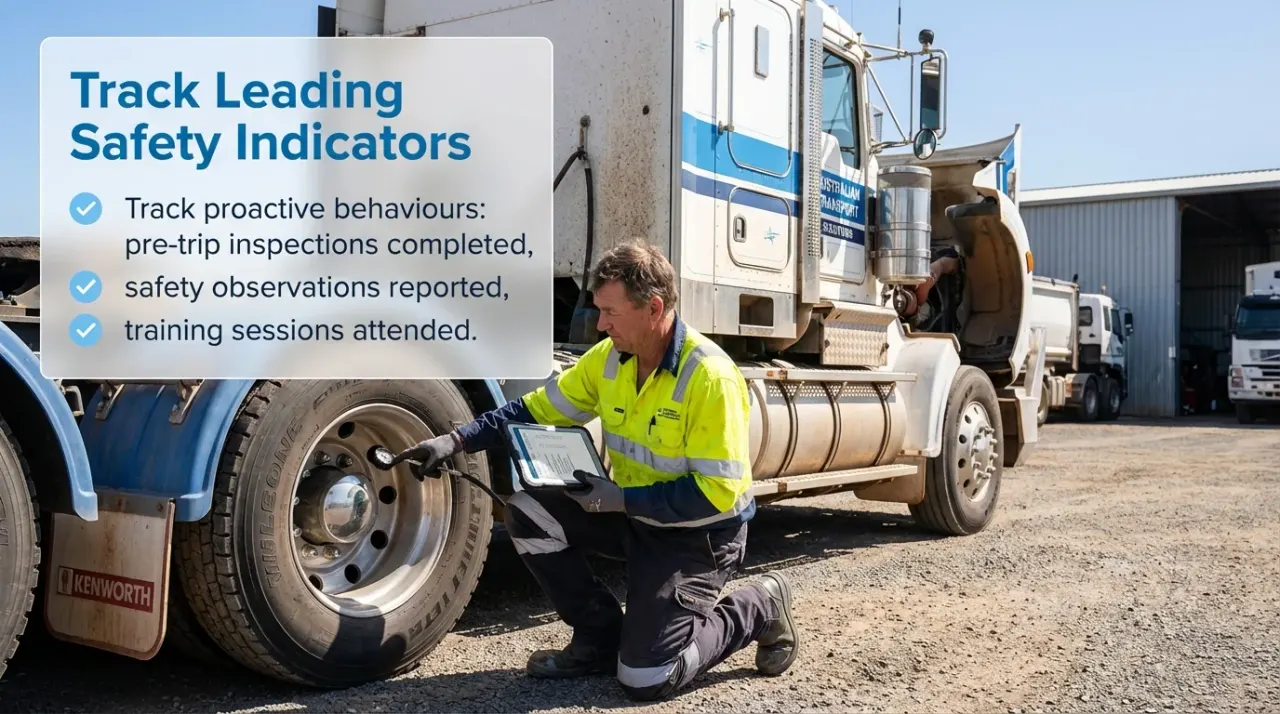
Safety culture is the set of beliefs, perceptions, and values your people share about safety protocols. Start with visible and measurable leadership commitment. Executives should participate in safety audits, review incident reports personally, and allocate resources to safety training without question.
Create accountability throughout the chain. Under the Chain of Responsibility legislation, everyone in the supply chain carries obligations. Establish clear responsibilities at each level. Document who reviews maintenance schedules, who approves load plans, and who monitors driver hours. When accountability is specific, safety performance improves.
Reward safety performance by focusing on leading indicators rather than just lagging ones. Leading indicators predict safety performance before accidents occur:
- Pre-trip inspections completed
- Safety observations reported
- Training sessions attended
Build safety metrics into performance reviews across all roles that touch transport operations. When safety affects career progression, it becomes cultural.
Identifying hazards with systematic risk assessments
Structured processes, not ad-hoc reactions
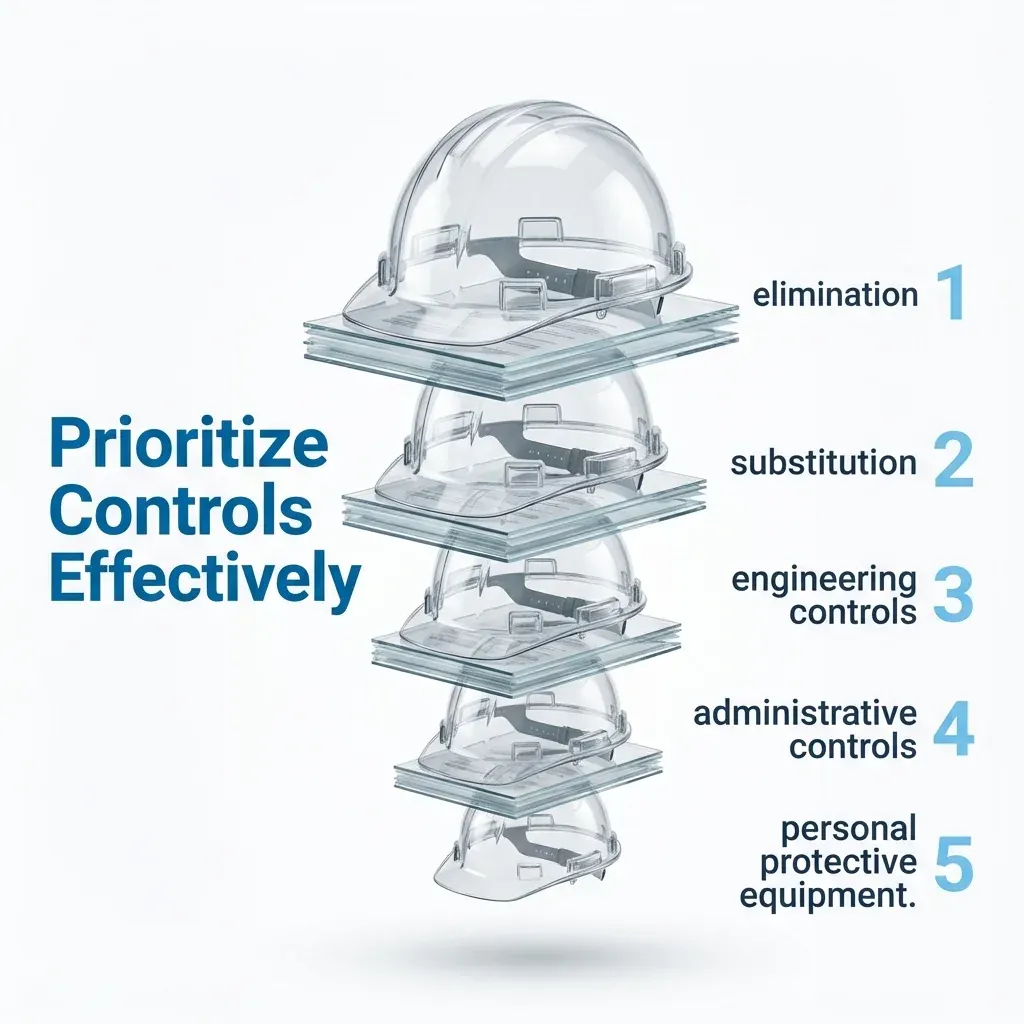
Risk assessment identifies hazards before they cause accidents. Effective risk management requires structured processes, not ad-hoc reactions. Begin with comprehensive job safety analyses for each transport activity — break tasks into steps, identify hazards at each step, and implement controls.
Apply the Hierarchy of Controls to prioritise safety measures:
- Elimination — Remove the hazard entirely (e.g., redesign routes to avoid hazardous materials transport through residential areas)
- Substitution — Replace high-risk elements with safer alternatives
- Engineering controls — Reduce exposure through physical changes (e.g., reversing cameras, lane departure warning systems)
- Administrative controls — Implement safety training, work procedures, and fatigue management policies
- Personal protective equipment (PPE) — The final layer of defence
Map your high-risk areas
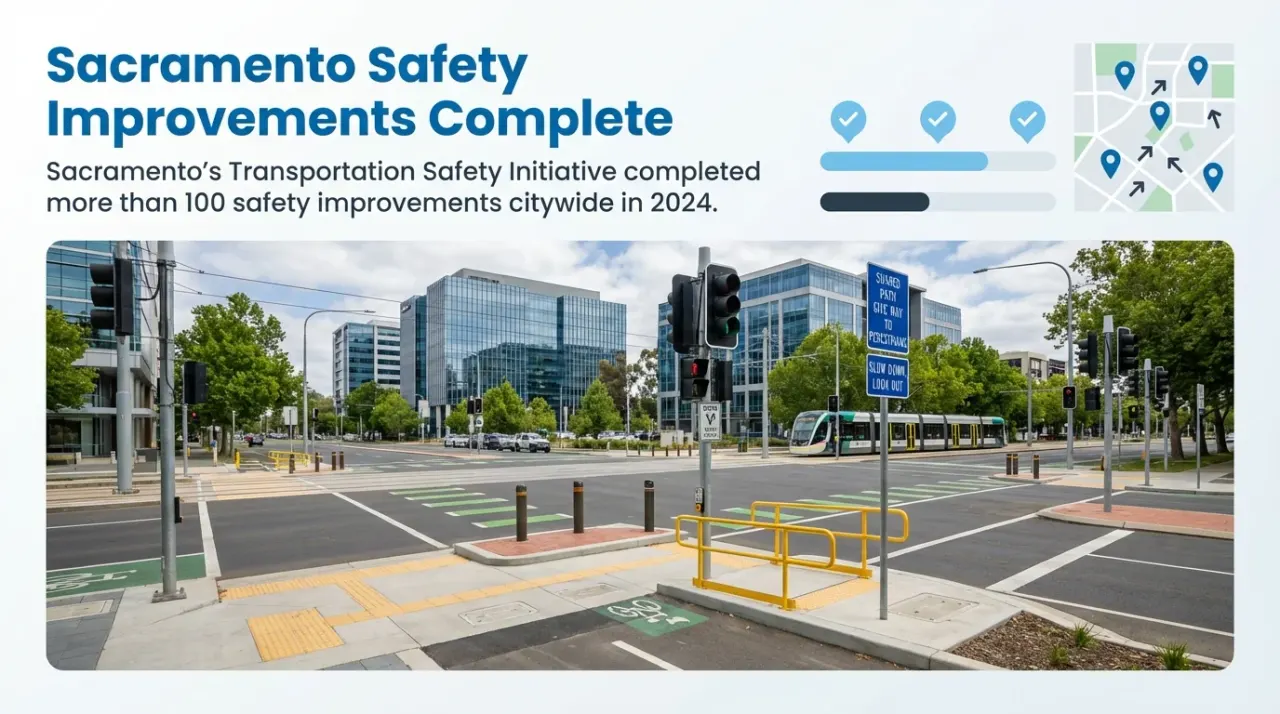
Focus on high-risk areas by mapping your High Injury Network. Identify intersections, road segments, and operational scenarios where incidents cluster. For example, Sacramento's Transportation Safety Initiative completed more than 100 safety improvements citywide in 2024, targeting locations with the highest incident rates. Direct your resources where risk is highest.
Using AI and real-time monitoring to predict incidents
Moving from reactive to predictive safety
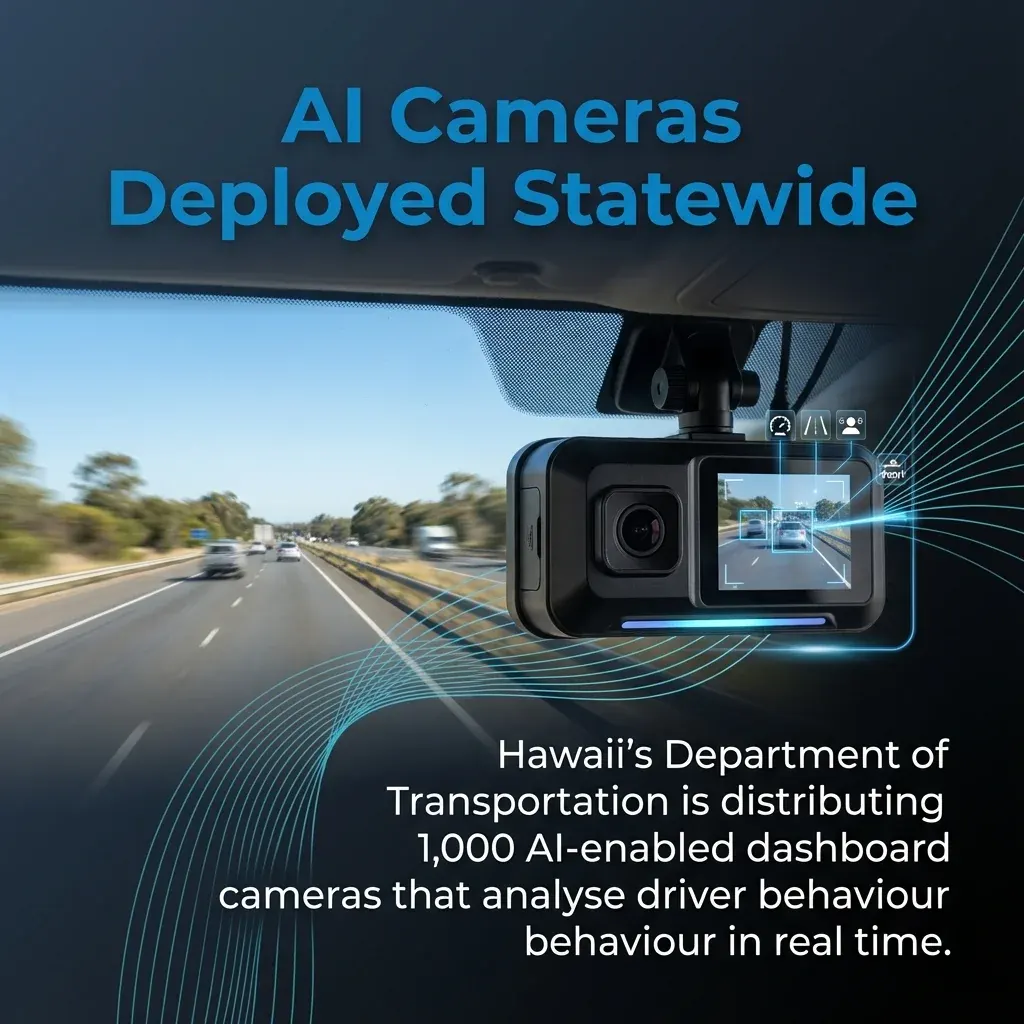
Generative AI transforms transportation safety from reactive to predictive. Technology now identifies risks before they materialise into accidents. Hawaii's Department of Transportation, for instance, is distributing 1,000 AI-enabled dashboard cameras that analyse driver behaviour in real time, providing immediate feedback on unsafe practices.
Computer vision for hazard detection
AI systems analyse video feeds to detect fatigue indicators, distraction patterns, and risky behaviours. These systems alert drivers immediately, preventing incidents rather than just documenting them. Computer vision also monitors vehicle conditions to identify maintenance issues and safety defects during regular operations.
Predictive maintenance and IoT sensors
Predictive maintenance applies machine learning to vehicle telematics data. Algorithms identify patterns that precede component failures. Schedule maintenance based on condition, not arbitrary intervals. Internet of Things (IoT) sensors collect data on vehicle speed, harsh braking, acceleration patterns, and cornering forces — creating objective records of driving behaviour that enable immediate intervention and targeted coaching.
Why role-specific safety training matters
Specific, regular, and interactive — not generic
Safety training fails when it is generic, infrequent, or disconnected from operational reality. Effective programs are specific, regular, and interactive. Design training around actual incidents from your operations to address high-risk scenarios.
Tailor training to different roles. Drivers need different training than schedulers, and warehouse staff have different safety obligations than transport managers. Under the Chain of Responsibility, everyone in the supply chain needs to understand their specific safety obligations. Generic awareness is not sufficient for compliance.
Make training practical and recurring
Make training interactive and practical. Scenario-based learning works better than slide presentations. Use simulations and virtual reality to let drivers experience hazardous scenarios without real risk. Follow up with workplace observation to verify that learned behaviours transfer to actual operations.
Safety knowledge decays, so schedule training regularly. Annual training is not adequate. Implement quarterly safety refreshers and supplement formal training with short, frequent toolbox talks. Explore Chain of Responsibility training options tailored to Australian operators.
Vehicle maintenance protocols for transport safety
Preventable defects cause preventable accidents
Vehicle maintenance directly affects transportation safety. Brake failures, tyre blowouts, and mechanical defects cause preventable accidents. Develop maintenance schedules based on manufacturer recommendations, regulatory requirements, and your operational intensity.
Pre-trip and post-trip inspections
Implement pre-trip and post-trip inspections. Standardise checklists covering brakes, tyres, lights, steering, and load security. Make inspections mandatory. Use digital inspection systems that record results, flag defects, and prevent vehicle dispatch until issues are resolved. Digital systems create auditable records that paper checklists lack.
Track maintenance history systematically
Maintenance management systems record every service, repair, and inspection. When incidents occur, maintenance records prove your organisation took reasonable steps to ensure vehicle safety. This is crucial for Chain of Responsibility defences during audits.
Partner with qualified service providers who understand commercial vehicle systems. Verify their certifications and insurance, as their work affects your safety compliance and liability exposure.
Data collection and performance analysis
Measure what matters — leading and lagging indicators
Data-driven safety management identifies trends, measures improvement, and justifies resource allocation. Without measurement, safety programs operate on assumptions. The California Office of Traffic Safety awarded more than $140 million in federal funding for 495 grants, prioritising data-informed safety initiatives.
Collect the right safety metrics by tracking both leading and lagging indicators:
- Lagging indicators — Crash rates, injury frequency, lost work days, and insurance claims
- Leading indicators — Proactive behaviours that predict safety performance before accidents occur
Use data to drive decisions
Use this data to inform fleet replacement decisions and identify patterns across your operations. Vehicles with escalating maintenance costs and declining reliability should be retired before they cause safety incidents.
For tailored support in turning this data into actionable compliance evidence, consider specialised CoR consulting. MAEZ helps operators identify gaps, build SMS controls, and produce the evidence auditors and regulators expect — contact us to get started.
How MAEZ works
Find the gaps. Fix the system. Prove the controls.
MAEZ helps transport operators deal with the compliance risk they already know is there. We help get the Safety Management System in order, protect NHVAS accreditation, reduce fine exposure, and connect training, evidence, and CoRGuard workflows where software is needed.
Find
Identify what is exposed before an auditor or regulator does.
Fix
Build the SMS controls around how the transport business actually runs.
Prove
Use CoRGuard where records, reminders, diaries, audits, and evidence need structure.
From advice to evidence
From MAEZ advice to a working Safety Management System
Advisory work should leave a practical implementation trail. These examples show how CoRGuard supports records, fatigue and driver diary checks, maintenance, audits, document control, inductions, corrective actions, and evidence review after MAEZ identifies the gaps.
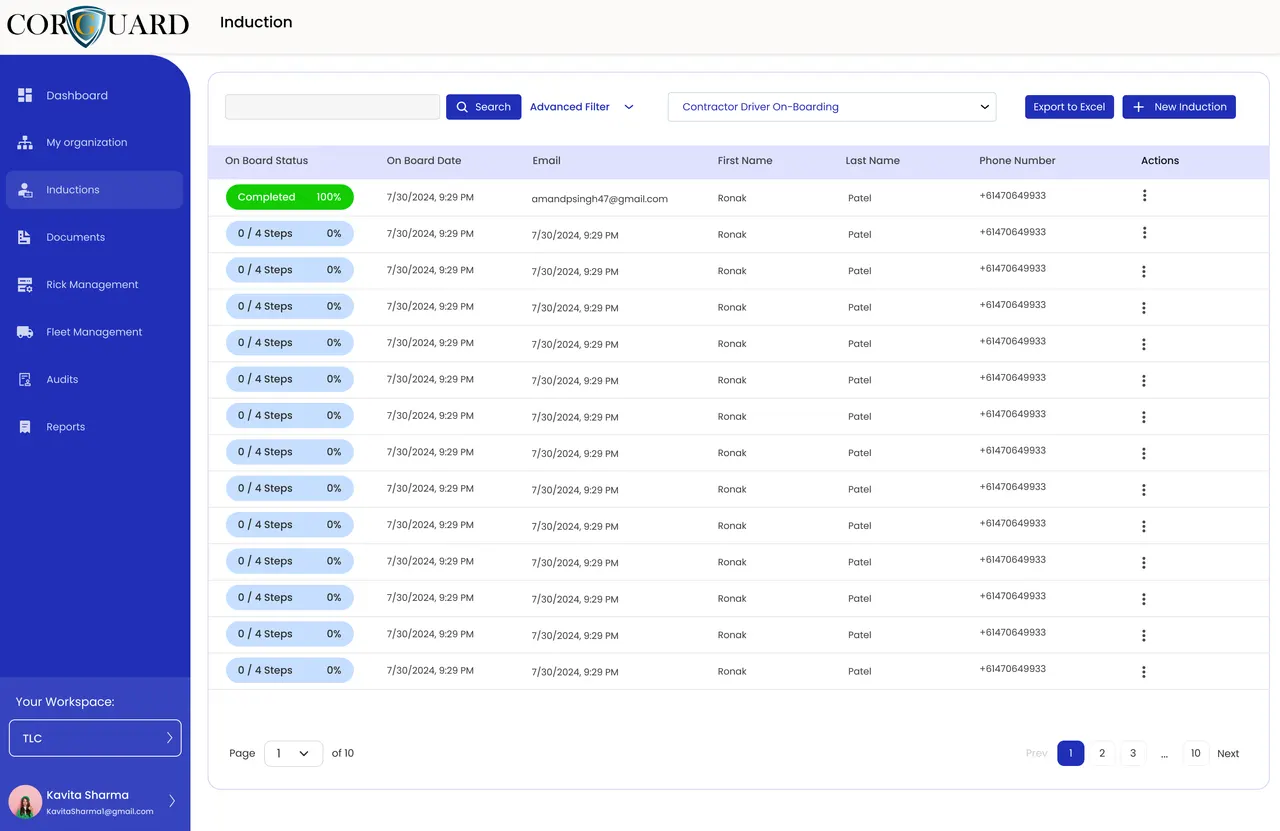
Training records
Connect training completion from cortraining.com.au to evidence and follow-up.
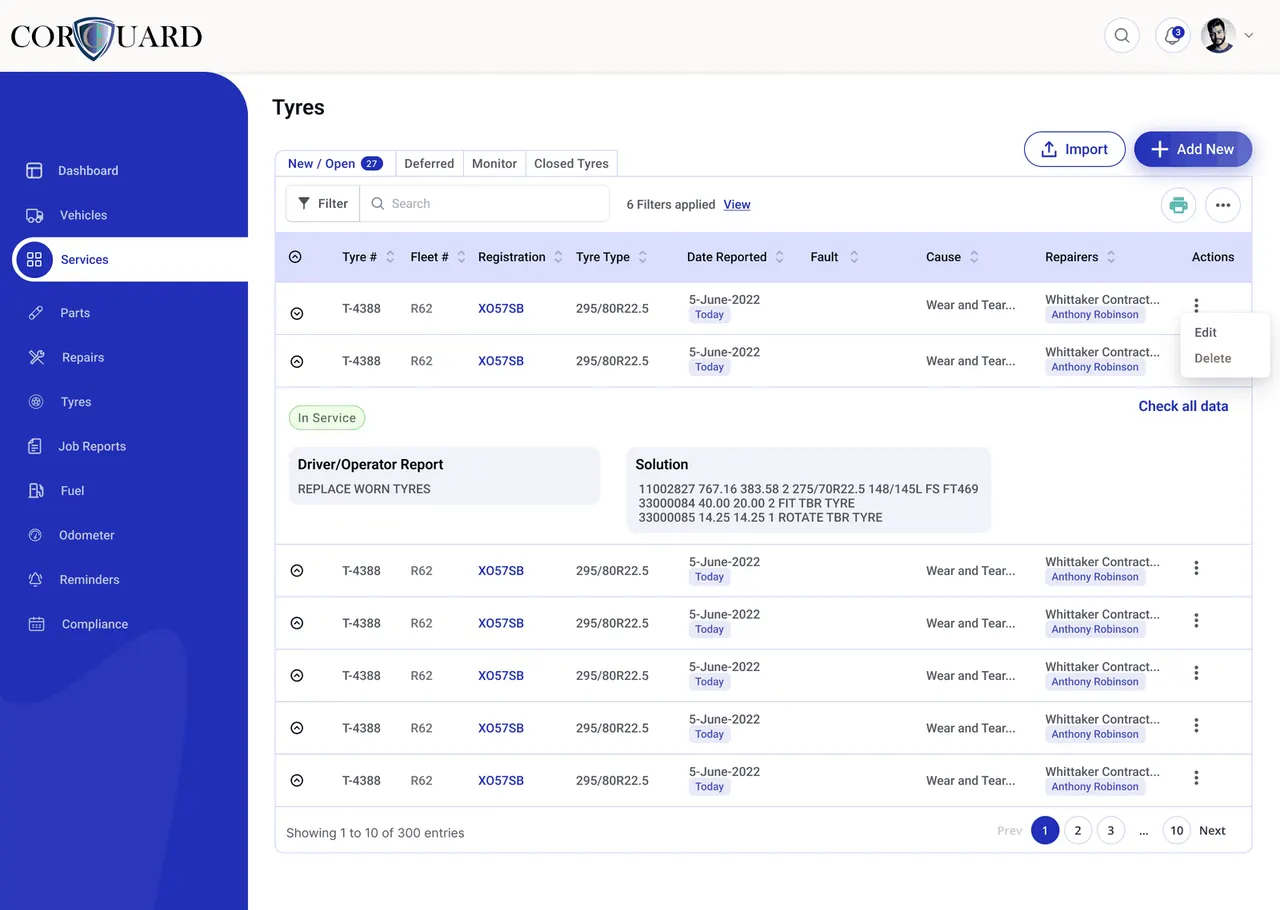
Driver diary checks
Connect fatigue and driver diary review back to manager visibility.
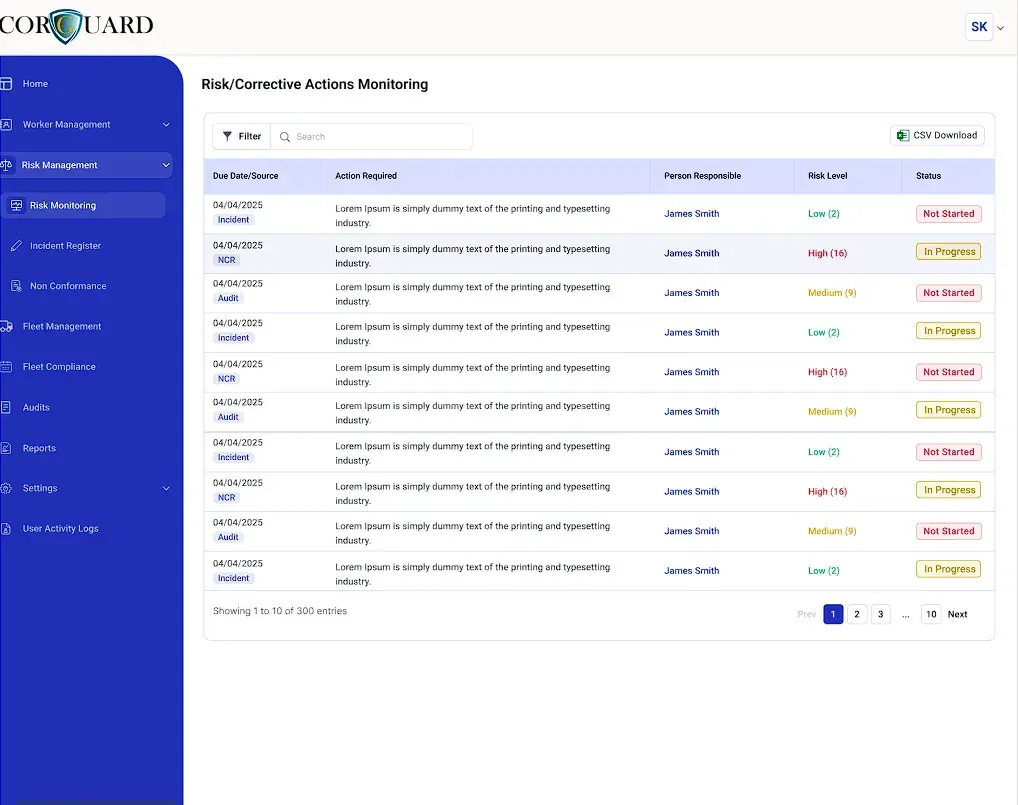
Corrective actions
Turn audit findings, hazards and incidents into tracked actions.
Keep exploring
Related Chain of Responsibility reading
MAEZ insight
Understanding Common Transport Safety Issues: A Guide
Explore common transport safety issues affecting global operations. Learn preventive measures to protect lives and improve safety standards.
MAEZ insight
Effective Strategies for Managing Global Supply Chain Risks
Discover effective global supply chain risk management strategies to mitigate operational challenges and enhance supply chain resilience.
MAEZ insight
Essential Chain of Responsibility Compliance Tips Explained
Discover essential chain of responsibility compliance tips to ensure safety and meet HVNL obligations. Stay informed and compliant with our expert advice.
MAEZ insight
Exploring Effective Safety Management System Examples
Discover effective Safety Management System examples to enhance workplace safety through structured frameworks and core components.
MAEZ insight
Understanding Key Components of a Safety Management System
Discover the crucial components of a safety management system, including Safety Policy and Risk Management, to enhance organizational safety outcomes.
MAEZ insight
Ensuring a Strong Chain of Responsibility: Key Steps
Learn how to ensure chain of responsibility with key steps for building reliable systems. Discover effective request distribution across handlers.
Frequently asked questions
Questions people ask about this topic
How can transport operators build a strong safety culture?
Build a strong safety culture through visible leadership commitment, specific accountability at every level of the supply chain, and performance metrics built into career progression. Focus on leading indicators — like pre-trip inspections completed and safety observations reported — rather than only tracking lagging indicators such as crash rates.
What is the Hierarchy of Controls in transport risk assessment?
The Hierarchy of Controls prioritises safety measures from most to least effective: elimination (remove the hazard), substitution (use safer alternatives), engineering controls (physical changes like reversing cameras), administrative controls (training and procedures), and personal protective equipment as the final layer of defence.
How does AI improve transport safety?
AI improves transport safety by shifting from reactive to predictive risk management. Computer vision analyses video feeds to detect fatigue and distraction in real time, while IoT sensors and predictive maintenance algorithms identify component failures before they occur — enabling immediate intervention and targeted driver coaching.
Why is generic safety training not enough for Chain of Responsibility compliance?
Under the Chain of Responsibility, everyone in the supply chain has specific safety obligations tied to their role. Generic awareness training does not meet these obligations. Effective training must be role-specific, scenario-based, interactive, and delivered regularly — quarterly refreshers and toolbox talks supplement formal programs.
How do vehicle maintenance records support Chain of Responsibility defences?
Systematic maintenance records — including pre-trip and post-trip inspections, services, and repairs — prove your organisation took reasonable steps to ensure vehicle safety. Digital inspection systems create auditable evidence that paper checklists lack, which is crucial during audits or enforcement action.