
MAEZ insight
Understanding Key Challenges in Supply Chain Risk Management
Explore key supply chain risk management challenges threatening business continuity, including financial, geopolitical, and supplier risks, and practical strategies to mitigate them in Australian transport operations.

Managers need a clear view of gaps before audit or enforcement pressure arrives.

Contractor controls should be verified before the work starts.
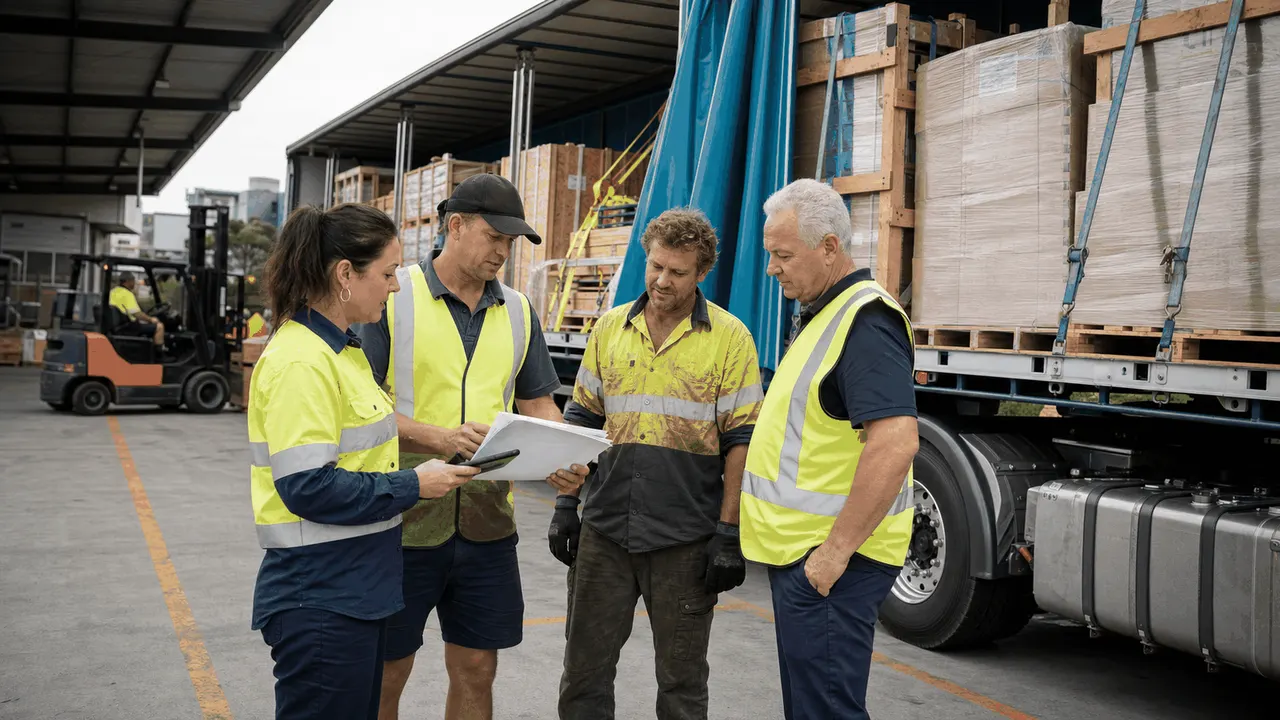
Receiving windows, site rules, and unloading delays can all shape the transport task.
Unloading decisions can affect safety, scheduling, and responsibility.
Consignors
Freight terms, delivery windows, and KPIs must not push drivers into speed, fatigue, or mass breaches.
Consignees
Receiving rules, site access, and unloading delays are CoR controls that need to be set and evidenced.
Loaders
Mass, dimension, and load restraint decisions need documented checks, not assumptions.
Managers
Executives and managers need due-diligence evidence that the Safety Management System is actually working.
What are supply chain risks?
Internal and external threats to the flow of goods
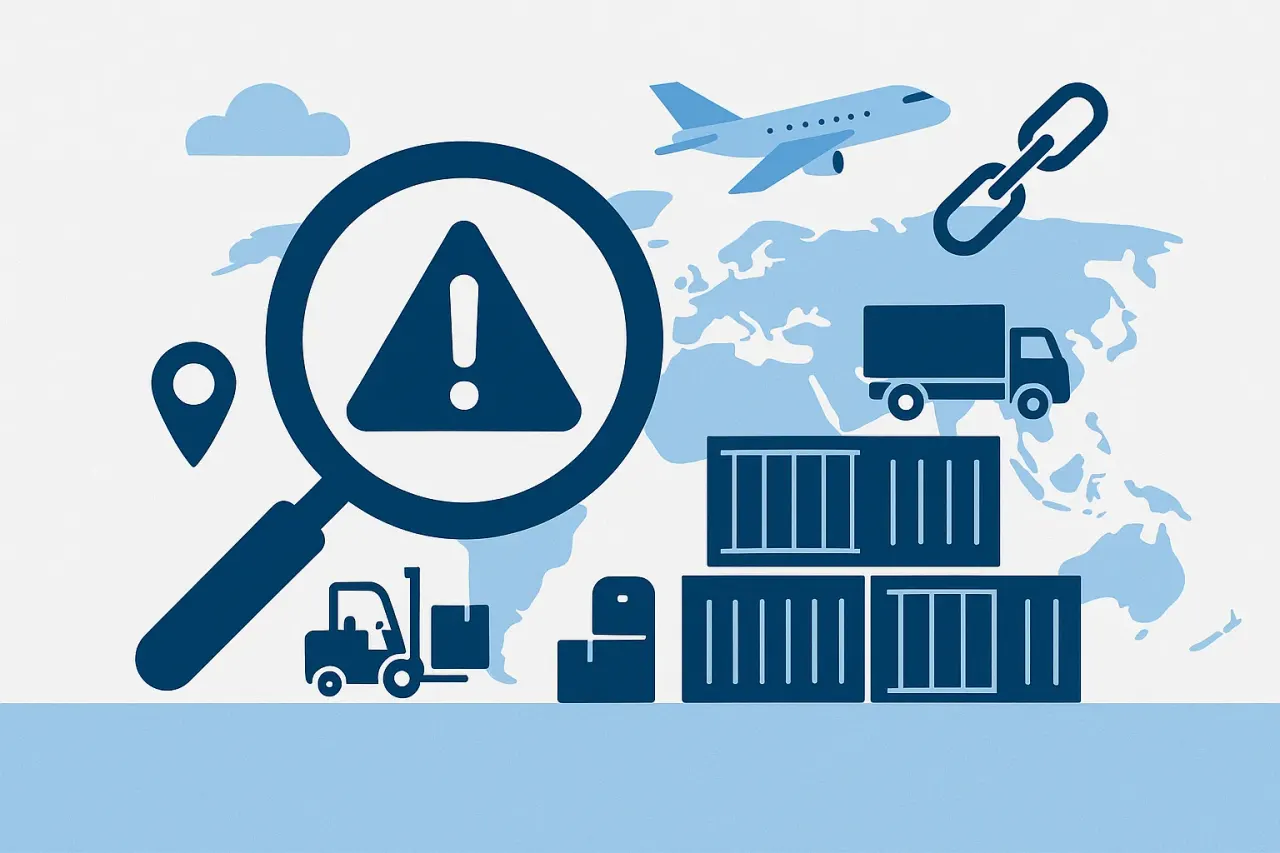
Supply chain risks are potential disruptions that threaten the flow of goods, services, or information from suppliers to customers. They originate from both internal operations—such as planning gaps and process weaknesses—and external forces beyond direct control, including natural disasters, geopolitical instability, and supplier failure. For Australian transport operators, managing these risks aligns directly with Chain of Responsibility obligations to ensure safety across the supply chain.
Internal risks often stem from operational weaknesses:
- Inadequate inventory management
- Poor demand forecasting
- Operational inefficiencies and system failures
External risks can arrive without warning and impact multiple organisations simultaneously:
- Natural disasters and geopolitical instability
- Supplier bankruptcy and trade restrictions
- Economic volatility
Supply chains have grown increasingly interconnected, meaning a single supplier failure can ripple through dozens of downstream businesses. Understanding where your operation sits within that chain is the first step toward building resilience.
Why does supply chain risk management matter?
Moving from reactive responses to proactive resilience
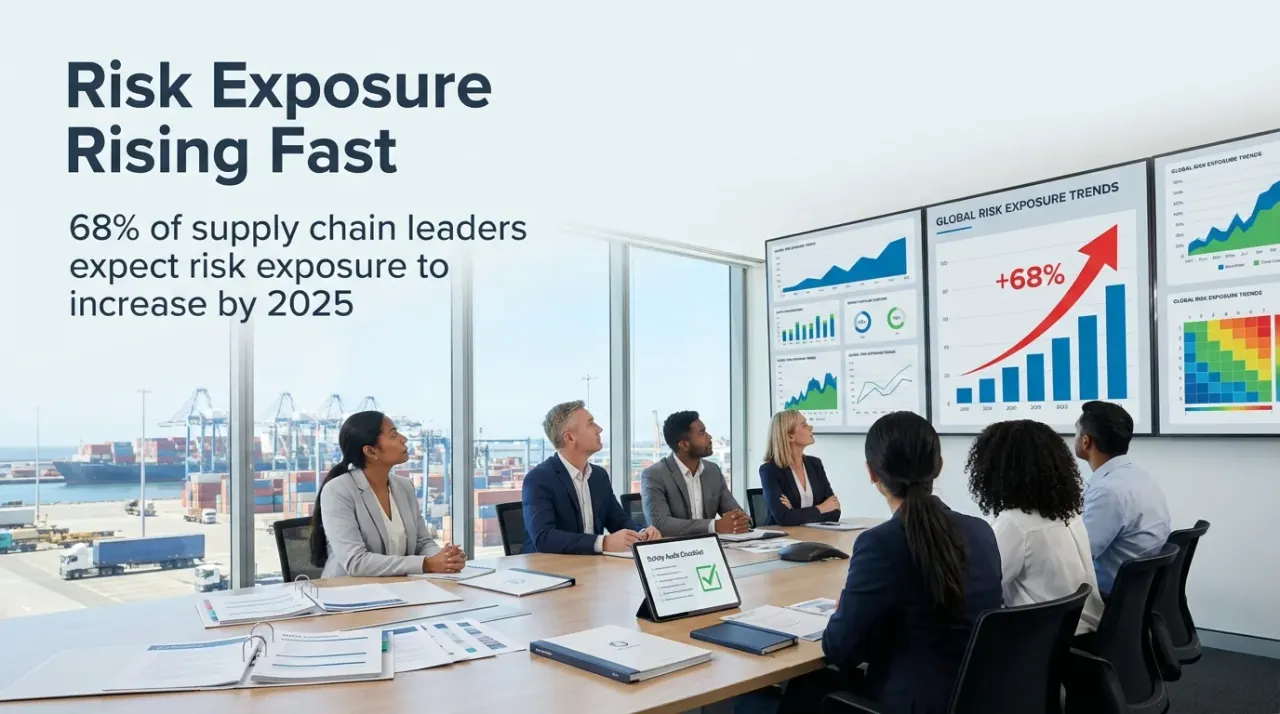
Supply chain disruptions carry significant financial consequences, including lost revenue, increased costs, and damaged customer relationships that can persist long after operations resume. According to industry research, 68% of supply chain leaders expect risk exposure to increase, reflecting growing complexity in global trade, technological dependencies, and environmental volatility.
Organisations without structured risk management approaches respond reactively, scrambling during crises rather than executing predetermined contingency plans. Proactive risk assessment processes identify vulnerabilities before they manifest as disruptions.
In the context of heavy vehicle operations, the Heavy Vehicle National Law (HVNL) categorises breaches of mass, dimension, and loading requirements by risk severity—minor, substantial, and severe. Proactive supply chain risk management helps prevent these breaches from occurring by addressing root causes upstream.
Organisations that map their supply chain end-to-end gain visibility into dependencies and concentration risks before they become enforcement or audit issues.
How do financial risks affect supply chains?
Currency, inflation, and supplier stability
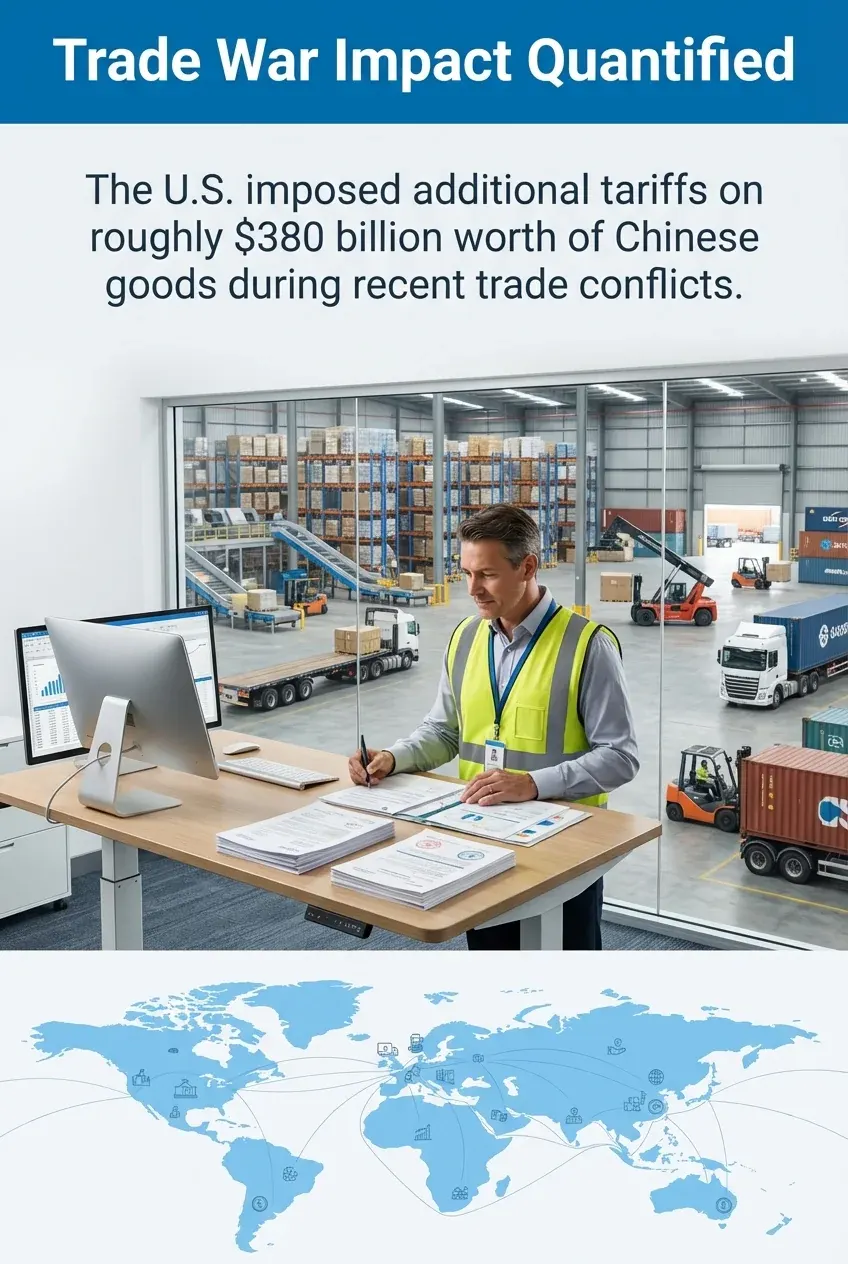
Financial risks in supply chains stem from currency fluctuations, inflation, supplier financial instability, and cost volatility. These threats directly impact profitability and operational sustainability.
Currency exchange volatility
Sudden devaluations can increase procurement costs by double-digit percentages overnight. Organisations manage currency risk through hedging strategies, forward contracts, and diversified sourcing across currency zones to reduce exposure to single-currency movements.
Inflation and input cost increases
Inflation drives up raw material costs, transportation rates, and labour expenses. Supply chain managers track commodity indexes to anticipate cost pressures. Long-term supplier agreements with escalation clauses can balance cost predictability with mechanisms for sustainable price adjustments.
Supplier financial instability
Supplier bankruptcy eliminates critical sources overnight. Organisations should conduct regular financial health assessments of critical suppliers—using credit ratings, financial statements, and payment behaviour patterns as early warning signals. Maintaining backup supplier qualifications reduces dependence on financially vulnerable partners.
What are the geopolitical risks to supply chains?
Trade policies, sanctions, and regulatory shifts
Geopolitical risks arise from political instability, trade policy changes, sanctions, and international conflicts. These external forces reshape supply chain viability with little advance notice.
Trade wars and tariff changes
Trade tensions create sudden cost increases and sourcing restrictions. Supply chain mapping identifies geopolitical exposure, enabling proactive evaluation of alternative sourcing regions before restrictions take effect.
Regulatory compliance complexity
Environmental regulations, trade compliance requirements, and transparency standards constantly change. Maintaining regulatory monitoring systems helps track changes across operating jurisdictions. Compliance management extends to supplier performance, using audit programs to verify that suppliers meet regulatory standards for labour practices, environmental controls, and data security.
Political instability and sanctions
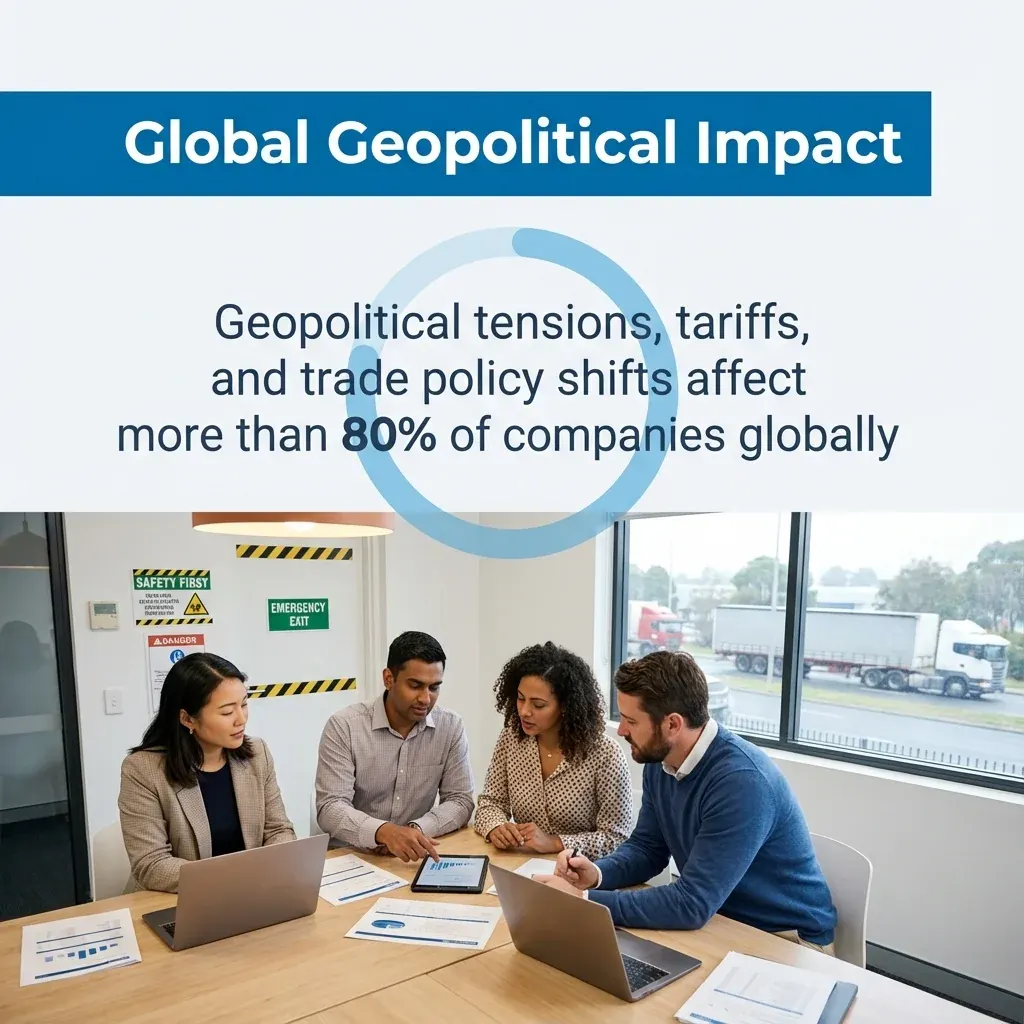
Geopolitical tensions, tariffs, and trade policy shifts affect more than 80% of companies globally. Scenario planning exercises evaluate supply chain vulnerability to political disruptions.
A practical CoR risk review can help you map your regulatory obligations and close compliance gaps before enforcement action or audit pressure arrives.
Managing supplier performance and reliability issues
Quality, delivery, and diversification strategies
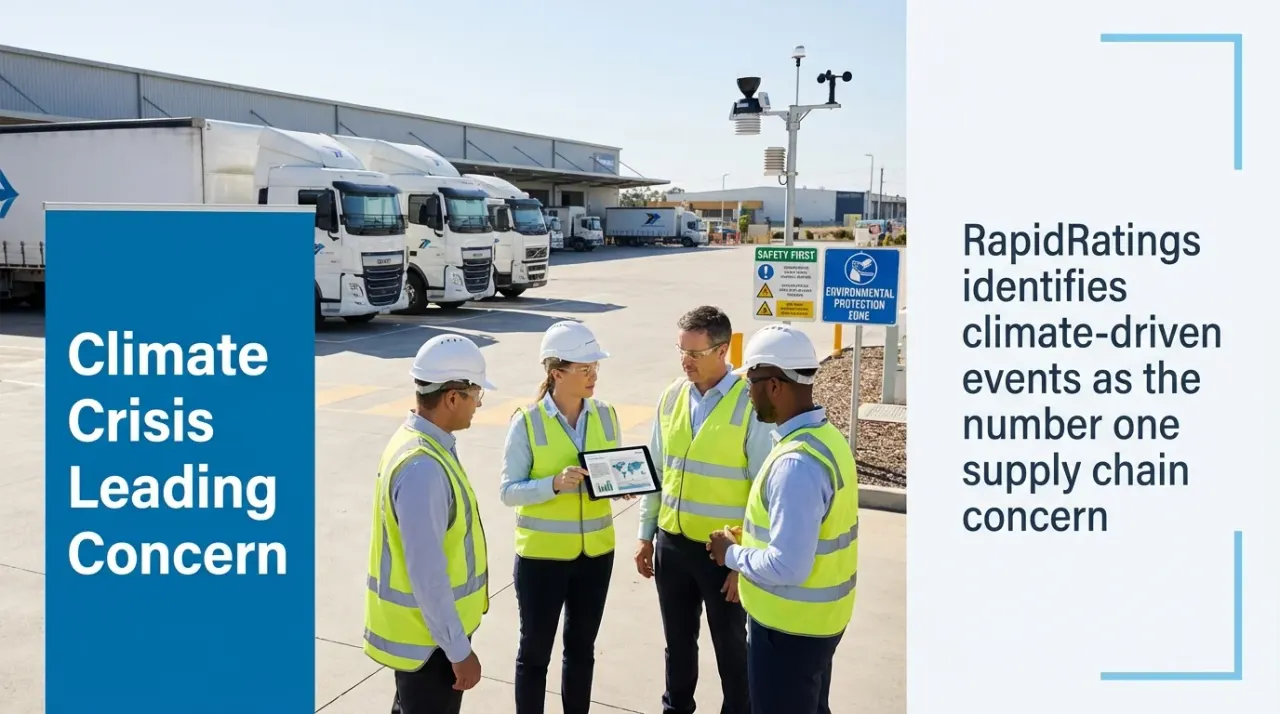
Supplier performance risks include quality failures, delivery delays, capacity constraints, and relationship breakdowns. These supply risks directly impact production schedules and customer commitments.
Quality control failures
Defective components halt production lines, trigger rework cycles, and generate customer returns. Implementing supplier quality management programs with clear specifications, regular audits, and performance scorecards identifies quality trends before they escalate.
Delivery reliability problems
Late deliveries disrupt production schedules and compromise customer service levels. Performance monitoring systems track on-time delivery rates, lead time consistency, and order accuracy. Diversified transportation partnerships reduce dependence on single logistics providers.
Supplier diversification strategies
Single-source dependencies create concentration risk. Dual-sourcing approaches maintain relationships with multiple qualified suppliers, while regional diversification reduces exposure to localised disruptions.
Ensure your team understands their role in maintaining these standards by completing Chain of Responsibility training. Properly trained personnel are your first line of defence against supplier-related compliance breaches.
Turning risk awareness into practical action
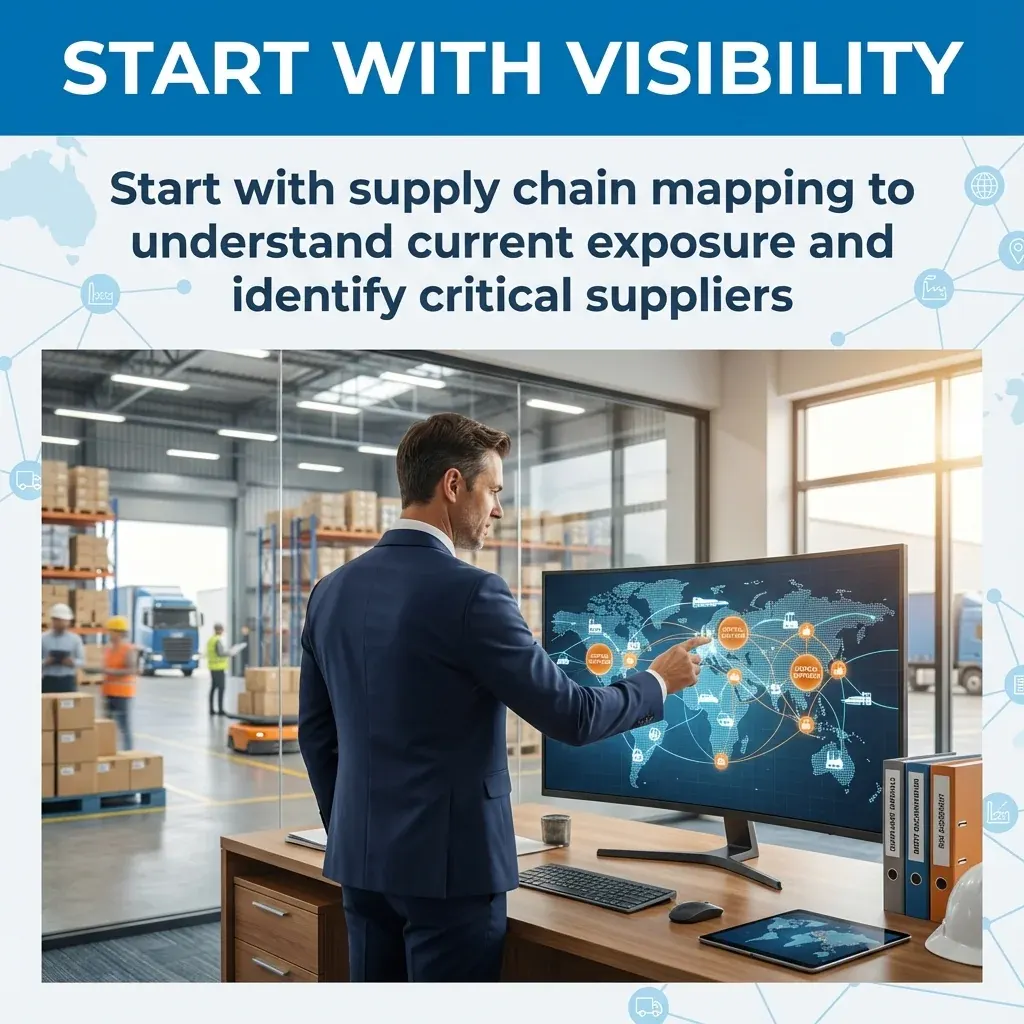
Understanding supply chain risks is only the starting point. Australian transport operators need to translate that awareness into documented controls, evidence trails, and training that withstands audit and enforcement scrutiny.
MAEZ helps transport businesses identify gaps across Chain of Responsibility, HVNL, WHS, NHVAS, training, audit, document-control, and Safety Management System areas—then turn those gaps into practical controls and evidence.
Key steps to operationalise risk management
- Map your supply chain end-to-end to identify concentration and dependency risks
- Establish supplier quality and delivery monitoring with clear performance metrics
- Document controls that address mass, dimension, loading, and fatigue risks under the HVNL
- Connect training, records, and corrective actions into a structured evidence trail
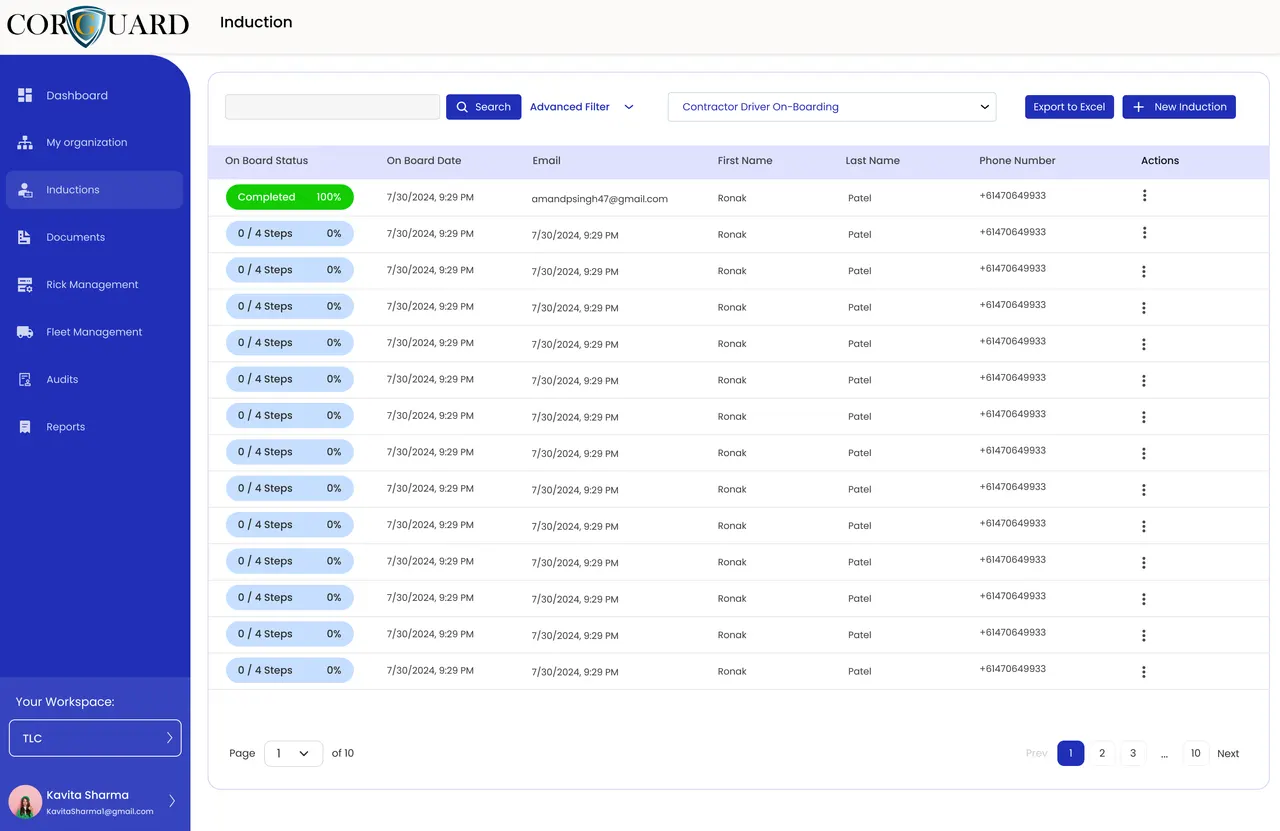
Where software is needed, CoRGuard supports the Safety Management System evidence workflow—covering records, reminders, audits, maintenance, driver diary checks, inductions, corrective actions, and evidence reporting.
Contact MAEZ for a practical review of the controls, evidence, training, and SMS gaps that matter most for your operation.
How MAEZ works
Find the gaps. Fix the system. Prove the controls.
MAEZ helps transport operators deal with the compliance risk they already know is there. We help get the Safety Management System in order, protect NHVAS accreditation, reduce fine exposure, and connect training, evidence, and CoRGuard workflows where software is needed.
Find
Identify what is exposed before an auditor or regulator does.
Fix
Build the SMS controls around how the transport business actually runs.
Prove
Use CoRGuard where records, reminders, diaries, audits, and evidence need structure.
From advice to evidence
From MAEZ advice to a working Safety Management System
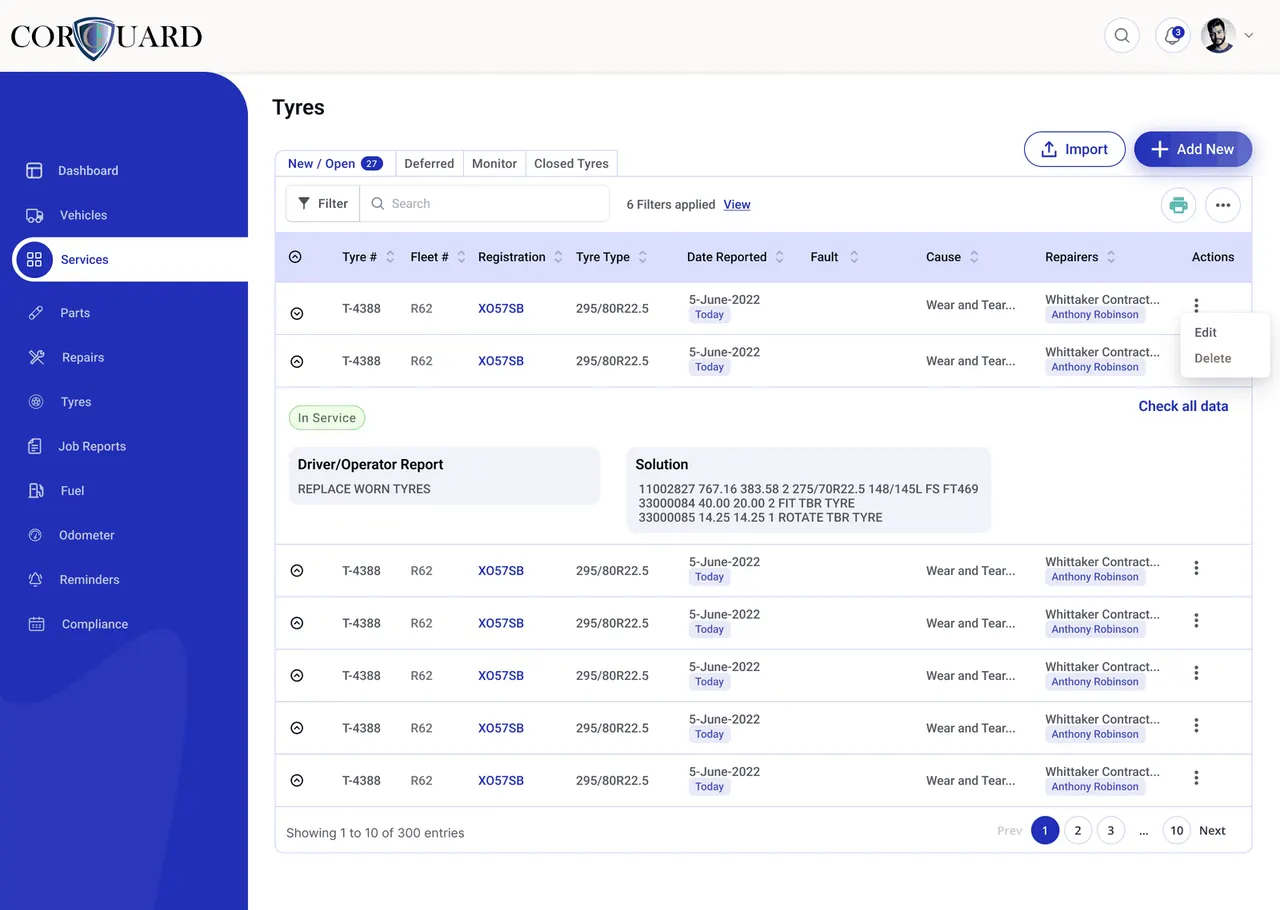
Advisory work should leave a practical implementation trail. These examples show how CoRGuard supports records, fatigue and driver diary checks, maintenance, audits, document control, inductions, corrective actions, and evidence review after MAEZ identifies the gaps.
Training records
Connect training completion from cortraining.com.au to evidence and follow-up.
Driver diary checks
Connect fatigue and driver diary review back to manager visibility.
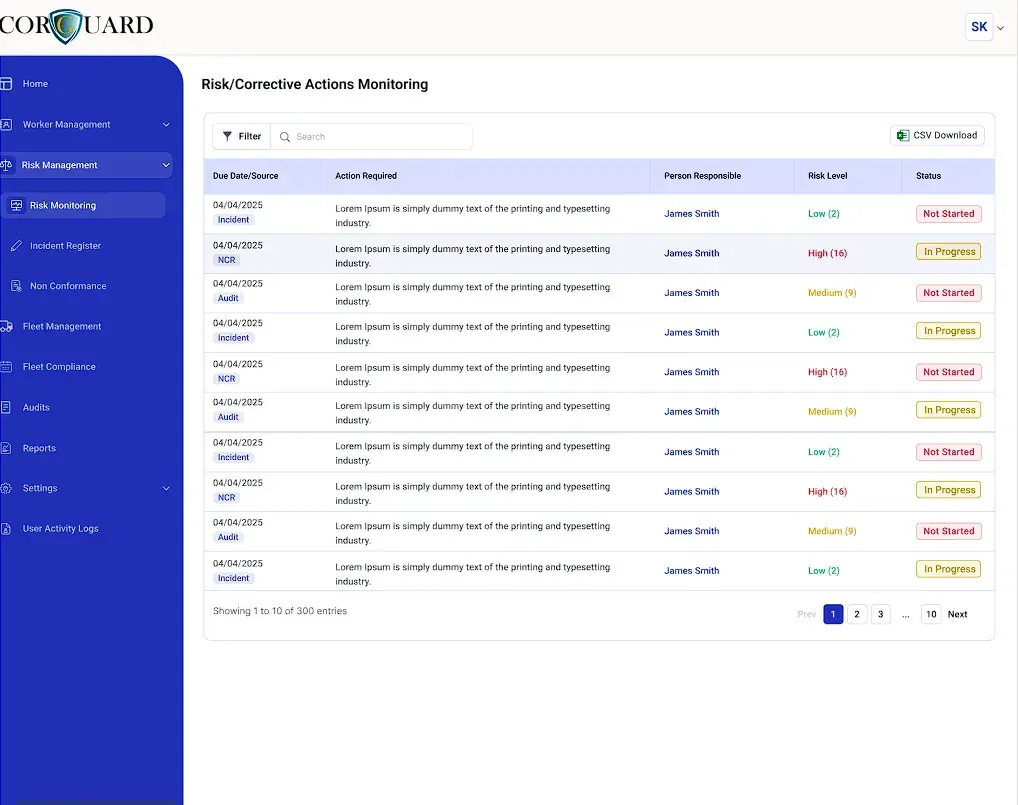
Corrective actions
Turn audit findings, hazards and incidents into tracked actions.
Keep exploring
Related Chain of Responsibility reading
MAEZ insight
Top Transport Safety Tips: Best Practices Explained
Discover essential best practices in transport safety, from driver training to vehicle maintenance, and enhance safety outcomes in your operations.
MAEZ insight
What Is Chain of Responsibility 2.0
Understand the Chain of Responsibility within HVNL. Learn CoR obligations, penalties, and how to ensure safety and compliance in transport operations.
MAEZ insight
Effective Supply Chain Risk Management: Real-World Examples
Discover effective Supply Chain Risk Management examples to protect your business from disruptions. Learn strategies for resilience and risk mitigation.
MAEZ insight
Top Safety Management System Practices for 2023
Explore top safety management system best practices for 2023 to enhance safety performance, reduce risks, and ensure compliance in your organization.
MAEZ insight
Navigating Key Challenges in Supply Chain Risk Management
Explore key challenges in supply chain risk management issues and discover strategies to build resilience against economic, environmental, and cybersecurity threats.
MAEZ insight
Effective Training Strategies for CoR Compliance
Learn how to train for CoR compliance with effective strategies that turn regulatory knowledge into practical risk management in your supply chain.
Frequently asked questions
Questions people ask about this topic
What are the main types of supply chain risk?
Supply chain risks fall into two categories: internal risks such as inadequate inventory management, poor demand forecasting, and operational inefficiencies, and external risks including natural disasters, geopolitical instability, supplier bankruptcy, and economic volatility.
How does supply chain risk management relate to Chain of Responsibility obligations?
For Australian transport operators, managing supply chain risks aligns directly with Chain of Responsibility duties under the HVNL. Proactive risk management helps prevent breaches of mass, dimension, and loading requirements—categorised as minor, substantial, or severe—before they occur.
What financial risks should transport operators monitor in their supply chain?
Key financial risks include currency exchange volatility, inflation driving up input and labour costs, and supplier financial instability that can eliminate critical sources overnight. Regular financial health assessments and diversified sourcing help reduce exposure.
How can supplier diversification reduce supply chain risk?
Single-source dependencies create concentration risk. Dual-sourcing approaches maintain relationships with multiple qualified suppliers, while regional diversification reduces exposure to localised disruptions such as natural disasters or geopolitical trade restrictions.
What does MAEZ help transport businesses fix in relation to supply chain risk?
MAEZ helps Australian transport businesses identify Chain of Responsibility, HVNL, WHS, NHVAS, training, audit, document-control, and Safety Management System gaps, then turn those gaps into practical controls and evidence supported by CoRGuard where structured records are needed.