
MAEZ insight
Top Transport Safety Tips: Best Practices Explained
Practical transport safety best practices for Australian operators — driver training, vehicle maintenance, load securement, fatigue management, and technology to improve safety outcomes.

Proof that freight promises do not create unsafe transport pressure.

Loading controls need evidence, not assumptions.
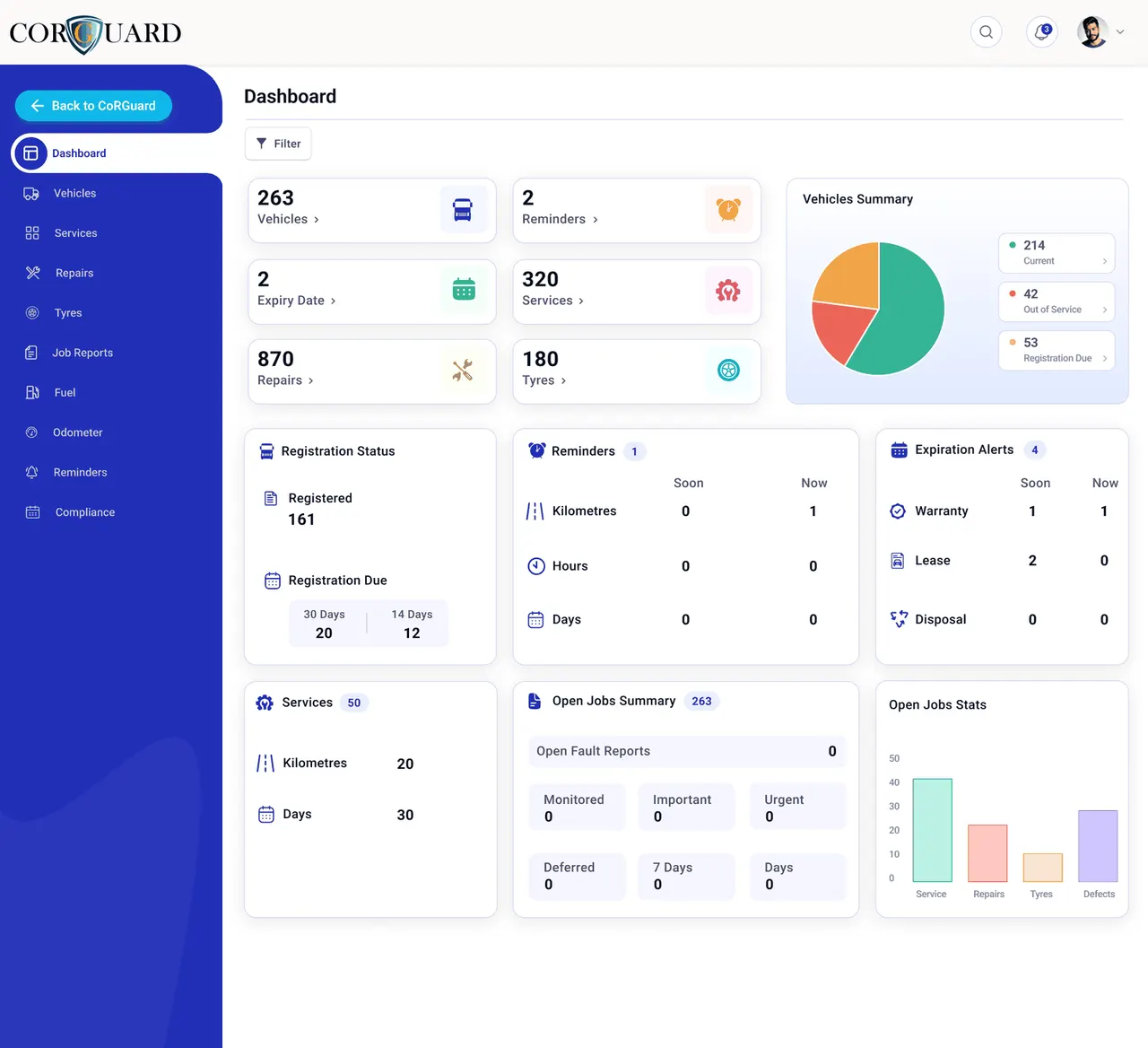
Daily fleet activity has to connect back to duties, controls, and review.

Due diligence means knowing whether the safety system is actually working.
Consignors
Freight terms, delivery windows, and KPIs must not push drivers into speed, fatigue, or mass breaches.
Consignees
Receiving rules, site access, and unloading delays are CoR controls that need to be set and evidenced.
Loaders
Mass, dimension, and load restraint decisions need documented checks, not assumptions.
Managers
Executives and managers need due-diligence evidence that the Safety Management System is actually working.
What are the foundations of transport safety?
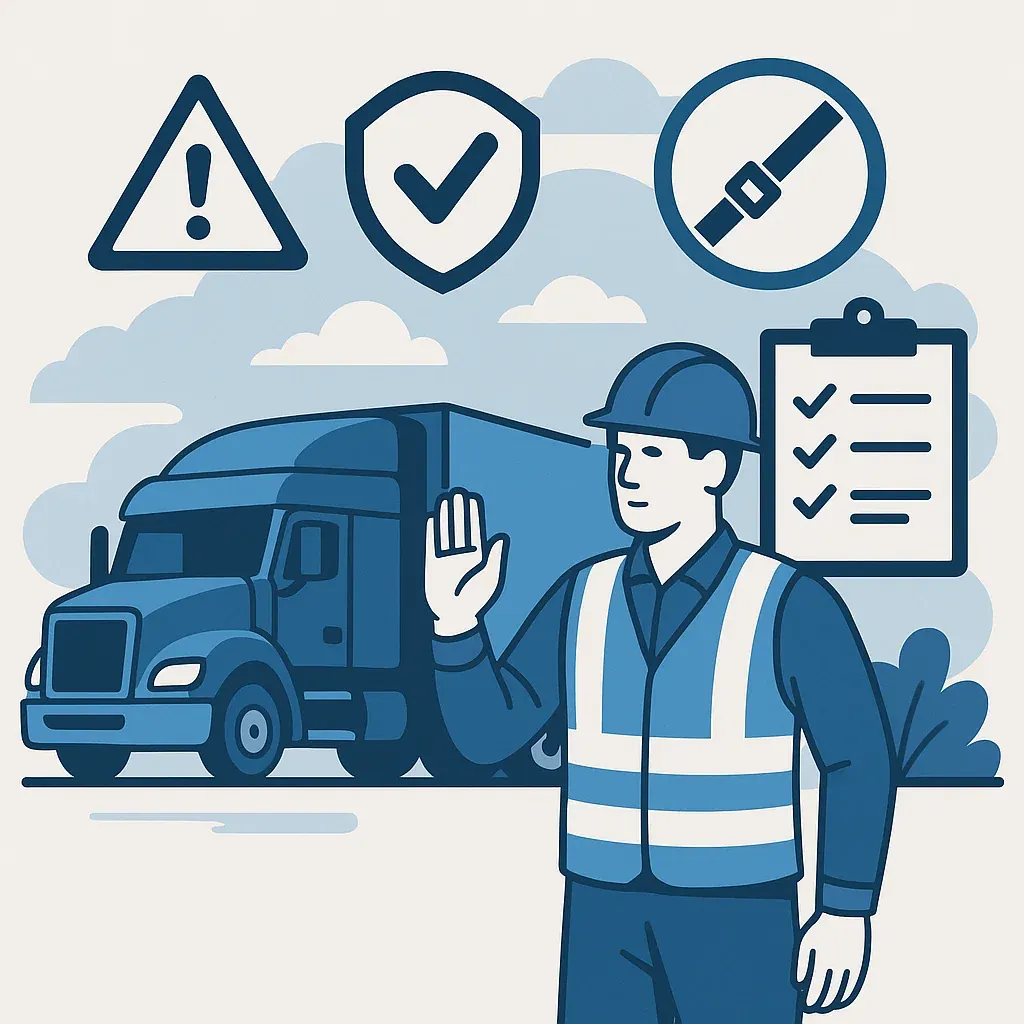
Transport safety is built on three foundational pillars: trained drivers who understand defensive techniques and fatigue management, properly maintained vehicles with rigorous inspection protocols, and an organisational culture where leadership actively prioritises safety over deadlines. These elements work together to reduce incidents across road networks, logistics operations, and fleet environments.
When businesses implement structured training programs, enforce maintenance schedules, and empower their teams to speak up about hazards, the data shows measurable improvements in safety outcomes. The stakes are substantial — road traffic crashes cause approximately 1.19 million deaths each year worldwide, highlighting the critical need for systematic approaches to transport safety.
Australian businesses operating heavy vehicle fleets face additional regulatory requirements under the Heavy Vehicle National Law (HVNL), making structured safety practices both a legal obligation and a strategic advantage. The HVNL establishes a principle of shared responsibility across the supply chain, meaning every party — not just the driver — carries a duty to ensure transport activities are safe.
This article breaks down the practical steps organisations can take to improve transportation safety, covering driver training, vehicle maintenance, cargo securement, fatigue management, technology adoption, and emergency preparedness. Each section builds on the previous one, creating a systematic framework that transforms compliance requirements into operational strengths.
For a deeper understanding of how shared responsibility works in practice, see About Chain of Responsibility.
Why does safety matter for Australian transport operators?
Beyond compliance: culture and cost

Safety performance directly impacts business operations in measurable ways. Organisations with strong safety records experience lower insurance premiums, reduced vehicle downtime, improved employee retention, and stronger relationships with partners and clients.
The regulatory environment demands attention. Chain of Responsibility legislation in Australia holds all parties in the supply chain accountable for safety breaches. This means schedulers, loaders, consignors, and business owners share responsibility alongside drivers. A systematic approach to safety protects your organisation from liability while improving operational efficiency.
Skilled drivers increasingly choose employers who demonstrate genuine commitment to their wellbeing. Equipment that is properly maintained lasts longer and performs better. Routes planned with safety considerations reduce fuel consumption and delivery times.
The cost of incidents extends beyond immediate repairs and medical expenses — investigations, regulatory responses, reputational damage, and potential legal proceedings create significant financial and operational burdens. Proactive safety investment delivers measurable returns through reduced incident rates and improved productivity.
For operators preparing for upcoming regulatory changes, the HVNL 2026 changes make this preparation even more pressing.
How should driver safety training programs be structured?
Driver capability forms the foundation of transport safety. Training programs should cover defensive driving techniques, hazard recognition, vehicle handling in adverse conditions, and emergency response procedures.
Structured training begins with comprehensive onboarding for new drivers. This includes vehicle familiarisation, route-specific considerations, communication protocols, and understanding your organisation's safety policies. Regular refresher training keeps skills current and introduces new techniques as they develop.
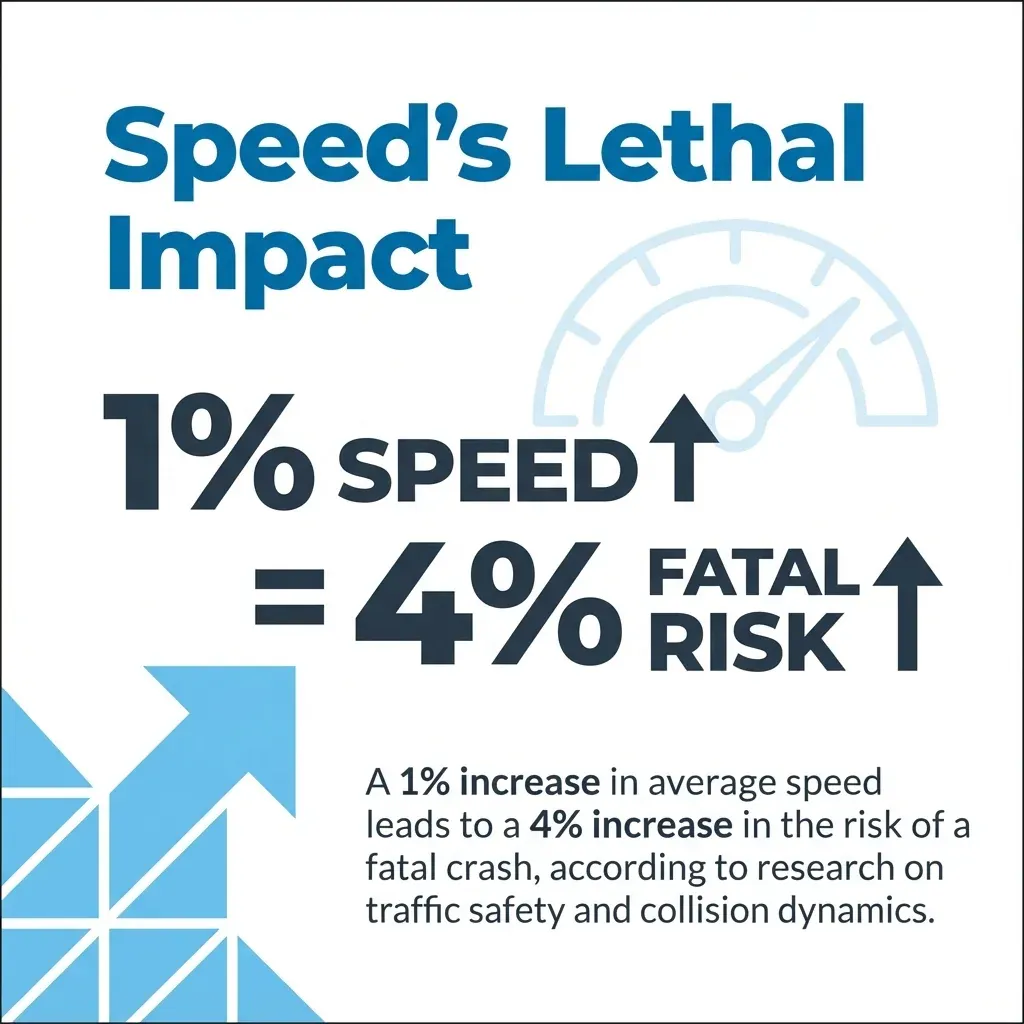
Defensive driving emphasises anticipation and response strategies. Train drivers to maintain safe following distances, scan ahead for potential hazards, adjust speed for road conditions, and position vehicles for optimal visibility. Even a 1% rise in average speed can increase fatal crash risk by 4%, making speed management a central focus of any training program.
Practical training components
- Pre-trip and post-trip inspection procedures with hands-on practice.
- Load securement techniques specific to cargo types handled.
- Hours of service regulations and fatigue recognition.
- Technology systems used in fleet operations, including telematics and communication tools.
- Incident reporting procedures and documentation requirements.
Assessment should combine written knowledge tests, practical vehicle handling demonstrations, and ongoing performance monitoring. Driver scorecards that track metrics like harsh braking events, speed compliance, and idling time provide objective data for coaching conversations.
Create opportunities for experienced drivers to mentor newer team members. This knowledge transfer captures practical insights that formal training might miss while building team cohesion around safety values. For structured CoR training that aligns driver education with regulatory duties, consider a program that connects classroom learning to on-road practice.
What vehicle maintenance and inspection protocols keep fleets roadworthy?
Vehicle reliability depends on systematic maintenance programs. Regular inspections identify developing issues before they cause breakdowns or safety hazards on the road.
Daily pre-trip inspections allow drivers to check critical systems before departure. This includes tyre condition and pressure, brake function, lights and signals, fluid levels, steering response, and load securement. Post-trip inspections catch issues that developed during operation.
Scheduled preventative maintenance follows manufacturer recommendations for service intervals. Oil changes, filter replacements, brake inspections, and component replacements occur at specified mileage or time intervals. This prevents premature wear and identifies components approaching failure.
Critical vehicle systems
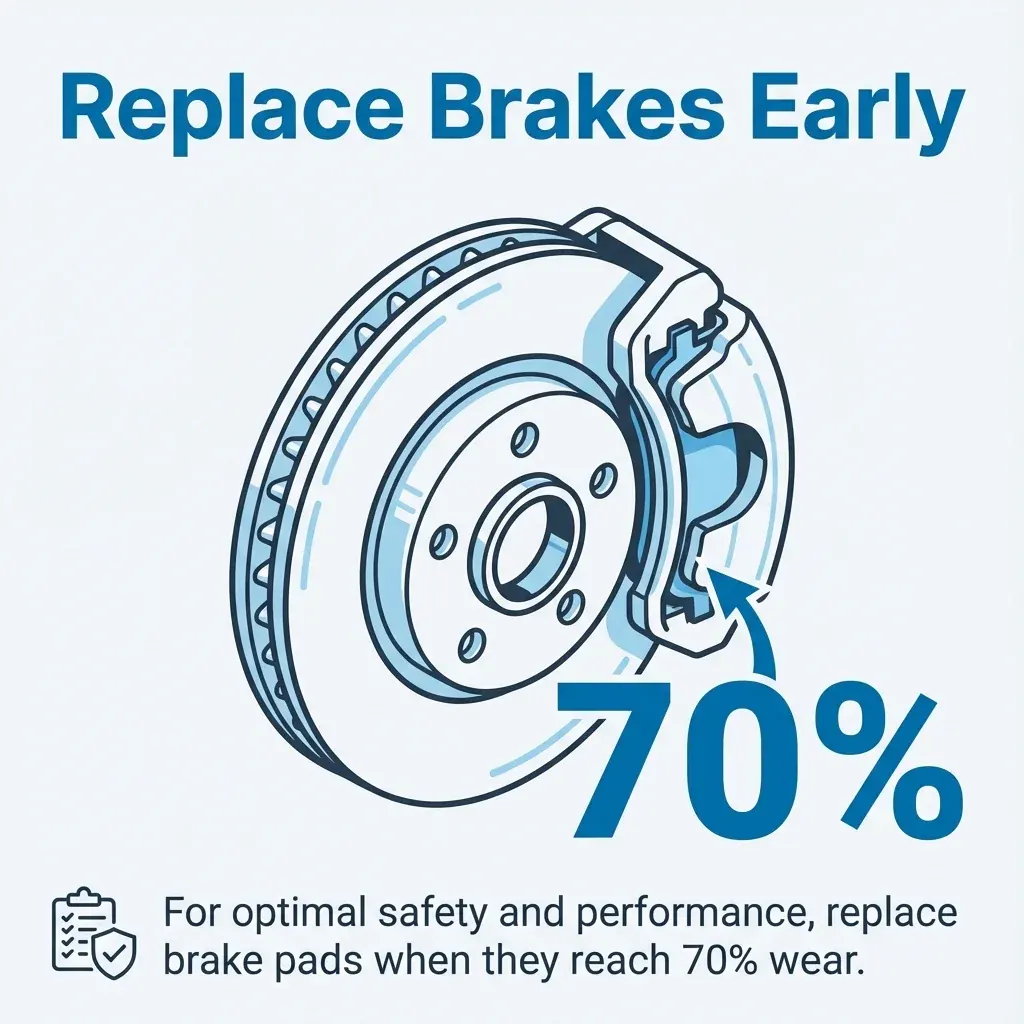
- Braking — Check pad thickness, fluid condition, and response time. Replace components at 70% wear to maintain stopping power and reduce incident risk.
- Tyres — Monitor tread depth, sidewall damage, and pressure weekly. Replace at legal minimum.
- Steering — Assess response, alignment, and linkage wear. Address issues immediately.
- Lighting — Ensure all signals, markers, and headlights are functional. Repair within 24 hours.
- Suspension — Inspect spring condition, shock function, and bushings. Schedule replacement proactively.
Documentation creates accountability and regulatory compliance. Maintain records of all inspections, repairs, and maintenance activities. Digital systems streamline this process while providing accessible history for regulatory audits. When defects are identified, establish clear protocols for determining if the vehicle can safely continue operation or requires immediate repair. Empower drivers and maintenance staff to remove vehicles from service when safety is compromised, regardless of schedule pressures.
How do you secure loads and manage cargo safely?
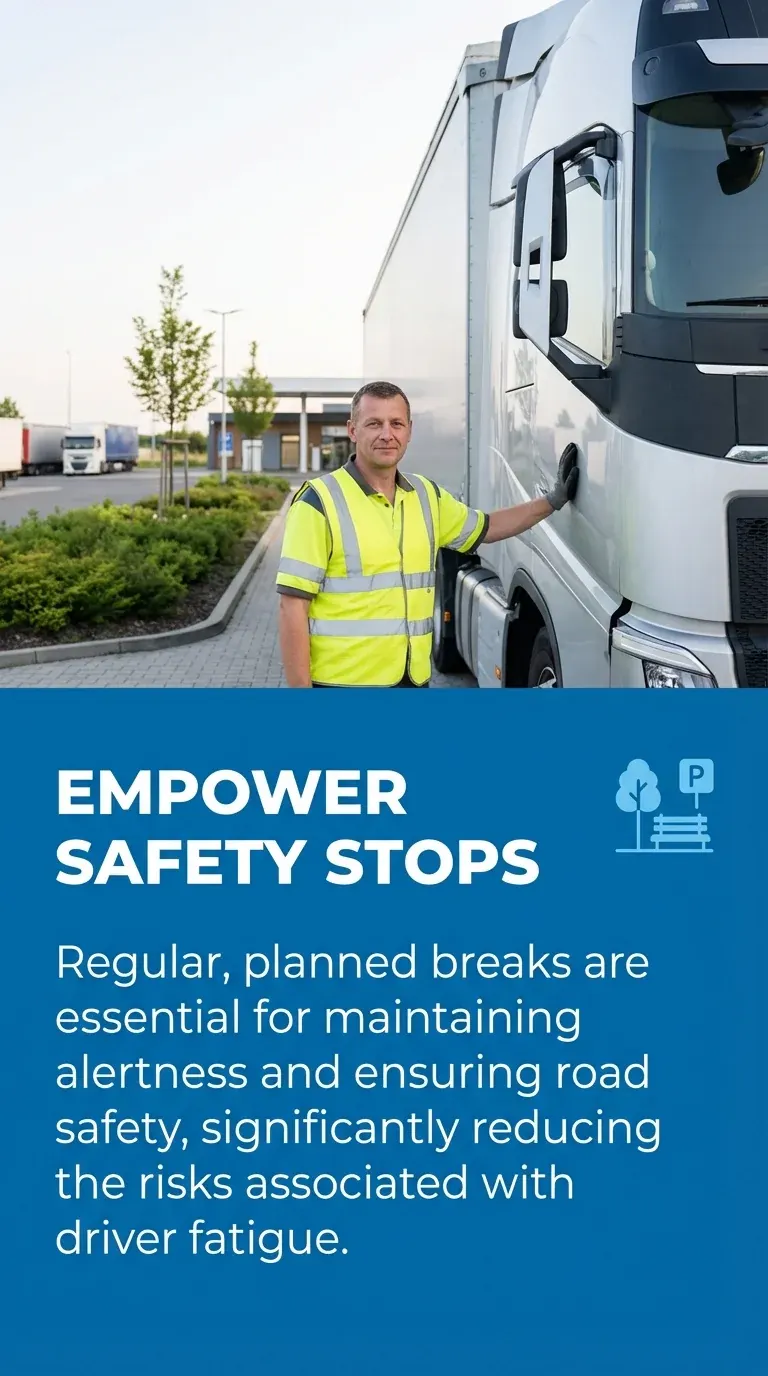
Properly secured cargo protects drivers, other road users, and the goods being transported. Unsecured loads cause vehicle instability, road hazards, and delivery damage.
Load securement starts with understanding the cargo characteristics. Weight, dimensions, centre of gravity, and fragility all influence how loads should be positioned and restrained. Distribute weight evenly to maintain vehicle balance and stay within axle weight limits.
Select appropriate restraint equipment for each load type. Chains, straps, edge protectors, blocking, and bracing serve different purposes. Verify the working load limit of all restraint equipment exceeds the forces the cargo might generate during transport.
Securement best practices
- Position cargo against headboards or bulkheads when possible to prevent forward movement during braking.
- Use sufficient restraints to meet regulatory requirements — typically a minimum of four tie-down points for most loads.
- Tension restraints adequately before departure and check tension at the first stop and periodically throughout the journey.
- Protect cargo and vehicle from damage using edge protectors and corner guards where restraints contact surfaces.
- Consider load stability during turns, acceleration, and braking when determining securement strategy.
Train loading personnel and drivers on proper securement techniques. Different cargo types require different approaches — coiled materials, palletised goods, machinery, and bulk products each present unique securement challenges. For operators seeking a structured review of how loading practices connect to broader Chain of Responsibility obligations, a practical CoR risk review can surface gaps before they become incidents.
How do you manage driver fatigue and hours of service?

Driver fatigue significantly increases incident risk. Tired drivers experience slower reaction times, impaired judgement, and reduced attention to road conditions.
Hours of service regulations establish maximum driving periods and minimum rest requirements. Compliance with these regulations provides baseline protection, but effective fatigue management goes further by recognising individual variation in sleep needs and fatigue susceptibility.
Scheduling practices influence fatigue levels. Consistent start times help drivers maintain regular sleep patterns. Adequate time allowances for trips reduce pressure to exceed safe driving hours. Route planning that accounts for rest area locations enables compliance with break requirements.
Recognising fatigue warning signs
- Frequent yawning or difficulty keeping eyes open.
- Wandering thoughts or difficulty concentrating on driving.
- Drifting from lane or missing exits and signs.
- Irritability or restlessness.
- Delayed reactions to traffic situations.
When fatigue occurs, the only effective countermeasure is rest. Caffeine and other stimulants provide temporary alertness but do not address the underlying sleep need. Create organisational policies that explicitly permit and encourage drivers to stop and rest when fatigued, regardless of schedule impacts.
Technology systems can support fatigue management. Electronic work diaries track hours automatically and alert drivers approaching limits. Some telematics systems detect driving patterns associated with fatigue, such as lane deviation or erratic speed control. For a systematic approach that connects fatigue controls to your wider safety management system, structured documentation helps prove that your controls are working.
How can technology enhance transport safety?
Technology tools provide new capabilities for monitoring, preventing, and responding to safety issues. Strategic adoption of these systems enhances traditional safety practices rather than replacing them.
Telematics systems collect real-time data on vehicle location, speed, harsh braking events, rapid acceleration, and idling. This data enables coaching conversations grounded in objective information rather than subjective impressions. When drivers know their performance is being measured, behaviour tends to improve — but the real value comes from using data constructively to identify training needs and recognise safe driving.
Electronic work diaries and fatigue-monitoring systems automate hours-of-service tracking, reducing administrative burden while improving accuracy. Some platforms provide real-time alerts when drivers approach their regulated limits, giving dispatchers and drivers the opportunity to plan stops proactively.
Forward-facing and driver-facing camera systems can provide valuable evidence in incident investigations and support coaching on near-miss events. The key is transparency — drivers should understand what is being recorded, why, and how the data will be used.
For operators looking to align technology adoption with their Chain of Responsibilities duties, the goal is evidence that controls are working — not surveillance for its own sake.
How MAEZ works
Find the gaps. Fix the system. Prove the controls.
MAEZ helps transport operators deal with the compliance risk they already know is there. We help get the Safety Management System in order, protect NHVAS accreditation, reduce fine exposure, and connect training, evidence, and CoRGuard workflows where software is needed.
Find
Identify what is exposed before an auditor or regulator does.
Fix
Build the SMS controls around how the transport business actually runs.
Prove
Use CoRGuard where records, reminders, diaries, audits, and evidence need structure.
From advice to evidence
From MAEZ advice to a working Safety Management System
Advisory work should leave a practical implementation trail. These examples show how CoRGuard supports records, fatigue and driver diary checks, maintenance, audits, document control, inductions, corrective actions, and evidence review after MAEZ identifies the gaps.
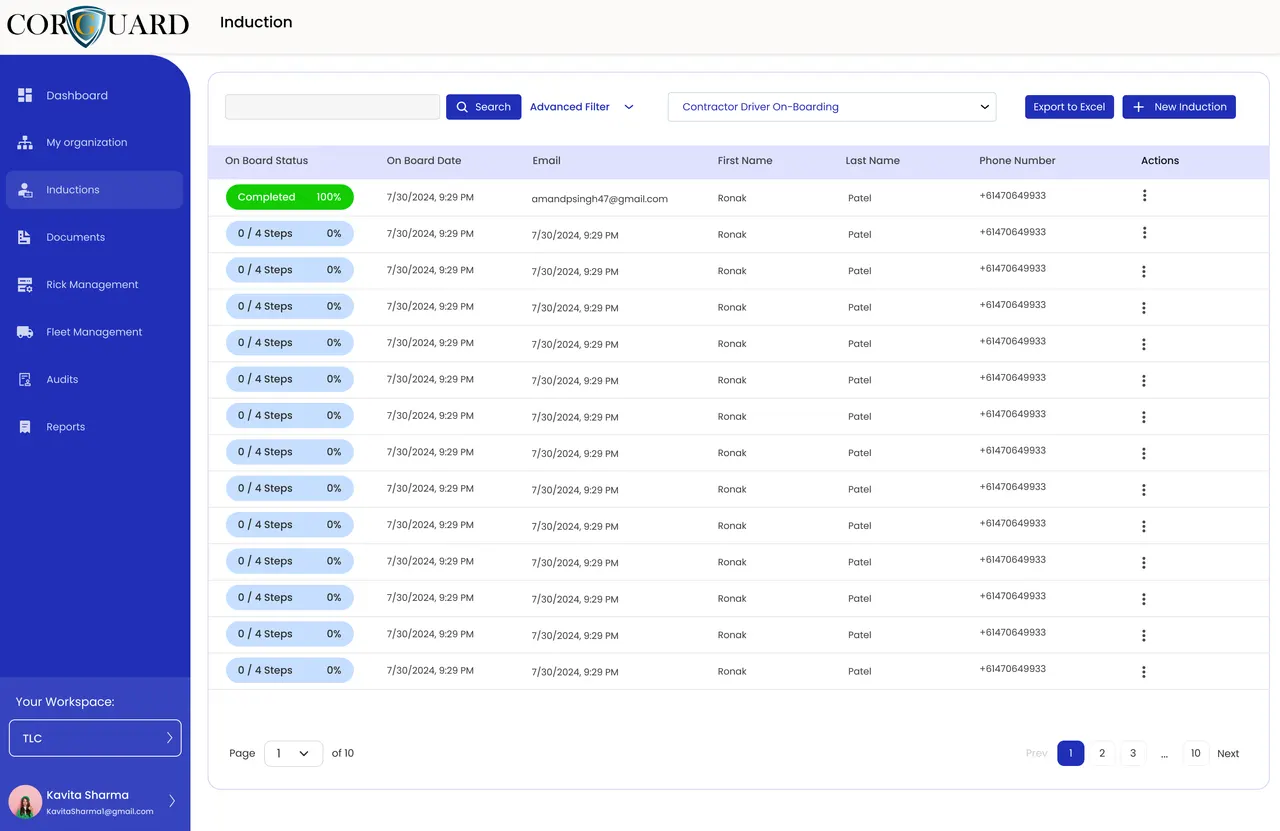
Training records
Connect training completion from cortraining.com.au to evidence and follow-up.
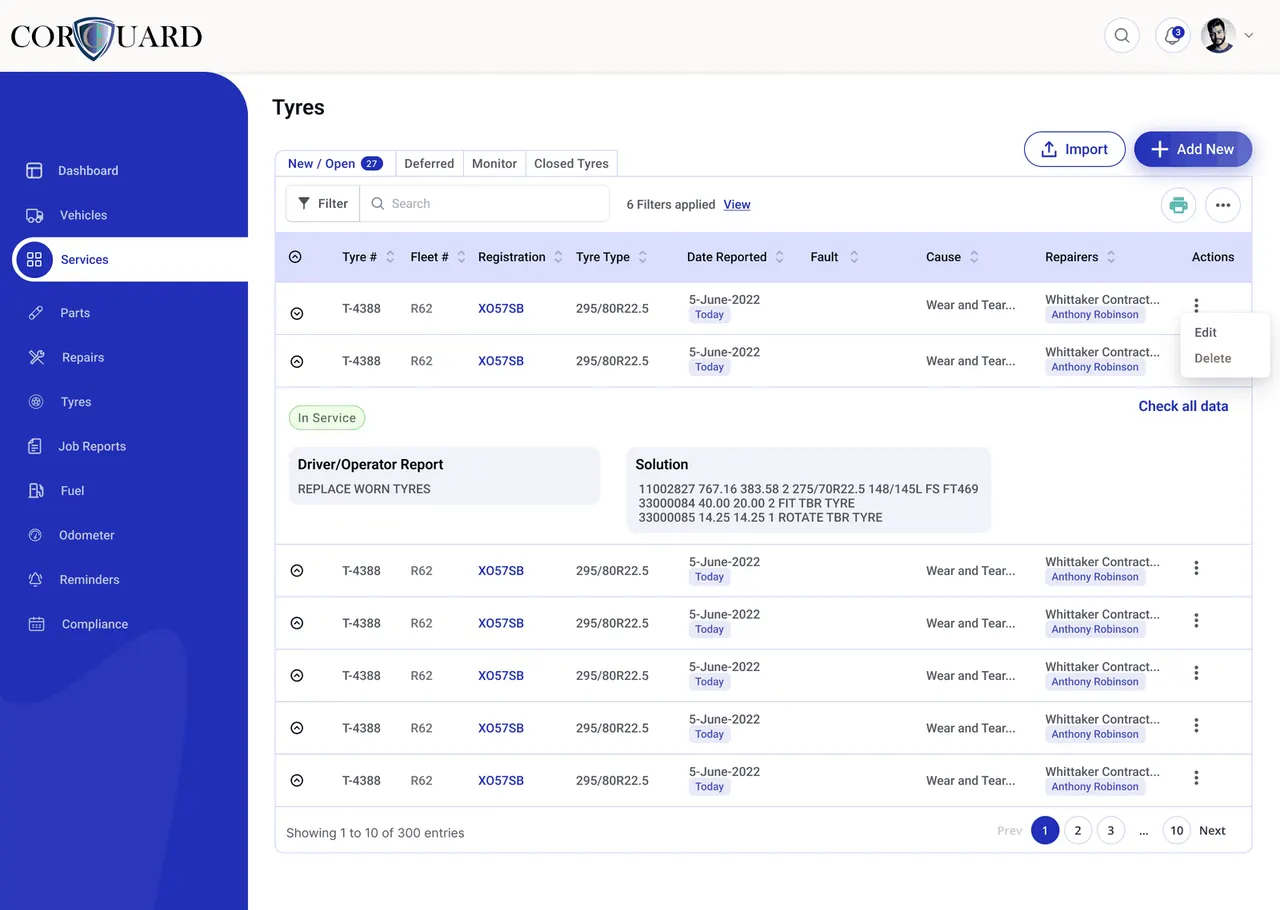
Driver diary checks
Connect fatigue and driver diary review back to manager visibility.
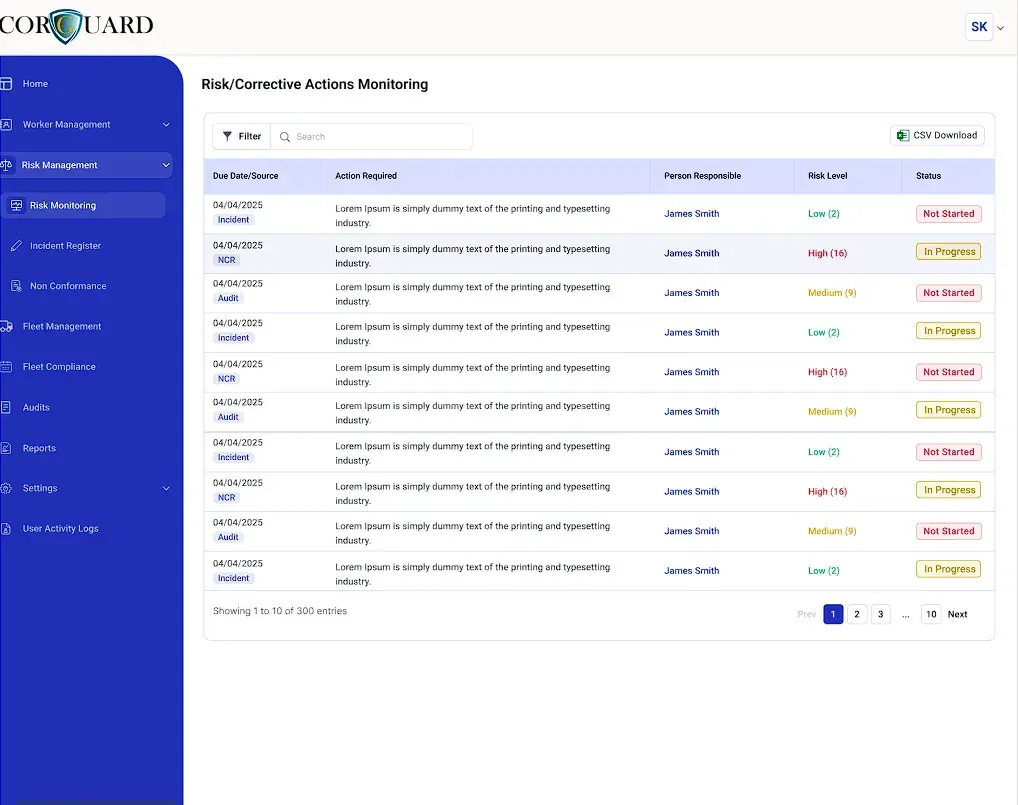
Corrective actions
Turn audit findings, hazards and incidents into tracked actions.
Keep exploring
Related Chain of Responsibility reading
MAEZ insight
What Is Chain of Responsibility 2.0
Understand the Chain of Responsibility within HVNL. Learn CoR obligations, penalties, and how to ensure safety and compliance in transport operations.
MAEZ insight
Effective Supply Chain Risk Management: Real-World Examples
Discover effective Supply Chain Risk Management examples to protect your business from disruptions. Learn strategies for resilience and risk mitigation.
MAEZ insight
Top Safety Management System Practices for 2023
Explore top safety management system best practices for 2023 to enhance safety performance, reduce risks, and ensure compliance in your organization.
MAEZ insight
Navigating Key Challenges in Supply Chain Risk Management
Explore key challenges in supply chain risk management issues and discover strategies to build resilience against economic, environmental, and cybersecurity threats.
MAEZ insight
Effective Training Strategies for CoR Compliance
Learn how to train for CoR compliance with effective strategies that turn regulatory knowledge into practical risk management in your supply chain.
MAEZ insight
Mastering HVNL Compliance: Best Practices Explained
Discover HVNL compliance best practices and learn how to manage fatigue, vehicle standards, and more under the Chain of Responsibility framework.
Frequently asked questions
Questions people ask about this topic
What are the foundational pillars of transport safety for Australian operators?
Transport safety rests on three pillars: trained drivers who understand defensive techniques and fatigue management, properly maintained vehicles with rigorous inspection protocols, and an organisational culture where leadership actively prioritises safety over deadlines. Under the HVNL, every party in the supply chain shares responsibility for ensuring transport activities are safe.
How does Chain of Responsibility legislation affect transport safety practices?
Chain of Responsibility legislation holds all parties in the supply chain — schedulers, loaders, consignors, consignees, and business owners — accountable for safety breaches alongside drivers. This means your safety practices must extend beyond the vehicle to include scheduling, loading, and dispatch decisions across the entire transport activity.
What should driver safety training programs cover for heavy vehicle operators?
Driver safety training should cover defensive driving techniques, hazard recognition, vehicle handling in adverse conditions, pre-trip and post-trip inspections, load securement, hours of service and fatigue recognition, fleet technology systems, and incident reporting. Assessment should combine written tests, practical demonstrations, and ongoing performance monitoring using driver scorecards.
How often should fleet vehicles be inspected and maintained?
Drivers should perform daily pre-trip and post-trip inspections covering tyres, brakes, lights, fluids, steering, and load securement. Scheduled preventative maintenance should follow manufacturer intervals for oil changes, filter replacements, brake inspections, and component replacements. All inspections and repairs should be documented for regulatory compliance and audit readiness.
What is the most effective way to manage driver fatigue?
The only effective countermeasure for fatigue is rest. While hours of service regulations set maximum driving periods and minimum rest requirements, operators should go further by maintaining consistent scheduling, planning routes with rest areas, training drivers to recognise fatigue warning signs, and creating policies that explicitly permit drivers to stop and rest regardless of schedule impacts.