
MAEZ insight
Transport Safety Protocols for Safer Travel
Understand key transport safety protocols for safer travel across roads and supply chains. Learn how regulatory and operational standards protect your business.

Proof that freight promises do not create unsafe transport pressure.
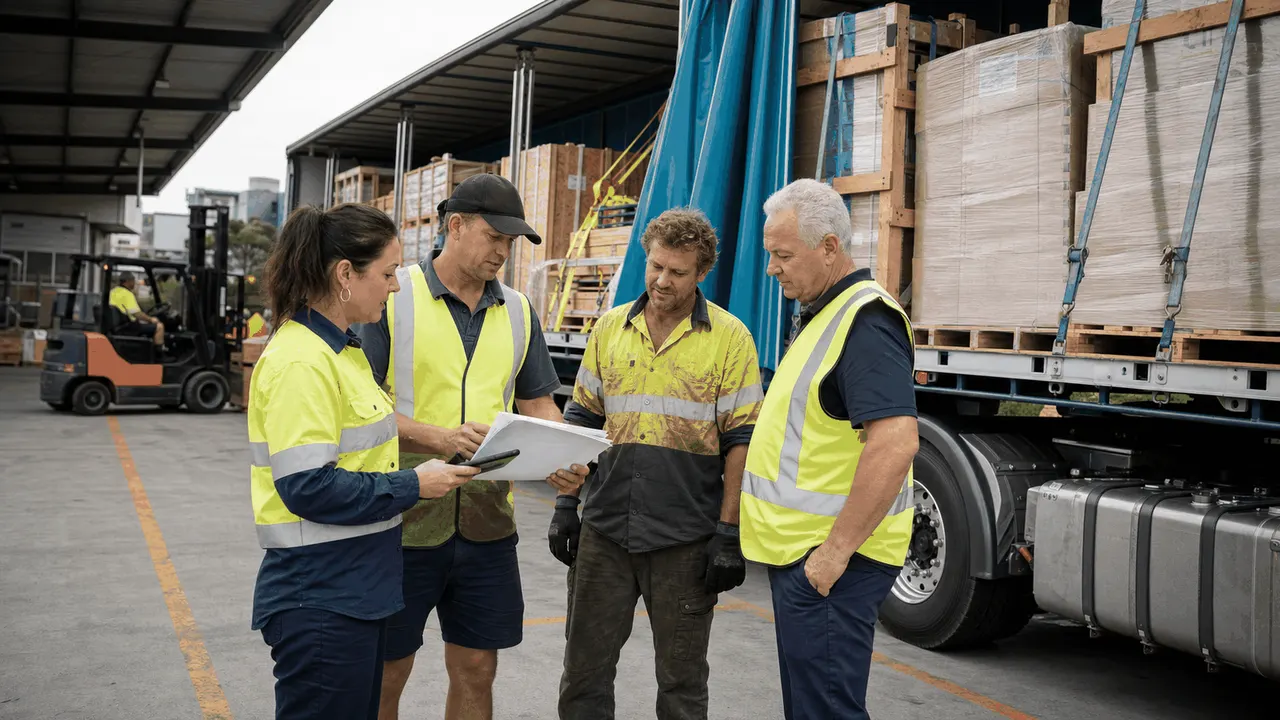
Loading controls need evidence, not assumptions.
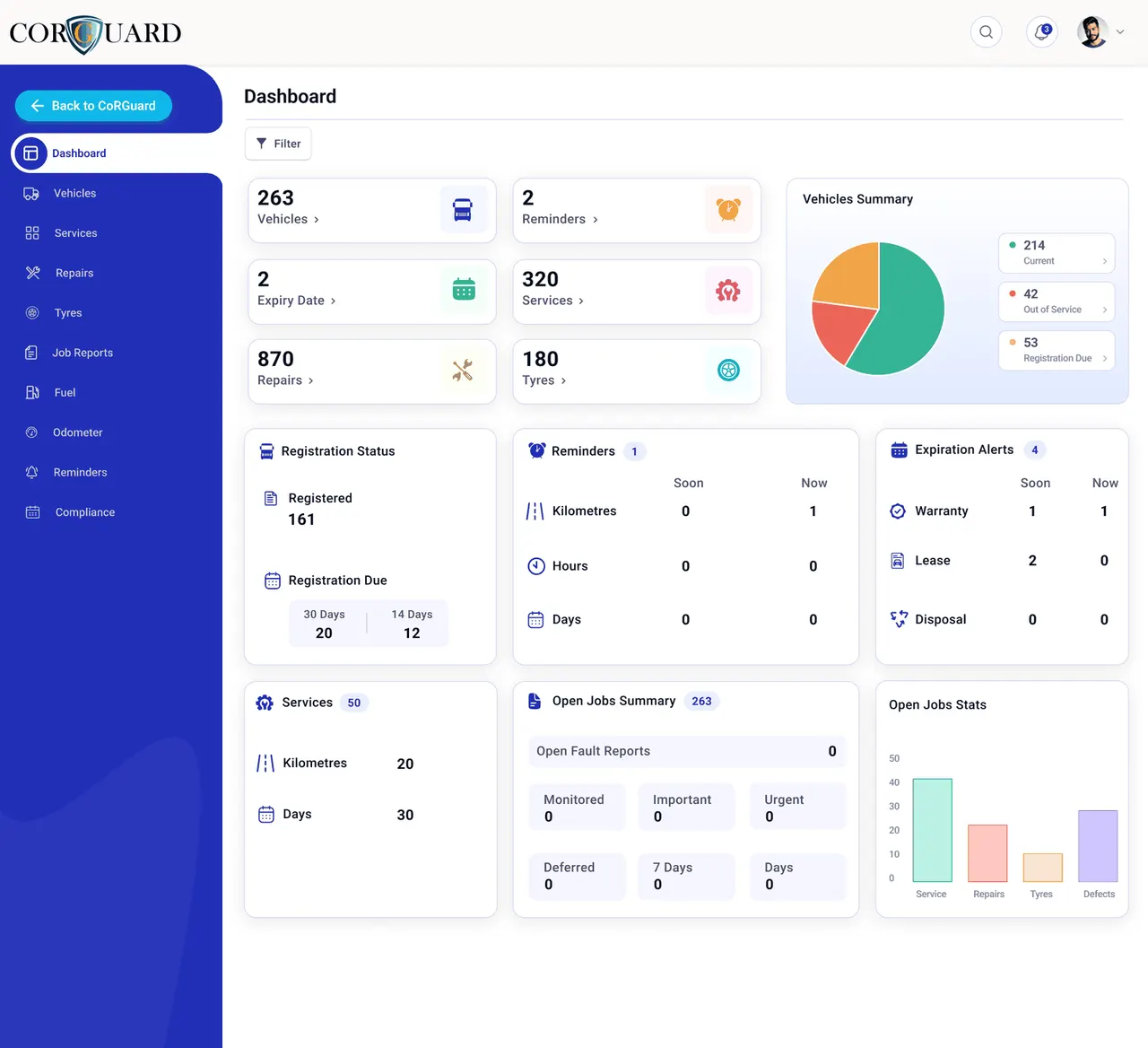
Daily fleet activity has to connect back to duties, controls, and review.

Due diligence means knowing whether the safety system is actually working.
Consignors
Freight terms, delivery windows, and KPIs must not push drivers into speed, fatigue, or mass breaches.
Consignees
Receiving rules, site access, and unloading delays are CoR controls that need to be set and evidenced.
Loaders
Mass, dimension, and load restraint decisions need documented checks, not assumptions.
Managers
Executives and managers need due-diligence evidence that the Safety Management System is actually working.
What are transport safety protocols?
Systematic procedures to protect people and assets across all transport modes.

Transport safety protocols are systematic procedures designed to protect every person and asset moving through roads, rail networks, airways, and waterways. They combine regulatory requirements, operational standards, and risk management practices that address potential hazards across all transportation modes. The most effective approach recognises that safe outcomes depend on multiple interconnected elements that anticipate human error and manage crash forces through system design, rather than relying solely on individual behaviour.
The Safe System framework
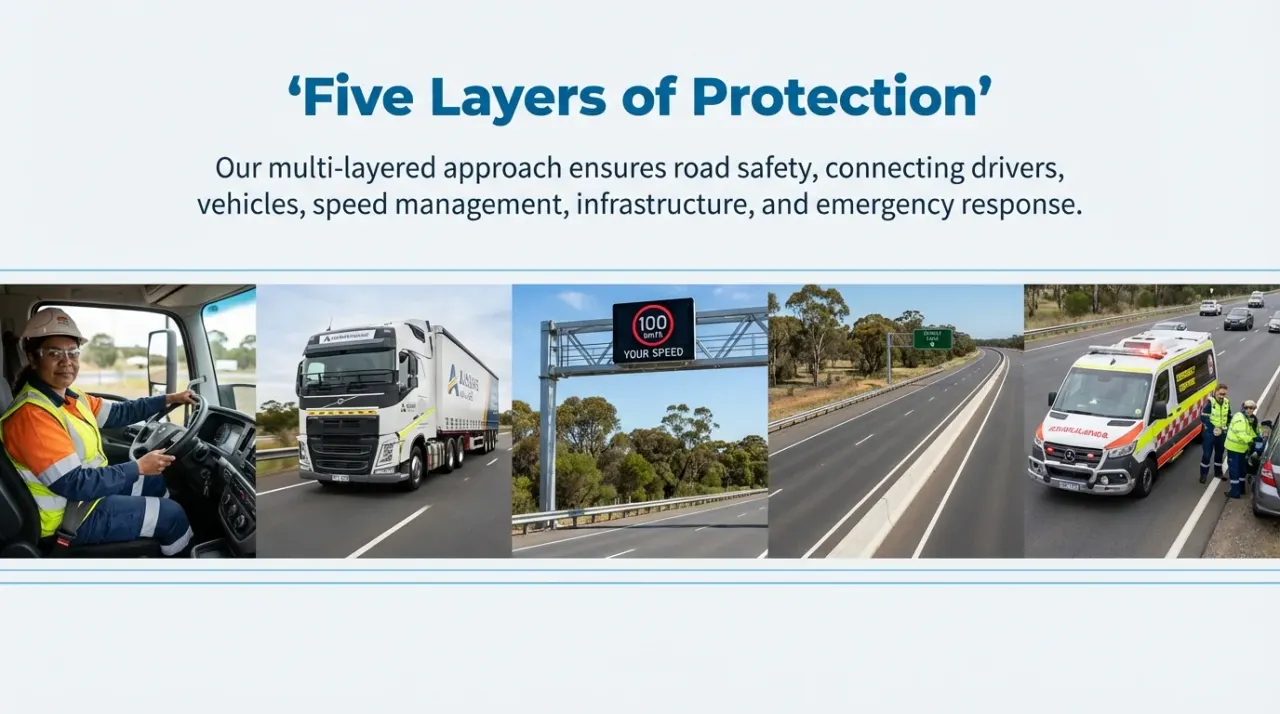
Modern safety protocols build on the Safe System framework, which acknowledges that humans make mistakes and designs systems that protect people when errors occur. The framework includes five interconnected elements:
- Safe road users who follow training and licensing requirements
- Safe vehicles that meet design and maintenance standards
- Safe speeds that match road conditions and vehicle capabilities
- Safe roads with protective infrastructure
- Post-crash care ensuring rapid emergency response
Each element reinforces the others. When one layer fails, others provide backup protection, which explains why organisations using Safe System approaches see fewer serious incidents.
Why regulatory compliance is only the starting point
Using regulations as a baseline for building stronger protocols.
Safety regulations provide the baseline for protocol development. Regulatory frameworks mandate safety management systems for transit providers and other commercial operators. Compliance involves understanding the hazards regulations address and implementing controls that work in your specific operational context.
Regulations set minimum standards. Effective organisations build protocols that exceed these minimums based on their unique risk profiles.
Documentation as evidence
Written procedures create consistency, training records demonstrate competency, and inspection logs prove ongoing verification. These records protect organisations during audits and investigations. For practical guidance on meeting your Chain of Responsibility obligations, MAEZ can help you build the evidence trail that regulators expect.
Road transport safety protocols for commercial vehicles
Addressing the unique challenges of commercial road transport.
Road transport creates unique challenges due to variable conditions, multiple vehicle types, and constant human interaction. Commercial road transport operators face stricter requirements than private motorists, reflecting the increased risks that larger vehicles and professional operations present to other road users.
Vehicle and driver standards
Commercial motor vehicles must meet specific design, equipment, and maintenance requirements. Regular inspection protocols verify ongoing compliance, with pre-trip checks identifying defects before vehicles enter service and periodic inspections ensuring maintenance standards are maintained.
Driver qualification protocols establish minimum standards for commercial operators. Ongoing driver management includes fatigue monitoring, performance evaluation, and regular training. Fatigue management protocols limit driving hours and mandate rest breaks, recognising that tired drivers react more slowly to hazards.
Load management
Load management protocols prevent overloading and ensure proper weight distribution. These requirements protect road infrastructure and improve vehicle stability. Overloaded vehicles experience longer stopping distances and increased rollover risk.
Speed management and traffic safety
Reducing crash frequency and severity through targeted speed controls.
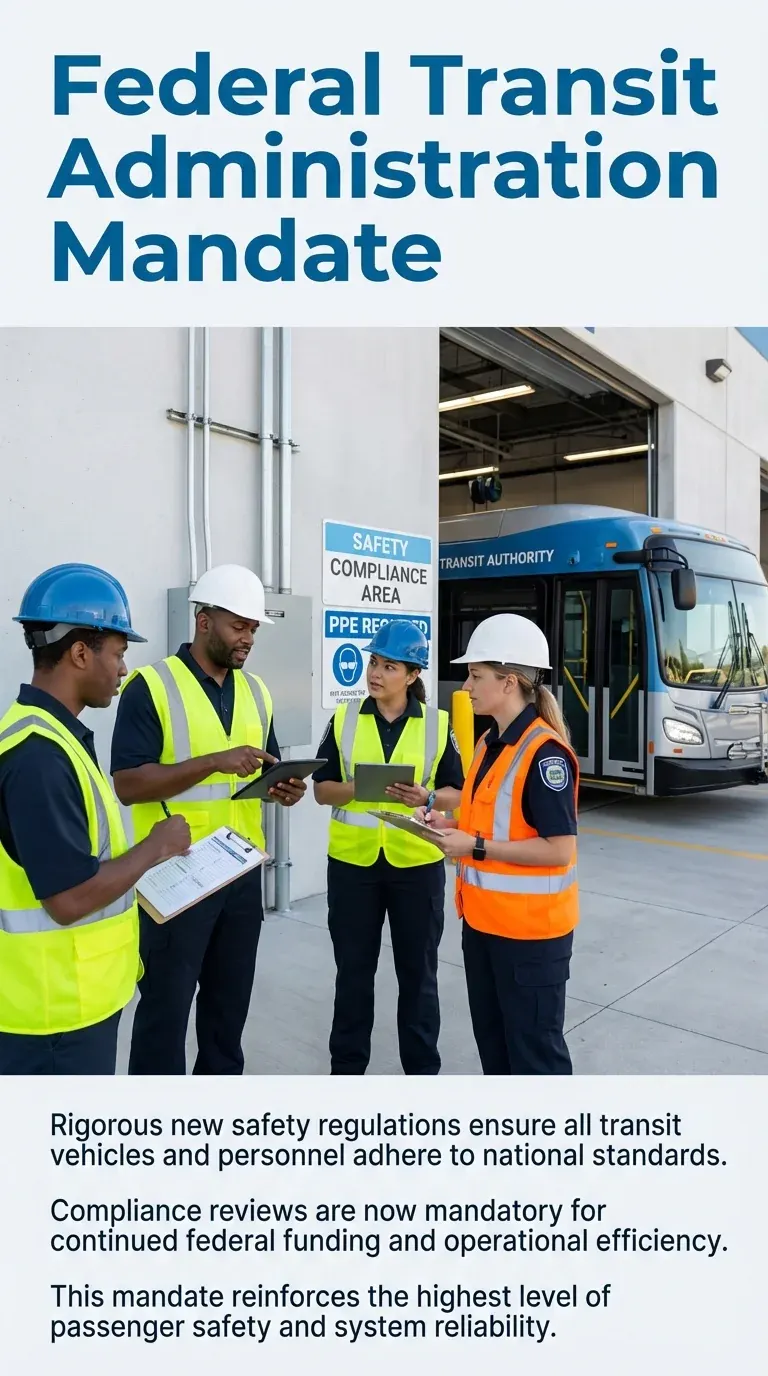
Speed management protocols reduce crash frequency and severity. Speed limits consider road design, visibility, and surrounding land use. Lower speeds provide drivers more time to react and reduce impact forces when incidents occur.
Variable speed zones adjust limits based on conditions. School zones implement reduced speeds during student arrival and departure times. Construction zones slow traffic through work areas. Weather-responsive speed management reduces limits during adverse conditions.
Enforcement and technology
Enforcement mechanisms support speed compliance. Technology solutions include speed limiters on commercial vehicles and GPS tracking systems that monitor speed behaviour. These tools help fleet managers identify and address unsafe driving patterns.
Chain of Responsibility in commercial transport
Distributing safety accountability across the supply chain.
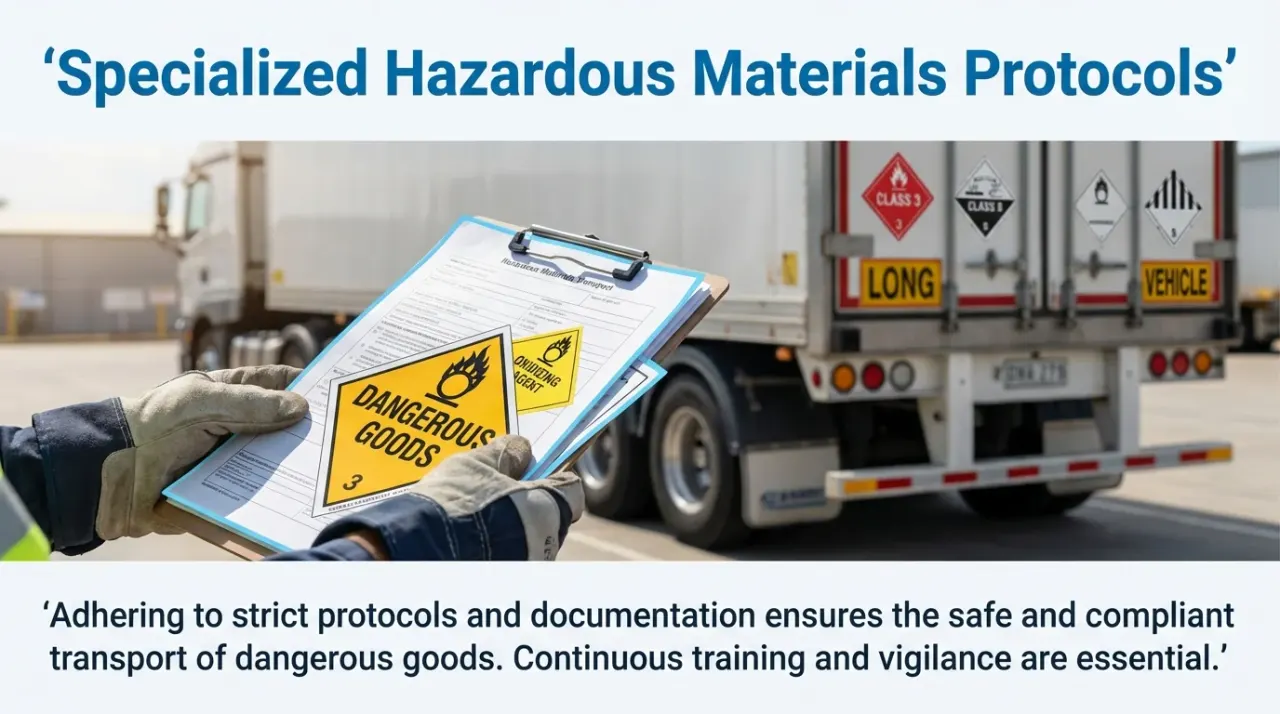
Commercial vehicle operations involve multiple parties beyond the driver. Safety protocols must address responsibilities across the entire supply chain to ensure everyone influencing safety outcomes maintains appropriate controls. Learn more about Chain of Responsibility and how it applies to your operation.
Operational control and duty allocation
Each party in the transport chain has specific duties:
- Consignors must provide accurate load information
- Loaders ensure proper load securement
- Schedulers allow adequate time for safe journey completion
- Business owners maintain vehicles and verify driver qualifications
Understanding HVNL duty holder obligations helps clarify who is responsible for what. Safety management systems document these responsibilities, with written procedures specifying who does what and when, preventing gaps where hazards go uncontrolled.
Contractual arrangements should support safety requirements. Agreements that create impossible timeframes or inadequate compensation encourage unsafe shortcuts.
Implementing a Safety Management System
Providing structure for meeting obligations and driving continuous improvement.
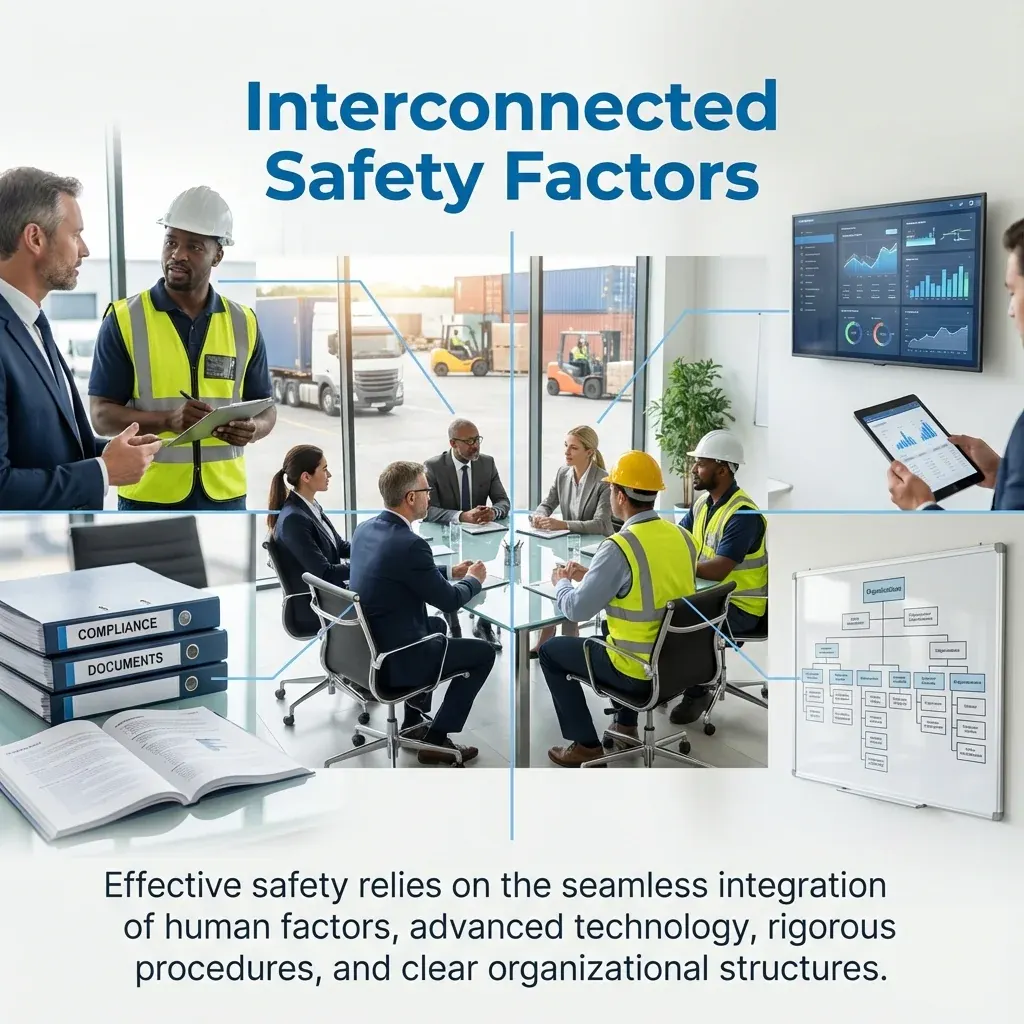
Systematic safety management provides structure for meeting obligations. Systems include policy statements, risk assessments, operational procedures, training programs, and monitoring processes. Practical CoR consulting can help you establish these frameworks.
Risk assessment identifies hazards specific to your operations, such as vehicle interactions, loading activities, and environmental conditions. Written procedures translate risk controls into operational reality, ensuring consistent practices across different shifts, locations, and personnel. Regular review keeps procedures current as operations change.
Monitoring and continuous improvement
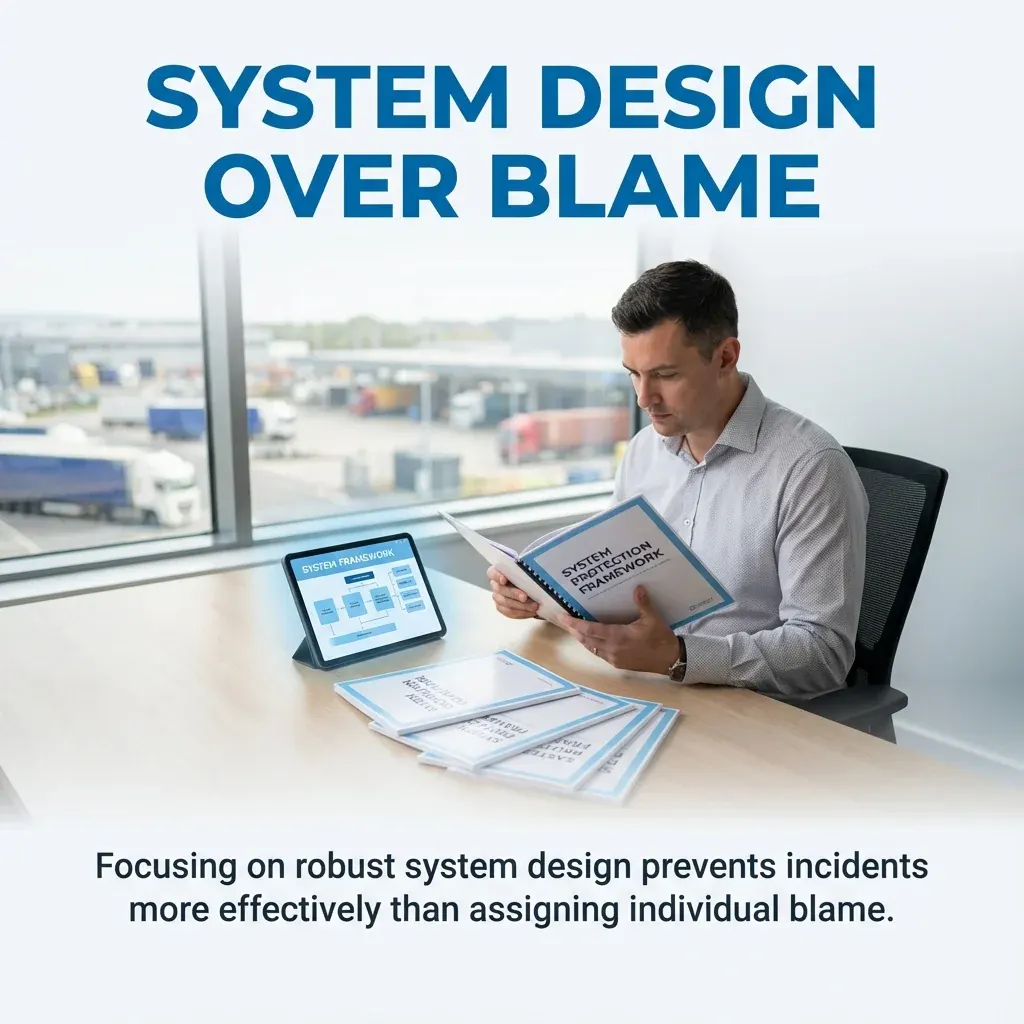
Safety protocols require ongoing verification. Monitoring activities confirm procedures are followed correctly. Audit programs identify gaps between documented procedures and actual practices. Incident investigation provides learning opportunities to determine root causes rather than blaming individuals.
Performance metrics track safety outcomes. Leading indicators measure proactive activities like inspections completed and training delivered, while lagging indicators track incidents, near misses, and regulatory breaches. Both types inform improvement priorities and help you prepare for HVNL 2026 changes.
How MAEZ works
Find the gaps. Fix the system. Prove the controls.
MAEZ helps transport operators deal with the compliance risk they already know is there. We help get the Safety Management System in order, protect NHVAS accreditation, reduce fine exposure, and connect training, evidence, and CoRGuard workflows where software is needed.
Find
Identify what is exposed before an auditor or regulator does.
Fix
Build the SMS controls around how the transport business actually runs.
Prove
Use CoRGuard where records, reminders, diaries, audits, and evidence need structure.
From advice to evidence
From MAEZ advice to a working Safety Management System
Advisory work should leave a practical implementation trail. These examples show how CoRGuard supports records, fatigue and driver diary checks, maintenance, audits, document control, inductions, corrective actions, and evidence review after MAEZ identifies the gaps.
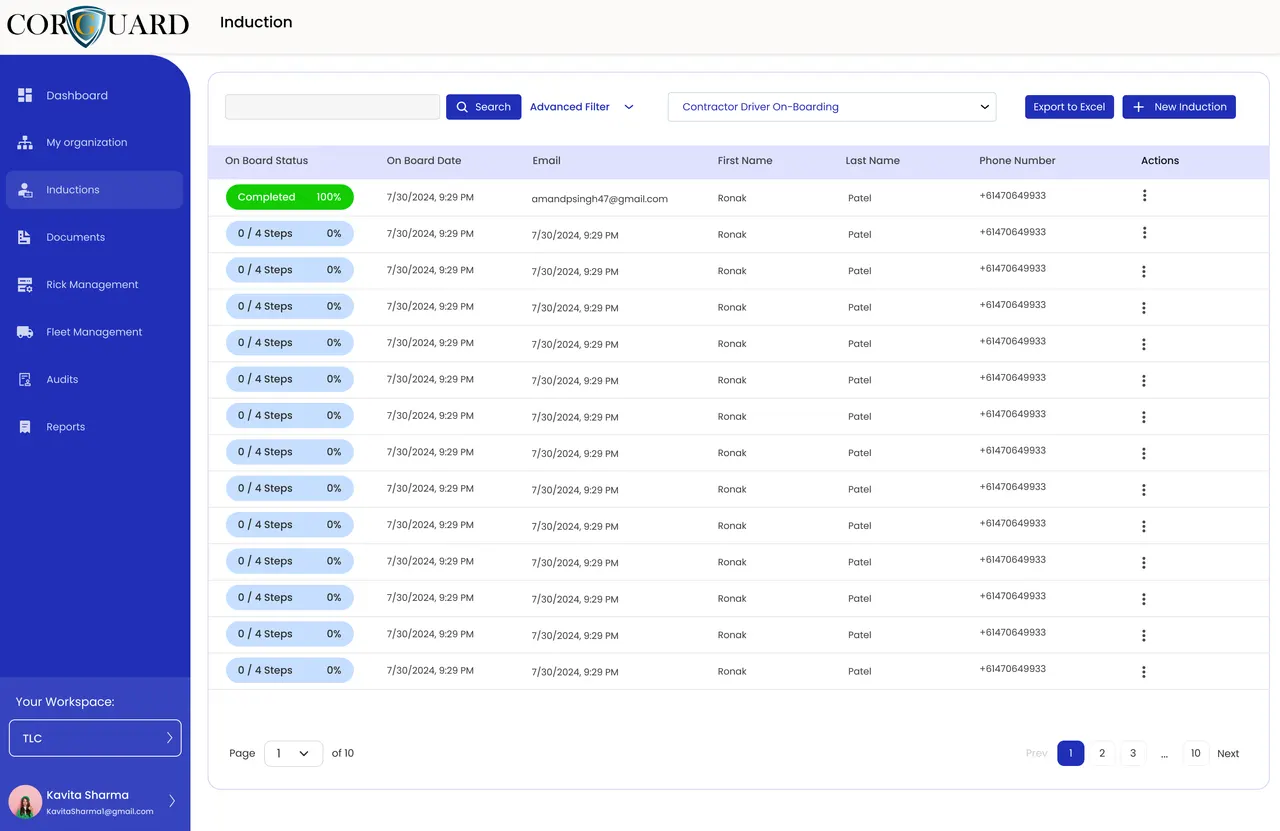
Training records
Connect training completion from cortraining.com.au to evidence and follow-up.
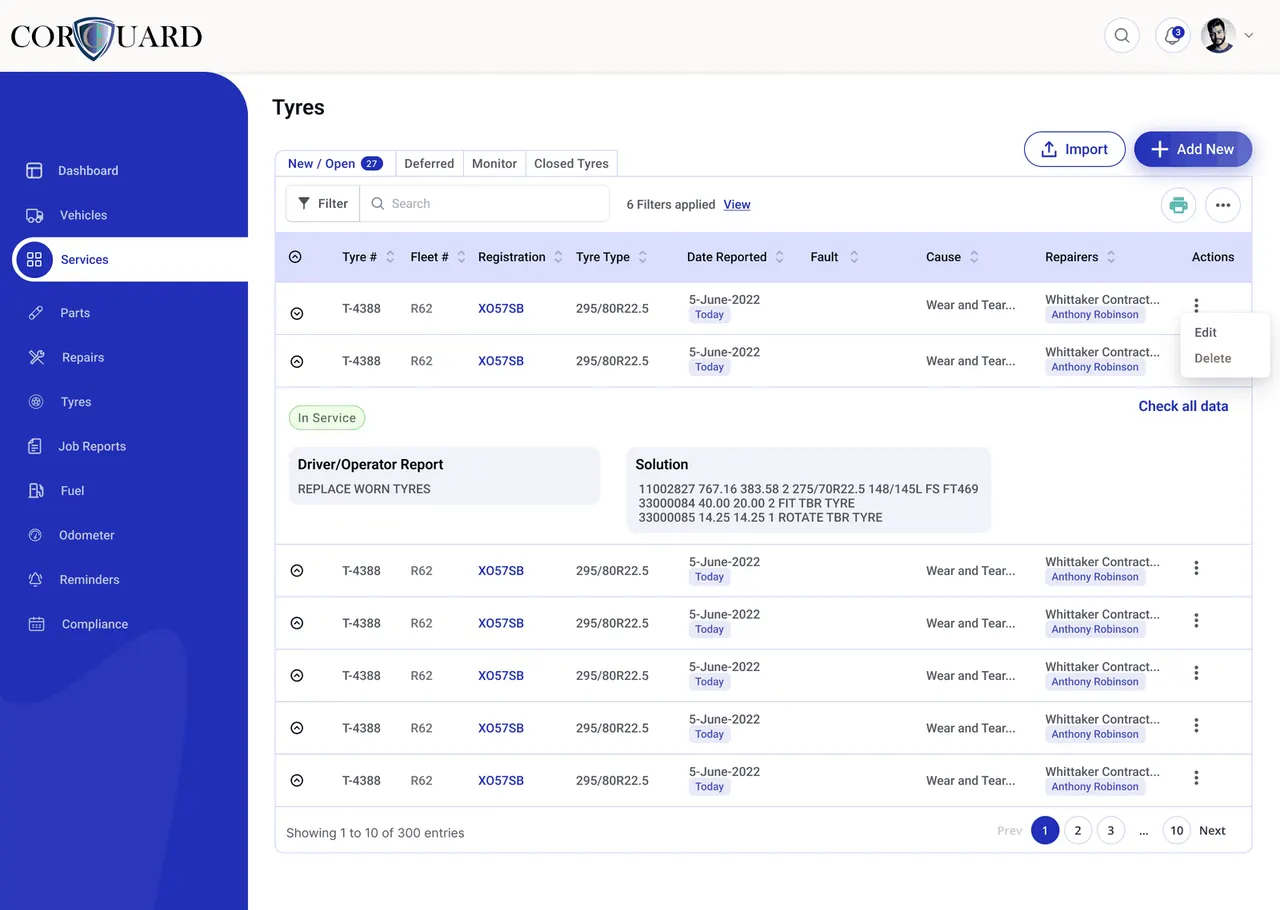
Driver diary checks
Connect fatigue and driver diary review back to manager visibility.
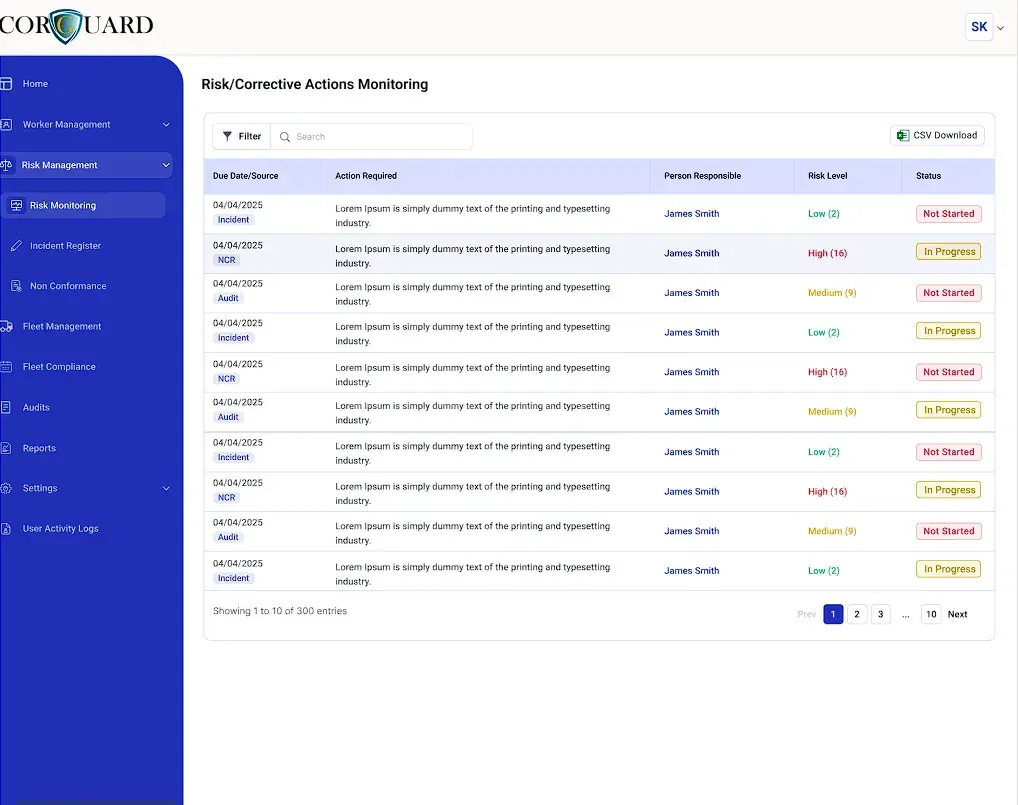
Corrective actions
Turn audit findings, hazards and incidents into tracked actions.
Keep exploring
Related Chain of Responsibility reading
MAEZ insight
Understanding Common Transport Safety Challenges
Explore common transport safety challenges impacting the industry. Learn how to mitigate risks and enhance safety in your supply chain.
MAEZ insight
Essential Checklist for Managing Supply Chain Risks
Discover a comprehensive supply chain risk management checklist to safeguard your network from financial, regulatory, and cybersecurity threats.
MAEZ insight
Effective Strategies for Supply Chain Risk Management
Discover best practices in supply chain risk management to minimize disruptions and financial losses. Learn to leverage technology and supplier networks effectively.
MAEZ insight
Overcoming Common CoR Training Challenges with Ease
Discover effective solutions for overcoming common CoR training challenges and ensure lasting change in your organization. Learn how to engage participants effectively.
MAEZ insight
Understanding the Heavy Vehicle National Law: A Comprehensive Guide
Explore the Heavy Vehicle National Law overview, a key regulatory framework for commercial transport in Australia, ensuring safety and compliance.
MAEZ insight
Decoding HVNL Requirements: A Comprehensive Guide
Explore our guide on understanding HVNL requirements, ensuring compliance and safety in the heavy vehicle sector. Essential for all industry stakeholders.
Frequently asked questions
Questions people ask about this topic
What is the purpose of transport safety protocols?
Transport safety protocols are systematic procedures designed to protect people and assets across all transport modes by combining regulatory requirements, operational standards, and risk management practices that anticipate human error and manage crash forces through system design.
How does the Safe System framework improve transport safety?
The Safe System framework acknowledges that humans make mistakes and designs backup protections across five elements: safe road users, safe vehicles, safe speeds, safe roads, and post-crash care. When one layer fails, others provide protection, reducing serious incidents.
Why is regulatory compliance only a starting point for transport safety?
Regulations set minimum standards for safety management systems, but effective organisations build protocols that exceed these minimums based on their unique risk profiles, operational context, and specific hazards.
Who in the supply chain has duties under transport safety protocols?
Consignors must provide accurate load information, loaders ensure proper load securement, schedulers allow adequate time for safe journeys, and business owners maintain vehicles and verify driver qualifications. Each party's duties should be documented in a safety management system.
What role does documentation play in transport safety protocols?
Written procedures create consistency, training records demonstrate competency, and inspection logs prove ongoing verification. These records protect organisations during audits and investigations by providing evidence that controls are implemented and maintained.