
MAEZ resource
Chain of Responsibility Audit | Practical CoR Risk Review for Australian Transport Operators
Practical Chain of Responsibility audits for Australian transport operators. MAEZ helps you find CoR gaps, fix controls, and prove compliance with evidence that stands up to scrutiny.

Due diligence means knowing whether the safety system is actually working.

Proof that freight promises do not create unsafe transport pressure.
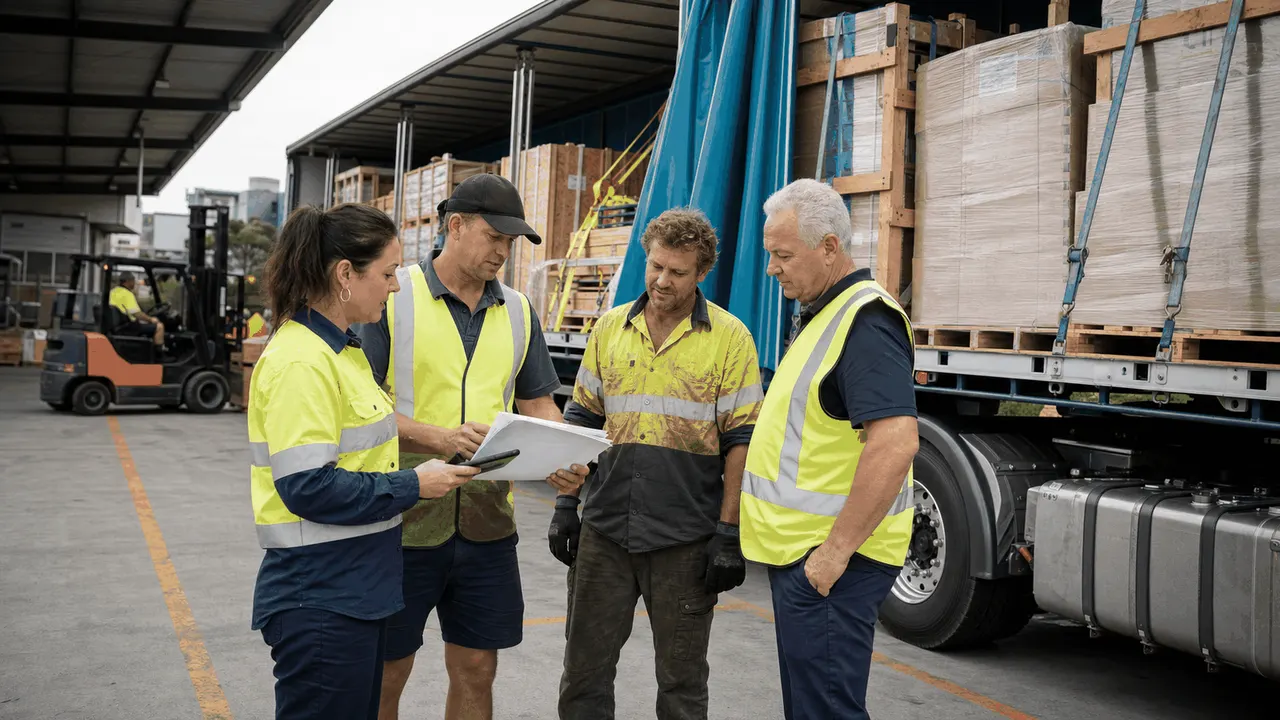
Loading controls need evidence, not assumptions.
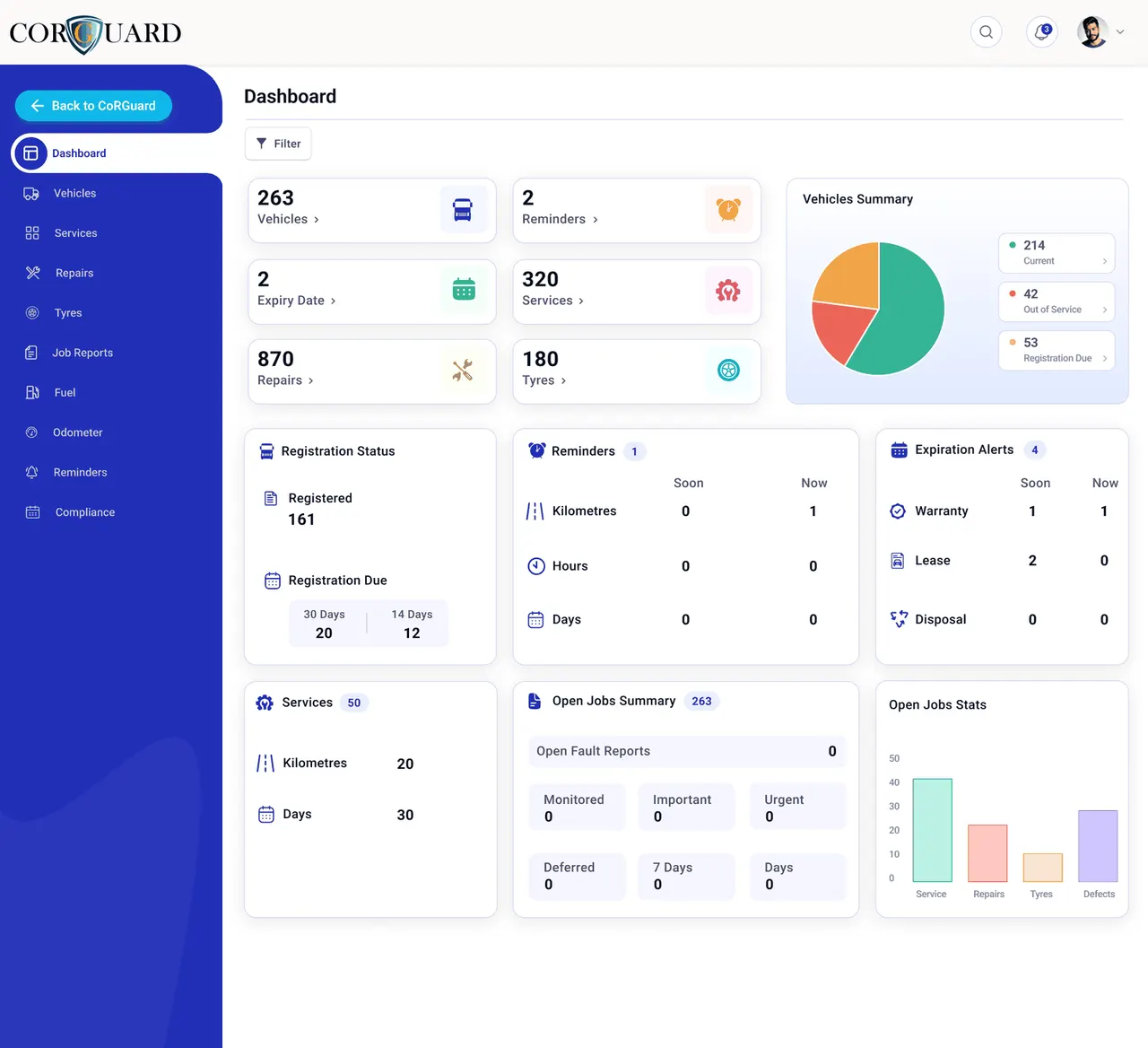
Daily fleet activity has to connect back to duties, controls, and review.
Consignors
Freight terms, delivery windows, and KPIs must not push drivers into speed, fatigue, or mass breaches.
Consignees
Receiving rules, site access, and unloading delays are CoR controls that need to be set and evidenced.
Loaders
Mass, dimension, and load restraint decisions need documented checks, not assumptions.
Managers
Executives and managers need due-diligence evidence that the Safety Management System is actually working.
What is a Chain of Responsibility audit?
Transparent process and reporting for integrated supply chains

A Chain of Responsibility (CoR) audit is a structured review that tests whether your safety system is actually working in practice — not just on paper. Under the Heavy Vehicle National Law (HVNL), every party in the chain shares responsibility for safety, and a well-run audit checks whether each party's duties are being met and evidenced.
For a broader understanding of how these duties apply across roles, see About Chain of Responsibility.
Who carries duties in the chain
- Executives — due diligence obligations to know whether the safety system is functioning
- Consignors and consignees — ensuring freight promises do not create unsafe transport pressure
- Loaders — evidencing loading controls rather than relying on assumptions
- Operators — connecting daily fleet activity back to duties, controls, and review
- Schedulers and contractors — decisions that directly affect fatigue, speed, and mass compliance
The HVNL establishes a principle of shared responsibility across all parties in the chain, meaning each role must be able to demonstrate it is meeting its safety obligations.
Practical advice from industry professionals
Not lawyers, ex-police, or ex-inspectors — operators who understand the transport task

MAEZ is unlike most competitors in the CoR audit space. As industry professionals with decades of operational experience in the supply chain, MAEZ offers practical advice that works in every Chain of Responsibility audit.
MAEZ advisers are not lawyers, ex-police, or ex-inspectors. They are industry operators who understand what it takes to keep freight moving safely while meeting compliance obligations.
What the audit should not do
Your audit should not beat up your freight providers or the people who work for you. Concise feedback should be delivered constructively — strengthening your supply chain safety rather than creating friction.
To explore how MAEZ approaches risk reviews, see Chain of Responsibility Consulting.
Are voluntary audits your first line of defence?
Demonstrating that your business takes safety seriously

Voluntary Chain of Responsibility audits are a business's first line of defence. A voluntary safety audit sends a clear signal that a business is ready to take action and improve safety outcomes.
Voluntary audits have assisted defences in past CoR prosecutions. More importantly, they demonstrate that a business takes its legal liability seriously and is proactively managing its safety obligations.
Key benefits of a voluntary audit
- Proactive signal: Shows regulators and stakeholders that safety is a priority, not an afterthought.
- Defence support: Provides documented evidence that the business has been actively reviewing and improving its safety system.
- Gap identification: Finds exposures before an auditor, inspector, or regulator does.
- Continuous improvement: Keeps your standards current as supply chain conditions and legislation change.
What should a professional audit experience look like?
Delivered on time, constructively, and up to date

From the very beginning, your audit feedback should give you peace of mind. It should be delivered on time, as agreed, and should make your life easier through the process — not harder.
Your audit must apply a fresh set of standards. Supply chains are always changing, and your audit framework needs to reflect current legislative requirements. Do not settle for outdated checklists when your corporate governance is at stake.
Key markers of a quality audit
- Up-to-date framework reflecting the latest HVNL and CoR legislative changes
- Feedback delivered constructively, not punitively
- Clear, concise reporting that management can act on
- Practical recommendations that fit how your transport business actually runs
How does MAEZ connect audits to action?
From audit findings to training, evidence, and Safety Management System controls

MAEZ helps Australian businesses turn Chain of Responsibility, HVNL, WHS, transport safety, and chartered risk obligations into practical training, advisory, audit, and implementation pathways.
After an audit identifies gaps, MAEZ helps you build the SMS controls around how your transport business actually operates. This includes document control, inductions, fatigue management, maintenance scheduling, driver diary checks, corrective actions, and evidence reporting.
Where software fits
Where software is the right next step, CoRGuard supports the evidence workflow — connecting training records, audit findings, and day-to-day safety management into a structured system.
For practical training that supports your audit outcomes, see Chain of Responsibility Training and the Chain of Responsibility Course.
Who should read this page?
Roles and responsibilities across the transport task

This page is useful for anyone who influences a heavy vehicle transport task, including:
- Owner-operators who need to evidence their own compliance and safety management.
- Transport managers responsible for fleet activity, maintenance, and driver oversight.
- Executives who carry due diligence duties and need to know whether the safety system is working.
- Consignors and consignees who must ensure freight promises do not create unsafe transport pressure.
- Loaders who need evidence of loading controls, not assumptions.
- Schedulers and contractors whose decisions directly affect fatigue, speed, and mass compliance.
For a deeper look at executive and manager obligations, see Chain of Responsibility Training for Executives and Managers. To get started with a practical review, contact MAEZ. You can also explore MAEZ Insights for current perspectives on CoR, HVNL, and transport safety.
How MAEZ works
Find the gaps. Fix the system. Prove the controls.
MAEZ helps transport operators deal with the compliance risk they already know is there. We help get the Safety Management System in order, protect NHVAS accreditation, reduce fine exposure, and connect training, evidence, and CoRGuard workflows where software is needed.
Find
Identify what is exposed before an auditor or regulator does.
Fix
Build the SMS controls around how the transport business actually runs.
Prove
Use CoRGuard where records, reminders, diaries, audits, and evidence need structure.
From advice to evidence
From MAEZ advice to a working Safety Management System
Advisory work should leave a practical implementation trail. These examples show how CoRGuard supports records, fatigue and driver diary checks, maintenance, audits, document control, inductions, corrective actions, and evidence review after MAEZ identifies the gaps.
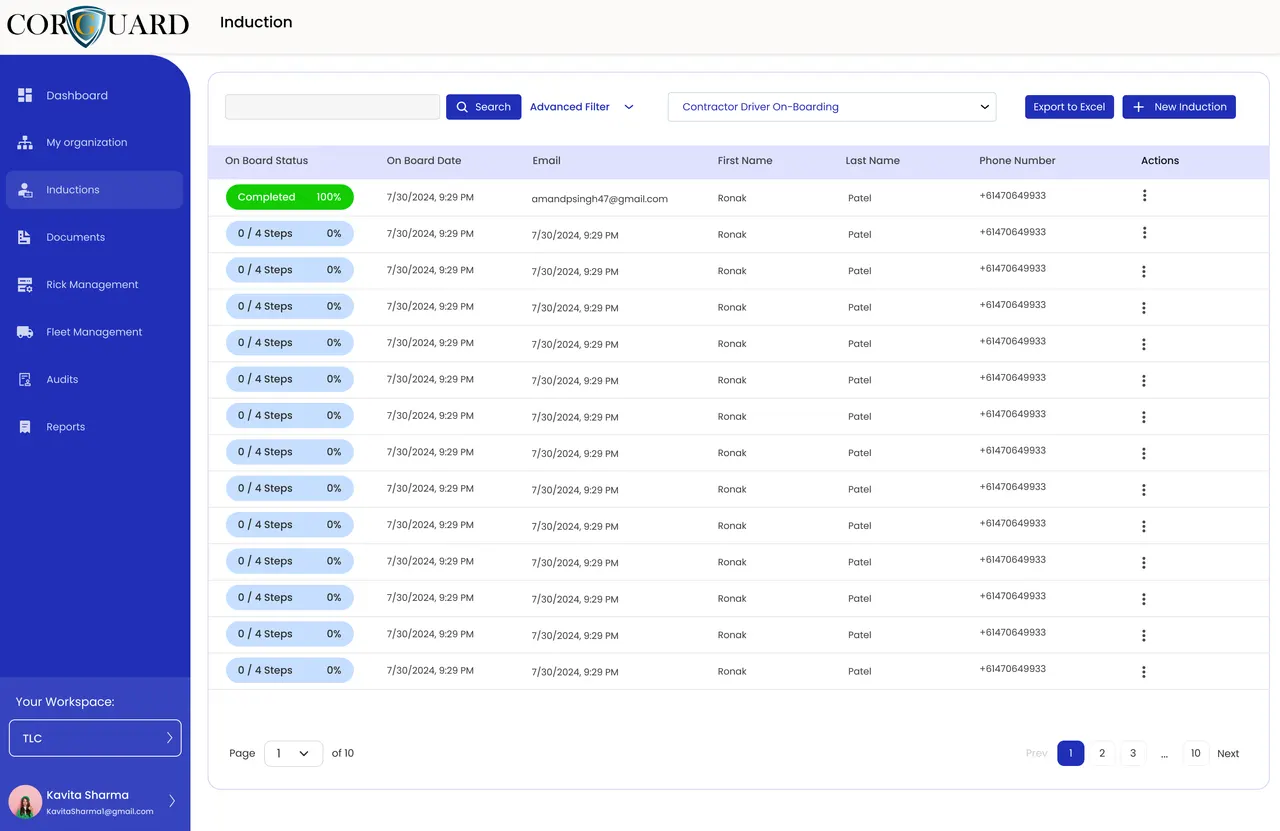
Training records
Connect training completion from cortraining.com.au to evidence and follow-up.
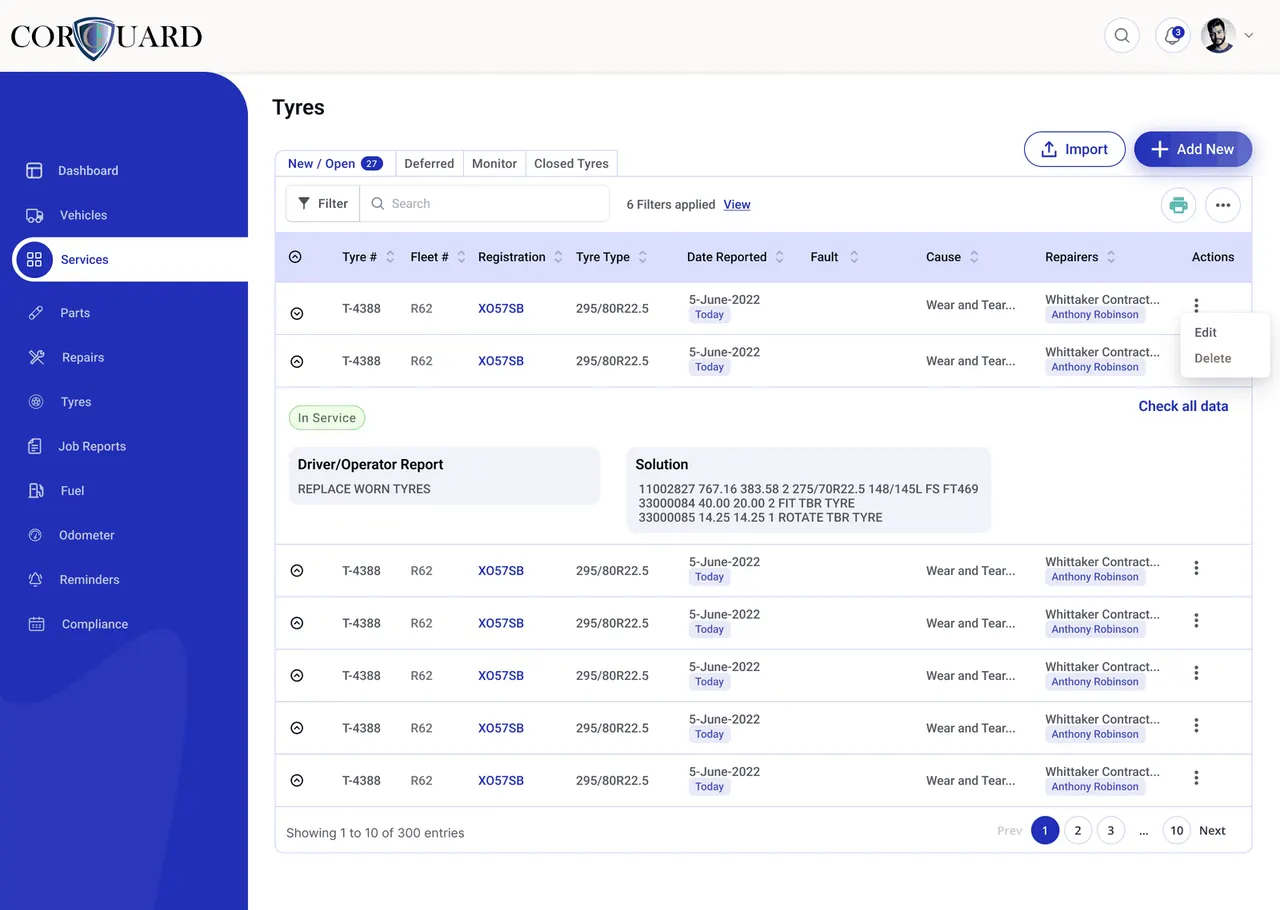
Driver diary checks
Connect fatigue and driver diary review back to manager visibility.
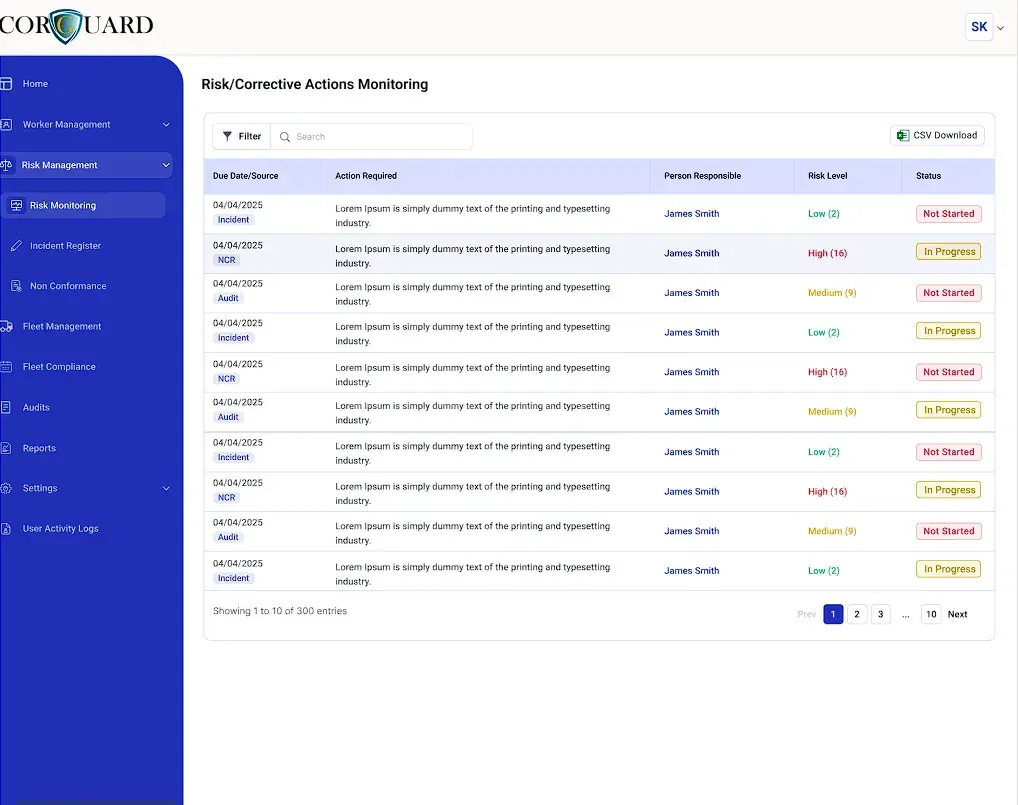
Corrective actions
Turn audit findings, hazards and incidents into tracked actions.
Keep exploring
Related Chain of Responsibility reading
MAEZ resource
About our Chain of Responsibility Program
Chain of Responsibility Software An industry leader, Helping companies, leaders, and safety departments fix on-road risks by offering software, training, audits, policies and programs that add value to a lean business.
MAEZ resource
CoR Audit
Industry Compliant Benchmark Analysis Executive Feedback Why MAEZ AUDIT? Practical Advice As industry professionals with years of operational experience in logistics. We are not Lawyers, Ex-Police or Ex-Inspectors. We are unlike every one of our competitors.
MAEZ resource
Your Auditor
Your auditor brings over 20 years of Supply Chain senior management experience, including national Chain of Responsibility safety system management as a former National Logistics Manager.
MAEZ resource
Drug & Alcohol Testing
https://player.vimeo.com/video/282628678 You can have obtained drug and alcohol testing from many businesses, from many examiners. There is no requirement to hold any accreditation before you test people in a private or professional capacity.
MAEZ resource
Chain of Responsibility Assessment
Industry Compliant Benchmark Analysis Executive Feedback Why MAEZ AUDIT? Practical Advice As industry professionals with years of operational experience in logistics. We are not Lawyers, Ex-Police or Ex-Inspectors. We are unlike every one of our competitors.
MAEZ resource
Your Professional
Your professional brings over 20 years of Supply Chain senior management experience, including national Chain of Responsibility safety system management as a former National Logistics Manager.
Frequently asked questions
Questions people ask about this topic
What is a Chain of Responsibility audit?
A Chain of Responsibility (CoR) audit is a structured review that tests whether your safety system is actually working in practice — not just on paper. Under the HVNL, every party in the chain shares responsibility for safety, and the audit checks whether each party's duties are being met and evidenced.
Who should read this page?
This page is useful for owner-operators, transport managers, executives, consignors, consignees, loaders, schedulers, contractors, and anyone who influences a heavy vehicle transport task.
Why do a voluntary Chain of Responsibility audit?
Voluntary audits are a business's first line of defence. They show regulators and stakeholders that safety is a priority, find gaps before an inspector does, and have assisted defences in past CoR prosecutions by providing documented evidence of proactive safety management.
What does MAEZ help transport businesses fix after an audit?
MAEZ helps Australian transport and supply-chain businesses identify Chain of Responsibility, HVNL, WHS, NHVAS, training, audit, document-control, and Safety Management System gaps, then turn those gaps into practical controls and evidence.
Where is Chain of Responsibility training delivered?
MAEZ provides the advisory and risk pathway, while Chain of Responsibility training is delivered through cortraining.com.au. Where software is needed, CoRGuard supports the Safety Management System evidence workflow.