
MAEZ insight
Implementing a Safety Management System: A Comprehensive Guide
A practical guide to implementing a safety management system for Australian transport operators — from leadership commitment and safety policies to hazard identification, controls, and training.
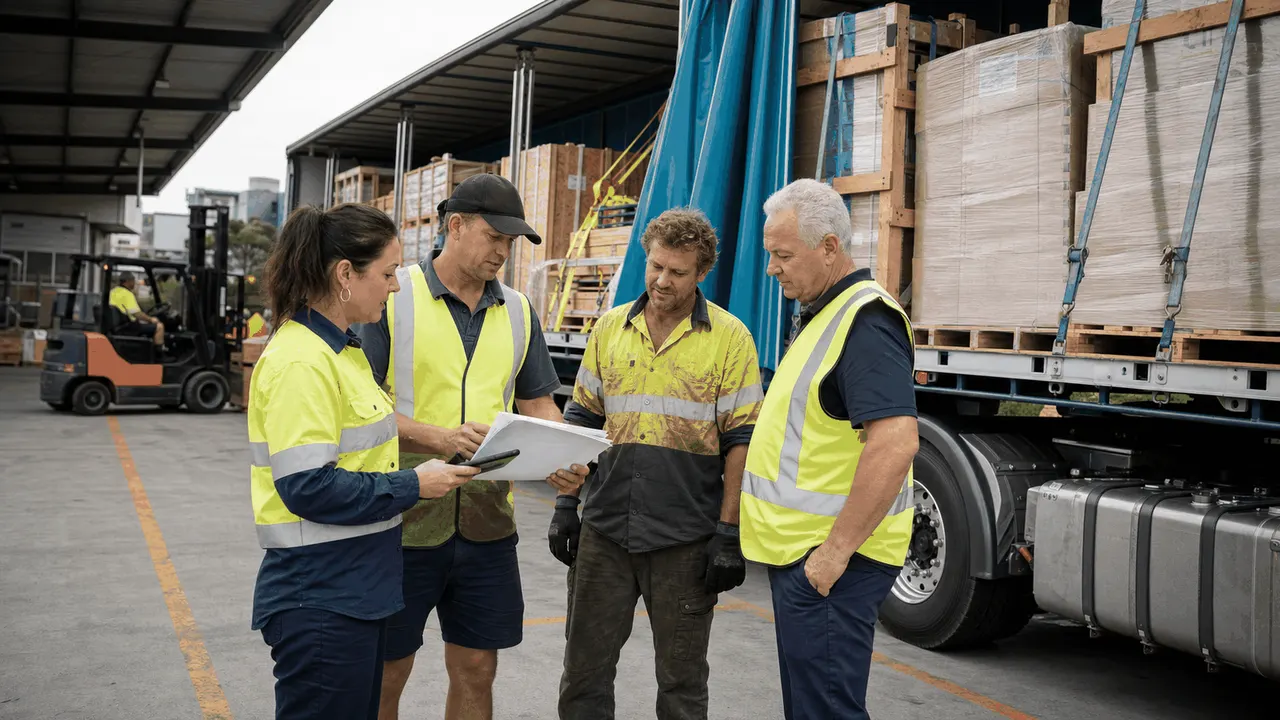
Loading controls need evidence, not assumptions.
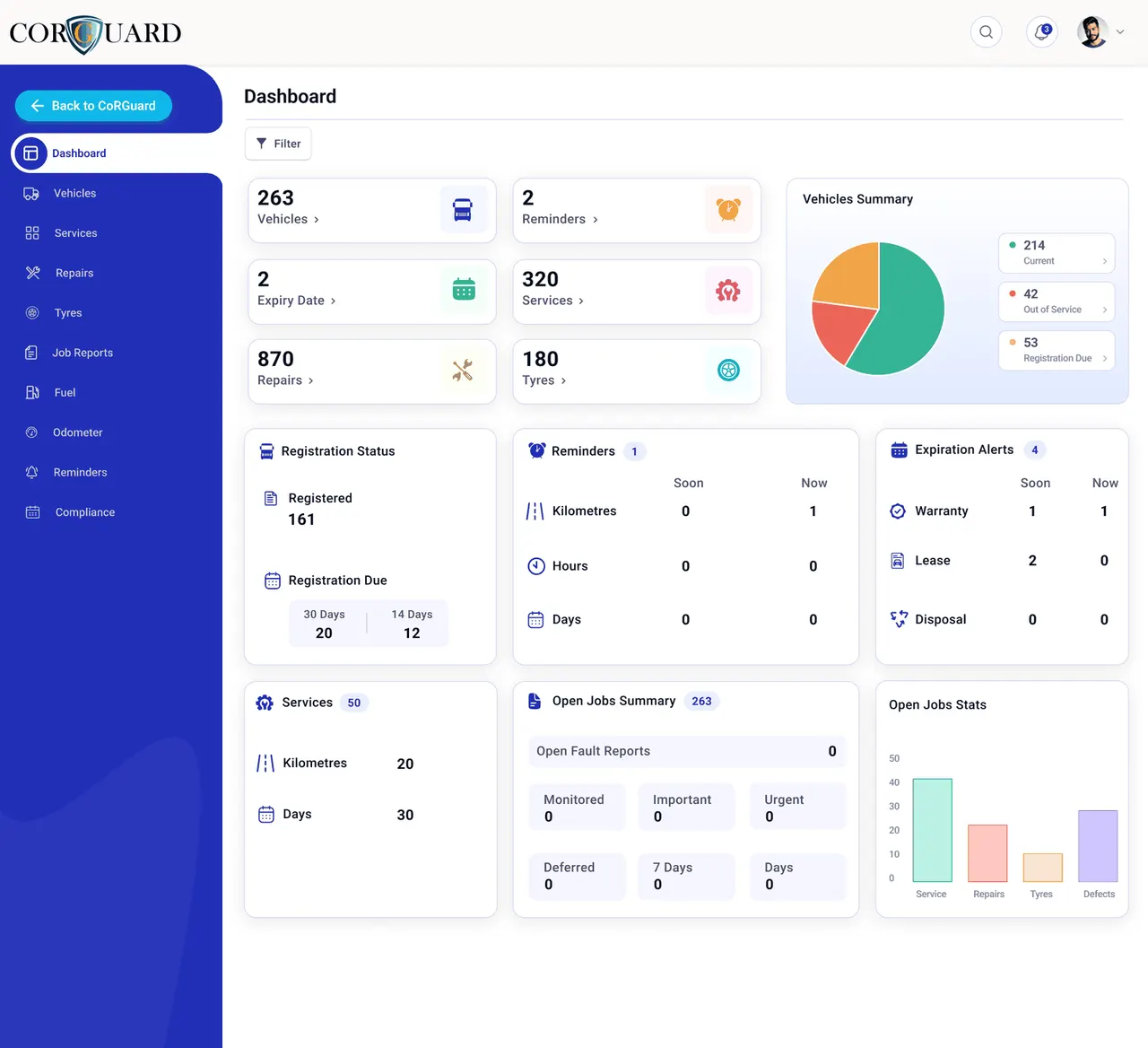
Daily fleet activity has to connect back to duties, controls, and review.

Due diligence means knowing whether the safety system is actually working.

Proof that freight promises do not create unsafe transport pressure.
Consignors
Freight terms, delivery windows, and KPIs must not push drivers into speed, fatigue, or mass breaches.
Consignees
Receiving rules, site access, and unloading delays are CoR controls that need to be set and evidenced.
Loaders
Mass, dimension, and load restraint decisions need documented checks, not assumptions.
Managers
Executives and managers need due-diligence evidence that the Safety Management System is actually working.
What is a safety management system?
A structured framework for managing workplace safety risks proactively, not reactively.
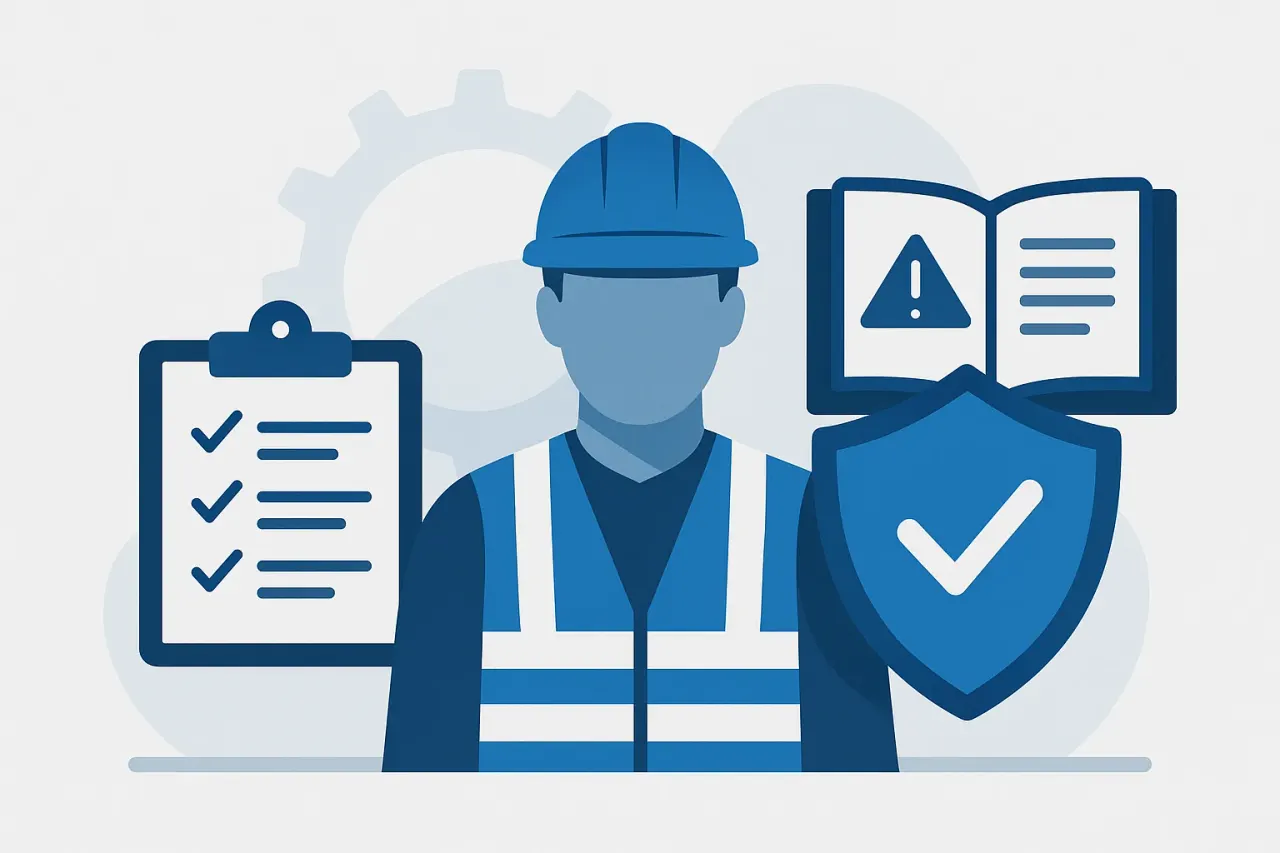
A safety management system (SMS) is a structured framework for managing workplace health and safety risks proactively. It integrates policies, procedures, and practices to identify hazards, assess risks, implement controls, and continuously improve safety performance. For Australian transport operators, an SMS also supports Chain of Responsibility obligations by demonstrating that safety is managed systematically rather than reactively.
Implementing an SMS transforms compliance from a regulatory burden into an operational advantage. Organisations consistently report substantial reductions in workplace incidents, but success depends entirely on how well you structure your approach from day one.
The system operates through interconnected components. Management leadership sets the direction. Employee participation identifies ground-level risks. Hazard identification and risk assessment processes pinpoint dangers before they cause harm. These elements work together systematically — when leadership commits resources and attention to safety, employees engage more actively in hazard reporting.
A well-designed SMS improves operational efficiency by reducing disruptions from incidents. It lowers insurance costs through demonstrated risk management. It strengthens workplace culture when employees see their safety concerns addressed systematically. The system becomes part of how work gets done, not an additional burden on operations. Modern safety management systems align with recognised standards such as ISO 45001, providing proven structures that courts and regulators recognise.
Core elements that make an SMS effective
Five interconnected elements drive workplace safety outcomes.
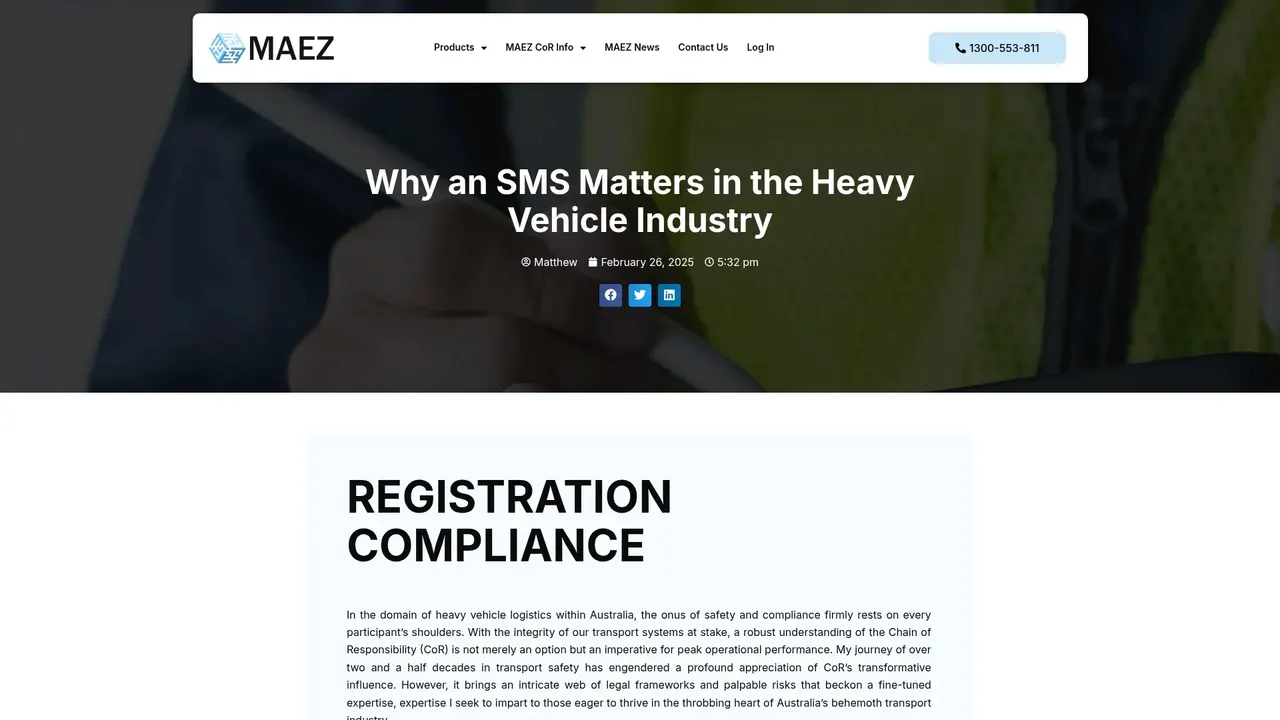
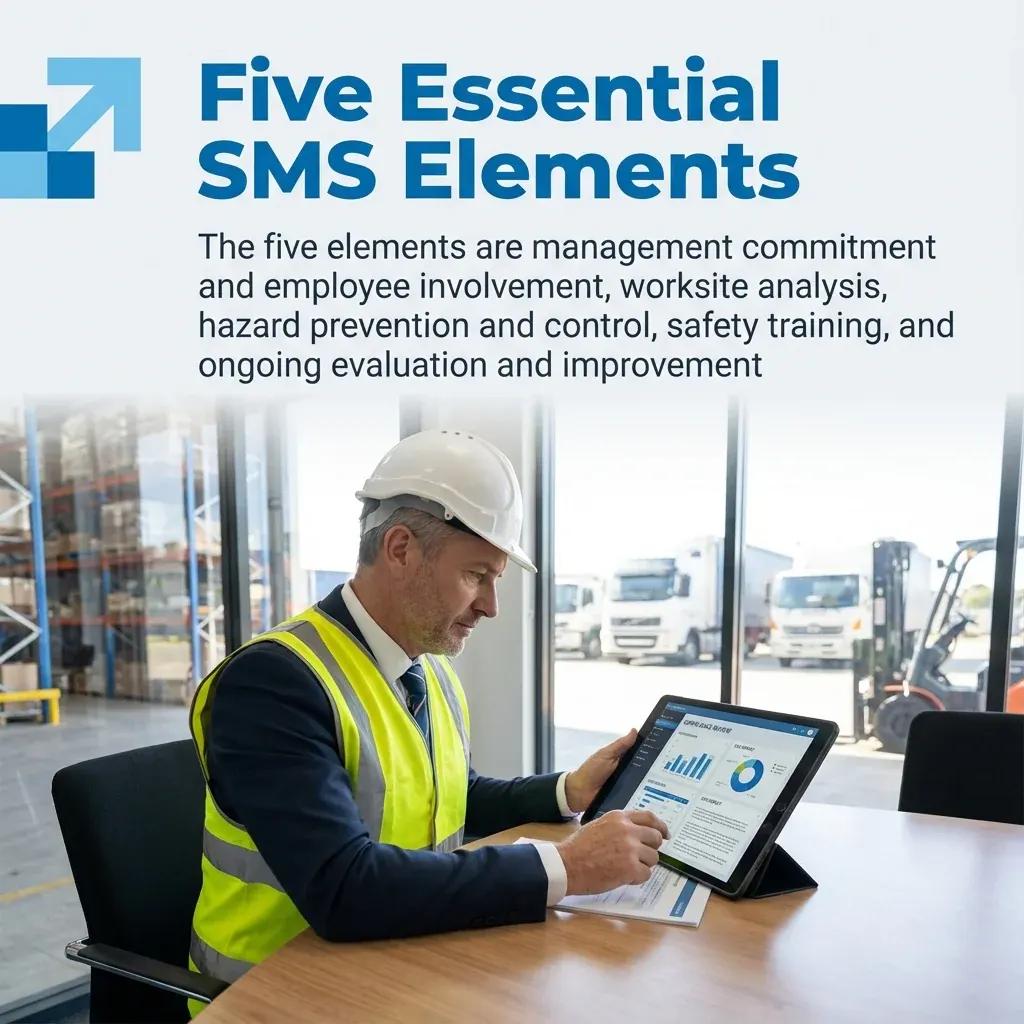
An effective SMS rests on five core elements. Each plays a specific role, and together they create a sustainable safety culture.
- Management commitment and employee involvement — leadership sets direction; workers participate in identifying and managing risks.
- Worksite analysis — systematic hazard identification and risk assessment across all operations.
- Hazard prevention and control — implementing controls using the hierarchy of controls.
- Safety training — building workforce competence in safety practices.
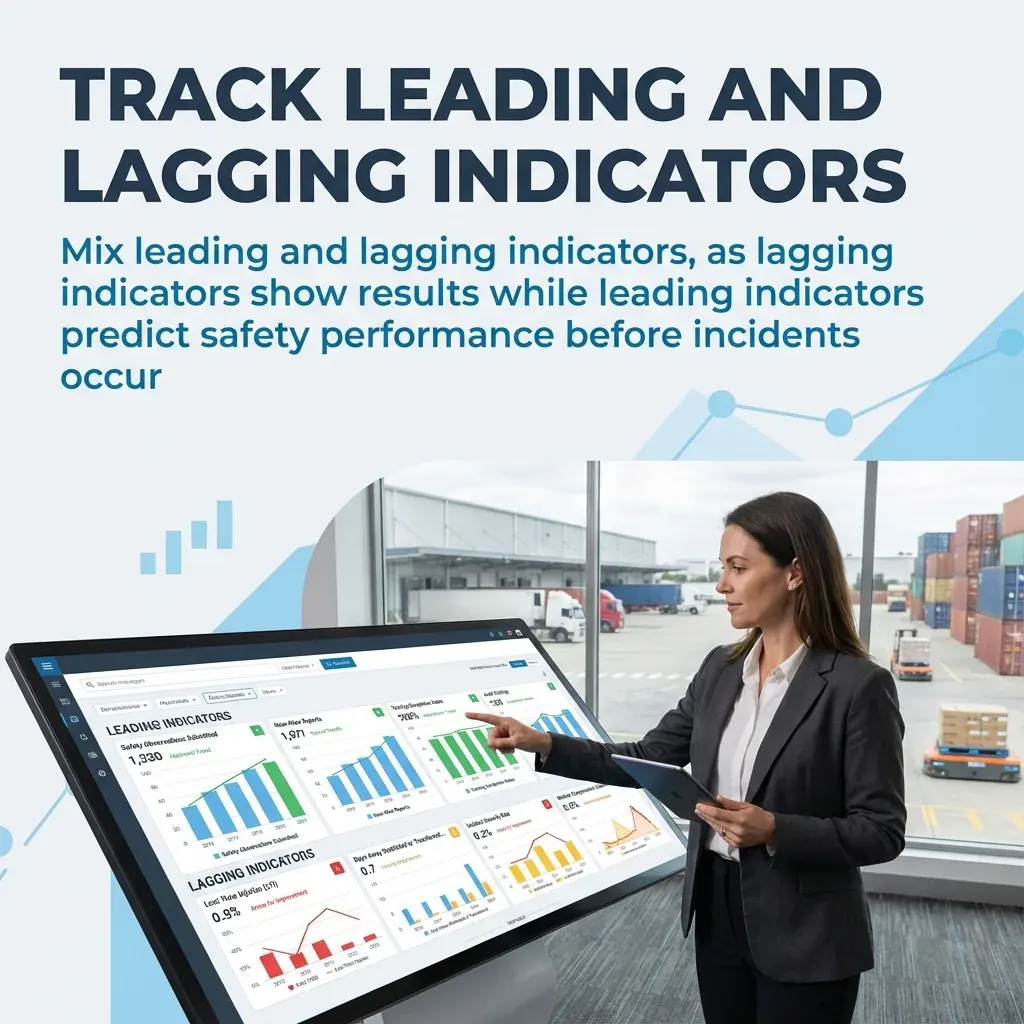
- Ongoing evaluation and improvement — measuring performance and refining the system over time.
When leadership commits resources and attention to safety, employees engage more actively in hazard reporting. Better hazard identification leads to more effective controls. Effective controls reduce incidents and build confidence in the system.
Why these elements work together
Regular safety audits and employee training are associated with increased hazard reporting and earlier risk mitigation. The purpose extends beyond regulatory compliance — it is about building a system where safety is embedded in daily operations.
Securing management commitment and defining scope
Step 1: Establish the foundation everything else builds upon.
Implementation begins with leadership alignment. Senior management approval and active participation drive SMS success. Leadership commitment means more than signing a policy document — it requires allocating resources, participating in safety activities, and holding people accountable for safety performance.
Building the business case
Senior management responds to clear business arguments. Calculate current incident costs including direct expenses, lost productivity, increased insurance premiums, and regulatory penalties. Present the SMS as an operational improvement tool, not just compliance overhead.
- Highlight efficiency gains from standardised processes.
- Show how proactive hazard identification prevents costly disruptions.
- Benchmark against industry standards and competitors.
- Connect safety performance to business outcomes that executives care about.
Defining scope and boundaries
Clarify exactly what your SMS will cover: which facilities, operations, and activities fall under the system, and how contractors and visitors are handled. Clear scope prevents gaps and confusion during implementation.
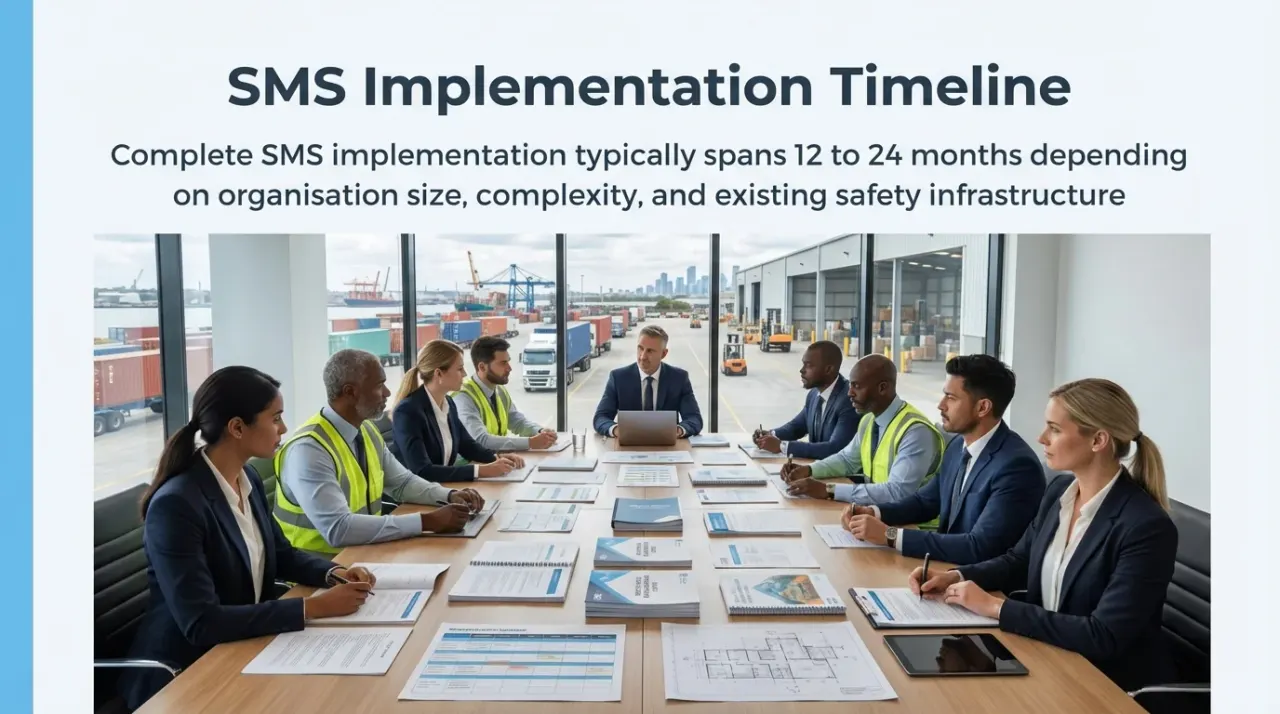
Consider starting with a pilot program in one facility or operation. This allows you to refine processes before organisation-wide rollout. Document lessons learned and success metrics to support broader implementation. Establish realistic timelines — complete SMS implementation typically spans 12 to 24 months depending on organisation size, complexity, and existing safety infrastructure.
Assigning roles and accountability
- SMS executive sponsor — a senior leader who champions the program and holds department managers accountable.
- SMS coordinator — manages day-to-day implementation, coordinates training, tracks progress, and maintains documentation.
- Executives — set direction and allocate resources.
- Managers — implement programs in their areas.
- Supervisors — enforce safe work practices daily.
- Workers — follow procedures and report hazards.
Clear accountability prevents safety from becoming everyone's job but no one's responsibility. For transport operators, this aligns with the HVNL's primary duty provisions, which require parties in the Chain of Responsibility to ensure safety is managed proactively.
Developing your safety policy and objectives
Step 2: Create the safety direction that guides all SMS activities.
With commitment secured, the next step creates your safety direction. Your policy statement and objectives guide all subsequent SMS activities.
Your safety policy declares organisational values and commitments. It should be concise, memorable, and genuine. Avoid generic statements that could apply to any organisation — instead, reflect your specific context and priorities.
What to include in your policy
- Commitments to hazard elimination, regulatory compliance, continuous improvement, and employee participation.
- A statement that safety ranks equally with other business priorities like quality and productivity.
- Acknowledgement of management responsibility for providing safe working conditions.
The policy requires visible executive signature. Display it prominently in workplaces and include it in employee handbooks and orientation materials.
Executive due diligence
The HVNL places a specific duty on executives of legal entities to exercise due diligence to ensure the business complies with its safety obligations. A documented, visible safety policy is a practical step toward meeting that duty. For practical guidance on executive responsibilities, see our resource on Chain of Responsibility training for executives and managers.
Employee participation and worksite analysis
Workers closest to hazards often spot risks that management overlooks.
Employee participation transforms safety from a top-down mandate into a shared responsibility across the organisation. Participation takes concrete forms:
- Establish safety committees with worker representation.
- Create reporting channels where employees can raise concerns without fear.
- Involve workers in hazard assessments and control selection for their work areas.
When employees feel heard and see their input acted upon, they engage more actively in safety processes.
Systematic hazard identification
Comprehensive worksite analysis looks at physical hazards, chemical exposures, ergonomic risks, and process safety concerns. You cannot control risks you haven't identified.
- Conduct regular workplace inspections using standardised checklists.
- Review incident and near-miss reports for patterns.
- Analyse job tasks to identify hazards at each step.
- Consult workers performing the tasks daily.
Risk assessment follows identification. Evaluate each hazard's potential severity and likelihood. Consequence and probability matrices help prioritise which risks require immediate attention versus longer-term controls.
Transport-specific risk areas
For transport operators, this process should include fatigue management, load restraint, speed management, and vehicle standards — the core risk areas under the HVNL. Our Chain of Responsibility training covers these hazard categories in a transport-specific context.
Hazard prevention, controls, and training
Identifying hazards means nothing without effective controls and a competent workforce.
The hierarchy of controls guides control selection:
- Eliminate hazards first.
- Substitute with safer alternatives.
- Engineering controls — physical barriers, machine guards, ventilation systems, automated processes.
- Administrative procedures — work practices, scheduling, supervision.
- Personal protective equipment — as a last line of defence.
Engineering controls deliver the most reliable protection because they remove human error from the safety equation. Administrative controls and training add additional layers but depend on consistent human behaviour.
Document your control measures clearly. Workers need to understand what controls exist, why they matter, and how to use them correctly. Regular maintenance ensures controls continue functioning as designed.
Building workforce competence through training
Training builds workforce competence in safety practices. New employees need orientation covering workplace hazards, emergency procedures, and their safety responsibilities. Task-specific training ensures workers understand risks and controls for their particular jobs.
- Refresher programs reinforce key concepts.
- Updates address new hazards or changed procedures.
- Supervisor training covers safety leadership responsibilities.
Effective training is interactive and practical. Demonstrations, hands-on practice, and scenario discussions engage participants better than lecture-only formats. Verify understanding through practical assessments, not just written tests.
For transport-specific safety training that aligns with your SMS, explore the training options available through MAEZ, or contact us to discuss a tailored implementation plan for your operation.
How MAEZ works
Find the gaps. Fix the system. Prove the controls.
MAEZ helps transport operators deal with the compliance risk they already know is there. We help get the Safety Management System in order, protect NHVAS accreditation, reduce fine exposure, and connect training, evidence, and CoRGuard workflows where software is needed.
Find
Identify what is exposed before an auditor or regulator does.
Fix
Build the SMS controls around how the transport business actually runs.
Prove
Use CoRGuard where records, reminders, diaries, audits, and evidence need structure.
From advice to evidence
From MAEZ advice to a working Safety Management System
Advisory work should leave a practical implementation trail. These examples show how CoRGuard supports records, fatigue and driver diary checks, maintenance, audits, document control, inductions, corrective actions, and evidence review after MAEZ identifies the gaps.
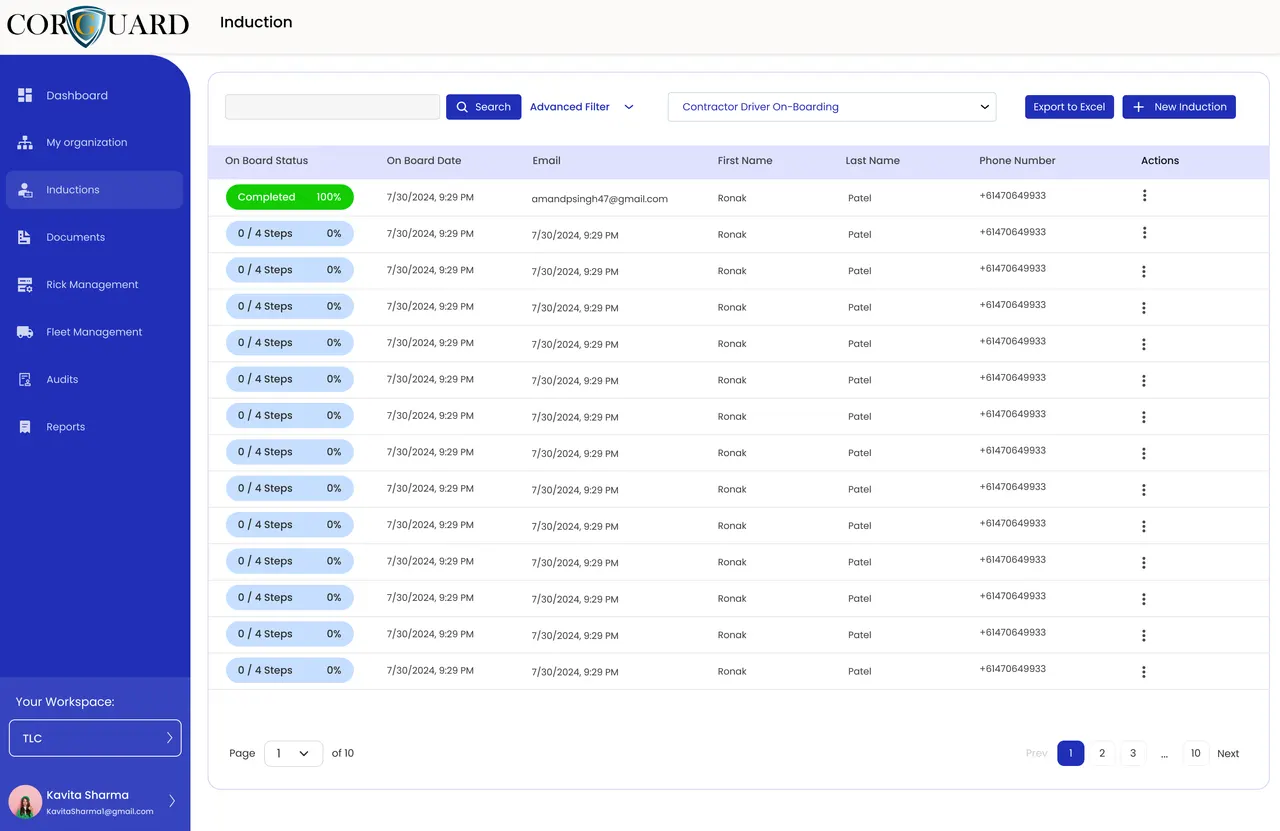
Training records
Connect training completion from cortraining.com.au to evidence and follow-up.
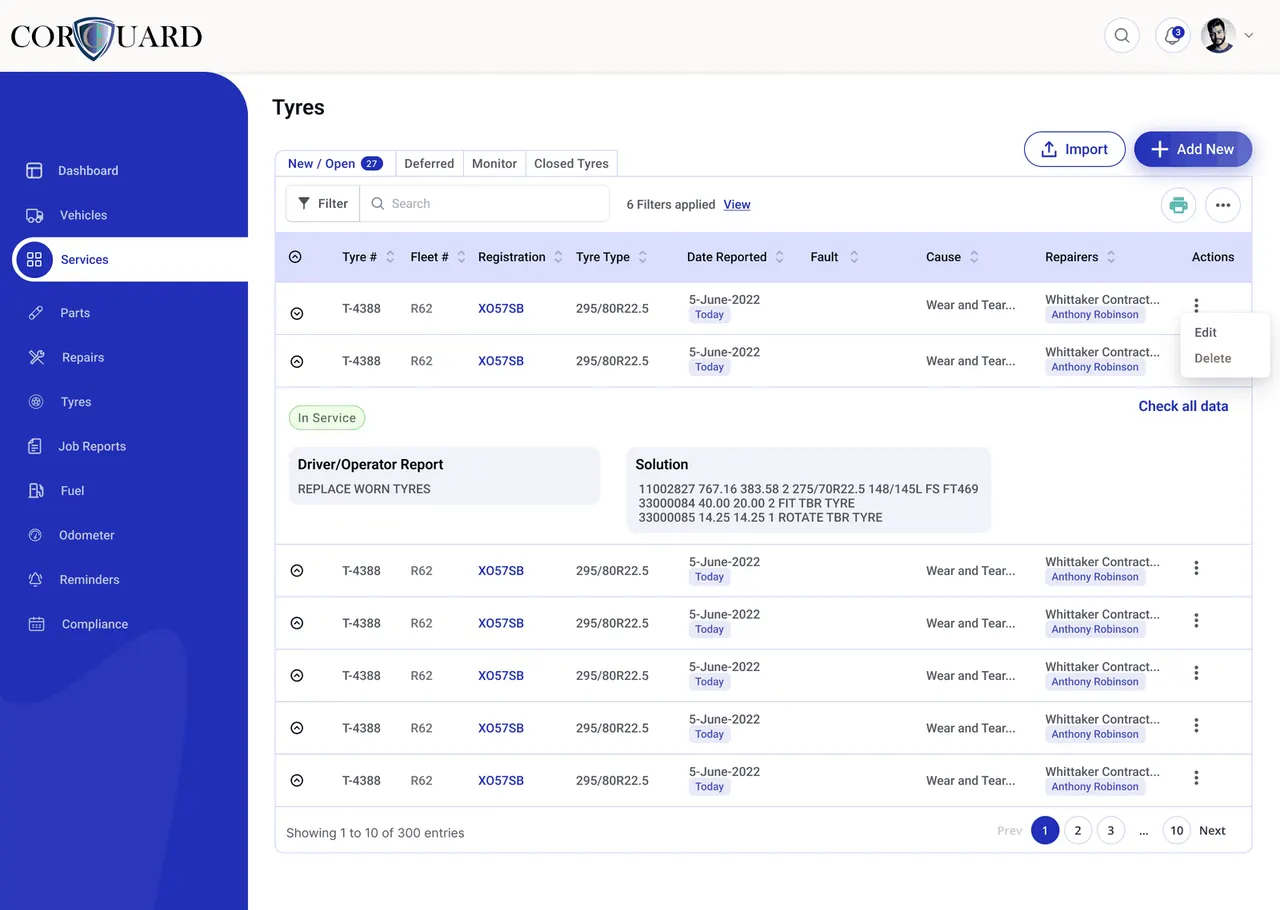
Driver diary checks
Connect fatigue and driver diary review back to manager visibility.
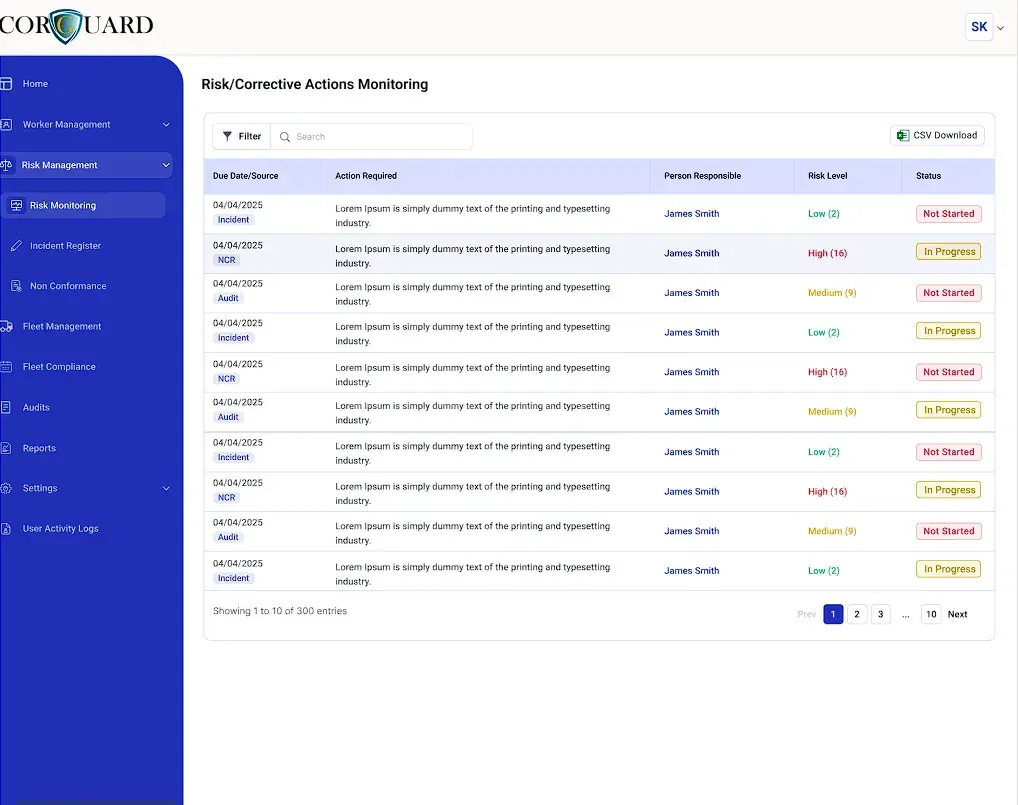
Corrective actions
Turn audit findings, hazards and incidents into tracked actions.
Keep exploring
Related Chain of Responsibility reading
MAEZ insight
HVNL 2026 CoR Changes
Discover how the HVNL 2026 amendments transform CoR obligations with new Safety Management Systems for heavy vehicle compliance. Learn more here!
MAEZ insight
Mitigating Risks in Global Supply Chains: Key Strategies
Explore effective global supply chain risk management strategies to mitigate disruptions and maintain operational continuity in 2025 and beyond.
MAEZ insight
Collisions: in the Early Hours of the Morning
Collisions in the early hours are a critical safety concern in the Australian supply chain, magnified by factors like driver fatigue and low visibility.
MAEZ insight
Exploring Effective Safety Management System Examples
Discover effective Safety Management System examples across industries to enhance workplace safety. Learn how to implement these structured frameworks today.
MAEZ insight
Understanding Supply Chain Risk Management Software
Explore how Supply Chain Risk Management software enhances visibility, monitors threats, and ensures compliance to safeguard your supply network.
MAEZ insight
Understanding AMCAS and How MAEZ Uses the RCIP Master Code for Robust Transport Compliance
Introduction In the ever-evolving Australian transport sector, compliance with safety regulations is paramount.
Frequently asked questions
Questions people ask about this topic
What is a safety management system (SMS)?
A safety management system (SMS) is a structured framework for managing workplace health and safety risks. It integrates policies, procedures, and practices to identify hazards, assess risks, implement controls, and continuously improve safety performance across an organisation.
How long does it take to implement a complete SMS?
Complete SMS implementation typically spans 12 to 24 months, depending on organisation size, complexity, and existing safety infrastructure. Starting with a pilot program in one facility or operation allows you to refine processes before organisation-wide rollout.
How does an SMS support Chain of Responsibility compliance for transport operators?
An SMS demonstrates that safety is managed systematically rather than reactively, which supports HVNL primary duty provisions requiring parties in the Chain of Responsibility to ensure safety is managed proactively. It also aligns with recognised standards like ISO 45001 that courts and regulators recognise.
What are the five core elements of an effective SMS?
The five core elements are: management commitment and employee involvement, worksite analysis (hazard identification and risk assessment), hazard prevention and control using the hierarchy of controls, safety training to build workforce competence, and ongoing evaluation and improvement of the system.
What duty do executives have under the HVNL in relation to safety management?
The HVNL places a specific duty on executives of legal entities to exercise due diligence to ensure the business complies with its safety obligations. A documented, visible safety policy with executive signature is a practical step toward meeting that due diligence duty.