
MAEZ insight
Safety Management System Software Essentials for Australian Transport Operators
Understand the core capabilities of Safety Management System software—from incident management and compliance tracking to risk assessment and safety training—for Australian transport operators.
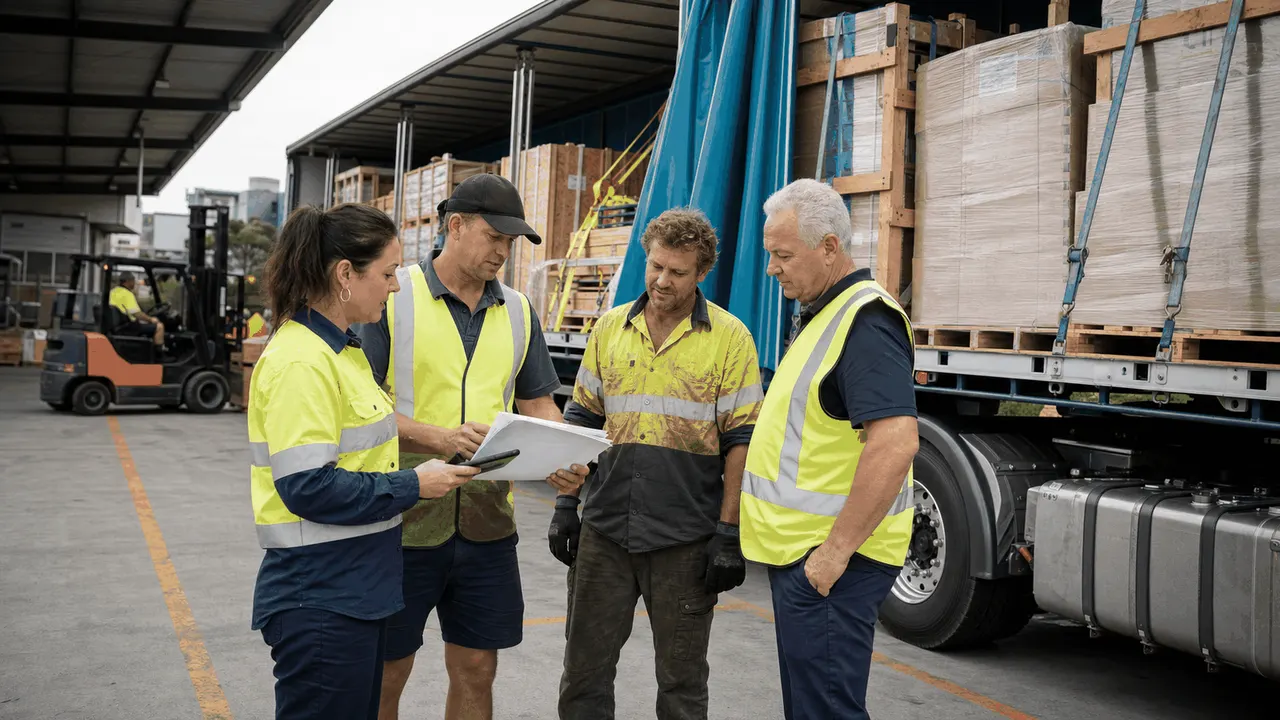
Unloading decisions can affect safety, scheduling, and responsibility.

Managers need a clear view of gaps before audit or enforcement pressure arrives.

Contractor controls should be verified before the work starts.
Receiving windows, site rules, and unloading delays can all shape the transport task.
Consignors
Freight terms, delivery windows, and KPIs must not push drivers into speed, fatigue, or mass breaches.
Consignees
Receiving rules, site access, and unloading delays are CoR controls that need to be set and evidenced.
Loaders
Mass, dimension, and load restraint decisions need documented checks, not assumptions.
Managers
Executives and managers need due-diligence evidence that the Safety Management System is actually working.
What is Safety Management System software?
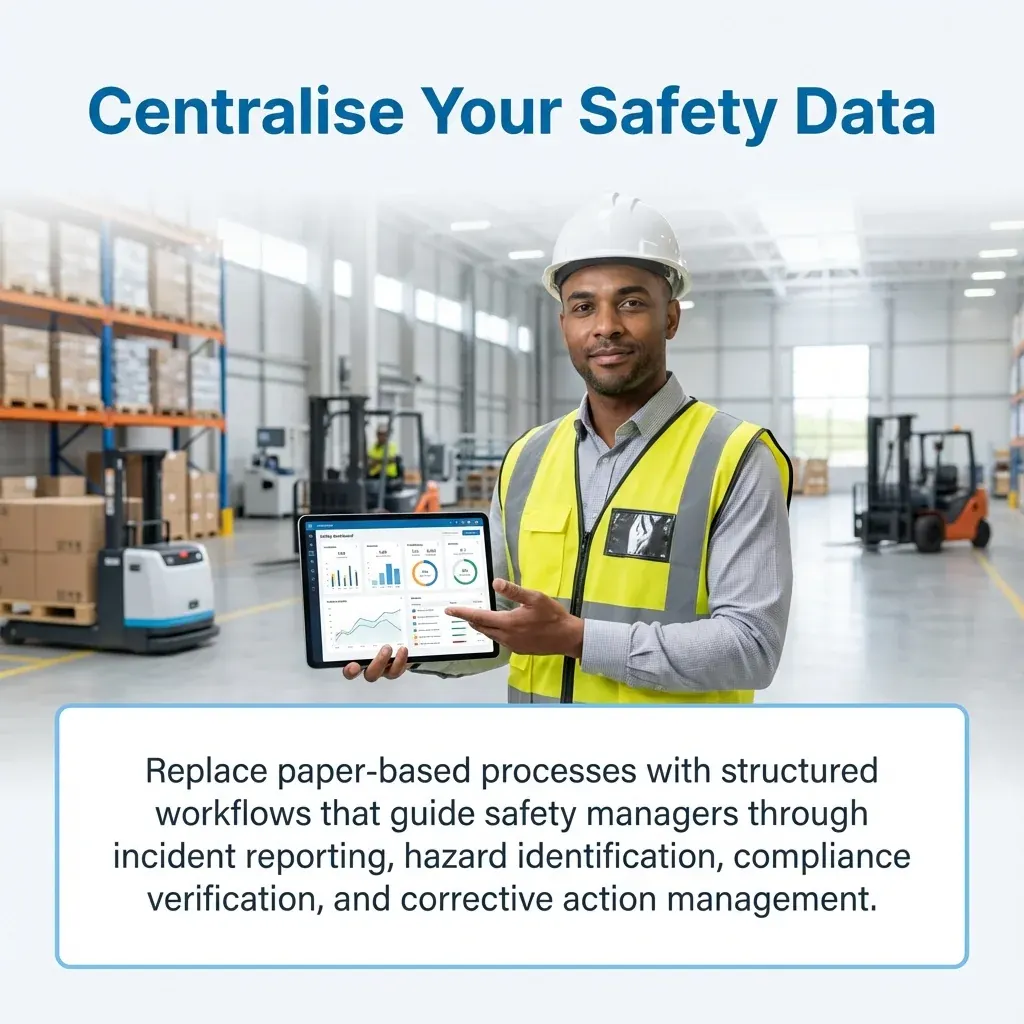
Safety Management System (SMS) software is a digital platform that documents, tracks, and manages workplace safety activities through structured workflows for incident reporting, hazard identification, compliance verification, and corrective action management. For Australian transport operators, it centralises safety data and supports primary duty obligations under the Heavy Vehicle National Law.
SMS software replaces paper-based processes with structured workflows that guide safety managers through every step—from initial hazard report to corrective action closure. These platforms centralise safety data that previously lived in multiple locations: incident reports, inspection checklists, training records, and audit findings exist within a single system, eliminating the version control issues and data silos that plague spreadsheet-based approaches.
The software also automates routine safety tasks. When someone reports an incident, the system automatically notifies the safety manager, assigns investigation tasks, tracks corrective actions, and generates required regulatory reports. This automation reduces administrative burden while ensuring consistent process execution.
Under the HVNL, the law establishes a principle of shared responsibility across every party in the Chain of Responsibility. Centralised digital records make it easier to demonstrate that your business is meeting its primary duty to ensure safety.
What are the core components of safety platforms?
Safety management software typically includes several integrated modules, each addressing a specific safety function.
Incident management
Captures workplace injuries, near misses, property damage, and environmental releases. The module guides users through structured reporting forms, supports photo attachments, and tracks investigation progress from initial report through root cause analysis to corrective action closure.
Audit and inspection management
Schedules safety audits, distributes inspection checklists to mobile devices, captures findings with photos and comments, and tracks non-conformances through resolution. The module maintains audit history and generates compliance verification reports.
Risk assessment tools
Document hazard identification activities, evaluate risk levels using customisable matrices, and link control measures to specific hazards. The system tracks risk reduction progress and highlights high-risk areas requiring management attention.
How does safety software differ from general business tools?
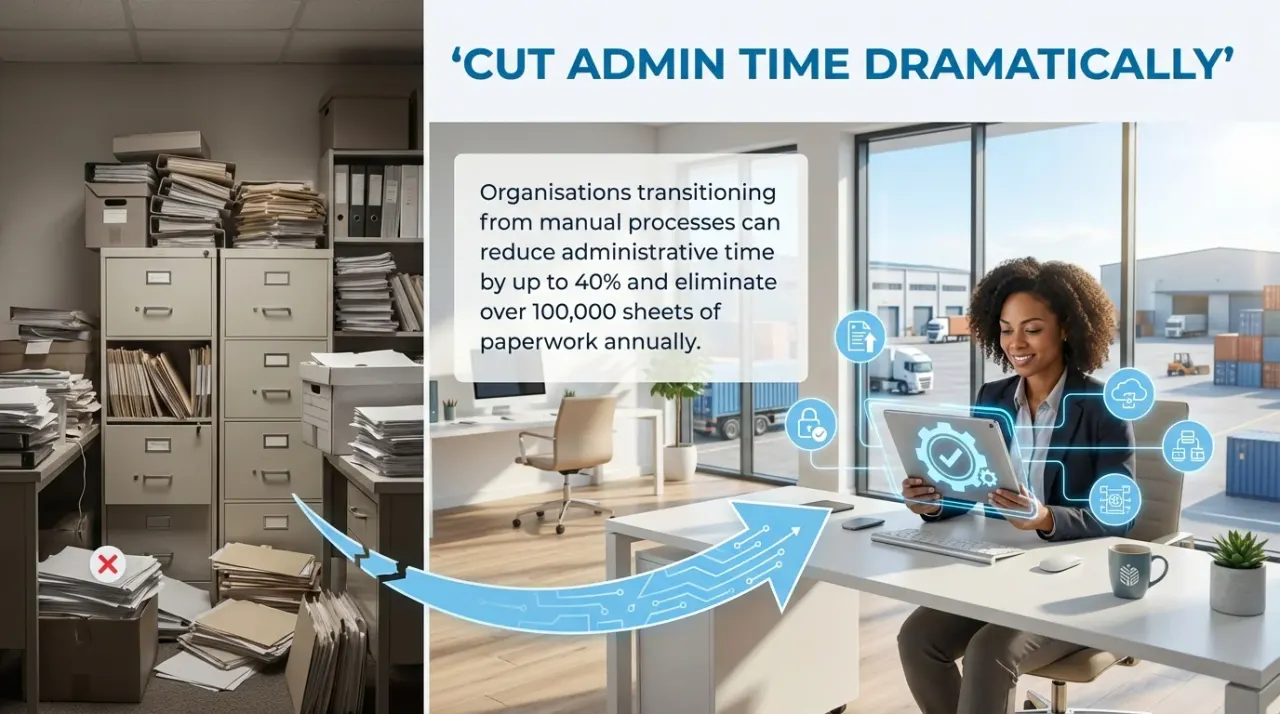
Safety management system software contains specialised functionality that general business platforms lack. The software is built around regulatory frameworks—such as ISO 45001 standards and industry-specific safety regulations—and understands the structured workflows those frameworks require.
These platforms include pre-built templates for common safety processes. Incident investigation forms, safety audit checklists, and risk assessment matrices come standard, so safety managers do not have to build these tools from scratch.
The software also integrates with safety-specific hardware and data sources. IoT sensors monitoring air quality, wearable devices tracking worker location in hazardous areas, and environmental monitoring equipment can feed data directly into the safety management platform.
For transport operators, this means the system can connect compliance evidence to the people and processes it relates to—rather than leaving it isolated in a spreadsheet that an auditor or regulator may never see.
How does incident management and reporting work?
Incident management forms the foundation of most safety management software implementations. Workers need simple methods to report incidents immediately after they occur.
Modern incident management modules support multiple reporting channels:
- Mobile apps
- Web browsers
- Phone hotlines
- Kiosk terminals
This flexibility ensures reporting convenience regardless of work location or technology access.
The software captures essential incident details through structured forms. Date, time, location, personnel involved, witness information, injury type, and preliminary cause information get recorded consistently, with required fields preventing incomplete reports. Photo and video attachments document incident scenes—workers photograph equipment damage, hazardous conditions, or injury locations while still at the scene.
Automated workflows route incidents to appropriate personnel. Serious injuries trigger immediate notifications to safety managers and executives. Minor incidents follow standard review processes. The system ensures no incident falls through administrative cracks.
How do compliance tracking and audit management help?
Compliance management capabilities help organisations maintain adherence to applicable safety regulations. The software tracks which regulations apply to specific operations, monitors compliance status, and generates required regulatory reports.
Regulatory libraries contain current versions of applicable standards. These libraries update automatically when regulations change, reducing the risk of working from outdated requirements. Compliance calendars schedule required activities—monthly safety inspections, quarterly emergency drills, annual training refreshers, and periodic equipment certifications appear on automated schedules, and the system sends reminders before deadlines.
Audit management modules
Audit management streamlines the planning, execution, and follow-up phases of safety audits and workplace inspections. These tools replace paper checklists with structured digital workflows. The software maintains libraries of audit templates—corporate safety audits, regulatory compliance inspections, contractor safety assessments, and equipment inspections—using standardised checklists that ensure consistent evaluation criteria across multiple locations.
Mobile audit capabilities allow inspectors to complete checklists on smartphones or tablets. Inspectors photograph non-conformances, add location tags, assign severity ratings, and capture corrective action notes while walking the facility. Offline functionality supports audits in areas without network connectivity.
Non-conformance tracking links identified issues to corrective action plans. Each finding receives assigned responsibility, target completion dates, and progress tracking. Dashboard reports show outstanding issues and overdue corrective actions, while audit history provides trend analysis by comparing current results to previous assessments.
For Australian operators managing Chain of Responsibility obligations, this audit trail creates the evidence trail regulators and auditors expect.
How does risk assessment and hazard management work?

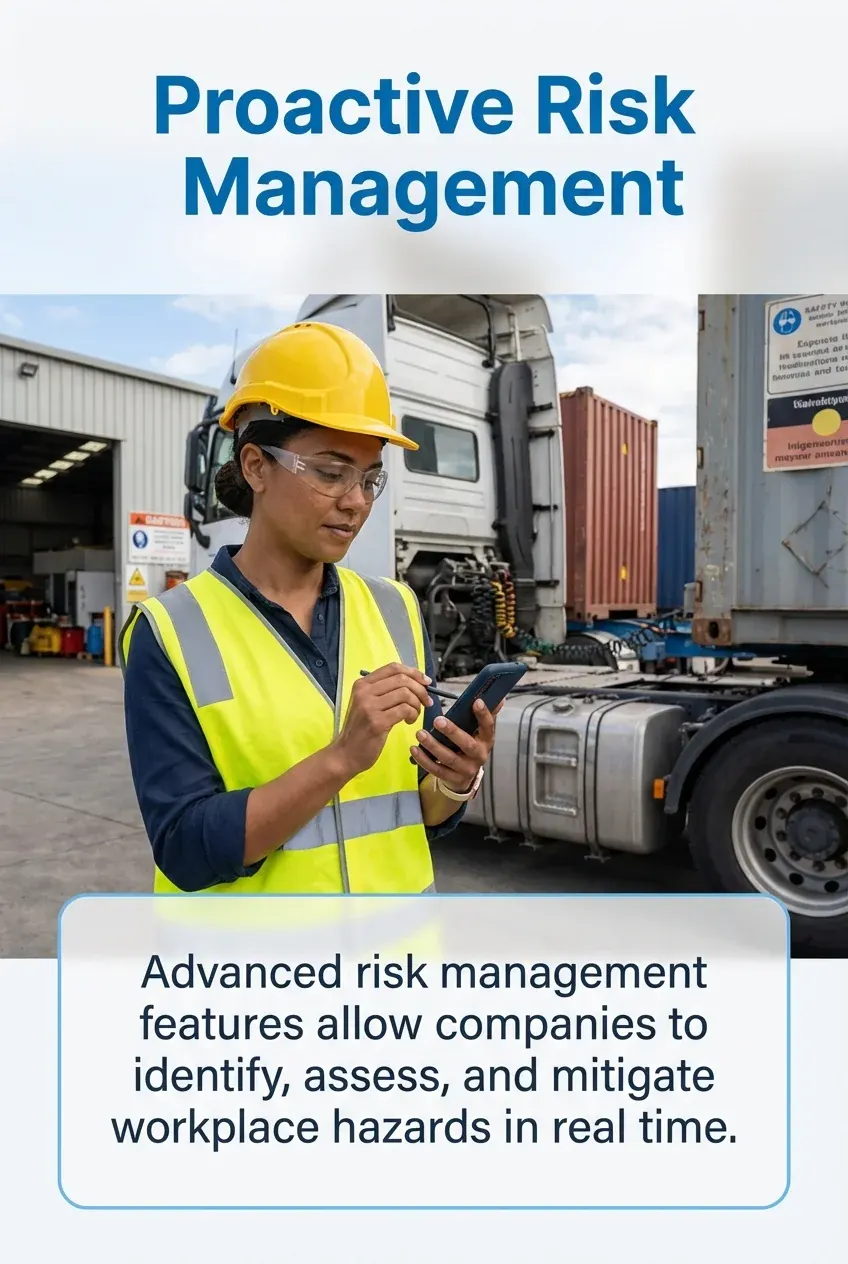
Advanced risk management features allow companies to identify, assess, and mitigate workplace hazards in real time. These capabilities transform reactive safety approaches into proactive risk management systems.
Hazard identification
Workers submit hazard observations through mobile apps. Safety committees document hazards identified during workplace inspections. The system maintains a comprehensive hazard register.
Risk assessment matrices
Customisable matrices align with organisational risk tolerance and industry standards. The software calculates risk scores automatically based on user inputs, evaluating hazard severity and likelihood.
Control measure tracking
Engineering controls, administrative procedures, personal protective equipment requirements, and training specifications connect to specific risk assessments. This linkage demonstrates how organisations manage specific risks.
Risk registers
Dashboard reports provide executive visibility into the organisation's risk profile—showing high-risk areas, control effectiveness, and risk reduction progress over time.
Under the HVNL, parties in the transport chain have a primary duty to eliminate or minimise risks so far as is reasonably practicable. A structured risk register helps demonstrate that your business is actively identifying and controlling those risks rather than waiting for an incident. A practical CoR risk review can help you connect these software capabilities to the obligations that matter most.
How does safety training and competency management work?
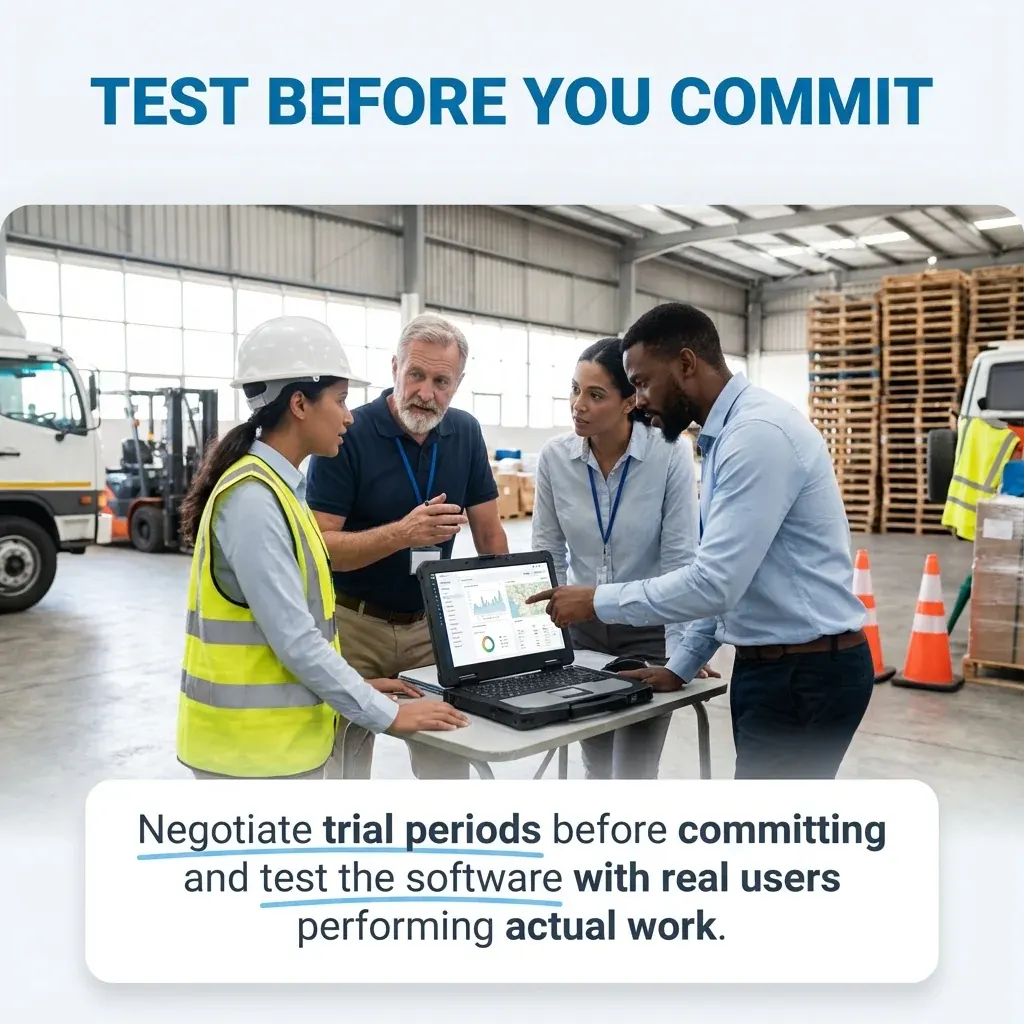
Training management capabilities help organisations deliver, track, and document safety training programmes. These features ensure workers receive required training and maintain current certifications.
Safety management system software often includes learning management system functionality. Training content exists within the platform, and workers access courses through web browsers or mobile apps.
Training scheduling and tracking
The software maintains training requirements for different job roles. New hire orientation, job-specific safety training, equipment operation certifications, and periodic refresher training get assigned automatically based on position and work location. Automated scheduling sends training assignments to workers, and managers receive reports showing incomplete training across their teams.
Training records document completion dates, scores, instructor names, and certification expiration dates. The system sends alerts before certifications expire, which prevents workers from operating equipment with expired qualifications.
Competency management integration
Advanced platforms link training completion to competency assessments, ensuring that workers can demonstrate not just attendance but the practical capability their role requires.
For transport operators, pairing software-based training records with structured Chain of Responsibility training creates a defensible evidence base that all duty holders—executives, managers, drivers, and schedulers—have been trained on their specific obligations. To review how your current training and SMS evidence stacks up, contact MAEZ for a practical assessment.
How MAEZ works
Find the gaps. Fix the system. Prove the controls.
MAEZ helps transport operators deal with the compliance risk they already know is there. We help get the Safety Management System in order, protect NHVAS accreditation, reduce fine exposure, and connect training, evidence, and CoRGuard workflows where software is needed.
Find
Identify what is exposed before an auditor or regulator does.
Fix
Build the SMS controls around how the transport business actually runs.
Prove
Use CoRGuard where records, reminders, diaries, audits, and evidence need structure.
From advice to evidence
From MAEZ advice to a working Safety Management System
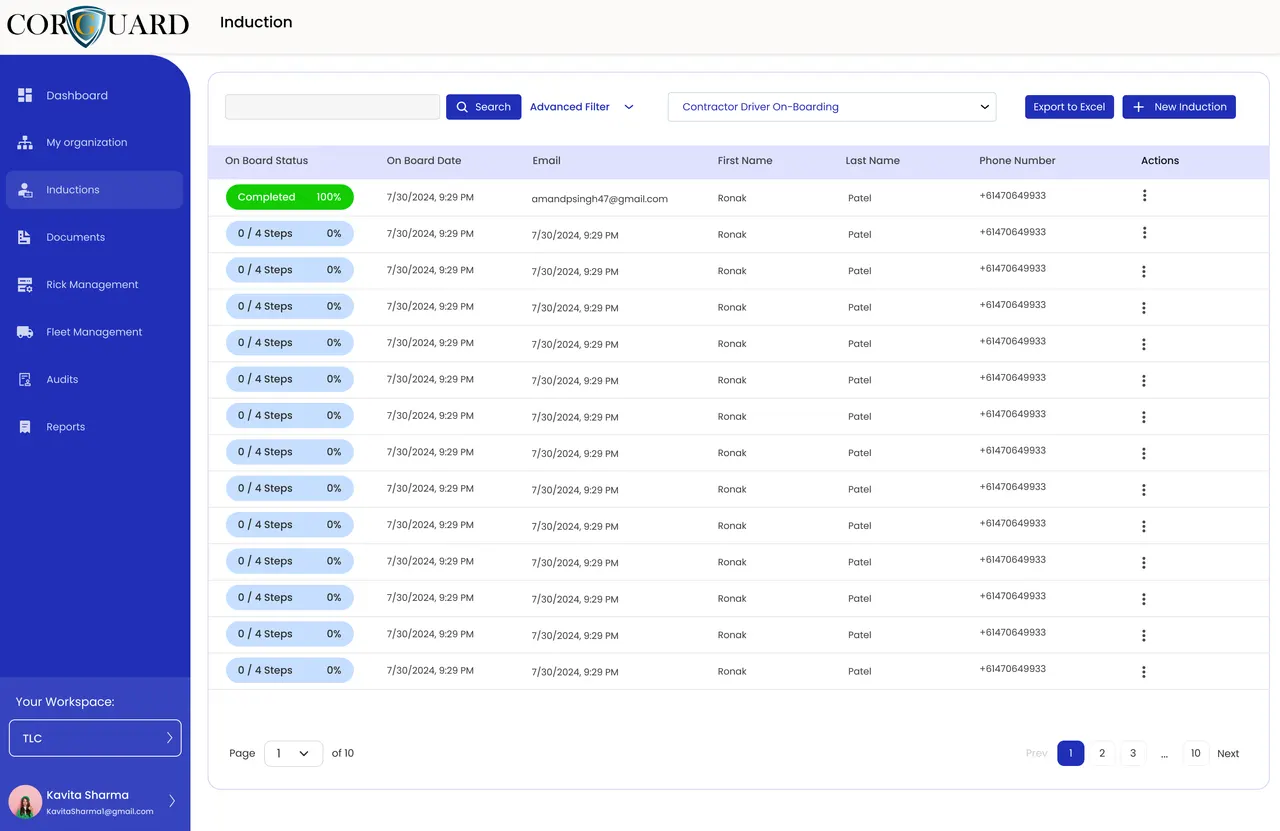
Advisory work should leave a practical implementation trail. These examples show how CoRGuard supports records, fatigue and driver diary checks, maintenance, audits, document control, inductions, corrective actions, and evidence review after MAEZ identifies the gaps.
Training records
Connect training completion from cortraining.com.au to evidence and follow-up.
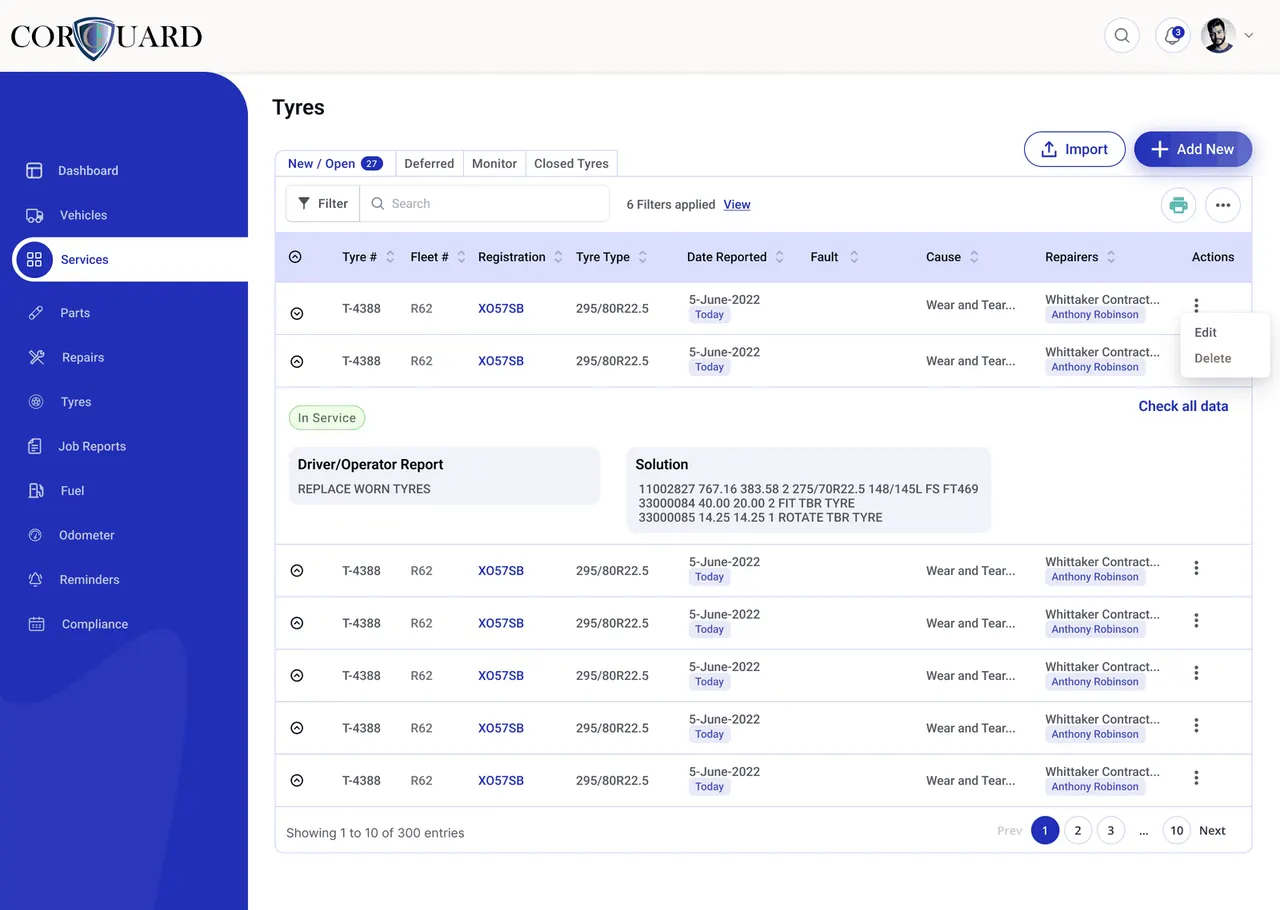
Driver diary checks
Connect fatigue and driver diary review back to manager visibility.
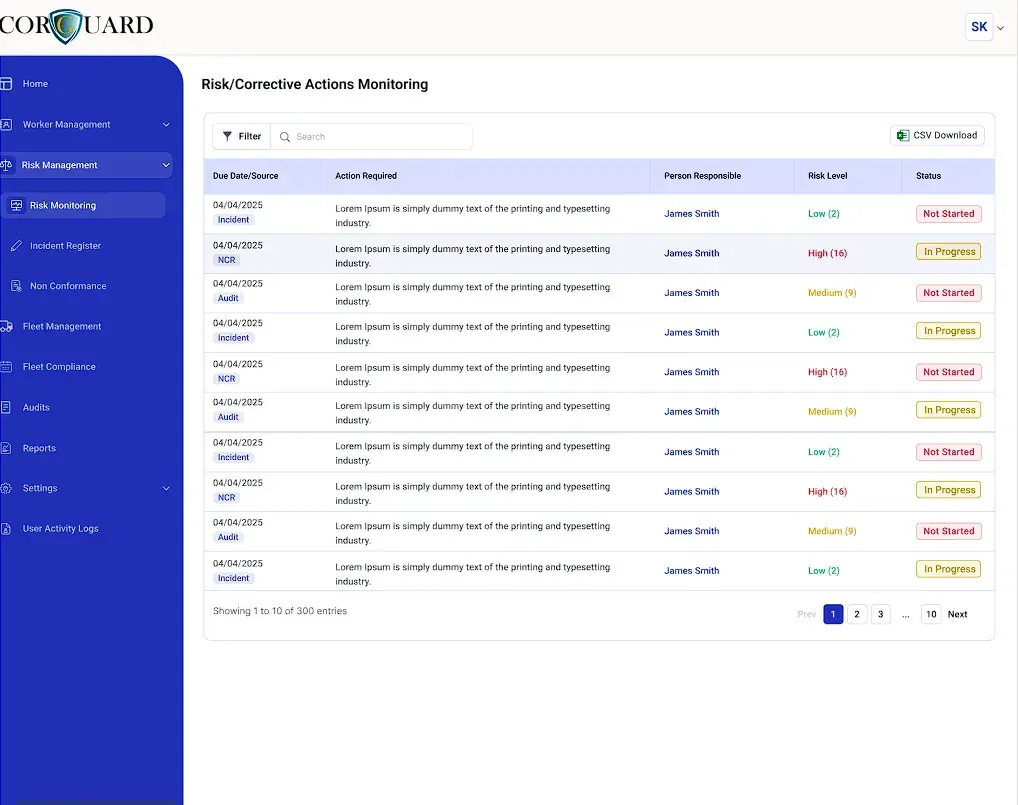
Corrective actions
Turn audit findings, hazards and incidents into tracked actions.
Keep exploring
Related Chain of Responsibility reading
MAEZ insight
Implementing a Safety Management System: A Comprehensive Guide
Learn how to implement a safety management system effectively to reduce workplace incidents and enhance operational safety. Your comprehensive guide awaits!
MAEZ insight
HVNL 2026 CoR Changes
Discover how the HVNL 2026 amendments transform CoR obligations with new Safety Management Systems for heavy vehicle compliance. Learn more here!
MAEZ insight
Mitigating Risks in Global Supply Chains: Key Strategies
Explore effective global supply chain risk management strategies to mitigate disruptions and maintain operational continuity in 2025 and beyond.
MAEZ insight
Collisions: in the Early Hours of the Morning
Collisions in the early hours are a critical safety concern in the Australian supply chain, magnified by factors like driver fatigue and low visibility.
MAEZ insight
Exploring Effective Safety Management System Examples
Discover effective Safety Management System examples across industries to enhance workplace safety. Learn how to implement these structured frameworks today.
MAEZ insight
Understanding Supply Chain Risk Management Software
Explore how Supply Chain Risk Management software enhances visibility, monitors threats, and ensures compliance to safeguard your supply network.
Frequently asked questions
Questions people ask about this topic
What is Safety Management System software used for in Australian transport operations?
Safety Management System software provides a digital framework for documenting, tracking, and managing workplace safety activities including incident reporting, hazard identification, compliance verification, and corrective action management. For Australian transport operators, it centralises safety data and supports primary duty obligations under the Heavy Vehicle National Law.
How does SMS software help with Chain of Responsibility compliance?
SMS software centralises audit trails, risk registers, training records, and corrective action tracking, creating the evidence trail that regulators and auditors expect. This helps demonstrate that every party in the Chain of Responsibility is meeting its primary duty to eliminate or minimise risks so far as is reasonably practicable.
What reporting channels do incident management modules support?
Modern incident management modules support multiple reporting channels including mobile apps, web browsers, phone hotlines, and kiosk terminals, ensuring workers can report incidents immediately regardless of work location or technology access.
Can safety software track training certifications and alert managers before they expire?
Yes. Safety management software maintains training records with completion dates, scores, and certification expiration dates, and sends automated alerts before certifications expire to prevent workers from operating equipment with expired qualifications.
How does SMS software differ from using spreadsheets for safety management?
SMS software eliminates version control issues and data silos by centralising incident reports, inspection checklists, training records, and audit findings in a single system. It also automates routine tasks like incident notifications, compliance reminders, and corrective action tracking, which spreadsheets cannot do.