
ISO 45001 transforms workplace safety from reactive firefighting into proactive risk management. This international standard gives organizations a structured framework to prevent injuries, reduce operational disruptions, and build lasting safety cultures that protect people and profits.
The standard works because it embeds safety into daily operations rather than treating it as a compliance checkbox. Organizations that implement ISO 45001 experience fewer workplace interruptions and more sustainable insurance premiums through reduced incident rates.
Whether you’re managing a warehouse, construction site, or office environment, ISO 45001 provides practical tools for identifying hazards before they cause harm. The framework scales to fit operations of nearly any size, making systematic safety management accessible to businesses across diverse sectors.
This guide examines twelve specific benefits organizations gain from ISO 45001 certification. You’ll discover how the standard delivers measurable improvements in safety performance, cost management, operational efficiency, and stakeholder confidence. Each benefit builds on the others, creating compound value that extends far beyond basic regulatory compliance.
1. What ISO 45001 Actually Does
ISO 45001 establishes an occupational health and safety (OH&S) management system that organizations use to identify, assess, and control workplace risks. The standard replaces the older OHSAS 18001 framework with a more robust approach aligned with other management system standards.
The framework requires systematic hazard identification across all operations. The monitoring phase assesses performance through internal audits and performance tracking, creating ongoing accountability for safety improvements.
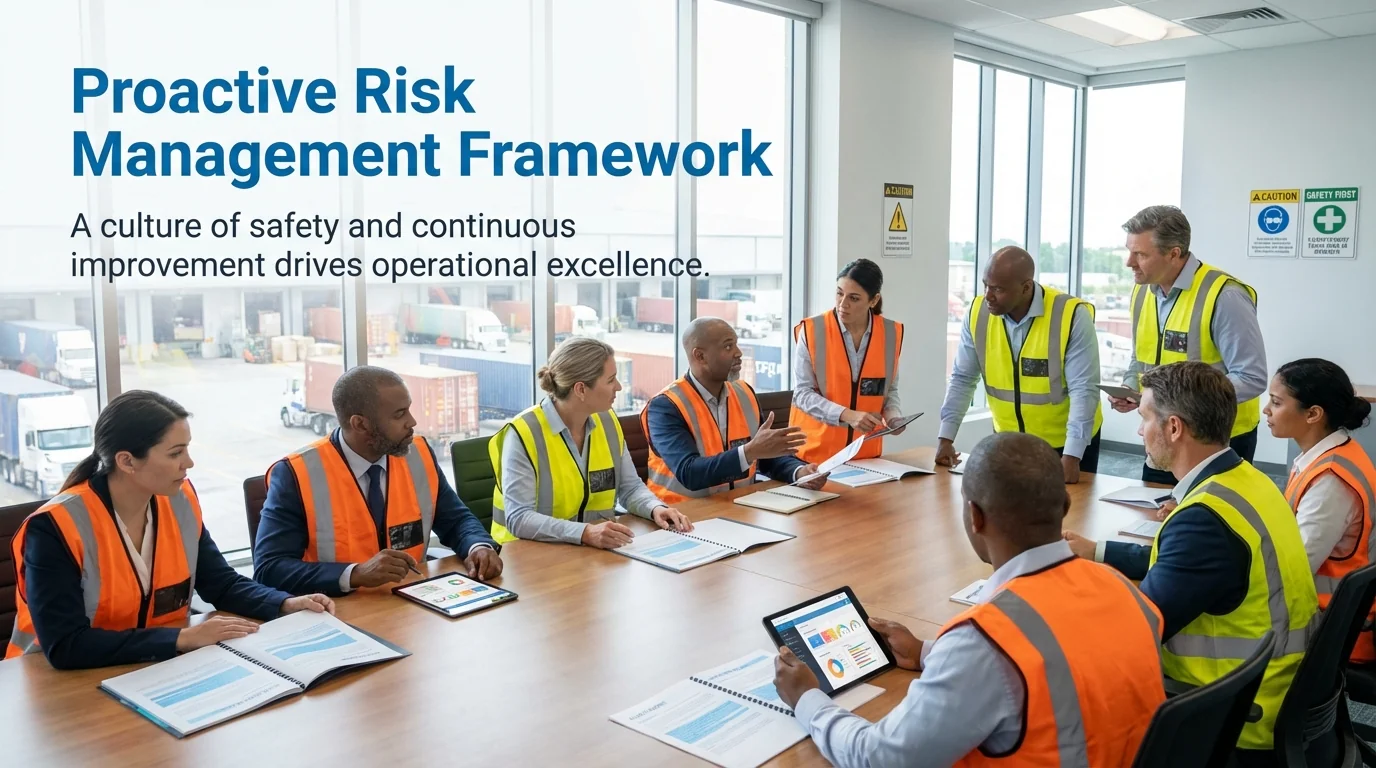
Organizations build their OH&S management system around four key elements: planning, implementation, evaluation, and improvement. This cycle ensures continuous refinement of safety protocols based on real operational data.
The standard works because it integrates with existing business processes rather than creating separate safety silos. Safety becomes part of procurement decisions, work planning, equipment selection, and performance management across all organizational levels.
2. Prevention of Workplace Injuries and Illnesses
The primary objective of ISO 45001 focuses on preventing work-related injuries and illnesses before they occur. This proactive approach differs fundamentally from traditional safety programs that react to incidents after the fact.
Organizations using ISO 45001 systematically identify hazards through structured assessment processes. These include workplace inspections, job safety analyses, incident investigations, and worker consultation mechanisms that surface risks early.
Risk assessment methods prioritize hazards based on likelihood and severity. Controls address the most significant risks first, allocating safety resources where they deliver maximum protection.
The framework requires documented procedures for hazard control, employee training, and emergency response. These standardized approaches ensure consistent safety performance regardless of individual supervisor variation.
Building Hazard Identification Systems
Effective hazard identification requires input from workers who directly perform high-risk tasks. ISO 45001 mandates employee participation in safety processes, capturing frontline knowledge that managers might miss.
Organizations establish multiple reporting channels for safety concerns. Anonymous reporting options encourage disclosure of hazards without fear of retaliation, strengthening the overall identification system.
Mobile inspection tools and digitized reporting systems enhance ISO 45001 implementation by enabling immediate data capture and real-time control. These technologies eliminate delays between hazard identification and corrective action.

3. Lower Insurance Costs and Risk Premiums
Organizations implementing ISO 45001 typically achieve significant reductions in insurance premiums over time. Insurance providers recognize certified management systems as indicators of lower risk exposure.
Reduced incident rates directly translate to lower workers’ compensation costs. Fewer claims mean lower experience modification rates (EMR), which insurers use to calculate premiums.
| Cost Category | Impact of ISO 45001 | Timeframe |
|---|---|---|
| Workers’ Compensation Premiums | Sustainable premium reductions through incident prevention | 1-3 years |
| Liability Insurance | Improved risk profile reduces coverage costs | 2-4 years |
| Property Insurance | Better hazard control lowers damage probability | 1-2 years |
Beyond premium reductions, certified organizations face lower deductibles and broader coverage options. Insurers view systematic risk management as evidence of organizational competence.
Demonstrating Risk Management to Insurers
Certification provides third-party verification of safety management capabilities. Insurers value this independent assessment more than self-reported safety programs.
Annual surveillance audits demonstrate ongoing commitment to safety excellence. This consistency builds insurer confidence and supports long-term premium stability.
Organizations should share certification status and audit reports with insurance providers during policy renewals. Documentation of continuous improvement strengthens negotiating positions.
4. Enhanced Productivity and Operational Efficiency
Systematic safety management removes operational disruptions that interrupt work flow. Fewer incidents mean less production downtime, reduced rework, and fewer schedule delays.
Safer workplaces improve morale, retention, and engagement among workers. Engaged employees demonstrate higher productivity and better quality performance.
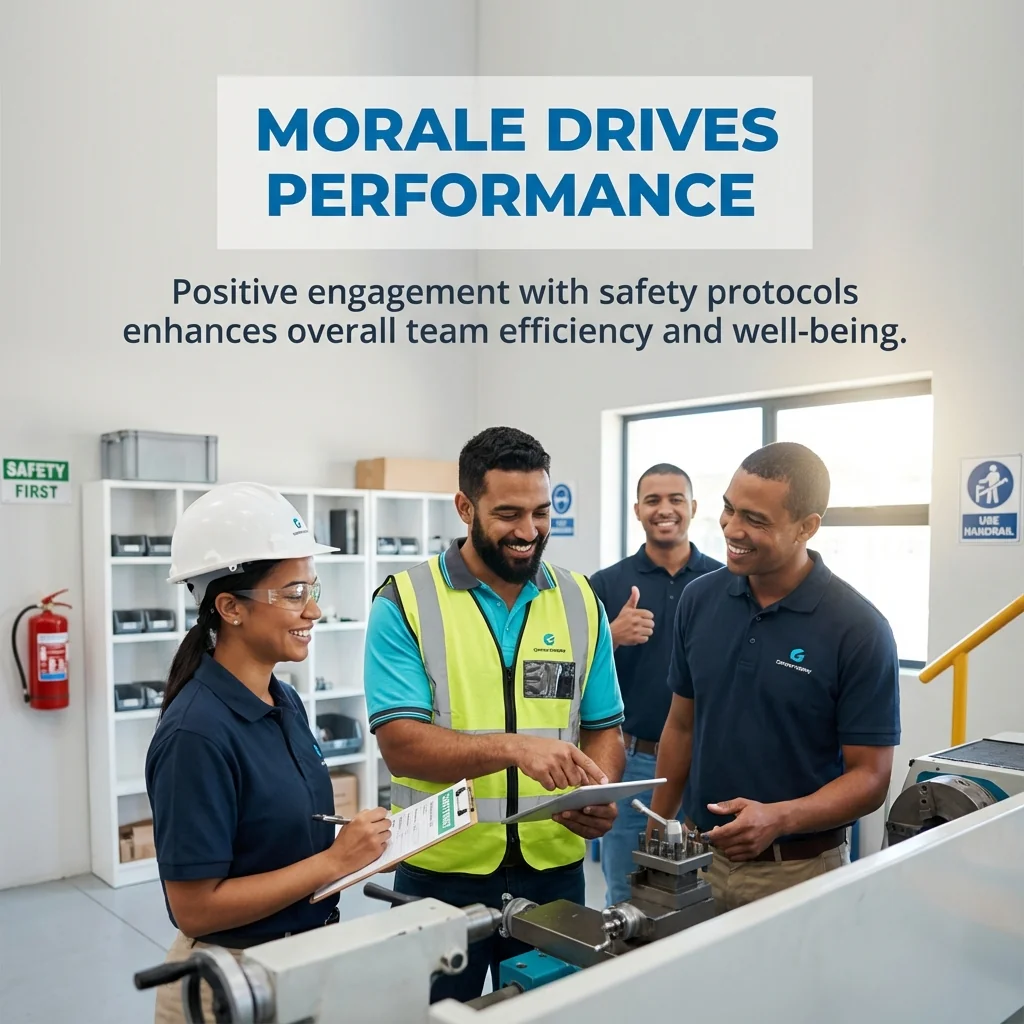
ISO 45001 requires clear assignment of safety roles and responsibilities. This clarity eliminates confusion about who addresses hazards, speeding response times and preventing escalation.
The standard’s emphasis on preventive maintenance reduces equipment failures. Well-maintained equipment operates more reliably, supporting consistent production output.
Reducing Hidden Productivity Losses
Incident investigations reveal inefficiencies beyond obvious safety issues. Root cause analysis often uncovers process problems, training gaps, or communication breakdowns that affect overall performance.
Corrective actions address these underlying issues, delivering productivity gains alongside safety improvements. Organizations capture dual benefits from single improvement initiatives.
Employee participation in hazard identification surfaces operational improvement opportunities. Workers closest to processes often identify efficiency enhancements that managers overlook.
5. Strengthened Regulatory Compliance
ISO 45001 provides a framework for meeting diverse occupational health and safety regulations. Certification helps organizations avoid legal or regulatory penalties by meeting international standards.

The standard requires organizations to identify applicable legal requirements and ensure operational compliance. This systematic approach prevents regulatory violations caused by knowledge gaps.
Regular compliance audits verify adherence to legal obligations. Organizations detect and correct non-conformities before external regulators discover them.
Documentation requirements create evidence of due diligence. This record proves organizational efforts to meet safety obligations, providing legal protection if incidents occur despite best efforts.
Managing Multi-Jurisdiction Compliance
Organizations operating across multiple locations face varying regulatory requirements. ISO 45001’s management system approach provides consistent compliance methodology applicable to different jurisdictions.
The framework requires tracking of regulatory changes affecting operations. Organizations implement updates systematically rather than reacting to enforcement actions.
Centralized compliance documentation simplifies multi-site management. Standardized procedures adapted to local requirements ensure nothing falls through administrative cracks.
6. Systematic Risk Management Capabilities
ISO 45001 embeds risk-based thinking throughout organizational processes. This systematic approach transforms how organizations identify, assess, and control workplace hazards.
The standard requires proactive hazard identification rather than reactive incident response. Organizations anticipate potential problems and implement controls before injuries occur.
Risk assessment methodologies prioritize controls based on severity and likelihood. Resources focus on hazards with highest potential for harm, maximizing safety investment effectiveness.
| Risk Assessment Step | Key Activities | Outcome |
|---|---|---|
| Hazard Identification | Workplace inspections, job analyses, consultation | Documented hazard inventory |
| Risk Evaluation | Severity and likelihood assessment | Prioritized risk register |
| Control Selection | Elimination, substitution, engineering, administrative, PPE | Implemented control measures |
Implementing Control Hierarchies
ISO 45001 requires organizations to follow established control hierarchies. Elimination and substitution receive priority over personal protective equipment.
Engineering controls that physically remove hazards provide more reliable protection than administrative procedures. Organizations design safety into processes rather than depending on worker compliance.
When higher-level controls prove infeasible, combinations of measures provide layered protection. Multiple barriers reduce the probability that single control failures cause injuries.
7. Increased Stakeholder and Customer Confidence
ISO 45001 certification demonstrates organizational commitment to worker protection. This visible commitment strengthens relationships with customers, investors, and community stakeholders.
Many organizations require ISO 45001 certification from suppliers and contractors. Certification removes barriers to valuable business relationships and opens access to supply chain opportunities.
ISO 45001 certification strengthens tender eligibility and proves compliance for public-sector and high-value private tenders. Organizations compete more effectively for contracts with stringent safety requirements.
Building Reputation Through Certification
ISO 45001 certification demonstrates organizational commitment to Environmental, Social, and Governance (ESG) goals and corporate responsibility. Investors increasingly consider ESG factors in decision-making processes.
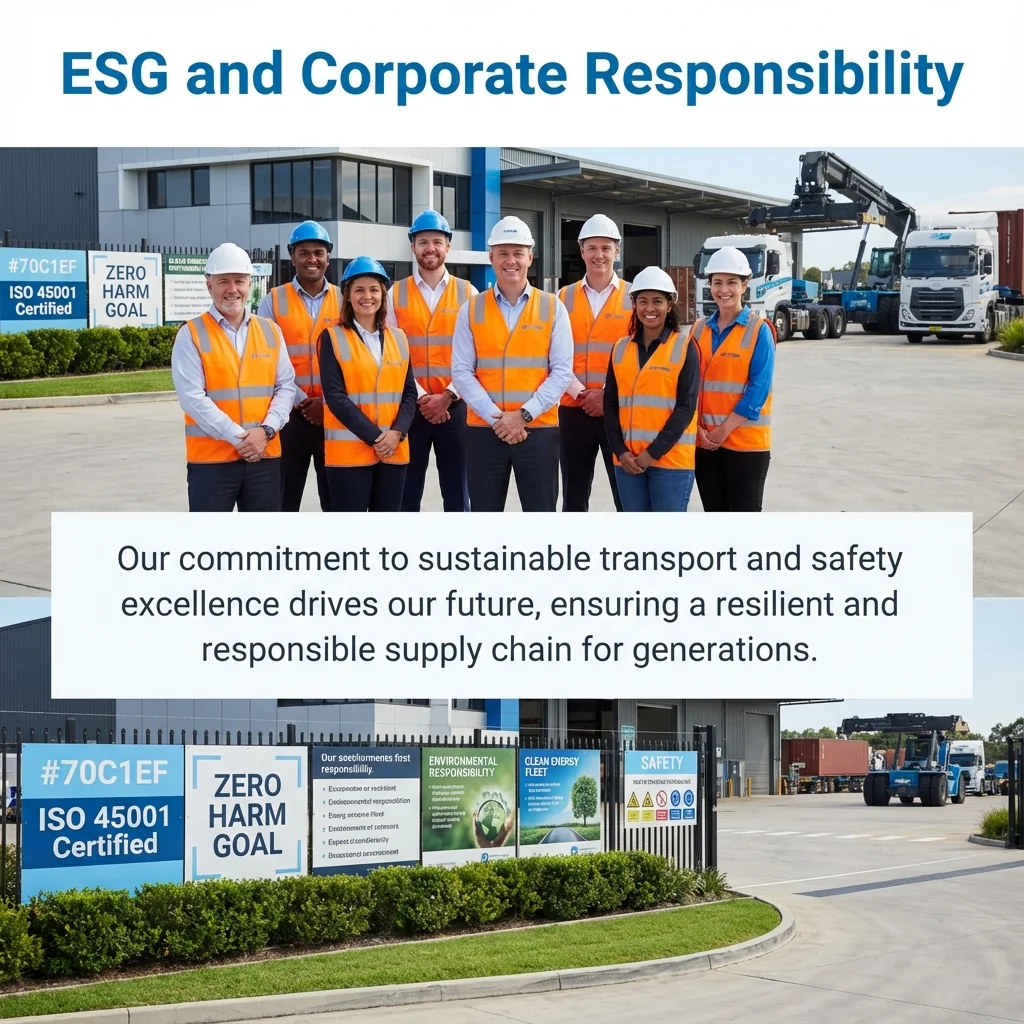
Third-party certification provides credible verification of safety capabilities. Organizations leverage this independent validation in marketing materials, annual reports, and stakeholder communications.
Certification distinguishes organizations from competitors lacking systematic safety management. This differentiation creates competitive advantages in industries where safety performance influences buying decisions.
8. Improved Employee Engagement and Morale
ISO 45001 requires meaningful worker participation in safety management. This involvement demonstrates organizational respect for employee knowledge and experience.
Employees who contribute to hazard identification and control selection develop ownership of safety outcomes. This ownership translates to better compliance with safety procedures and proactive hazard reporting.
Visible safety investment signals organizational commitment to employee wellbeing. Workers recognize employers who prioritize their protection over short-term production pressures.
Reduced injury rates create positive workplace cultures. Employees feel safer and more valued, improving retention and attracting quality talent.
Creating Effective Participation Mechanisms
Organizations establish safety committees with worker representation. These committees review incident data, recommend improvements, and monitor implementation progress.
Regular safety meetings provide forums for employee input. Organizations act on worker suggestions, demonstrating that participation produces tangible changes.
Recognition programs celebrate employees who identify hazards or suggest improvements. Positive reinforcement encourages ongoing engagement in safety processes.
9. Management Leadership and Accountability
ISO 45001 requires demonstrated leadership commitment to OH&S management. Top management must establish safety policies, allocate resources, and actively participate in safety activities.
The standard assigns specific OH&S responsibilities throughout organizational hierarchies. Clear accountability prevents safety duties from falling between organizational cracks.
Management reviews assess OH&S system performance at planned intervals. These reviews ensure continued suitability, adequacy, and effectiveness of safety management approaches.
Leadership visibility in safety activities influences organizational culture. When executives participate in safety walks, incident investigations, and committee meetings, employees recognize genuine commitment.
Integrating Safety into Strategic Planning
Organizations align OH&S objectives with broader business goals. Safety performance becomes a strategic priority rather than an operational afterthought.
Resource allocation decisions consider safety implications alongside financial and operational factors. Organizations budget adequately for safety equipment, training, and system improvements.
Executive performance evaluations include safety metrics. This accountability ensures leadership maintains focus on OH&S outcomes.
10. Continuous Improvement Culture
ISO 45001 embeds continuous improvement throughout OH&S management systems. Organizations systematically identify opportunities to enhance safety performance beyond baseline compliance.
The Plan-Do-Check-Act cycle drives ongoing refinement of safety processes. Organizations plan improvements, implement changes, evaluate results, and adjust approaches based on outcomes.
Incident investigations focus on system improvements rather than individual blame. Root cause analyses identify organizational factors that contributed to incidents, guiding preventive actions.
Performance monitoring provides data for improvement decisions. Organizations track leading indicators like hazard reports and near-misses alongside lagging indicators like injury rates.
Using Data to Drive Improvements
Organizations establish key performance indicators aligned with OH&S objectives. Regular measurement provides visibility into progress toward safety goals.
Trend analysis reveals patterns requiring attention. Organizations address negative trends before they produce serious incidents.
Benchmarking against industry standards identifies performance gaps. Organizations adopt proven practices from high-performing peers.
11. Integration With Other Management Systems
ISO 45001 uses the same high-level structure as other ISO management standards. This common framework simplifies integration with quality (ISO 9001) and environmental (ISO 14001) systems.
Integrated management systems eliminate duplicated processes. Organizations conduct single audits covering multiple standards, reducing administrative burden.
Common documentation requirements streamline record-keeping. Organizations maintain unified policy manuals, procedure documents, and audit schedules.
Integrated approaches reveal connections between safety, quality, and environmental performance. Organizations optimize across objectives rather than managing competing priorities.
Building Integrated Management Structures
Organizations appoint integrated management representatives overseeing multiple standards. This coordination prevents conflicting requirements and identifies synergies.
Unified management reviews assess performance across all system components. Executive teams gain complete operational visibility through single review processes.
Combined training programs address multiple standards simultaneously. Employees develop broader understanding of organizational management approaches.
12. Competitive Advantages in Procurement and Contracts
ISO 45001 certification becomes a differentiator in competitive bidding situations. Many organizations now require certified OH&S management systems from suppliers and contractors.
Certification demonstrates capability to manage safety risks within complex projects. Clients gain confidence that certified organizations will deliver work without incident disruptions.
Pre-qualification processes favor certified organizations. Certification expedites approval for supplier panels and preferred contractor lists.
Joint ventures and partnerships benefit from aligned safety management approaches. Certified organizations collaborate more effectively when using common frameworks.
Leveraging Certification in Business Development
Organizations prominently display certification in proposals and presentations. This visible commitment to safety excellence strengthens competitive positions.
Marketing materials highlight certification achievements. Organizations differentiate themselves from competitors lacking systematic safety management.
Case studies demonstrate safety performance improvements following certification. Quantified results provide evidence of organizational capabilities.
Key Questions About ISO 45001
Is ISO 45001 worth the investment?
ISO 45001 delivers return through reduced workplace accidents, improved compliance, lower insurance costs, and enhanced business opportunities. Organizations benefit from operational efficiency gains and reputation improvements that extend well beyond initial certification costs.
What advantages does ISO 45001:2018 offer in terms of risk management?
The standard requires proactive identification and control of workplace hazards before they cause harm. This systematic approach reduces incident likelihood while strengthening legal compliance and operational resilience through embedded risk-based thinking.
What is the main objective of ISO 45001?
ISO 45001 aims to prevent work-related injuries and illnesses by providing a framework for managing occupational health and safety risks. The standard creates safer workplaces through systematic hazard control and continuous performance improvement.
Moving Forward With ISO 45001
ISO 45001 transforms safety from compliance burden into operational advantage. Organizations gain systematic approaches for protecting workers while improving productivity, reducing costs, and strengthening stakeholder relationships.
The benefits compound over time as safety cultures mature and systems refine. Early gains in incident reduction lead to sustained improvements in operational performance and business reputation.
Success requires genuine leadership commitment beyond certification achievement. Organizations that embed OH&S management into daily operations realize the full value the standard offers.
Whether you’re starting your ISO 45001 journey or refining existing systems, focus on practical implementation that fits your operational reality. Comprehensive implementation guidance helps organizations build effective safety management systems aligned with business needs. The framework provides flexibility to address unique hazards while maintaining systematic rigor that delivers measurable results.
Organizations across sectors demonstrate that systematic safety management produces tangible benefits. The question isn’t whether ISO 45001 delivers value, but how quickly you’ll capture the advantages it offers. Start with clear objectives, engage your workforce, and build incrementally toward full implementation.